A 10-day Shanghai Suzhou Hangzhou itinerary is the best-value trip in eastern China. You get one of the world’s great modern cities, the classical gardens that Chinese landscape design was built on, and a lake that poets have been writing about for a thousand years — all inside a triangle you can cross by high-speed train in under 90 minutes. Nothing here needs a domestic flight. This 2026 guide gives you a day-by-day plan with current train times and fares, ticket prices, hotel bands, the closures that catch people out, and three ways to vary the route.

Table of Contents
- 10 Day Shanghai Suzhou Hangzhou Itinerary at a Glance
- Who This Itinerary Suits
- Days 1–4: Shanghai
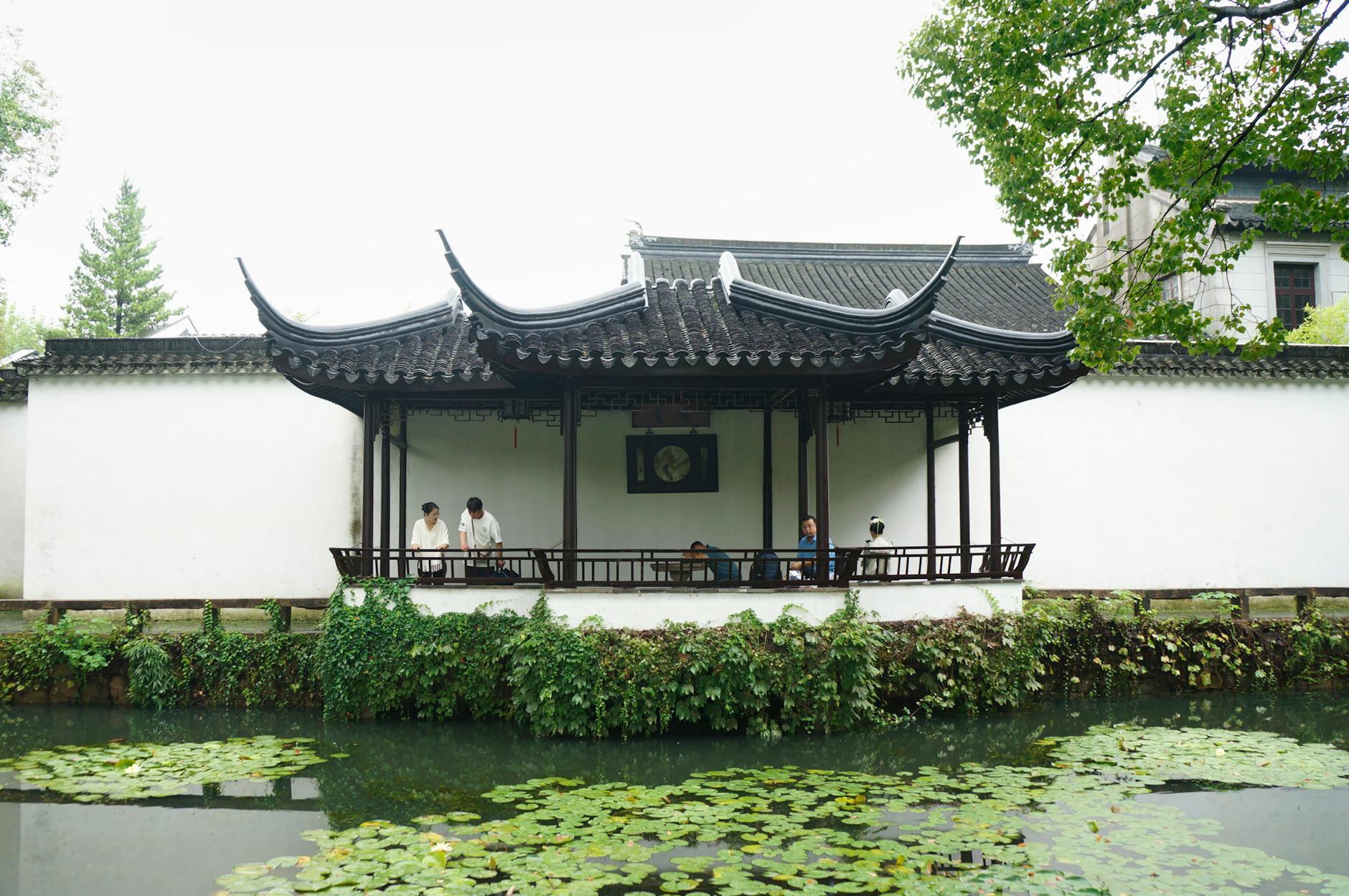
- Days 5–6: Suzhou
- Days 7–9: Hangzhou
- Day 10: Return to Shanghai
- Transport Logistics
- Booking the Trains
- Attraction Prices at a Glance
- Monday Closures & Timing Traps
- What to Eat in Each City
- Hotel Recommendations
- Variations
- What This Itinerary Costs
- Practical Tips
- FAQ
10 Day Shanghai Suzhou Hangzhou Itinerary at a Glance
- Day 1: Arrive Shanghai; Bund evening
- Day 2: Yu Garden + Lujiazui towers
- Day 3: French Concession + Tianzifang
- Day 4: Shanghai Museum East + Bund night
- Day 5: Train to Suzhou; Humble Administrator’s Garden
- Day 6: Tongli water town by metro
- Day 7: Train to Hangzhou; West Lake
- Day 8: Lingyin Temple + Longjing tea terraces
- Day 9: Wuzhen overnight, or a second Hangzhou day
- Day 10: Train back to Shanghai; departure
That is a 4–2–3 split with the tenth day for transit. It works because the transfers are short: nine of the ten nights are spent in a bed you unpack into, and you only change hotels twice.
| City | Nights | What it is good at | What it is not |
|---|---|---|---|
| Shanghai | 4 (+1 transit) | Skyline, food, bars, museums, Art Deco | Not restful; big distances |
| Suzhou | 2 | Classical gardens, canals, silk, quiet evenings | Thin nightlife; gardens blur if you do too many |
| Hangzhou | 3 | West Lake, tea country, temples, walking | Very crowded at weekends; sprawling |
Who This Itinerary Suits
It suits first-time visitors to China who want variety without internal flights, walkers who are happy doing 12–15 km a day, and anyone travelling in spring or autumn. Ten days is also about the point where a 30-day visa-free entry or the 240-hour transit exemption stops being tight.
It suits you less if you want one base and no packing. If that is you, stay in Shanghai for all ten nights and day-trip out — Suzhou is 30 minutes away and Hangzhou is under an hour, so both are genuinely doable as day trips. You lose the evenings, which is the real cost: Suzhou’s Pingjiang Road after dark and Wuzhen’s Xizha after 21:00 are the two best hours of this trip, and day-trippers miss both. See day trips from Shanghai if you decide to go that way, or the 7-day Shanghai itinerary for a shorter single-city version.
Days 1–4: Shanghai
Day 1 — Arrival & the Bund
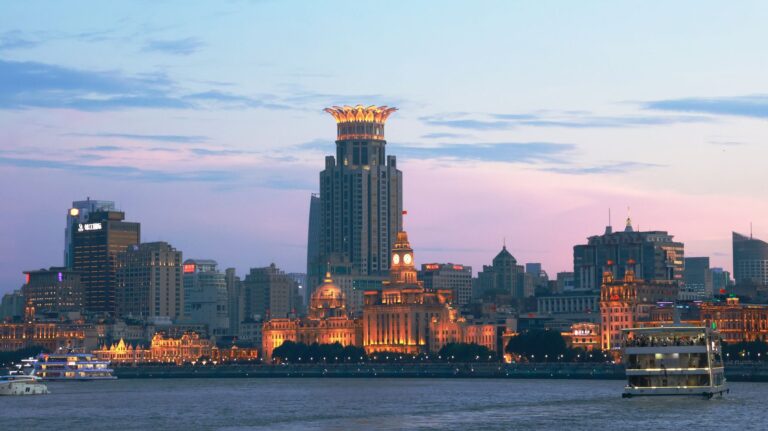
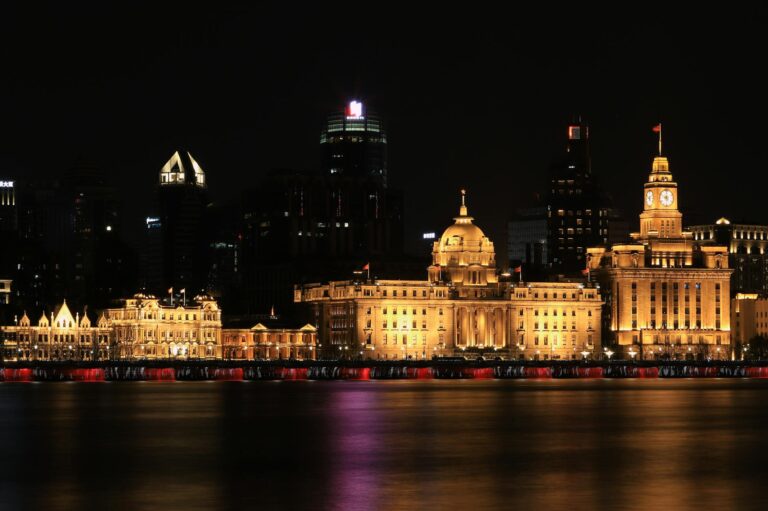
Land at Pudong. The Maglev to Longyang Road takes 7–8 minutes, then Line 2 onward; a taxi to the centre is roughly ¥160–200 and 45–60 minutes. Late afternoon, walk the Bund promenade from north to south as the lights come on. Illumination runs roughly 18:30–22:30 in spring, 19:00–22:30 in summer, and to 23:00 at weekends. See one day in Shanghai and Pudong airport to the city centre.
Day 2 — Yu Garden & Pudong
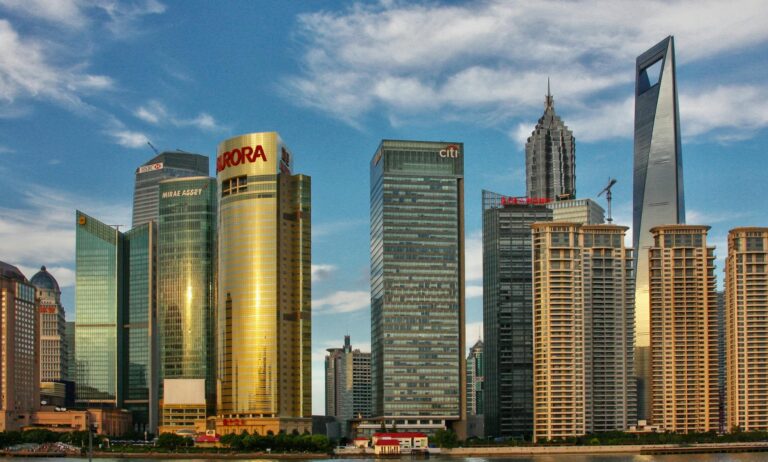
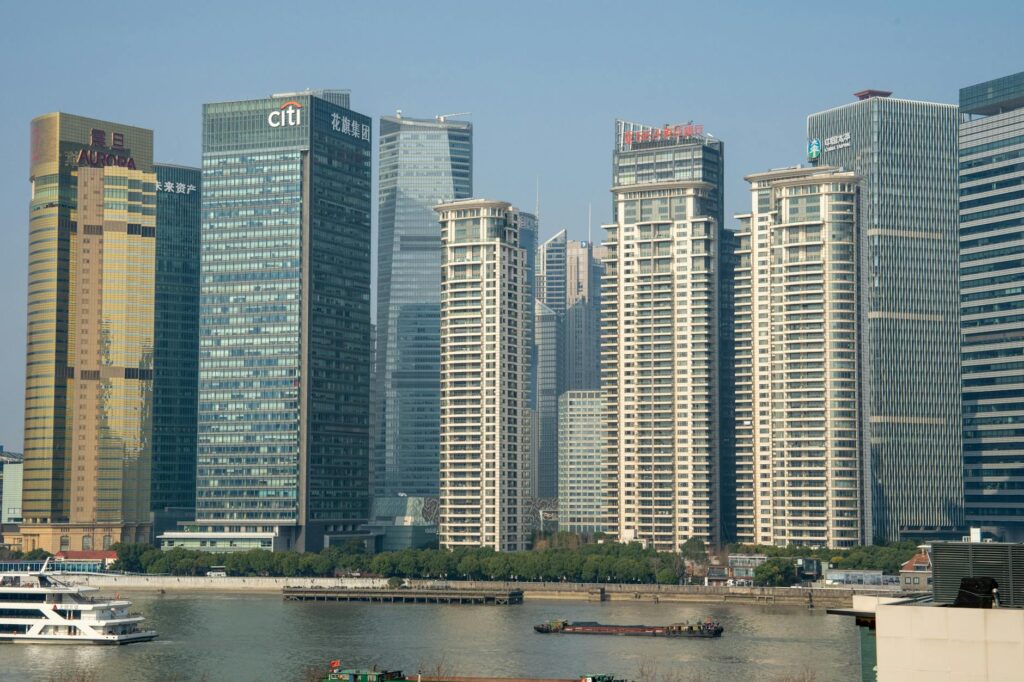
Yu Garden opens at 09:00 and closes at 16:30 with last entry around 16:00; ¥40 in peak months (April–June, September–November) and ¥30 otherwise, closed Mondays. Metro Line 10 Exit 1 or Line 14 Exit 7. Soup dumplings in the bazaar, then cross to Lujiazui and go up the Shanghai Tower (¥180, open until 22:00, last entry about 21:30). See our Yu Garden guide and Shanghai Tower observation deck.
Day 3 — French Concession
Coffee at Wukang Mansion, then Anfu, Wuyuan and Yongkang Roads on foot. Lunch in the neighbourhood, Tianzifang’s lanes in the afternoon, cocktails in the evening. Our French Concession walking tour maps a three-hour loop.
Day 4 — Museums & the River at Night
Shanghai Museum East is free but needs a timed booking through its WeChat mini-programme, usually released one to seven days ahead, and it is closed Mondays. Afternoon: Power Station of Art, the M50 galleries, or shopping. Evening: a 50-minute Huangpu cruise at about ¥120, or the ¥2 public ferry, which is the same river for one-sixtieth of the price. See best museums in Shanghai and the river night cruise guide.
Days 5–6: Suzhou
Day 5 — Train, Gardens, Pingjiang Road
Take a mid-morning G train from Shanghai Hongqiao to Suzhou Railway Station, not Suzhou North — the main station sits on the edge of the old town and puts you 20 minutes from the gardens on metro Line 4. Journey time is usually 25–30 minutes; second class is about ¥40 and first class ¥65–80. Hundreds of departures a day, so a fixed time is not critical.
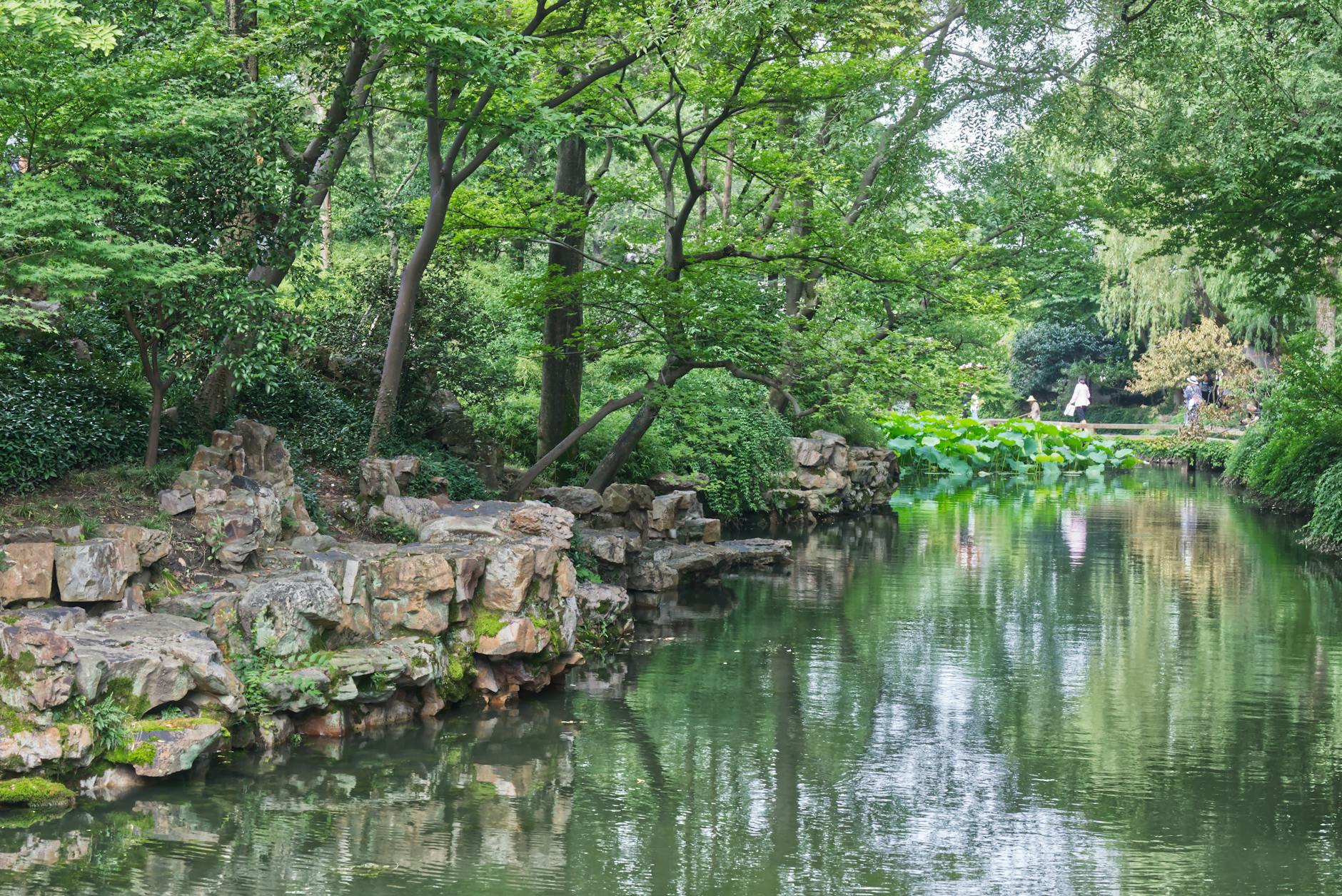
Check in, then the Humble Administrator’s Garden — ¥80 in peak season (April–May and September–November), around ¥70 the rest of the year, open roughly 07:30–17:30. It is the biggest of the classical gardens and it deserves two hours. Walk Pingjiang Road’s canal lanes afterwards, and if you have appetite for a second garden, make it the Master of the Nets (¥30–40) rather than another large one — it is a quarter of the size and twice as instructive about how these gardens actually work.
Suzhou Museum, in the I. M. Pei building next door to the Humble Administrator’s Garden, is free with a WeChat reservation opened about seven days ahead, 09:00–17:00, closed Mondays. Dinner at Songhe Lou (¥200–400 a head) or anywhere on Pingjiang Road at ¥60–150.
Day 6 — Tongli by Metro
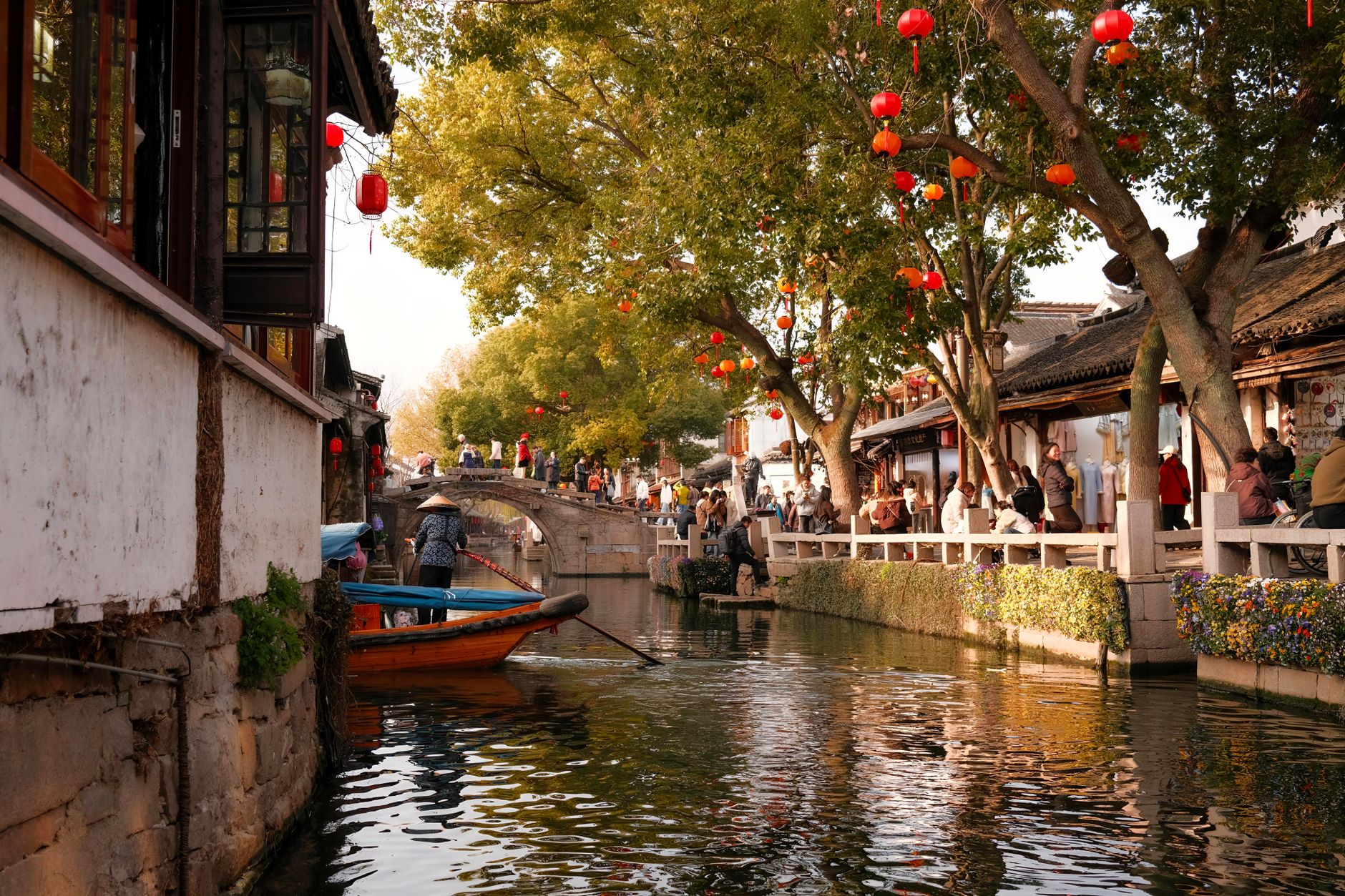
The best-kept secret of this leg: Suzhou’s metro Line 4 runs all the way to Tongli. Ride to the end, about 50 minutes for a few yuan, then a shuttle from Exit 10, bus 725 from Exit 2, or a ten-minute taxi. Entry is ¥100 and covers nine or ten halls and gardens including Tuisi Garden, a UNESCO site built in the 1880s that needs about 45 minutes. Ticketed sights admit until around 17:00; the lanes and bridges are free outside those hours. A sculling boat is ¥120–150 for the whole boat, up to six people — not per person, so don’t let anyone tell you otherwise. Full detail in our Tongli guide; Zhouzhuang is the more famous alternative and the more crowded one.
Days 7–9: Hangzhou
Day 7 — Train & West Lake
Suzhou to Hangzhou East is the longest leg of the trip: about 41 bullet trains a day between roughly 06:43 and 20:17, fastest around 1 hour 20 minutes and typically closer to 1 hour 30. Second class runs about ¥111.50 on G trains and ¥94 on the slower D trains; first class is ¥178.50 and ¥150 respectively. Some search results will route you via Shanghai — that takes about two hours with a change, so check the itinerary before you pay.
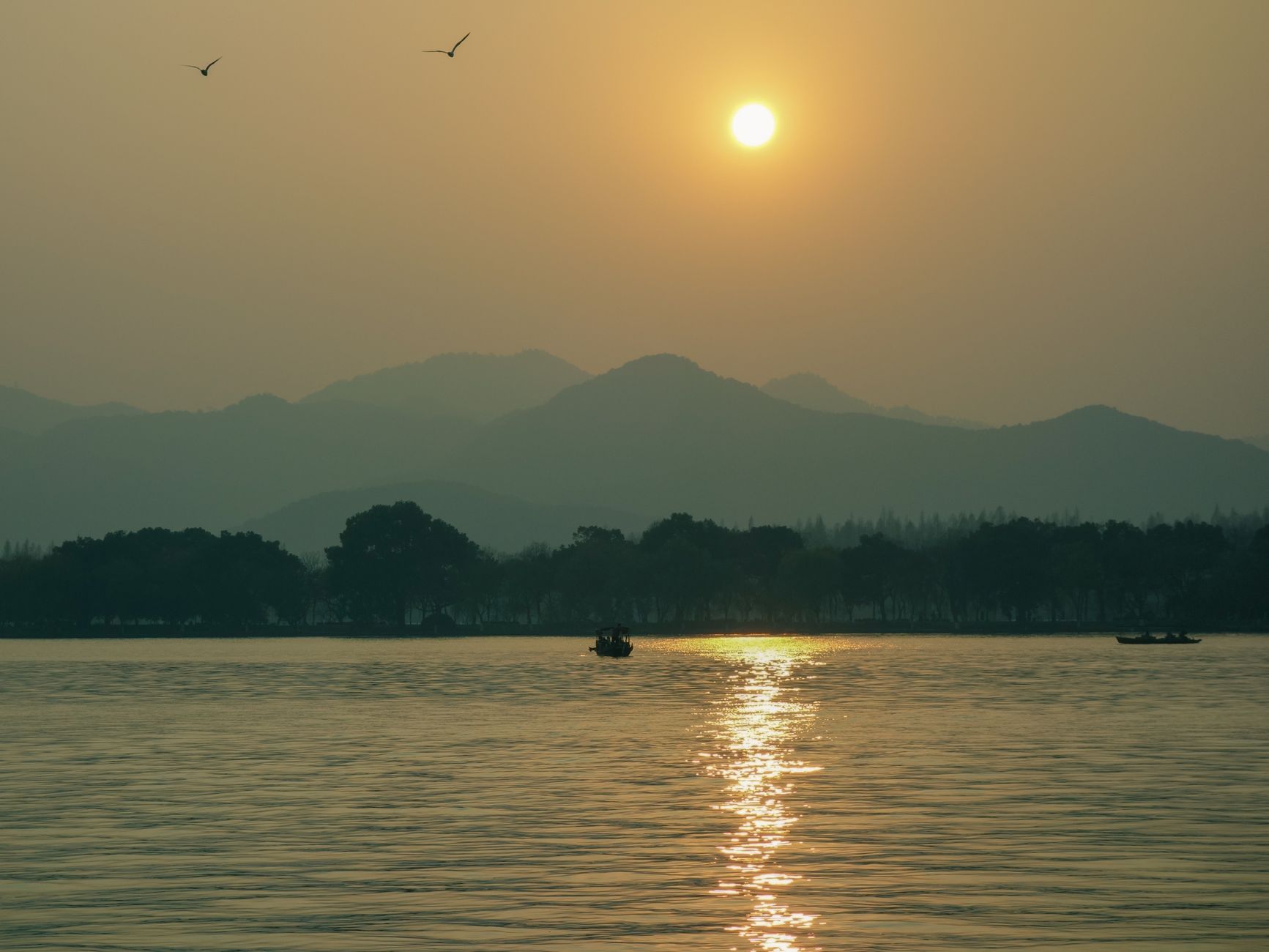
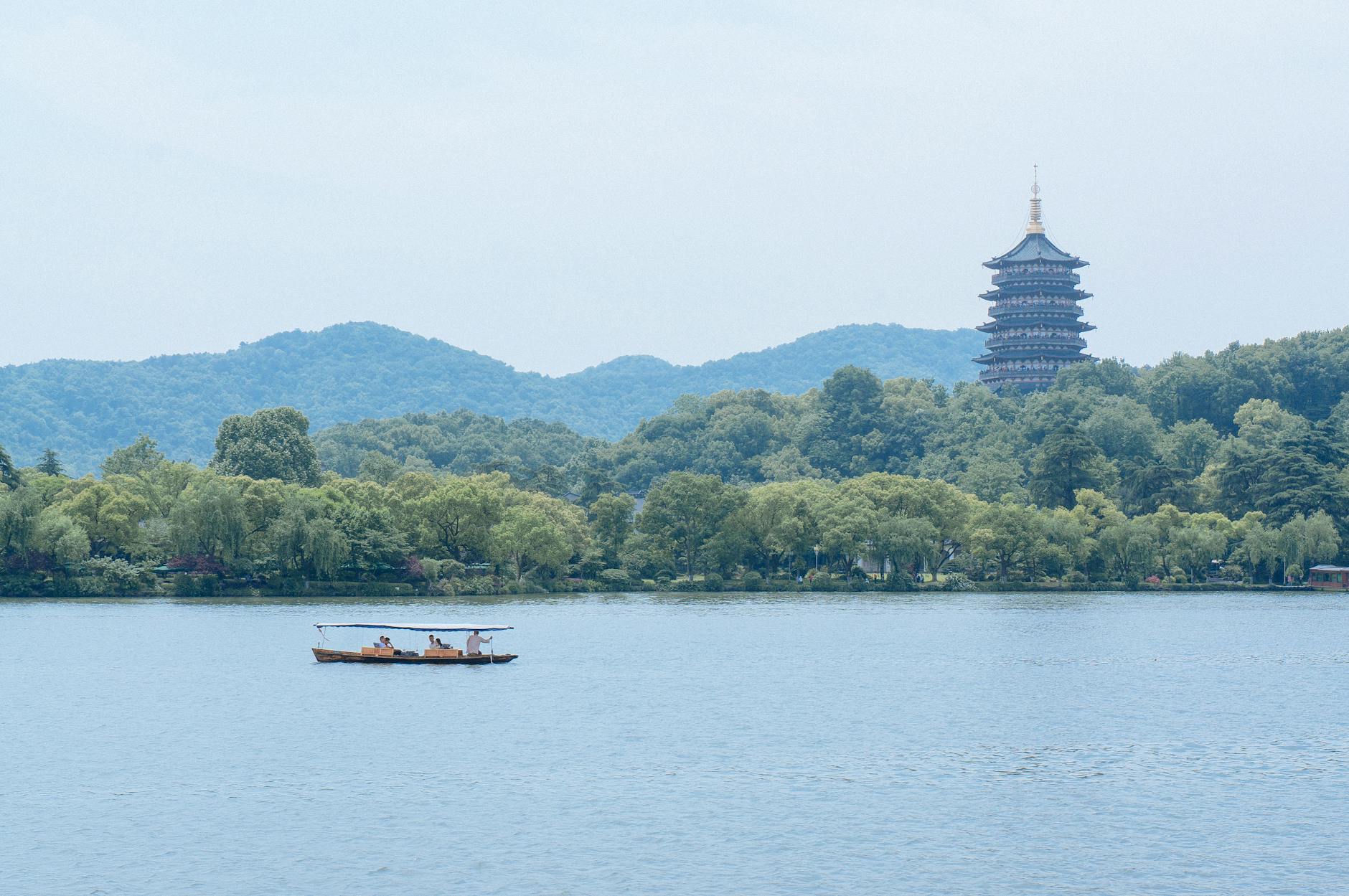
From Hangzhou East, metro Line 1 towards Xianghu to Longxiangqiao is 15 minutes and about ¥4, and drops you at the lake’s northeast shore. A taxi or Didi is ¥35–50 and 20–30 minutes. Walk the Bai Causeway and Broken Bridge, take the public boat to Three Pools Mirroring the Moon (around ¥55), and finish at Leifeng Pagoda for sunset (around ¥40). See our Hangzhou guide.
Day 8 — Lingyin Temple & the Tea Terraces
Lingyin Temple and the Feilai Feng grottoes are ticketed separately at around ¥30 each; go at opening, before the coaches. The vegetarian hall inside does a good, cheap lunch. In the afternoon, taxi 20 minutes to Longjing tea village — tastings run ¥80–200 a head and the walk up through the terraces is free and better than the tasting. Back to the lake for the evening.
Day 9 — Wuzhen or a Second Hangzhou Day
Option A: Wuzhen. Stay the night in Xizha, which is the entire point — the scenic area stays open until about 22:00 and after nine the day crowds have gone. Xizha tickets run ¥120–150, Dongzha ¥100–110, a combined ticket ¥150–190, and an evening-only Xizha ticket around ¥80. Rooms inside run ¥600–1,200 with canal-view suites at ¥1,500–2,500; family inns outside are ¥400–800. See our Wuzhen guide.
Option B: stay put. The Grand Canal’s northern end, Hu Xueyan’s Mansion, the China National Tea Museum and Hefang Street fill a day comfortably, and you save two transfers.
Day 10: Return to Shanghai
From Hangzhou East to Shanghai Hongqiao is 45–60 minutes; second class is about ¥73, first class ¥117, business ¥219, and there are over 270 services a day. From Wuzhen, take a bus or taxi to Tongxiang station and pick up a G train to Hongqiao — roughly 30–40 minutes for about ¥40.
Allow four hours from hotel checkout to boarding at Pudong. Hongqiao to Pudong is 60–75 minutes across the city on Line 2 with a change at Guanglan Road, or 50 minutes by taxi at ¥200 or so outside rush hour. If your flight leaves from Hongqiao instead, you are already at the airport — the rail and air terminals share a complex. See the Hongqiao airport guide.
Transport Logistics
| Leg | Time | 2nd class | 1st class | Notes |
|---|---|---|---|---|
| Shanghai Hongqiao → Suzhou | 25–30 min | ~¥40 | ¥65–80 | Hundreds daily. Use Suzhou station, not Suzhou North |
| Suzhou → Hangzhou East | 1h20–1h30 | ¥94–111.5 | ¥150–178.5 | 41 a day, 06:43–20:17. Some route via Shanghai (2h) |
| Hangzhou East → Shanghai Hongqiao | 45–60 min | ~¥73 | ~¥117 | 270+ a day; business class ~¥219 |
| Shanghai Hongqiao → Tongxiang (Wuzhen) | 30–40 min | ~¥40 | — | Then bus K282 or taxi, 20–30 min |
| Suzhou → Tongli | ~60 min | Few ¥ | — | Metro Line 4 to the terminus, then shuttle or bus 725 |
Within each city, metro plus Didi covers everything. A Shanghai transport card also works on the metro in Suzhou and Hangzhou through the interoperable China T-Union scheme, and Alipay’s transit QR works in all three — see the transport card guide and getting around Shanghai.
Booking the Trains
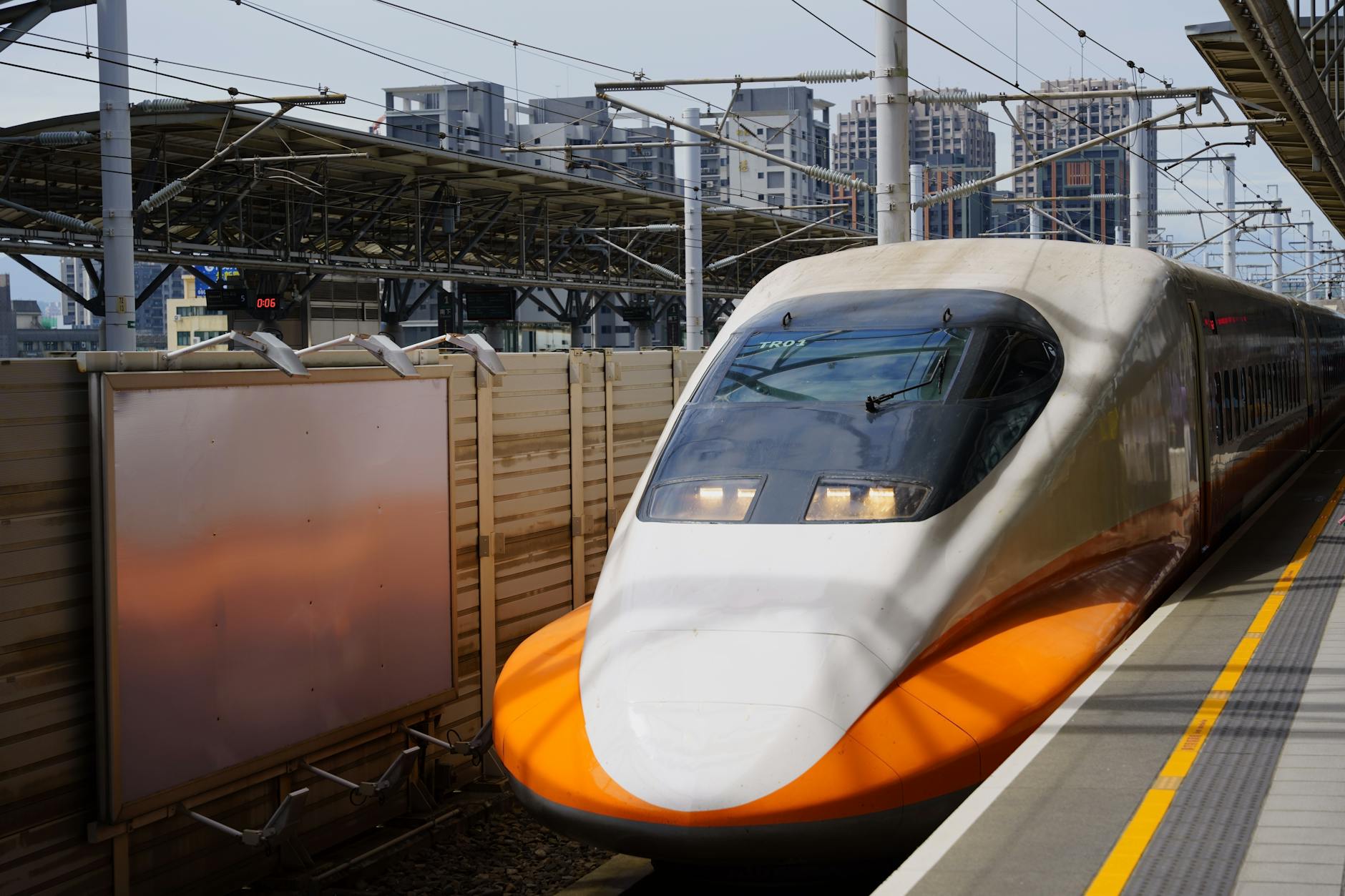
Chinese rail tickets go on sale 14 days before departure. On these three routes that matters far less than on long-distance lines — frequency is so high that same-day travel is normally fine outside public holidays. Book ahead anyway for the Suzhou–Hangzhou leg, which has 41 trains rather than 400.
- Railway 12306 is the official app and now handles foreign passports. Cheapest, and no booking fee. The registration and identity-verification step takes a day or two, so do it before you fly
- Trip.com charges a service fee of roughly ¥20–30 per ticket but the interface is in English and it takes foreign cards without fuss. Most visitors use this
- Station windows still exist and take passports, but the queues at Hongqiao on a Friday are punishing
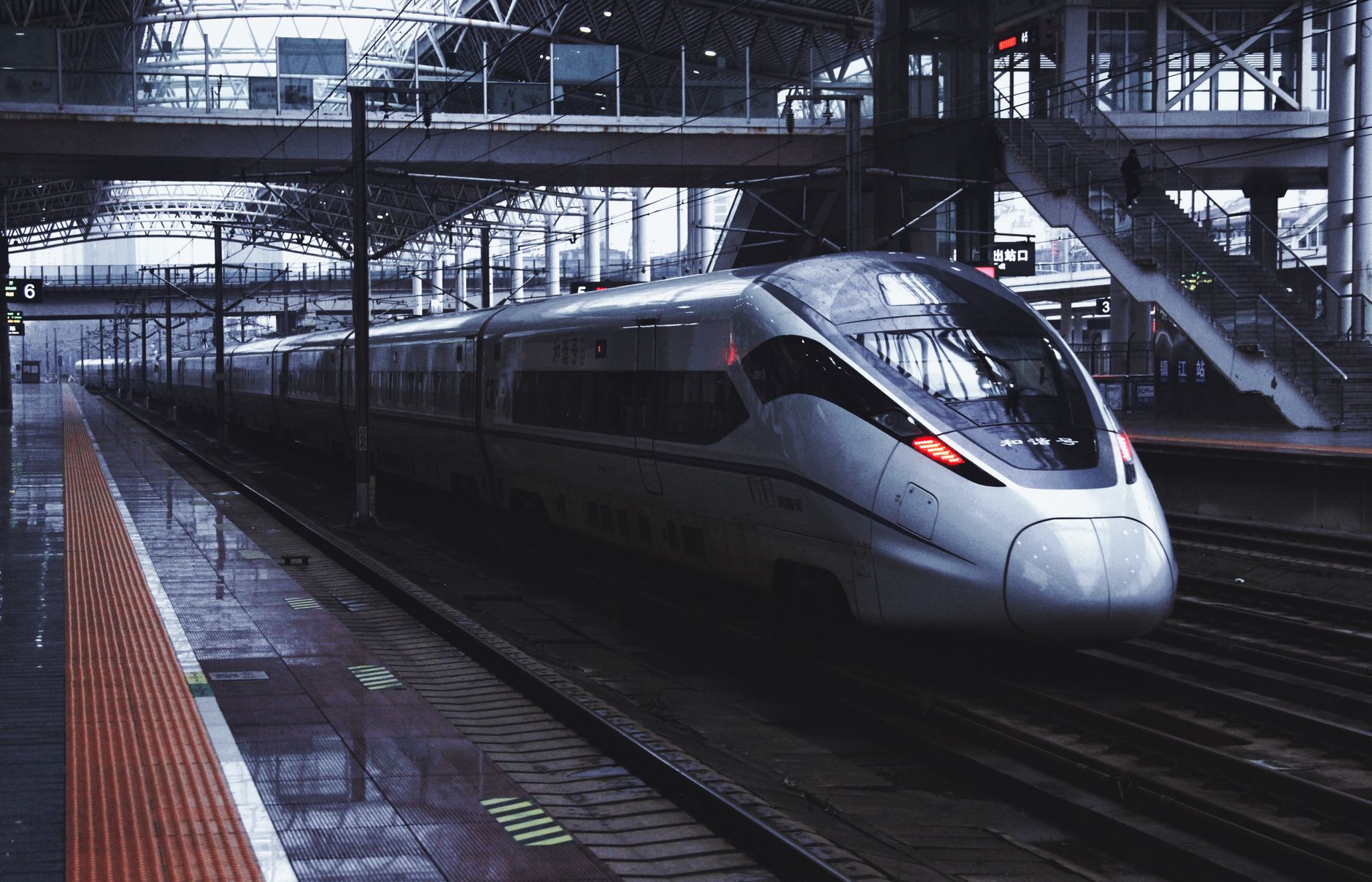
Everything is an e-ticket now: scan your passport at the gate, no paper collection needed. Arrive 30–40 minutes early at Hongqiao — it is enormous and security queues are real — and 15–20 minutes at Suzhou or Hangzhou East. Big bags go with you into the carriage; there is no checked luggage, so the overhead racks and the space behind the last row are what you get. Left-luggage counters at all three stations run about ¥15–30 a bag a day.
Attraction Prices at a Glance
| Site | Price | Notes |
|---|---|---|
| Yu Garden, Shanghai | ¥30–40 | 09:00–16:30, closed Mondays |
| Shanghai Tower F118 | ¥180 | 08:30–22:00; book online to skip the walk-up queue |
| Shanghai Museum East | Free | Timed WeChat booking; closed Mondays |
| Humble Administrator’s Garden | ¥70–80 | Peak April–May and September–November |
| Lingering Garden | ¥45–55 | Quieter than the Humble Administrator’s |
| Master of the Nets Garden | ¥30–40 | The best small garden in Suzhou |
| Suzhou Museum | Free | Reserve ~7 days ahead; closed Mondays |
| Tongli | ¥100 | Covers 9–10 sites; boat ¥120–150 per boat |
| Lingyin Temple + Feilai Feng | ~¥30 each | Separate tickets |
| Leifeng Pagoda | ~¥40 | Best 45 minutes before sunset |
| West Lake boat | ~¥55 | Three Pools Mirroring the Moon |
| Wuzhen Xizha | ¥120–150 | Open to ~22:00; evening-only ticket ~¥80 |
West Lake itself is free — Hangzhou removed the entrance charge in 2002 and never put it back. Prices above were current at the time of writing; scenic areas in China adjust seasonally, so treat them as a planning band rather than a quote.
Monday Closures & Timing Traps
This is the single most common way a good plan falls apart. Yu Garden, the Shanghai Museum, Shanghai Museum East and Suzhou Museum all close on Mondays. If you add a day trip to Nanjing, so do the Nanjing Massacre Memorial Hall, the Nanjing Museum and the Sun Yat-sen Mausoleum. Land on a Sunday and you can walk into a Monday with almost nothing indoor open.
Two more traps. Public holidays — 1–7 October, Chinese New Year, and the early-May Labour Day break — sell out trains weeks ahead and triple the crowd at every garden; check the festivals and events calendar before you fix dates. And weekends in Hangzhou are a different city from weekdays: West Lake takes millions of domestic visitors a year and Saturday afternoon on the Bai Causeway is a slow shuffle. Build the itinerary so your Hangzhou days fall midweek if you possibly can.
What to Eat in Each City
These three cities share a cuisine — Jiangnan cooking, sweeter and lighter than most Chinese regional food, heavy on river fish, freshwater shrimp and sugar in savoury dishes — but each has its own set pieces, and eating the right thing in the right place is most of the pleasure of this route.
| City | Order this | Roughly |
|---|---|---|
| Shanghai | Xiaolongbao, shengjianbao (pan-fried, crisp-bottomed), scallion oil noodles, red-braised pork | ¥25–80 a person at a counter |
| Suzhou | Squirrel-shaped mandarin fish, Suzhou-style noodles in clear broth eaten before 9am, sweet osmanthus cakes, biluochun green tea | ¥30–60 for noodles; ¥200–400 for a proper fish dinner |
| Hangzhou | Dongpo pork, West Lake vinegar fish, Longjing shrimp, beggar’s chicken | ¥80–200 a person |
Two honest notes. West Lake vinegar fish divides people sharply — it is a historic dish rather than a delicious one, and plenty of visitors order it once and never again. And Suzhou noodles are a breakfast food: the good shops sell out of the best broth by mid-morning and the queue at 07:30 tells you which ones those are. For Shanghai specifically, see our food guide, best xiaolongbao and breakfast guide. If you want to bring tea home, Suzhou’s biluochun and Hangzhou’s Longjing are the two worth buying at source — how to buy tea covers grades and prices.
Hotel Recommendations
Shanghai (4 nights)
- Mid-range: Pudong Shangri-La, JW Marriott Tomorrow Square (¥1,200–2,000)
- Luxury: The Peninsula, Fairmont Peace Hotel (¥2,800–6,500)
- Budget: Hanting or Atour near People’s Square (¥350–500)
Stay in Huangpu, Jing’an or the French Concession rather than Pudong — Lujiazui is quiet after 21:00 and you commute to dinner. See where to stay in Shanghai and luxury hotels.
Suzhou (2 nights)
- Mid-range: Pingjiang-area guesthouses, Holiday Inn Suzhou (¥600–1,000)
- Luxury: Pan Pacific Suzhou, which backs onto its own classical garden (¥1,500–2,500)
Stay inside or beside the moated old town. A hotel in Suzhou Industrial Park is cheaper and 30 minutes from everything you came for.
Hangzhou (3 nights)
- Mid-range: Atour or Holiday Inn near the lake (¥800–1,500)
- Luxury: Four Seasons Hangzhou, Banyan Tree (¥2,500–5,500)
- Boutique: Amanfayun, in a restored village by Lingyin Temple (¥6,000+)
Anywhere within a 15-minute walk of the lake’s north or east shore is worth a premium; the west side is prettier but you will taxi constantly.
Variations
- Add Nanjing instead of a Hangzhou day. Shanghai to Nanjing South is 1h15–2h by G train. Two nights buys you the city wall, Confucius Temple, the Ming tombs and a genuinely different chapter of Chinese history. Remember the Monday closures above
- Add Moganshan from Hangzhou — bamboo forest and converted farmhouse hotels about an hour away by car. See our Moganshan guide
- Run it in reverse if you fly into Hangzhou. Hangzhou–Suzhou–Shanghai works identically and ends at the better-connected airport
- Swap a water town. Zhujiajiao is on Shanghai’s metro Line 17 and needs half a day, not a full one
- Late October to November adds hairy crab season across all three cities — the Yangtze Delta’s one great seasonal food event. See hairy crab season
What This 10 Day Shanghai Suzhou Hangzhou Itinerary Costs
Per person, mid-range, sharing a twin room, 10 nights:
- Hotels: 9 nights at ¥1,000 = ¥9,000 (¥4,500 each sharing)
- Food: ¥350/day × 10 = ¥3,500
- Intercity trains: ¥230–270
- Local transport: ¥600
- Attractions: ¥800
- Extras: ¥1,500
Total: about ¥11,000–15,750 per person depending on whether you share a room, excluding international flights. Backpacking it with hostels and street food comes in near ¥8,000; doing it with five-star hotels and starred restaurants clears ¥35,000. Broken down further in how much a Shanghai trip costs and Shanghai on a budget.
Practical Tips
- Pack light. Three hotels, three station gates, and stairs at older water-town guesthouses
- Set up Alipay or WeChat Pay before you fly. Both take foreign cards now and both are needed for tickets, taxis and most bookings. See essential apps
- Carry your passport every day — it is your train ticket, your museum reservation and your hotel check-in
- Reserve free museums the moment slots open, usually seven days ahead. They go
- Buy an eSIM or a local SIM and expect to need a VPN for anything Google. SIM cards and internet
- Best seasons: late March to mid-May, and late September to early November. July and August are 35°C and humid; January is damp and grey
- Leave one afternoon empty in each city. Ten scheduled days in a row is how people come home tired
- Drones are restricted at most scenic sites and over central Shanghai. Check before you pack one
Frequently Asked Questions
Is 10 days enough for Shanghai, Suzhou and Hangzhou?
It is more than enough — generous, even. A 4–2–3 split leaves room for a water town and a slow day in each city. Eight days works if you cut one Hangzhou day and Wuzhen.
What is the best order for a 10-day Shanghai Suzhou Hangzhou itinerary?
Shanghai first, then Suzhou, then Hangzhou, then back to Shanghai for the flight. It matches the geography, front-loads the jet lag onto the easiest city, and ends within an hour of the airport.
How much does the trip cost?
Mid-range, roughly ¥11,000–16,000 per person for ten nights excluding international flights. Budget travellers manage near ¥8,000; luxury runs past ¥35,000.
How long is the train from Shanghai to Suzhou?
Usually 25–30 minutes from Shanghai Hongqiao to Suzhou Railway Station, with services from the low 20s to about 50 minutes. Second class is around ¥40 and there are hundreds of departures a day.
Is there a direct train from Suzhou to Hangzhou?
Yes — about 41 direct bullet trains a day between roughly 06:43 and 20:17, taking 1 hour 20 to 1 hour 30 into Hangzhou East. Second class is roughly ¥94–111.50. Some booking sites will offer a routing via Shanghai instead, which takes about two hours; check before you buy.
How do I book bullet trains as a foreigner?
The official Railway 12306 app accepts foreign passports and is the cheapest option, but verification takes a day or two — set it up before you travel. Trip.com adds roughly ¥20–30 per ticket for an English interface. Both issue e-tickets; you scan your passport at the gate.
Which stations should I use?
Shanghai Hongqiao for everything intercity. In Suzhou, use Suzhou Railway Station rather than Suzhou North — it is much closer to the old town. In Hangzhou, use Hangzhou East; Hangzhou West is out in Yuhang and adds 30 minutes to the lake.
What closes on Mondays?
Yu Garden, the Shanghai Museum and Shanghai Museum East, and Suzhou Museum. If Nanjing is on your route, the Nanjing Massacre Memorial Hall, Nanjing Museum and Sun Yat-sen Mausoleum close Mondays too. Plan a walking or garden day instead.
What is the best time of year?
Late March to mid-May and late September to early November. Autumn is drier and clearer; spring gets blossom and more rain. Avoid the National Day week of 1–7 October and Chinese New Year entirely.
Do I need a visa?
Many nationalities now enter China visa-free for 30 days, and the 240-hour transit exemption covers a good part of this trip if you are flying onward. Check 30-day visa-free entry and the 240-hour transit rules against your passport.
Can I do this without speaking Chinese?
Yes. Station signage and announcements are bilingual, the metro is in English in all three cities, and translation apps handle menus. Suzhou and Hangzhou have noticeably less English than Shanghai at street level — see language barrier tips.
Should I take a tour or do it myself?
Do it yourself. This is the easiest independent route in China: short train hops, dense metro networks, and English on every ticket platform. A tour makes sense only if you are travelling with people who cannot walk far, or you want a guide for the Suzhou gardens specifically, where a good one is genuinely worth the ¥400–600.
Plan Your Trip
Combine with our pillar guides on Shanghai itineraries, 7-day Shanghai itinerary, and day trips. For background, see Yangtze Delta on Wikipedia and the Classical Gardens of Suzhou UNESCO listing.