Two days is not enough for Shanghai, and it is also completely fine. A city of 24.8 million spread across 6,340 square kilometres cannot be covered in 48 hours, so the only sensible approach is to stop trying — pick one bank of the river per day, walk a great deal, eat six times, and accept that the museums will wait. Done well, 2 days in Shanghai gives you the 1920s waterfront, the lane houses, one skyline from above, a proper Shanghainese meal and a night on the river. Done badly it is four hours in queues and a taxi stuck on the Yan’an expressway.
This itinerary is built around a specific principle: Puxi on day one, Pudong and the outskirts on day two, with the river crossed twice on the public Huangpu ferry, which costs 2 yuan a ride. Everything is walkable or on the metro, nothing needs a car, and there is exactly one queue in the whole plan. It is written hour by hour, with metro lines and exit numbers, realistic timings and honest notes on what to skip. There is also an alternative day two for rain, and a shorter version for anyone arriving late or leaving early.
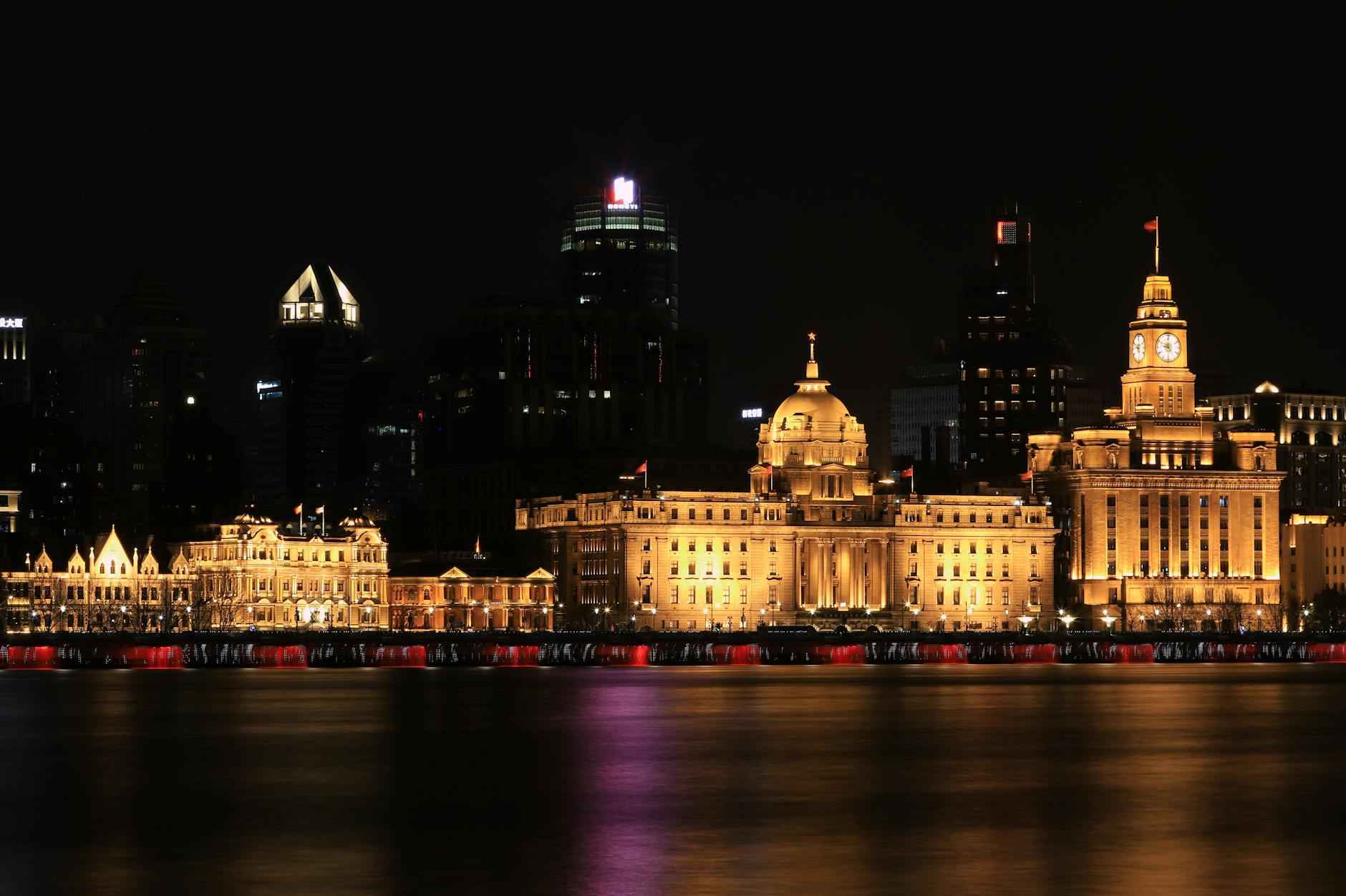
Table of Contents
- The plan in one paragraph
- Day one: the Bund, the Old Town and the French Concession
- Day one evening: the river
- Day two: Pudong, Jing’an and one high view
- Day two evening: dinner and a rooftop
- The rainy-day alternative
- If you have less than 2 days in Shanghai
- What to skip, and why
- Logistics: metro, payment, timing
- Where to base yourself for 2 days in Shanghai
- What people get wrong on a 48-hour trip
- Frequently Asked Questions
The plan in one paragraph
Day one is Puxi, the west bank, on foot: the Bund at dawn, the Old Town and Yu Garden before the queues, xiaolongbao for lunch, the former French Concession all afternoon, then the ¥2 ferry across the river at dusk. Day two crosses to Pudong for one observation deck early, comes back for Jing’an Temple and the Shanghai Museum, and finishes on a rooftop. Total walking: about 12 kilometres a day. Total spend excluding hotel: roughly ¥400–700 per person per day.
| Time | Day one (Puxi) | Day two (Pudong and Jing’an) |
|---|---|---|
| 07:00 | The Bund at dawn | Breakfast at a street stall |
| 08:30 | Breakfast, then Yu Garden at opening | Observation deck at opening |
| 11:00 | Old Town lanes | Lujiazui riverside walk |
| 12:30 | Xiaolongbao lunch | Ferry back to Puxi, lunch |
| 14:00 | Former French Concession | Shanghai Museum or Propaganda Poster Art Centre |
| 16:30 | Wukang Road and coffee | Jing’an Temple |
| 18:00 | ¥2 ferry at dusk | Dinner in Jing’an |
| 20:00 | The Bund lit up, or a river cruise | Rooftop bar |
Day one: the Bund, the Old Town and the French Concession
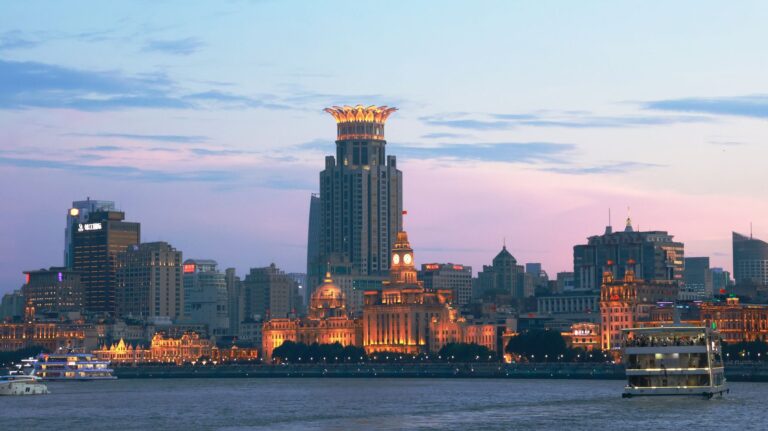
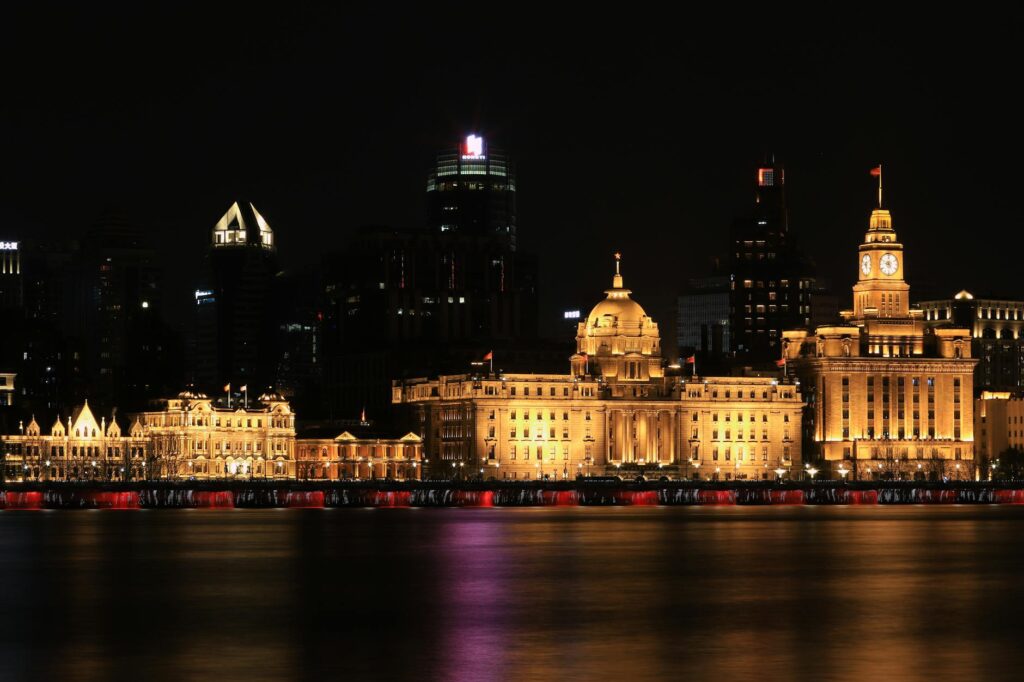
07:00 — The Bund. Start here and start early, because this is the single biggest lever in the whole itinerary. At seven the promenade has tai chi groups, joggers and almost no visitors; by eleven it has several thousand people. The light on the 1920s facades behind you is soft and low, and the Pudong towers opposite catch the sun. Walk the full length, roughly 1.5 kilometres, from Waibaidu Bridge south. Our Bund guide identifies the buildings; the architecture guide goes deeper on who built what and why.
08:15 — Breakfast. Walk two streets inland from the promenade and the prices halve. Look for a stall doing jianbing (a savoury crêpe), cong you bing (scallion pancake) or a steamer of shengjianbao — pan-fried pork buns, crisp underneath, and the best breakfast in the city. Budget ¥10–25. See the breakfast guide.

09:00 — Yu Garden and the bazaar. Fifteen minutes’ walk south-west, or Line 10 one stop to Yuyuan Garden station. Be there when the garden opens. The classical garden itself is small, dense and genuinely lovely — rockeries, ponds, a dragon wall, pavilions layered so that no view repeats. By 10:30 the surrounding bazaar is shoulder to shoulder, so do the garden first and the bazaar as you leave. Allow 75 minutes total. Details in our Yu Garden guide.
10:45 — The Old Town. Walk south and west out of the bazaar into the actual old city — the streets around Wenmiao and the remaining lanes of Nanshi. This is a rapidly disappearing Shanghai and takes about 45 minutes to walk. See the Old Town guide.
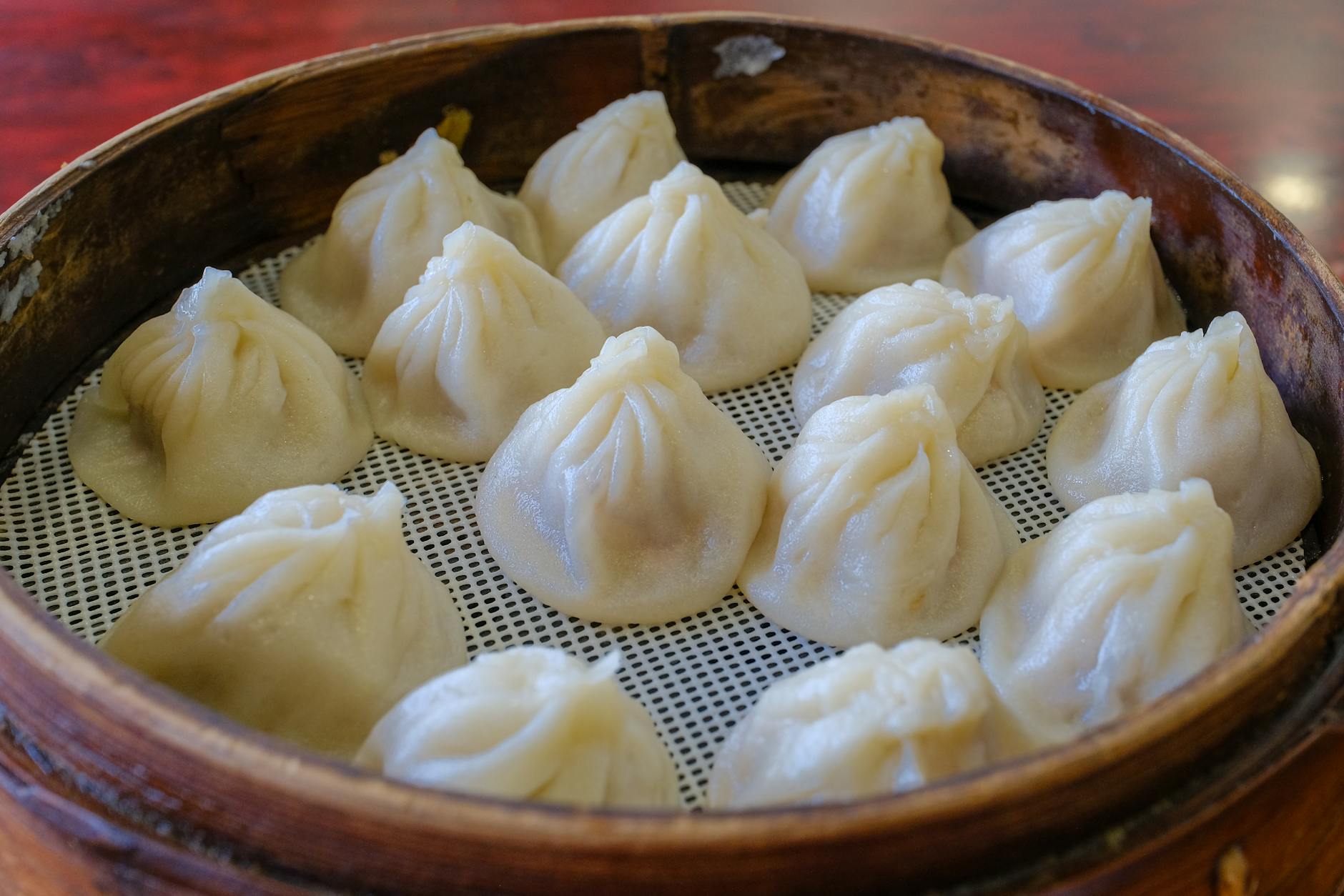
12:30 — Xiaolongbao. The lunch you came for. Soup dumplings are a Shanghai speciality and the queue at the famous places is 45 to 90 minutes, which on a two-day trip is not a good trade. Our xiaolongbao guide names the places where the dumplings are almost as good and the wait is ten minutes. Budget ¥40–90.
14:00 — The former French Concession. Metro Line 10 to South Shaanxi Road, and then walk. This is the best afternoon in Shanghai and it requires no tickets: plane-tree streets, 1920s and 30s villas, art deco apartment blocks, independent shops and a coffee scene that is genuinely world-standard. Route it along Anfu Road, Wulumuqi Road and Fuxing Road. Our French Concession walking tour has the full route, and the art deco guide the buildings.
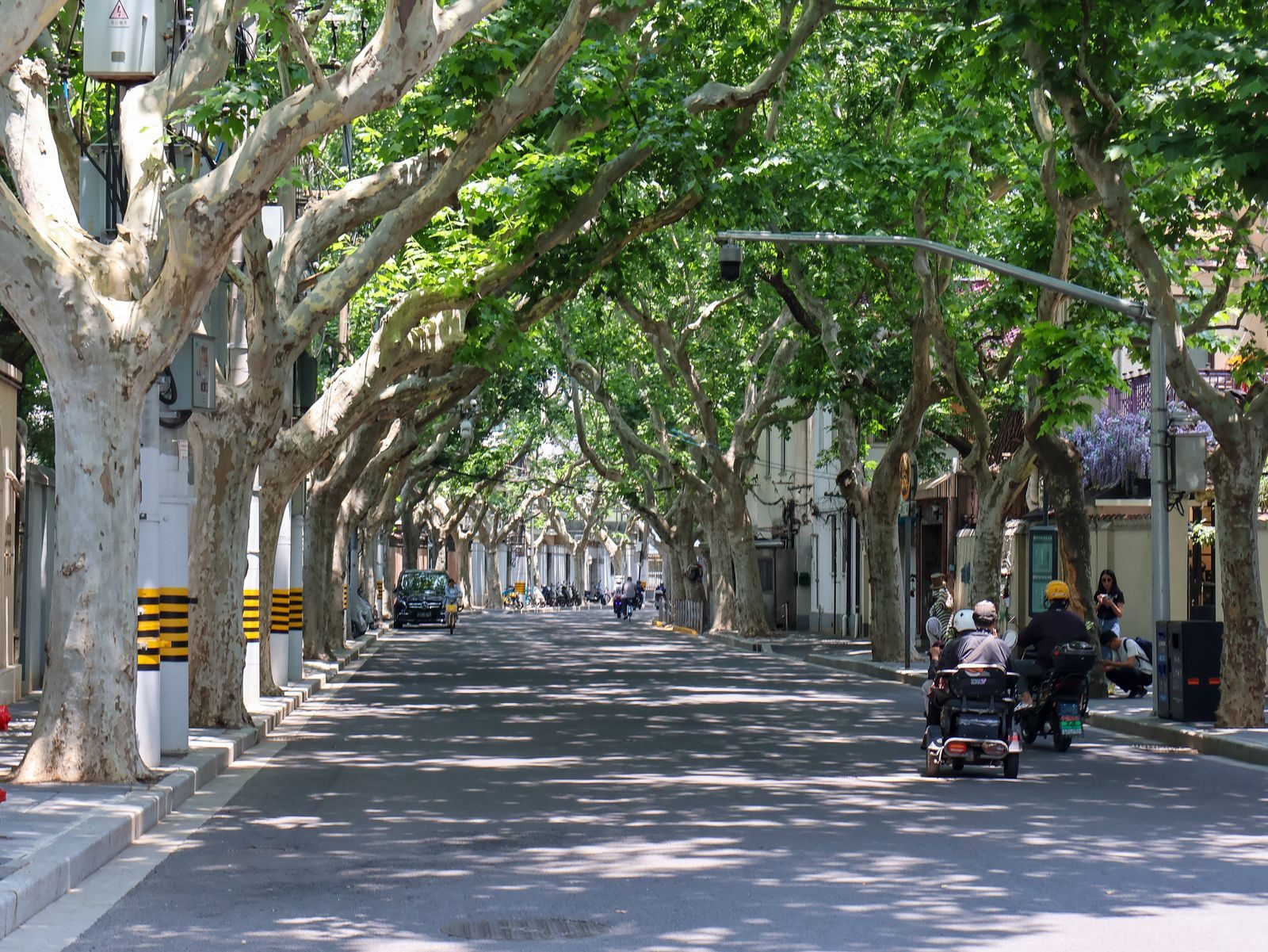
16:30 — Wukang Road and coffee. The Wukang Mansion corner is the most photographed spot in the district and gets a crowd; the streets either side of it do not. Stop for coffee — ¥35–50 — and sit down, because you have walked about eight kilometres by now.
Day one evening: the river
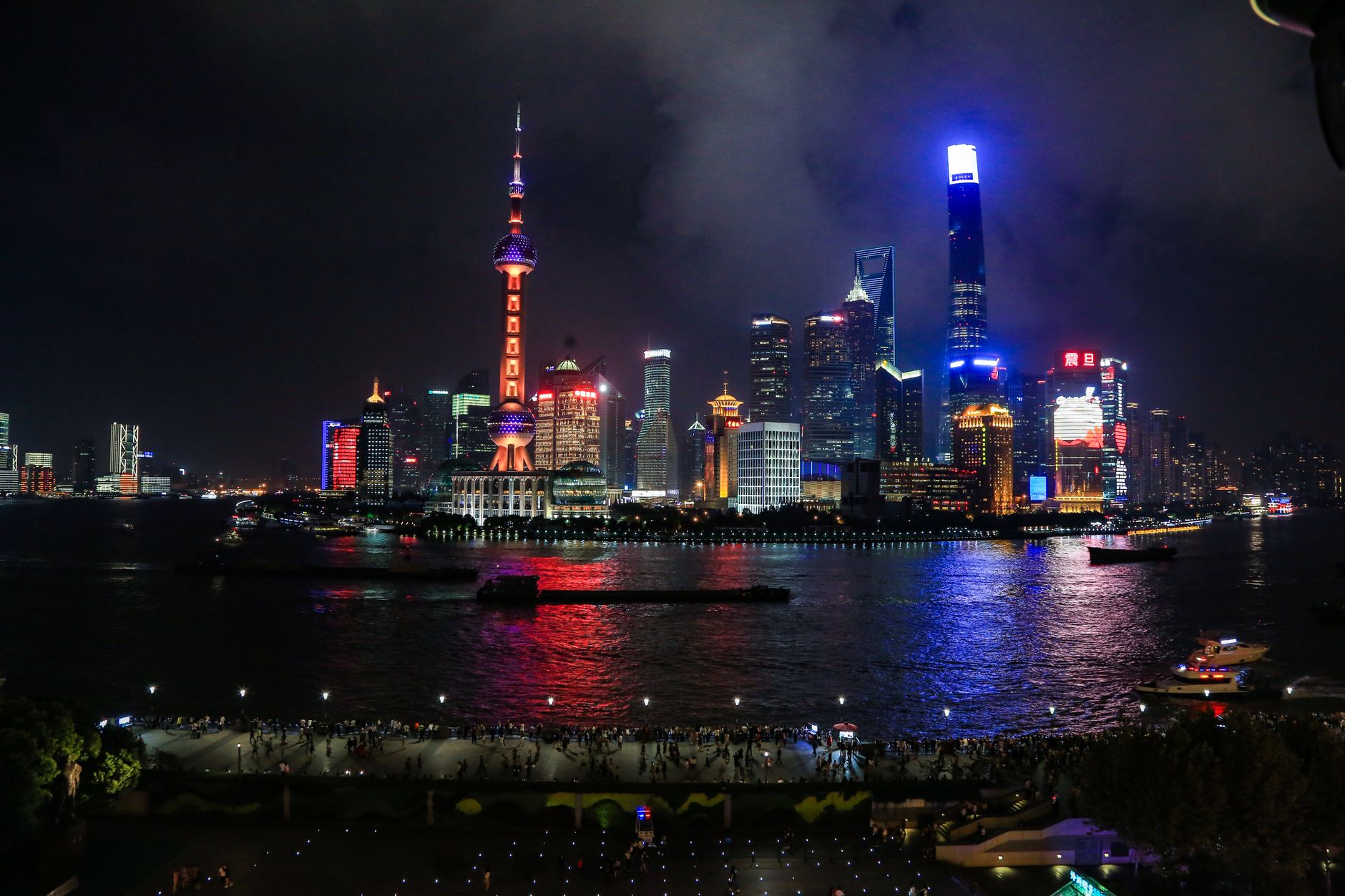
18:00 — The ¥2 ferry. Get yourself to the Jinling Road East ferry pier, just south of the Bund. The public ferry to Dongchang Road costs two yuan, takes five minutes, and puts you on an open deck in the middle of the Huangpu with the Bund on one side and Lujiazui on the other, at dusk. It is the single best value in Shanghai tourism and most visitors never hear about it.
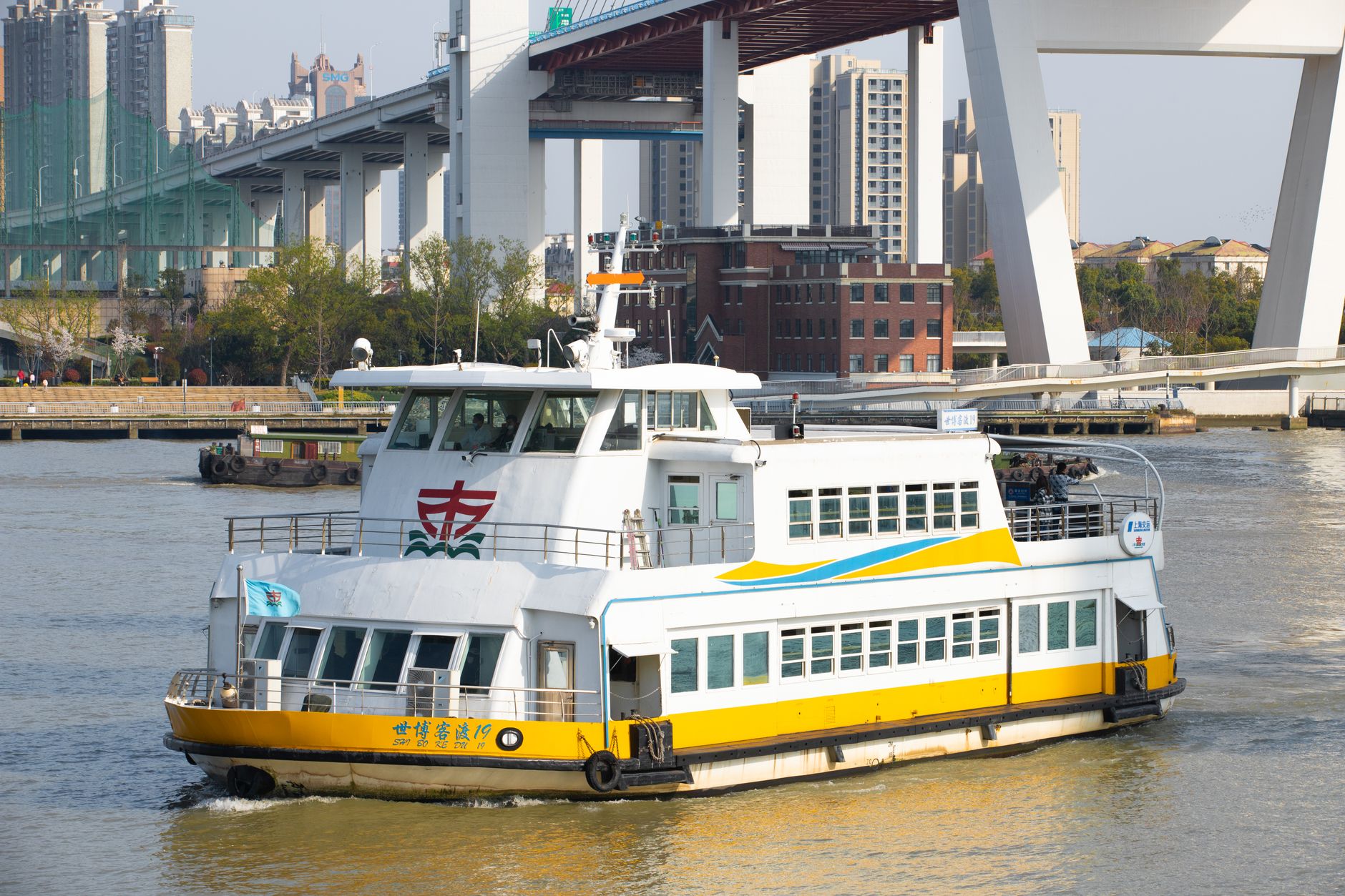
Do not confuse this with the Bund Sightseeing Tunnel, which costs around ¥50 and is a light show rather than transport. It is not the same thing and it is not worth it.
19:00 — Dinner. Come back across on the ferry and eat Shanghainese: red-braised pork, drunken chicken, lion’s head meatballs, seasonal greens. In autumn, hairy crab. Budget ¥80–200 a head at a good neighbourhood restaurant, and see our Shanghainese cuisine guide for what to order and how.
20:30 — The Bund lit up, or a river cruise. The waterfront illumination runs into the evening and the promenade at night is a different experience from the morning — busy, loud and rather good. If you would rather be on the water, the hour-long Huangpu cruises run from both banks; our river cruise guide explains which operators and piers are worth using. On a two-day trip, the ferry plus the promenade covers the same ground for two yuan.
Day two: Pudong, Jing’an and one high view
08:00 — Breakfast, then across the river. Metro Line 2 to Lujiazui, or the ferry again if your hotel is near the Bund.
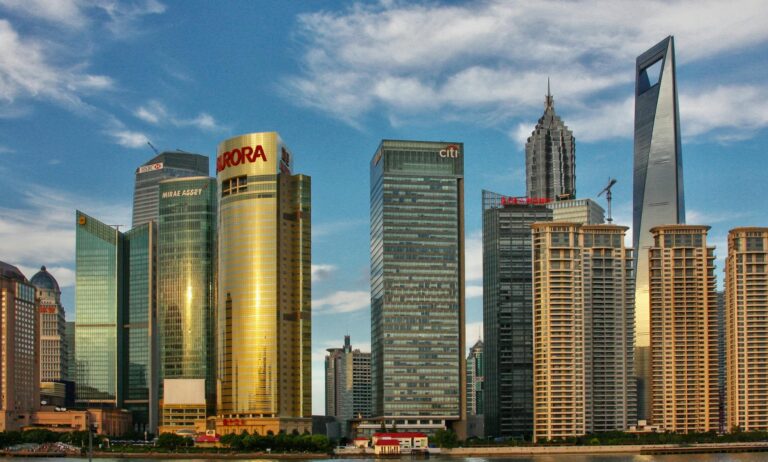
08:30 — One observation deck, at opening. This is the only queue in the itinerary and the timing is deliberate: at opening you wait ten minutes rather than forty. Pick one. The Shanghai Tower is the highest at 546 metres on floor 118, ¥180, and opens at 08:30. Jin Mao Tower is lower at 340 metres, roughly ¥120–160, has almost no queue at any time, and — a genuine opinion — gives a better view, because at 340 metres the city still reads as a city. Note that the SWFC observation deck has been closed since 2023 and still appears on older itineraries. Our Shanghai Tower guide and best views comparison cover the choice.
Before you buy: look up at the top of the tower from street level. If you cannot see it, the ticket buys you a view of cloud and there are no refunds.
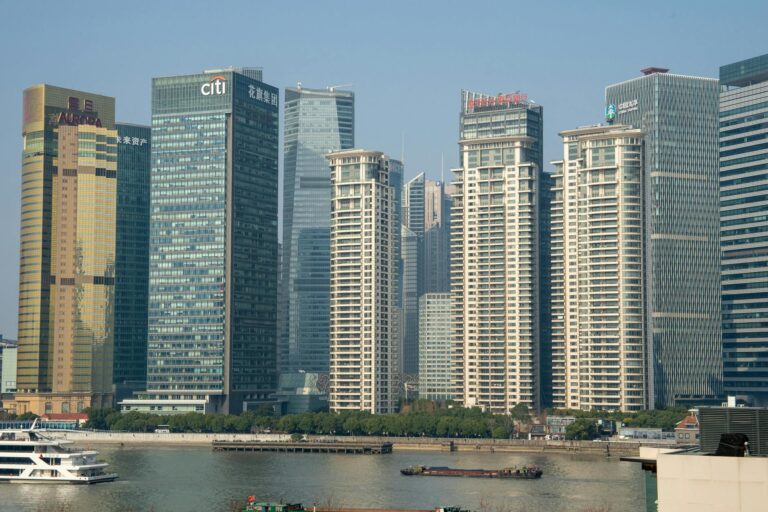
10:30 — Lujiazui at ground level. The raised pedestrian circle links the towers, and the riverside promenade on the Pudong side gives you the classic view back at the Bund — which is, honestly, the better direction to be looking. Forty-five minutes.
12:00 — Back to Puxi for lunch. Ferry or Line 2. Eat around People’s Square or Huangpi Road.
13:30 — Shanghai Museum, or the Propaganda Poster Art Centre. The Shanghai Museum at People’s Square holds the best collection of Chinese bronzes, ceramics and calligraphy in the country and is free, though you must reserve a timed slot in advance through its WeChat mini-program — do this the day before, not on the day. Two hours minimum.
The alternative, and the one this site recommends for a two-day trip: the Propaganda Poster Art Centre, a small basement museum in a residential block in the former French Concession holding several thousand posters from 1949 to 1979. It is odd, specific, memorable and takes an hour. Our museums guide covers both properly.
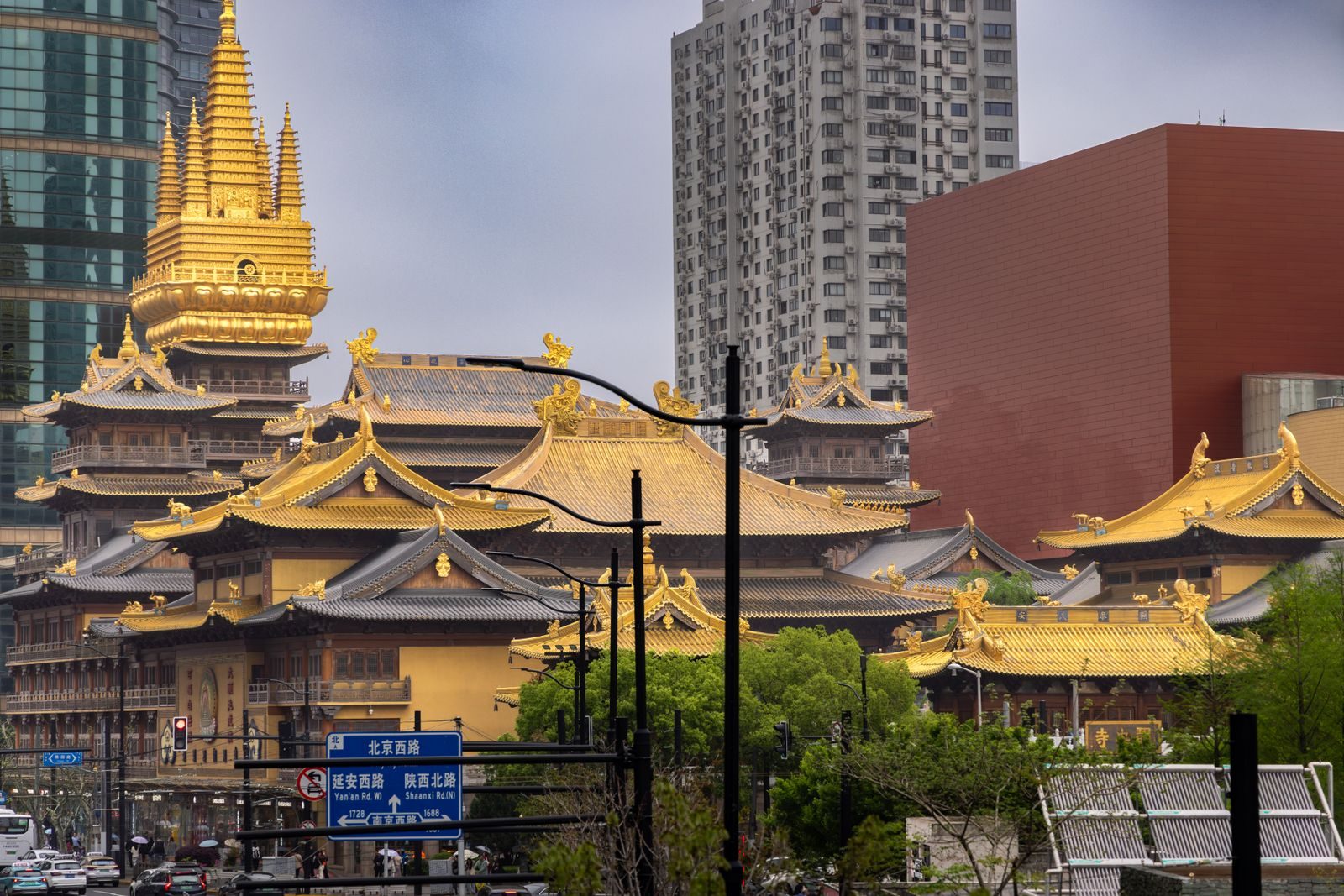
16:00 — Jing’an Temple. Metro Line 2 to Jing’an Temple station. Golden roofs and a Song-dynasty foundation surrounded on all sides by skyscrapers and a luxury mall, which is the most Shanghai image available. Forty-five minutes, small admission. See temples in Shanghai.
Day two evening: dinner and a rooftop
18:00 — Dinner in Jing’an or back in the Concession. Both districts are dense with good restaurants at every price. If you want one fine-dining meal, Shanghai’s starred restaurants are cheaper than their equivalents anywhere in Europe — but book weeks ahead, and consider lunch rather than dinner, which runs at 40 to 60 per cent of the price.
20:00 — A rooftop bar. Finish on the Puxi side looking at Pudong, because that is the good direction. Cocktails run ¥90–140 and you get the skyline with a chair and no queue, which is a better proposition than a second observation deck. Our rooftop bars guide covers which are worth the money, and the cocktail bar guide the more interesting drinking below roof level.
The rainy-day alternative
Shanghai rains, particularly in June and around the typhoon tail in September. Swap day two for this:
- Shanghai Museum (reserved slot) or the Power Station of Art, a converted riverside power plant now holding contemporary exhibitions.
- The Shanghai Jewish Refugees Museum in Hongkou, telling the story of the roughly 20,000 refugees who came here in the 1930s and 40s when almost nowhere else would take them. It is the most affecting museum in the city — see Shanghai’s Jewish heritage.
- A shopping mall lunch and an afternoon in a bookshop café, which is what Shanghai residents actually do.
- A cooking class, three hours indoors and you leave able to fold a dumpling. See cooking classes.
Keep the Bund for whichever of your two evenings is drier. It is worth reordering the whole plan for.
If you have less than 2 days in Shanghai
One full day: the Bund at dawn, Yu Garden at opening, xiaolongbao, the French Concession all afternoon, the ¥2 ferry at dusk. Skip Pudong entirely — the view of the skyline is better than the view from it. Our one day in Shanghai itinerary sets this out properly.
A long layover: if you have eight hours or more between flights and you are eligible for visa-free transit, you can reach the Bund and be back. See the layover guide for the timings and the entry rules, which are not optional to understand.
Three days or more: add a water town or Suzhou on day three. Our three-day itinerary and day trips guide take it from here.
What to skip, and why
On a 48-hour trip, cutting is more valuable than adding. These are the things that consume disproportionate time for the return.
- The Oriental Pearl Tower. Thirty to sixty minutes of queueing for the lowest of the three views, and from inside it you cannot see the building that makes the skyline famous. Excellent for children; skip it otherwise.
- Shanghai Disneyland. A full day, minimum, plus 50 to 70 minutes each way. It is a two-day-trip killer.
- A water town. Wonderful, and it is a full day. Save it for a longer trip.
- The Bund Sightseeing Tunnel. Around ¥50 for a light show. The ferry is two yuan and better.
- Nanjing Road East. Walk through it if you must; it is a crowded shopping street selling nothing you cannot buy at home. The Nanjing Road guide is honest about this.
- Two observation decks. They are variations on one view.
- Taxis in the middle of the day. Central Shanghai traffic will cost you more time than the metro every time.
Logistics: metro, payment, timing
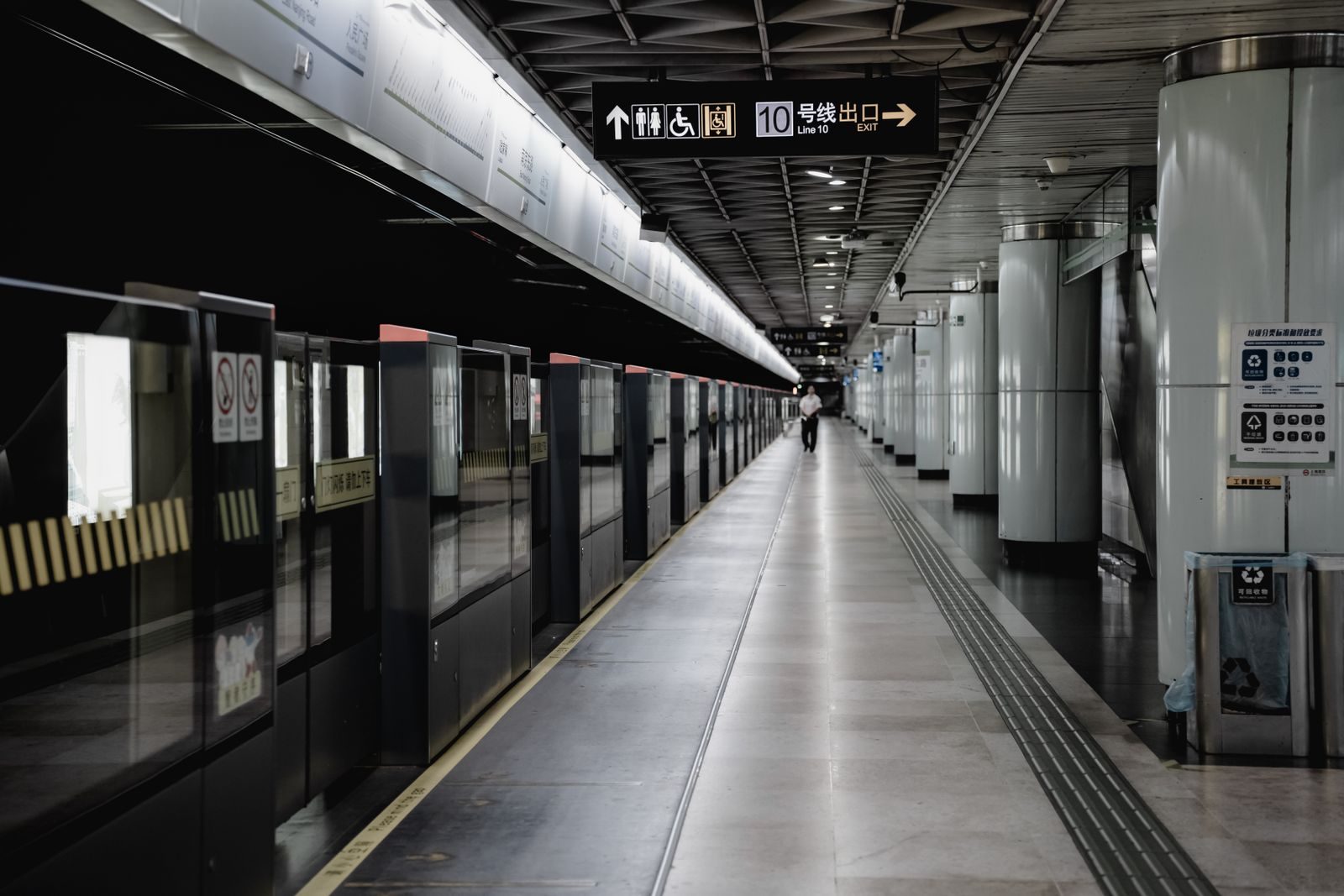
- Metro. Single fares are ¥3–7 across most central journeys. A one-day pass is ¥18 and a three-day ¥45, sold at station counters; neither is valid on the Maglev. On this itinerary you will make five or six journeys a day, so the day pass roughly breaks even. See the metro guide and the transport card guide.
- Payment. Set up Alipay or WeChat Pay with a foreign card before you arrive. Almost nothing takes a foreign credit card directly, and cash, while legal, makes you a nuisance.
- Airport to city. Pudong is 60–75 minutes on Line 2 or ¥170–220 by taxi; Hongqiao is 35–45 minutes on Line 2 or ¥70–100. Build this into your 48 hours honestly — see Pudong to the city centre.
- Walking. About 12 kilometres a day. Wear the right shoes.
- Reservations to make before you arrive: the Shanghai Museum timed slot, any starred restaurant, and an observation deck slot if you are travelling in a holiday week.
- Apps: Amap or Baidu Maps rather than Google, which has poor data for China, plus a translation app with camera OCR. See essential apps.
Where to base yourself for 2 days in Shanghai
With only 48 hours, location matters more than the room. The best bases, in order:
- The former French Concession — the nicest district to walk out of in the morning, well connected on Lines 1, 10 and 12, and full of restaurants. See French Concession hotels.
- The Bund and Huangpu — you can walk to day one’s entire morning. More expensive, and quiet at night once the crowds go. See hotels near the Bund.
- Jing’an — central, excellent metro, good food, less atmospheric.
- Lujiazui — good for the skyline view from your room and less good for everything else. It is a financial district and it empties in the evening.
Our where to stay in Shanghai guide compares them properly, and the neighbourhood guide explains what each is actually like to be based in.
What people get wrong on a 48-hour trip
Starting at 10:00. The whole itinerary depends on early starts. The Bund at seven and Yu Garden at opening are the two decisions that make everything else work.
Crossing the river more than twice. The Huangpu is a real obstacle and each crossing costs twenty to forty minutes. Group your days by bank.
Queueing for famous xiaolongbao. Ninety minutes is six per cent of your waking time in Shanghai for dumplings that are marginally better than the ones ten minutes away.
Booking Disneyland. It cannot be done properly in a two-day trip. Either give it a day of a longer trip or leave it.
Taking taxis across town at 17:00. Shanghai’s rush hour is genuinely bad and the metro is underneath it.
Not reserving the Shanghai Museum. It is free and it requires a timed slot booked in advance. People arrive and are turned away.
Trying to see three districts in an afternoon. Two days done at walking pace beats two days done at taxi pace.
Ignoring the ferry. Two yuan. Five minutes. Both skylines. It is the best thing in this itinerary.
Frequently Asked Questions
Is 2 days in Shanghai enough?
Enough for a genuine sense of the city, not enough to cover it. Forty-eight hours gets you the Bund, the Old Town, the former French Concession, one high view, two proper meals and a night on the river. It does not get you Disneyland, a water town, or more than one museum. Plan for depth on one bank per day rather than breadth.
What is the best 2-day Shanghai itinerary?
Day one in Puxi on foot: the Bund at dawn, Yu Garden at opening, the Old Town, xiaolongbao, the former French Concession all afternoon, the ¥2 ferry at dusk. Day two: one observation deck in Pudong at opening, Lujiazui riverside, back across for a museum, Jing’an Temple, then dinner and a rooftop bar. About 12 km of walking a day.
How much does 2 days in Shanghai cost?
Excluding accommodation, roughly ¥400–700 per person per day. That covers a ¥18 metro day pass, ¥10–25 breakfast, ¥40–90 lunch, ¥80–200 dinner, one observation deck at ¥120–180, and a rooftop drink at ¥90–140. Hotels run ¥450–700 for a decent central mid-range room outside holiday periods.
Should I go up the Shanghai Tower or Jin Mao?
Jin Mao if you want the better view — at 340 metres the city still reads as a city, the queue is under ten minutes and the ticket is cheaper. The Shanghai Tower if you want the highest accessible point in China, at 546 metres for ¥180, and are willing to queue 20 to 40 minutes. The SWFC deck has been closed since 2023 despite what older itineraries say.
Which day should I do Pudong?
Day two. Day one on the Puxi side builds a sense of the older city first, which makes the towers mean more when you get to them. It also puts the ¥2 ferry crossing at dusk on day one, which is the best moment in the whole itinerary.
Do I need to book anything in advance for a 2-day trip?
Three things: a Shanghai Museum timed slot through its WeChat mini-program if you plan to go, an observation deck slot if you are travelling during a public holiday, and any Michelin-starred restaurant, which needs weeks. Everything else in this itinerary can be done on the day.
Is the Huangpu river cruise worth it on a short trip?
Only if you particularly want to be on a boat for an hour. The ¥2 public ferry between Jinling Road East and Dongchang Road gives you the same two skylines from an open deck in five minutes, and the Bund promenade at night gives you the rest. On 48 hours, save the hour.
How do I get from Pudong Airport to the city?
Metro Line 2 takes 60 to 75 minutes to central Shanghai, or a taxi is ¥170–220 and 45 to 70 minutes depending on traffic. The Maglev is faster to Longyang Road but needs an onward metro connection. Hongqiao is much closer — 35 to 45 minutes on Line 2, or ¥70–100 by taxi.
Can I do a water town or Suzhou in 2 days in Shanghai?
You can, but it costs you most of a day and it means seeing very little of Shanghai itself. On a 48-hour trip, do the city. Water towns and Suzhou belong on a three-day trip or longer, where they earn their place.
What is the best area to stay for two days?
The former French Concession for atmosphere and walkability, or the Bund and Huangpu if you want to step out into day one’s morning without a metro journey. Jing’an is a good central compromise. Lujiazui gives you a skyline view from the room and a financial district that empties at night.
Is Shanghai walkable?
In parts, and this itinerary is built on the parts that are. The former French Concession, the Bund, the Old Town and Jing’an are all genuinely good on foot. Crossing between districts is not — that is what the metro is for, and it is fast, cheap and easy to use with English signage throughout.
What should I eat in two days in Shanghai?
Shengjianbao or a scallion pancake for breakfast, xiaolongbao for one lunch, and one proper Shanghainese dinner — red-braised pork, drunken chicken, lion’s head meatballs, seasonal greens. In autumn add hairy crab. Skip the hotel breakfast entirely; the street stalls two blocks away are better and cost a tenth as much.
Start early both mornings, keep each day to one bank of the river, and let the walking do the work. If you find you have longer, the three-day itinerary adds a water town and a proper museum day, and our full itinerary collection runs from a layover to ten days. First time here? First-time visitor guide covers the practicalities this itinerary assumes. City-run visitor information is published on the Shanghai Municipal Government English portal, and current attraction hours and admissions are listed by TravelChinaGuide.