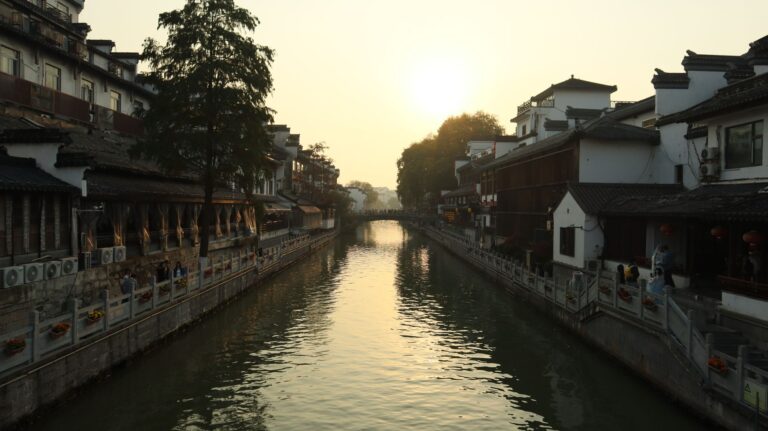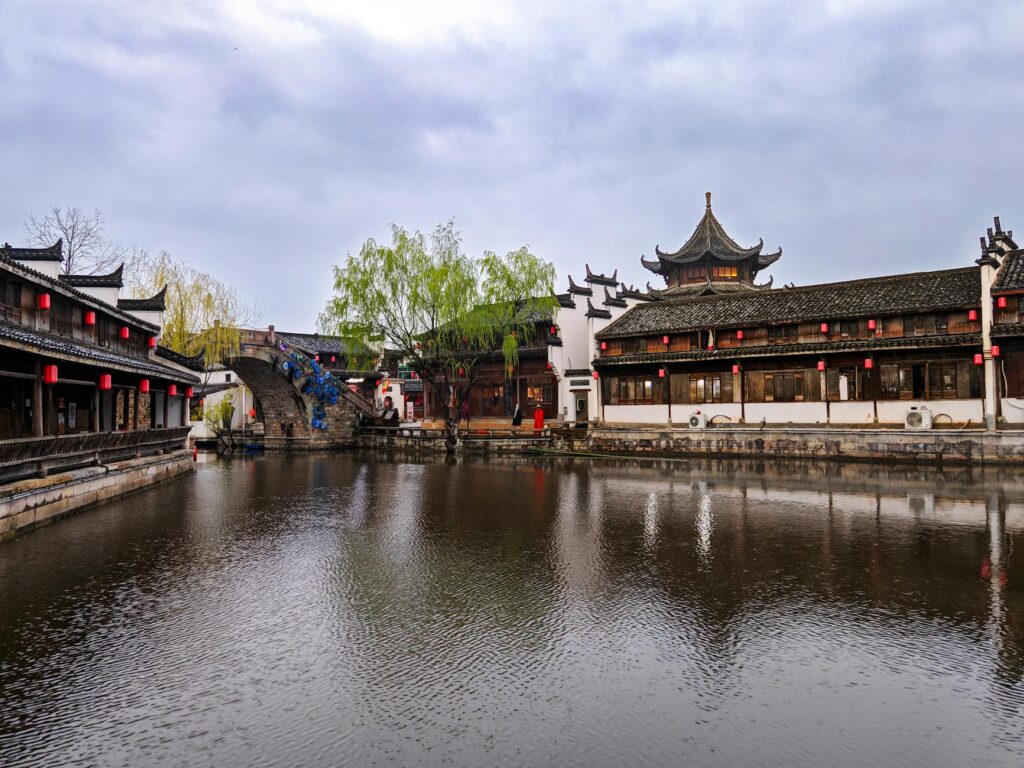
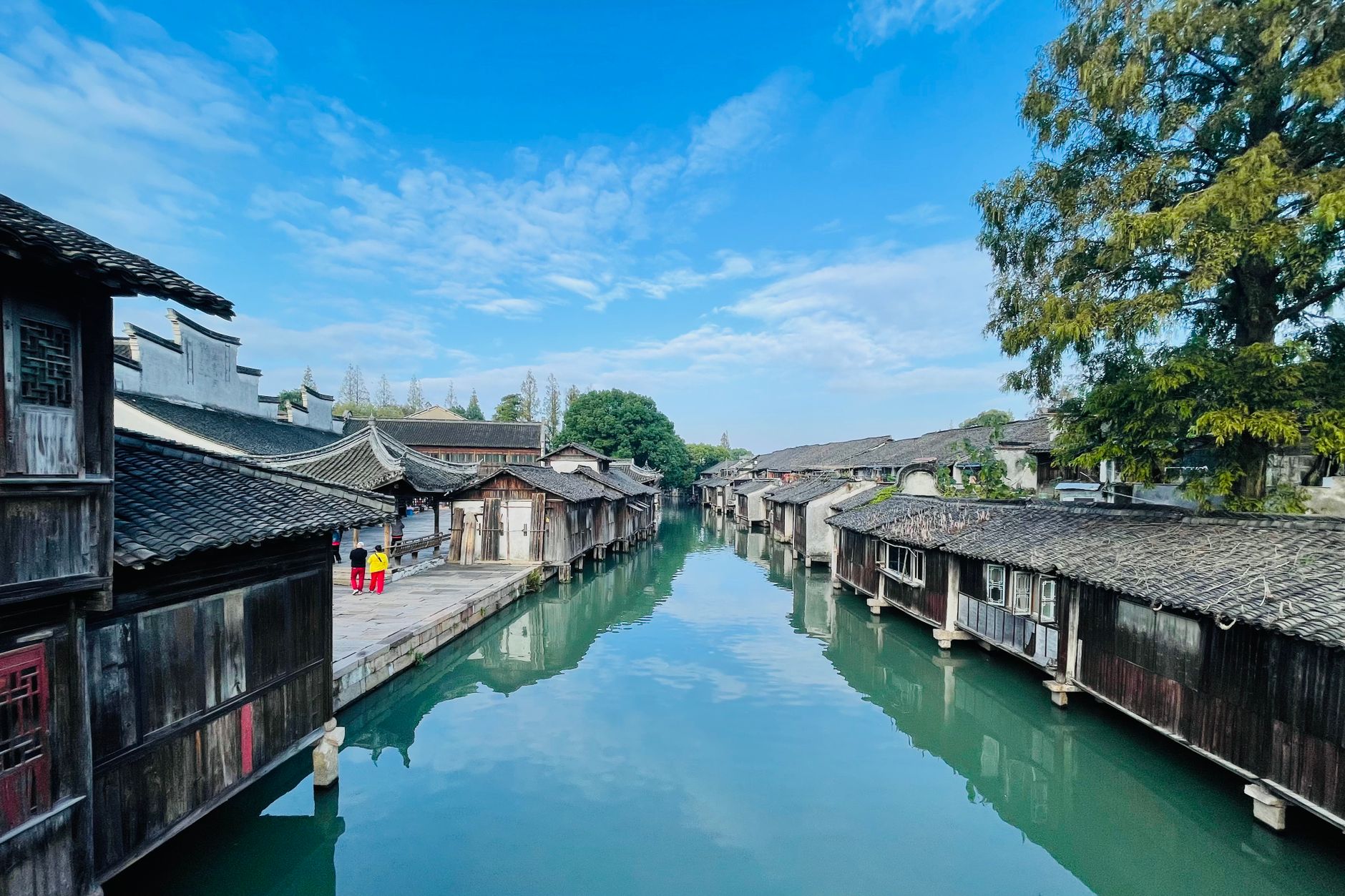
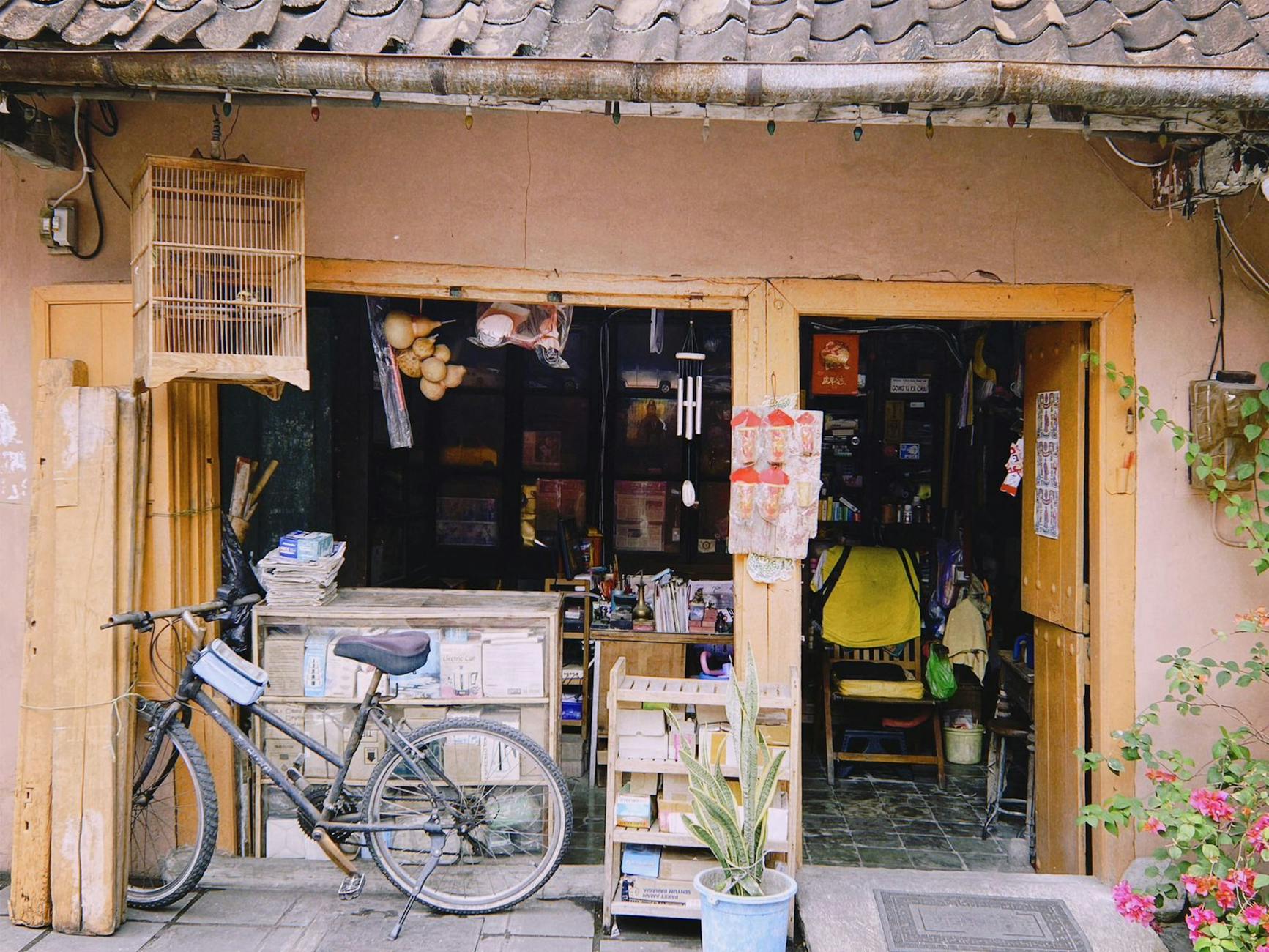
Tongli water town (同里古镇) — the canal village 80 km west of Shanghai that guidebooks keep calling the “Venice of the East” — is the one a lot of people wish they had gone to instead of the one they did. This Tongli water town guide covers the 49 stone bridges, the UNESCO-listed Tuisi Garden, what the ¥100 ticket actually buys, and the two hours of train, metro and bus it takes to get there from the city. Tongli sees a fraction of the coach traffic that Zhouzhuang does, and — this is the part that matters — people still live in it. Laundry on poles, old men playing cards, someone’s dinner being scaled on a step down to the water.
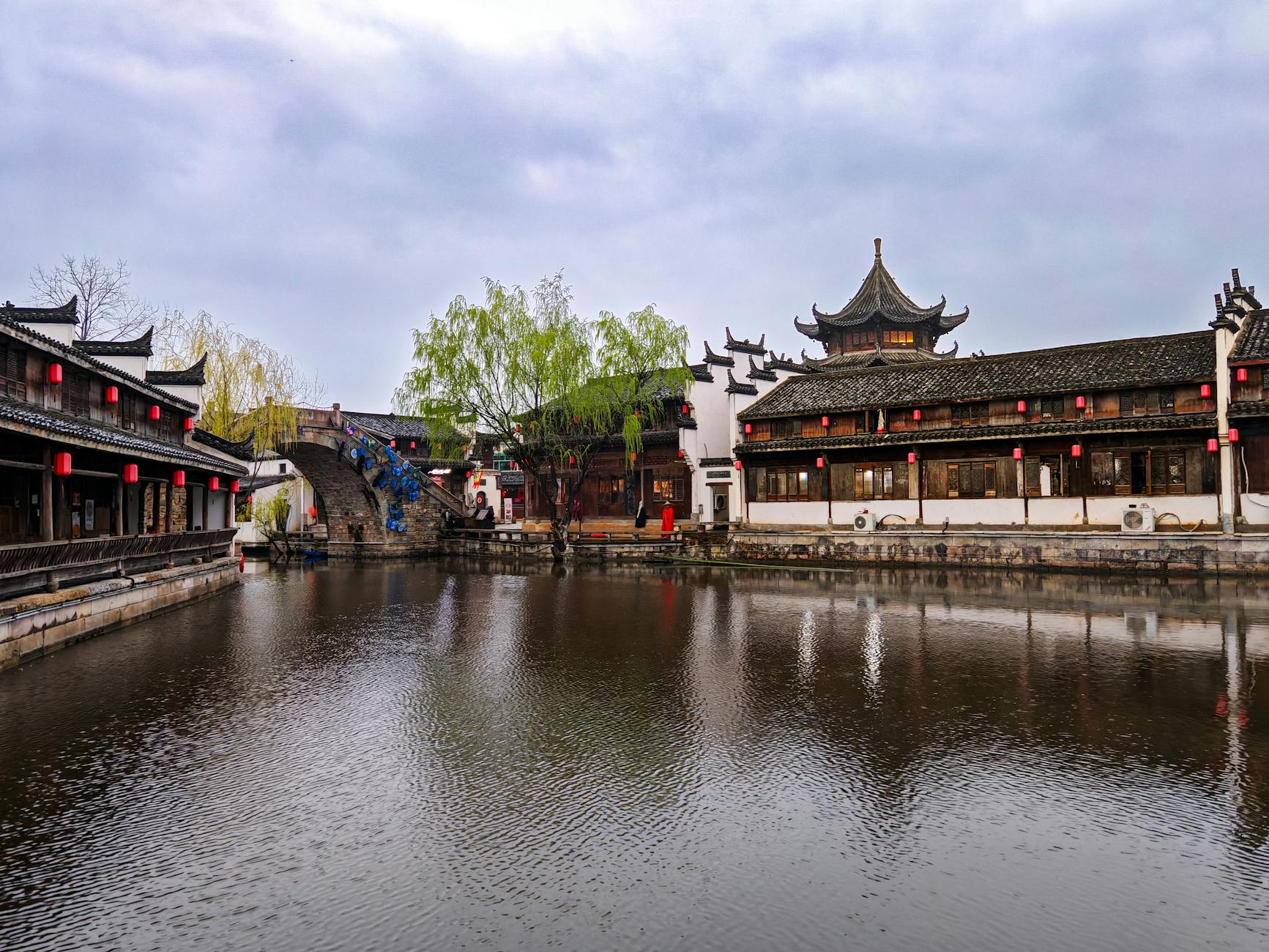
Table of Contents
- This Tongli Water Town Guide in Sixty Seconds
- Why Visit Tongli
- Who This Tongli Water Town Guide Is For
- How to Get There from Shanghai
- The Last Mile: Suzhou to Tongli
- Tongli Water Town Tickets & Opening Hours
- Tuisi Garden (UNESCO)
- The Three Bridges
- Smaller Museums & Halls
- Boat Rides
- What & Where to Eat
- A Tested Half-Day Itinerary
- Tongli vs the Other Water Towns
- Staying the Night
- When to Go: Season, Day, Hour
- What a Day Actually Costs
- Common Mistakes
- Tips for Visiting
- FAQ
This Tongli Water Town Guide in Sixty Seconds
- Ticket: ¥100, covering the town’s ticketed halls and gardens. The lanes and canals cost nothing once the booths shut.
- Hours: ticketed sights roughly 07:30–17:30, last entry about 17:00. The town never closes.
- Getting there: bullet train Hongqiao → Suzhou Station (25–30 min, ~¥40), then Suzhou Metro Line 4 to its Tongli terminus (~50 min), then a short bus or taxi. Two hours door to gate.
- Time needed: 3–4 hours for highlights, 6–7 to do it properly, one night to have it to yourself.
- Best hour: 08:00–10:00. Coaches land around 10:00 and the difference is night and day.
- Skip it if: you have one day in Shanghai and no appetite for four hours of transit. Go to Zhujiajiao instead.
Why Visit Tongli
Tongli sits about 25 km southeast of Suzhou’s old centre, in the middle of the Yangtze Delta’s tangle of canal towns. Founded under the Song, it peaked commercially in the Ming and Qing, when Suzhou silk money bought retirement houses out here in the quiet. What survives is an unusually dense block of period architecture: 49 bridges, ancestral halls, merchant residences with their own boat landings, and a street plan never straightened out for cars.
The comparison people want is with the neighbours. Zhujiajiao is an hour from central Shanghai and gets the crowd that implies. Zhouzhuang has the more famous bridge and the bigger machine behind it. The Suzhou old town is a real city with canals rather than a canal town. Tongli lands in a useful gap: preserved enough to be worth the journey, awkward enough to reach that the day-tripper volume never quite arrives.
The other honest reason to come is Tuisi Garden — UNESCO-listed, small enough to absorb in 45 minutes, and at 08:45 on a Tuesday almost yours. Suzhou has grander gardens, but you share those with three hundred people and a megaphone.
Who This Tongli Water Town Guide Is For
Come if: you have several days in Shanghai, have already done the Bund and Yu Garden, like gardens more than shopping streets, and will leave your hotel by 07:00. Or you are already in Suzhou, in which case Tongli is a simple half-day and the transport problem disappears.
Skip it if: this is a 48-hour trip, you are pushing a buggy, you need step-free access, or you are chasing a photograph you saw online — half of those were taken in Wuzhen anyway.
A recurring worry: travellers on the 240-hour visa-free transit scheme think leaving Shanghai municipality breaks the rules. It does not — Jiangsu is inside the permitted area. See our 240-hour visa-free transit guide.
How to Get There from Shanghai
There is no single obvious route, which is exactly why Tongli stays quieter than it deserves. The options, ranked by how often they are the right answer:
- Train plus metro (best value): bullet train from Shanghai Hongqiao to Suzhou Station — not Suzhou North — 25–30 minutes, around ¥40 second class. Suzhou Station sits on Metro Line 4, whose southern terminus is called Tongli. Ride it to the end, roughly 50 minutes, for a few yuan. About two hours and under ¥60 each way.
- Train plus taxi (fastest): same train, then a Didi from outside Suzhou Station. Budget ¥80 and under an hour of driving. Worth it for two or more people.
- Train plus intercity bus (cheapest): buses run to Tongli from Suzhou Railway Station’s north square and from the south, north and Wuzhong bus terminals, roughly ¥8–9 and 60–90 minutes. Departures thin out badly after mid-afternoon.
- Direct coach from Shanghai: about two hours from the tourist bus centre at Shanghai Stadium in Xuhui. The catch is real: there is usually only one return departure, in the late afternoon. Miss it and you are buying a taxi to Suzhou.
- Organised day tour: ¥500–800, generally pairing Tongli with a Suzhou garden and an English-speaking guide. Fine if you dislike logistics; expensive for a solvable problem.
Book the train a day or two ahead in peak season through the official China Railway 12306 English site. Trains back to Hongqiao run until late evening, but check the actual last service on the day — the metro out of Tongli takes 50 minutes before you have even reached the station.
| Route from Shanghai | Time each way | Cost each way | Best for |
|---|---|---|---|
| Bullet train + Suzhou Metro Line 4 | ~2 hr | ~¥50–60 | Solo travellers, budget, reliability |
| Bullet train + Didi from Suzhou Station | ~1 hr 30 min | ~¥40 + ¥80 per car | Groups of 2–4, late starts |
| Bullet train + intercity bus | ~2 hr 15 min | ~¥50 | Absolute cheapest; flexible timing out, not back |
| Direct coach from Shanghai Stadium | ~2 hr | ~¥50–70 | No transfers — but one return departure only |
| Private day tour | Door to door | ¥500–800 per person | English guide, zero planning |
The Last Mile: Suzhou to Tongli
The stretch that trips people up is the last two kilometres. Suzhou Metro Line 4 terminates at a station called Tongli, but the station is not in the old town.
- Exit 10 — tourist shuttle buses to the old town. The default option.
- Exit 2 — public bus 725; get off at Shi Pai Lou, a short walk from the gates.
- Taxi or Didi — about ten minutes and very cheap. If you are carrying anything, do this. Our guide to using Didi covers setting the app up with a foreign card; it works the same way in Suzhou.
- Walking — 20–25 minutes along an unremarkable road. Not in July.
Inside the town a sightseeing cart circulates for around ¥10 a head. Tongli is small enough that you will not need it.
Tongli Water Town Tickets & Opening Hours
- Through ticket: ¥100 per adult, covering the ticketed halls and gardens — most listings count nine or ten sites. Some long-standing guides still quote ¥80 for a smaller bundle including the Luoxingzhou ferry. Budget ¥100.
- Validity: several sources describe the ticket as valid two days, which is what makes staying over appealing. Confirm at the booth.
- Hours: ticketed sights open at 07:30 (some list 08:00) and stop admitting around 17:00, closing 17:15–17:30. The lanes, bridges and canals are open all day and night and are not ticketed.
- The free-entry loophole: ticket booths are only staffed during the day. Arrive before 07:30 or after 17:30 and you can walk the town for nothing — you just cannot get into the halls. For photographers that is not a compromise, it is the plan.
- Discounts: under 6 and over 70 generally free; ages 6–18 and 60–70 usually half price. Bring the passport that proves it.
- Buying: at the main Daxin gate, or in advance via Trip.com, Klook or the Tongli WeChat mini-program. Advance booking mostly saves queueing on public holidays.
- Payment: Alipay and WeChat Pay everywhere, foreign cards at the main office, cash for stalls and boatmen. Sort your payment apps before leaving the city — our money and currency guide explains how.
- Night ticket: Tuisi Garden opens some evenings for around ¥50, roughly 18:30–21:00. Sources disagree on the window and it does not run nightly, so ask on arrival.
One change worth knowing: halls now scan your ticket at their own doors rather than clipping a paper stub. Keep the QR code accessible.
Tuisi Garden (Retreat & Reflection Garden)
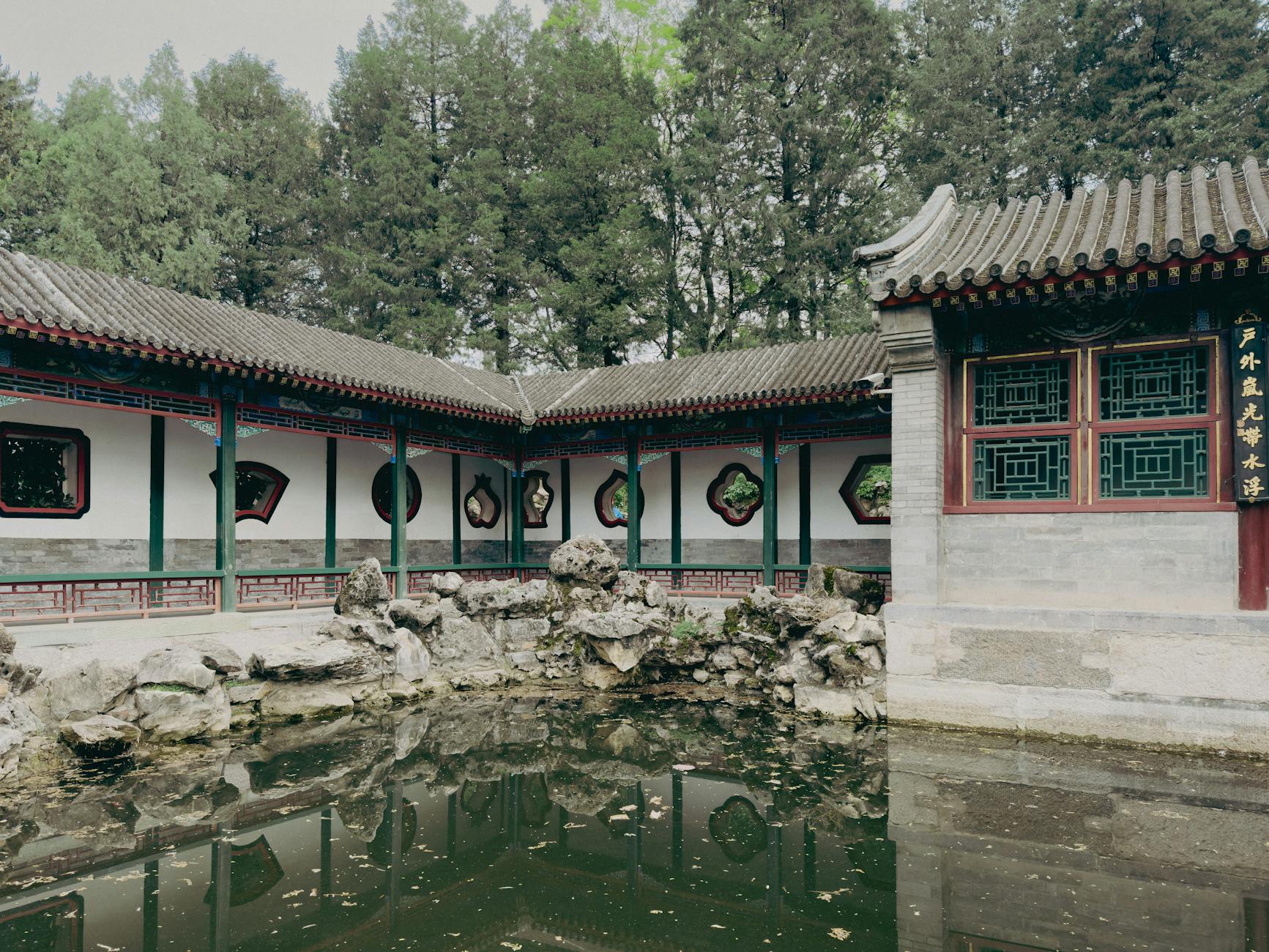
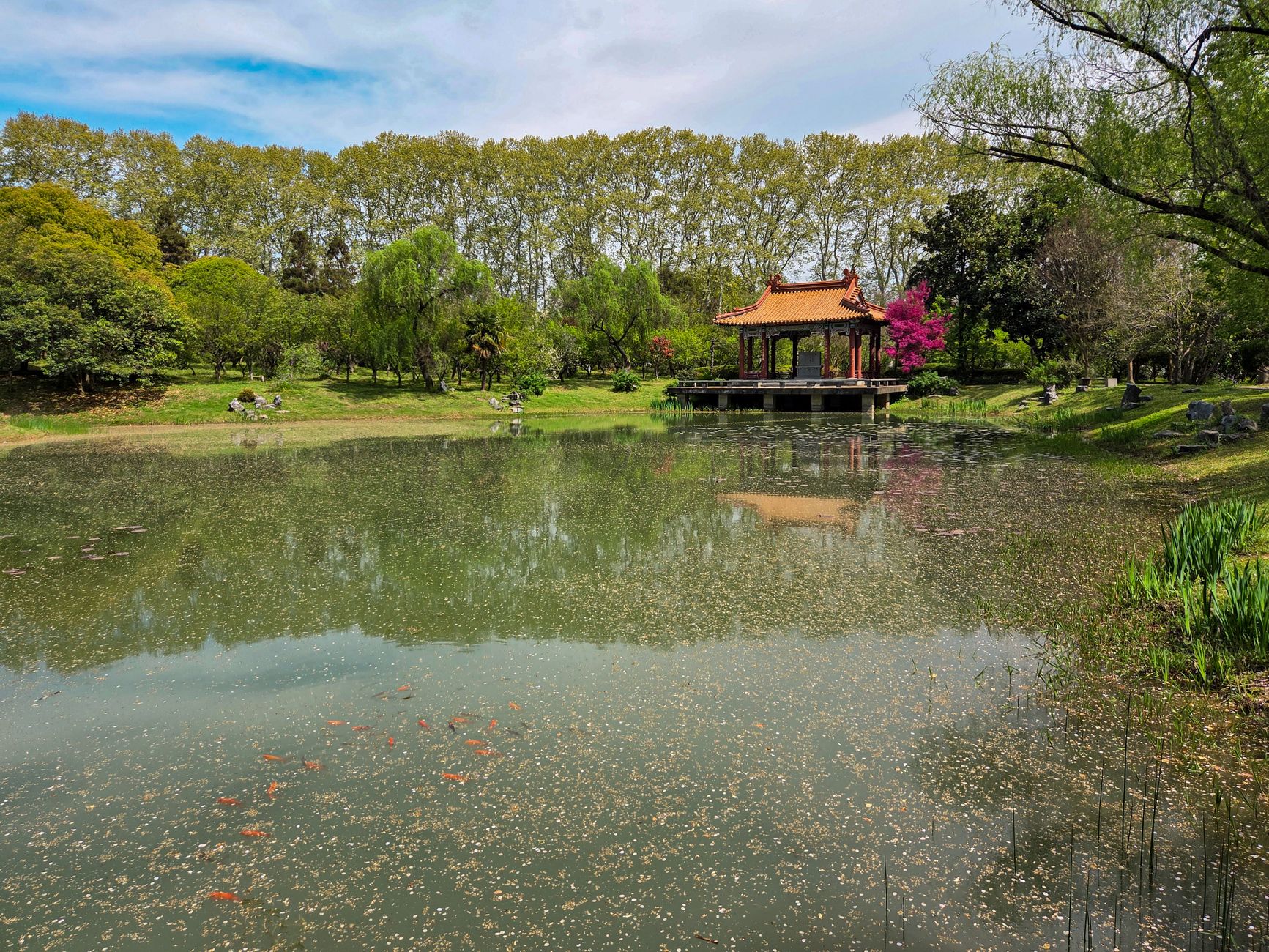
The Tuisi Garden (退思园), built between 1885 and 1887, is Tongli’s headline attraction and a UNESCO World Heritage Site as part of the Classical Gardens of Suzhou inscription. It covers only about 0.6 hectares, yet packs in a residential complex, a courtyard, ornamental gardens, water pavilions, rockeries and covered corridors that read as a compressed textbook of late-Qing Jiangnan garden design.
The designer’s trick was to build low and close to the water, so the pavilions appear to float rather than sit. Walk the covered corridor and watch the reflections, not the buildings — that is the effect it was all arranged around. The name comes from a line about a retired official “retreating to reflect on his faults”: Ren Lansheng had been dismissed from Qing office and built himself the architectural equivalent of a shrug.
Go straight here on arrival. At 08:45 you share it with a handful of people; by 11:00 there is a queue at the moon gate. Allow 45 minutes.
The Three Bridges
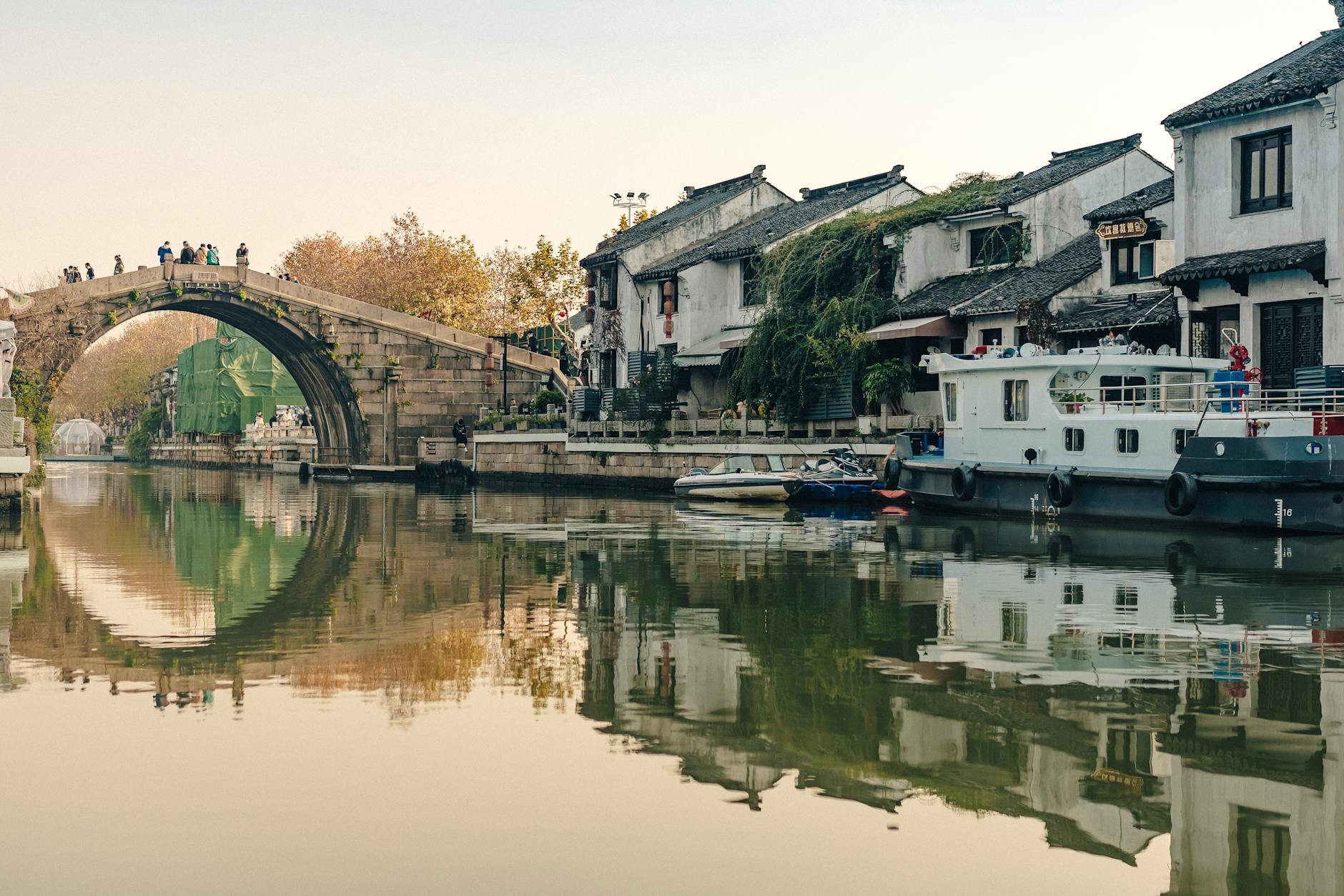
At Tongli’s geographic centre, three stone bridges — Taiping (太平, peace), Jili (吉利, luck) and Changqing (长庆, celebration) — meet in a tight triangle where three canals converge. Local custom holds that crossing all three in one go brings peace, fortune and long life, and the crossing is still performed at weddings, at a baby’s first month and for elders’ big birthdays. On a spring weekend you will very likely see a wedding party doing it in full red, with a drummer.
Two positions beat the rest: canal level on the eastern approach in late afternoon, when the light comes down the water rather than across it, and from a passing boat, which gets you the underside of the arches. The bridges are small, so do not expect a Rialto. The pleasure is the geometry of three at once.
Smaller Museums & Halls
The through ticket covers a set of individual sites. You will not want all of them. These are the ones worth the walk:
- Jiayin Hall (嘉荫堂) – merchant house with the best wood carving in town, including beam ends showing scenes from the Three Kingdoms. 20 minutes.
- Chongben Hall (崇本堂) – Qing residential architecture around five courtyards, now an exhibition on local wedding customs. 20 minutes.
- Gengle Hall (耕乐堂) – Ming-era hall with a small garden and pond at the quieter western end. Usually the emptiest, which is half the appeal.
- Pearl Pagoda Garden (珍珠塔) – a large complex tied to a Ming romance and its opera adaptation. Enjoyable if you read the panels, baffling if you do not.
- Luoxing Islet (罗星洲) – a temple island on Tongli Lake reached by ferry from the eastern edge; about an hour round trip and a good one on a clear day. Check whether the ferry is in your ticket before paying twice.
One correction to older guides: the Chinese Sex Culture Museum that made Tongli mildly notorious after relocating here from Shanghai in 2004 is no longer operating. Professor Liu Dalin’s collection was one of the odder things you could see on a day trip from Shanghai, and it is gone. Do not build an afternoon around it.
Boat Rides
Two boat experiences exist here and people conflate them. The one you want is the sculling boat along the town canals: a flat wooden craft poled by a boatwoman in blue-printed cloth, under the arched bridges past waterfront teahouses, 25–30 minutes around the central loop.
Pricing is per boat, not per person, and a boat takes six. Expect ¥120–150 for the whole boat. Shared seats work out at roughly ¥80–150 a head, and a private hire at a quiet hour can be quoted as high as ¥300. Agree price and route length before stepping in — a shorter version exists at a similar price, so ask how many minutes, not how much.
The second boat is the ferry to Luoxing Islet on the lake: different pier, different purpose, sometimes bundled into the entry ticket. Do not turn up there expecting a canal cruise.
Best timing for the canal boat is the last hour of light, when the water turns the colour of the walls. Second best is very early, when the canals are empty enough that the boat actually moves.
What & Where to Eat
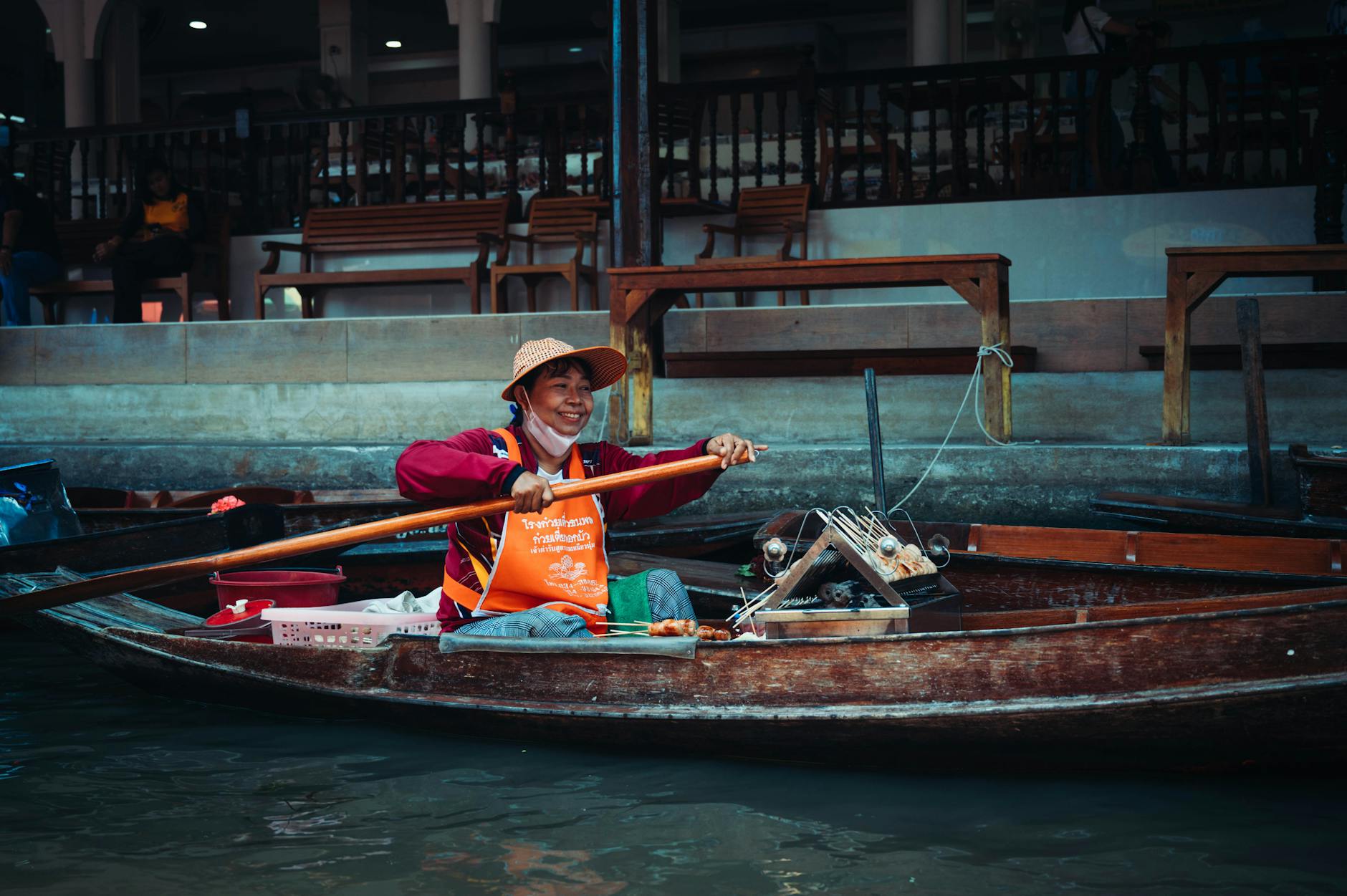
Tongli’s cooking is classic Jiangsu — sweeter than most visitors expect, heavy on freshwater fish and river shrimp, light on chilli. Not a food destination on Shanghai’s level, but a good canalside lunch here is one of the better hours of the day.
- Zhuangyuan trotter (状元蹄) – pork knuckle braised in dark soy and rock sugar until it falls apart. A close cousin of the Wansan trotter sold in Zhouzhuang. This is the local dish.
- Steamed white fish (清蒸白鱼) – lake fish with ginger and spring onion. Order it if it looks fresh at the front.
- Squirrel fish (松鼠桂鱼) – mandarin fish scored into a pine-cone shape, fried, drowned in sweet-sour sauce. A Suzhou showpiece; fun once.
- White-bait omelette (银鱼炒蛋) – tiny river silverfish folded through egg. Cheap and good.
- Soused river snails (酱螺) – simmered in soy and rice wine, eaten by sucking. Best with beer.
- Dried tofu and gorgon-fruit cake (芡实糕) – what locals buy to take home. The cake is dense, mildly sweet and travels well.
- Sweet osmanthus rice wine (桂花酒酿) – warm, seasonal, worth ordering in autumn. In spring, swap it for qingtuan (青团), green glutinous rice balls sold around Qingming.
Reliable sit-down options: Nan Yuan Cha Lou, the canalside teahouse doing tea and small plates; Tongli Mingyuan Restaurant for a more upscale local spread; and Jiayin Hall Restaurant. Allow ¥80–150 a head, or ¥40–80 eating simply. Menus in the tourist core mostly have photographs — our language barrier tips cover the rest and apply just as well in Jiangsu. Ming-Qing Street stalls do skewers, grilled squid and stinky tofu: fine for grazing, not lunch.
A Tested Half-Day Itinerary
08:30 Arrive at the main entrance, buy the ¥100 ticket.
08:45 Tuisi Garden — head straight there before the crowds.
10:00 Walk to the Three Bridges; photos before the coach groups converge.
10:30 Jiayin Hall, then Chongben Hall.
11:30 Boat ride from the central canal.
12:30 Lunch at Nan Yuan Cha Lou.
14:00 Ming-Qing Street browsing plus Pearl Pagoda Garden.
15:30 Tea at a canal-side teahouse.
16:30 Depart for Suzhou or Shanghai.
With a whole day, stretch it: swap the 14:00 slot for the Luoxing Islet ferry, walk the western lanes past Gengle Hall where almost nobody goes, and take the boat at 17:00 instead of 11:30. The coaches leave in a block between 15:30 and 16:30 and the noise drops off a cliff.
The common variant is to combine Tongli with Suzhou on one train ticket: Humble Administrator’s Garden and Pingjiang Road in the morning, Tongli from early afternoon. It works, but it is a twelve-hour day and you see both at their busiest. Our Suzhou day trip guide makes the case for giving Suzhou its own day.
Tongli vs the Other Water Towns
The canal towns within reach of Shanghai are genuinely different products. The honest version:
| Town | From Shanghai | Ticket | Crowds | Character | Pick it if |
|---|---|---|---|---|---|
| Tongli | ~2 hr via Suzhou | ~¥100 | Moderate | Lived-in; UNESCO garden | You want gardens and residents, not a set |
| Zhujiajiao | ~1 hr, Metro Line 17 | Free entry; sights extra | Heavy | Compact, commercial, easy | You have half a day and no more |
| Zhouzhuang | ~1 hr 30 min by coach | ~¥100 | Heavy | The famous one; big infrastructure | You want the postcard bridge |
| Wuzhen | ~2 hr via Tongxiang | ~¥120–190 | Very heavy, managed | Restored resort; superb night lighting | You will stay overnight and want polish |
Short version: Zhujiajiao for convenience, Zhouzhuang for the famous view, Wuzhen for a produced experience done well, Tongli for the one that still feels lived in. With room for only one water town and no overnight, honesty compels the point that Zhujiajiao’s proximity beats Tongli’s superiority. Our roundup of day trips from Shanghai weighs them against Hangzhou and Suzhou.
Staying the Night
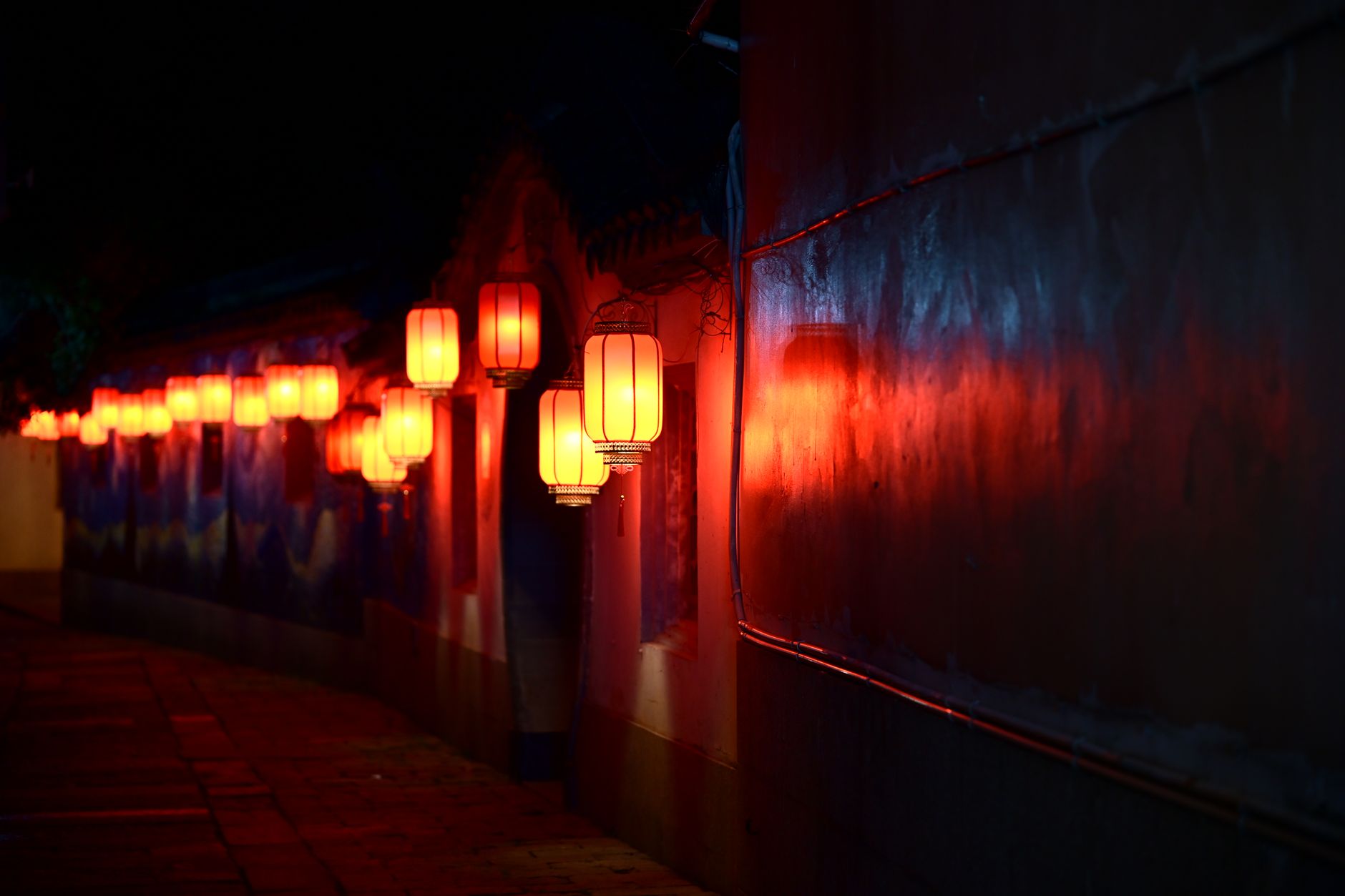
Tongli is one of the few water towns near Shanghai where staying over genuinely changes the experience rather than just saving you a train. The last coaches pull out by about 16:30. By 19:00 the lanes belong to residents, a few guesthouse guests and a lot of cats.
Expect ¥300–800 a night for a canal-view room in a converted courtyard guesthouse, less away from the water, roughly double on public holidays. Book a canal-facing window: the difference between a good and a bad Tongli guesthouse is which side of the building you are on. Rooms are small and January heating can be thin — this is old housing stock.
The case for: the ticket is often valid two days, so you do the halls on afternoon one and have the empty lanes on morning two. The case against: there is very little to do after dark beyond walk, eat and drink tea. Either the point or a dealbreaker.
When to Go: Season, Day, Hour
Three separate decisions, and the hour matters most.
Season. April–May and late September–early November: 18–25°C, gardens at their best, manageable humidity. July and August are hot, humid and prone to afternoon downpours, and the stone lanes hold the heat. Winter is damp rather than freezing, but the town is at its quietest and December mist on the canals is worth some discomfort. Our best time to visit Shanghai guide applies here — Tongli’s weather is Shanghai’s with cooler nights.
Day of week. Tuesday to Thursday. Weekends bring domestic tourists in volume. Avoid the first weeks of May and October entirely — Labour Day and National Day turn every water town in the delta into a queue.
Hour. The one that decides your day. Coaches start arriving around 10:00 and the town is at its worst from 11:00 to 15:00. Arrive at 08:00 and you get two hours of near-solitude. If you cannot manage an early start, invert it and come 15:00–19:00.
What a Day Actually Costs
| Item | Budget day | Comfortable day |
|---|---|---|
| Return transport from Shanghai | ~¥100 (train + metro) | ~¥240 (train + Didi both ends) |
| Entry ticket | ¥100 | ¥100 |
| Boat ride | ¥0 (skip) or ¥25 shared | ¥150 private boat |
| Lunch | ¥40–60 street food | ¥120–150 sit-down |
| Tea, snacks, gorgon cake | ¥20 | ¥60 |
| Hanfu rental (optional) | — | from ¥100 |
| Total per person | ~¥260–280 | ~¥670–700 |
Add ¥300–800 if you stay the night. See our breakdown of what day trips from Shanghai cost for context.
Common Mistakes
- Getting off at Suzhou North. Some Hongqiao trains stop at Suzhou North (Suzhoubei), which is the wrong side of the city and not on Line 4. Book to Suzhou Station.
- Taking the direct coach without checking the return. One late-afternoon departure is common. There is no second chance.
- Arriving at 11:00. The most consequential error. You will conclude Tongli is overrated, and you will be describing a different place from this one.
- Paying for the boat without agreeing the route. Ask the duration in minutes and whether the price is per boat or per seat.
- Assuming the halls are open when the town is. The lanes never close; ticketed sights stop admitting around 17:00. Halls first, wander second.
- Planning around the sex museum. Closed. Older blog posts have not caught up.
- Expecting Venice. The canals are narrow, shallow and short. The pleasure is architecture and quiet, not scale.
Tips for Visiting
- Arrive at opening. Everything about Tongli improves before 10:00.
- Carry your passport — needed for discounted tickets, sometimes asked for at boat counters.
- Keep ¥100–200 in small notes for stalls and boatmen, even though mobile payments are universal.
- Hanfu rental starts around ¥100 near the entrance, more with hair and make-up. The queues at the best backdrops are mostly rental customers.
- Best light: the first hour after opening on the west-facing canals, and the last 45 minutes before sunset near the Three Bridges.
- Flat shoes with grip. Worn stone plus rain is slippery.
- Bring a light layer even in summer — the halls are cool and the boat is breezy.
- Combining with Suzhou? Do Tongli first. Suzhou’s gardens stay open later and the city has somewhere to eat at 20:00.
- The western lanes are residential and front rooms open onto the street. Photograph the architecture; ask before photographing people.
- Our getting around Shanghai guide covers the transport apps and cards you will also use in Suzhou.
Frequently Asked Questions
Is Tongli water town worth visiting?
Yes, if you have time to reach it properly. It is the most atmospheric canal town within day-trip range of Shanghai, with a UNESCO-listed garden and a resident population that was never relocated. It is not worth it as a rushed add-on to a two-day trip — that is what Zhujiajiao is for.
Tongli vs Zhouzhuang vs Zhujiajiao — which is best?
Tongli for the quietest, most lived-in atmosphere and the best garden; Zhouzhuang for the famous scenery and the most developed infrastructure; Zhujiajiao for being an hour from central Shanghai on the metro. Full day and want depth: Tongli. Four hours: Zhujiajiao.
How much does Tongli water town cost?
¥100 for the through ticket, ¥120–150 for a canal boat, ¥40–150 for lunch. A realistic day is ¥250–400 per person excluding transport, plus ¥100–240 return from Shanghai.
How do I get to Tongli from Shanghai?
Bullet train Hongqiao to Suzhou Station (25–30 min, ~¥40), then Suzhou Metro Line 4 to its Tongli terminus (~50 min), then a shuttle from exit 10, bus 725 from exit 2, or a ten-minute taxi. Around two hours door to gate.
Is Tongli accessible by metro?
Not directly from Shanghai, but yes from Suzhou: Line 4’s southern terminus is a station called Tongli, about 50 minutes from Suzhou Railway Station. The station is a short hop from the old town gates, not inside them.
How long do I need at Tongli water town?
Three to four hours for the highlights — Tuisi Garden, the Three Bridges, two halls and a boat. Six or seven to do it properly with a sit-down lunch. An overnight if you want the town empty.
Can I visit Tongli for free?
Partly. The lanes, canals and bridges are not ticketed and the booths are only staffed roughly 07:30–17:30, so early-morning and evening visits cost nothing. The halls and Tuisi Garden still need the ¥100 ticket.
Can I combine Tongli with Suzhou in one day?
Yes, and plenty of tours do — Humble Administrator’s Garden and Pingjiang Road in the morning, Tongli after lunch. It is a twelve-hour day and you see both at peak crowd. Doable, not ideal.
When is the best time to visit Tongli?
April–May or late September–early November for weather, Tuesday to Thursday for crowds, 08:00–10:00 for atmosphere. Avoid the first weeks of May and October.
Is the boat ride worth it?
Yes — the single best thing you can add. Half an hour at water level under the bridges shows you a town you cannot see from the lanes. Go late afternoon, and confirm the price is per boat rather than per seat.
Do people still live in Tongli?
Yes, which is the main thing separating it from the heavily restored towns. The commercial core is tourist-facing, but the western and southern lanes are residential. Be considerate with your camera.
Is Tongli suitable for children or wheelchair users?
Older children who like boats will enjoy it. Buggies will struggle — stepped bridges, uneven stone. It is not realistic for wheelchair users; there is no step-free route across the central canals.
Plan Other Water Town Trips
Compare with our guides to Zhujiajiao, the busier Zhouzhuang, a full Suzhou day trip, the more polished Wuzhen water town, and the complete list of day trips from Shanghai. If gardens and old architecture are your thing, our overview of traditional culture around Shanghai pairs well. For background see the UNESCO entry on the Classical Gardens of Suzhou and the TravelChinaGuide page on Tongli for a second opinion on transport timings.