Most people arrive in Shanghai and treat it as the destination. It is, but it is also the most convenient front door mainland China has: two international airports, the country’s busiest high-speed rail station, and a visa policy that lets a large share of the world walk in without paperwork. Planning China travel from Shanghai is mostly a question of arithmetic — how many hours you are willing to sit on a train, how many days you have, and which visa rule you entered under. This guide covers the rail network as it actually runs in 2026, when flying beats the train, how to buy tickets with a foreign passport, and the five route templates that account for almost every good two-week trip that starts here.
The short version: Beijing is four and a half hours away by train, Huangshan is under three, Hong Kong is eight, and almost everything else worth seeing east of Chengdu is a same-day journey. Chinese domestic travel is fast, cheap by European standards, and administratively simple once you understand the two systems you have to feed — the rail booking system and the immigration rule you entered under. Get those right and the rest is straightforward.
Table of Contents
- Why Shanghai Is the Easiest Place to Start a China Trip
- What Your Entry Rule Lets You Do
- The Rail Network from Shanghai: What Is Actually Reachable
- Journey Times and Fares from Shanghai: Comparison Table
- Which Shanghai Station You Leave From
- Booking Tickets: 12306 vs Trip.com
- What a Chinese Train Day Is Actually Like
- When to Fly Instead of Taking the Train
- Five Route Templates for China Travel from Shanghai
- Hong Kong and Macau: A Different Border
- How Many Days Each Add-On Needs
- Money, Apps and Language Outside Shanghai
- Mistakes People Make Planning Trips Out of Shanghai
- Frequently Asked Questions
Why Shanghai Is the Easiest Place to Start a China Trip
Three things make Shanghai the better gateway compared with Beijing, Guangzhou or Hong Kong.
The first is rail geography. Shanghai sits at the eastern end of the Beijing–Shanghai line, the southern end of the coastal corridor to Hangzhou, Fuzhou and Shenzhen, and the starting point of the westward line through Nanjing, Hefei and Wuhan. Hongqiao Railway Station alone dispatches trains to Beijing, Xi’an, Chengdu, Kunming, Guangzhou, Shenzhen, Xiamen, Qingdao and Hong Kong. From Beijing you get a similar reach northward; from Shanghai you get the whole populated east plus the fastest link into the south.
The second is flights. Pudong is the mainland’s main long-haul gateway alongside Beijing Capital, so most visitors land here anyway, and both Pudong and Hongqiao run dense domestic networks to places rail does not reach quickly — Kunming, Lhasa, Ürümqi, Sanya, Lijiang. See the airport arrival guide and the Hongqiao Airport guide.
The third is entry policy. Shanghai’s two airports and its cruise and rail ports are all designated entry points for China’s visa-free transit scheme, and Shanghai is the most common landing spot for travellers using the 30-day visa exemption. That matters more than it sounds, because the rule you enter under decides how far you are allowed to roam.
What Shanghai is not is a good base for the far west. Chengdu is 11 hours by train, Kunming close to 11, Lhasa is a flight plus a permit. If your trip is really about Yunnan or Tibet, fly there and treat Shanghai as bookends rather than a hub.
What Your Entry Rule Lets You Do
Almost every foreign visitor is in China under one of three arrangements, and they are not interchangeable. This is the single biggest planning constraint on China travel from Shanghai, and people routinely discover it at the wrong moment.
The 30-day unilateral visa exemption
Citizens of a long and still-growing list of countries — most of Western Europe, plus Japan, South Korea, Australia, New Zealand, Brazil and others — can enter for up to 30 days without a visa for tourism, business or family visits. Under this rule you can go anywhere in mainland China that is open to foreigners, enter and leave through any port, and fly home from wherever you like. It is by far the most flexible option. Details and the current country list are in our China 30-day visa-free entry guide.
The 240-hour visa-free transit
This one is for nationals of 57 countries — including the United States, Canada and the United Kingdom — who are travelling onward to a third country or region. You get 240 hours, which is ten days, counted from midnight after arrival. Two conditions bite. You must hold a confirmed onward ticket to a third country or region within that window, and you may only move within the 24 designated provinces, autonomous regions and municipalities — with some of those limited to named cities rather than the whole province. The permitted zone covers the entire east coast and most of the classic circuit, so Beijing, Xi’an, Shanghai, Suzhou, Hangzhou, Guilin and Huangshan are all inside it. Lhasa and Xinjiang are not. Full mechanics in the 240-hour visa-free transit guide.
One quirk that works in your favour: Hong Kong, Macau and Taiwan count as the third region for the onward-ticket requirement. A Shanghai–Beijing–Hong Kong trip therefore satisfies transit rules, and once you cross into Hong Kong you clear a separate immigration line and start a fresh, usually much longer, permission to stay.
A proper tourist visa
If you want more than 30 days, want to visit Tibet or Xinjiang while on a transit-type entry, or simply do not want the onward-ticket condition hanging over the trip, get the L visa. Ten-year multiple-entry visas are again being issued to some nationalities. See how to apply for a China tourist visa and the broader Shanghai visa and entry requirements page.
| Entry rule | Max stay | Where you can go | Onward ticket needed? | Best for |
|---|---|---|---|---|
| 30-day visa exemption | 30 days | Anywhere open to foreigners | No | EU, UK-adjacent, Japan, Korea, Australia, NZ and other listed nationals |
| 240-hour transit | 10 days | 24 designated provinces/municipalities only | Yes, to a third country or region | US, Canadian and other non-exempt passports on a short east-coast loop |
| L tourist visa | 30–60 days per entry | Anywhere open to foreigners | No | Longer trips, western China, multiple entries |
Whichever applies, buy travel cover before you go. Chinese hospitals want payment at the point of care and expect it in full — see China travel insurance.
The Rail Network from Shanghai: What Is Actually Reachable
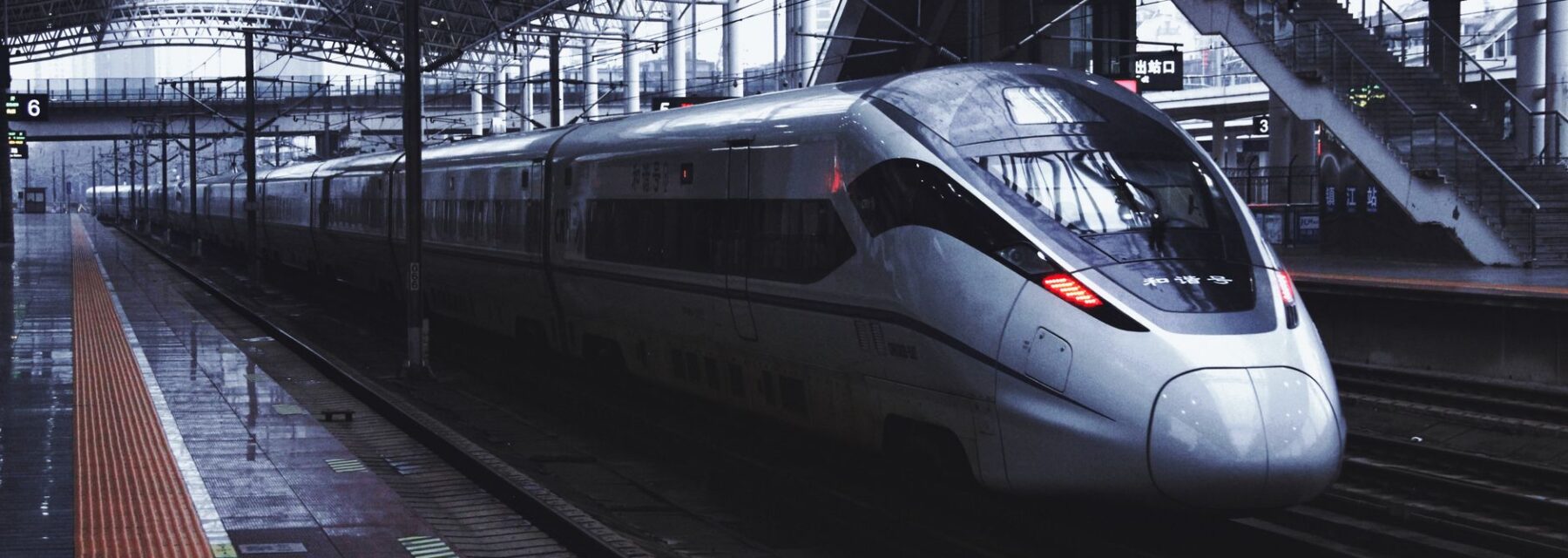
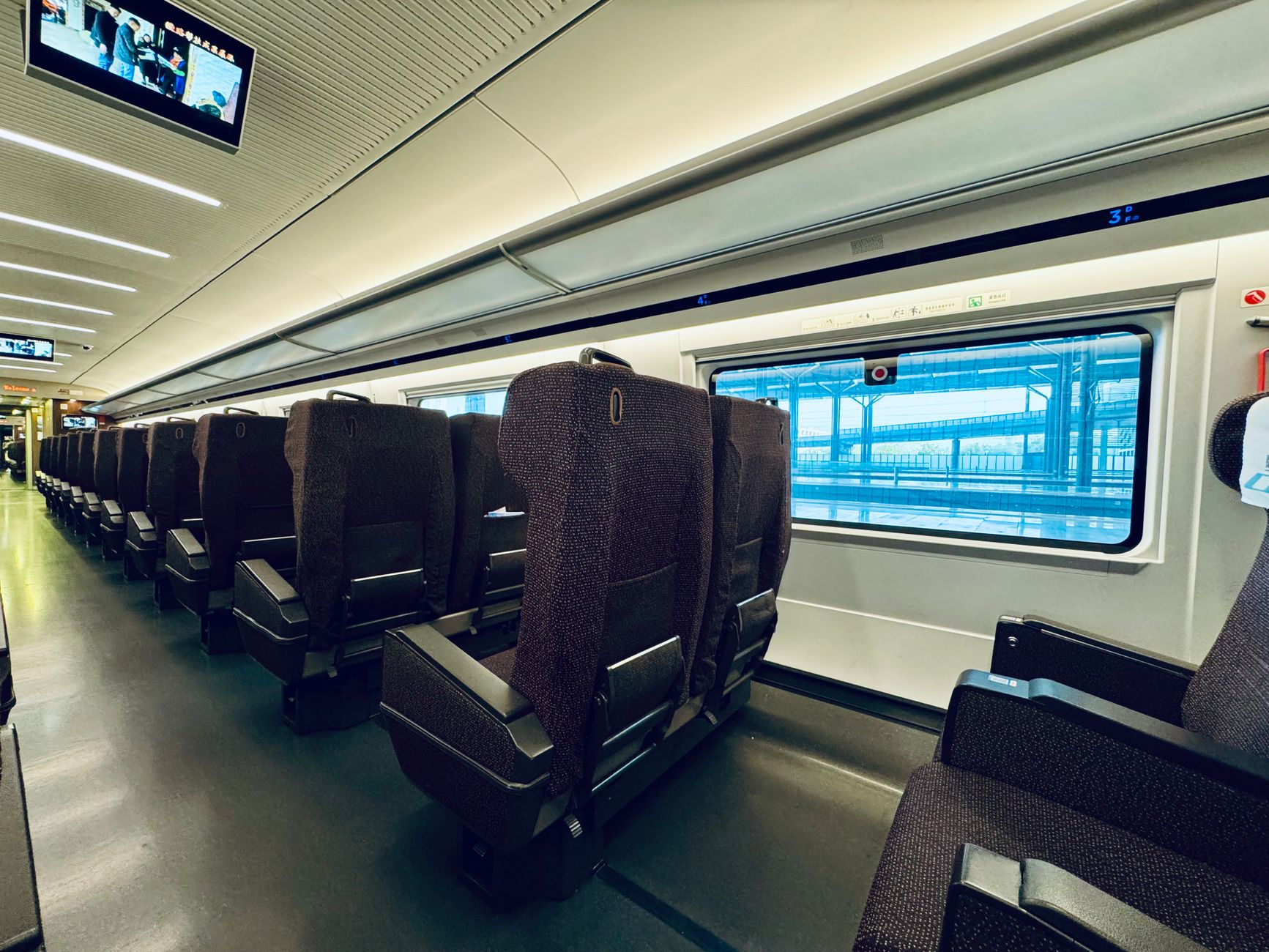
China runs the largest high-speed network on the planet, and Shanghai sits on the best-served part of it. Trains are prefixed by letter, and the letter tells you almost everything: G is the fastest class, up to 350 km/h; D is a slower bullet train, often the overnight sleeper services; Z, T and K are conventional long-distance trains with sleeper berths, cheaper and much slower.
Think of it as four spokes. North to Beijing is the flagship: around 40 G trains a day cover the 1,318 km to Beijing South in four and a half to seven and a half hours, the fastest pair — currently G10 and G32 — in about 4h25m. This is where the train genuinely beats the plane once you count airport transfers and security. Compare the cities themselves in Shanghai vs Beijing.
West towards Nanjing, Hefei, Wuhan, Xi’an and eventually Chengdu. Nanjing is a comfortable day trip at about 75 minutes. Huangshan is 2h30m to 3h30m. Xi’an North is six to nine hours depending on the service, so it is a plausible daytime ride but a long one. Chengdu, at 11 to 16 hours, is a flight.
South down the coast to Hangzhou, Wenzhou, Fuzhou, Xiamen, Shenzhen and Hong Kong. Hangzhou is 45 to 60 minutes and firmly a day trip from Shanghai. Xiamen is around five to eight hours; Shenzhen is seven to eight; Hong Kong West Kowloon is about eight on the direct G901.
Inland southwest towards Changsha, Zhangjiajie, Guilin and Kunming. The scenery routes. Zhangjiajie is seven to nine hours on the two direct pairs a day, Guilin eight and a half to nine and a half, Kunming around 11. All three are candidates for flying instead.
Journey Times and Fares from Shanghai: Comparison Table
Fares below are second-class one-way and vary by train number and departure time rather than by how early you book — Chinese rail fares are largely fixed, with modest discounts on slower services. Treat them as 2026 ranges, not quotes.
| Destination | Fastest train | Typical range | 2nd class fare (CNY) | Train or plane? |
|---|---|---|---|---|
| Hangzhou | ~45 min | 45–60 min | 73–100 | Train, always |
| Suzhou | ~25 min | 25–40 min | 40–60 | Train, always |
| Nanjing | ~1h 10m | 1h 10m–2h | 135–180 | Train, always |
| Huangshan (Yellow Mountain) | ~2h 30m | 2h 30m–3h 30m | 190–260 | Train, always |
| Beijing | ~4h 25m | 4h 30m–7h 30m | About 669 | Train wins |
| Qingdao | ~4h 45m | 4h 30m–6h 30m | 430–560 | Train wins |
| Xiamen | ~5h | 5h 30m–8h | 500–700 | Close call |
| Xi’an | ~6h | 6h–9h 30m | 659–773 | Close call |
| Shenzhen | ~7h | 7h–11h | 700–1,000 | Plane usually |
| Zhangjiajie | ~7h | 7h–9h | 753–826 | Plane usually |
| Hong Kong West Kowloon | ~8h | 8h (three direct daily) | Check 12306 | Either; train is the experience |
| Guilin | ~8h 30m | 8h 30m–9h 30m | 719–761 | Plane |
| Chengdu | ~11h | 11h–16h | 750–900 | Plane |
The rough rule that holds up in practice: under five hours, take the train; over eight, fly; between the two, decide on price and what time you want to arrive. A five-hour train from a city-centre station beats a two-hour flight from an airport 45 minutes out, once you add check-in, security and the taxi at the far end. Past about eight hours the maths flips.
Which Shanghai Station You Leave From
Shanghai has three main-line stations in use, and booking sites do not always make the difference obvious. Getting this wrong costs an hour.
Shanghai Hongqiao Railway Station handles the overwhelming majority of high-speed departures — Beijing, Xi’an, Chengdu, Kunming, Guangzhou, Shenzhen, Hong Kong, Hangzhou, Suzhou, Nanjing, Huangshan. It sits next to Hongqiao Airport Terminal 2 in a single interchange complex, on metro Lines 2, 10 and 17. From the Bund allow 40 to 50 minutes on Line 2; from the former French Concession, 35 to 45 on Line 10. It is enormous, so allow 15 minutes inside the building on top of that.
Shanghai Railway Station (the one locals just call “Shanghai Station”) is the older central station on Lines 1, 3 and 4, ten minutes from People’s Square. It runs a mix of high-speed and conventional overnight services, including some of the sleeper trains to Beijing and the west. Smaller, easier to navigate, closer to central hotels.
Shanghai South Railway Station, on Lines 1, 3 and 15, is the quiet one, mostly conventional services towards Hangzhou, Ningbo and the south. Few visitors need it, but check your ticket.
A fourth is coming. Shanghai East Railway Station, under construction at Zhuqiao in Pudong about 5 km from Pudong Airport Terminal 1, is slated to open to the public in 2027 with 15 platforms. When it does it will make arriving at Pudong and continuing straight out of the city by rail far easier than it is now. Until then, if you land at Pudong and want a same-day train, budget 60 to 75 minutes to cross to Hongqiao on Line 2 — or take the Maglev to Longyang Road and change. Our Pudong Airport to city centre guide has the timings.
Booking Tickets: 12306 vs Trip.com
Chinese train tickets go on sale 14 days before departure, because the 15-day sales window counts the day you buy; the release time is set by the departure station, so check it on 12306. That is the whole booking window — there is no six-month advance purchase and no cheaper early fare. Popular routes on Friday evenings, Sunday afternoons and around public holidays sell out within hours; ordinary weekday trains often still have seats on the day.
The official app: 12306
China Railway’s own app and site, 12306, now handle foreign passports properly. You register with your passport number rather than a Chinese ID, no Chinese phone number is required, and it accepts Visa, Mastercard, JCB and Diners Club on the international payment flow, plus UnionPay and linked Alipay or WeChat Pay. American Express is not accepted. Verification is largely automated and usually clears in minutes, though the system can take up to a day to reconcile with immigration records, so register a few days before you need to buy.
The advantages are real: face-value fares with no service fee, the full inventory including trains agencies do not list, and instant refunds and changes. The English interface has improved but still has rough edges, and payment failures with foreign cards, while much rarer than they used to be, do still happen.
The agency: Trip.com
Trip.com sells the same tickets, usually at the same face fare with a small service fee, through a booking flow that handles foreign cards more reliably and an interface written by people who expect you not to read Chinese. If you are already using it for hotels, the convenience is worth the few yuan. The trade-off is that you are one step removed from the railway when something changes, and refunds route back through the agency.
Either way the ticket is electronic and tied to your passport. There is no paper to collect and no ticket window to queue at. At the station you tap or scan your passport at the gate, and you do the same at the platform barrier and again on exit at the far end. Keep the actual passport on you, not a photo of it. If you need a paper receipt for expenses, the machines by the ticket hall print one after your journey.
You will also want your phone working. Sort a SIM card or eSIM before you leave Shanghai, since booking apps, maps and payment all assume data, and read the VPN and internet guide if you rely on services blocked in China.
What a Chinese Train Day Is Actually Like
Nobody explains the choreography, so here it is.
Arrive 40 minutes early at Hongqiao, 25 at a smaller station. There is a security scan of bags at the entrance, then a passport check into the departure hall. The hall is a single vast waiting room with gates numbered by train, and the gate for your train opens roughly 15 minutes before departure and closes 3 to 5 minutes before it leaves. That cut-off is enforced absolutely. Miss it and your ticket is dead.
Boarding is by carriage number, marked on the platform floor. Find your car number on the ticket and stand at the matching marker; the stop is often two minutes at intermediate stations, so people move fast. Luggage goes overhead or in the racks at the carriage ends — no check-in, no enforced weight limit, and the practical ceiling is what you can lift.
Classes. Second class is three-plus-two seating, perfectly comfortable, with a tray table and a power socket at every seat. First class is two-plus-two with noticeably more legroom, for roughly 1.7 times the fare — worth it on anything over five hours. Business class is a lie-flat pod at three to four times the second-class fare, which is a lot of money for four hours to Beijing but genuinely pleasant. On overnight D trains you get soft sleeper berths in four-berth compartments.
Food. There is a trolley and a small buffet car selling instant noodles, boxed rice meals and beer, all mediocre and all overpriced by Chinese standards. Every station concourse has better options. Buy something before you board; hot water dispensers in each carriage mean instant noodles are the default local move for a reason.
Silence is not a thing. Phone calls on speaker are normal. Some Beijing–Shanghai services now run a designated quiet carriage; if that matters to you, look for it when booking.
When to Fly Instead of Taking the Train
Domestic flying in China is cheap, frequent and administratively simple for foreigners. You book with your passport, no Chinese ID required, and Trip.com or Fliggy handle foreign cards without difficulty. Economy fares on most intercity routes run roughly ¥400 to ¥1,500, and booking two to three weeks out is usually where the price settles. Spring Airlines, the Shanghai-based budget carrier, undercuts that heavily — Shanghai to Chengdu can be found near ¥280 — at the cost of a 7 kg carry-on limit and paid checked bags.
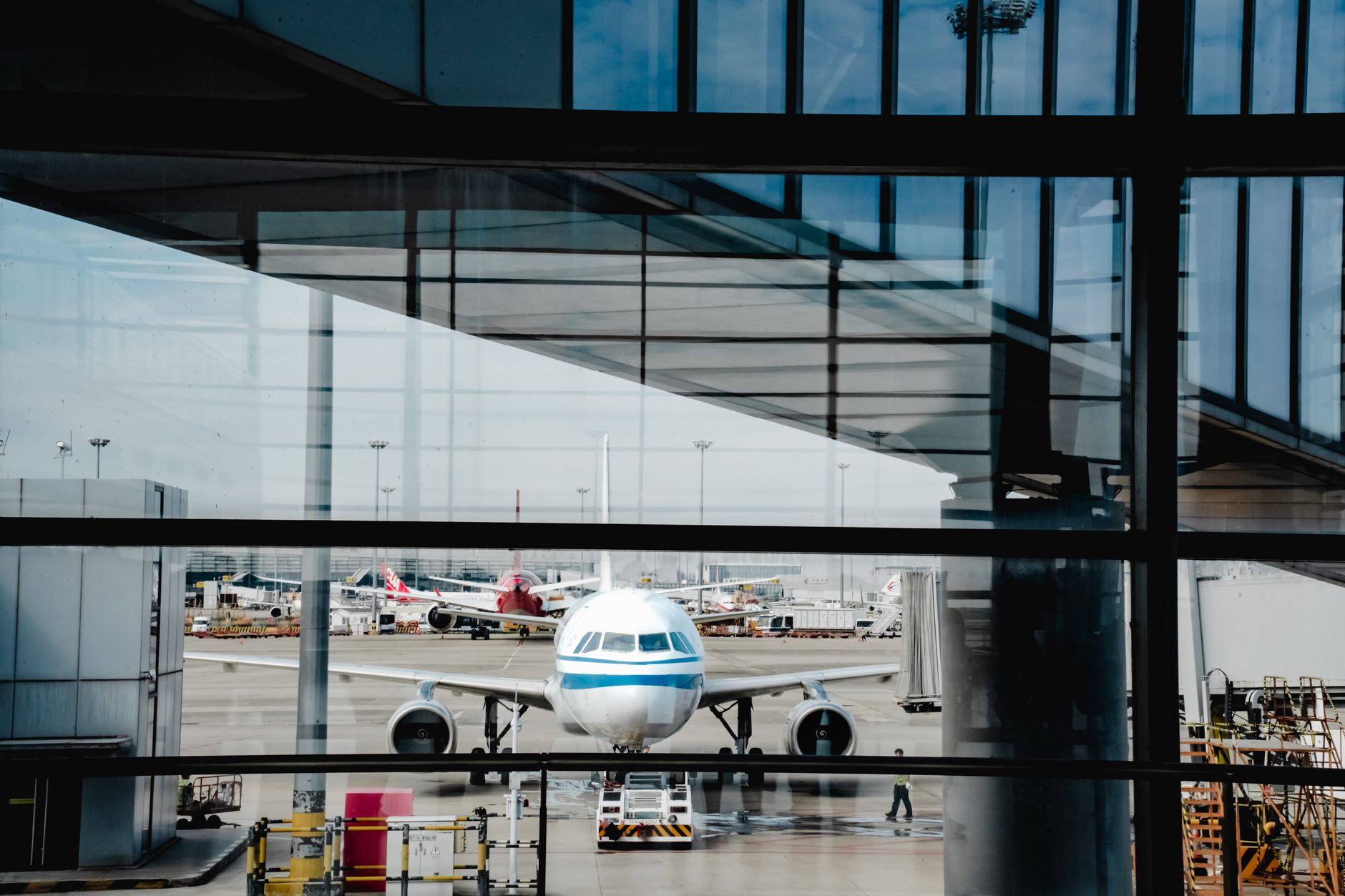
Fly, not train, for: Chengdu and Chongqing (about 3h in the air against 11h+ by rail), Kunming and the rest of Yunnan, Guilin if your time is tight, Sanya, Lhasa (which also needs a Tibet Travel Permit arranged through a tour operator, and is outside the transit-scheme zone), Ürümqi, and Harbin in winter.
Two warnings. Chinese domestic flights are delay-prone, particularly out of Pudong in summer thunderstorm season; do not book a same-day international connection off a domestic leg. And check which airport you are leaving from — Hongqiao is 30 to 40 minutes from central Shanghai, Pudong 60 to 75, and they are an hour apart. Hotels near Pudong Airport exist for a reason.
Five Route Templates for China Travel from Shanghai
Almost every good trip out of Shanghai is a variation on one of these five.
1. The classic triangle: Shanghai – Xi’an – Beijing, 12 to 14 days
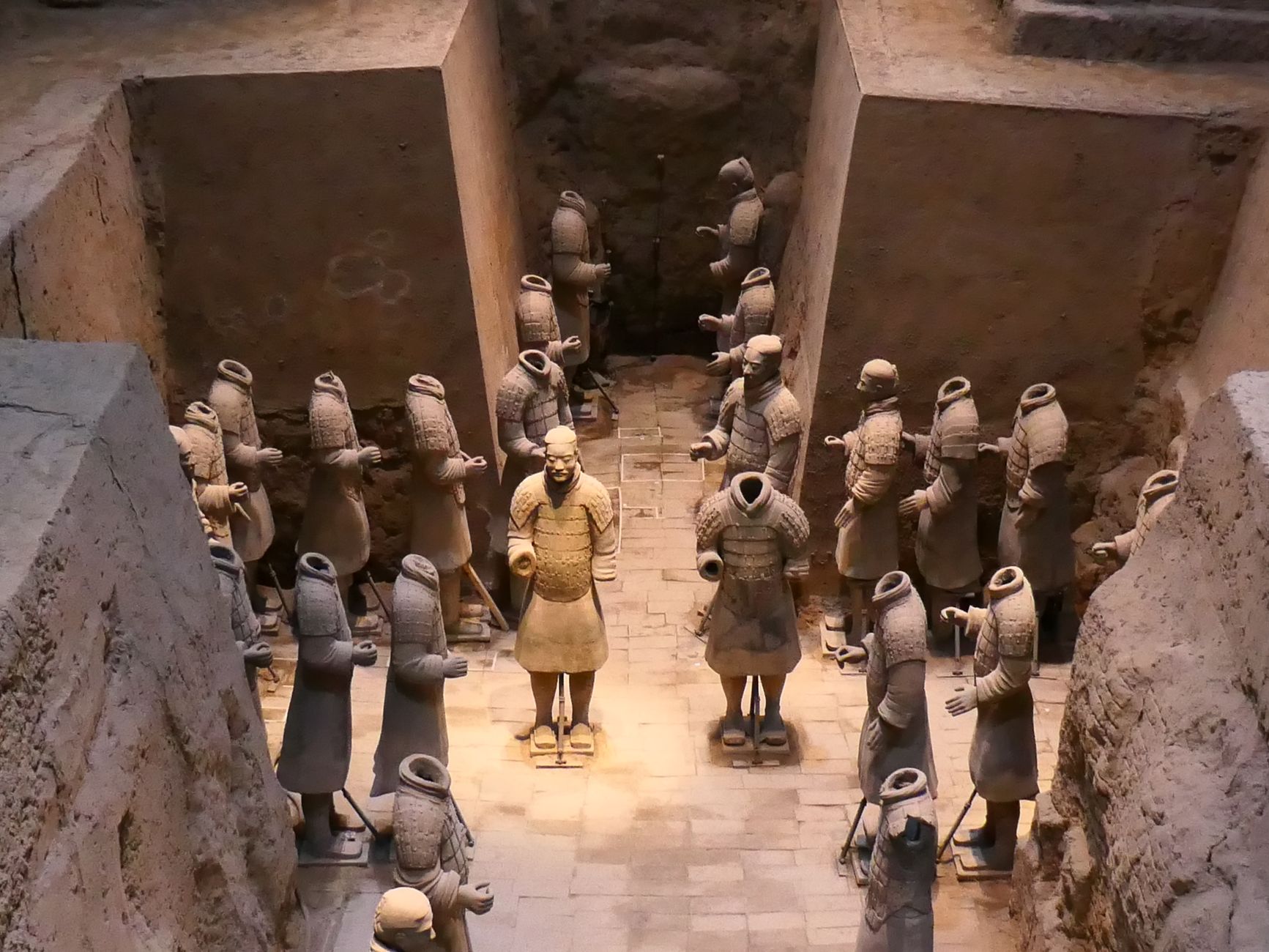
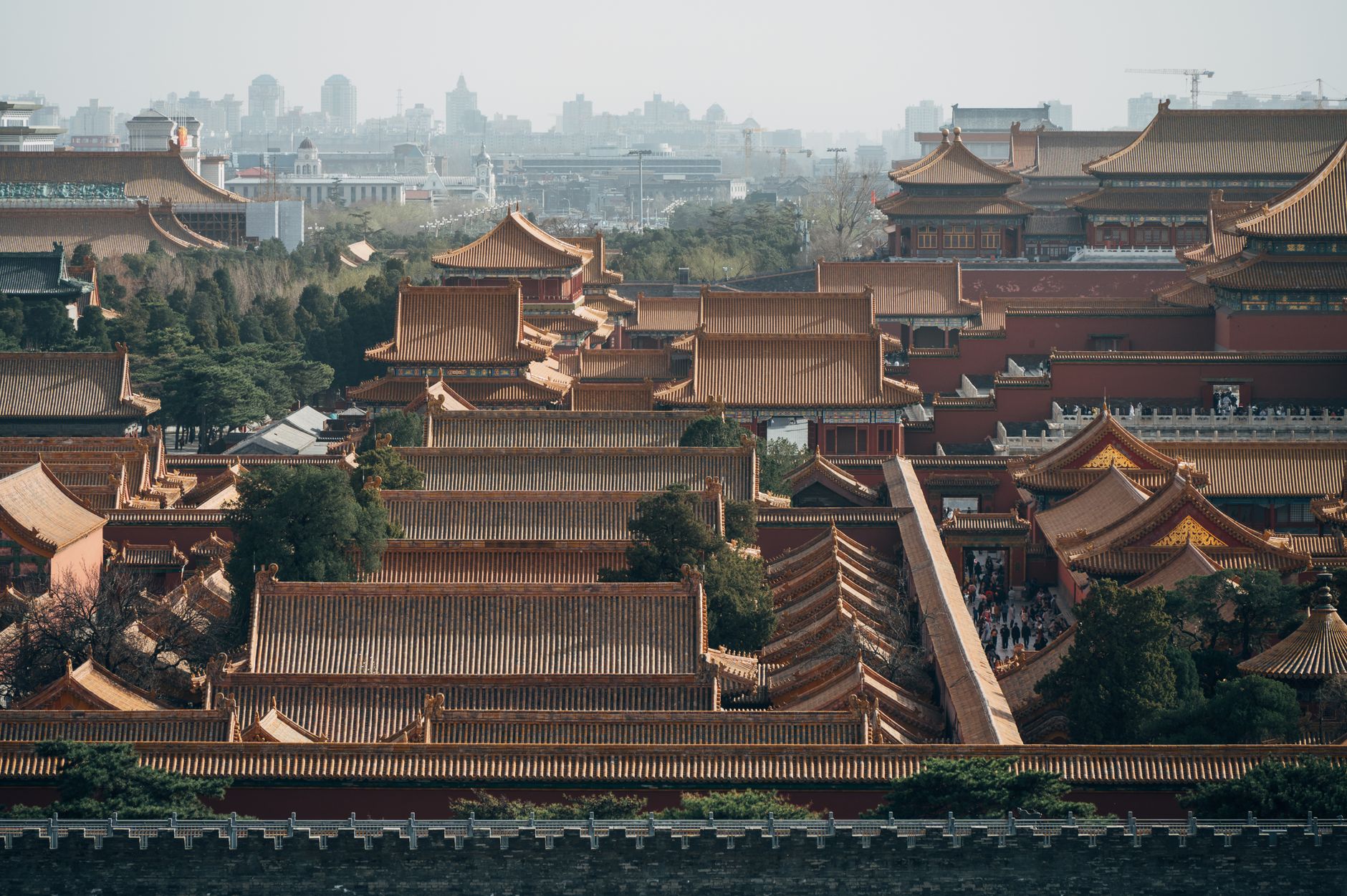
The default first-time China itinerary, and it earns the title. Shanghai for four days, the overnight or daytime train west to Xi’an for three (Terracotta Army, the city walls, the Muslim Quarter), then Xi’an to Beijing in about four and a half hours for four or five days (Forbidden City, the Wall at Mutianyu or Jinshanling, the hutongs), flying home from Beijing. It fits inside the 240-hour transit window if you keep it tight, and comfortably inside 30 days otherwise. Nothing on it is outside the permitted transit zone.
2. The Yangtze Delta loop: Shanghai – Suzhou – Hangzhou – Nanjing, 8 to 12 days
The lowest-effort, highest-density option, and the one most underrated by first-timers. Four cities within 90 minutes of each other by train, all with real history, gardens, food and canals, none requiring a flight. Add Wuzhen or Tongli for a canal-town night. If this is your trip, our 10-day Shanghai, Suzhou and Hangzhou itinerary maps it day by day, and the shorter Suzhou and Hangzhou guides cover each city.
3. Mountains and tea: Shanghai – Huangshan – Hangzhou, 6 to 8 days
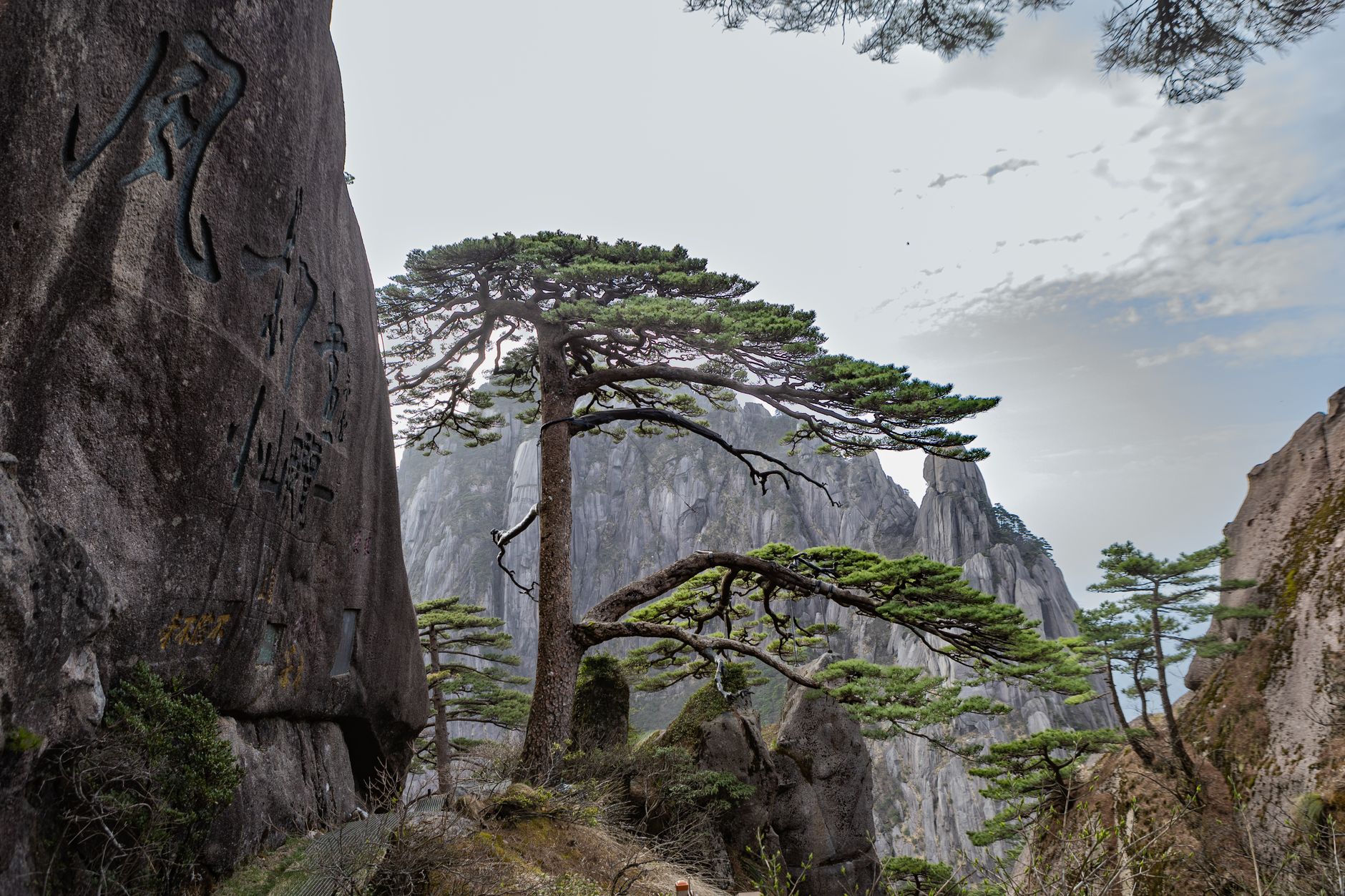
Under three hours gets you to Huangshan, the granite-and-pine landscape that shaped a thousand years of Chinese painting. Two nights minimum — one on the mountain if you want sunrise without a 4am cable-car queue — plus the Huizhou villages of Hongcun and Xidi below it. Loop back through Hangzhou for West Lake and the Longjing tea terraces. The best short trip out of Shanghai that most visitors never consider.
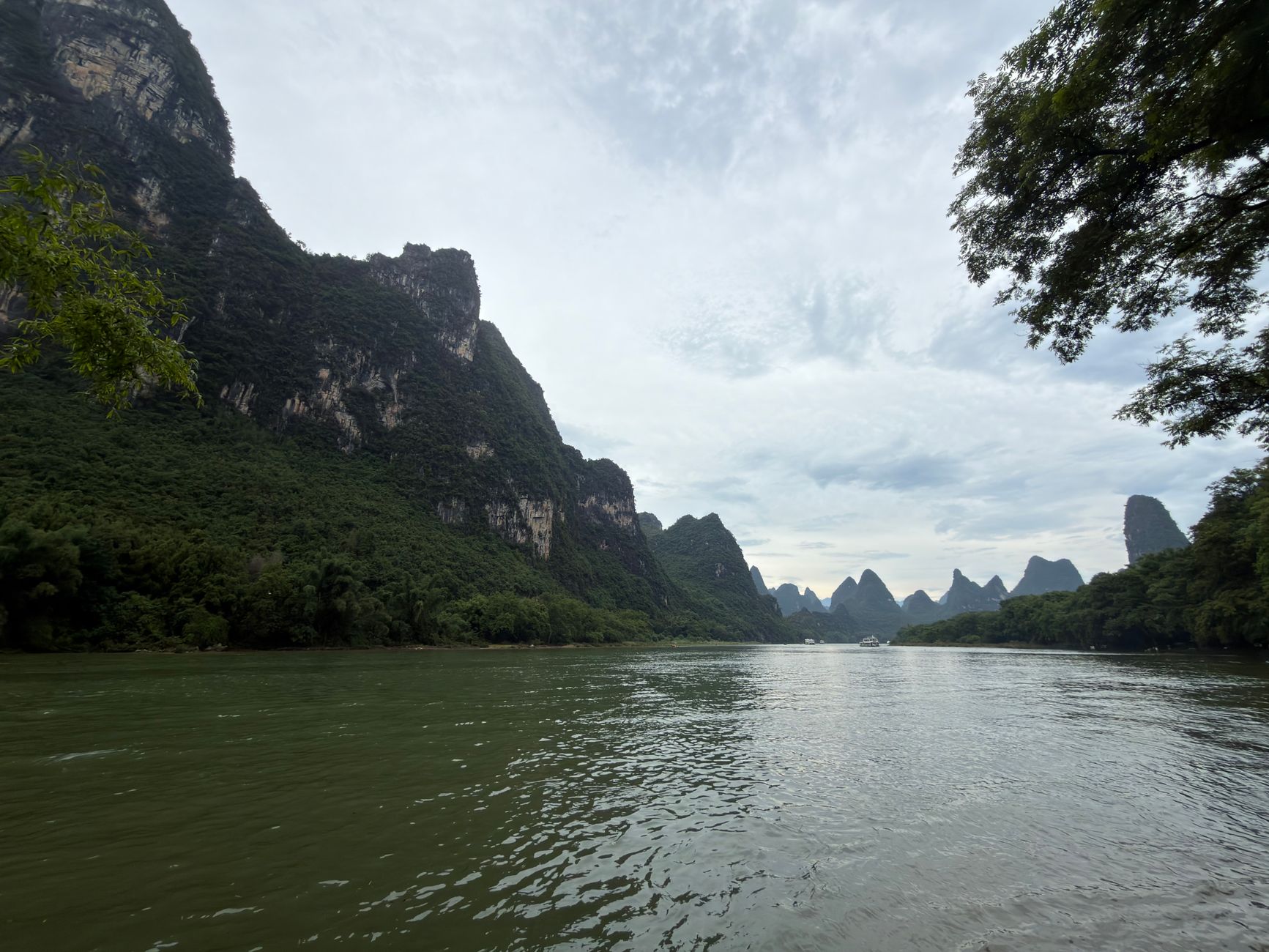
4. The landscape run: Shanghai – Zhangjiajie – Guilin/Yangshuo, 10 to 14 days
For people who came for scenery rather than cities. Zhangjiajie’s sandstone pillars and Guilin’s karst rivers are the two most photographed landscapes in China after the Wall. Both have direct trains — seven to nine hours and eight and a half to nine and a half — but flying saves a day at each end for not much more. Base yourself in Yangshuo rather than Guilin city.
5. South to the border: Shanghai – Shenzhen – Hong Kong, 9 to 12 days
Take the coastal line south, stopping at Xiamen or Guangzhou, then cross into Hong Kong either on the direct G901 or by train to Shenzhen and across the land border at Lo Wu or Futian. It satisfies the transit scheme’s onward-ticket requirement and gives you two very different Chinese cities at either end of the same trip. Details in the next section.
Whatever shape yours takes, the Shanghai itineraries hub covers how many days to give the city itself before you leave, and how much a Shanghai trip costs gives you a baseline for budgeting the rest.
Hong Kong and Macau: A Different Border
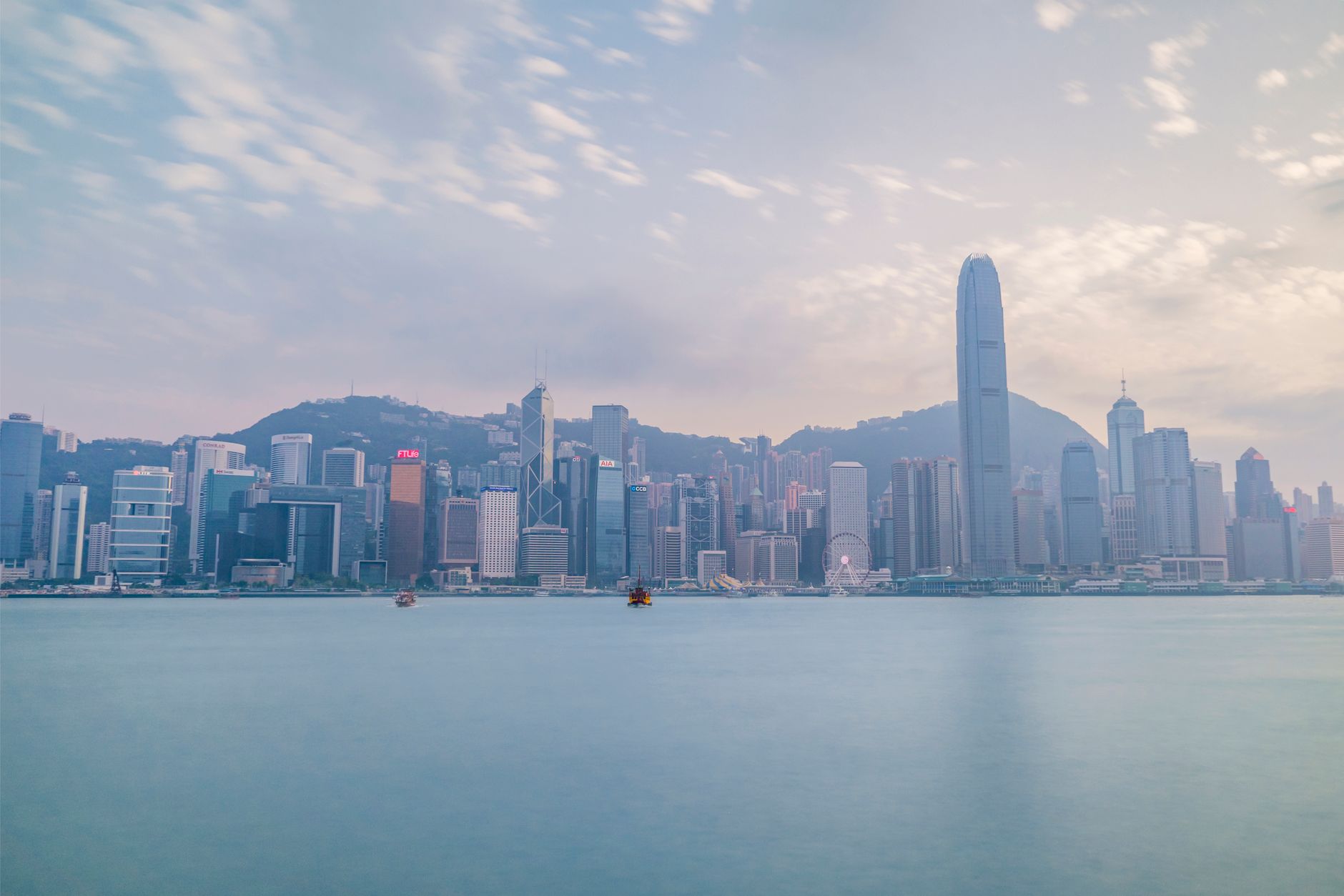
Hong Kong and Macau are part of China but are separate immigration and customs jurisdictions. Going from Shanghai to Hong Kong means clearing an international-style border, and that has three consequences worth knowing before you book.
Your mainland entry ends when you cross. Under the 240-hour transit rule that is exactly what you want — Hong Kong counts as the third region, so the crossing satisfies the onward-ticket condition. Under a single-entry tourist visa it is the opposite problem: leave for Hong Kong and you cannot come back into the mainland without a second entry on the visa.
Hong Kong has its own, more generous, visa-free rules. Around 170 nationalities enter without a visa, for stays ranging from 7 to 180 days. British passport holders get 180 days; US, Canadian, Australian, New Zealand and most EU citizens get 90. Nothing about your mainland status carries over, and the arrival card requirement was dropped in favour of electronic processing. Check current rules on the Hong Kong Immigration Department pages.
Getting there. Direct high-speed trains, including the G901, run from Hongqiao to Hong Kong West Kowloon in about eight hours, with three departures a day; 12306 lists the fare in each class. Immigration is handled at West Kowloon under co-location, so you clear both sides in the station. The alternative is a train to Shenzhen North and a metro or short hop to the Futian or Lo Wu crossings, which is more flexible and often cheaper, or simply a flight of about two hours fifty minutes to Hong Kong International.
Macau works the same way, reached from Hong Kong by ferry or across the Hong Kong–Zhuhai–Macau Bridge, and has its own visa-free entry for most Western passports.
How Many Days Each Add-On Needs
Time is the resource people misjudge. This table is minimums that still leave the trip enjoyable, not the fastest possible version.
| Destination | Getting there from Shanghai | Minimum days | Comfortable | Inside 240h transit zone? |
|---|---|---|---|---|
| Suzhou | 25–40 min train | Day trip | 1 night | Yes |
| Hangzhou | 45–60 min train | Day trip | 2 nights | Yes |
| Nanjing | 1h 10m train | 1 night | 2 nights | Yes |
| Huangshan | 2h 30m train | 2 nights | 3 nights | Yes |
| Beijing | 4h 30m train | 3 nights | 4–5 nights | Yes |
| Xi’an | 6h train / 2h 30m flight | 2 nights | 3 nights | Yes |
| Zhangjiajie | 7h train / 2h 30m flight | 3 nights | 4 nights | Yes |
| Guilin & Yangshuo | 8h 30m train / 2h 30m flight | 3 nights | 4–5 nights | Yes |
| Hong Kong | 8h train / 2h 50m flight | 3 nights | 4 nights | Counts as exit |
| Chengdu | 3h flight | 3 nights | 4 nights | Yes |
| Yunnan (Kunming, Dali, Lijiang) | 3h flight | 5 nights | 7–8 nights | Yes |
Money, Apps and Language Outside Shanghai
Shanghai is the easy version of China. Things get slightly harder elsewhere, in predictable ways.
Payments. Alipay and WeChat Pay now accept foreign cards and work nationwide, which is the single biggest change of the past few years. Set them up in Shanghai before you travel on — our Alipay and WeChat Pay guide walks through it. Outside the big cities, card terminals for foreign Visa and Mastercard are rarer than they are in Shanghai, and cash is more useful. Carry a few hundred yuan in small notes; taxi drivers in smaller cities may not take cards, and some rural sites are cash-only.
Apps. The stack that works everywhere: Alipay or WeChat for payment and QR codes, Amap or Baidu Maps for navigation (Google Maps data for China is bad and outdated), DiDi for taxis, Trip.com for hotels and transport, and a translation app with camera OCR. Our essential apps and DiDi guides cover the setup, and it all transfers to other cities unchanged.
Language. English signage on the high-speed network and in major stations is good. English among staff outside tourist-facing roles is limited and drops off sharply beyond the coastal cities. Have your destination written in Chinese characters before you get in a taxi. The techniques in the language barrier guide apply anywhere in the country.
Hotels and registration. Not every Chinese hotel is licensed to take foreign guests, and the smaller and more rural you go, the more often you are turned away at check-in — book through Trip.com or Booking.com, which filter for it, rather than walking in. Foreigners must also be registered with the local police within 24 hours of arriving somewhere new; hotels do this at check-in, but if you stay in a private apartment you are meant to register yourself at the local station.
Mistakes People Make Planning Trips Out of Shanghai
Assuming you can book trains months ahead. The window is 15 days. Build the itinerary, then buy when it opens — and be at your phone at 08:00 Beijing time for a holiday departure.
Travelling during Golden Week or Spring Festival without planning for it. The first week of October and the fortnight around Chinese New Year are when 1.4 billion people move at once. Trains sell out in minutes, prices for flights and hotels double, and every site you want to see is full. Check the best time to visit before fixing dates.
Planning a Tibet or Xinjiang leg on a 240-hour transit entry. Both sit outside the permitted zone, and the problem tends to surface at the airport. Sichuan is open only in named cities, so check where you plan to go before you book.
Over-scheduling. Four cities in ten days sounds efficient and feels awful. Chinese cities are large and the sights inside them are spread out; a “quick” Forbidden City visit is half a day. Two or three bases in two weeks is plenty.
Arriving at the gate too late. The 3-to-5-minute cut-off is not a suggestion, and Hongqiao is a 15-minute walk end to end. Nor is Hongqiao Airport the same building as Hongqiao Railway Station — read the ticket.
Skipping the near stuff to chase the famous stuff. Suzhou’s gardens and Huangshan’s ridges are better than a rushed Great Wall day, and they cost a fraction of the travel time. Look at the weekend getaway options before you commit to a long haul.
Frequently Asked Questions
How do I travel from Shanghai to other cities in China?
By high-speed train for anything up to about eight hours away, and by plane beyond that. Nearly all high-speed departures leave from Shanghai Hongqiao Railway Station, which is on metro Lines 2, 10 and 17 and attached to Hongqiao Airport Terminal 2. Tickets go on sale 14 days ahead on the 12306 app or through Trip.com, are tied to your passport, and need no paper ticket.
How long is the train from Shanghai to Beijing?
Four and a half to seven and a half hours depending on the service, with the fastest G trains doing it in about 4h25m. Around 40 trains a day run the route. Second class costs roughly ¥576 to ¥678, first class ¥967 to ¥1,111. There are also overnight D-train sleepers taking about 12 hours.
Can I visit Beijing on the 240-hour visa-free transit?
Yes. Beijing is one of the 24 designated regions, and so are Shanghai, Jiangsu, Zhejiang, Anhui, Shaanxi (Xi’an), Hunan (Zhangjiajie) and Guangxi (Guilin). You need a confirmed onward ticket to a third country or region within the 240 hours. Sichuan and Yunnan are included; only Tibet and Xinjiang are not.
Is it better to fly or take the train in China?
Train for journeys under about five hours, plane for over eight, and it depends in between. Trains leave from city-centre stations, are almost never cancelled, and need only 25 to 40 minutes of pre-departure time. Domestic flights are cheap but delay-prone, especially out of Pudong in summer.
Can foreigners book Chinese train tickets online?
Yes. The official 12306 app accepts passport registration without a Chinese phone number or bank account, and takes Visa, Mastercard, JCB and Diners Club (not American Express). Trip.com sells the same seats with a small fee and a smoother foreign-card checkout. Both issue an e-ticket linked to your passport, which you tap at the station gate.
How far in advance can I book Chinese train tickets?
Fifteen days, releasing at 08:00 Beijing time. Fares do not rise as departure approaches — they are largely fixed — so there is no advantage to buying the second they release, except on routes and dates that sell out, which means Friday and Sunday services and anything near a public holiday.
Do I need a separate visa for Hong Kong if I am coming from Shanghai?
No visa for most Western passports — Hong Kong admits around 170 nationalities visa-free, 90 days for US, Canadian, Australian, New Zealand and most EU citizens, 180 for British. But Hong Kong is a separate immigration jurisdiction, so leaving Shanghai for Hong Kong ends your mainland entry. On a single-entry Chinese visa you cannot return to the mainland afterwards without a new entry.
What is the longest train journey worth taking from Shanghai?
The eight-hour G901 to Hong Kong, if you want the experience of watching the country change from the Yangtze Delta to the subtropical south in one sitting. Beyond that, Chengdu at 11 to 16 hours and Kunming at around 11 are endurance rather than pleasure — fly.
Is Shanghai a good base for exploring China?
For eastern and central China, yes — better than anywhere else. Beijing, Xi’an, Huangshan, Suzhou, Hangzhou, Nanjing, Qingdao and Xiamen are all same-day rail journeys. For Yunnan, Sichuan, Tibet or Xinjiang it is a poor base and you should fly directly or plan a one-way route.
Can I do a day trip to another city from Shanghai?
Suzhou, Hangzhou, Nanjing, Wuxi, Tongli, Zhouzhuang and Zhujiajiao all work comfortably as day trips, and several water towns are under 90 minutes away. See day trips from Shanghai for the full list — that guide covers everything you can do inside a day, while this one covers multi-day travel.
How much does two weeks in China from Shanghai cost?
Excluding international flights, budget roughly ¥8,000 to ¥15,000 per person (about US$1,100 to US$2,100) for a mid-range two-week trip covering Shanghai, Beijing and one more city: intercity transport ¥1,500 to ¥3,000, mid-range hotels ¥400 to ¥800 a night, food ¥150 to ¥350 a day, and attractions ¥60 to ¥120 each. Backpacking it costs roughly half.
Do I need a VPN to travel around China?
If you rely on Google, WhatsApp, Instagram or Gmail, yes — install and test it before you arrive, since VPN sites themselves are blocked inside the country. Chinese alternatives (Amap, WeChat, Alipay, Trip.com) work without one and are better for practical travel anyway. See the VPN and internet guide.
The country is easier to travel than its reputation suggests, and Shanghai is the easiest place to begin. Work out your entry rule first, because it fixes the boundaries of the map. Then build the trip in journey times rather than distances: under five hours, take the train and enjoy the ride; over eight, fly and use the saved day somewhere better. Start with the complete Shanghai travel guide for the city itself, and use the getting around Shanghai guide to get yourself to the right station on time.
Explore China from Shanghai
Keep planning with our in-depth companion guides:
- Shanghai to Beijing by High-Speed Train: Everything Before You Book (2026) — Two of the largest cities on earth, 1,318 kilometres apart, connected by a train that does the journey in about four and a half hours for roughly the price of a decent dinner.