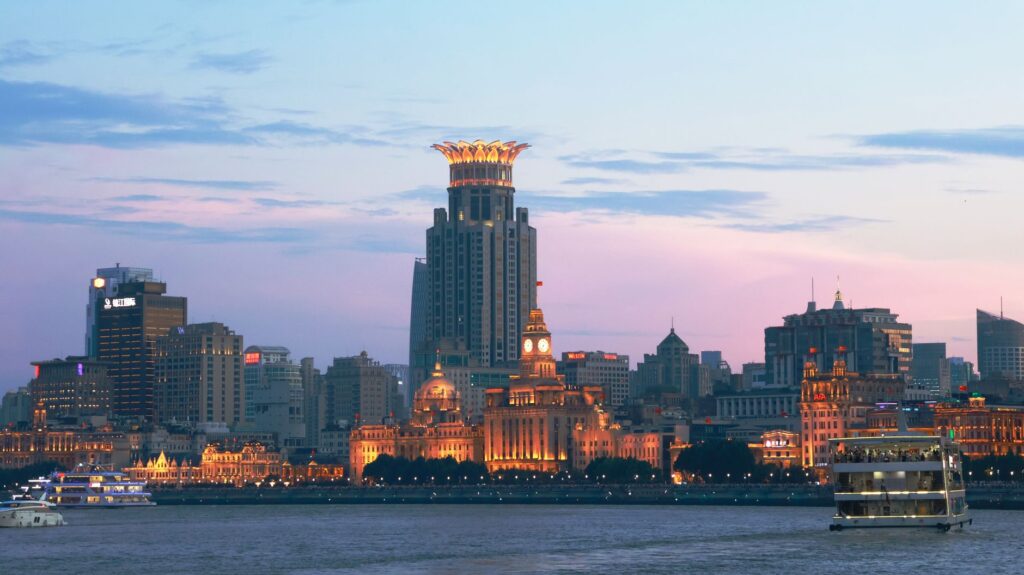
Shanghai vs Tokyo is the East Asia decision most people end up making, and it is a genuinely difficult one, because the two cities are good at almost exactly opposite things. Tokyo is the most refined big city on earth: everything works, everything is clean, the food is extraordinary at every price point, and the entire experience has been sanded smooth over decades. Shanghai is rougher, cheaper, faster-changing and considerably harder to arrive in, and it gives you a country in the middle of becoming something rather than a country that has arrived.
The lazy version of this comparison says Tokyo is expensive and Shanghai is cheap. That was true a decade ago and is only half-true now — mid-range trips to the two cities cost roughly the same, and the gap has narrowed at every level except the very bottom. What actually separates them is friction: how much work the city makes you do to enjoy it, how much of it you can read, and whether the difficulty is part of the appeal or the thing that ruins the holiday. Below is the comparison the way it actually plays out — cost, food, transport, language, visas, weather — and a straight answer for each kind of traveller.
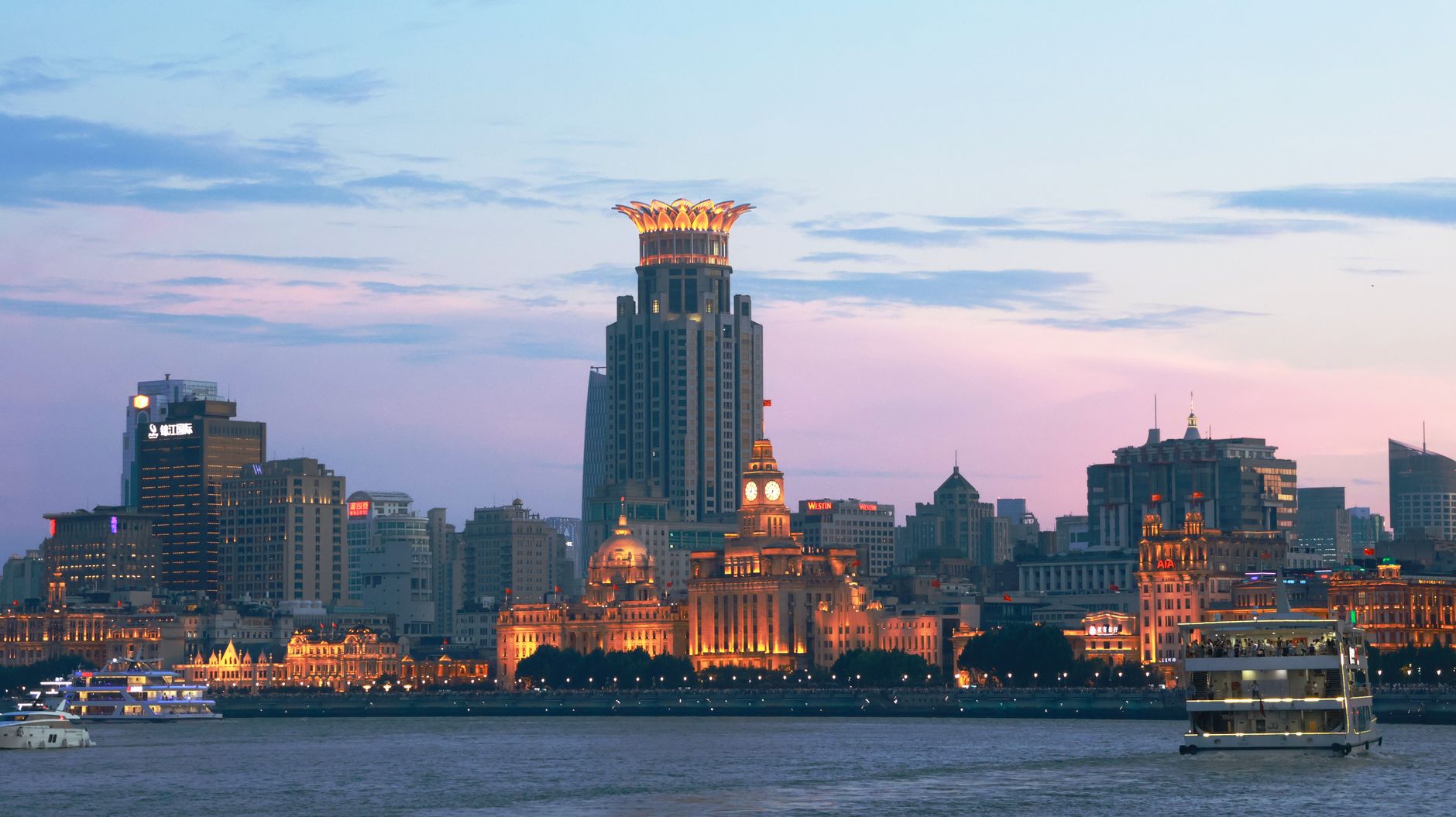
Table of Contents
- The short answer
- Shanghai vs Tokyo at a glance
- What each city actually costs
- Food, which is the real argument
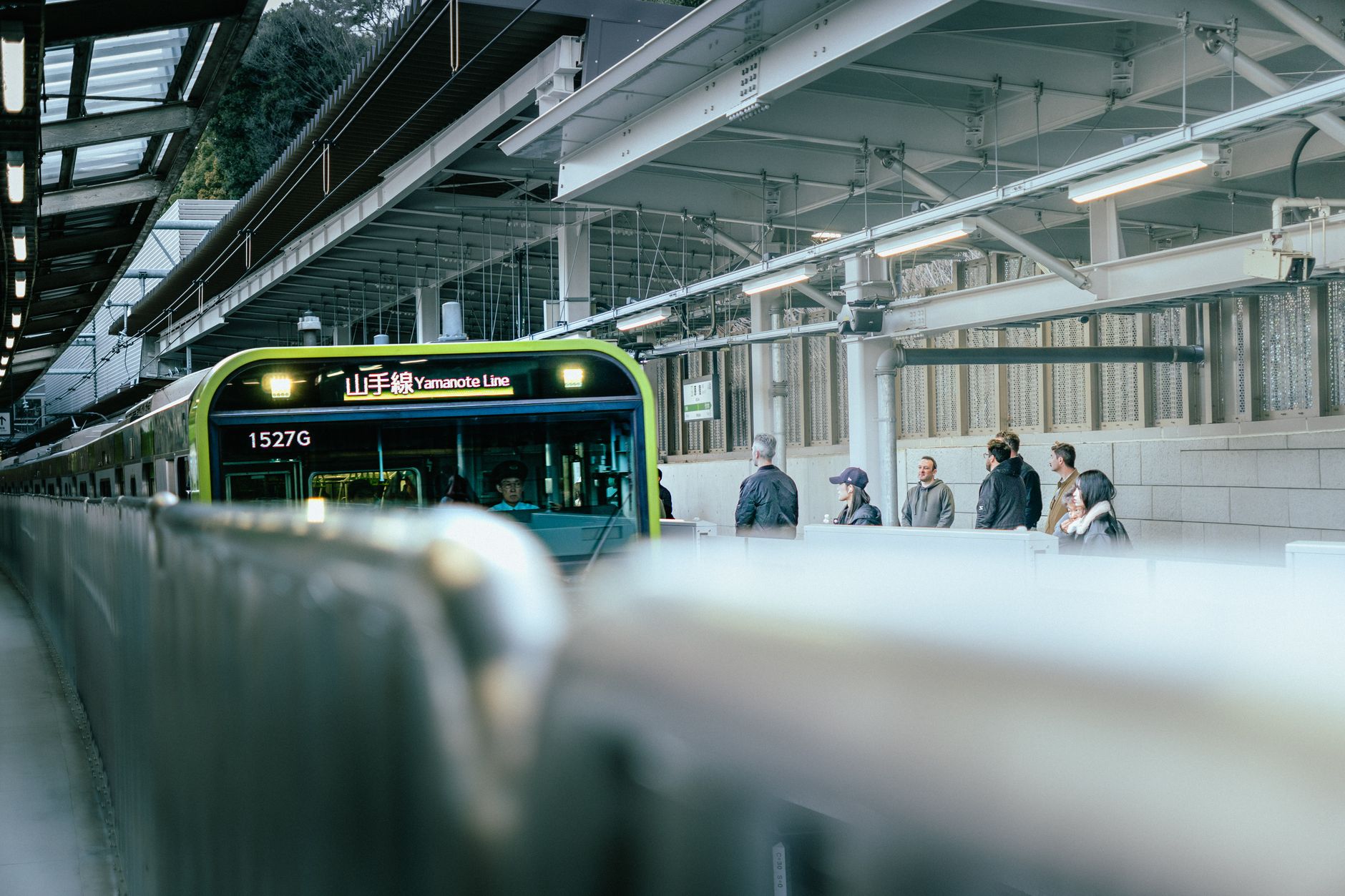
- Getting around
- Friction: language, internet and payment
- Visas and entry
- What you actually do all day
- Weather and when to go
- Shanghai vs Tokyo by traveller type
- Doing both on one trip
- What people get wrong
- Frequently Asked Questions
The short answer
Choose Tokyo if this is your first trip to Asia, if you want a holiday rather than an expedition, if food is the main event, if you are travelling with children or with someone anxious, or if you want a city where nothing goes wrong and nothing needs solving.
Choose Shanghai if you have already done Tokyo, if you want to see China rather than read about it, if you want a cheaper trip at the budget end, if you find the friction interesting rather than exhausting, or if you want to be somewhere that is visibly still being built.
There is a version of this decision that has nothing to do with either city: Tokyo is a better first trip and Shanghai is a better second one. If you have never been to Asia, the case for Tokyo is close to unanswerable. If you have, Shanghai will show you more that is new.
Shanghai vs Tokyo at a glance
| Shanghai | Tokyo | |
|---|---|---|
| City population | About 24.8 million | About 14 million (over 33m in Greater Tokyo) |
| Visa, most Western passports | 30 days visa-free for most, including UK and Canadian passports; Americans use 240-hour transit or an L visa | 90 days visa-free, nothing to apply for |
| Internet | Restricted — VPN required | No VPN needed |
| Payment | Alipay and WeChat Pay, close to cashless | IC card and contactless; cash still matters |
| English on the ground | Patchy | Patchy, but signage is better |
| Metro fare | By distance, from a few yuan | ¥180–330 JPY on Tokyo Metro, by distance |
| Michelin-starred restaurants | 51 | 160 |
| Driving side | Right | Left |
| Plugs | Type A and I | Type A |
| Days needed | 4–5 minimum, rewards 7 | 5–6 minimum, rewards 10 |
| Natural hazards | Typhoon tail, occasional flooding | Earthquakes, typhoons |
Approximate 2026 rates used throughout: US$1 is roughly ¥6.7 RMB and roughly ¥158 JPY. Rates move, so treat conversions as indicative.
What each city actually costs
Here is the thing most comparisons get wrong. At mid-range, the two cities cost about the same. At the budget end, Shanghai is significantly cheaper. At the top end, Tokyo is cheaper than its reputation and Shanghai is more expensive than its reputation.
| Per person per day | Which costs less |
|---|---|
| Hostel dorm or capsule | Shanghai, clearly |
| Mid-range hotel | Close; Tokyo’s supply keeps prices competitive |
| Cheap meal | Shanghai, by a wide margin |
| Mid-range meal | Close, and Tokyo set lunches are hard to beat |
| Coffee | Shanghai, easily |
| Transport per day | Shanghai, by a long way |
| Budget day total | Shanghai, comfortably |
| Mid-range day total | Shanghai, but only slightly |
Read that table carefully and a pattern appears. A budget traveller saves real money in Shanghai — roughly half. A mid-range traveller saves a little. And someone eating at the top of the market may well spend less in Tokyo, because a two-star Tokyo lunch can be had for less than a two-star Shanghai dinner.
The lines where Shanghai is dramatically cheaper are transport, cheap eating and coffee. The lines where the gap closes are hotels — Tokyo’s mid-range hotel stock is enormous and competitive — and mid-range restaurants, where a ¥2,000 JPY set lunch in Tokyo is astonishing value by any standard.
One structural difference: Japan refunds consumption tax to tourists who spend ¥5,000 JPY or more in one shop in a day, and from 1 November 2026 shops charge the tax and you reclaim it through customs as you leave; China refunds a net 9% or 6%, depending on the goods, on ¥200 RMB or more at one designated shop in a day, lowered from ¥500 in April 2025. Neither is a reason to choose a city, but the mainland’s scheme is now the more generous threshold. Our Shanghai trip cost breakdown and Shanghai on a budget go through the mainland numbers line by line.
Food, which is the real argument
For a lot of people this decides it, so let us be precise rather than diplomatic.
Tokyo has the better food, and it is not particularly close. The Michelin Guide Tokyo 2026 lists 160 starred restaurants — 12 with three stars, 26 with two, 122 with one — which is more than any other city in the world. Shanghai’s 2026 guide lists 51: one three-star, twelve two-star and thirty-eight one-star. But the stars are not the point. The point is the floor. Tokyo’s median restaurant is superb. A ¥1,000 JPY bowl of ramen from a vending-machine counter with eight seats is better than most restaurants in most countries. Sushi, tempura, tonkatsu, soba, yakitori, izakaya cooking, French and Italian food executed with a seriousness that embarrasses Paris and Rome — all of it is available at every price point and almost none of it is bad.
Shanghai has the greater variety and much lower prices. Shanghai’s own cuisine is a minority taste — sweet, soy-braised, river-fish-heavy — but the city contains every regional Chinese cuisine there is, because everybody in China has moved there. Sichuan, Hunan, Xinjiang, Yunnan, Chaozhou, Dongbei, all done properly. Add more than ten thousand coffee shops (the 2026 China Urban Coffee Development Report counted 10,336 in 2025 and ranks Shanghai first in the world) and a Bib Gourmand list for good cooking at modest prices. A great bowl of noodles costs a fraction of the Tokyo equivalent.
The other difference is variance. Tokyo’s worst meal will be fine. Shanghai’s worst meal will be genuinely bad, and finding the good places takes work — the app locals use, Dianping, is Chinese-only. Our Shanghai food guide and best restaurants pages exist largely to close that gap.
Verdict: Tokyo for quality and consistency. Shanghai for breadth and price. If eating is the whole reason for the trip, go to Tokyo.
Getting around
Both cities have rail networks that put almost anywhere else to shame, and both are easy. The differences are real but small.
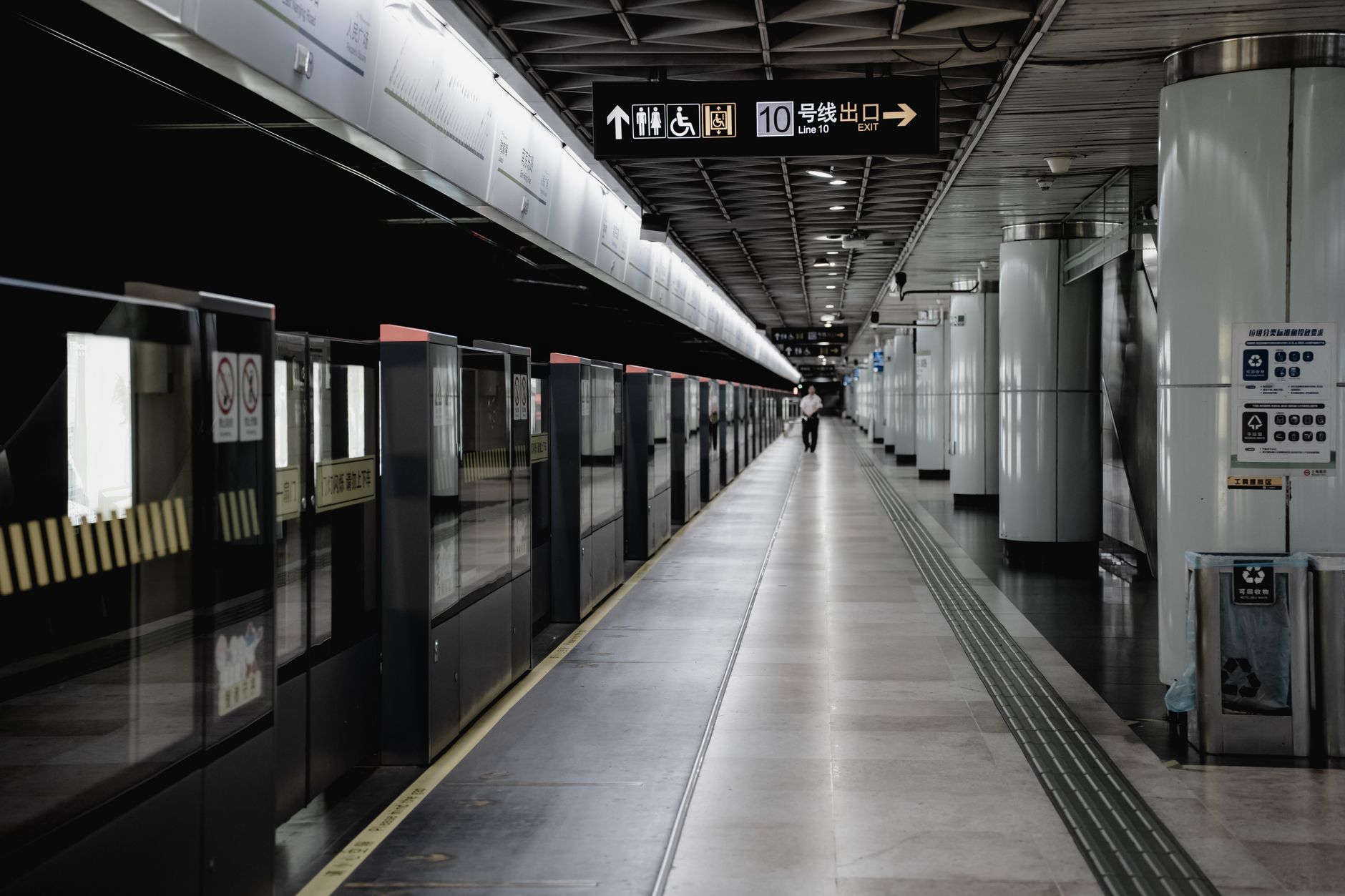
Shanghai’s metro is the larger single system — 19 lines (20 counting the Maglev) and about 808 kilometres of route, the second-longest metro in the world — with fares charged by distance and clear bilingual signage. Trains are frequent, stations are new, and a day pass is ¥18 RMB. The weakness is scale: Shanghai is vast, and a cross-city journey can take fifty minutes.
Tokyo’s rail network is more complicated and more capable. Two subway operators plus JR plus a dozen private railways, which means transfers between companies, separate fare structures and stations the size of small towns — Shinjuku moves more people than any station on earth and is genuinely disorienting the first time. Once you have understood it, nothing in Tokyo is more than an hour away and the trains run to the second. Tokyo Metro fares are ¥180–330 JPY by distance, and Toei Subway lines cost a little more.
Payment: Shanghai runs on Alipay, WeChat Pay or a transport card. Tokyo runs on a Suica or Pasmo IC card, ¥500 JPY refundable deposit, and as of 2026 a growing number of lines also accept a plain contactless credit card tapped at the gate, which removes a step that used to catch people out.
Taxis: Shanghai’s are cheap and plentiful — use DiDi with a saved Chinese address, because almost no driver speaks English. Tokyo’s are excellent, immaculate and expensive enough that you will not take many.
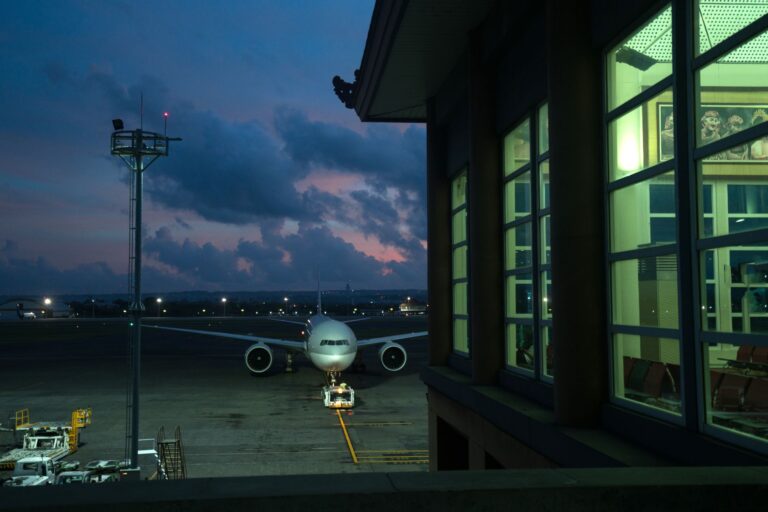
Airports: Shanghai has Pudong (about an hour to People’s Square on Metro Line 2, or around 50 minutes by taxi, traffic permitting) and Hongqiao, 13 km out and much closer, plus the Maglev at 300 km/h, which is worth doing once. Tokyo has Narita, the further out of the two, and Haneda, which is much closer to the centre. Our Shanghai metro guide and getting around Shanghai cover the mainland side.
Friction: language, internet and payment
This is where the two cities genuinely differ, and it is the factor most likely to determine whether you enjoy your trip.
The internet. Tokyo’s is normal. Google, Gmail, WhatsApp, Instagram, Google Maps — all work. Shanghai’s does not: you need a VPN, and you must install it before you fly, because you cannot download one from inside the firewall. Google Maps is unreliable on the mainland even with a VPN, because Chinese law mandates a different coordinate system, so positions can be off by up to a few hundred metres and the map data is thin. Apple Maps works correctly; Amap works well and now has a full English mode. Our guide to VPNs and internet in Shanghai goes through the options.
Payment. Shanghai is close to cashless and runs on Alipay and WeChat Pay, both of which now take foreign cards — but setting them up is a twenty-minute job you should do before you arrive, and a surprising number of places will not take a card or cash at all. Tokyo is the reverse: contactless is widespread, but cash is still genuinely necessary at small restaurants, temples and older shops. Carry ¥10,000 JPY in notes in Tokyo; carry almost nothing in Shanghai.
Language. Roughly comparable at street level, which surprises people. Japanese English is often better read than spoken; Chinese English is thin outside hotels and attractions. Tokyo’s advantage is signage — rail stations, museums and major streets are consistently bilingual, and station names are numbered. Shanghai’s metro is also fully bilingual, but restaurants and shops are less so. Camera-translation apps close most of the gap in both. Our language barrier guide covers the mainland specifics.
Overall friction: Tokyo is one of the easiest large cities in the world to visit. Shanghai is one of the more demanding, and the demands are all front-loaded — VPN, payment apps, visa. Get through the first day and the rest is straightforward.
Visas and entry
Tokyo wins this outright.
Japan: 90 days visa-free for US, UK, Canadian, Australian and most EU passports, with nothing to apply for and no fee. Japan plans to introduce an electronic travel authorisation called JESTA by the end of fiscal 2028, which closes in March 2029; Japan’s immigration authorities will publish the start date. It is not required now, whatever some older articles imply.
China: more complicated and improving. Most of Western Europe plus the UK, Canada, Japan, South Korea, Australia and New Zealand now get 30 days visa-free with no conditions and no geographic limit. Americans rely on either the 240-hour visa-free transit — ten days, requiring an onward ticket to a third country and restricted to 24 designated regions — or a full L tourist visa. Our 240-hour transit guide and Shanghai entry requirements set out which applies to you.
If paperwork is the thing you most want to avoid, that settles it.
What you actually do all day
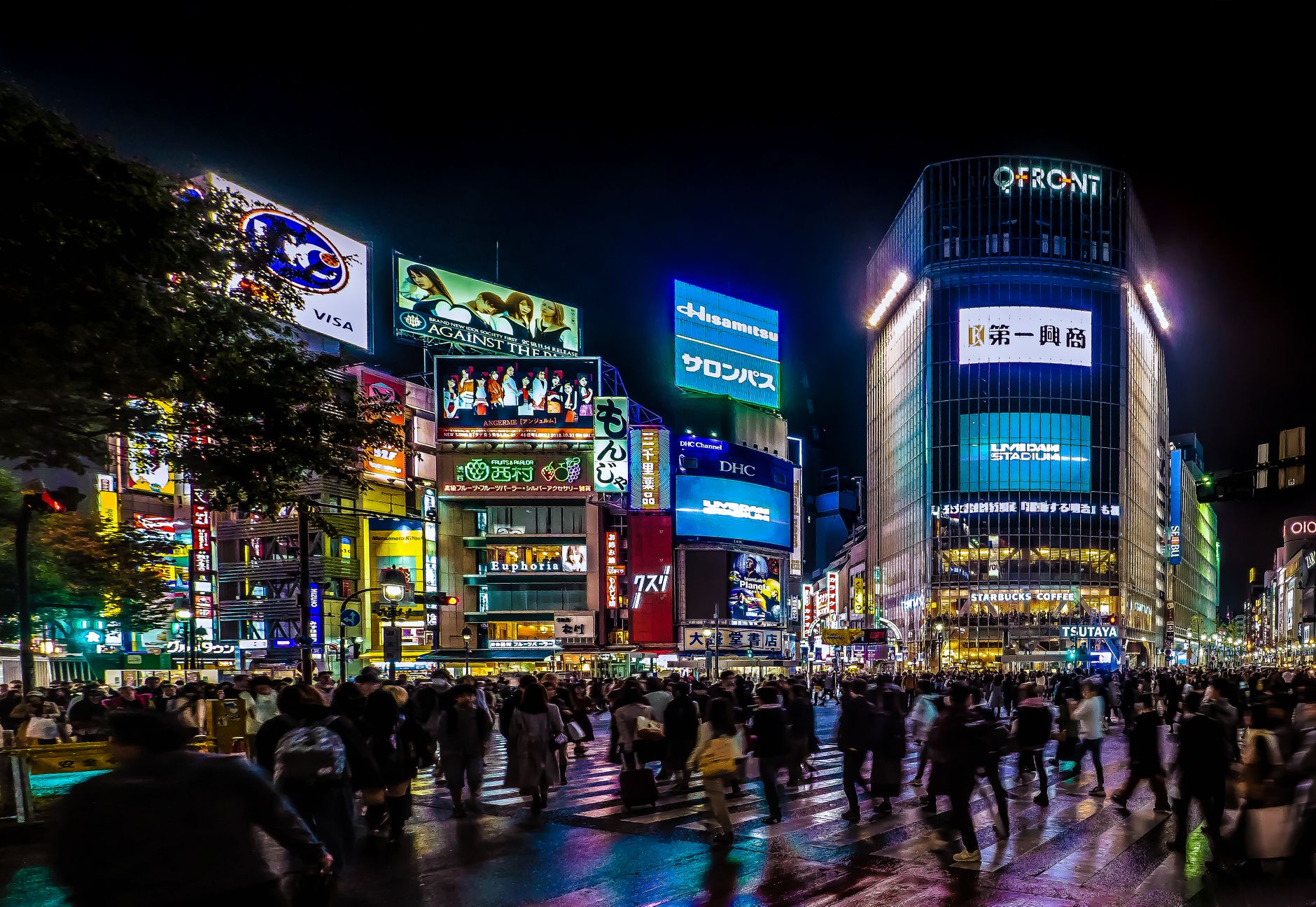
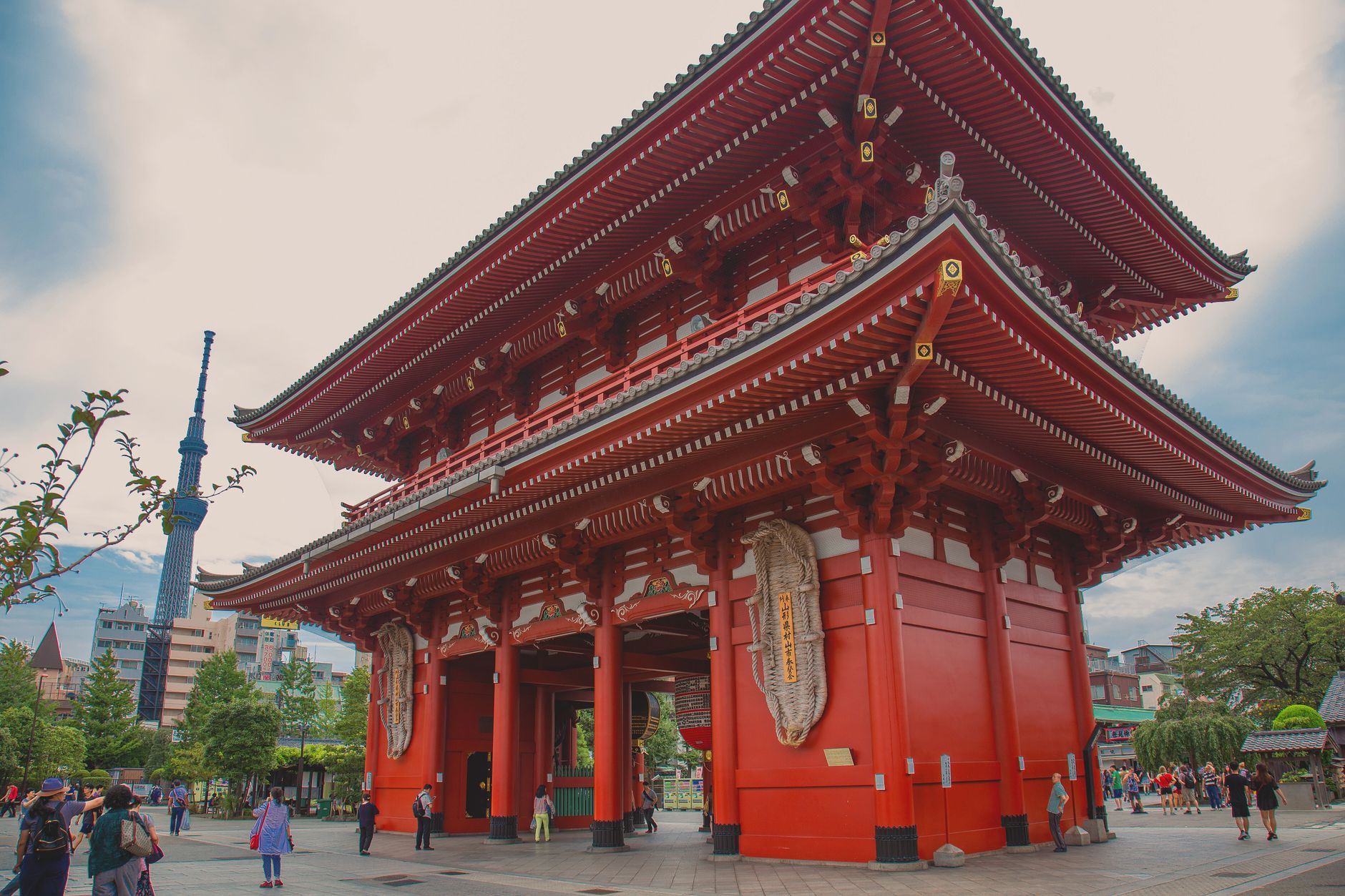
Tokyo is a city of neighbourhoods rather than monuments. There is no single unmissable sight; there are fifteen districts that each feel like a different city. Shibuya and Shinjuku for neon and scale, Asakusa for Senso-ji and the old town, Yanaka for what pre-war Tokyo looked like, Shimokitazawa and Koenji for secondhand shops and small bars, Ginza for the polished version, Akihabara for electronics and otaku culture, and Meiji Jingu and Yoyogi for green space in the middle of it. Add day trips to Nikko, Kamakura and Hakone. Ten days is not too many.
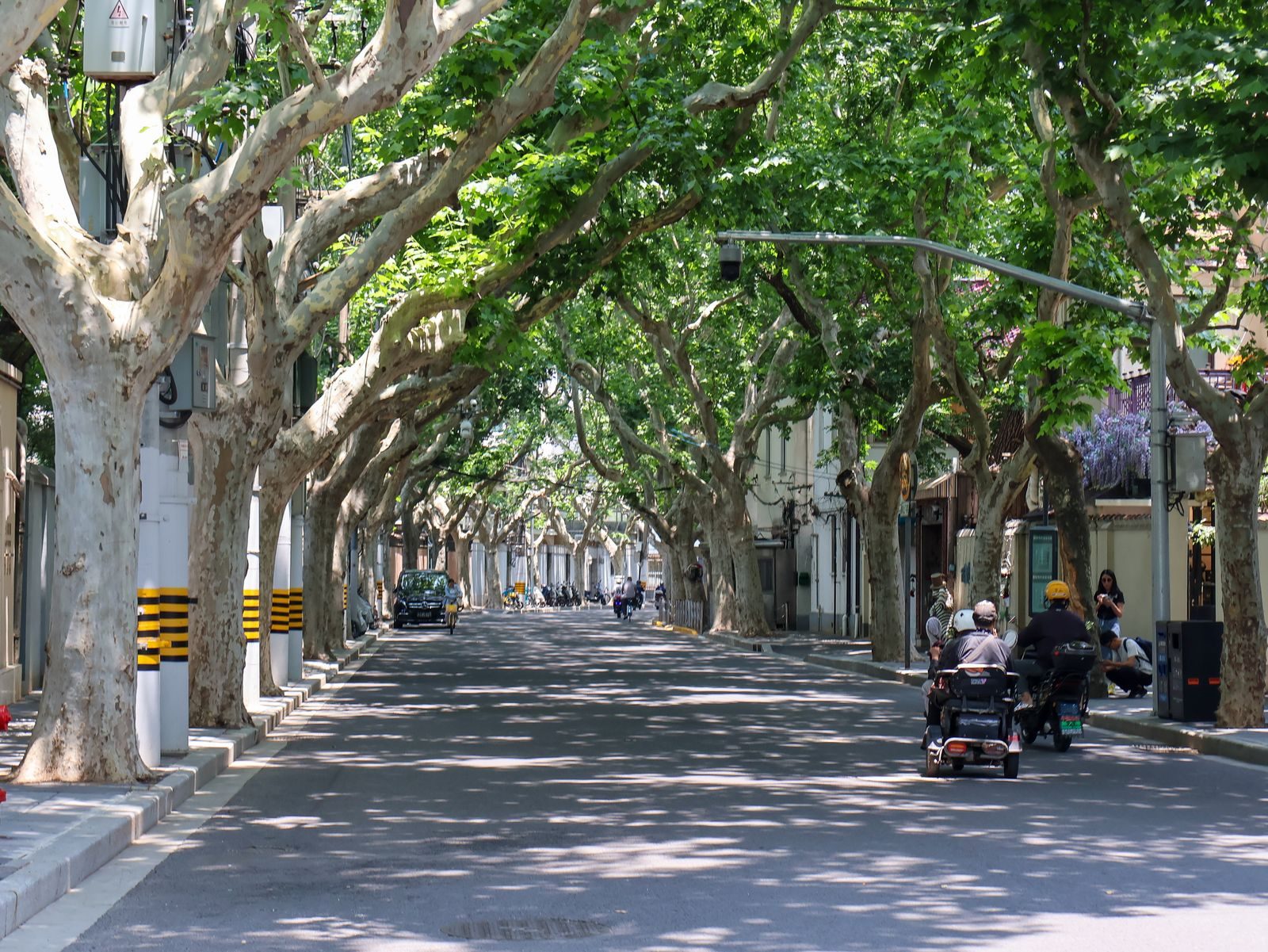
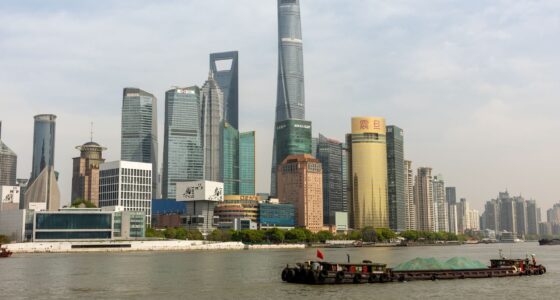
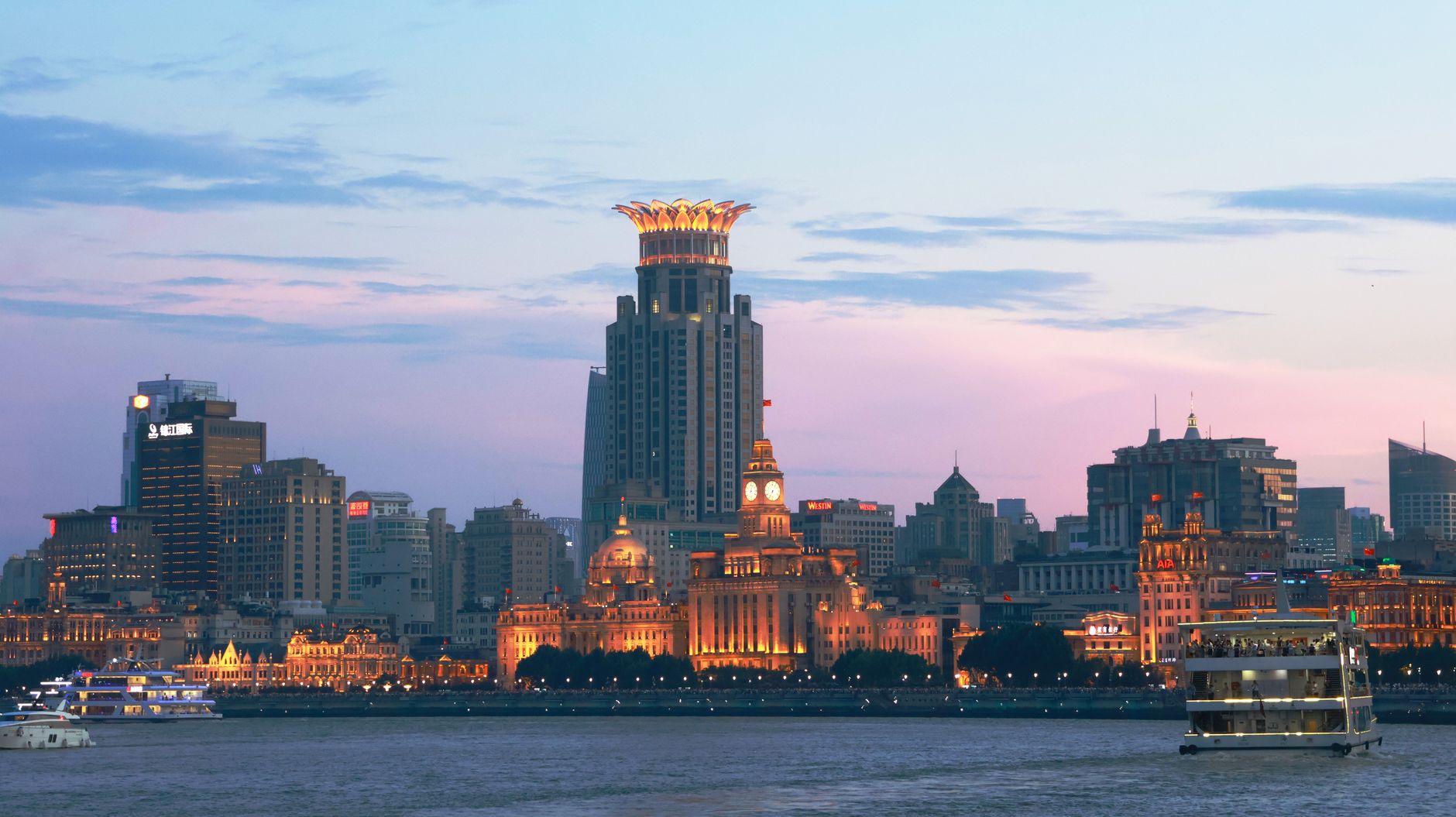
Shanghai has bigger single set pieces and a shorter list. The Bund at dusk is genuinely one of the great urban views — a mile of 1920s European banking architecture facing a mile of towers across the river. Yu Garden and the old city, the former French Concession’s plane trees and villas, the Pudong towers, an excellent museum scene, and a deep bench of day trips: Suzhou and Hangzhou by high-speed train, plus a string of canal towns. Five days does the city, seven with day trips.
The honest distinction: Tokyo rewards wandering, Shanghai rewards a plan. Tokyo is a city you can enjoy with no research at all. Shanghai will not punish you for that, exactly, but it will give you noticeably less.
Weather and when to go
The two cities have surprisingly similar climates — humid subtropical to warm temperate, hot wet summers, cool dry winters — and their best and worst months line up almost exactly.
| Season | Shanghai | Tokyo |
|---|---|---|
| Mar–May | Excellent; cherry blossom peaks from late March into April, varying by year | Excellent; cherry blossom late Mar–early Apr, very busy |
| Jun–Aug | Hot, humid, plum rains in June | Hot, humid, rainy season in June, typhoons from August |
| Sep–Nov | The best of the year; avoid the 1–7 Oct holiday | Typically good from late September; autumn colour towards the end of the season |
| Dec–Feb | Cold and damp, lows of about 3–5°C and highs of 9–11°C, unreliable heating | Typically cold, dry and sunny |
Two differences worth knowing. Tokyo’s winter is dry and sunny, which makes it far more pleasant than Shanghai’s damp cold — if you are travelling in January, Tokyo is the better city. And Tokyo’s cherry blossom season is a genuine crowd event with hotel prices to match, while Shanghai’s, which is very good and centred on Gucun Park in Baoshan, is not.
The dates to avoid: 1–7 October for Shanghai, the mainland’s National Day Golden Week, and late April to early May for Tokyo, Japan’s own Golden Week; both bring holiday crowds, and room rates can climb with them. Chinese New Year empties Shanghai and closes many independent businesses; Japan’s New Year period, 29 December to 3 January, does something similar in Tokyo. Our best time to visit Shanghai guide has the full mainland calendar.
Shanghai vs Tokyo by traveller type
| If you are… | Go to | Because |
|---|---|---|
| First time in Asia | Tokyo | Almost no friction; nothing goes wrong |
| Second time in Asia | Shanghai | Shows you more that is genuinely new |
| Travelling for food | Tokyo | 160 starred restaurants and an extraordinary median |
| On a tight budget | Shanghai | Roughly half at the budget end |
| On a mid-range budget | Draw | Costs are close; choose on other grounds |
| Interested in architecture | Shanghai | The Bund, Art Deco, shikumen, Pudong — Tokyo lost most of its old fabric |
| Interested in tradition and craft | Tokyo | Temples, gardens, craft, and continuity Shanghai does not have |
| Travelling with young children | Tokyo | Less friction, cleaner, easier at every step |
| A nervous or anxious traveller | Tokyo | Nothing here will go wrong |
| Curious about modern China | Shanghai | Obviously — Tokyo tells you nothing about it |
| Shopping | Draw | Tokyo for craft and design, Shanghai for luxury and tailoring |
| Nightlife | Draw | Tokyo for tiny bars, Shanghai for clubs and cocktails |
| Going in January | Tokyo | Cold and sunny beats cold and damp |
| Travelling for under 4 days | Tokyo | Less setup time lost to admin |
Doing both on one trip
This is a very good trip and more people should do it. Shanghai to Tokyo is roughly three hours in the air, with frequent flights from both Pudong and Hongqiao to both Narita and Haneda. Fares vary widely, so compare them on the airlines’ own sites before you book.
The shape that works is Shanghai first, Tokyo second, minimum ten days: four or five in Shanghai, five or six in Tokyo, one for the flight. Shanghai first for the same reason it goes first in any pairing — you get the payment apps and the VPN sorted while your patience is fresh, and Tokyo afterwards feels like the holiday portion.
The visa arithmetic is straightforward and worth stating. If you are relying on China’s 240-hour visa-free transit, Japan counts as the third country your onward ticket has to go to, so a Shanghai-then-Tokyo routing qualifies you automatically. If you plan to return to the mainland afterwards, get a double-entry visa — a single-entry Chinese visa is used up the moment you leave.
Fourteen days lets you add Kyoto, which is the obvious extension and turns a two-city trip into something considerably better. It also lets you add Suzhou or Hangzhou on the Chinese side, both under an hour from Shanghai by train.
What people get wrong
Assuming Tokyo is unaffordable. It is not, and has not been for years. Mid-range Tokyo costs roughly what mid-range Shanghai costs, and a set lunch at a very good Tokyo restaurant is one of the best-value meals anywhere.
Assuming Shanghai is cheap at every level. Also wrong. Budget Shanghai is genuinely cheap. Mid-range and luxury Shanghai are priced like any global city, and a good Bund-facing hotel room costs what a good Ginza one does.
Not installing a VPN before flying to Shanghai. You cannot download one inside the firewall. This is the single most common and least recoverable mistake on any China trip.
Expecting Tokyo to be a foreign-language-free experience. Signage is excellent, spoken English is not much better than Shanghai’s. The difference is that Tokyo is designed so that you rarely need to ask.
Booking either city during its own Golden Week. China’s is 1–7 October; Japan’s is late April to early May. Both roughly double hotel prices and fill everything.
Believing that JESTA is required. It is not. Japan plans to bring it in by the end of fiscal 2028, and plenty of articles imply otherwise.
Giving Shanghai three days and Tokyo ten. If you are doing both, Tokyo does need more days — but three days in Shanghai is barely enough to unpack, set up the apps and see the Bund. Give it four at an absolute minimum.
Frequently Asked Questions
Is Tokyo or Shanghai better for a first visit to Asia?
Tokyo, comfortably. It is one of the easiest large cities in the world to travel in — 90 days visa-free for eligible nationalities, no VPN to set up, superb signage, and a standard of service that means very little goes wrong. Shanghai is the better second trip, once you know what you are doing.
Is Shanghai cheaper than Tokyo?
At the budget end, clearly — roughly half. At mid-range the two are close, with a mid-range day costing much the same in either. At the top end Tokyo can actually be cheaper, because high-end Japanese restaurants offer set lunches at a fraction of dinner prices. The cheap-Shanghai, expensive-Tokyo framing is a decade out of date.
Which has better food, Shanghai or Tokyo?
Tokyo, and not narrowly. Its 2026 Michelin guide lists 160 starred restaurants against Shanghai’s 51, but the real gap is the median: an ¥1,000 JPY bowl of ramen in Tokyo is better than most restaurants anywhere. Shanghai’s advantages are breadth — every Chinese regional cuisine at once — and price, with casual eating far cheaper.
Do I need a visa for Tokyo or Shanghai?
Japan gives 90 days visa-free to US, UK, Canadian, Australian and most EU passports with nothing to apply for. China gives 30 days visa-free to most of Western Europe, the UK, Canada, Japan, South Korea, Australia and New Zealand; Americans need either the 240-hour visa-free transit, which comes with conditions, or an L tourist visa.
Do I need a VPN in Tokyo?
No. Japan needs no VPN, and your usual apps and sites work as they do at home. You need one in Shanghai, and you must install it before you arrive, since you cannot download a VPN from inside mainland China.
Is JESTA required for Japan in 2026?
No. Japan plans to introduce its electronic travel authorisation by the end of fiscal 2028, which runs to March 2029, and standard visa-free entry applies for eligible nationalities until it does. Older articles that describe it as current are wrong.
How many days do I need in each city?
Shanghai needs four or five days minimum and rewards seven with day trips to Suzhou and Hangzhou. Tokyo needs five or six and rewards ten, because it is a collection of neighbourhoods rather than a list of sights, and because Nikko, Kamakura and Hakone are all day trips.
Can I do Shanghai and Tokyo on one trip?
Yes, and it is an excellent pairing. The flight is about three hours, with frequent services from both Shanghai airports to both Tokyo ones, and fares that swing a long way with the season. Allow ten days minimum, do Shanghai first, and note that Japan counts as the third country if you are using China’s 240-hour visa-free transit.
Which city is safer?
Both are extremely safe and neither should influence the decision. Tokyo has close to no street crime. Shanghai’s issue is scams aimed at visitors — the tea ceremony, the art student, the unmetered taxi — rather than crime; see our is Shanghai safe guide. Tokyo’s one genuine hazard is earthquakes: frequent, almost always minor, and met by a city that is among the best prepared in the world, with strict building codes and alert systems.
Which is better in winter?
Tokyo. Its winters are cold but dry and sunny, at 5–10°C, and January is one of the quietest and cheapest months. Shanghai’s winter is 2–8°C, damp, grey and made worse by heating that is less reliable than the temperature warrants.
Which is better with children?
Tokyo, on friction alone — no VPN, no payment-app setup, spotless facilities, reliable trains and a general standard of service that removes most of the ways a family day goes wrong. Shanghai has its own Disneyland, an excellent science museum and Legoland, but everything takes more organising.
Which city gives you more of a sense of the country?
Neither is representative, but Shanghai is the more misleading of the two. Shanghai is to China roughly what New York is to the United States — the richest, most international, least typical city in the country. Tokyo is unusual in Japan too, but far less so. If you want to understand the country, both need a second city added to the trip.
If the decision still will not settle, use experience as the tiebreaker: Tokyo if this is your first trip to Asia, Shanghai if it is not. Our guide to whether Shanghai is worth visiting makes the case for the mainland, Shanghai versus Beijing covers the domestic comparison, and first time visiting Shanghai covers the setup you need before you fly. The Michelin figures come from the Michelin Guide’s own Tokyo 2026 announcement, and Japan’s entry rules from the Japanese Ministry of Foreign Affairs.