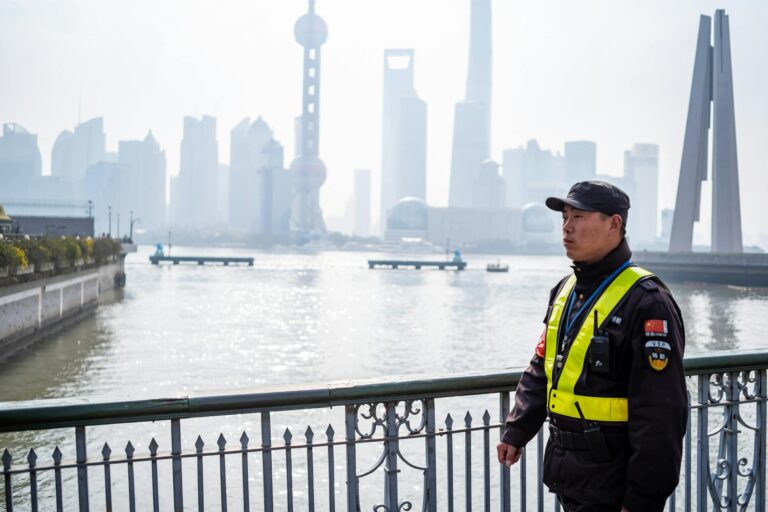
Shanghai gives a photographer two cities in one frame: 1920s Art Deco banks on one bank of the Huangpu, a wall of supertall towers on the other, and plane-tree streets and lantern-lit lanes filling the space between. This guide to photography in Shanghai covers the best spots with the hour and light direction for each, what lens to put on, where tripods are refused, the current drone rules, and the etiquette and law around photographing people and temples. It assumes you actually care about the picture, not just the check-in.
Table of Contents
- How Shanghai’s Light Works
- Photography in Shanghai: Best Spots, Ranked
- The Bund & Pudong
- Wukang Mansion & French Concession
- Yu Garden & Old Town
- Lanes, Laundry and Everyday Shanghai
- Golden Hour Month by Month
- Gear Recommendations
- Tripods, Rules & Restrictions
- Drone Rules in China
- Photographing People: Etiquette & Law
- Temples: What You Can Photograph
- Shooting Shanghai on a Phone
- A One-Day Shooting Plan
- Photography in Shanghai: Practical Tips
- FAQ
How Shanghai’s Light Works
One piece of geography drives most good decisions here. The Huangpu runs roughly north to south through the centre, the Bund on the west bank, Lujiazui and its towers on the east. So:
- Shoot Pudong from the Bund in the late afternoon. The sun is behind you and the towers are front-lit. At sunrise they are silhouettes.
- Shoot the Bund’s heritage facades from the Pudong side at sunrise. Same logic, reversed. Between about 06:30 and 08:00 the stone fronts glow and the walkway is nearly empty — the most underused hour in Shanghai photography.
- Blue hour is short. Civil twilight here lasts 25 to 30 minutes after sunset all year. Once the buildings light up you have about twenty usable minutes.
Air quality matters more than weather. The clearest days come a day or two behind a cold front, most reliably October to December, and that is when a 200mm shot of the tower cluster works. In summer the problem is humidity rather than smog: haze eats contrast beyond a kilometre, so shoot close and wide.
In the former French Concession the plane trees cast dense dapple: midday is unusable, and the hour after sunrise or any overcast day is far better.
Photography in Shanghai: Best Spots, Ranked
| Spot | Best hour | Light | Lens | Note |
|---|---|---|---|---|
| Bund promenade, mid-section | 16:30–18:00 + blue hour | Behind you, on the towers | 24–70mm | Shoulder-to-shoulder after 18:00 |
| Lujiazui riverside walkway | 06:30–08:00 | Behind you, on the Bund | 24–70 / 70–200mm | Empty; the best-value hour here |
| Waibaidu (Garden) Bridge | Blue hour | Side / ambient | 16–35mm | Steel truss framing the towers |
| Lujiazui sky walkway | Blue hour | Mixed artificial | 16–35mm | Free footbridge; busy at weekends |
| Shanghai Tower 118F | 30 min before sunset | All directions | 24–70 + rubber hood | ¥180; no tripods |
| Wukang Mansion junction | 07:00 or 16:00–17:30 | Afternoon sun on the facade | 35mm | Empty at dawn, mobbed at weekends |
| Wuyuan / Anfu / Wukang roads | 07:00–09:00; late Nov leaves | Dappled | 35 / 85mm | Overcast is your friend |
| Yu Garden inner garden | 09:00 opening | Soft; overcast best | 16–35mm | ¥40; groups from 10:00 |
| Yuyuan bazaar lanterns | Dusk | Warm ambient | 35mm f/1.8 | Free to walk |
| Old Town lanes off Fangbang Rd | 09:00–11:00 | Shafts down the lane | 28–35mm | People’s homes — see etiquette |
| The ¥2 Huangpu ferry | 17:00–18:00 | Moving; both banks | 24–70mm, fast shutter | Upper deck; two yuan |
| People’s Park marriage market | Sat/Sun 12:00–17:00 | Flat shade | 35mm | Ask before close-ups |
Half of those cost nothing — our free things to do in Shanghai guide covers the ferry and the park routines.
The Bund & Pudong
The Bund Promenade
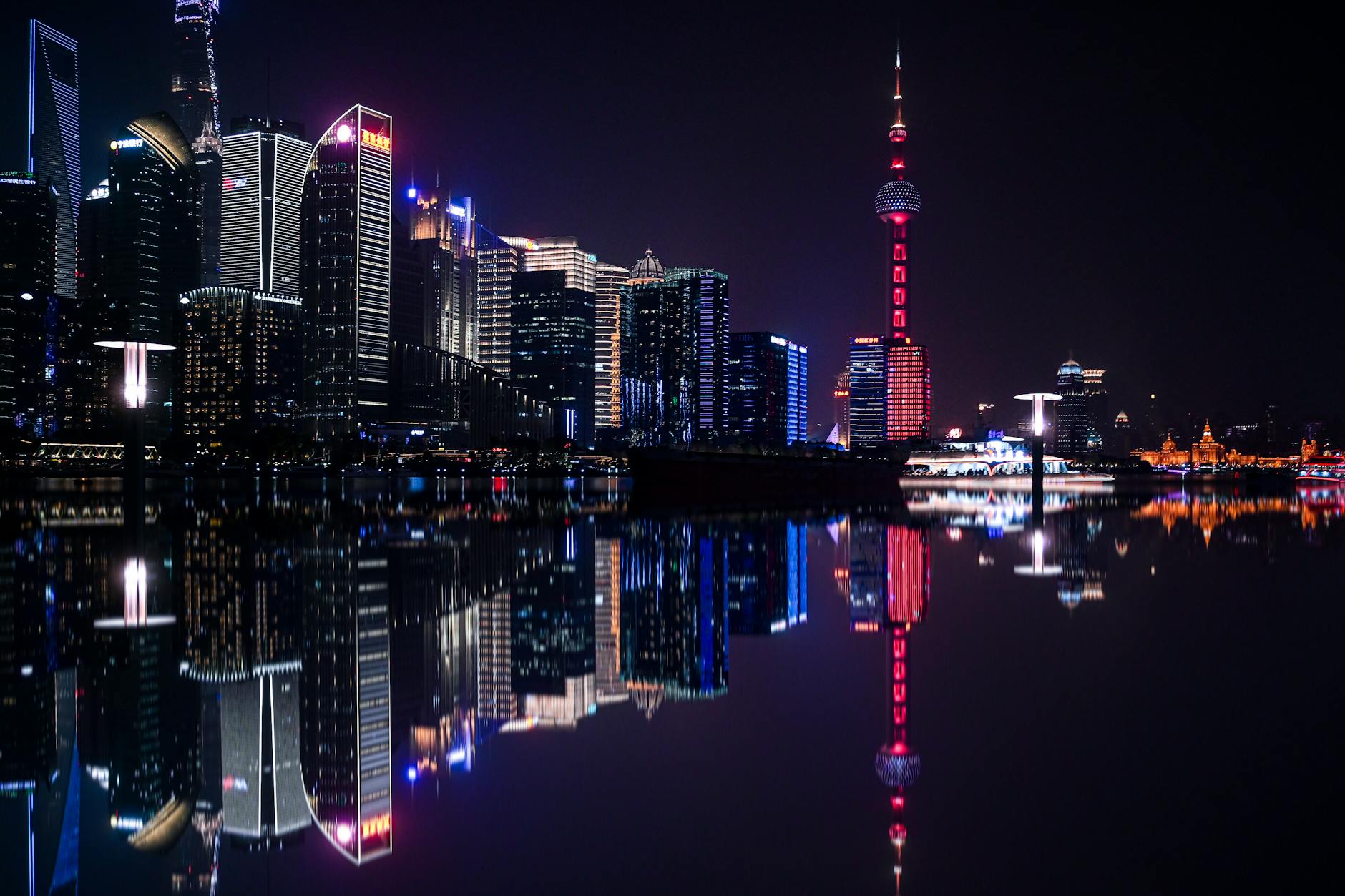
- Best vantage: the middle of the 1.5 km promenade, opposite Bund 12 (the HSBC Building), for the classic three-tower composition. The north end near Huangpu Park puts the Garden Bridge in frame; the south end near Yan’an Road is the least crowded.
- Best time: sunset for warm light on the towers, then blue hour. The promenade is raised above the road with staircases at each cross-street; get up before the crowd does.
- Most photographed: Shanghai Tower (632m), Jin Mao (420m) and the SWFC (492m, the “bottle opener”). A 70–200mm from further south compresses them into a wall.
- Avoid weekends after 18:30; on holidays the police run one-way barriers and you cannot stop where you want.
The buildings behind you deserve as much attention as those across the water — our Bund architecture guide identifies them and the Bund at night covers the evening.
Pudong East Riverside
- Access: Metro Line 2 to Lujiazui, or the Bund Sightseeing Tunnel (¥50 one-way, an oddity rather than a photograph).
- Best vantage: the riverside walkway between the Oriental Pearl and the IFC towers.
- Best time: sunrise, when the Bund’s facades are front-lit and nobody is there.
- Bonus: the free circular footbridge above Lujiazui gives a low-angle view up the towers you cannot get at street level. Blue hour, ultra-wide, camera braced on the railing.
Shanghai Tower Observation Deck
- 118F is the ticketed indoor deck near the top of a 632m tower — sources put the deck itself anywhere from 546m to 561m.
- Ticket: around ¥180 standard, more on public holidays, less for students and children. Roughly 08:30–22:00, last entry half an hour before close. Book ahead.
- Metro: Line 2 to Lujiazui, Exit 6.
- Best time: arrive 45 minutes before sunset and get day, sunset and lit city on one ticket.
- Glass: dark clothes, phone screen off, rubber hood flat against the window, square-on. Any angle guarantees your reflection.
- Tripods are not allowed. A beanbag or folded jacket on the sill works, as does the hood braced on the glass with a two-second timer.
Tickets and queues in our Shanghai Tower guide.
Wukang Mansion & French Concession
Wukang Mansion
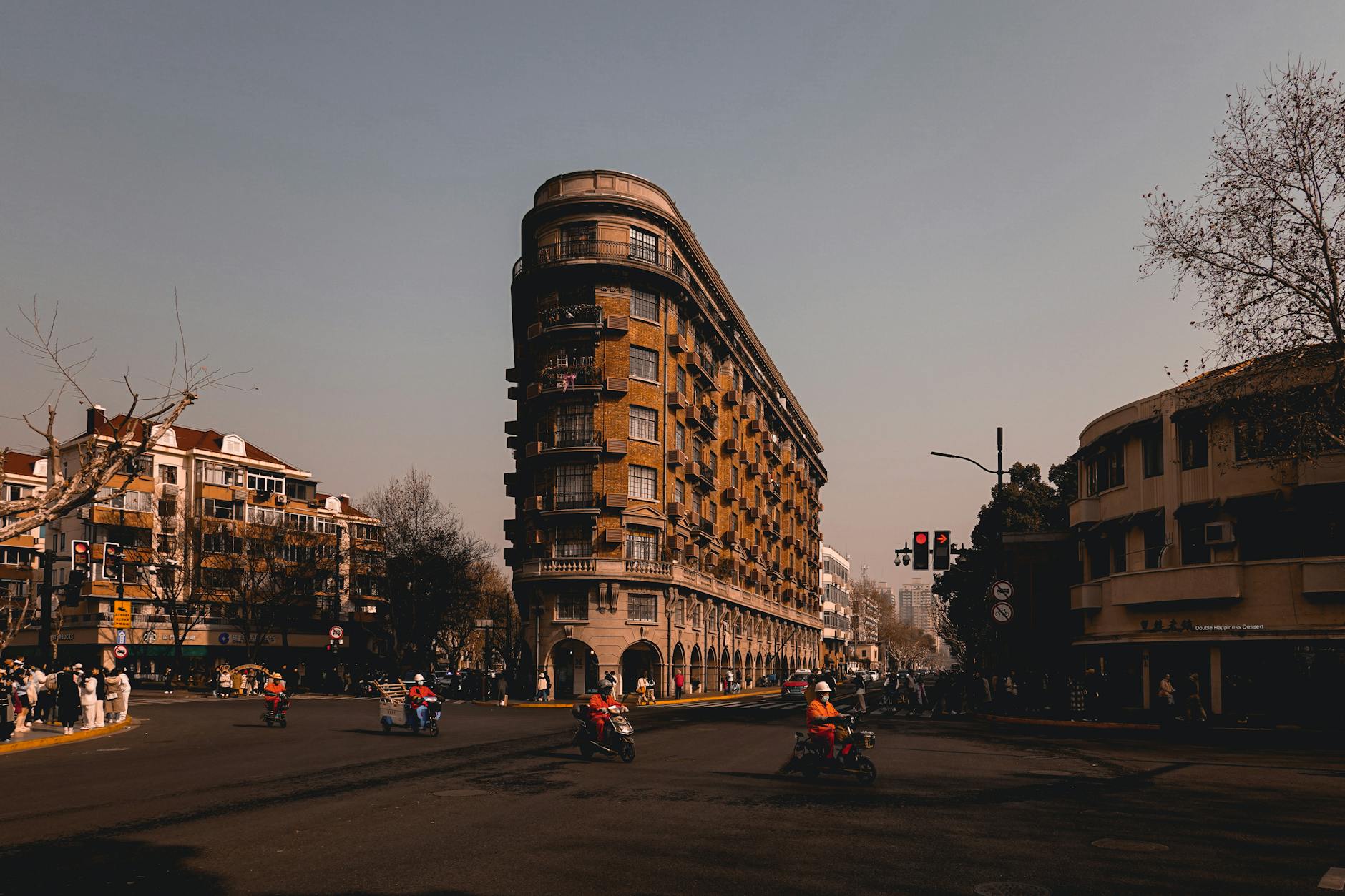
The 1924 Hudec-designed apartment building at the Wukang Road and Huaihai Middle Road junction is the most photographed building in the city, and the wedge-shaped prow is the reason.
- Best vantage: the far side of the junction, so the whole wedge fits. Do not step into the road — traffic is constant and at weekends stewards move people off the kerb.
- The trade-off: at 07:00 the streets are empty but the facade is in shade. From about 16:00 the sun reaches the front of the building and so does everyone else. Pick your problem.
- Lens: 35mm for the whole building from the opposite corner; 85mm to isolate the balconies and roofline.
- Metro: Line 10 to Shanghai Library (7–10 minutes) or Jiaotong University (about 6).
- Commercial and wedding shoots are restricted. A tripod and a model attracts a conversation.
Anfu, Wuyuan and Yongkang Roads
Plane-tree streets with small shopfronts, best from mid-October to late November when the leaves turn. Early morning gives clean streets and delivery scooters; late afternoon gives warm light through the canopy and a lot of people. A slow shutter on a quiet side street turns passing cyclists into useful blur. The French Concession walking tour maps a route, and Shanghai’s Art Deco architecture explains what you are looking at.
Yu Garden & Old Town
- Inner garden ¥40; Ming-era pavilions, koi ponds and rockeries in a very tight space, which is why 16–35mm earns its place.
- Best time: the 08:30 opening. Groups arrive around ten and the courtyards are too small to work in after that.
- Overcast beats sun. Hard light through the lattice windows blows out white walls and blocks the shadows.
- Bazaar streets are free and best at dusk when the lanterns come on but the sky still holds colour — a fifteen-minute window.
- Lantern Festival around Chinese New Year is the year’s best night here, with timed entry on busy evenings. See Chinese New Year in Shanghai.
Our Yu Garden guide covers tickets and timing.
Lanes, Laundry and Everyday Shanghai
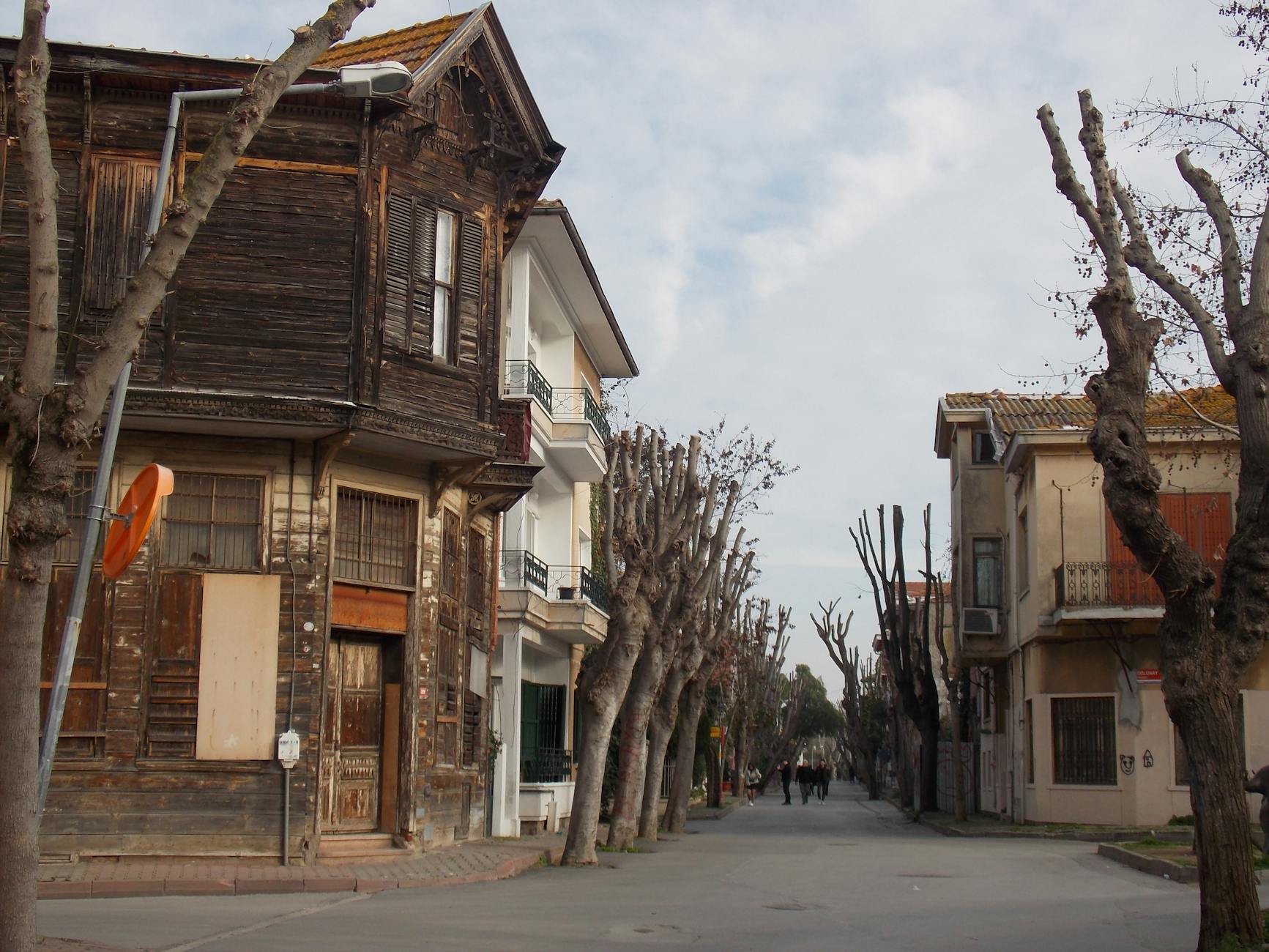
The pictures people remember from Shanghai are usually not the skyline. They are the shikumen lanes: bamboo poles of laundry across the alley, a man in pyjamas at nine in the morning, a shaft of sun down the lane axis between brick walls.
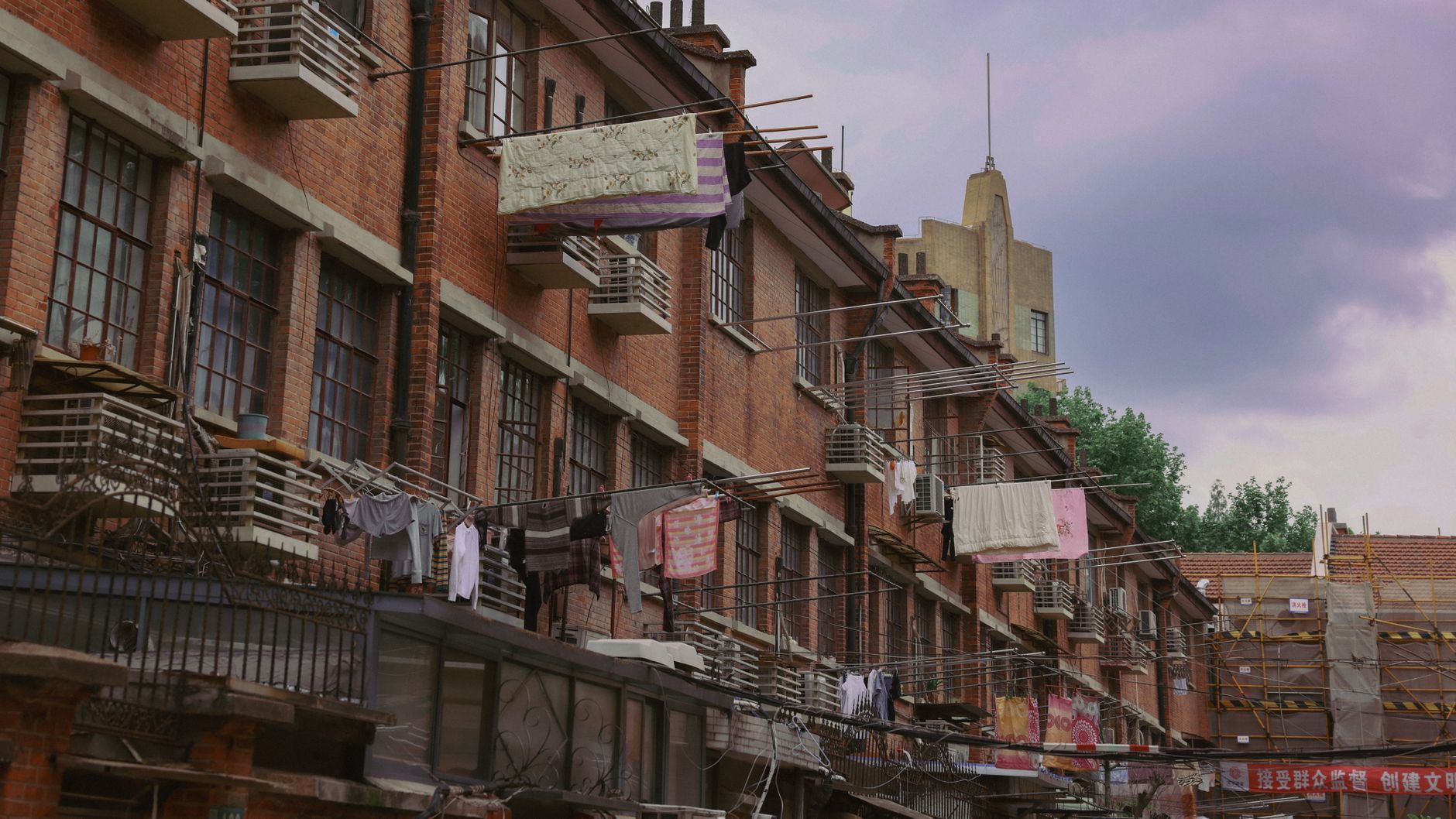
- Where: the lanes off Fangbang Middle Road in the Old Town and the surviving longtang in Hongkou. Tianzifang is the commercial version — easy, safe, less interesting.
- When: 09:00 to 11:00, when the sun reaches down into the lane but is not yet overhead.
- Lens: 28 or 35mm. Anything longer and you cannot back up.
- Etiquette: a lane is semi-public, a doorway is not. Walk down the middle, do not go up staircases or shoot through windows, and if someone waves you off, leave. Nobody owes you the picture.
Golden Hour Month by Month
Shanghai is at 31°N and does not use daylight saving, so times are stable year to year. Mid-month figures, local time; adjust about 15 minutes either way at the ends of a month.
| Month | Sunrise | Sunset | Blue hour ends | Note |
|---|---|---|---|---|
| January | 06:53 | 17:13 | 17:39 | Cold, clear after fronts |
| February | 06:36 | 17:41 | 18:06 | Grey; good for lanes |
| March | 06:05 | 18:02 | 18:26 | Late blossom |
| April | 05:27 | 18:22 | 18:47 | Best morning light |
| May | 04:58 | 18:42 | 19:09 | Painful early starts |
| June | 04:49 | 18:59 | 19:27 | Plum rains; big skies |
| July | 05:00 | 19:00 | 19:27 | Harsh midday, humid haze |
| August | 05:20 | 18:38 | 19:04 | Typhoon tails, best clouds |
| September | 05:38 | 18:01 | 18:25 | Air clearing |
| October | 05:56 | 17:23 | 17:47 | The best month |
| November | 06:22 | 16:57 | 17:22 | Gold plane trees |
| December | 06:45 | 16:53 | 17:20 | Shoot at 16:00 |
The Pudong facade lighting is switched on seasonally, roughly:
- Spring (Mar–May): 18:30
- Summer (Jun–Aug): 19:00
- Autumn (Sep–Nov): 18:00
- Winter (Dec–Feb): 17:30
In autumn and winter the lights come on before the sky has finished, which is why October and November give the cleanest blue-hour frames; in midsummer the sky is often black by the time the buildings are lit. See the best time to visit and Shanghai in autumn.
Gear Recommendations
| Subject | Lens | Starting point |
|---|---|---|
| Skyline, long exposure | 24–70mm | f/8, ISO 100, 2–8s on a support |
| Tower compression | 70–200mm | f/5.6 — only on a clear day |
| Architecture, lanes, gardens | 16–35mm | f/8, watch your verticals |
| Street and portraits | 35 or 50mm | f/2–2.8, 1/250s |
| Temple and bar interiors | Fast prime f/1.4–1.8 | ISO 3200, no flash |
| Observation deck | 24–70 + rubber hood | f/4, high ISO, hood on the glass |
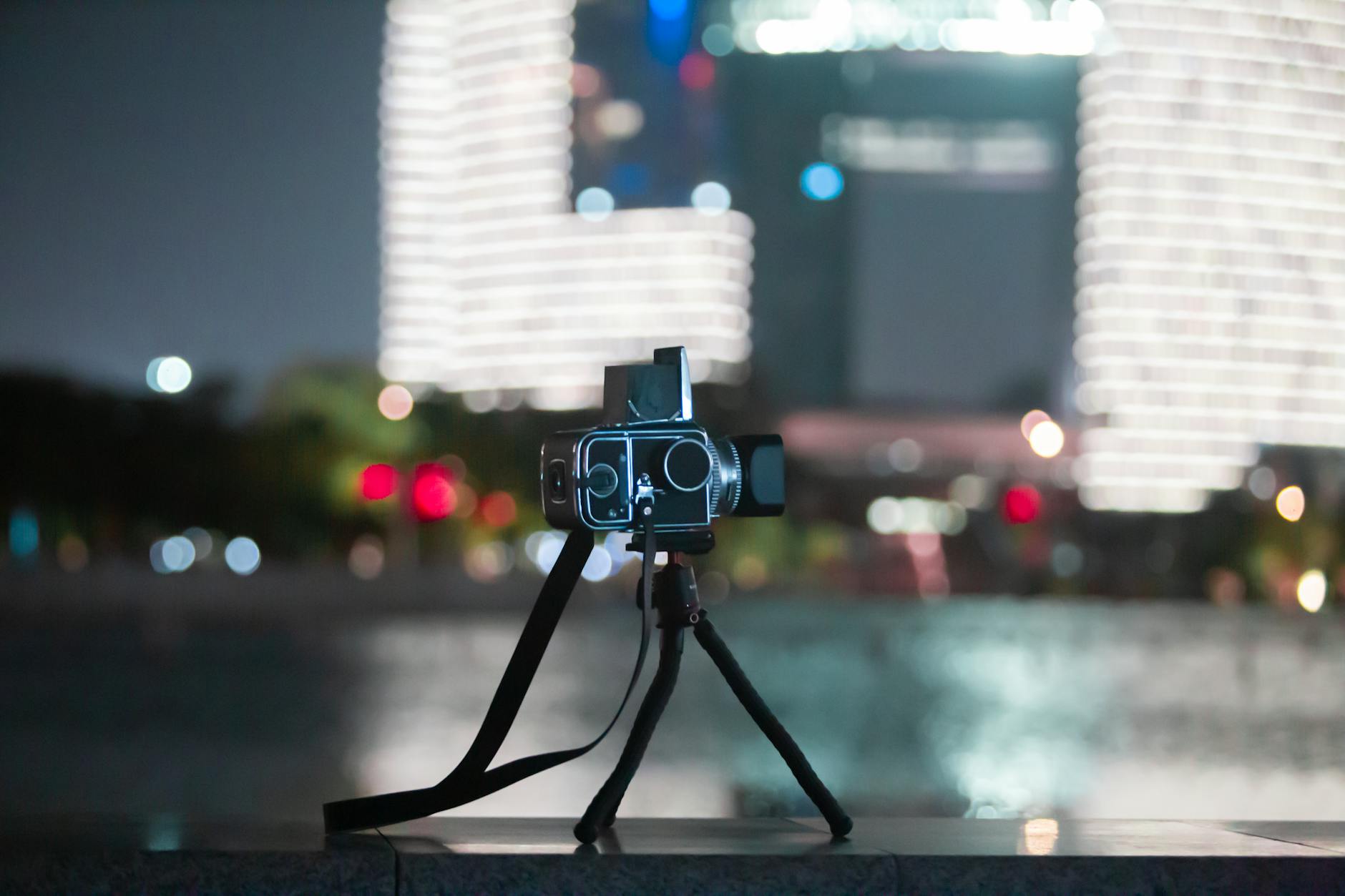
- A small travel tripod that fits inside a daypack. A full-size one on the Bund at seven in the evening is a conversation with security waiting to happen.
- ND filters for daytime long exposures on the river.
- Lens cloth and rain cover. Humidity fogs a cold lens the moment you leave air conditioning in summer.
- Spare batteries and cards. 220V power; lithium cells in cabin baggage only, typically capped at 100Wh each.
- If something dies, the Xingguang photography equipment market in Huangpu district is the city’s camera bazaar — repairs, second-hand bodies, cash and haggling.
Tripods, Rules & Restrictions
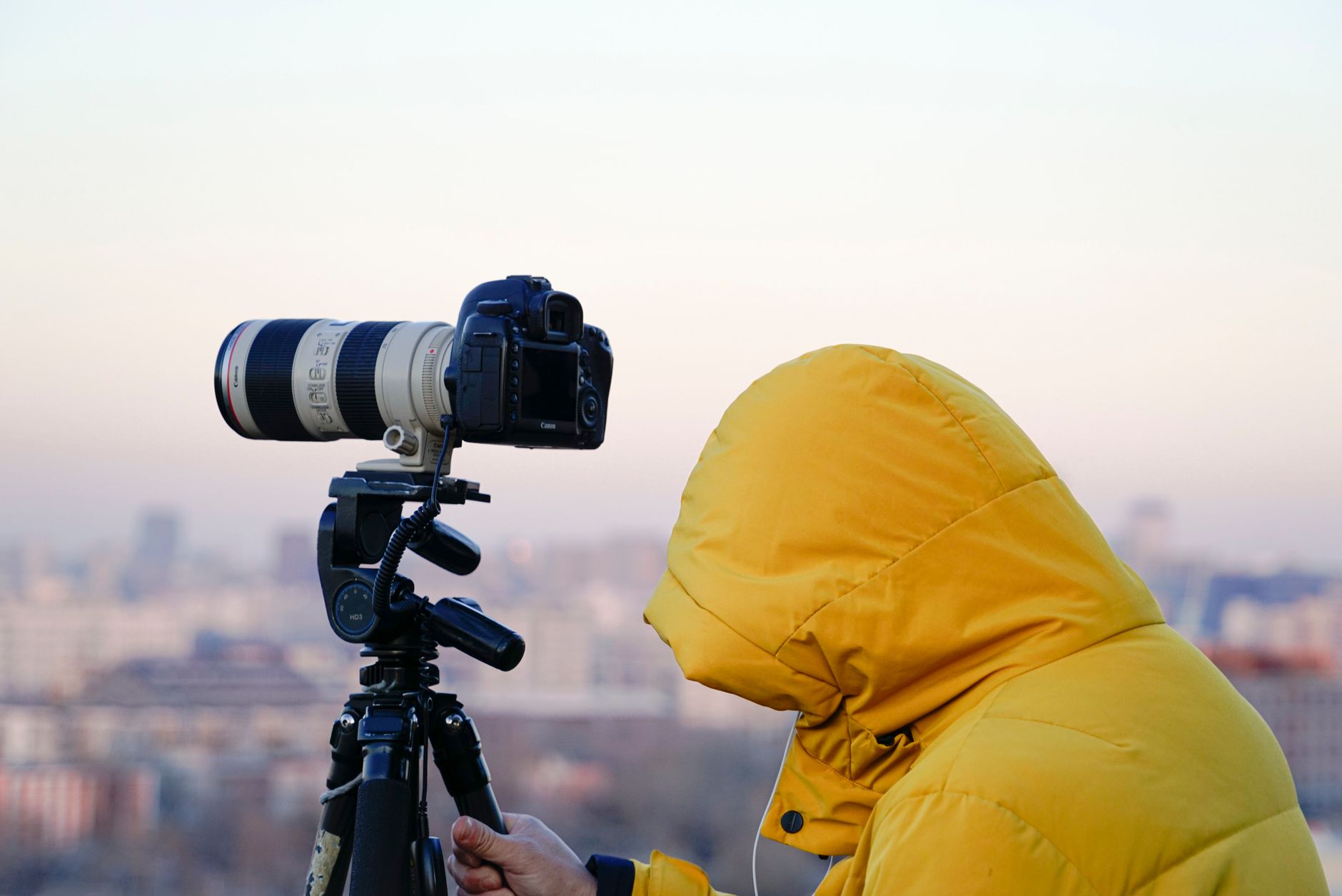
There is no single tripod law here, just venue policies and steward discretion. What holds in practice:
- Shanghai Tower observation deck: tripods refused, no exceptions.
- Museums: tripods and flash refused. Some special exhibitions ban photography entirely — look for the crossed-camera sign at the door.
- The Bund promenade: not banned outright, but at peak evening hours stewards keep the crowd moving and will ask you to fold it. Weekday mornings, nobody minds.
- Yu Garden and classical gardens: discouraged, refused on busy days.
- Malls and private plazas — IFC, the Bund Finance Centre, Xintiandi, hotel lobbies — read a tripod as a commercial shoot and ask for a permit. A monopod avoids the conversation.
- Metro: handheld photography is fine; tripods, lighting and staged shoots are not, and do not photograph the security-check area.
- Airports: public areas fine, never at immigration, customs or border control.
Three things not to photograph anywhere in China: military installations and personnel, police operations and anyone being detained, and the interiors of government compounds. Exteriors are fine; a long lens on a gate is not. Consequences range from being told to delete images to a long conversation at a police station — see our customs guide. Commercial shoots with a crew need permission at most notable locations; tourist photography needs nothing.
Drone Rules in China
Short version: do not plan on flying a drone in Shanghai. The rules have tightened sharply and the city centre is effectively closed airspace.
The framework is the Interim Regulations on the Flight Management of Unmanned Aircraft, in force since 1 January 2024: real-name registration for all civil drones, classes from micro to large, and a 120m ceiling in uncontrolled airspace with much lower limits for the smallest class.
Two national standards then took effect on 1 May 2026 — GB 46761-2025 on registration and activation, GB 46750-2025 on real-time identification. Between them they:
- Remove the sub-250g exemption. The “toy drone” loophole that works in Europe and the US does not apply here; the carve-out covers only genuine low-speed, short-range toys.
- Require continuous remote identification — a local broadcast plus a networked feed to the CAAC, updating at least once a second from power-on to landing, with no way to switch it off.
- Refuse to arm. Compliant firmware will not release the motor controllers on an unverified aircraft. New drones comply now; existing ones have until roughly mid-2027 to back-register, with full compliance phased in to 2029.
Registration runs through the CAAC’s UOM portal, which is Chinese-language and expects a Chinese mobile number and a real-name-verified WeChat account for face verification. Sources disagree on whether a short-stay visitor can complete it at all — some summaries still say tourists are exempt, others that registration covers every aircraft regardless of owner. Assume the strict reading.
- No-fly zones cover the Bund, Lujiazui, government buildings, parks and huge approach corridors around both airports. Very little of central Shanghai is left.
- Manufacturer geofencing is not the whole picture — consumer drone maps do not show every Chinese restriction.
- Beijing has gone further — reporting indicates that since May 2026 travellers may not bring drones into the municipality at all.
- Customs usually will not seize a drone on arrival, but spare batteries travel in cabin baggage, typically capped at 100Wh each.
- Penalties quoted for unauthorised flights run to around ¥10,000, worse near sensitive sites. People do get detained for this.
The alternatives are good: the Shanghai Tower deck, the free Lujiazui footbridge, a rooftop bar, or an evening river cruise for the moving low-level view.
Photographing People: Etiquette & Law
China’s Civil Code, in force since 1 January 2021, gives every person a portrait right: making, using or publishing an identifiable person’s image without consent can infringe it. There are reasonable-use exceptions — personal study, news reporting, and cases where someone is unavoidably included in an image of a public setting — and Chinese lawyers quoted in state media coverage of street photography have urged photographers to be careful about the line.
In practice a wide street scene where nobody is the subject is fine; a tight portrait of a stranger posted to social media is where problems start. Nobody will sue a tourist over a holiday snap, but people here are far more aware of the right than a decade ago.
- Ask. “我可以拍照吗?” — wǒ kěyǐ pāizhào ma? Can I take a photo? A raised camera and a questioning look does the same job.
- Show the back of the camera afterwards and offer to send it on WeChat. Half the time they want it.
- Children: ask a parent, every time.
- Buskers and performers reasonably expect a small note — ¥10–20.
- The marriage market: the sheets carry real personal data. Wide shots of the scene are fine; close-ups of a listing are not, unless you ask.
- Tai chi and dance groups are used to being watched. Do not walk into the formation.
- Never photograph police, soldiers, security screening, or anyone arguing with an official.
- Blend in. Neutral clothes, small body, camera at chest height, no reviewing the shot in front of someone.
Our etiquette guide covers the wider social rules; the language guide has more phrases.
Temples: What You Can Photograph
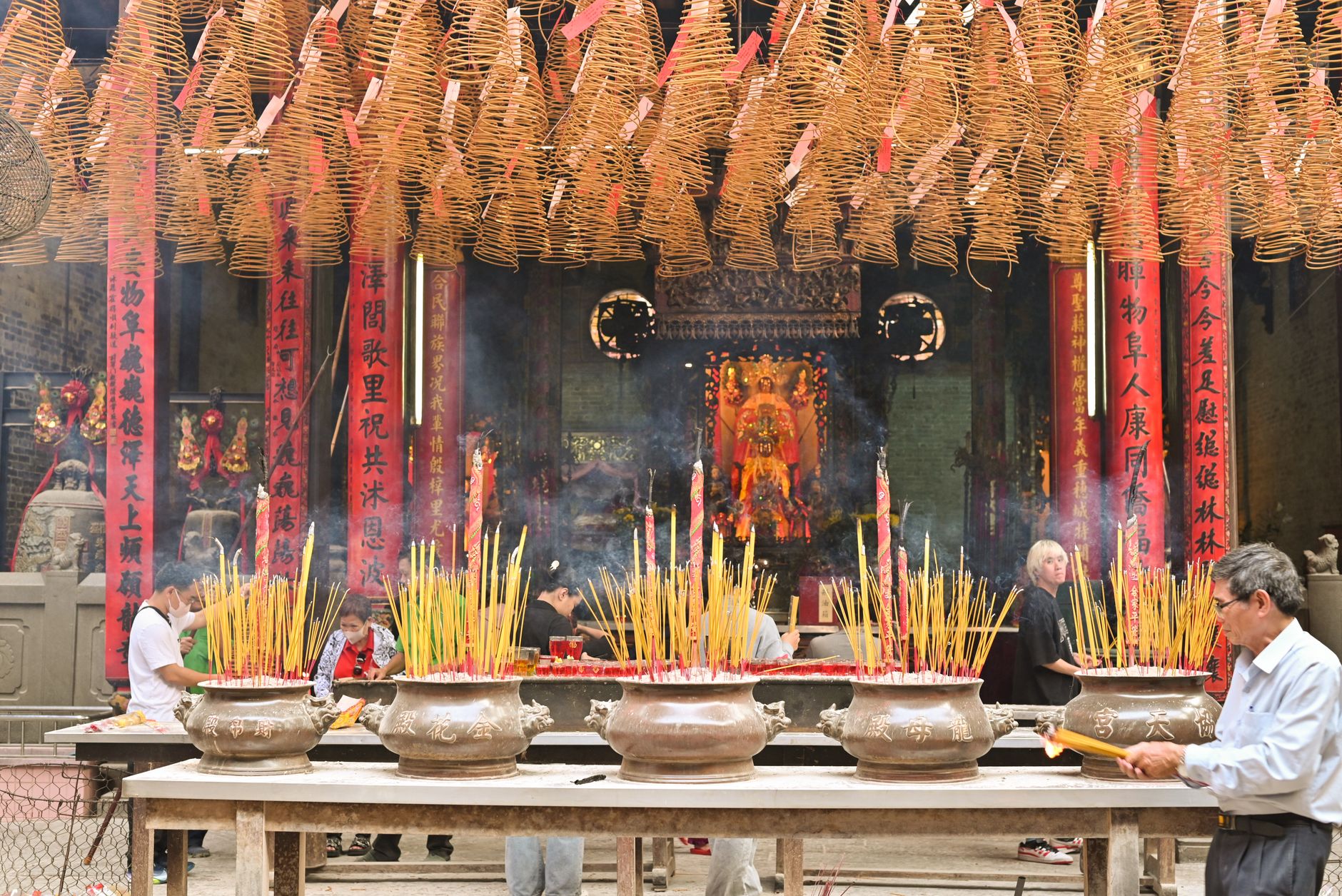
Shanghai’s working temples — Jing’an, the Jade Buddha Temple, Longhua, the City God Temple — welcome photographers in the courtyards and are strict inside the halls, consistently enough to plan around.
- Courtyards, roofs, incense burners, architecture: photograph freely. Jing’an’s golden roofs against the office towers behind them is the frame everyone comes for, and the street outside costs nothing.
- Main halls: many post 请勿拍照 — no photography — at the door, usually covering the Buddha images rather than the room. Obey the sign; the Jade Buddha Temple’s jade statues are the strictest case.
- Never use flash indoors. Rude, useless at that distance, unwelcome around gilded surfaces.
- Do not photograph people praying from the front. Wait, shoot from behind, or let it go.
- Monks and nuns: ask. Some agree, many politely decline; neither is personal.
- Practical: do not stand on a threshold, do not put a tripod in the path of people carrying incense, take your hat off in a hall.
- The light: incense smoke backlit by a courtyard doorway at mid-morning is the best free lighting setup in the city. ISO 1600, f/2, expose for the smoke.
Temples in Shanghai covers hours and admission; traditional culture explains what happens in the halls.
Shooting Shanghai on a Phone
A recent phone in night mode genuinely outperforms a handheld mirrorless camera on the Bund at eight in the evening, and draws far less attention on a street.
- Lock exposure before framing. Auto metering swings wildly when a lit tower enters the frame.
- Use the telephoto lens for skyline compression rather than cropping the main camera.
- Brace the phone on the promenade railing for three-second night-mode exposures.
- Shoot RAW if you plan to edit; default processing pushes contrast hard on neon.
- Carry a power bank. Cold riverside evenings and constant map use flatten a phone by nine.
- Uploads: most Western photo services are blocked without a VPN — see VPN and internet in Shanghai and our essential apps guide.
A One-Day Shooting Plan
06:00 Metro to Lujiazui. Riverside walkway, Bund facades front-lit, nobody there.
07:30 Cross on the ¥2 ferry from Dongchang Road — deck-level shots of both banks.
08:30 Yu Garden at opening. 16–35mm, ¥40.
10:00 Lanes off Fangbang Middle Road. 35mm, quietly.
12:00 Lunch and a long break. The light is useless and so are you by now.
14:30 French Concession: Wuyuan, Anfu and Wukang roads.
16:30 Wukang Mansion with sun on the facade.
17:30 Metro to East Nanjing Road; claim a Bund spot before the crowd.
Sunset + 25 min Blue hour, towers lit, sky still blue.
19:30 Lujiazui footbridge for the towers from below.
Outlay: ¥40 for Yu Garden, ¥2 for the ferry, about ¥15 in metro fares. To spread it over several days, our three-day itinerary works as a frame.
Photography in Shanghai: Practical Tips
- Best month: October, then November. Clear air, low humidity, gold plane trees, a civilised sunset hour.
- Check air quality before any long-lens day. A hazy afternoon is a lane-photography afternoon instead.
- Let the camera acclimatise for ten minutes leaving air conditioning in summer, or spend a quarter of an hour wiping condensation off the front element.
- Carry your passport. Legally required, and what you produce if anyone questions what you are shooting.
- Avoid national holidays — the first week of October and Chinese New Year make every location here unworkable.
- Back up nightly and keep one copy outside the camera bag.
- Hire a photographer-guide if you want doors opened; around ¥600 a day is normal and buys location knowledge no map has.
- Pin locations offline. Mapping data in China is offset and some spots are hard to find from a street address.
Our practical tips guide covers the non-photographic side; the packing checklist has the electronics.
Frequently Asked Questions
Where are the best photo spots in Shanghai?
The Bund promenade for the Pudong skyline, the Lujiazui riverside for the reverse view at sunrise, Wukang Mansion, Yu Garden at opening, the Old Town lanes and the Shanghai Tower deck. The free Lujiazui footbridge is the most underrated.
When is the best time of day to photograph the Bund?
From the Bund, late afternoon into blue hour, with the sun behind you and the towers front-lit. From the Pudong side, 06:30 to 08:00, when the heritage facades catch the sunrise and the walkway is empty.
Can I bring a tripod to the Bund?
No outright ban, but at peak evening hours stewards will ask you to fold it. Weekday mornings are fine; a monopod or a beanbag on the railing avoids the issue.
Are drones allowed in Shanghai?
In practice, no. Central Shanghai is restricted airspace, CAAC registration effectively requires a Chinese phone number and verified WeChat, and standards effective from May 2026 removed the sub-250g exemption and require continuous remote ID.
Do I need to register a drone in China as a tourist?
Sources disagree, which is itself a warning. Some summaries still describe tourists as exempt; current standards apply registration to every civil drone regardless of weight or owner. Assume you need to register, assume you cannot, and leave it at home.
What gear should I bring for Shanghai photography?
A 24–70mm workhorse, a 16–35mm for lanes and gardens, a 35 or 50mm prime for street, a small travel tripod. A 70–200mm earns its weight only on clear autumn days.
Is photography permitted at Yu Garden?
Yes, throughout the garden and bazaar. Flash is discouraged indoors and tripods refused on busy days. Get there for the 08:30 opening — the courtyards are too small once groups arrive.
Where is Wukang Mansion and how do I get there?
The Wukang Road and Huaihai Middle Road junction in the former French Concession. Metro Line 10 to Shanghai Library (7–10 minutes) or Jiaotong University (about 6). Shoot from the far side of the junction and stay out of the road.
Can I photograph people in Shanghai?
Street photography is common and generally accepted, but China’s Civil Code protects portrait rights, so publishing an identifiable close-up without consent can infringe. Ask before close portraits, always ask a parent before photographing a child, and never photograph police.
Can I take photos inside Shanghai temples?
Courtyards and architecture, yes. Main halls often post no-photography signs covering the Buddha images — obey them. Never use flash, and do not photograph people praying from the front.
What is the best month for photography in Shanghai?
October, with November close behind: clearest air after autumn cold fronts, lower humidity, a sociable sunset hour, and gold plane trees from about the third week of November.
Is there a free alternative to the Shanghai Tower deck?
Several: the Lujiazui footbridge for the towers from below, the North Bund in Hongkou for a head-on skyline without the crowd, and the ¥2 ferry for mid-river. Our free things to do guide has the rest.
Plan Your Photo Trip
Combine with our guides to practical tips, Bund architecture and the French Concession walking tour. For background, see Shanghai skyline on Wikipedia.