For about five weeks either side of Chinese New Year, the Old City around Yu Garden is strung with several thousand illuminated lanterns, and Shanghai turns out to look at them. The Yu Garden lantern festival has been an official event here since Yuyuan Garden Malls began hosting it in 1995, it is beautiful, and it draws very large crowds for the weeks it runs — which is why the organisers moved the central zone to ticketed timed entry, and why knowing the difference between the ticketed area and the five free ones is worth about ¥80 and two hours of your evening.
The 2026 edition ran from 26 January to 3 March, thirty-six nights on the theme of the Year of the Horse, with traditional lantern craft supplemented by digital projection. The core Yuyuan folk art lantern zone cost ¥80 for adults and ¥50 for children; five surrounding zones were free. This guide covers the dates and how they are set each year, exactly what the ticket buys, the timed-entry hours, which nights to go and which to avoid entirely, where to photograph it, what to eat while you are there, and how to see a great deal of it without paying anything.
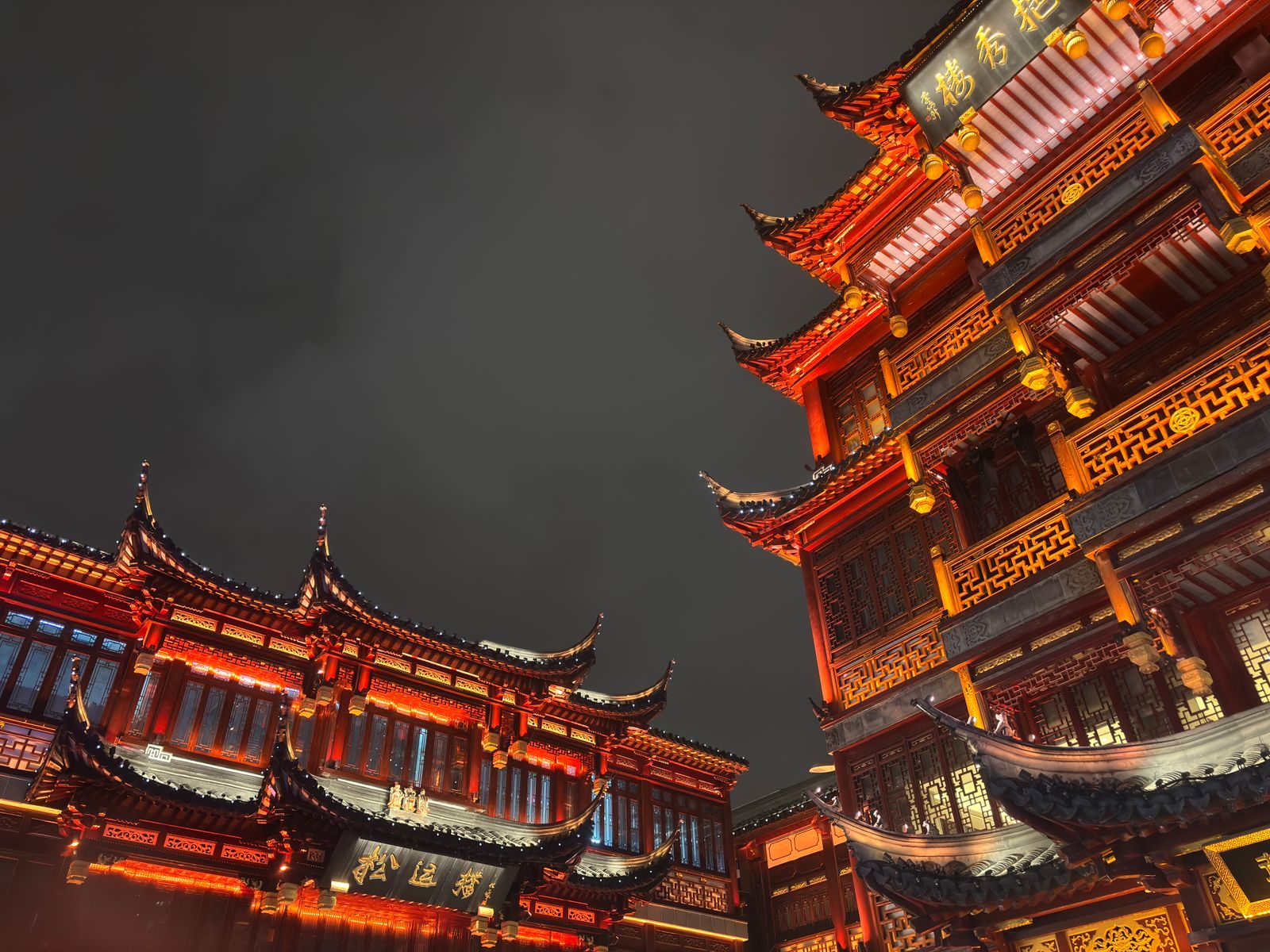
Table of Contents
- Yu Garden lantern festival dates
- Tickets, prices and where to buy them
- The ticketed zone and the five free ones
- Timed entry: peak days and ordinary days
- The best nights, and the ones to avoid
- What the Yu Garden lantern festival is actually like
- Seeing it without paying
- Photographing it
- What to eat
- Getting there and practical notes
- What people get wrong
- Frequently Asked Questions
Yu Garden lantern festival dates
The festival is tied to the lunar calendar, so the dates move by several weeks each year. In 2026 it opened on 26 January, three weeks before Chinese New Year, and closed on the Lantern Festival itself — the fifteenth day of the first lunar month, which is the traditional end of the New Year period and the night lanterns have marked in China for some two thousand years.
| Year | Festival dates | Chinese New Year | Lantern Festival |
|---|---|---|---|
| 2026 | 26 January – 3 March (36 nights) | 17 February | 3 March |
| 2027 | Check the Yuyuan Garden Malls listing | 6 February | 20 February |
| 2028 | Set by the organisers each year | 26 January | 9 February |
The lunar dates in the 2027 and 2028 rows are fixed; the festival’s own run is set by the organiser, Yuyuan Garden Malls, so check its WeChat official account or the ticketing platforms for each year’s dates. For a sense of the timing, in 2026 the festival opened on 26 January and tickets were on sale from 19 January to 3 March.
One firm rule worth knowing: the lantern zone closes on Chinese New Year’s Eve and no tickets are sold that night. In 2026 that was 16 February. If you are in Shanghai specifically for New Year’s Eve, plan something else for that evening — our Chinese New Year in Shanghai guide covers what is open and what is not, which during that fortnight is a longer list than people expect.
For how this sits against the rest of the year’s events, see our Shanghai festivals and events calendar, and for whether winter is the right time to come at all, the best time to visit Shanghai.
Tickets, prices and where to buy them
| Detail | 2026 arrangement |
|---|---|
| Adult ticket | ¥80 |
| Child ticket | ¥50 |
| What it covers | The Yuyuan Garden folk art lantern zone only |
| Free zones | Five others, no ticket required |
| On sale from | About a week before opening (19 January in 2026) |
| Where | The Yuyuan Garden Malls WeChat official account, plus Damai, Maoyan and Piaoxingqiu |
| Entry, peak days | 14:00–22:00, ticketed |
| Entry, ordinary days | 16:00–22:00, ticketed |
| Closed | Chinese New Year’s Eve |
¥80 is not a lot of money and the ticket does two useful things: it pays for the lantern zone, and it caps how many people are inside it at once. Before timed entry was introduced, the Old City on a Saturday in February was genuinely uncomfortable. Now the pressure has moved to the free zones outside, which is a trade most visitors will take.
Buying as a foreign visitor is the awkward part. The main channel is a WeChat official account operating in Chinese, and the Chinese ticketing platforms — Damai, Maoyan, Piaoxingqiu — generally want a Chinese mobile number. Practical routes, in order:
- Ask your hotel concierge. By some distance the easiest option, and most central Shanghai hotels will do it as a matter of course during the festival.
- Use WeChat with a translation app open. If you have WeChat Pay set up with a foreign card, the mini-program purchase is doable — search the official account, pick a date and slot, pay.
- International resale platforms. Klook, Trip.com and similar sometimes list it. Convenient, with a mark-up, and worth checking the date is the one you want.
- Turn up and see the free zones. A perfectly good plan — see below.
Timed slots are limited, so book ahead if you have your heart set on a particular evening.
The ticketed zone and the five free ones
This is the part almost nobody understands before they arrive, and it changes how you plan the evening entirely.
The ticketed zone is the Yuyuan Garden folk art lantern area — the central bazaar precinct with the classical pavilions, the bridge over the pond, the temple and the main set-piece installations. In 2026 it was the only one of the six zones that needed a ticket.
The five free zones in 2026 were the BFC fashion and trend zone, Gucheng Park, Middle Fangbang Road, Fuyou Road and the Bund. Between them these cover a substantial area of the Old City and the waterfront, all lit, all free, and all requiring no booking whatsoever.
The honest assessment: the ticketed zone is the best of it, and the free zones carry much of the rest. If you are on a budget, travelling with children who will not last three hours, or arriving without a booking, the free zones alone make a very good evening. If you want the full thing, buy the ticket.
The strongest plan combines them: walk the free zones as the light goes, take your timed slot in the ticketed zone, then come out and continue to the Bund, leaving time for crowd controls on the way.
Timed entry: peak days and ordinary days
The ticketed zone operates two different regimes and the distinction matters.
Peak days — every Friday, Saturday and Sunday, the Chinese New Year public holiday itself, and the Lantern Festival night — run ticketed entry from 14:00 to 22:00. That is eight hours, starting two hours earlier than on ordinary days.
Ordinary days — Monday to Thursday outside the holiday — run ticketed entry from 16:00 to 22:00.
In 2026 the peak days were the Fridays to Sundays across the run, the Chinese New Year public holiday from 15 to 23 February, and the Lantern Festival on 3 March.
The practical implication: a Tuesday or Wednesday evening runs on the ordinary-day schedule, with ticketed entry from 16:00. If your dates are flexible by even a day or two, use a weekday.
The best nights, and the ones to avoid
| When | Verdict |
|---|---|
| Weekday, opening week (late January) | The best combination of the run |
| Weekday, non-holiday February | Excellent |
| Friday or Sunday evening | Peak-day schedule; take an early slot |
| Saturday evening | Avoid if you can |
| Chinese New Year’s Eve | Lantern zone closed |
| New Year’s Day and days 1–7 | Only with a booked afternoon slot |
| Lantern Festival night itself | Atmospheric; book a slot |
Two recommendations that will improve your evening more than anything else here.
Go in the opening week if you possibly can. The lanterns are all up, everything works, and the New Year crowd has not arrived. Late January is the sweet spot of the whole run.
Go late. In 2026 the ticketed zone stayed open until 22:00, which leaves room to walk the free zones first and still go in with every lantern lit.
The one exception, if crowds do not bother you: the Lantern Festival night itself — the fifteenth day, the closing night — has an atmosphere the other thirty-five do not. Families are out, people carry lanterns, and there is a genuine sense of an ending. Expect heavy crowds around Yu Garden that night. Choose deliberately.
What the Yu Garden lantern festival is actually like
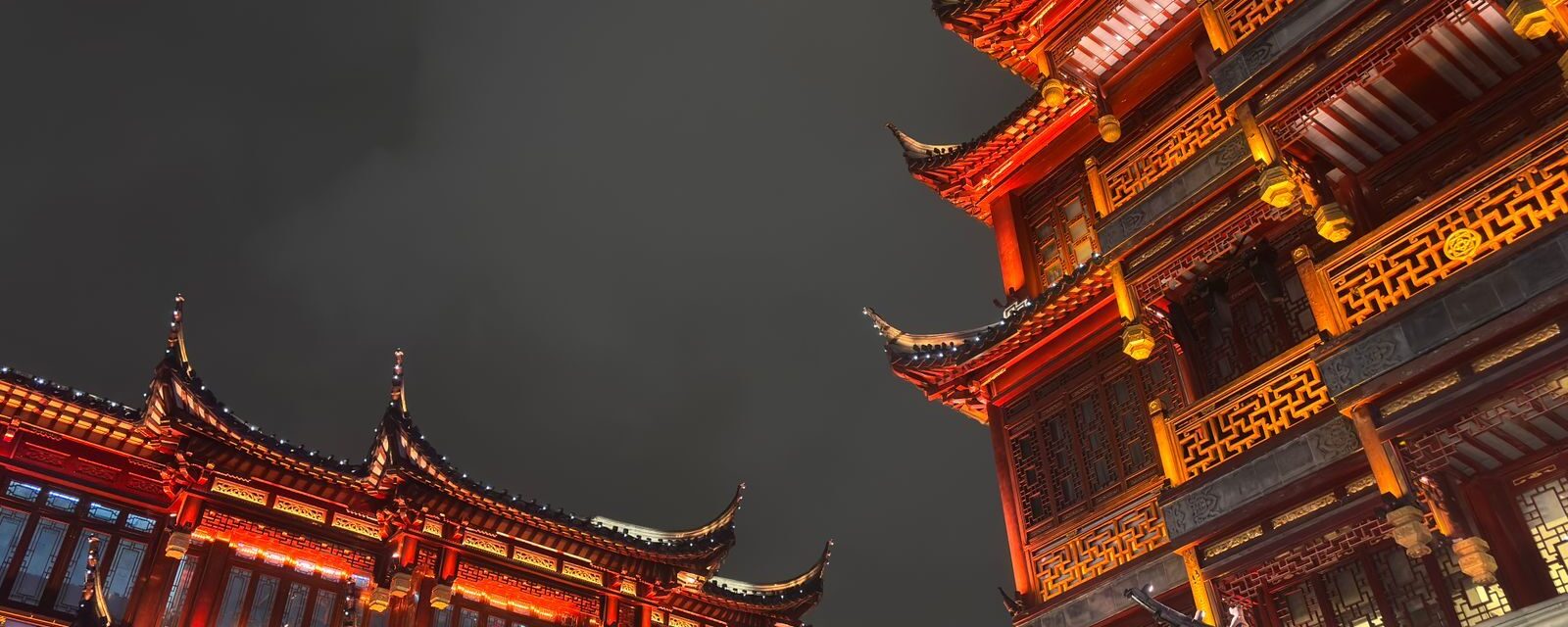
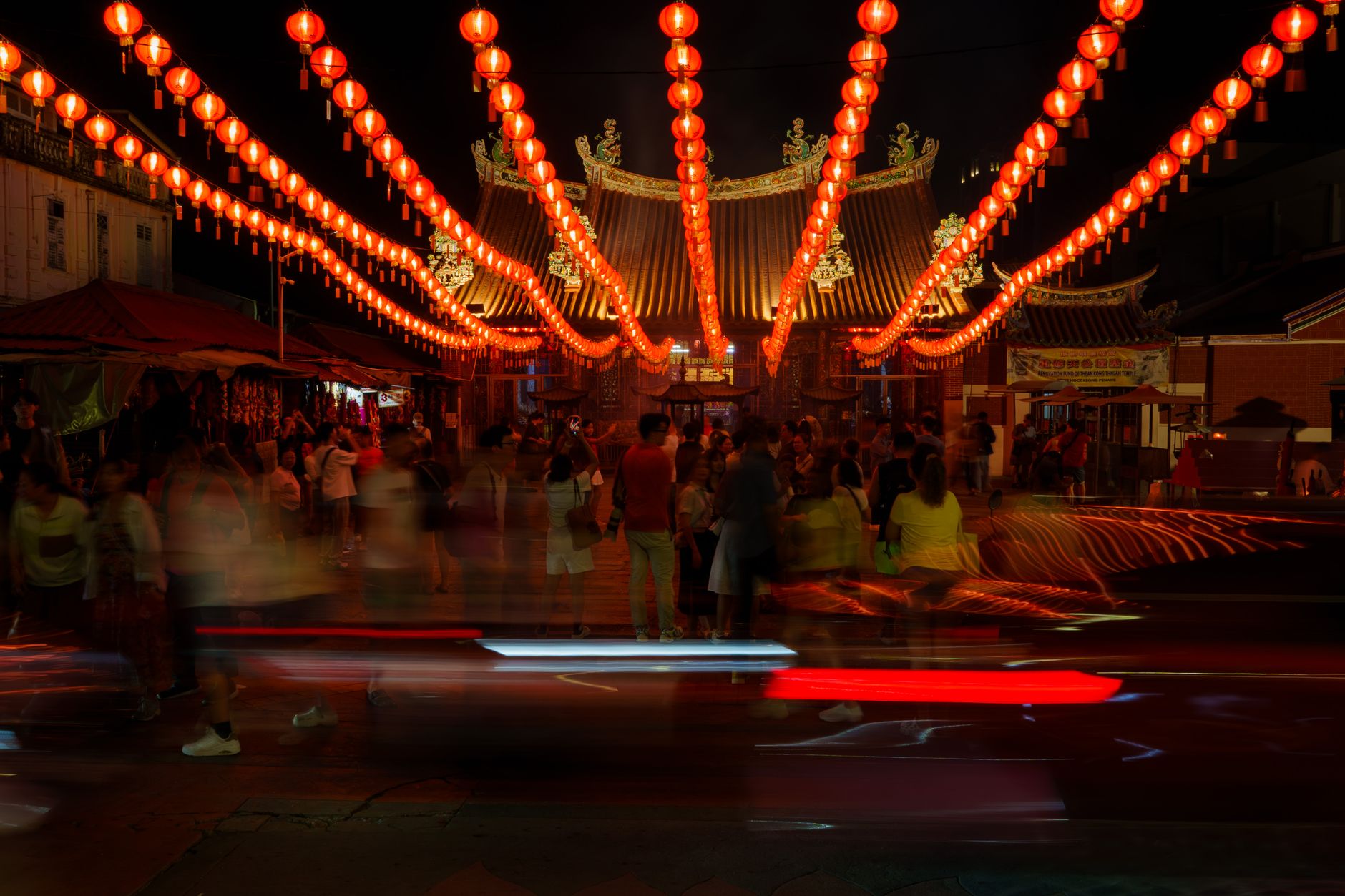
Not a light show in a park. This is a working commercial district — the Yuyuan bazaar with its traditional Chinese rooflines, the classical garden, the temple, the surrounding lanes — with lanterns built into and over all of it.
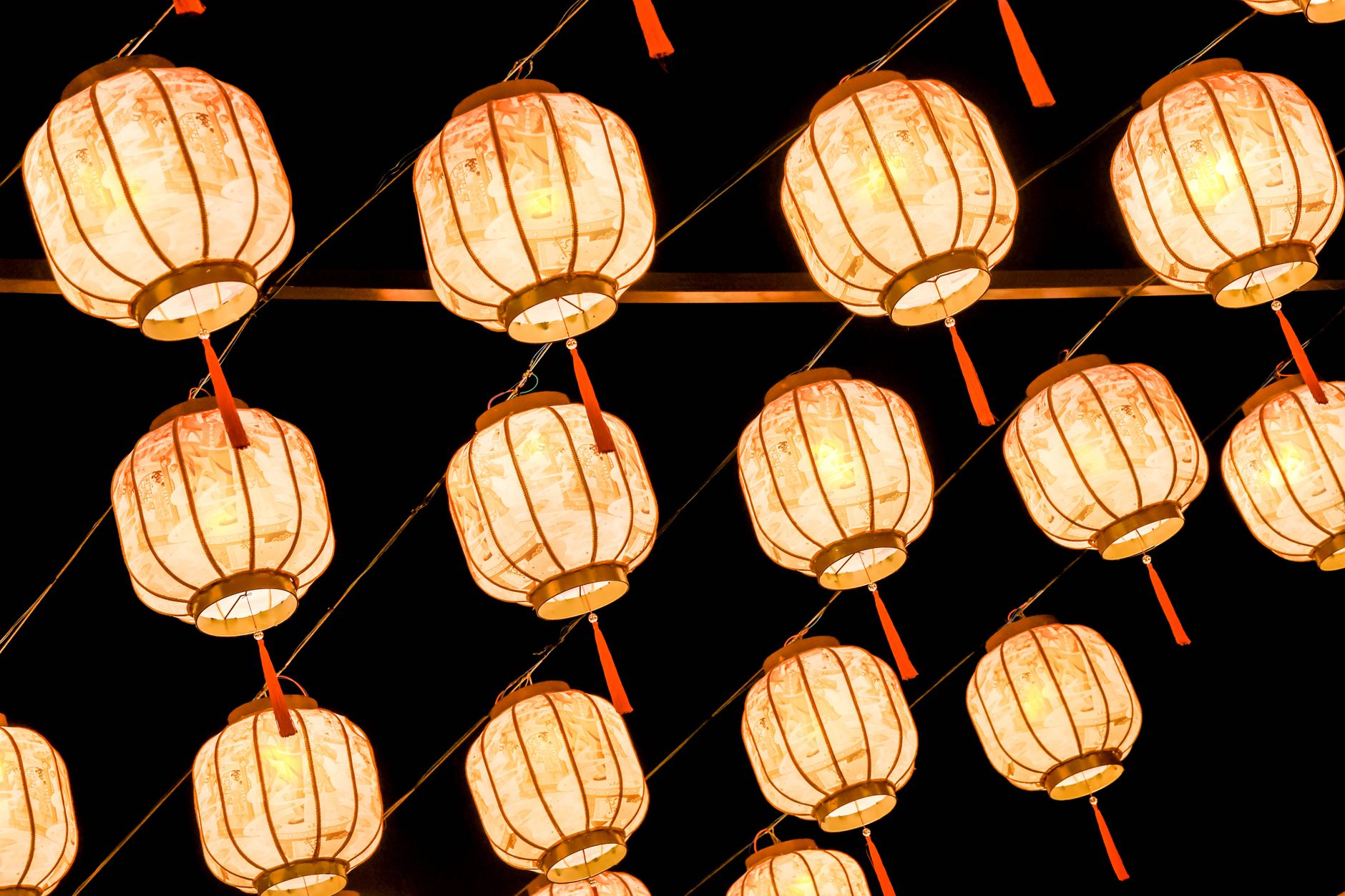
The lanterns themselves are traditional craft, bound, pasted and painted by hand from materials such as silk and coloured paper, in the form of animals, mythological figures, historical scenes and enormous zodiac set pieces. Each year takes the incoming zodiac animal as its theme — 2026 was the Year of the Horse. In recent editions the traditional craft has been combined with digital projection mapped onto the buildings, which sounds like a compromise and works better than it should.
What it feels like: loud, warm, crowded, smoky with street food, extremely bright, and thoroughly enjoyable. It is not a contemplative experience and it is not trying to be. Chinese New Year in China is a family festival conducted at volume, and this is its most public expression in Shanghai.
Time needed: give it a whole evening rather than squeezing it in. The ticketed zone and the free zones are separate walks, and the crowd sets the pace.
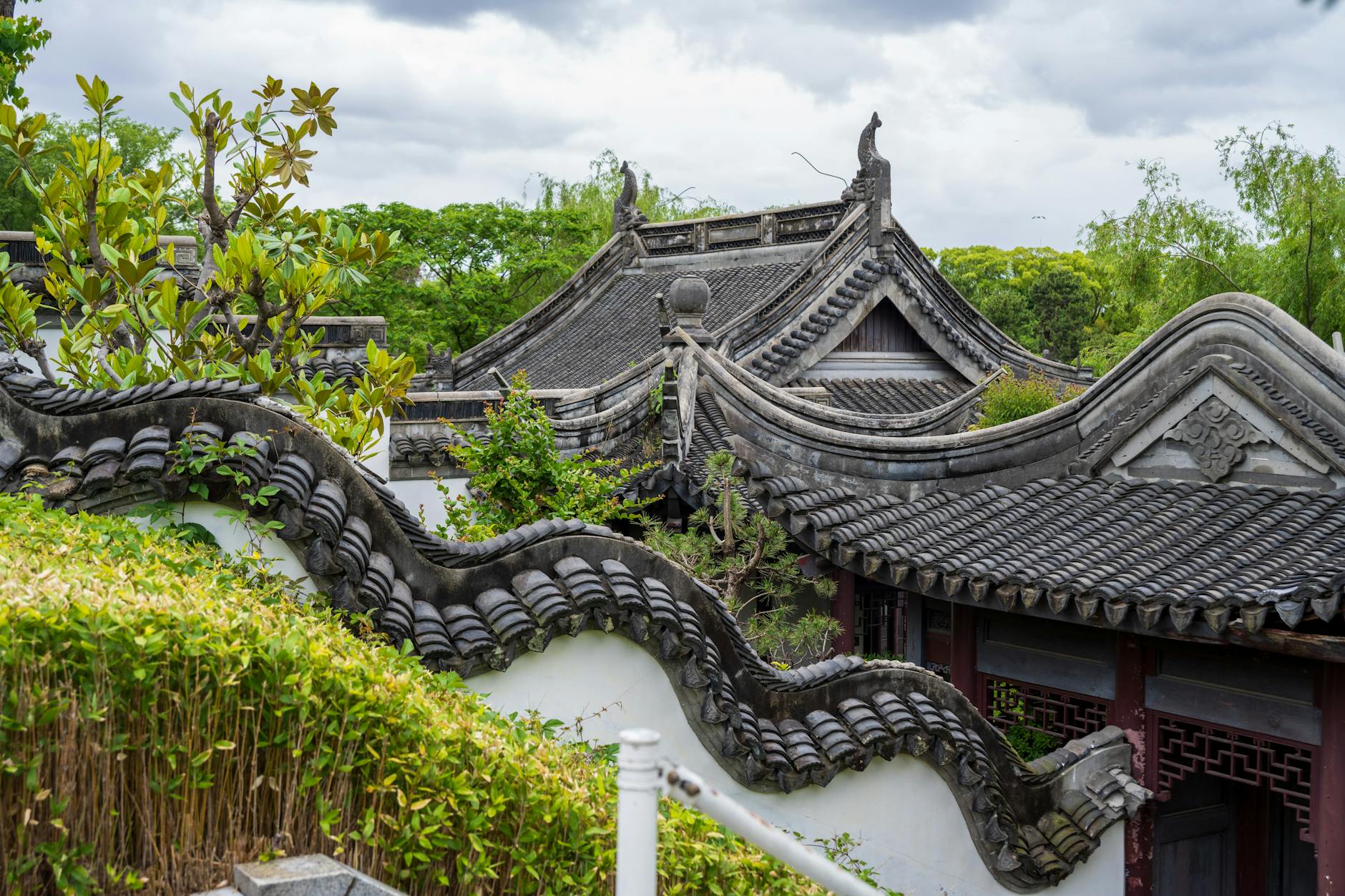
If you want the garden itself in a calmer state, come back in daylight another day — it is a fine sixteenth-century Ming garden, first laid out in 1559, and a completely different place at 09:00. See our Yu Garden guide and the Old Town guide for the surrounding district.
Seeing it without paying
Entirely feasible, and for a lot of visitors it is the right call.
The five free zones carry a substantial share of the display, and the streets connecting them are lit as well. A route that works:
- Start at Gucheng Park around 17:15, as the light goes. Installations, space to walk, and far fewer people than the bazaar.
- Middle Fangbang Road and Fuyou Road next — the lanes carrying much of the street-level lantern work, and where the food is.
- Circle the outside of the ticketed zone. A good deal of the big set-piece work is visible over the walls and across the water from the free side. Not the full experience, and not nothing.
- The BFC zone on the riverside, which is modern rather than traditional and worth twenty minutes.
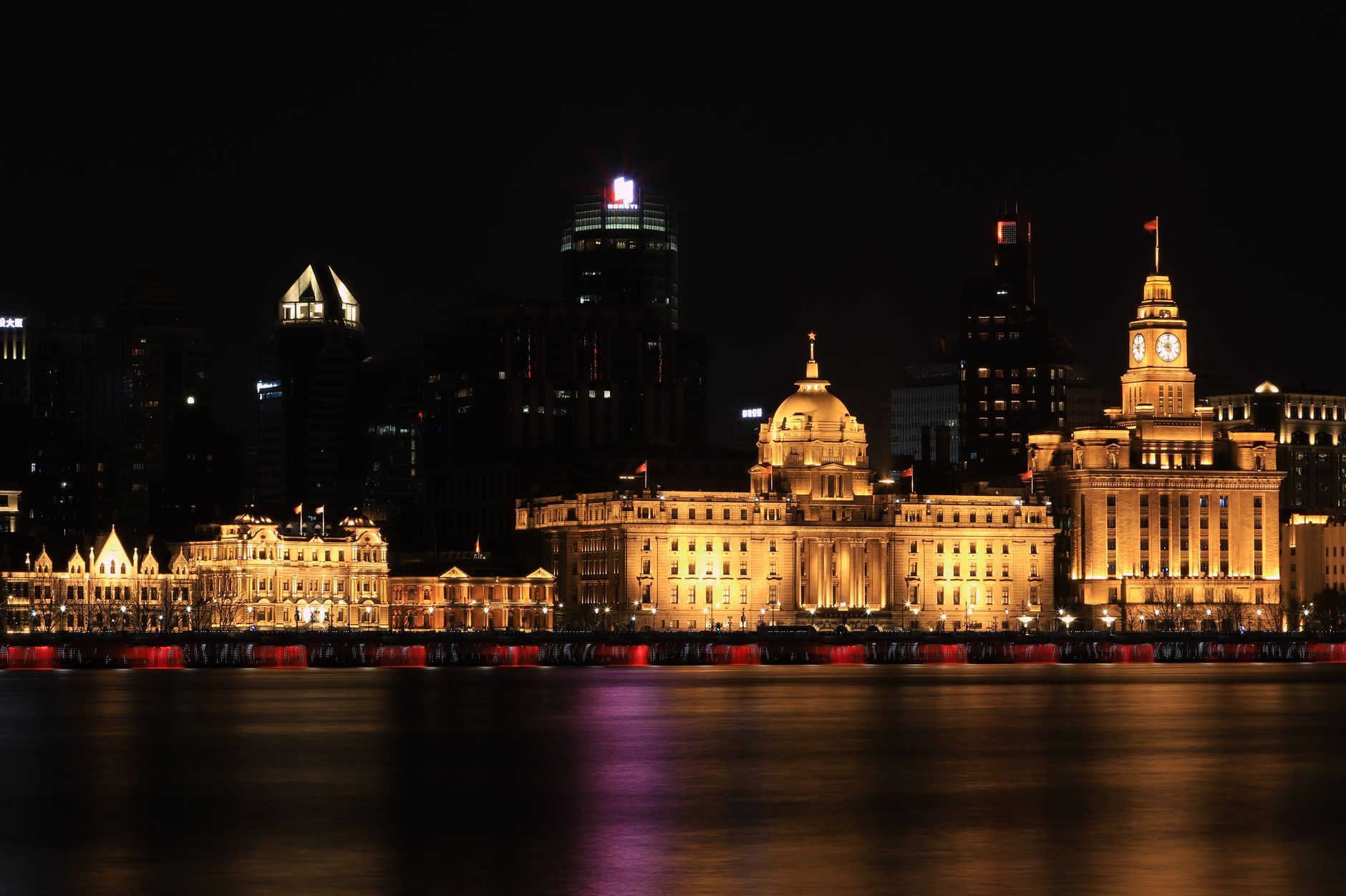
- Finish on the Bund, north along the river, where the façades are lit on a set evening schedule; the city’s current lighting notice gives the hours.
Two hours, no ticket, no booking, no queue. Add a street-food dinner from the lanes and you have had a full evening without buying a ticket. More along these lines in our free attractions guide.
Photographing it
Hard conditions, and worth knowing before you arrive rather than after.
The lanterns are very bright and everything around them is very dark, which will fool your camera into a badly exposed compromise. Expose for the lanterns and let the surroundings fall away — the pictures are better for it. A phone in night mode will do this reasonably well if you hold it steady; the results improve enormously if you brace against a railing.
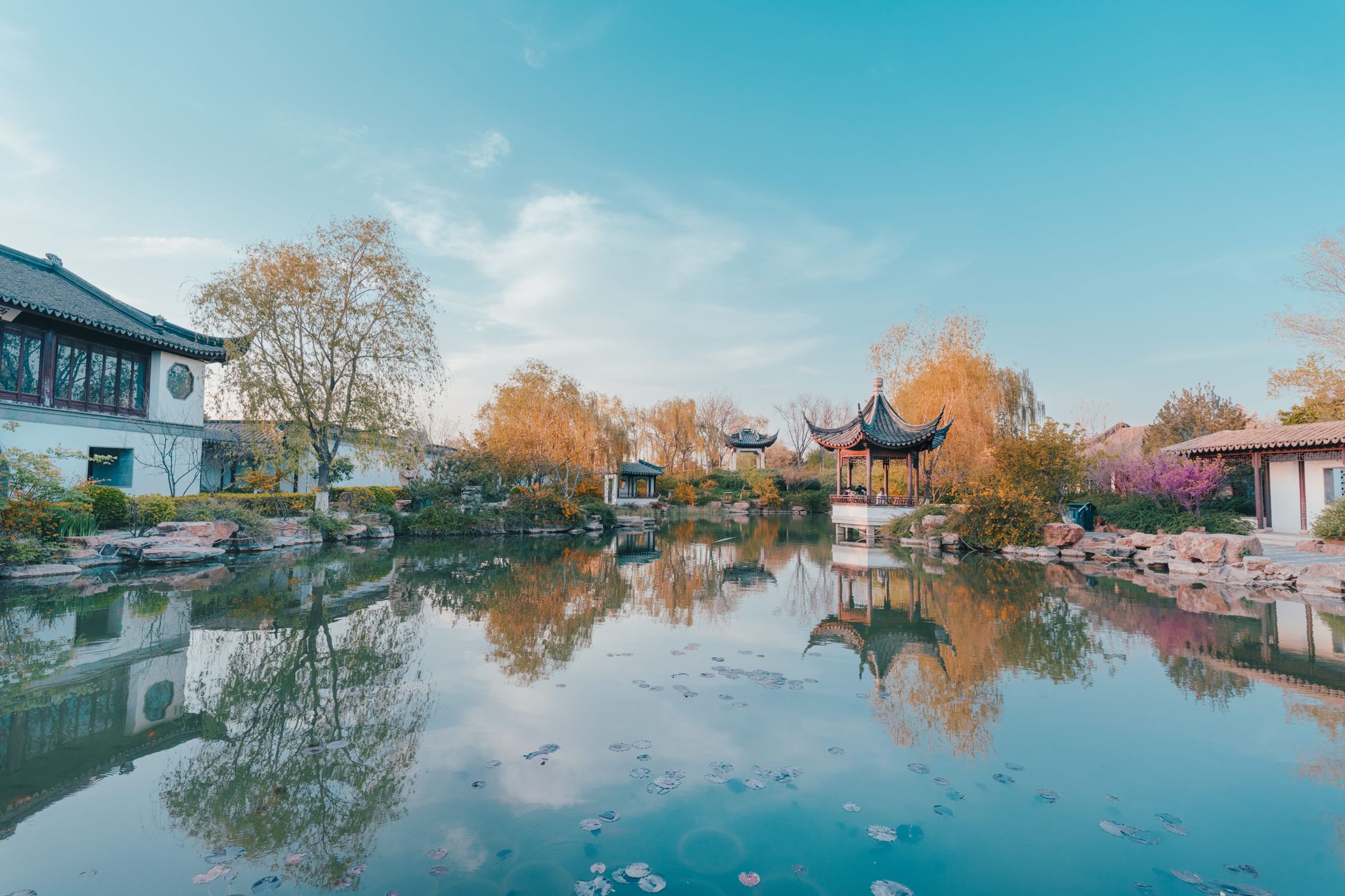
Composition: the reliable shot is lanterns reflected in the pond with the pavilion roofs behind, from the zigzag bridge. Everybody stands in the same spot and you will have to wait your turn. The better and less photographed images are looking up — lanterns against the upturned eaves — and the lanes off Fangbang Road, where the lanterns are strung low and close and you can frame people underneath them.
Practicalities: no tripods in the crowd, and it would be antisocial even where permitted. Go late in the evening if photographs matter; ticketed entry ran until 22:00 in 2026. Our Shanghai photography guide covers night technique across the city.
What to eat
The bazaar and the surrounding lanes are one of the better street-food concentrations in Shanghai during the festival, with seasonal specialities that only appear at this time of year.
- Tangyuan — glutinous rice balls in a sweet broth, filled with black sesame or peanut. These are the Lantern Festival food, eaten specifically on the fifteenth night, and they are everywhere for the whole run.
- Nian gao — sticky rice cake, pan-fried with vegetables and pork or served sweet. A New Year staple.
- Xiaolongbao and shengjianbao, Shanghai’s two signature dumplings, sold through the bazaar and the lanes around it. Queues are long during the festival.
- Grilled squid, quail eggs, candied haw and roasted chestnuts from the street carts.
- Hot rice wine, served warm, which is the correct thing to hold on a cold February evening.
Alipay and WeChat Pay can both be set up with an eligible overseas card before you go. Check what each stall accepts before you order, and carry some cash as a back-up. See our street food guide.

Getting there and practical notes
- Metro: Line 10 to Yuyuan Garden station, or Line 14 to Yuyuan Garden. Both are a few minutes’ walk. During peak nights specific exits are sometimes closed and you may be routed a longer way round — follow the marshals rather than your phone. See the metro guide.
- Do not take a taxi. The Old City road network during the festival is close to gridlocked and DiDi surge pricing is severe. The metro is faster by a wide margin.
- Dress for cold. Shanghai’s average lows and highs run about 3–9°C in January and 4–11°C in February, and with humidity around 71% it feels colder than the numbers suggest. You will be outside for three hours, largely stationary. See Shanghai in winter and the weather guide.
- With children: excellent, and go early. The 16:00–18:00 window on an ordinary day is far more manageable than the evening peak. Buggies are difficult in the crowd — a carrier is better. See Shanghai with kids.
- Accessibility: poor at peak times. The bazaar is stepped, narrow in places and very crowded. An afternoon slot on an ordinary day is the workable option.
- Bring your passport. Ticketed events in China increasingly use real-name entry, and it is your identity document for everything else anyway.
- Souvenirs: the bazaar shops are open throughout and priced for the occasion. Our souvenirs guide is candid about what is worth buying here.
What people get wrong
Turning up on Chinese New Year’s Eve. The lantern zone is closed and no tickets are sold. It is the one night of the run it does not operate.
Assuming you need a ticket at all. Five of the six zones are free. A great many visitors either pay unnecessarily or stay away thinking the whole thing is ticketed.
Going on a Saturday evening. Saturday is a peak day, so entry runs from 14:00 to 22:00 and you will want a slot booked. A weekday is the easier night to plan.
Arriving without a slot. Ticketed entry is timed, so book your slot before you travel to the garden.
Leaving at 20:00. Entry ran to 22:00 in 2026, and two more hours of lanterns is a lot to walk away from.
Taking a taxi. The Old City does not move during the festival.
Under-dressing. Three hours outdoors in a damp Shanghai February is colder than the forecast implies.
Expecting the classical garden experience. This is a crowded, loud, brilliantly lit street festival. Come back in daylight for the Ming garden.
Frequently Asked Questions
When is the Yu Garden lantern festival?
It follows the lunar calendar. The 2026 edition ran about five weeks, 26 January to 3 March, thirty-six nights, closing on the Lantern Festival — the fifteenth day of the first lunar month. In 2027 Chinese New Year falls on 6 February and the Lantern Festival on 20 February; the Yuyuan Garden Malls listing gives each year’s festival dates.
How much are Yu Garden lantern festival tickets?
¥80 for adults and ¥50 for children in 2026, covering the Yuyuan Garden folk art lantern zone only. The other five zones — the BFC area, Gucheng Park, Middle Fangbang Road, Fuyou Road and the Bund — are free and need no booking at all.
Where do I buy tickets as a foreign visitor?
The main channel is the Yuyuan Garden Malls WeChat official account, with the Chinese platforms Damai, Maoyan and Piaoxingqiu also selling them — most want a Chinese mobile number. The easiest route for visitors is to ask a hotel concierge; international resale platforms such as Klook and Trip.com sometimes list it with a mark-up.
What are the opening hours?
On peak days — every Friday to Sunday, the Chinese New Year holiday and the Lantern Festival night — ticketed entry runs 14:00 to 22:00. On ordinary weekdays it runs 16:00 to 22:00. The lantern zone is closed on Chinese New Year’s Eve, when no tickets are sold.
What is the best night to go?
A weekday in the opening week, in late January, when everything is up and the New Year crowd has not arrived. Failing that, any weekday outside the holiday. A late slot still works, since ticketed entry ran until 22:00 in 2026.
Is the Yu Garden lantern festival worth it?
Yes, if you are in Shanghai during the run and can go on a weekday. Yuyuan Garden Malls has hosted it as an official event since 1995, the craftsmanship is genuine rather than decorative, and the 2026 adult price of ¥80 is modest. On a Saturday evening during the New Year holiday it is a crowd management exercise, and the free zones are the better use of the evening.
Can I see the lanterns for free?
Yes. Walk Gucheng Park, Middle Fangbang Road, Fuyou Road and the BFC riverside zone, all lit and all free, then finish on the Bund nearby. Much of the large set-piece work in the ticketed zone is also visible from outside its walls. Allow two hours.
How crowded does it get?
Very. Timed entry caps numbers inside the ticketed zone, which has pushed the pressure outward to the free areas, and heavy pedestrian traffic around Yu Garden is expected for the whole run.
How do I get to Yu Garden for the festival?
Metro Line 10 or Line 14 to Yuyuan Garden station, then a few minutes on foot. On busy nights some station exits close and marshals will route you a longer way — follow them rather than your phone. Do not take a taxi: the Old City road network is effectively gridlocked during the festival.
What should I eat at the lantern festival?
Tangyuan — sweet glutinous rice balls filled with black sesame or peanut — which are the traditional Lantern Festival food. Also nian gao rice cake, xiaolongbao and shengjianbao from the bazaar stalls, grilled squid and candied haw from the carts, and hot rice wine.
Is it suitable for young children?
Yes, and they generally love it — but go early, in the 16:00 to 18:00 window on an ordinary weekday. The evening peak is too crowded for buggies, which are difficult throughout; a carrier is much better. The bazaar is stepped and narrow in places.
What is the Lantern Festival itself?
The fifteenth day of the first lunar month, marking the end of the Chinese New Year period, traditionally celebrated with lanterns, riddles and tangyuan for around two thousand years. It is the closing night of the Yu Garden display and has an atmosphere the other nights lack, with heavy crowds to match.
Go on a weekday in the opening week, book a slot before you travel, walk the free zones as the light goes, take your timed slot in the ticketed zone, and walk to the Bund afterwards. If your trip does not coincide with the run, the garden itself is open all year and is a fine Ming garden in daylight — see our Yu Garden guide. For what else the New Year fortnight is like in the city, read Chinese New Year in Shanghai and Shanghai in winter. Official dates, ticket prices and entry hours are published each year by the Shanghai Municipal Government’s English portal, and listings with English-language detail appear on SmartShanghai.