Ask anyone who lives in Shanghai when a visitor should avoid the city, and the answer comes back in about half a second: the first week of October. Golden Week Shanghai is the National Day holiday, seven consecutive days off for most of the country, and a good share of the country gets on a train. Hotel rates climb. The queue for the Shanghai Tower lift stretches. Police put up barriers on the Bund promenade to keep pedestrians moving in one direction, because a stationary crowd on a riverside deck is a safety problem rather than a photo opportunity.
And yet people still ask whether it is worth going, which is the right question rather than a naive one. The city does not shut down — this is not Chinese New Year, when half of Shanghai physically leaves and the small restaurants shutter for a fortnight. Golden Week is the opposite: everyone arrives. The weather in early October is usually mild, the city is decorated and lit, and if you know which half of Shanghai the domestic crowd ignores, you can have a genuinely good week. This guide gives you the dates through 2028, the real numbers on prices and crowds, the specific places to avoid on the specific days, and an honest verdict on who should reschedule.
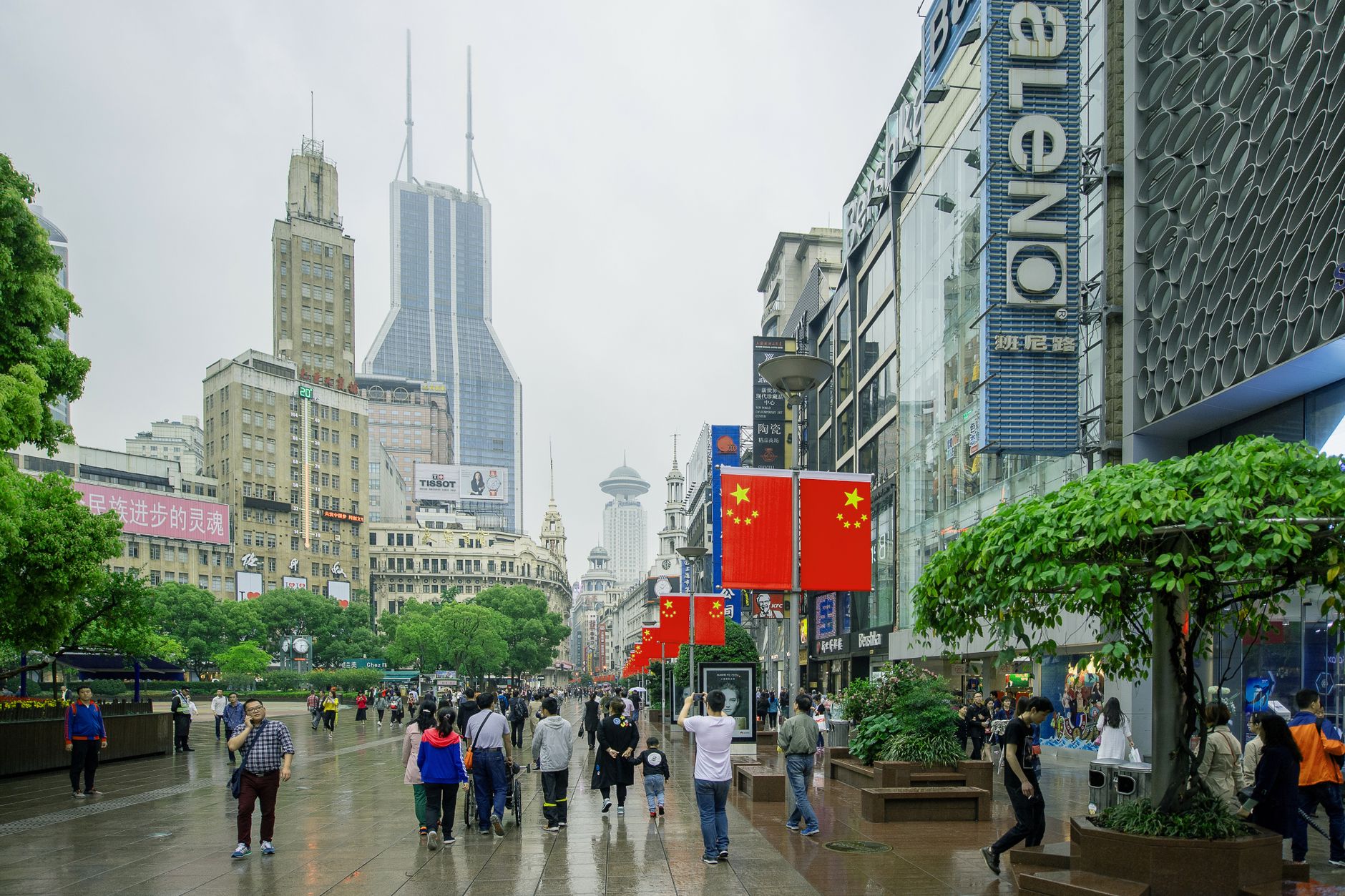
Table of Contents
- Golden Week dates: 2026, 2027 and 2028
- How crowded does Shanghai actually get?
- What Golden Week does to prices
- What is packed and what is quietly empty
- The Bund, Nanjing Road and the crowd-control system
- Day by day: which days are worst
- Is Golden Week in Shanghai worth it?
- How to do Golden Week in Shanghai well
- The weather, which is the one thing in your favour
- Quieter alternatives within a few weeks
- What people get wrong about the October holiday
- Frequently Asked Questions
Golden Week dates: 2026, 2027 and 2028
National Day is 1 October, marking the founding of the People’s Republic in 1949. The holiday itself is officially three days, but the State Council extends it to seven by shuffling weekends around it. That shuffling is the part visitors miss, and it matters, because the days either side of the holiday are not normal days.
2026: the holiday runs Thursday 1 October to Wednesday 7 October. The State Council General Office confirmed the calendar on 4 November 2025. To pay for the seven days off, Sunday 20 September and Saturday 10 October are designated working days — meaning offices, schools and banks operate normally on those weekend dates. If you are trying to arrange anything administrative in Shanghai, a visa extension, a bank appointment, a courier collection, check the working-day calendar rather than assuming Saturday means closed.
One quirk of 2026 worth knowing: Mid-Autumn Festival falls on 25–27 September, three ordinary working days follow, and then National Day begins. In some years the two holidays merge into one enormous eight-day break. In 2026 they do not, which is mildly good news — the travel surge is split into two smaller waves rather than one continuous fortnight of chaos. The bad news is that late September is now also busy.
2027: 1 October falls on a Friday, so the expected holiday is Friday 1 October to Thursday 7 October. The official dates, including the make-up working days, come from the State Council’s 2027 holiday notice on gov.cn, usually published in November or December, so treat the plan as provisional until then.
2028: 1 October falls on a Sunday. The official calendar will not exist until roughly November 2027, so a 1–7 October block is a working assumption rather than a date: plan around it and add a two-day buffer at each end for travel-day pressure.
The pattern is stable enough to plan a year ahead: assume 1–7 October is unavailable for a quiet trip, and assume the three days before and two days after are compromised by transport demand. For the full year’s rhythm of festivals and closures, our Shanghai festivals and events calendar maps the whole cycle, and the best time to visit Shanghai guide compares Golden Week against the rest of the year properly.
How crowded does Shanghai actually get?
Numbers first, then what they feel like. Chinese domestic tourism during National Day runs into the hundreds of millions of trips nationwide, and Shanghai is consistently among the top three destinations alongside Beijing and Chengdu. The city’s normal population of roughly 24.8 million absorbs several million additional visitors across the week.
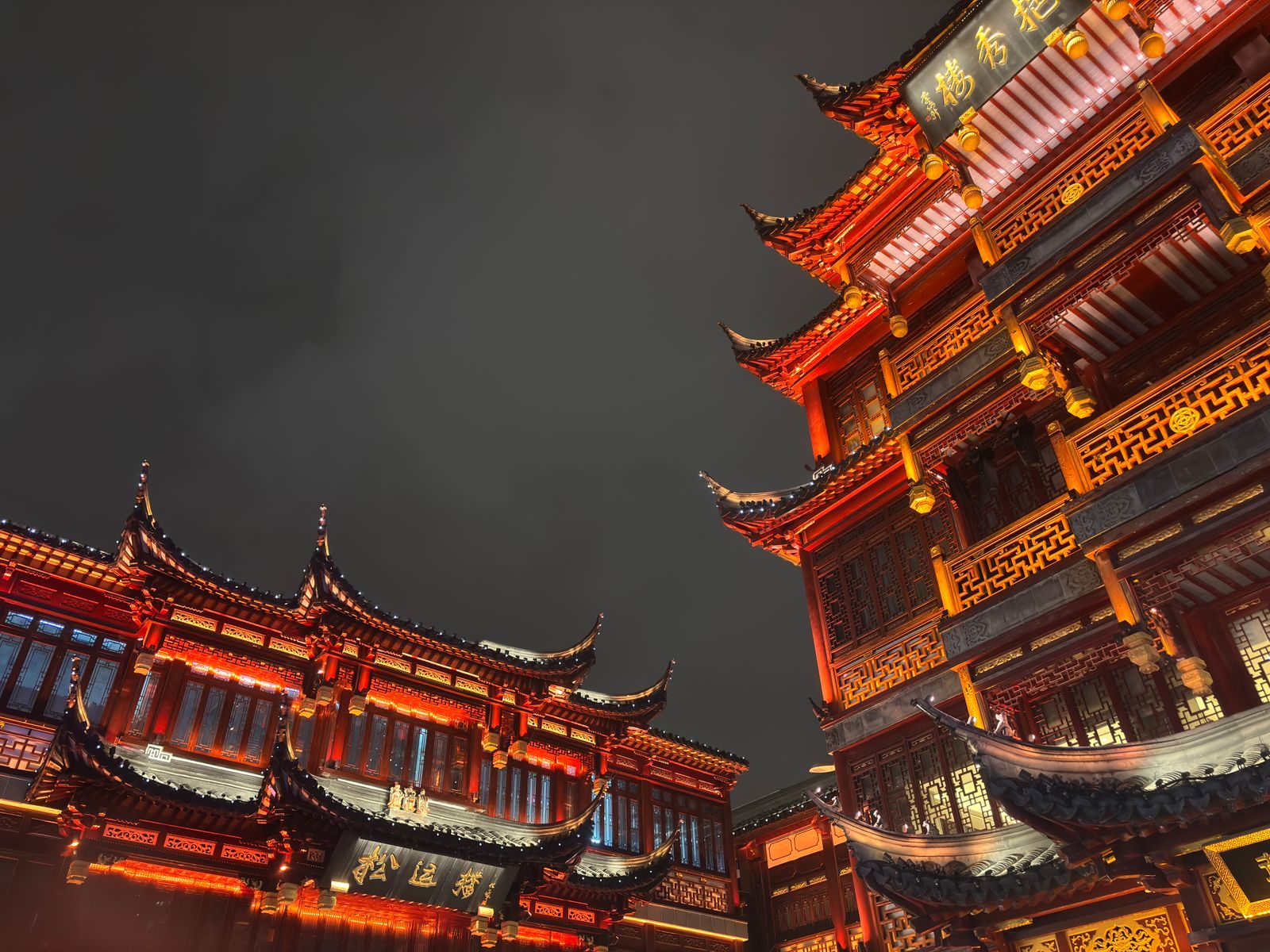
What that means on the ground is uneven, and the unevenness is the useful part. Shanghai has around 6,340 square kilometres and sixteen districts, but the domestic holiday crowd concentrates on perhaps eight locations: the Bund, Nanjing Road East, Yu Garden and the Old Town bazaar, Xintiandi, Tianzifang, the Lujiazui skyscraper cluster, Disneyland, and the Oriental Pearl Tower. If your itinerary is a list of those eight things — and most first-time itineraries are — Golden Week will be miserable.
Concrete markers from previous years, which hold up reliably:
- Yu Garden and the bazaar: the garden itself caps admissions, so the queue forms outside. Arrive at opening or skip it.
- Shanghai Tower observation deck: expect to queue for the lift at peak times. Timed tickets sell out days ahead, so book before you arrive.
- Shanghai Disneyland: the single hardest ticket of the year. Expect long standby queues for the headline attractions. Park capacity limits kick in and tickets sell out.
- Shanghai Museum: individual visitors need no reservation at Shanghai Museum East. Until 14 November 2027 the People’s Square site shows only a ticketed Americas exhibition, sold by date and session, so book that before the holiday.
- The metro: Line 2 and Line 10 through the centre get very crowded over the holiday, and not only at rush hour. Be ready to let a full train go at People’s Square.
- Restaurants: two-hour waits at the well-known xiaolongbao and hairy crab places. Small neighbourhood restaurants are fine.
The contrast with Chinese New Year is worth spelling out, because travellers confuse the two. At Chinese New Year in Shanghai, migrant workers leave the city and many independent businesses close for one to two weeks; the streets empty and your problem is finding an open restaurant. At Golden Week nothing closes and everything is full. They are opposite failure modes.
What Golden Week does to prices
Accommodation is where the damage is done. Airfare into China from long-haul markets moves less than you would expect, because the surge is domestic, but anything inside China moves a great deal.
| Cost | Normal late September | Golden Week (1–7 Oct) | Change |
|---|---|---|---|
| Mid-range central hotel, per night | Standard rate | Holiday rate | Higher |
| Four- and five-star on the Bund | Standard rate | Holiday rate | Higher; compare the same room on a normal week |
| Hostel dorm bed | Standard rate | Holiday rate | Usually up |
| Shanghai–Beijing second class rail | Flexible fare | Flexible fare | Varies by date, time and class; check 12306 |
| Domestic flight, intercity | Standard fare | Holiday fare | Higher |
| Metro single journey | ¥3–7 | ¥3–7 | No change |
| Museum and park admissions | Standard | Standard | No change |
| Minimum-stay rules | Read the booking terms | Read the booking terms | Can apply over the holiday |
Two things in that table catch people out. First, Chinese train fares are not fixed. Beijing–Shanghai high-speed services use flexible pricing, so the fare depends on season, time of day, class and section; look up the price for your own departure on 12306 rather than relying on a figure from another month. The harder problem over the holiday is availability, because seats on the popular corridors can sell out soon after they go on sale. Booking opens 14 days before departure (the 15-day sales window counts the day you buy), and the release time depends on the departure station, which 12306 shows.
Second, the minimum-stay requirement. Some central Shanghai hotels impose minimum stays across the holiday, sometimes with non-refundable terms attached. If you were planning two nights in Shanghai and two in Suzhou, you may find you cannot book that shape of trip at all. Work out your total in advance with our Shanghai trip cost breakdown, then leave generous room in the accommodation line.
The one genuine saving: transport within the city, museums, parks and street food are all priced normally. Golden Week does not make Shanghai an expensive city to be in. It makes it an expensive city to sleep in.
What is packed and what is quietly empty
This is the section that decides whether your trip works. The domestic holiday crowd is remarkably predictable — it goes where Chinese social media says to go, which is a shorter list than the guidebook version of Shanghai.
Packed to the point of not being worth it: Yu Garden and the Old Town bazaar, Nanjing Road East, the Bund promenade between about 15:00 and 23:00, Tianzifang, Xintiandi, the Oriental Pearl Tower, Shanghai Tower, Shanghai Disneyland, Zhujiajiao water town, and the Shanghai Museum’s headline exhibitions.
Busy but manageable: the Bund before 09:00, the Huangpu River ferries, West Nanjing Road, Jing’an Temple, the Power Station of Art, Longhua Temple, most of the mid-tier museums.
Genuinely quiet, which surprises people:
- The former French Concession’s residential lanes. Wukang Road gets a crowd at the famous corner; two streets away it is plane trees and scooters. Our French Concession walking tour mostly stays on the quiet side of that line.
- The West Bund. The Xuhui riverside art corridor — Long Museum, Yuz Museum, the running path — absorbs crowds easily because it is eleven kilometres long.
- Hongkou and the Jewish quarter. Barely registers on domestic itineraries. See Shanghai’s Jewish heritage.
- Art deco Shanghai away from the Bund. The apartment blocks and cinemas of Jing’an and Xuhui, covered in our art deco architecture guide, have no queue at any time of year.
- Contemporary galleries and the M50 complex. Chinese holiday travellers are visiting landmarks, not art spaces.
- Neighbourhood food. The breakfast stalls, the noodle shops, the wet markets — completely normal.
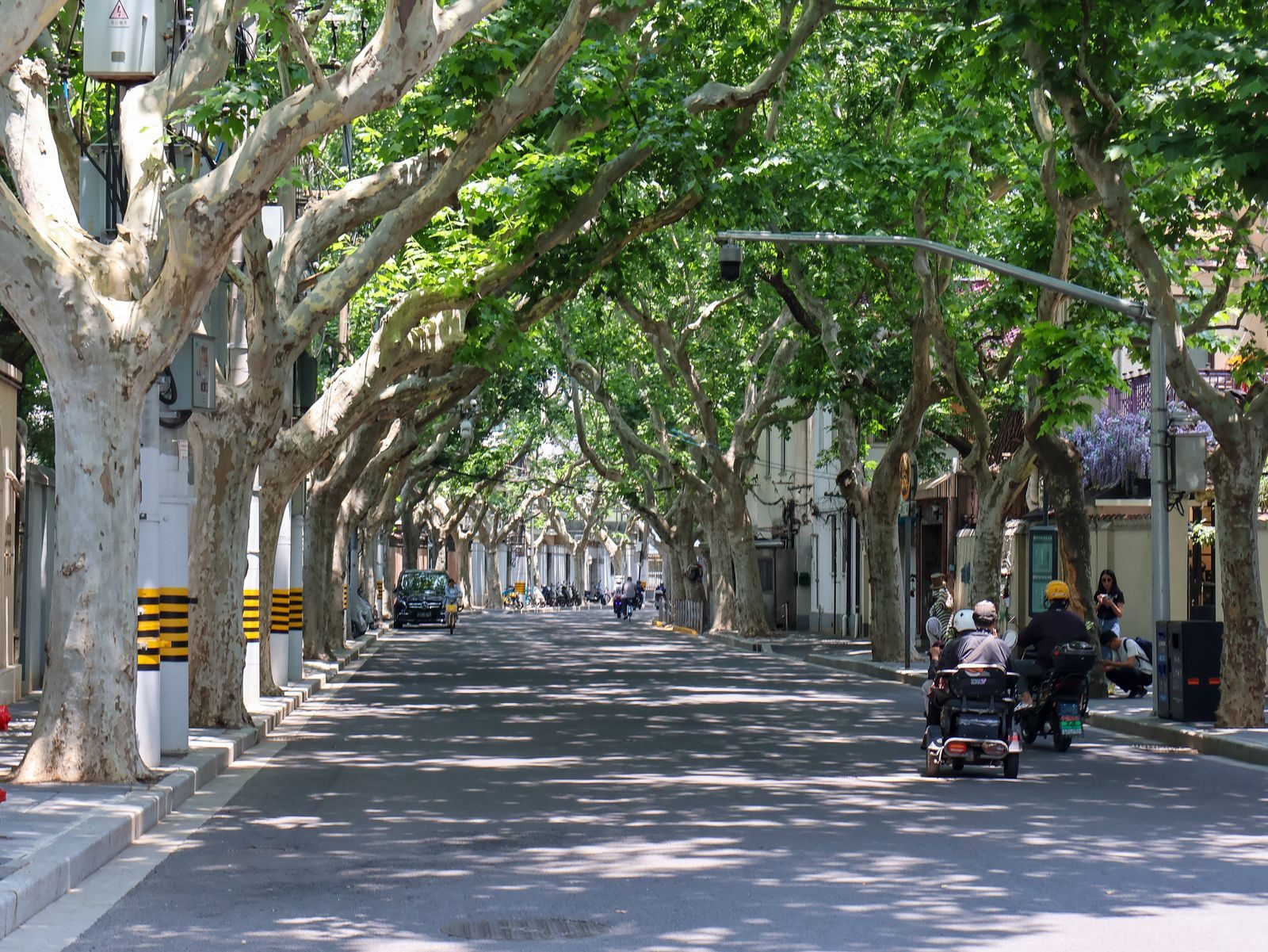
The strategy: build the week around neighbourhoods rather than sights. Walking a district is crowd-proof in a way that queueing for a lift is not.
The Bund, Nanjing Road and the crowd-control system
The Bund is the pressure point, and Shanghai manages it actively. This is not signage and hopefulness — it is a deployed system with police and barriers, on a waterfront where 35 people died in a crush on the stairs at Chen Yi Square on New Year’s Eve 2014. Understanding how it works turns an unpleasant evening into a manageable one.
What you should expect on the busiest holiday nights:
- One-way pedestrian flow. Barriers along the raised promenade force movement in a single direction, usually north to south or vice versa depending on load. You cannot turn around and walk back. If you miss your photo spot, you walk the whole length and re-enter.
- Metro exits closed. East Nanjing Road station (Lines 2 and 10) routinely closes specific exits, and in extreme cases trains run through without stopping. You may be sent to Nanjing East Road’s far exits or to People’s Square and asked to walk.
- Staged entry to the promenade. Access ramps and the underpasses are metered, so at peak times expect to queue just to get onto the Bund itself.
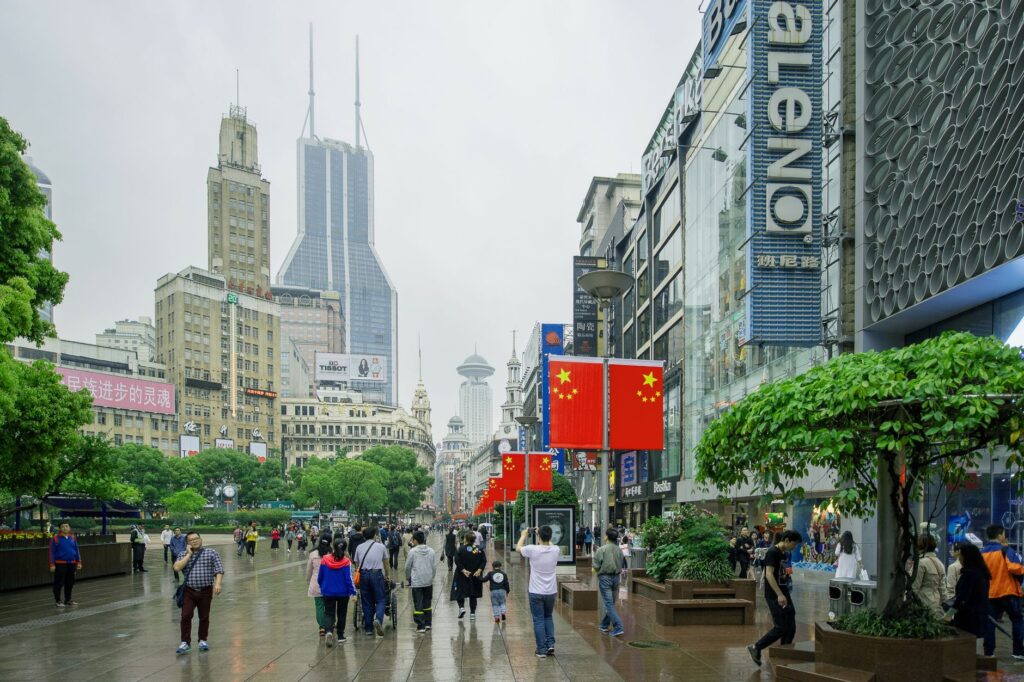
- The pedestrian street becomes a corridor. Nanjing Road East is managed as a moving flow rather than a place to stand. Stopping in the middle attracts a whistle.
- Barriers go up before you notice a crowd. The system is preventive: on peak holiday evenings the barriers and one-way flow can be in place before the promenade looks full, so check local notices for the day.
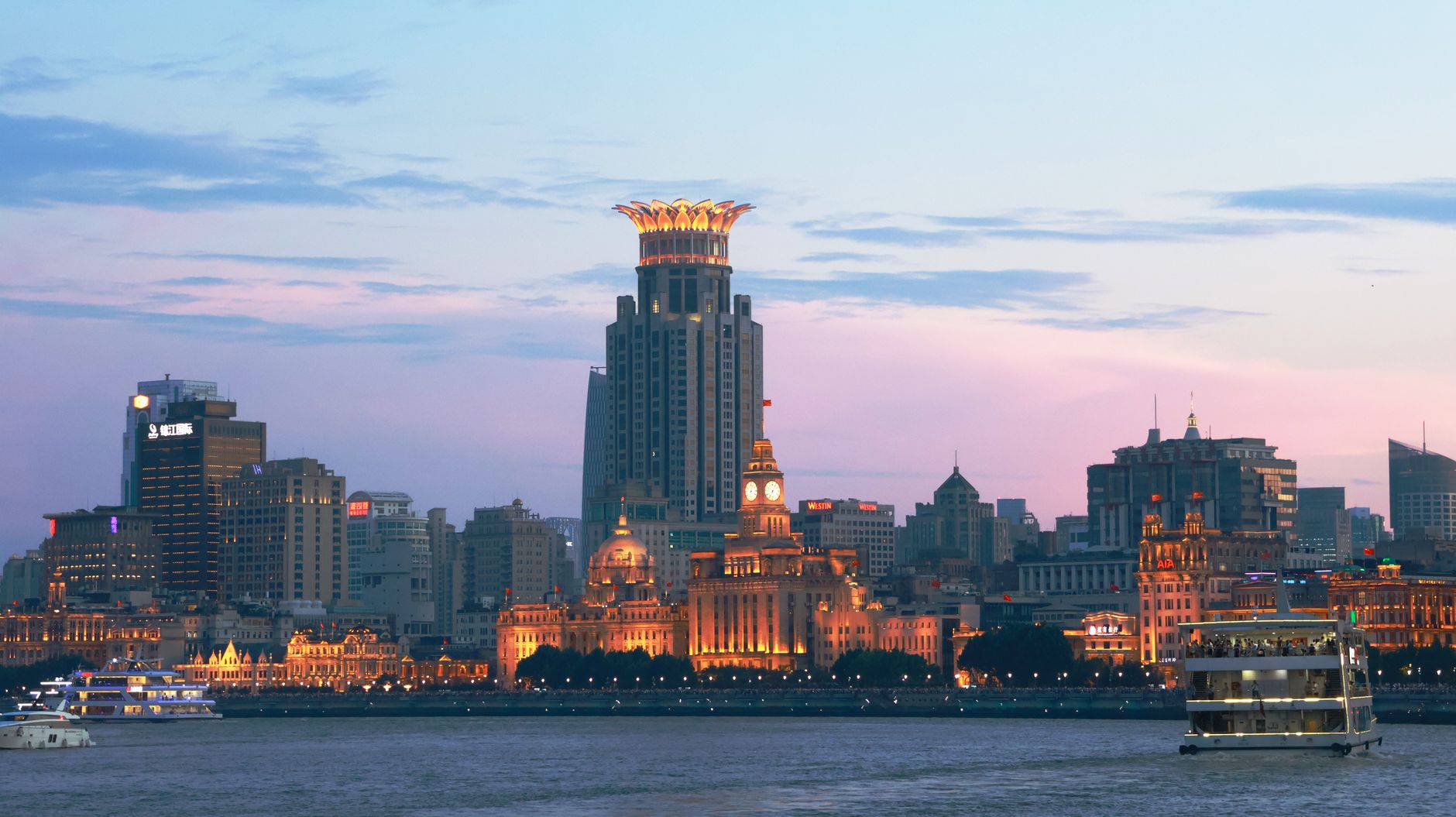
The practical answer is simply to go early, when the light falls soft on the 1920s facades. Crowds and police arrangements change from day to day, so an early start improves your odds rather than promising an empty promenade. Our complete Bund guide covers the buildings, and the Bund at night explains the light display timings if you insist on the evening version.
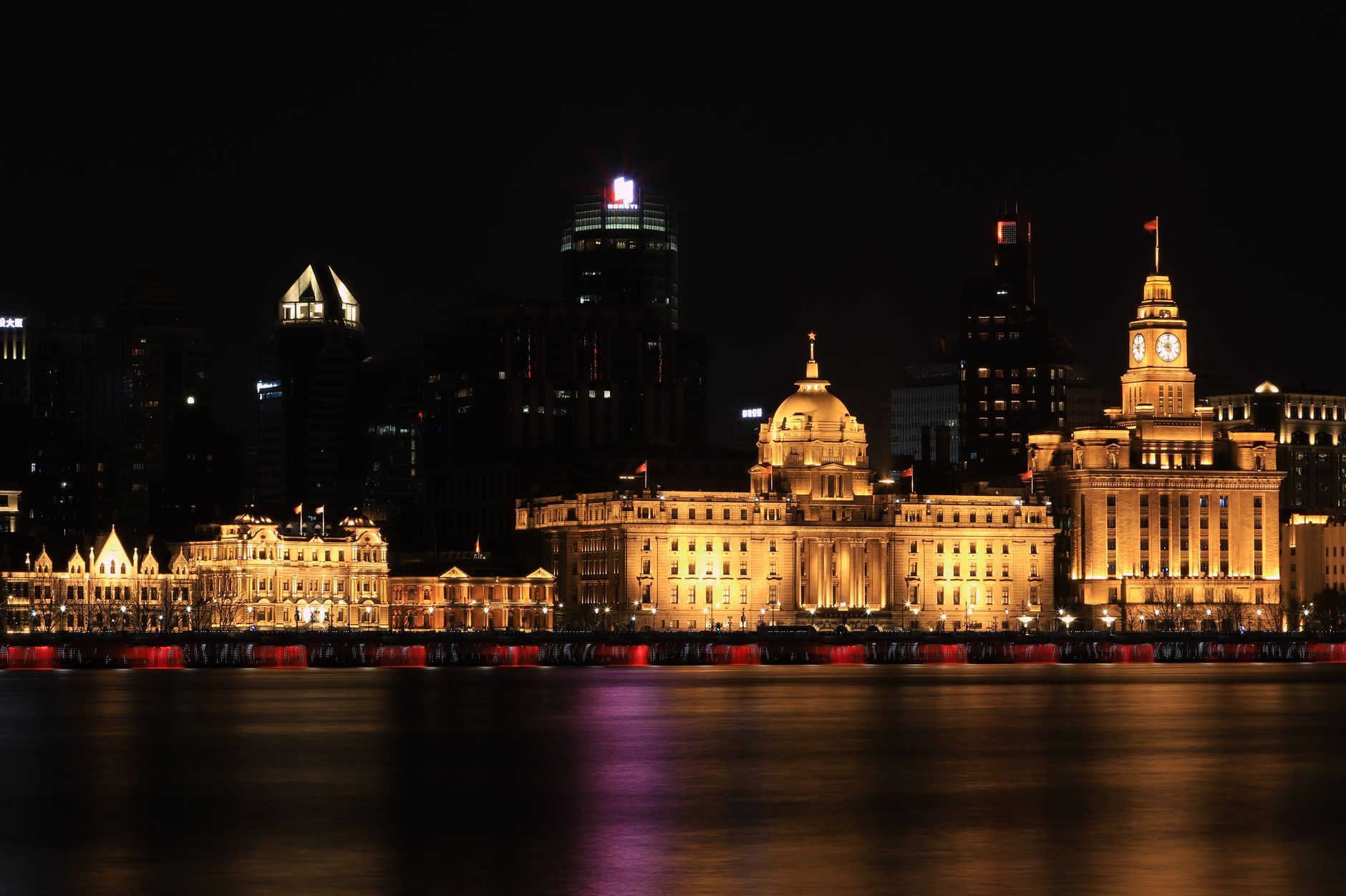
The alternative viewpoint nobody queues for: the ¥2 public ferry between Jinling Road East and Dongchang Road. Five minutes across the Huangpu, both skylines, no reservation, no barriers. It runs throughout the holiday.
Day by day: which days are worst
The week is not uniform. Travel days and the opening days are the crush; the middle sags noticeably.
| Day | Transport | Attractions | What to do instead |
|---|---|---|---|
| 29–30 Sept | Severe — the outbound surge | Rising | Arrive before this if you can |
| 1 Oct (National Day) | Severe | Worst of the week | Neighbourhood walking, galleries |
| 2 Oct | Heavy | Very heavy | West Bund, Hongkou, museums with slots |
| 3 Oct | Moderate | Heavy | Day trip to a less famous water town |
| 4–5 Oct | Lightest of the week | Noticeably easier | Do your landmark day here |
| 6 Oct | Building | Moderate | Second landmark day, early starts |
| 7 Oct | Severe — return surge | Falling | Do not travel intercity today |
| 8–9 Oct | Easing | Easing | Pick up any landmark you skipped |
The single most useful line in this article: if you have any flexibility at all, put your landmark sightseeing on 4 and 5 October and your arrival and departure outside 29 September to 2 October and 7 October. The middle of the week is a different city from the ends of it.
From 8 October the pressure eases, which makes it a good moment for any landmark you skipped earlier in the week.
Is Golden Week in Shanghai worth it?
An honest answer requires splitting the question by who is asking, because Golden Week Shanghai is a bad week for some travellers and an entirely reasonable one for others.
Reschedule if you can: first-time visitors on a short trip. If you have three days and a list of landmarks, the queues will consume your holiday. Two days of a four-day trip spent standing in lines is a poor outcome, and the fix — shifting to mid-October — costs you nothing and gains you everything. The same applies to anyone travelling with small children, anyone on a tight budget, and anyone whose plan involves Disneyland or a multi-city rail itinerary.
Go anyway, with adjustments: repeat visitors, people whose dates are fixed by work or school terms, travellers more interested in food, neighbourhoods and galleries than in landmarks, and anyone who actively enjoys the spectacle of a Chinese national holiday. There is something worth seeing in a city of roughly 25 million celebrating at full volume — flags on every street, illuminated buildings, families out until midnight.
The compromise that works best: treat Shanghai as the base and do not fight for the famous things. Book a hotel slightly out of the centre — Jing’an, Xuhui, Hongkou — walk neighbourhoods, eat well, use the early mornings for the two landmarks you actually care about, and accept that the Shanghai Tower can wait for another trip. Our neighbourhood-by-neighbourhood guide for visitors is a better planning tool than an attractions list during this week.
How to do Golden Week in Shanghai well
If your dates are fixed, these are the moves that actually change the experience, roughly in order of impact.
Book accommodation now, and read the cancellation terms. Central hotels sell out and impose minimum stays. Booking three months ahead is not early for this week. Check whether the rate is refundable; many holiday rates are not. The where to stay in Shanghai guide breaks down which districts stay liveable when the centre is full.
Set an alarm for the rail ticket release. Sales open 14 days before departure on 12306 or Trip.com, since the 15-day window counts the day you buy, and the release time varies by departure station, so look yours up on 12306 the day before. If you want to reach Suzhou or Hangzhou during the holiday, this is the whole game. Foreign passports work on 12306 now, and the simplest way to pay is with a foreign card linked to Alipay or WeChat Pay.
Reserve everything reservable, immediately. The Shanghai Tower, Disneyland, the Shanghai Museum’s Americas exhibition, popular exhibitions and an increasing number of free sites use timed-entry booking through WeChat mini-programs. Slots for the holiday open on a rolling basis and disappear the same day. Set up Alipay and WeChat Pay before you land, or you cannot book any of it.
Start at 07:00. Not 09:00. The gap between a 07:00 and a 10:00 start during this week is the difference between two experiences of the same place. Chinese domestic holiday travellers are, as a group, late risers.
Eat at odd hours. Lunch at 11:15, dinner at 17:30 or after 21:00. The famous restaurants are perfectly reachable outside the two-hour peak windows.
Use the metro, not taxis. Road traffic in central Shanghai during the holiday is genuinely poor and DiDi surge pricing applies. The metro is crowded but moving. The Shanghai metro guide covers the line-by-line detail, and a transport card is faster than fumbling with a QR code in a crush.
Have a wet-weather plan. Early October can deliver a typhoon tail, and a rainy holiday day with no indoor reservation is the worst version of this trip.
The weather, which is the one thing in your favour
Early October in Shanghai is mild, and the weather is a large part of why the holiday is popular rather than merely convenient: warm days, cooler nights, and none of the August heat. Shanghai can still be affected by typhoons at this time of year, so watch the forecast and any warnings in the days before you travel.
This is also the start of the two things that make autumn the connoisseur’s season here: hairy crab, which comes into its own from late September through November, and the ginkgo trees, which turn in November. The hairy crab season guide explains the timing and where to eat them without being fleeced, and Shanghai in autumn makes the case for the whole season.
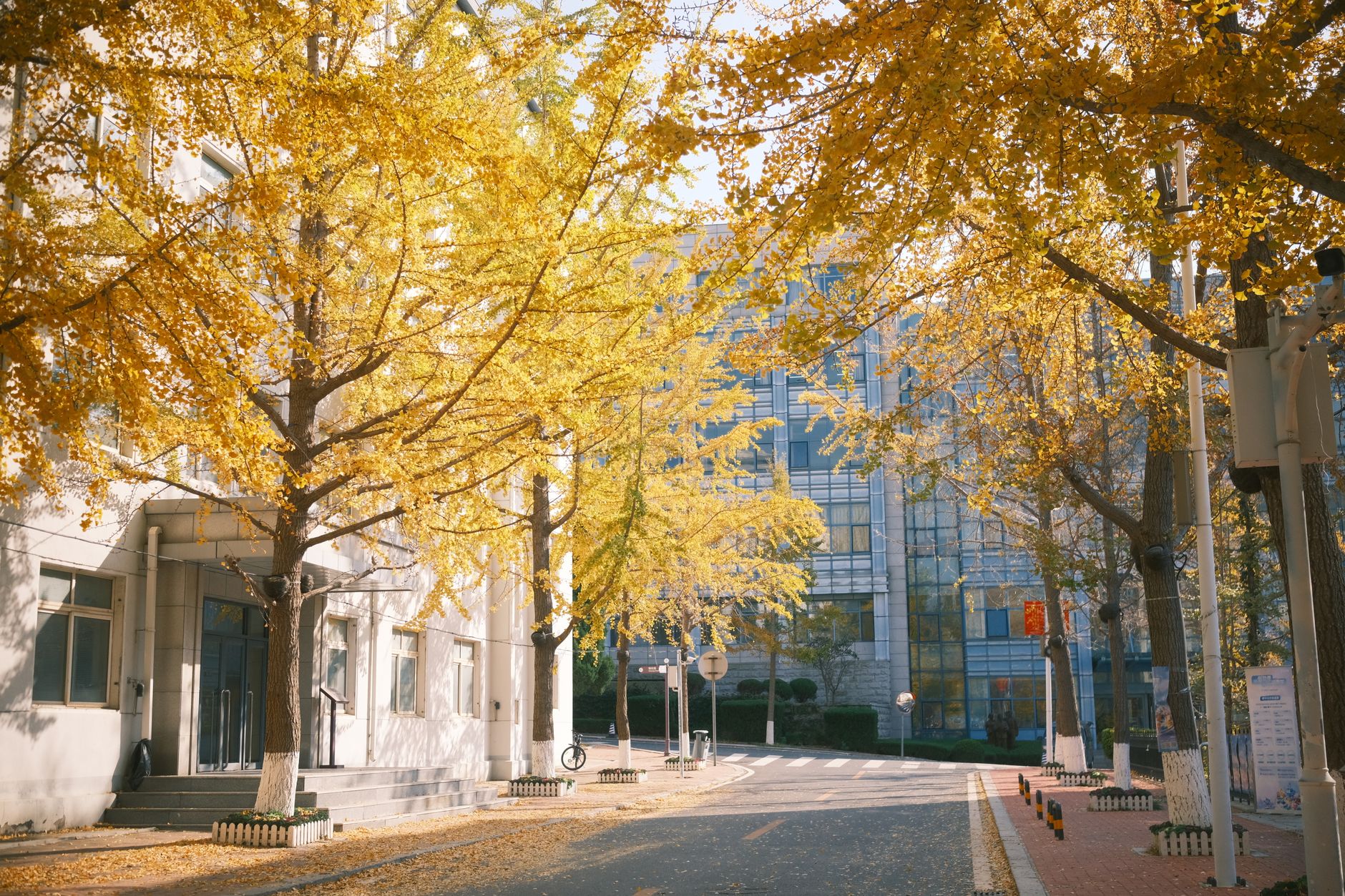
For month-by-month temperature and rainfall figures across the whole year, our Shanghai weather guide has the tables.
Quieter alternatives within a few weeks
If you are still choosing dates, here is what you gain by moving.
| Window | Crowds | Hotel prices | Weather | Verdict |
|---|---|---|---|---|
| 8–31 October | Lower once the holiday ends | Off holiday rates | Mild, drying out | Our pick if your dates can move |
| Early to mid November | Low | Low | Cool, clear, ginkgo colour | Under-rated; bring a jacket |
| 10–24 September | Moderate | Slightly raised | Warm, humid, typhoon risk | Good, with a weather gamble |
| 25–27 September | Raised (Mid-Autumn) | Raised | Very good | A smaller version of the same problem |
| 1–7 October | Extreme | Much higher | Excellent | Only with the tactics above |
| Chinese New Year | Different problem entirely | Raised | Cold and damp | Atmospheric, many closures |
The headline: the weeks after the holiday ends on 7 October, running on into November, are the time to come instead. If your dates are movable by even a week, move them later rather than earlier.
If you are locked into the holiday and want to leave the city for a day, avoid Zhujiajiao — it is the default Shanghai day trip and takes the full weight of the crowd. Tongli and the less-publicised canal towns hold up better, and our day trips guide ranks them by how much holiday traffic they absorb. Note that any day trip requiring a train needs that 15-day booking discipline.
What people get wrong about the October holiday
Assuming things close. They do not. Shops, restaurants, museums and metro all run, often on extended hours. The confusion comes from Chinese New Year, which is the holiday where the city shuts.
Turning up at the station without a ticket. There is no walk-up option on the high-speed network during Golden Week. Everything is sold, and the ticket windows cannot conjure a seat. Book at the 15-day mark or fly.
Booking a hotel and not checking the minimum stay. Discovering a minimum stay after you have booked flights is a genuinely expensive mistake.
Planning the Bund for the evening. It is the single most managed location in the city during the holiday, and the morning version is better in every respect.
Expecting the Shanghai World Financial Center observatory. The SWFC observation deck has been closed since 2023 and still appears in older articles and some tour listings. If a deck is on your list, it is the Shanghai Tower or the Oriental Pearl — see our best views in Shanghai comparison.
Underestimating the return day. 7 October is as bad as 1 October for transport. Travellers plan carefully for the start of the holiday and then book a departure on the worst day of it.
Ignoring the make-up working days. The weekend before and after the holiday may be working days. Banks, consulates and offices operate; some visitor-facing services follow the working calendar rather than the normal week.
Treating a full metro as a reason to take a taxi. The road network is worse than the rail network during this week, consistently.
Frequently Asked Questions
What exactly is Golden Week in China?
Golden Week is the seven-day public holiday built around National Day on 1 October, which commemorates the founding of the People’s Republic of China in 1949. The statutory holiday is three days; the State Council extends it to seven by designating adjacent weekend days as working days in compensation. There was historically a second Golden Week around Labour Day in May, now usually five days rather than seven.
Is Shanghai open during Golden Week?
Yes, and more so than usual. Attractions, restaurants, shops, museums and public transport all operate, frequently on extended hours to handle demand. Nothing closes for the holiday. Government offices and consulates do close on the public-holiday days, and bank branches set their own hours, so handle any administrative business before 1 October.
How far in advance should I book for Golden Week?
Hotels three months ahead, and read the minimum-stay and cancellation terms carefully. Train tickets the moment sales open: 14 days before departure, because the 15-day window includes the booking day, at the time 12306 lists for your departure station. Timed-entry attraction slots as soon as they open, typically one to two weeks out. Domestic flights two to three months ahead if the dates are fixed.
Do hotel prices really double during Golden Week?
They rise, though by how much depends on the hotel and the night. Central mid-range places and Bund-facing four- and five-star properties both switch to holiday rates, so price the same hotel for your dates and for a normal week before deciding. Districts a little further out — Hongkou, parts of Xuhui, Putuo — inflate less, and the metro makes them entirely practical.
Which are the worst days of the Golden Week holiday?
1 and 2 October for attractions, and 29–30 September plus 7 October for transport. The middle of the week, 4 and 5 October, is measurably quieter at the sights, and that is where your landmark day belongs if you have any choice.
Can I still visit the Bund during Golden Week?
Yes, but go early in the day. In the evening the promenade can be run under crowd control, with one-way pedestrian flow and barriers, so follow the staff’s directions. The morning Bund during the holiday is far calmer and one of the better experiences of the week.
Is Shanghai Disneyland worth doing during Golden Week?
No. It is the hardest ticket of the year, headline attractions run to three or four hours of standby queue, and capacity limits mean tickets genuinely sell out. If Disneyland is a priority, move your dates. Our Shanghai Disneyland guide covers the queue mechanics and when to go instead.
Are trains from Shanghai more expensive during the holiday?
They can be. Beijing–Shanghai high-speed fares are no longer fixed: they vary by season, time of day, class and section, so check the fare for your train on 12306. Availability is the harder part. Seats on popular corridors can sell out soon after sales open, so the booking moment matters at least as much as the budget.
What is the difference between Golden Week and Chinese New Year in Shanghai?
They fail in opposite directions. Golden Week brings millions of domestic visitors into Shanghai while everything stays open — the problem is crowds. Chinese New Year sends much of the city’s population home to other provinces, and many independent businesses close for part of the holiday, so check each one’s hours before you go — the problem is closures. Golden Week is busier; New Year is more atmospheric and more frustrating.
Should I leave Shanghai for a day trip during Golden Week?
Only with a pre-booked train and a less obvious destination. Zhujiajiao, Suzhou and Hangzhou take the full weight of the holiday crowd because they are the standard escapes. A smaller canal town, or the West Bund and outer districts within Shanghai itself, will give you more of what you actually wanted from a day out.
Is early October good weather in Shanghai?
Yes. Early October is mild, which is precisely why the holiday is so popular with domestic travellers. Typhoon season peaks earlier, from late August to mid-September, but storms can still reach Shanghai later in the year, so check the forecast and any warnings before you go.
When does Shanghai return to normal after Golden Week?
Once the holiday ends: 7 October is the last day off, and the domestic crowd heads home around then. Hotel rates and queues ease over the days that follow rather than to a timetable, and the Bund’s barriers and one-way flow belong to peak holiday evenings, so check local notices if you are there on the 7th. If you can choose, the weeks after the holiday, through October and into November, suit a visit far better.
If your dates are still open, read the best time to visit Shanghai before you book anything, and check the festivals calendar for the other dates that move prices. If you are committed to the holiday, plan the shape of your days with our Shanghai itineraries, keep the early mornings for the landmarks, and spend the afternoons somewhere the crowd has not thought to go. The official holiday dates come from the State Council’s annual holiday notice on gov.cn, and are summarised in English on TravelChinaGuide’s National Day page; for the city’s own visitor information, see the Shanghai Municipal Government English portal.