The Shanghai public transport card (Shanghai Public Transportation Card, 上海公共交通卡, usually shortened to jiaotong ka) is a plastic stored-value card that lets you tap and go across metro, buses and ferries. It has been around since 1999. What has changed fast is the competition. Since June 2025 you can tap a contactless Visa or Mastercard straight onto a metro gate with no app and no card at all. Alipay and WeChat both run transit QR codes, and the city’s own Suishenxing app works in English and accepts foreign bank cards. This guide covers when the physical card still makes sense in 2026, what it costs, where to buy and return it, and which option is genuinely least painful for a visitor.

Table of Contents
- The 60-Second Answer
- What the Card Is & Isn’t
- Four Ways to Pay, Compared
- Tap to Ride: Contactless Bank Cards
- Is the Shanghai Public Transport Card Worth Getting?
- Where to Buy a Shanghai Public Transport Card
- How to Top Up
- How to Use
- Fares & Discounts
- Day Passes: When ¥18 Wins
- Refunds & Deposits
- Alipay, WeChat & Suishenxing
- Airports, Maglev & the Airport Link Line
- Using the Card in Other Cities
- A Worked Example: Five Days, Four Wallets
- Common Mistakes
- Practical Tips
- FAQ
The 60-Second Answer
If your bank card does contactless and you have told your bank you are travelling, do nothing before you arrive. Walk to the gate, tap the card, tap again on the way out. That is the whole system now, on all 20-plus lines and every station.
If your card is not contactless, or your bank blocks foreign taps, or you want one method that also covers buses and the Huangpu ferries, buy the physical card: ¥20 refundable deposit plus whatever you load on.
If you will ride five or more times in a single day, buy the ¥18 one-day pass instead and ignore both. Almost nobody needs to queue for single-journey tokens any more.
What the Card Is & Isn’t
The Shanghai Public Transportation Card is a plastic stored-value card. You pay a deposit, load yuan onto it, then tap at metro turnstiles, bus payment posts and select ferries. It works across:
- Shanghai Metro (all lines, including the Pudong Airport line and the Maglev with a surcharge)
- Shanghai buses, including Pudong Airport-bound routes
- Some taxis (less reliable; cash or Alipay better)
- Some ferries (Huangpu River cross-tunnels)
- Some bike-share systems
The card is not a tourist pass. No daily cap, no attraction entry, no visitor discount. It is a transit wallet — cash that only spends on transport.
It is also not tied to your identity: standard cards are anonymous, with no passport, registration or app. That is why it survives as a tourist product while residents have moved to their phones. The card you are handed is either the older blue-green design or the newer red China T-Union card, and the red one matters — see using the card in other cities.
Four Ways to Pay, Compared
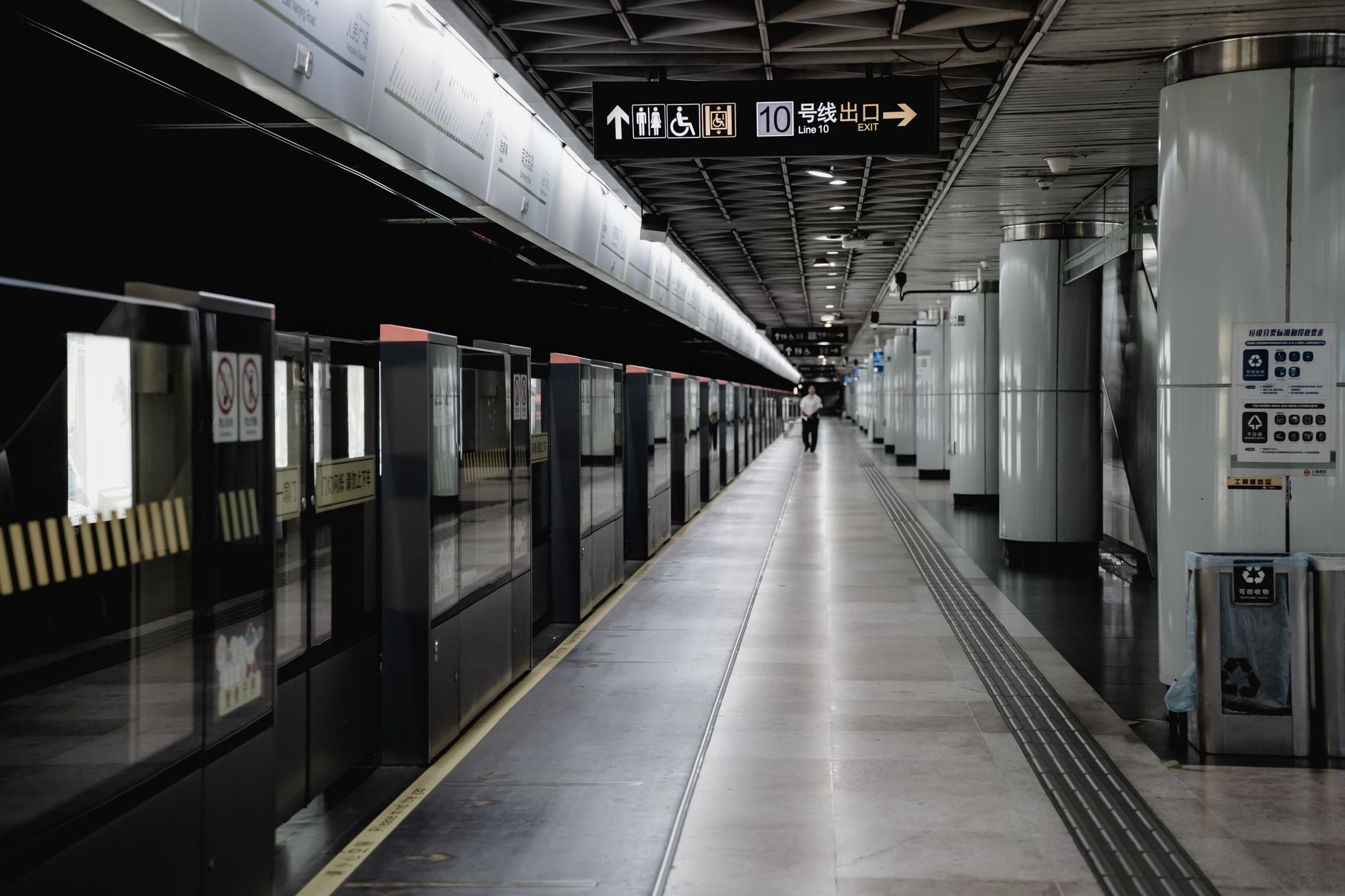
Base fares are the same across all four. The transport card and the app QR codes do earn a ¥1 discount when you transfer within 120 minutes, plus 10% off metro fares once you pass ¥70 in a calendar month; single tickets get neither. Beyond that, what differs is setup time and what happens when something goes wrong.
| Method | Setup needed | Upfront cost | Works on buses? | Best for |
|---|---|---|---|---|
| Contactless bank card (Tap to Ride) | None, if your card is contactless and enabled abroad | No card to buy | No — metro only | Short trips, metro-only travellers, anyone who hates admin |
| Physical transport card | Two minutes at a counter | ¥20 deposit + top-up | Yes | Groups, bus users, people without working mobile payment |
| Alipay / WeChat transit QR | A bound foreign card and ID verification; do it before you travel | ¥0 | Yes | Travellers already using the apps for everything else |
| One-day / three-day pass | None | ¥18 / ¥45 | No — metro only | Heavy metro days, sightseeing sprints |
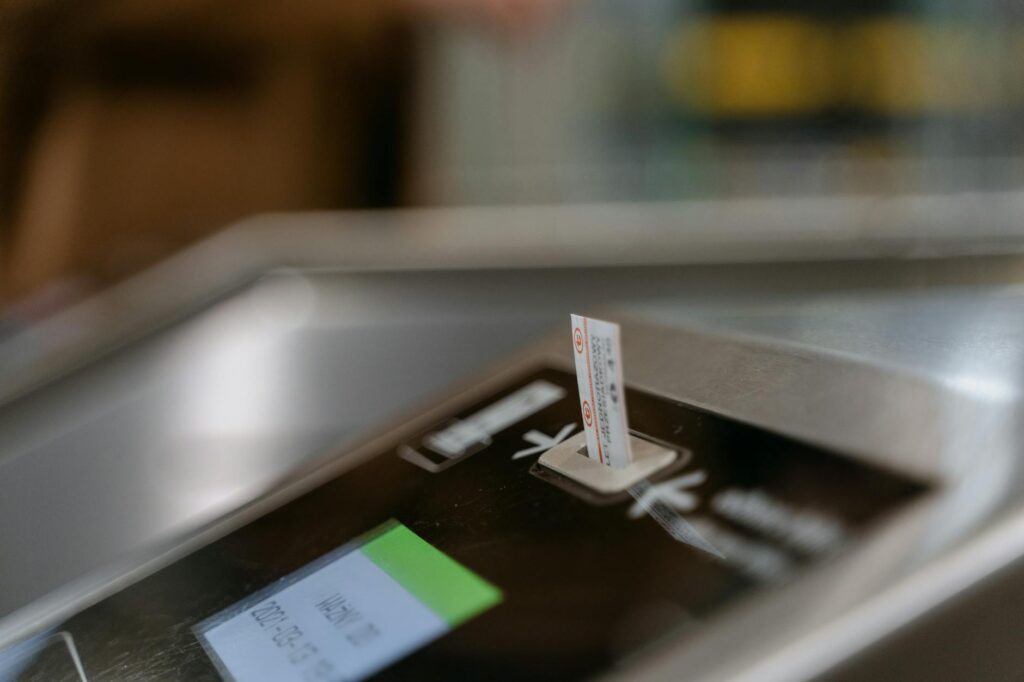
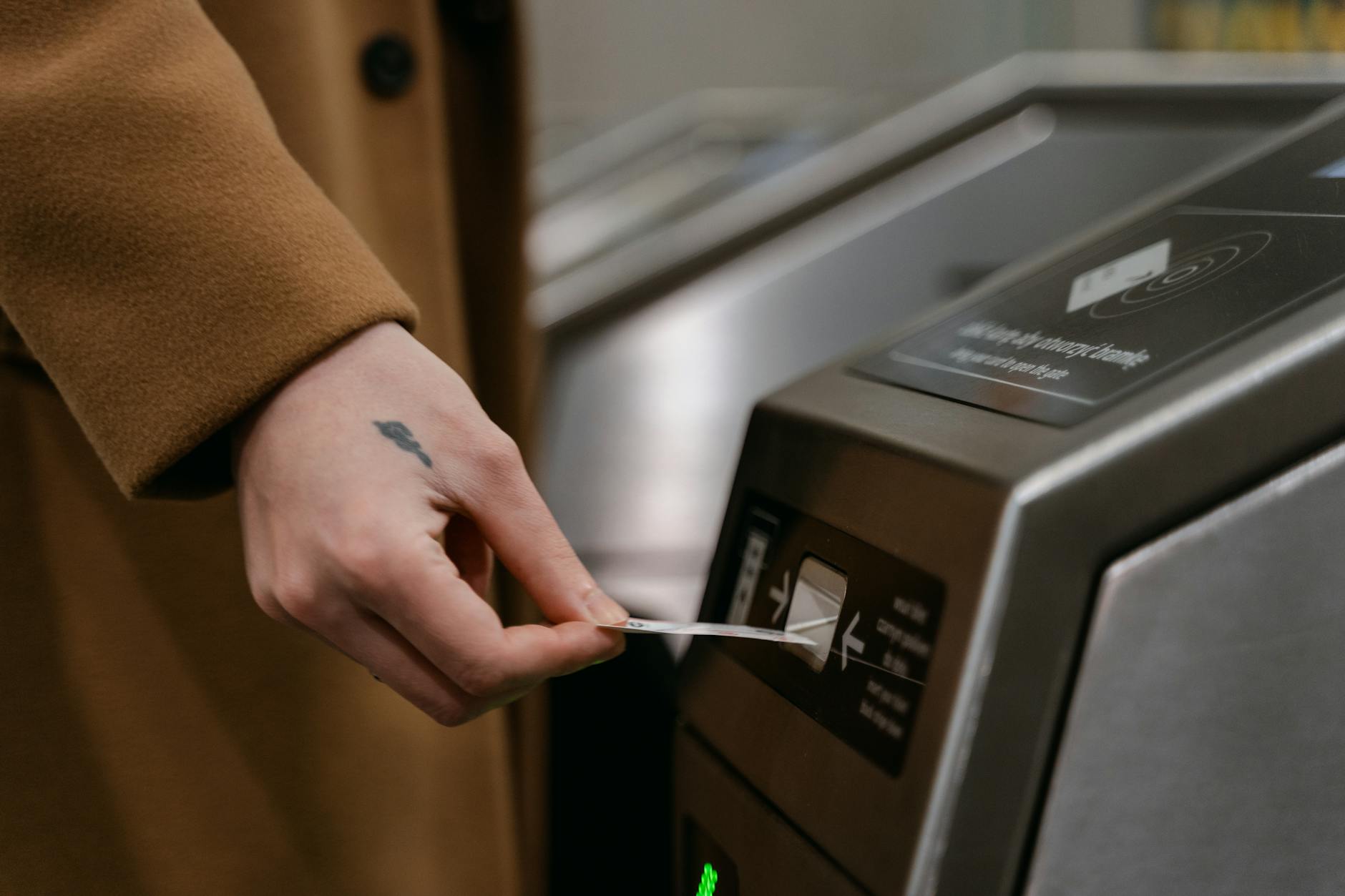
Single-journey tickets still exist: buy a plastic token with cash or a QR code, tap in, drop it in the slot on the way out. Fine as a one-off, bad for a week.
For the lines, transfer logic and which stations sit next to which sight, our Shanghai metro guide is the place to go. This article is about the money side.
Tap to Ride: Contactless Bank Cards
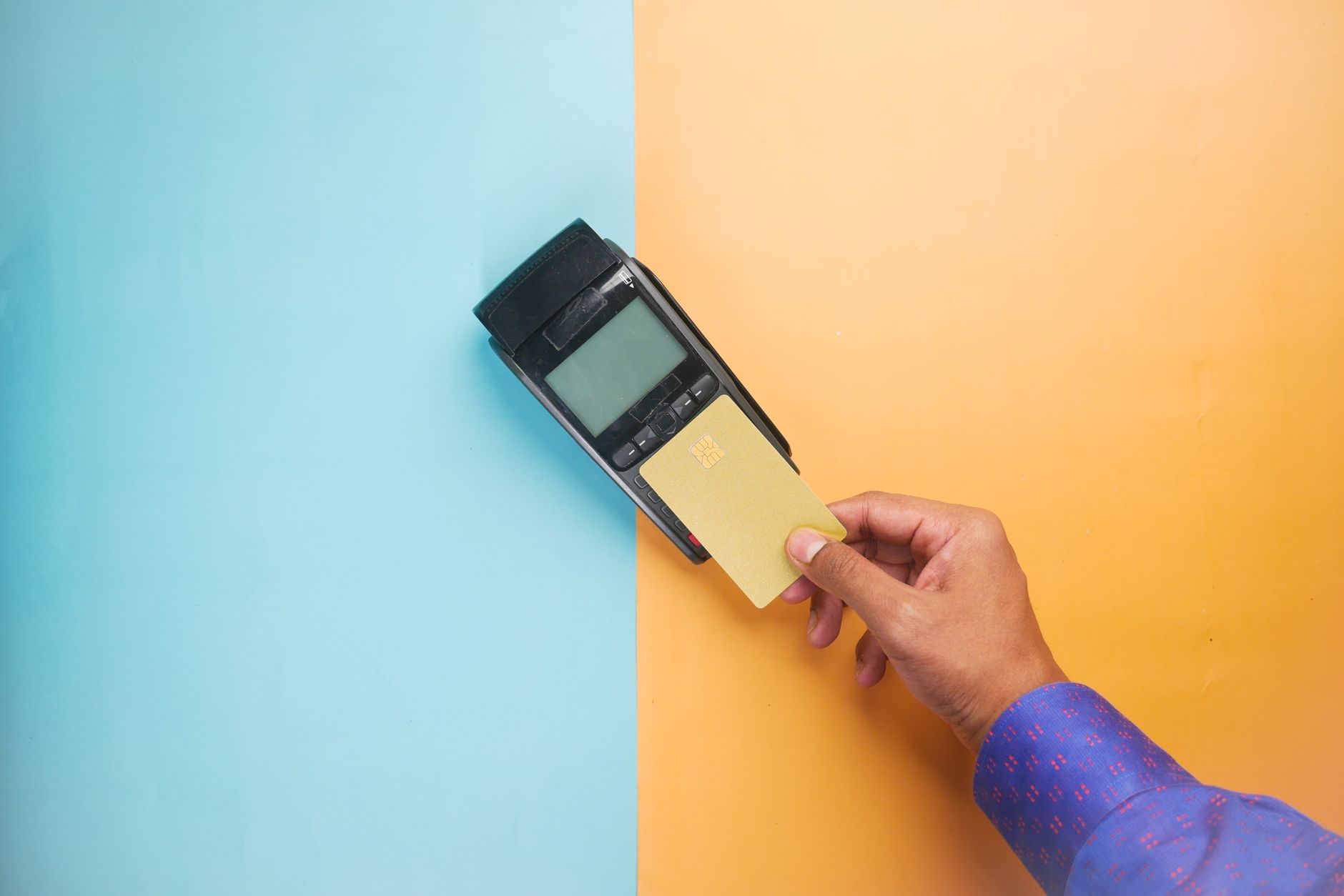
This is a major change for visitors, and guides written before mid-2025 miss it. Shanghai Metro trialled contactless bank cards on the Maglev, then extended it to the entire urban rail network on 28 June 2025 — all lines, all stations, every gate. Tap at the entry gate, tap the same card at the exit gate, and the distance-based fare is charged to your account. No app, no registration, no top-up.
Which cards work
- Visa, including Visa-UnionPay dual-brand cards
- Mastercard, American Express and JCB contactless cards
- UnionPay chip cards
- Digital yuan (e-CNY) hard wallets issued to the People’s Bank of China spec
What can go wrong
- Small-value password-free payment must be switched on. Some banks disable this by default abroad. A red X at the gate is usually this.
- Type-B chip cards and cards without ODA support are excluded. Most Western cards are fine; you only find out by tapping.
- Use the same card in and out. Different cards produce an incomplete journey and a staff visit.
- Debit cards can be fussier than credit cards. Carry both.
- Per-transaction fees. Any foreign-exchange or per-ride charge comes from your own bank, not the metro, and on twenty small fares a flat fee soon adds up. Ask your card issuer before you rely on tapping.
If a tap fails, go to the station service centre; UnionPay’s customer service number is 95516. Details are in the Shanghai government’s Tap to Ride announcement. The catch worth repeating: Tap to Ride covers metro and suburban rail, not city buses.
Is the Shanghai Public Transport Card Worth Getting?
Less often than it used to be, but far from never. Run through this honestly rather than buying out of habit.
Yes, if:
- You will use buses as well as the metro — the one thing Tap to Ride does not cover.
- Your bank card is chip-and-PIN only, or you have had contactless declined abroad before.
- You are travelling with anyone who should not be fumbling with a phone at a gate.
- You want a hard spending limit rather than an open line to your bank account.
- You are staying five days or more and will ride most days.
No, if:
- You are here for one or two days and will ride three or four times.
- Your contactless bank card works at the metro gates.
- You already have Alipay or WeChat Pay running with a bound foreign card.
- You will mostly take taxis or Didi.
The break-even is not about money — fares are identical. It is about failure modes. The card only fails if you run the balance down; everything else fails if your phone dies or your bank gets nervous.
Where to Buy a Shanghai Public Transport Card
The card costs a ¥20 deposit plus your initial top-up, loaded in multiples of ¥10. Available at:
- Metro service desks — the window near the gates. Cash is safest; many take Alipay. Best for first-timers because staff check the card works before you leave. Reliable desks: People’s Square, Lujiazui, Nanjing East Road, Hongqiao Railway Station, Xujiahui, Pudong Airport.
- Ticket vending machines at major stations — most have English, though not every machine dispenses cards. Look for the wider machines.
- Pudong (PVG) and Hongqiao (SHA) ground transport areas — the obvious first stop; see our Shanghai airport arrival guide.
- Convenience stores — Alldays, Kedi, Buddies and some FamilyMart branches. Stock is inconsistent; a backup at best.
- SPD Bank branches and post offices — they work, but you are not going to a bank on holiday.
There is also the Shanghai Pass, a tourist prepaid card sold at Pudong Terminal 2, Hongqiao Terminal 1 and several metro service centres. It rides the same network and adds entry to a set of attractions. The trade-off: its ¥20 issue fee is not refundable, where the standard card’s ¥20 deposit is. Buy it for the attraction bundle, not for transport.
Pre-buying through Trip.com or Klook usually means collecting a card at an airport counter rather than skipping a queue — the same thing with more steps.
How to Top Up
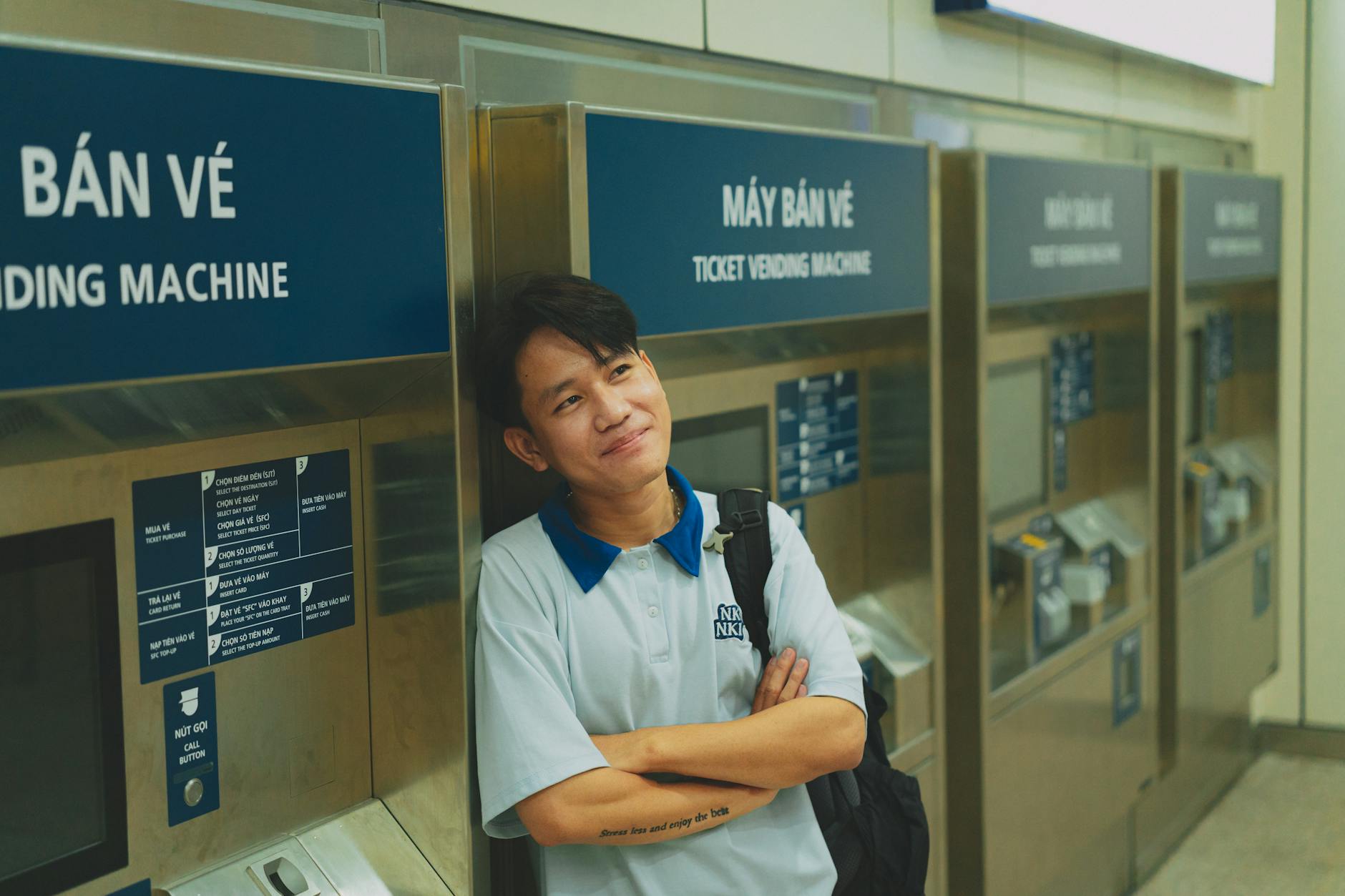
- Ticket machines — cash and QR payment. Insert the card, add notes, done. They also show your balance for free.
- Service desks — staff top up with cash or mobile payment.
- Convenience stores — say “chongzhi” (充值) at the counter and hand over the card with a note.
- Minimum top-up: ¥10, in multiples of ¥10. Maximum balance: ¥1,000.
- One overdraft allowed — if the balance is not negative when you enter and the fare is under ¥10, the card lets you finish the ride even if it dips below zero. Clear it at the next top-up.
Top up a little at a time rather than all at once. Do not load ¥300 “to be safe” — a balance of ¥20 or more can only be refunded at a staffed counter, minus a handling fee. If you need notes, our guide to money and currency exchange in Shanghai covers ATMs that take foreign cards.
How to Use
Metro
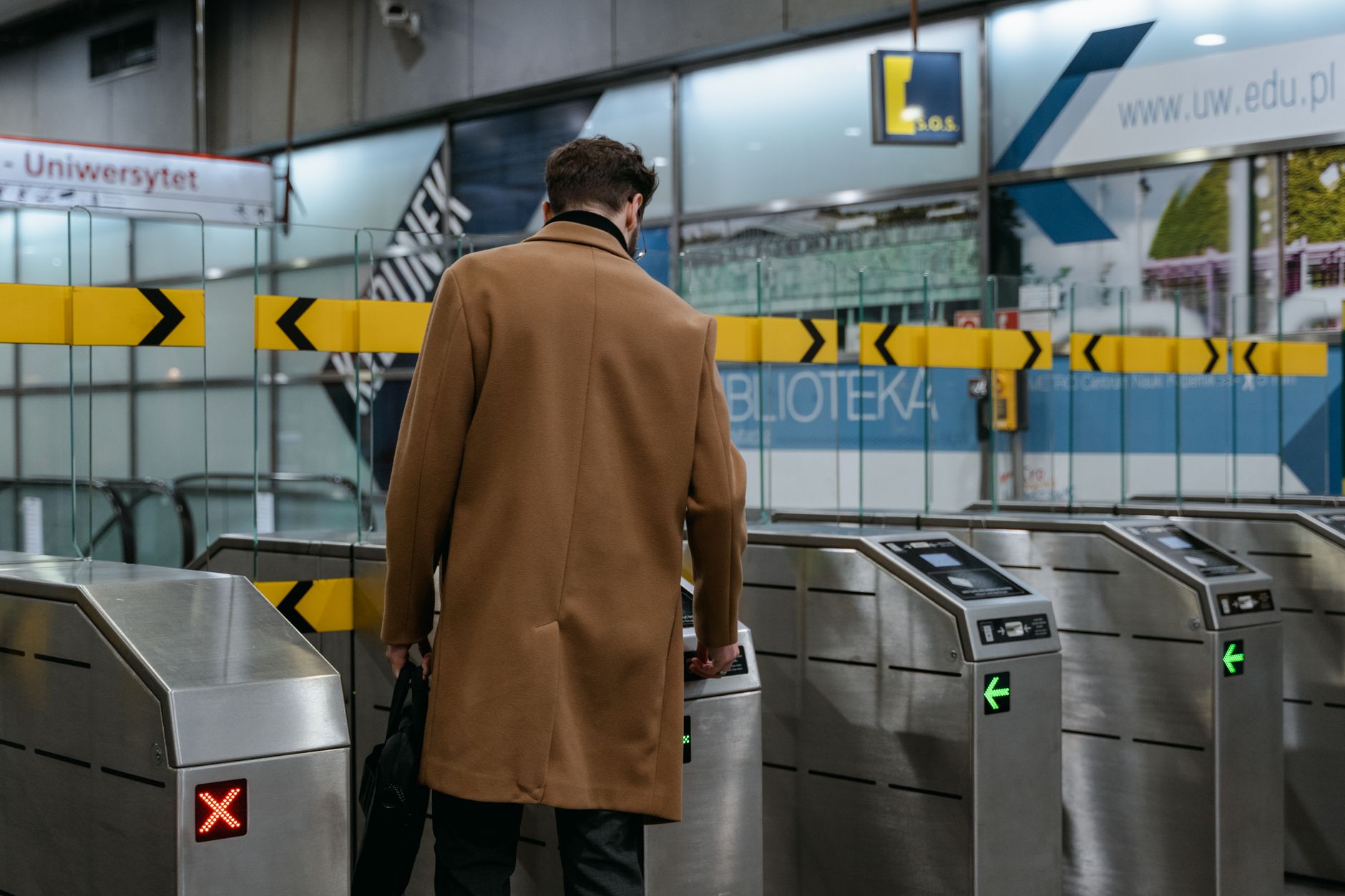
- Tap the card on the sensor at the top of the gate, where the card icon is.
- Wait for the gate to open and the small screen to show your remaining balance.
- At your destination, tap again on the exit gate; the deducted fare appears on screen.
- The Maglev needs a supplement — see airports and Maglev below.
Security screening happens before the gates: bags go through a scanner and you may be asked to sip from a drink bottle. Budget two extra minutes at big interchanges in rush hour.
Bus
- Board at the front and tap the post beside the driver. One tap is the whole fare — ¥2 on most city routes.
- No second tap on the way out, unlike the metro.
- On some suburban routes the fare is distance-based and you tap again on exit. If in doubt, tap anyway; a duplicate within seconds is ignored.
Buses are underrated — routes 71 and 911 are handy for sightseeing — but stops are announced mainly in Chinese, so pair them with a maps app. Our getting around Shanghai guide covers when a bus beats the metro.
Ferry and taxi
- Cross-river ferries take the card at the gate; ¥2 a ride, and a cheap way out onto the Huangpu.
- In a taxi, ask before the meter starts. Most accept the card, some do not, and drivers prefer QR. Our Shanghai taxi tips cover the rest.
Fares & Discounts
Metro fares are distance-based and identical whichever method you use:
| Journey | Fare | Typical example |
|---|---|---|
| Up to 6 km | ¥3 | People’s Square to Nanjing East Road |
| 6–16 km | ¥4 | The Bund to Xujiahui |
| Each additional 10 km | +¥1 | Central city out to Hongqiao |
| Long suburban runs | By distance; check the Metro app | City centre to Disneyland or Zhujiajiao |
| Network maximum | ¥15 | The longest trips, such as Xicen to Dishui Lake |
Most central rides land at ¥3 or ¥4. Even two people riding six times a day will find transport barely registers next to food and tickets. Our Shanghai trip cost breakdown puts it in context.
Discounts worth knowing
- Bus-to-metro transfer: ¥1 off the metro fare if you enter within 120 minutes of a bus tap. Automatic; a similar discount applies bus to bus.
- 10% monthly discount: once you have spent ¥70 on the metro in a calendar month, further metro fares that month are 10% cheaper. Built for commuters.
- Children under 1.3 m ride free when accompanied — walk them through the wide gate. Above 1.3 m they pay adult fare. See Shanghai with kids.
- Bus fares: ¥2 flat on most city routes, ¥1 on a few short ones, ¥5–11 on long suburban services.
Day Passes: When ¥18 Wins
Two unlimited passes exist and both are good value on the right day:
- One-day pass — ¥18. Unlimited metro for 24 hours from first use, not from midnight.
- Three-day pass — ¥45. Unlimited metro for 72 hours from first use.
Both are sold at station machines and service desks, and both exclude the Maglev. The Airport Link Line runs on its own fares, so confirm at a station service centre before counting on a pass there.
At ¥4 a ride the one-day pass pays for itself on the fifth journey. That sounds like a lot until you count a real day — hotel to breakfast, breakfast to a museum, museum to lunch across town, lunch to the Bund, Bund to dinner, dinner home. Six taps, easily.
The three-day pass is harder to justify: ¥15 a day needs nearly four rides daily, including the day you arrive tired and the day you leave. Following a structured route like our 3-day Shanghai itinerary? Count the transfers first.
Refunds & Deposits
Getting your money back is straightforward but has rules that trip people up.
- Where: metro service centres — Pudong Airport, Hongqiao, People’s Square, Nanjing East Road and Xujiahui are easiest for visitors. Some SPD Bank branches, post offices and convenience stores also refund.
- What you get: the ¥20 deposit on a standard card, plus your balance.
- Balance under ¥20: refund it yourself at a metro self-service machine.
- Balance of ¥20 or more: the machines will not take it, so queue at a staffed counter, where a handling fee of about 5% comes off (¥1.20 on a ¥27 balance). The best reason not to over-load the card.
- Bring your passport. Not always demanded, but arguing about it at 6am before a flight is nobody’s idea of fun.
- Timing: the day before you fly, in the city, not in the departures rush.
- Or don’t bother. The card stays valid for five years from your last top-up. If the balance is ¥6, keep it — the plastic beats most souvenirs.
Lost card? No recovery. Standard cards are anonymous, so the balance goes with it.
Alipay, WeChat & Suishenxing
Three QR-based options compete with the plastic, and they behave differently.
Alipay and WeChat transit codes
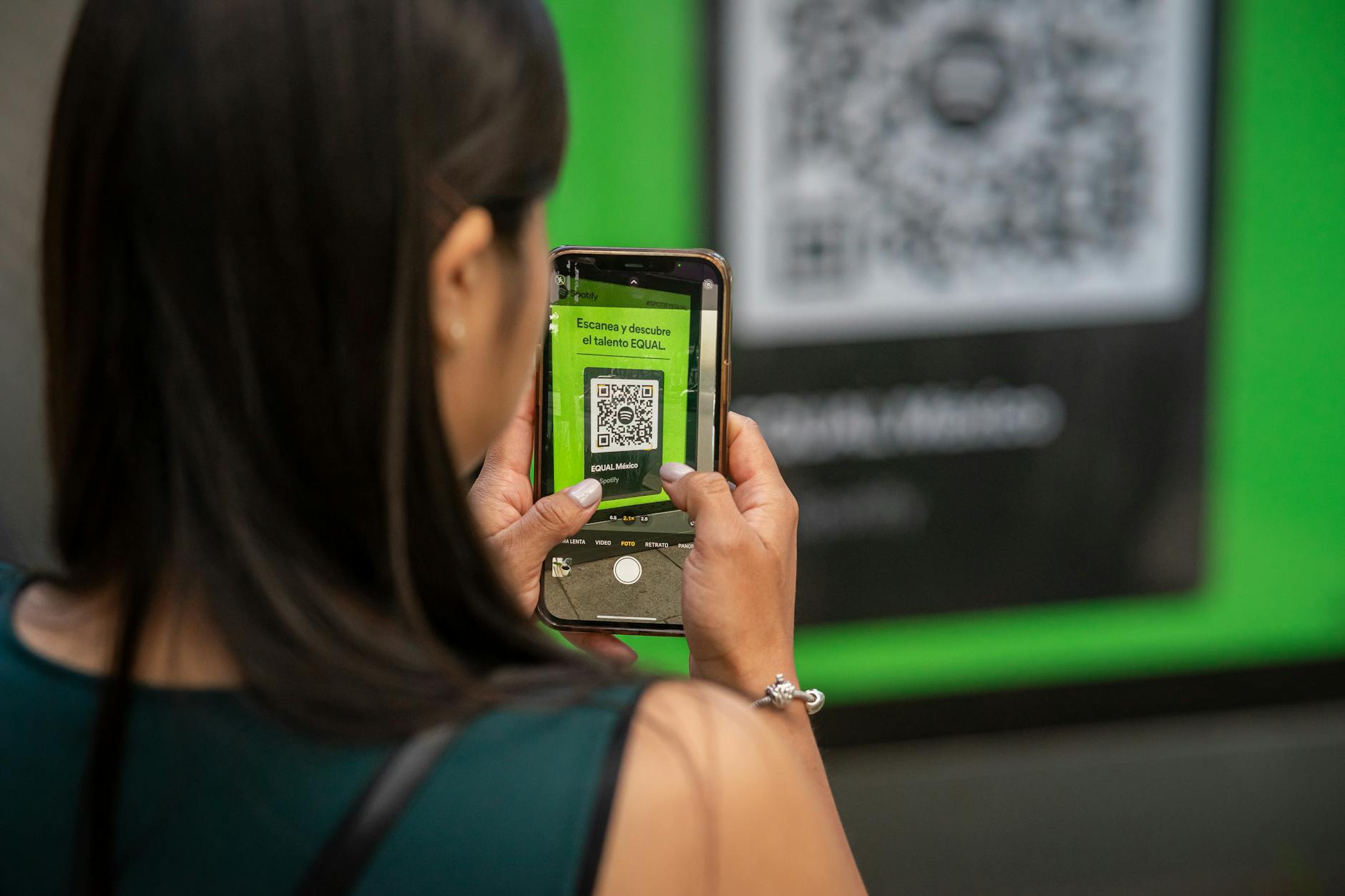
Both apps carry a Shanghai transit mini-program. Find the transport section, activate the metro code, then hold your phone screen against the gate scanner instead of tapping a card. Fares are the same and the charge lands on whichever card you have bound. Buses take the same code.
The friction is all in setup: binding an international card, passport verification, and occasionally a rejection with no explanation. If it works, you will use it for everything else in China anyway. If it does not, do not spend an evening fighting it — the ¥20 plastic card is right there.
Suishenxing (SH MaaS)
Shanghai’s own transport app, and the one people overlook. Full English interface since late 2023, accepts foreign bank cards including Visa, Mastercard, JCB and Diners, and generates a metro QR code without Alipay at all. One account can also generate codes for up to two companions. Day passes can be bought in-app.
Metro Daduhui and Apple Wallet
Metro Daduhui is the operator’s own app: patchy English, less stable, skip it unless the others fail. The card also exists in Apple Wallet with Express Transit, but adding and topping it up generally needs a China-region Apple account, so most short-stay visitors cannot use it. Android users with NFC can reload a physical card through the official SPTC app.
Do this setup before you fly, while you still have your home mobile number for verification codes — see our Shanghai practical tips.
Airports, Maglev & the Airport Link Line
Airport transfers are where the payment method actually changes your options.
- Metro Line 2 from Pudong: Shanghai Metro’s site (shmetro.com) lists the ways to pay. Slow — about an hour to People’s Square — but a few yuan. See our Pudong Airport to city centre guide.
- The Maglev costs ¥50 one way in economy, or ¥40 with a same-day air ticket. With a transport card you tap and pay the supplement at the dedicated gate. Longyang Road to the airport in about 8 minutes; our Shanghai Maglev guide has the timetable reality.
- The Airport Link Line, opened at the end of 2024, connects Hongqiao and Pudong directly in roughly 40 minutes. Fares start around ¥4 and the full run is about ¥26. It is a suburban railway line with its own fares, so ask at a service centre before assuming the ¥18 day pass covers it.
- Airport buses charge by route, so check the fare for yours at the stop.
On a six-hour stopover, taps on a contactless card are the only sensible move — see the Shanghai layover guide.
Using the Card in Other Cities
The old advice was that Chinese transit cards are strictly local. That is out of date. The current red Shanghai card carries China T-Union, the national interoperability standard, and works on transport in most Chinese cities that have adopted it — Beijing, Hangzhou, Suzhou, Nanjing and several hundred more.
Two caveats. Older blue-green cards lack T-Union, so ask for the red one if this matters. And an out-of-town T-Union card usually earns no local discounts. For a day trip to Suzhou that is fine, and it saves buying a second card for one day of buses.
A Worked Example: Five Days, Four Wallets
A couple lands at Pudong on a Saturday for five nights near People’s Square, planning the standard first-timer route plus Disneyland and a water town.
| Day | Journeys | Best payment | Cost per person |
|---|---|---|---|
| Sat — arrival | Maglev + Line 2, then one hop to dinner | Maglev ticket + contactless tap | ¥50 + metro fare |
| Sun — Bund, Yu Garden, Xintiandi | 6 metro rides, 1 ferry | One-day pass, ferry paid separately | ¥18 + ¥2 |
| Mon — Disneyland | 2 long Line 11 rides | Card or contactless | Two distance fares |
| Tue — French Concession, museums | 3 metro rides, 1 bus | Transport card (transfer discount applies) | Short-hop fares, less ¥1 on the transfer |
| Wed — Zhujiajiao water town | Metro + local bus each way | Transport card | Longer metro fare + bus, both ways |
| Thu — departure | Line 2 to PVG | Whatever is left | One cross-city fare |
Across six days the ¥50 Maglev ride is the biggest single item; everything else is a few metro fares a day. Buy one card each and top up as you go, keep a contactless bank card as backup, add a one-day pass for the heavy Sunday. No single method is right for a whole trip, and nobody at the gate cares which you use. For the route this budget follows, see the 5-day Shanghai itinerary.
Common Mistakes
- Loading ¥500 on day one. Once the balance is ¥20 or more, getting it back means a staffed counter and a fee of about 5%.
- Assuming the day pass covers everything. It excludes the Maglev, and the Airport Link Line has separate fares, so check before you ride it on a pass.
- Sharing one card. The gate will not admit a second person on the same tap.
- Forgetting to tap out. Fares are by distance, so an untapped exit means the maximum fare and a locked card.
- Keeping the card in the same sleeve as a contactless bank card. Readers pick the wrong one, or neither. Separate them.
- Expecting to pay a taxi with the card. Some accept it; assume they do not.
- Leaving the refund to departure morning. Do it the day before.
- Trusting a 2023 blog post. Contactless acceptance changed the calculus in mid-2025 and most guides still describe the old world.
Practical Tips
- Sort out your bank card first. Tapping at the gates needs contactless and small-amount payment switched on, so set that up before you travel. If it works, you may not need a plastic card at all.
- Buy at a service desk, not a machine, in your first hour in China. Staff check the card works.
- Top up a little at a time and let the balance run below ¥20 before you leave, when a metro self-service machine can refund it. At ¥20 or more the refund goes through a staffed counter, with a fee.
- Each person needs their own card. No family sharing.
- Measure children against 1.3 m rather than guessing, as gate staff do.
- Learn two words: 充值 (chongzhi, top up) and 退卡 (tuika, return the card). Shown on a phone screen they solve most counter conversations — more in our language barrier tips.
- Keep your top-up receipts until the card is returned, in case you need them at the refund counter.
- Keep ¥50 in cash as the fallback for machines and buses.
- Nobody sells transport cards on the street. If someone offers, walk away — see Shanghai scams to avoid.
Frequently Asked Questions
How much does a Shanghai public transport card cost?
A ¥20 refundable deposit plus your top-up, in multiples of ¥10. Keep that first top-up modest: refunding ¥20 or more of leftover credit costs a small fee.
Do I still need a transport card in 2026?
Not necessarily. Since June 2025 the metro accepts contactless Visa, Mastercard, Amex, JCB and UnionPay cards at every gate, so if your bank card taps you can ride the network without buying anything. The card still earns its keep for buses, which contactless does not cover, and as a backup.
Can I use my Visa card on the Shanghai Metro?
Yes, if it is contactless and your bank allows small-value password-free payments abroad. Tap in and out with the same card. A few Type-B chip cards and cards without ODA support are refused, and there is no way to know other than trying.
Where can I buy a Shanghai transport card?
Metro service desks are the most reliable — People’s Square, Lujiazui, Nanjing East Road, Xujiahui, Hongqiao Railway Station and Pudong Airport. Larger stations’ vending machines also dispense cards, as do Alldays, Kedi and Buddies stores, SPD Bank branches and post offices.
Can I top up the card with a foreign credit card?
Cash always works. Alipay top-up works if you have bound a foreign card successfully. Foreign credit cards are generally not accepted directly at counters or machines, so carry notes.
How much does the Shanghai Metro cost per ride?
¥3 for up to 6 km, ¥4 for 6–16 km, then ¥1 per additional 10 km, to a ¥15 maximum. Most central rides are ¥3 or ¥4. The one-day pass is ¥18, the three-day pass ¥45; neither covers the Maglev, and the Airport Link Line charges its own fares.
Where can I get a refund on my Shanghai transport card?
Metro service centres including Pudong Airport, Hongqiao, People’s Square and Xujiahui. Bring the card, the receipt and your passport. Balances under ¥20 can be refunded at the self-service machines; from ¥20 up you deal with a staffed counter, which deducts about 5%.
Is the deposit really refundable?
On a standard card, yes — the ¥20 deposit is refundable. Commemorative, mini and personalised cards carry the same ¥20 charge without the refund, and the tourist Shanghai Pass has a non-refundable ¥20 issue fee. Ask for a standard card.
Does the Shanghai card work in Beijing or Hangzhou?
The current red card carries China T-Union and works in most Chinese cities, Beijing and Hangzhou included, though usually without local discounts. Older blue-green cards are Shanghai-only.
Do children need a transport card?
Children under 1.3 m ride free when accompanied by a paying adult. Above 1.3 m they pay full adult fare regardless of age, which catches out families with tall nine-year-olds.
Can two people share one card?
No. The gate accepts one tap per entry, so everyone needs their own card, code or bank card. Suishenxing is the exception: one account can generate codes for up to two companions.
What happens if I forget to tap out?
You are charged the maximum fare for that line, and the card may be flagged so the next entry is refused. Take it to any service desk; staff reset it in under a minute and often adjust the fare. Routine, not a drama.
Plan Your Transit
Combine with our guides to getting around Shanghai, the Shanghai metro guide, and money & currency. First trip? Start with first time visiting Shanghai. Official ticket information is on the Shanghai government’s metro page; for background see Shanghai Public Transportation Card on Wikipedia.