The Shanghai fabric market custom-tailoring scene is one of the city’s best-value tourist experiences. For ¥800–2,500, a skilled tailor can produce a bespoke wool suit, silk dress, qipao, or shirt over a 5–10 day turnaround — often using fabrics that would cost three to five times as much in retail. This 2026 guide covers exactly where to go, which tailors and stalls have the best reputations, fabric guidance, fitting protocol, and how to avoid the most common pitfalls.
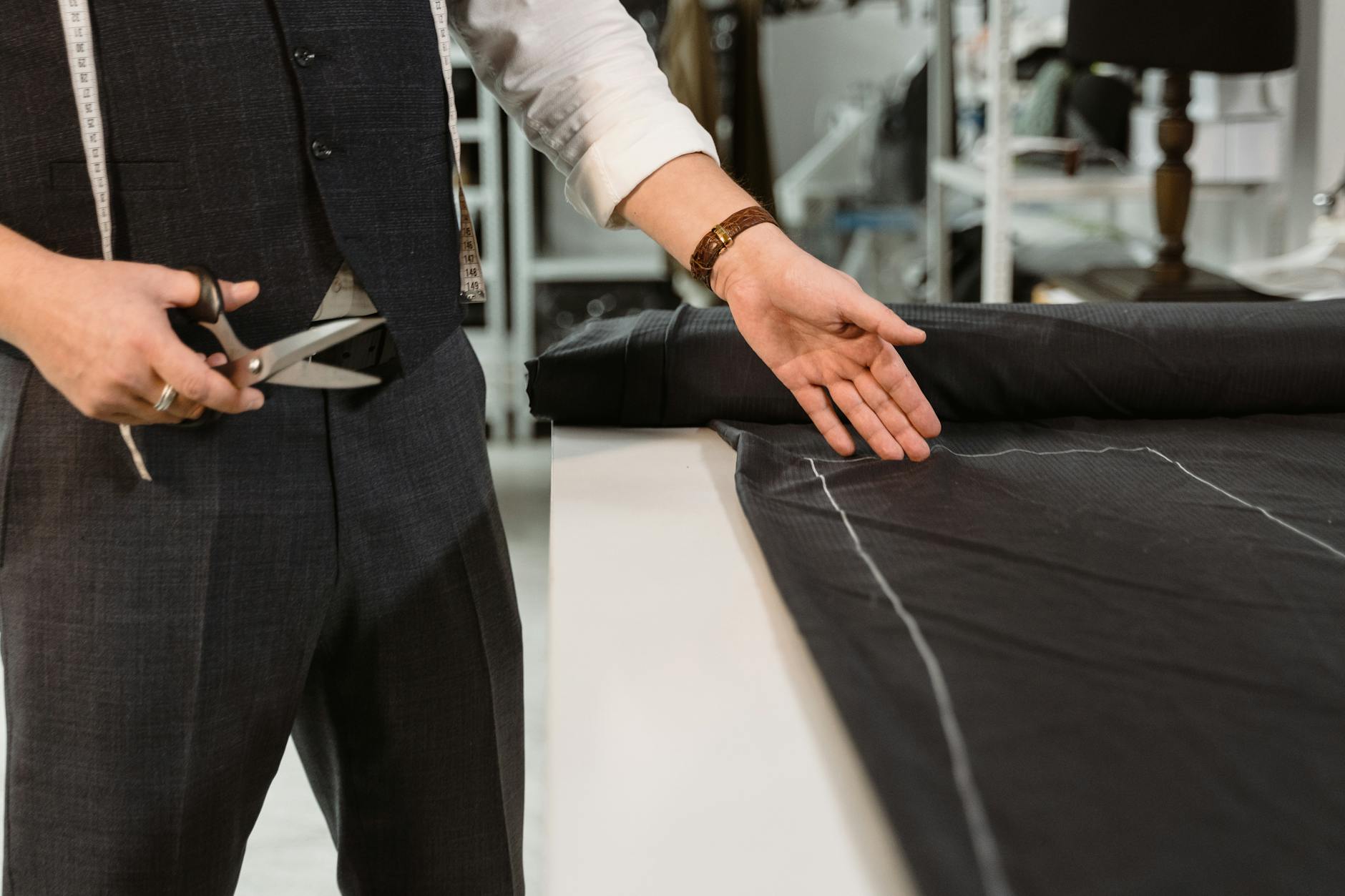
Table of Contents
- The Major Markets
- South Bund Fabric Market
- Suzhou Suiqiao Market
- What Things Cost
- Fabric Quality & Types
- Reputable Tailors
- The Process: Step by Step
- Tips & Common Pitfalls
- FAQ
The Major Markets
Shanghai has multiple fabric markets, but for visitors only two matter:
- South Bund Fabric Market (上海南外滩轻纺面料市场) — the largest and most foreigner-friendly, three stories, 200+ stalls, conveniently located in the Old Town
- Wuyuanlong Fabric Market — smaller alternative; mostly Chinese customers; fewer English speakers
- The Pearl Market basement floors at AP Plaza — limited but cheaper for shirts/basic suits
- Maoming Road tailors — separate higher-end qipao-focused tailors operating in shop format rather than market stalls; better for traditional Chinese garments
South Bund Fabric Market
The South Bund Fabric Market at 399 Lujiabang Road is the headline destination. Three floors, 200+ stalls, each operating as a mini fabric store + tailor team. Hours: 9:00–18:00 daily.
Layout:
- Floor 1: wools, suiting fabrics, men’s tailoring focus
- Floor 2: silks, women’s wear, qipao specialists
- Floor 3: workshop area, finishing, less browsable
Getting there: Metro Line 9 to Xiaonanmen Station, 8-minute walk. Or taxi/Didi from any central Shanghai location (¥30–50).
Suzhou Suiqiao Market
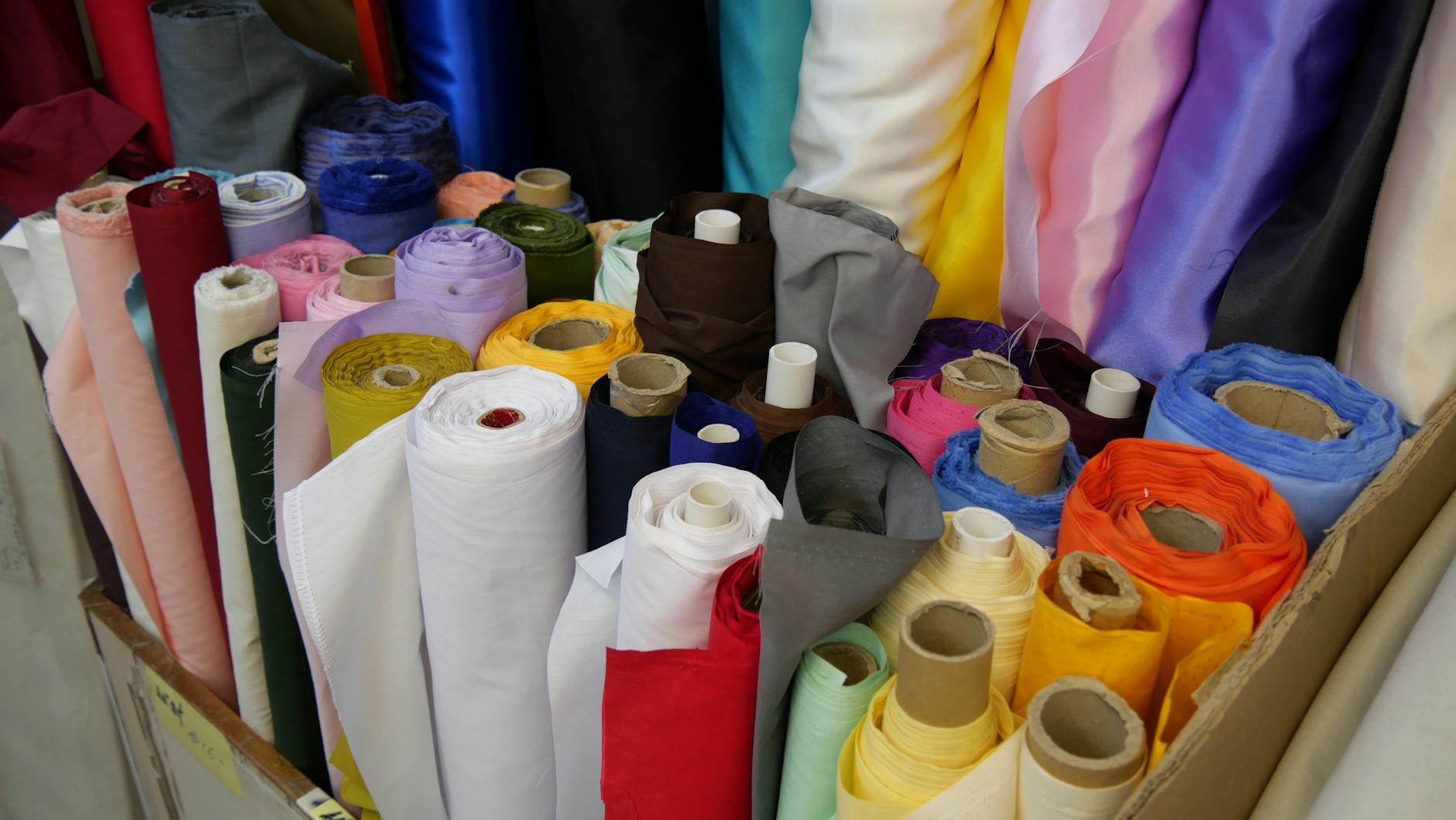
For dedicated fabric tourists, an extension to Suzhou’s Suiqiao Market (60 min by bullet train) gives access to even more raw silk at lower prices. The market specialises in silk by the metre — useful if you want to take fabric home for your own tailor. Many Shanghai-based tailors source from Suzhou for higher-end commissions.
What Things Cost
Approximate 2026 prices at South Bund Fabric Market (after some bargaining):
- Wool 2-piece suit (basic wool blend) — ¥800–1,500
- Wool 2-piece suit (Italian/UK super-100s wool) — ¥1,800–3,500
- Cashmere overcoat — ¥1,800–4,500
- Cotton/poplin dress shirt — ¥120–250 each; bulk discounts at 5+
- Silk shirt or blouse — ¥350–700
- Silk qipao (cheongsam) — ¥800–2,500 depending on silk grade and detailing
- Silk dress (modern) — ¥500–1,500
- Cashmere sweater — ¥250–800
- Silk pyjamas — ¥200–500
- Made-to-measure trousers — ¥300–800
- Polo shirt / linen shirt — ¥120–250
- Shipping garments home — ¥150–400 by EMS
Asking prices for first-time customers are typically 2–3× the fair price. Bargain firmly.
Fabric Quality & Types
Wool
Available qualities: cheap polyester-blend (“wool blend”), 100% wool, super-100s through super-180s (higher number = finer yarn). Many stalls have Italian and British wool branded swatches (Loro Piana, Cerruti, Holland & Sherry, Scabal) — verify authenticity by checking selvedge stamps and the smell test (real wool smells like singed hair when a fibre is lit).
Silk
Mulberry silk (桑蚕丝, sāngcán sī) is the gold standard. Heavier weights (16-22 momme) hold structure for qipao and tailored dresses; lighter (8-12 momme) is better for blouses and pyjamas. Tussah silk is sturdier and matte. Synthetic blends and polyester “silk” are common and significantly cheaper — be sure what you’re buying.
Cashmere
Inner Mongolian cashmere is the regional specialty. Verify by feel (genuine cashmere is silkier than wool, holds warmth, no scratchy fibres). Pilling within weeks indicates a blend.
Cotton, Linen, Bamboo
Cotton in standard 100-count poplin is widely available for shirts. Linen for summer suits is increasingly stocked. Bamboo blends are an option for sensitive skin.
Reputable Tailors
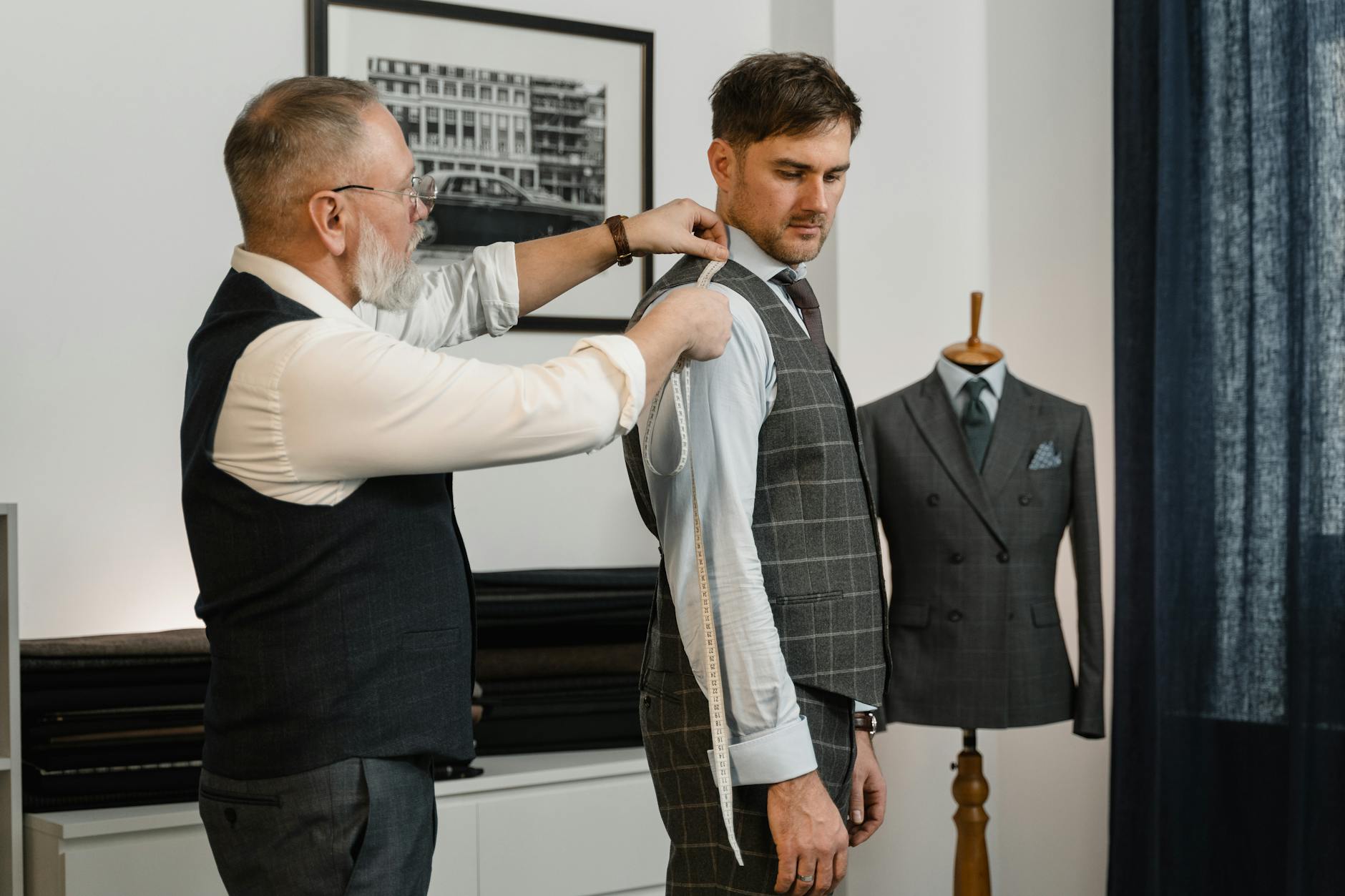
Tailor quality varies dramatically. These South Bund Fabric Market stalls have built strong reputations among foreign customers:
- Wenming Tailor (Stall 232, Floor 1) — bespoke wool suits; English-speaking; recommended by many expats
- Mr. Cheng / DaWei (Stall 156) — versatile, suits + shirts + dresses; good fitter
- Linda’s Tailor (Stall 350) — strong on women’s wear, qipao, silk dresses
- Hong Kong Tailor (Stall 280) — focus on shirts and casual wear; fast turnaround
- Mai Mai Tailor (Stall 168) — silk qipao specialist
- Pasha Tailor (Stall 410) — Italian-trained; premium pricing
Reviews on Trip.com, Reddit’s r/Shanghai, and Time Out Shanghai are good cross-references. For higher-end commissions, several Maoming Road tailors operate on appointment-only basis with ¥3,000–8,000 suits at higher quality control.
The Process: Step by Step
- Browse fabrics first — walk 2 floors before committing. Touch, hold up to light, ask for swatches
- Choose a stall based on reputation, English skill, and the quality of fabrics displayed
- Discuss your design — bring photos from your phone (Pinterest, Instagram, your existing favorite suit). Be specific about: collar style, pocket placement, lining colour, button count, vent style
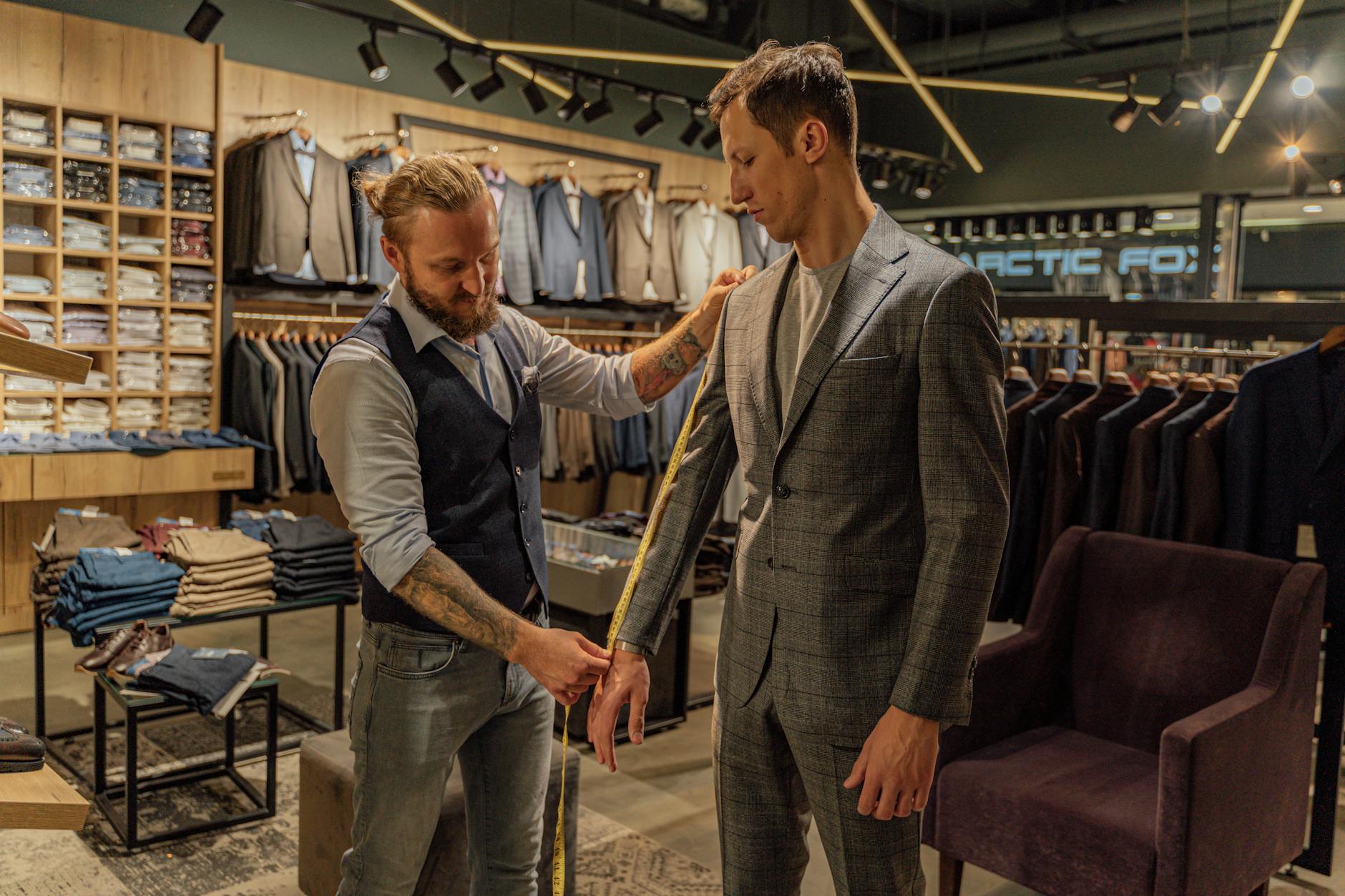
- Get measured — 12+ measurements taken; ensure the tailor double-checks
- Confirm price + delivery date in writing or via WeChat message
- Pay 50% deposit
- Return for first fitting in 3–5 days. Mark any adjustments
- Return for final fitting in 7–10 days from start. Final adjustments
- Pay remaining 50% + collect or arrange international shipping
Tips & Common Pitfalls
- Order at least 7 days before departure — allows for fittings
- If you have less than 5 days, focus on shirts only (overnight turnaround possible)
- Bring an existing garment that fits well — tailors can copy from a sample
- Don’t go cheapest — quality gap between ¥800 and ¥1,500 suits is huge
- Test fabric authenticity — burn a single fibre (silk smells like burning hair, polyester smells like burning plastic and beads up)
- Bargain firmly — start at 30–40% of asking price; meet in the middle
- Pay deposit with WeChat Pay or Alipay for traceability
- Get terms in writing — fitting dates, final delivery, alterations included
- Avoid taking promises about brand-name fabrics at face value — quality matters more than label
- For qipao, find a women’s-wear specialist not a general tailor; cuts and stiffness vary significantly
- If you’re picky about fit, allow at least 2 fittings; 3 is normal for suits
- International shipping: most tailors can arrange EMS shipping home if your fittings get rushed; ¥150–400 typical
Frequently Asked Questions
Where is the best fabric market in Shanghai?
The South Bund Fabric Market at 399 Lujiabang Road is the largest and most tourist-friendly — three floors, 200+ stalls, all major fabrics and tailoring services.
How much does a custom suit cost in Shanghai?
¥800–1,500 for a basic wool-blend 2-piece; ¥1,800–3,500 for Italian/UK super-100s wool. After bargaining; first-quote asking prices are typically 2–3× higher.
How long does Shanghai tailoring take?
Shirts: 24–72 hours. Suits: 5–10 days including 1–2 fittings. Qipao dresses: 5–7 days. Cashmere overcoats: 7–10 days.
Is Shanghai fabric market worth it?
Yes — for the price you pay relative to retail tailoring back home, it’s hard to beat. Quality varies by stall; pick reputable ones.
Can I get a qipao made at Shanghai fabric market?
Yes — Floor 2 has multiple qipao specialists. Silk qipao with detailed embroidery runs ¥800–2,500. Allow 5–7 days.
What time does South Bund Fabric Market open?
9:00–18:00 daily. Most stalls are open earlier and stay later. Avoid weekend afternoons (peak crowds).
Can I haggle at the fabric market?
Yes — bargaining is expected. Start at 30–40% of the asking price; meet around 50–60%. Walking away usually gets a counter-offer.
Should I bring photos or examples?
Yes — having Pinterest/Instagram references of the style you want makes communication far easier than relying on translation.
Plan Your Shopping Day
Combine with our pillar guides on Shanghai shopping, Shanghai markets & haggling, and our Shanghai souvenirs guide. For background, see the Chinese silk entry on Wikipedia.