Shanghai’s shopping runs on two opposite systems at once. On West Nanjing Road, the luxury malls print a number on a tag and that is the price, full stop. A five-minute walk away, at the AP Plaza fakes market, every sale opens with a wildly inflated number and ends twenty minutes later after a back-and-forth that both sides secretly enjoy. Shanghai markets haggling is the skill that unlocks the second world, and it is worth learning before you arrive. Visitors who only see the fixed-price side miss half of how this city actually buys and sells. This guide walks through every market worth your time, what each one stocks, the metro stop to reach it, the bargaining sequence that works, the Chinese phrases that move a price, and the customs rules you should understand before you carry counterfeits across a border.
The short version: treat bargaining as a game and you will have fun; treat it as a fight and you will leave annoyed. Smile, name a low number, mean it, and be ready to walk away. The vendors do this hundreds of times a day and they are very good at reading who will pay full price. Your job is to convince them, politely, that you are not that person. Markets change — stalls move, names shift, and crackdowns occasionally reshuffle a whole floor — so use the specifics below as a map, not a guarantee, and confirm hours locally before a long trip across town.

Table of Contents
- What Are Shanghai’s Fake Markets?
- The Markets at a Glance
- AP Plaza (Asia-Pacific Xinyang)
- Han City (Yatai Xinyang)
- South Bund Fabric Market
- Qipu Road Wholesale Market
- Dongtai Road & Antique Markets
- Pearl Market, Yuyuan & Tianzifang
- What Gets Sold (and What to Skip)
- The Haggling Process, Step by Step
- Bargaining Tactics That Actually Work
- The Calculator Method
- The Walk-Away Technique
- Useful Chinese Phrases
- Common Mistakes
- Spotting Fakes and Avoiding Scams
- Customs and Legal Issues
- Fixed-Price Alternatives
- Frequently Asked Questions
What Are Shanghai’s Fake Markets?
Shanghai’s “fake markets” are indoor complexes where vendors sell counterfeit branded goods next to perfectly legitimate unbranded products. The range runs from convincing replica handbags and watches down to throwaway knock-offs of designer clothing, sneakers, electronics, and accessories. Mixed in among the fakes is a deep layer of genuine merchandise: real silk, freshwater pearls, leather wallets, tea sets, and traditional souvenirs sold at honest-to-the-quality prices. Walking the corridors, you cannot always tell which stall is selling which until you look closely — and looking closely is the whole skill.
These markets sit in a legal gray zone. Selling counterfeits breaks Chinese law on paper, but enforcement comes and goes. Periodic crackdowns clear out the most blatant brand displays, vendors quietly restock, and the markets carry on as established stops on the tourist circuit. That cycle is worth keeping in mind: a brand corner that was busy last year may be gone or relocated, and the splashiest replicas often live in back rooms rather than on open shelves.
Here is the part most guides bury: the majority of foreign visitors do not actually come for the counterfeits. They come for the negotiation itself — the theater of the opening price, the calculator passed back and forth, the walk-away that gets a vendor chasing after you — and for the genuine goods sold alongside. Silk scarves, pearl strands, leather belts, and carved chops are all available here, and on those items the bargaining is identical even though nothing about them is fake. So you can shop these markets, enjoy the haggling, and never buy a single counterfeit if that is your preference.
The Markets at a Glance
A handful of markets pull most of the international foot traffic, and each has its own character, price floor, and specialty. Here is the quick orientation before the detailed sections below.
- AP Plaza — the famous one. Underground at the Science and Technology Museum metro stop in Pudong; hundreds of stalls; the most aggressive bargaining and the lowest possible prices if you push.
- Han City (Yatai Xinyang) — a multi-floor complex on West Nanjing Road; cleaner, slightly pricier, broader selection, strong silk and pearl sections.
- South Bund Fabric Market — three floors of fabric and tailors near the Old City for custom suits, shirts, and qipao made to measure.
- Qipu Road Wholesale Market — budget clothing in bulk, very local, rock-bottom prices and matching quality.
- Dongtai Road antiques scene — collectibles, Mao-era kitsch, and “antiques” of questionable age; heavy bargaining and buyer beware.
- Yuyuan Bazaar, the pearl market, and Tianzifang — traditional souvenirs and crafts, mostly fixed prices at the big shops, some haggling at small stalls.
Most visitors pair one fakes market with the fabric market and a souvenir lane, which covers the full spread of what Shanghai shopping offers. For the bigger picture of where these markets fit, see the pillar guide on shopping in Shanghai.
AP Plaza (Asia-Pacific Xinyang)
If you visit one fake market in Shanghai, it is almost certainly this one. AP Plaza — the Asia-Pacific Xinyang Fashion and Gifts Market — is the biggest fakes market in Pudong and, by most accounts, the biggest in the city. It is also the most theatrical, which makes it the best place to practice bargaining before you tackle anything else.
Location: Underground, directly connected to the Shanghai Science and Technology Museum station on Metro Line 2. Take Exit 1 or 2 and follow the signs — the market entrance is part of the station complex, so you barely surface. From the Bund it is roughly a 30-minute ride.
Hours: Roughly 10:00 AM to 8:00 PM daily, though individual stalls drift. Mornings are quieter.
Atmosphere: A warren of narrow corridors packed with small stalls under bright fluorescent light. It is loud and energetic, and the vendors are persistent — many will call out to passing foreigners, grab a sleeve, or wave a catalog of “special” items kept off the shelves. None of it is dangerous; it is sales pressure, and a smile plus a firm “bu yao” handles it.
What’s sold: Replica luxury handbags (Louis Vuitton, Gucci, Prada, Chanel), replica watches (Rolex, Omega, Submariner), sneakers and sportswear, sunglasses, jewelry, leather goods, silk scarves, electronics, and suitcases. The depth is the draw — whatever you are after, several stalls sell a version of it, which is exactly what makes the walk-away so effective here.
Bargaining culture: Aggressive, in the best sense for a confident shopper. Opening quotes routinely run five to ten times the realistic price. Plan to push down to roughly 20–30% of the first number, and on small items sometimes lower. A good working rule, echoed by long-time Shanghai shoppers, is to open at about 10% of the asking price and settle somewhere between 10% and 30%.
Best time to go: A weekday morning, right at the 10:00 AM opening. Fewer crowds, and vendors who have not yet made a sale are noticeably more flexible.
Han City (Yatai Xinyang)
Han City — another branch of the Yatai Xinyang Fashion and Gifts operation — is the option for travelers who want the market experience with the volume turned down. It sits in central Jing’an rather than out in Pudong, so it is easy to fold into a Nanjing Road shopping day.
Location: 580 West Nanjing Road, Jing’an District — a multi-story complex rather than an underground maze. The nearest metro is West Nanjing Road (Lines 2 and 13) or People’s Square (Lines 1, 2, 8).
Hours: Roughly 10:00 AM to 9:00 PM daily.
Atmosphere: More polished than AP Plaza. The corridors are cleaner and wider, the lighting is gentler, and the vendors lean less hard on passing shoppers. It feels closer to a department store laid out as stalls.
What’s sold: The same broad range as AP Plaza, but the replicas tend to run a notch higher in quality, and the legitimate goods are better curated. Han City’s silk and pearl sections are genuinely good, and worth a look even if you skip the branded corners entirely.
Bargaining culture: Moderate. Opening prices are inflated three to five times rather than ten, so expect to settle around 30–40% of the first quote. The negotiation is calmer, which some travelers prefer and others find means slightly less room to move.
Best for: Visitors who want a lower-pressure market, anyone shopping seriously for silk or pearls, and shoppers combining the market with the malls and historic stores along Nanjing Road.
South Bund Fabric Market
The South Bund Fabric Market — officially the South Bund Soft-Spinning Material Market — is a different animal from the fakes markets, and for many travelers it is the most rewarding stop of all. Built in 2005 and revived by a wave of social-media attention, it is three floors of fabric bolts and small tailoring shops where you commission clothing made to your measurements over a day or two.

Location: 399 Lujiabang Road, in the Old City area of Huangpu District. The nearest metro is Nanpu Bridge (Line 4) or Lujiabang Road (Lines 8 and 9).
Hours: Roughly 10:00 AM to 6:00 PM daily; tailors near closing time may rush, so go earlier.
Layout: The first and second floors handle clothing customization — suits, shirts, dresses, and traditional qipao — while the upper floor leans toward fabric by the meter, furnishings, and embroidery. The first floor is where the better tailors cluster; prices are higher there but the workmanship is more dependable.
What it costs: The cheapest suits start at a few hundred yuan, while a mid-tier suit in decent fabric with proper styling runs around RMB 2,000 and up. A made-to-measure qipao or modern festival dress typically starts near RMB 600 depending on fabric and detailing. Shirts are far cheaper and a good way to test a tailor before committing to a suit.
Bargaining culture: Yes, you bargain here too, and foreign customers are expected to. Aim to talk the quoted price down toward 50%, and sometimes 30%, especially if you order more than one piece. A friendly line that works is “Laoban, da ge zhe ba” — roughly “Boss, give me a discount.”
How to do it well: Come with a clear idea, or a photo, of what you want, so you are not talked into fabrics you do not need. Visit early in your trip to leave room for fittings — one to commission, one to adjust. Confirm the timeline and a fitting appointment before you pay a deposit. For gift ideas to pair with a tailored piece, the Shanghai souvenirs guide covers what travels well.
Qipu Road Wholesale Market
Qipu Road (Qipu Lu) is where Shanghai locals go for cheap clothes by the armful. It is a multi-story wholesale market, and it is decidedly not built for tourists — which is part of the appeal if you want prices below what any fakes market will give you.
Location: Around Qipu Road in the Hongkou/Zhabei border area, north of the Bund. The nearest metro is Tiantong Road (Line 10) or Baoshan Road (Lines 3 and 4).
What’s sold: Basic clothing — tees, jackets, jeans, kids’ wear, knock-around fashion — in enormous volume. Quality is lower on average than the fakes markets, and the focus is throughput rather than presentation.
Bargaining culture: Prices are already low and some stalls quote wholesale rates that barely move, especially if you only want one of something. The leverage here is buying multiples. If you just want bulk basics or a cheap extra layer, it delivers; if you want a single nice piece, the fakes markets or the malls are a better use of your time.
Worth knowing: The market is sprawling and signage is mostly Chinese, so it rewards patience. Go with low expectations on polish and you will not be disappointed.
Dongtai Road & Antique Markets
Dongtai Road (Dongtai Lu) was Shanghai’s best-known antique street for years, and although redevelopment has thinned the original strip, the antiques-and-collectibles scene it represents lives on across several pockets of the city. Treat this category as entertainment first and shopping second.
What’s sold: Mao-era badges and posters, old watches and cameras, jade and “jade,” porcelain, calligraphy tools, furniture, and a great deal of cheerfully reproduced “antique” bric-a-brac. Almost nothing is as old as claimed.
Bargaining culture: Heavy. Opening prices on collectibles are essentially fiction, and the back-and-forth can be long. Walking away is especially powerful here because the goods are not standardized — the vendor cannot point you to the stall next door with an identical item.
Buyer beware: Authenticity is the whole problem. Assume anything sold as a genuine antique is a reproduction unless you are an expert, and price it as a fun decorative object, not an investment. For honest souvenir alternatives, the guide to Shanghai scams to avoid is worth a read before you hand over real money for “rare” finds.
Also worth a Sunday: The Wenmiao book market, held on Sunday mornings near the Confucius Temple, sells used books, calligraphy, and small antiques in a calmer setting — a pleasant low-pressure browse for collectors.
Pearl Market, Yuyuan & Tianzifang
Not everything in Shanghai is a hard sell. Three destinations cover the gentler, more traditional end of the shopping spectrum, where prices are often fixed and the goods are genuine.
The pearl market. Shanghai’s pearl scene overlaps with the fakes markets — the Hongqiao pearl market and the dedicated pearl counters inside Han City and AP Plaza are the usual stops. Most strands are genuine freshwater pearls, with quality and price climbing together from around RMB 100 for simple pieces well past RMB 2,000 for fine matched strands. Vendors will string and knot a strand to your length on the spot. Bargain on the loose-pearl and stall purchases; the larger pearl shops are firmer on price but offer better consistency and certificates.
Yuyuan Bazaar. The traditional shopping warren wrapped around the Yu Garden in the Old City. Tea, silk, calligraphy supplies, fans, jade, snacks, and souvenirs fill the historic lanes. The big established shops — the famous dumpling houses, Nanxiang, the heritage jewelers — hold fixed prices, while the smaller stalls and street vendors expect a little haggling. It is the most atmospheric place on this list, fakes-market energy entirely absent.
Tianzifang. A maze of converted shikumen lanes in the former French Concession, now packed with boutique craft shops, design studios, and cafes. Most shops here run fixed prices, and the quality is a clear step above the markets — handmade ceramics, prints, scarves, and gifts you do not have to negotiate for. Come for the browsing and the alley-walking as much as the buying.
Fenshine and the smaller plazas. A few smaller fashion-and-gifts plazas (Fenshine on Nanjing Road West among them) round out the scene with the same mix of replicas and genuine goods on a smaller scale. They are useful overflow if a main market is picked over, and the bargaining rules are identical.
What Gets Sold (and What to Skip)
The full spread of merchandise across Shanghai’s markets, with a frank note on which categories are worth your money and which are not.

Replica luxury handbags. The single biggest category. Quality runs from obvious junk around RMB 50 to convincing replicas in the RMB 500–2,000 range. The most-copied brands are Louis Vuitton, Gucci, Prada, Chanel, and Hermès. Inspect stitching, hardware, and lining — the price gap between “will fool nobody” and “will fool most people” is enormous, and vendors keep the better pieces out of sight.
Replica watches. A similar quality ladder. Rolex, Omega, and other Swiss names dominate. An RMB 200 fake will not survive a close look; a RMB 2,000 replica with a real automatic movement often will. If the mechanics matter to you, ask to see and hear the movement before bargaining.
Sneakers and sportswear. Nike, Adidas, Under Armour, and the rest, often dressed up with plausible sub-brand labels. Sizing is inconsistent, so try before you commit.
Silk scarves and clothing. Mostly genuine silk, quality varying with price — roughly RMB 50–500 by size and grade. A reliable, lightweight gift, and entirely legitimate, so bargain without any worry about customs later.
Pearl jewelry. Usually genuine freshwater pearls; from about RMB 100 into the thousands. Good value and genuinely useful for gifts.
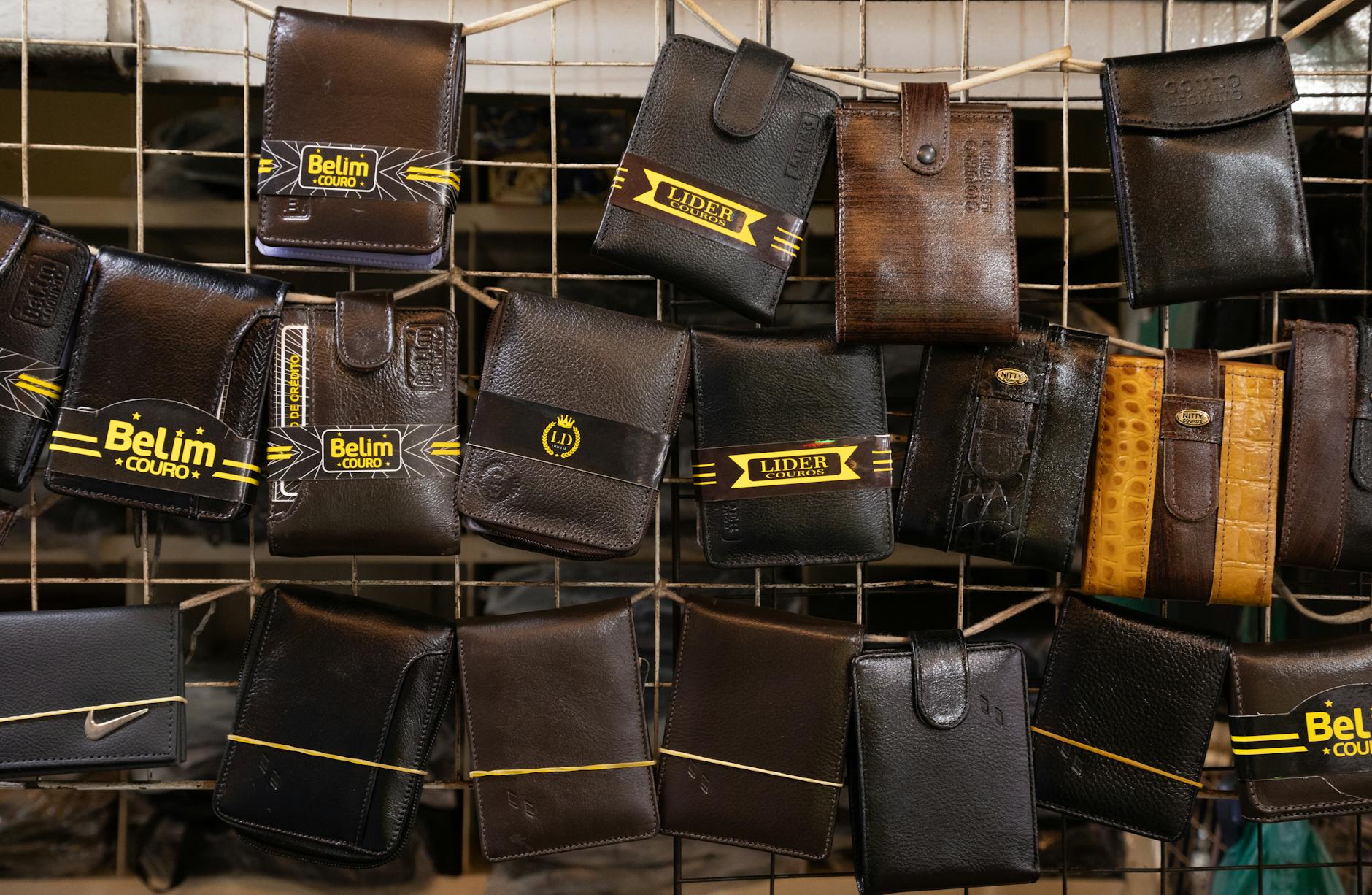
Leather goods. Wallets, belts, briefcases — some real leather, some not. Smell and flex the material; honest vendors will tell you which is which if you ask.
Electronics. Tablets, phones, headphones, the dodgy USB drives that claim far more capacity than they hold. This is the riskiest category — frequently poorly faked or simply broken. Test anything electronic on the spot, or skip it.
Suitcases. Genuinely practical: if your shopping has outgrown your luggage, a cheap hard-shell case for the one-way trip home is a sensible buy. Bargain hard; even modest quality survives a single flight.
Souvenirs. Tea sets, calligraphy scrolls, fans, jade, carved name chops, traditional art. Quality is all over the map; buy what looks good to you and price it accordingly rather than chasing “authentic.”
The Haggling Process, Step by Step
The negotiation follows the same arc at almost every stall. Once you have run through it two or three times it becomes second nature.

- Browse without committing. Walk the corridor first, glance at several stalls, and avoid locking eyes with vendors. This signals a price-conscious shopper rather than an easy mark, and it lets you gauge the going rate before you engage.
- Show interest in one item. Stop, pick it up, check the quality, and ask “How much?” — in English, or “duōshǎo qián?” in Mandarin.
- Take the opening price without flinching. It will land at five to ten times the realistic price. Do not react, do not gasp; a small smile and a slow head-shake is plenty.
- Counter low. Open at roughly 10% of the asking price. The vendor will laugh, act wounded, or both — that reaction is part of the script, not a real objection.
- Let the vendor counter. They drop a little, maybe to 30% of the original. They are testing how committed your low number is.
- Nudge up slowly. Move to perhaps 20–25% of the original. Small increments keep the floor close to your number.
- Trade a few rounds. Several passes back and forth, the two numbers converging. Keep it light — this is the fun part.
- Close near 25–40% of the opening price. That is the usual landing zone, lower on small items and higher on anything genuinely good.
- Pay and go. Hand over WeChat Pay, Alipay, or cash, take the goods, and move on with a smile.
The whole exchange runs three to ten minutes per item. The single most important thing is to keep it friendly — the vendor wants the sale as much as you want the bag, and the smile is what keeps a hard negotiation from curdling.
Bargaining Tactics That Actually Work
Beyond the basic sequence, a handful of specific moves reliably shift the price.
The decisive low-ball. Open with the number you would genuinely pay rather than a throwaway starting position. When the vendor senses you mean it, the haggling converges faster and lands lower.
The bundle. “How much for two?” Buying multiples typically shaves another 10–20% off the per-item price — handy when you are shopping for friends and family at once.
The walk-away. The strongest tactic of all; it gets its own section below.
The competitor line. “The stall back there offered me X.” Because so many stalls sell near-identical goods, this often works — but only if it is roughly true. Vendors know each other’s prices, and an absurd claim costs you credibility.
The defect spot. Point out a loose thread, a scuff, a crooked seam. A genuine flaw can knock 10–20% off without any further argument.
The cash nudge. Some vendors shade the price for cash over mobile pay, or vice versa. Ask which they prefer; the answer occasionally saves you a little.
The rapid close. The moment the number reaches something you are happy with, agree at once. Hesitating at a good price signals you think there is more room, and invites the vendor to stiffen.
Comparison shopping. Before any serious purchase, ask the price at two or three stalls. It teaches you the real floor for that item and arms the competitor line with actual numbers.
The Calculator Method
Most fake-market bargaining happens silently, through a calculator — the vendor’s, your phone, or one passed between you. The vendor types a price; you clear it and type yours; back and forth until the two numbers meet. It is the universal language of these markets, and it works no matter how little Mandarin you speak.
Why it works: It removes the language barrier entirely. Both sides see the figure in plain digits, with no confusion about units, decimals, or what “one hundred” sounds like across an accent.
How to use it: When the vendor types an opening figure, take the calculator, clear it, and enter your counter — usually 10–20% of theirs — then hand it back. They type a lower number. You raise yours slightly. Repeat until the displayed number is one you both accept.
Body language carries the rest: A frown, a slow head-shake, and a look that says the vendor’s number is faintly ridiculous all reinforce your low offer. Then laugh and smile between rounds — the contrast keeps it a game rather than a standoff, and a vendor who is enjoying the exchange will give up more ground than one who feels attacked.
The Walk-Away Technique
If you remember one tactic from this guide, make it this one. The walk-away is the most effective single move in any Shanghai market, and it works precisely because the vendor has competition fifteen feet away.
How it works: Once you have named your final offer and the vendor refuses, smile, say “bu yao” (no thanks) or “zou le” (I’m leaving), and walk off.
What happens next: A large share of the time — long-time shoppers put it around 70% — the vendor calls you back with a better number before you have gone ten meters. The times they do not, you can almost always find the same item at another stall, which is exactly why the threat is credible.
The critical detail: You have to actually leave. Hovering, glancing back, or doing a theatrical half-step does not fool anyone — vendors read fake walk-aways instantly. Commit to walking, mean it, and let them decide.
If no one calls you back: Find another stall with the same item and compare. Sometimes the first vendor’s last number really was the floor, and you will learn that quickly by checking a neighbor.
The return visit: A vendor who refused your price and did not chase you will often accept the same offer if you come back half an hour later, especially if they have not made a sale in the meantime. Patience is its own discount.
Useful Chinese Phrases
You do not need fluent Mandarin — the calculator covers numbers — but a few phrases smooth the whole exchange and signal that you know the game.
- Duōshǎo qián? — How much?
- Tài guì le! — Too expensive!
- Pián yi diǎn ma? — A bit cheaper, please?
- Yī bǎi kuài — 100 yuan (swap in your number).
- Zǒu le — I’m leaving (your exit line for the walk-away).
- Jiù zhè ge — Just this one.
- Bù yào — No, thanks (the universal polite refusal).
- Laoban, da ge zhe ba — Boss, give me a discount (especially at the fabric market).
Of all of these, tai gui le and bu yao earn their keep most often. Deliver them with a smile and you have most of the social side of bargaining covered.
Common Mistakes
The errors that quietly cost visitors money, in roughly the order they happen.
Showing too much interest. Light up at an item and the vendor knows you will pay almost anything. Keep your reaction muted, even when you have found the thing you came for.
Opening too high. Start at 10% of the ask, not 50%. A high opener tells the vendor your real ceiling is higher still, and the final price climbs accordingly.
Bluffing about the next stall without checking. Vendors know their neighbors’ prices cold. A false “they offered me half that” collapses your credibility and the negotiation with it.
Haggling with no target. Decide before you engage what the item is worth to you, and negotiate toward that number rather than drifting endlessly downward chasing the last few yuan.
Taking it personally. Some vendors perform frustration — sighing, waving you off, acting insulted. It is theater. Stay light, keep smiling, and do not let the performance rattle your number.
Trying to bargain at fixed-price shops. Department stores, malls, and most Tianzifang boutiques do not haggle. Pushing there reads as rude rather than savvy.
Skipping the quality check. Counterfeit goods range from fine to garbage. Inspect stitching, zips, soles, and screens before you commit, and test anything electronic on the spot.
Buying your must-have at the first stall. With so many vendors selling the same thing, your leverage is your willingness to walk. Bargain hard early; if it stalls, move on rather than caving.
Spotting Fakes and Avoiding Scams
The markets are safe for your person, but a few traps can dent your wallet. None are exotic — they are the ordinary hazards of any tourist market, sharpened a little.
Quality bait-and-switch. A vendor shows you a well-made sample, you agree a price, and a different, shoddier piece gets bagged. Watch the item the whole way into the bag, and re-check it before you pay.
The capacity lie on electronics. Memory sticks and “256GB” drives that hold a fraction of the claim are a market staple. Treat any too-cheap electronics as suspect, and never pay for storage you cannot test.
“Antique” theater. At the collectibles stalls, the aging is the product. Price every “rare” piece as a decoration, because that is what it is.
Pearl and jade overclaims. Genuine freshwater pearls are common and reasonably priced; “rare” saltwater or graded gems at stall prices usually are not what is claimed. For real certification, buy from an established shop.
Pickpocketing in the crush. The busiest corridors are where bags get opened. Keep your wallet zipped and in front, and do not flash a thick stack of cash while bargaining.
For the wider set of tourist traps across the city — the tea-house bill, the “art student” gallery, the rigged taxi — read the dedicated Shanghai scams to avoid guide before you head out, and the broader Shanghai practical tips page for money and safety basics.
Customs and Legal Issues
If you do buy counterfeits, the legal question is not really about leaving China — it is about arriving home. Understand the difference before you load up.
Chinese customs. Generally lets travelers carry counterfeit goods out; the export side is treated as the buyer’s problem, and there are no specific restrictions aimed at tourists taking a few fakes home.
Your destination’s customs. This is the real exposure. The United States, the EU, the United Kingdom, Australia, Canada, and Japan all have laws against importing counterfeits, and penalties range from quiet confiscation to fines and, in extreme cases, formal proceedings. The actual risk depends on the country, the quantity, the value, and plain inspection luck.
The practical reality. Most travelers carry one to three counterfeit items home without any incident; enforcement tends to target commercial quantities rather than a single fake handbag in a suitcase. The risk is real but small at personal-use volumes.
The sensible line. If you choose to buy fakes, keep it to personal-use quantities, accept the customs risk knowingly, and do not try to bring home twenty handbags — that crosses into commercial territory where the consequences get serious.
Genuine goods are a non-issue. Silk, pearls, jewelry, tea, art, and antiques carry no counterfeit problem; standard duty-free allowances apply, and keeping receipts helps if anything is queried.
Fixed-Price Alternatives
Not in the mood to negotiate, or want certainty on quality? Shanghai has plenty of honest, fixed-price shopping for Chinese goods and souvenirs.
Shanghai No.1 Department Store (Nanjing Road). A historic store with fixed prices and a broad sweep of Chinese-branded goods under one roof.
Tianzifang. Boutique craft shops at set prices — ceramics, prints, scarves, and design pieces a clear notch above market quality.
Yuyuan Bazaar. Traditional souvenirs, tea, and silk at fixed prices in the long-established Old City shops.
Lao Feng Xiang. A heritage jeweler with fixed prices and dependable gold and jade — the safe choice if you want real stones with paperwork.
Shanghai Foreign Languages Bookstore. Books, calligraphy supplies, and traditional art at fair, posted prices — a calm browse after the market crush.
For the full lay of the land, the pillar shopping in Shanghai guide maps every district, and the Nanjing Road shopping guide covers the city’s most famous retail street in detail.
Frequently Asked Questions
Are Shanghai’s fake markets legal?
They sit in a legal gray zone. Selling counterfeits is technically illegal under Chinese law, but enforcement is uneven and the markets are widely tolerated. Periodic crackdowns clear out the most obvious brand displays, after which the markets quietly carry on.
Where is AP Plaza and how do I get there?
AP Plaza is underground at the Shanghai Science and Technology Museum station on Metro Line 2, in Pudong. Take Exit 1 or 2 and follow the signs — it is connected directly to the station, roughly 30 minutes from the Bund.
How much should I offer when haggling?
At the fakes markets, open at about 10% of the asking price and aim to settle somewhere between 10% and 30%. Final prices typically land around 25–40% of the first quote, lower on small items. At the fabric market, aim for 30–50% of the quoted price.
What is the typical bargaining ratio?
Most items settle around 25–40% of the opening price. Small goods can drop to 10–15%; genuinely good pieces may not fall below 50%.
Does the walk-away really work?
Yes — it is the single most effective tactic. Vendors call you back roughly 70% of the time. The catch is that you must actually leave; a fake walk-away fools no one.
Is it rude to bargain hard?
No, as long as you smile and keep it friendly. Hard bargaining is expected at the fakes markets, and vendors enjoy the back-and-forth. Save the firmness for the number, not your manners.
Should I buy counterfeit goods?
That is a personal call. Quality varies widely, and there are customs risks when importing fakes to many countries. Most travelers carry small personal-use quantities without incident, but the risk is yours to weigh.
Can I bargain at Yuyuan Bazaar?
At the small stalls, yes. At the established shops — Nanxiang, Lao Feng Xiang, the heritage jewelers — prices are fixed. Tianzifang boutiques and department stores are fixed-price too.
Do vendors speak English?
Enough to bargain — numbers, “yes,” “no,” “good price.” And the calculator handles the rest, so language is rarely a real barrier.
Should I bring cash to the markets?
Most stalls take WeChat Pay or Alipay, which is how locals pay. Bring some cash in small bills as a backup, particularly at smaller stalls and the wholesale markets.
Is there an entrance fee?
No. AP Plaza, Han City, the fabric market, and the others are free to enter.
Are the markets safe?
Yes, for personal safety. The main hazard is pickpocketing in the busiest corridors, so keep your bag zipped and your wallet in front.
Where do I get clothes tailored in Shanghai?
The South Bund Fabric Market on Lujiabang Road is the main spot — three floors of fabric and tailors for suits, shirts, and qipao. Visit early in your trip to allow time for fittings.
Plan Your Market Day
Good Shanghai markets haggling turns the city’s stalls from a tourist trap into one of the better afternoons of a trip. Set a price target before you engage, open low and mean it, lean on the walk-away, and keep the whole thing friendly. Buy the genuine silk and pearls with a clear conscience, weigh the counterfeits against the customs rules at home, and do not be precious about either choice. Confirm hours and locations before a long cross-town trip, since stalls and even whole markets shift over time.
To plan the rest of your shopping, start with the pillar guide on shopping in Shanghai, then dig into the Nanjing Road shopping guide and the Shanghai souvenirs guide for what to bring home. For staying out of trouble, the Shanghai scams to avoid guide is the companion piece to this one.
Most visitors leave Shanghai’s markets with a story, a few things they will actually use, and a real feel for how the city does commerce. That is exactly the right haul.