China’s State Council published the holiday calendar for 2027 on 5 November 2026, and if you are planning a Shanghai trip in 2027 it deserves ten minutes before you book anything. The China public holidays 2027 notice sets seven breaks, from a three-day New Year to a nine-day Spring Festival, and it turns five weekend days into working days to pay for the long ones. Those dates decide when the trains sell out, when hotel prices jump and when the Bund becomes a slow-moving queue.
The big three are Spring Festival, from Friday 5 February to Saturday 13 February; May Day, from Saturday 1 May to Wednesday 5 May; and National Day, from Friday 1 October to Thursday 7 October. They pull Shanghai in opposite directions. At Spring Festival the city empties and the small restaurants shut. In May and October it fills up, and everything is open but queued. This guide gives every 2027 date, what each break does to a visit, what closes, how to book around the peaks and where the quiet weeks fall. Those quiet weeks are the best time of all to go.
Table of Contents
- China Public Holidays 2027 at a Glance
- How China’s Holiday System Works
- Spring Festival 2027: 5 to 13 February
- New Year’s Day and Qingming: the Short Breaks
- May Day 2027: 1 to 5 May
- Dragon Boat and Mid-Autumn: One Day Each
- National Day and Golden Week 2027: 1 to 7 October
- China Public Holidays 2027: What Closes and What Stays Open
- Booking Trains, Flights and Hotels Around the Holidays
- The Quiet Weeks: When to Go in 2027
- Common Mistakes
- Frequently Asked Questions
China Public Holidays 2027 at a Glance
Everything below comes from the State Council General Office’s notice of 5 November 2026, which Xinhua carried in full (the notice on news.cn, in Chinese). The days off include the weekends folded into each break. The make-up days are Saturdays or Sundays that become ordinary working days to pay for the long breaks.
| Holiday | Days off | Make-up working days | What it does to Shanghai |
|---|---|---|---|
| New Year’s Day | Fri 1 to Sun 3 January (3 days) | None | A crowded New Year’s Eve on the Bund, then an ordinary long weekend |
| Spring Festival (Chinese New Year) | Fri 5 to Sat 13 February (9 days) | Sun 31 January, Sun 14 February | A huge exodus by train and plane; small restaurants close; Yu Garden packed |
| Qingming (Tomb-Sweeping Day) | Sat 3 to Mon 5 April (3 days) | None | Family trips to graves; busy parks; short and manageable |
| Labour Day (May Day) | Sat 1 to Wed 5 May (5 days) | Sat 8 May | Peak crowds at the big sights; trains and hotels book out |
| Dragon Boat Festival | Wed 9 June (1 day) | None | Barely noticeable to a visitor |
| Mid-Autumn Festival | Wed 15 September (1 day) | None | Family dinners and mooncakes; little effect on travel |
| National Day (Golden Week) | Fri 1 to Thu 7 October (7 days) | Sun 26 September, Sat 9 October | The year’s other crowd peak; everything open, everything queued |
Add the blocks up and 2027 has 29 days off spread over seven breaks, paid for with five make-up working days. Two of the seven are single days in the middle of the week. Dragon Boat and Mid-Autumn both land on a Wednesday, so neither becomes a long weekend.
For a visitor the rule of thumb is simple. A long break (Spring Festival, May Day, National Day) changes the whole city. A short one (New Year, Qingming) changes a weekend. A single day changes a dinner reservation, and not much else.
How China’s Holiday System Works
Since 1 January 2025 China has had 13 statutory public holiday days a year. The State Council amended the national holiday rules in November 2024, and the new version gives one day for New Year, four for Spring Festival, one for Qingming, two for Labour Day, one for Dragon Boat, one for Mid-Autumn and three for National Day (the amended rules, published by Xinhua). The two days added in 2025 were Lunar New Year’s Eve and 2 May.
Thirteen days scattered across the calendar would make a scrappy year of odd days off. So each year’s notice stitches them into longer breaks by borrowing weekend days. A Saturday or Sunday near the holiday becomes a working day, and the time it frees up is added to the break. That swap is called tiaoxiu (调休), and it explains why the 2027 calendar lists Sunday 31 January, Sunday 14 February, Saturday 8 May, Sunday 26 September and Saturday 9 October as working days. The amended rules also set a principle that, apart from special cases, nobody should work more than six days in a row around a holiday.
What this means on the ground: a make-up Sunday is a Monday in everything but name. Offices, banks and schools open, commuters are back on the metro, and any errand that needs a government office becomes possible again. If one falls inside your trip, plan it like a weekday rather than a lazy Sunday.
Two more things are worth knowing. The holidays are days off for people who work in China. For a visitor, very little closes by law apart from government business, and the shops, malls, sights and most restaurants stay open (Spring Festival is the exception, as you’ll see below). And the dates only become official when the notice is published. The 2027 notice came out on 5 November 2026, so anything that gave firm 2027 holiday dates before then was working from the lunar calendar and guessing the rest.
Spring Festival 2027: 5 to 13 February
Chinese New Year falls on Saturday 6 February 2027, the first day of the Year of the Goat. The public holiday runs for nine days, from Lunar New Year’s Eve on Friday 5 February to Saturday 13 February, and the make-up working days are Sunday 31 January and Sunday 14 February. The Lantern Festival, the fifteenth day of the first lunar month and the traditional end of the season, falls on Saturday 20 February.
This is the holiday that empties Shanghai. Millions of people who work in the city come from other provinces, and Spring Festival is when they go home. The travel season around it, chunyun, is vast: in 2026 the railways alone carried 540 million passenger trips over the Spring Festival travel period, according to the Ministry of Transport’s figures. Each year’s chunyun dates come from the national transport authorities, so check 12306 for the 2027 period before you plan any rail travel around it.
For a visitor it comes in three waves. In the fortnight before the Eve, trains and flights out of Shanghai fill up, and the days just before the Eve are the hardest of all to get. Over the holiday the city is quieter than at any other point in the year. Roads clear, the metro has seats, and the office districts go quiet. Then, around the last weekend of the break, everyone comes back at once, and the trains into Shanghai are as full as the ones that went out.
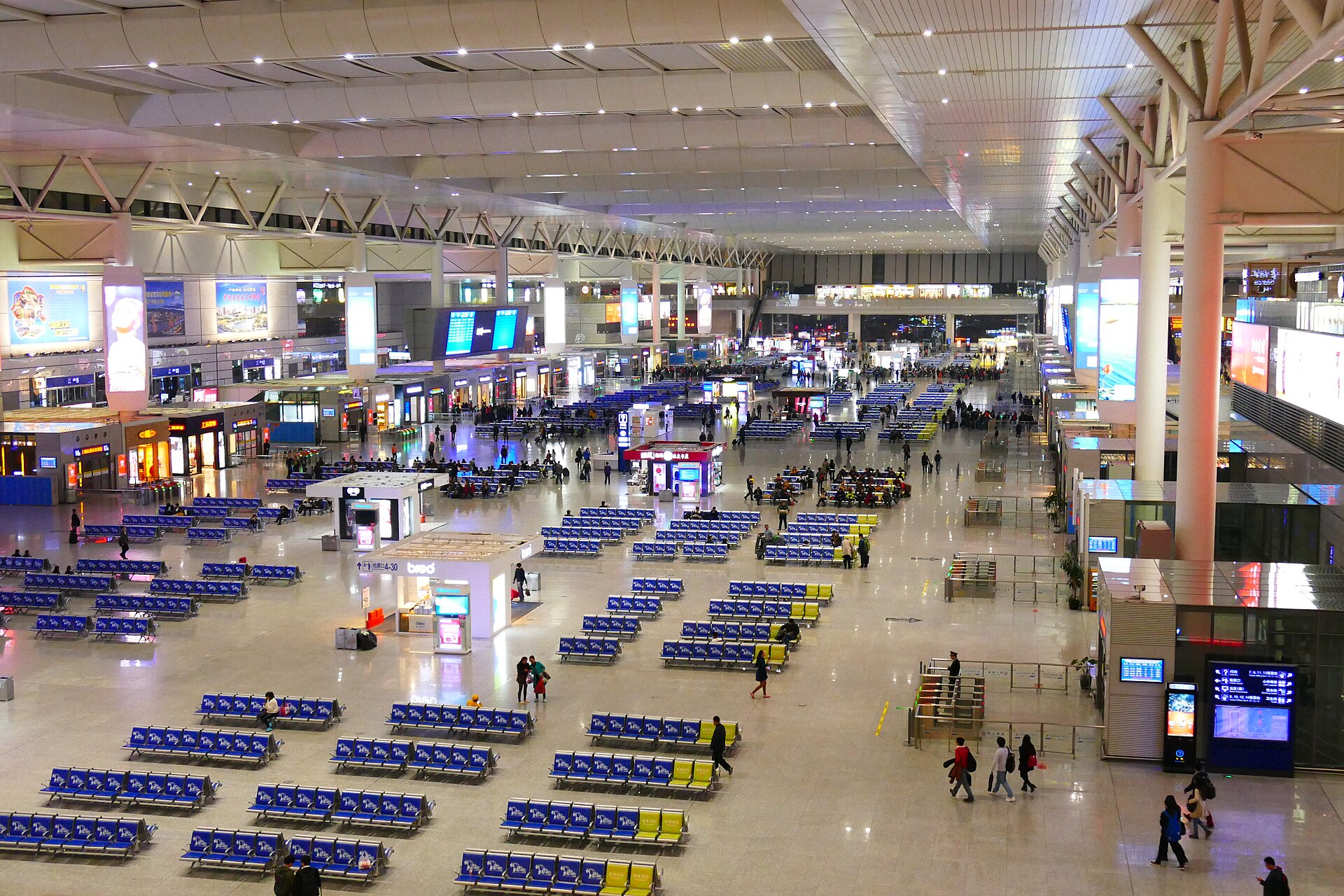
What the quiet costs you is food. Plenty of family-run restaurants, noodle shops and market stalls close for several days, some for the whole break, because their staff are on those same trains. Hotel restaurants, chains, mall food courts and the bigger names keep going, and the main sights stay open. Shanghai Museum East, which normally closes on Tuesdays, opens on Tuesdays that fall on national holidays, so Tuesday 9 February should be an open day there; check the museum’s notice for the holiday before you go. Our guide to Chinese New Year in Shanghai goes through what closes, day by day.
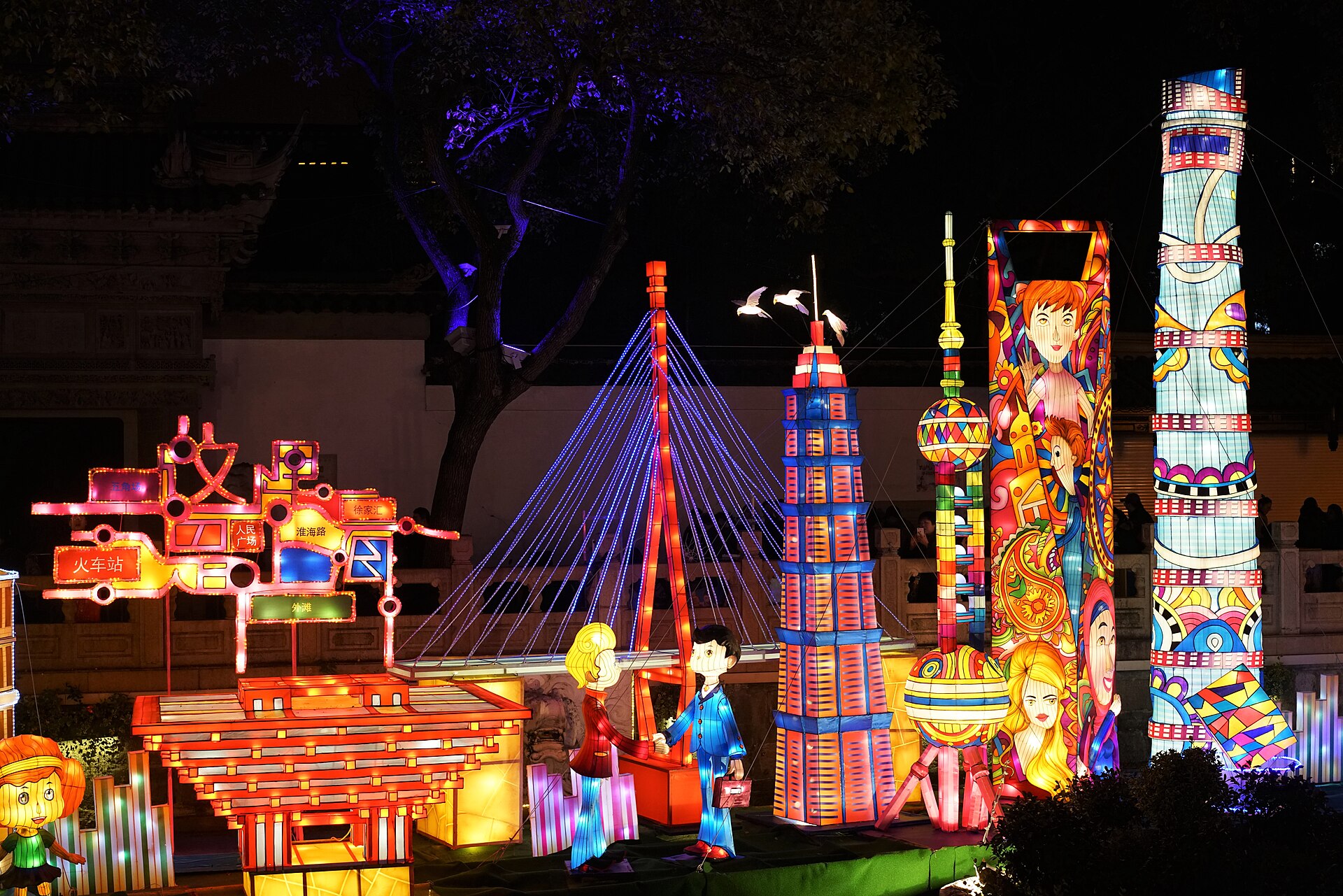
The festive heart of the city is Yu Garden. The Yuyuan Lantern Festival fills the old bazaar with lantern displays for several weeks around the New Year; the 2026 edition ran from 26 January to 3 March, and Yuyuan Garden Malls publishes each year’s dates and ticket details. It’s lovely after dark and very crowded, so go on a weekday evening and keep a hand on your phone. Our Yu Garden Lantern Festival guide covers the ticketed area, the timing and the best way in.
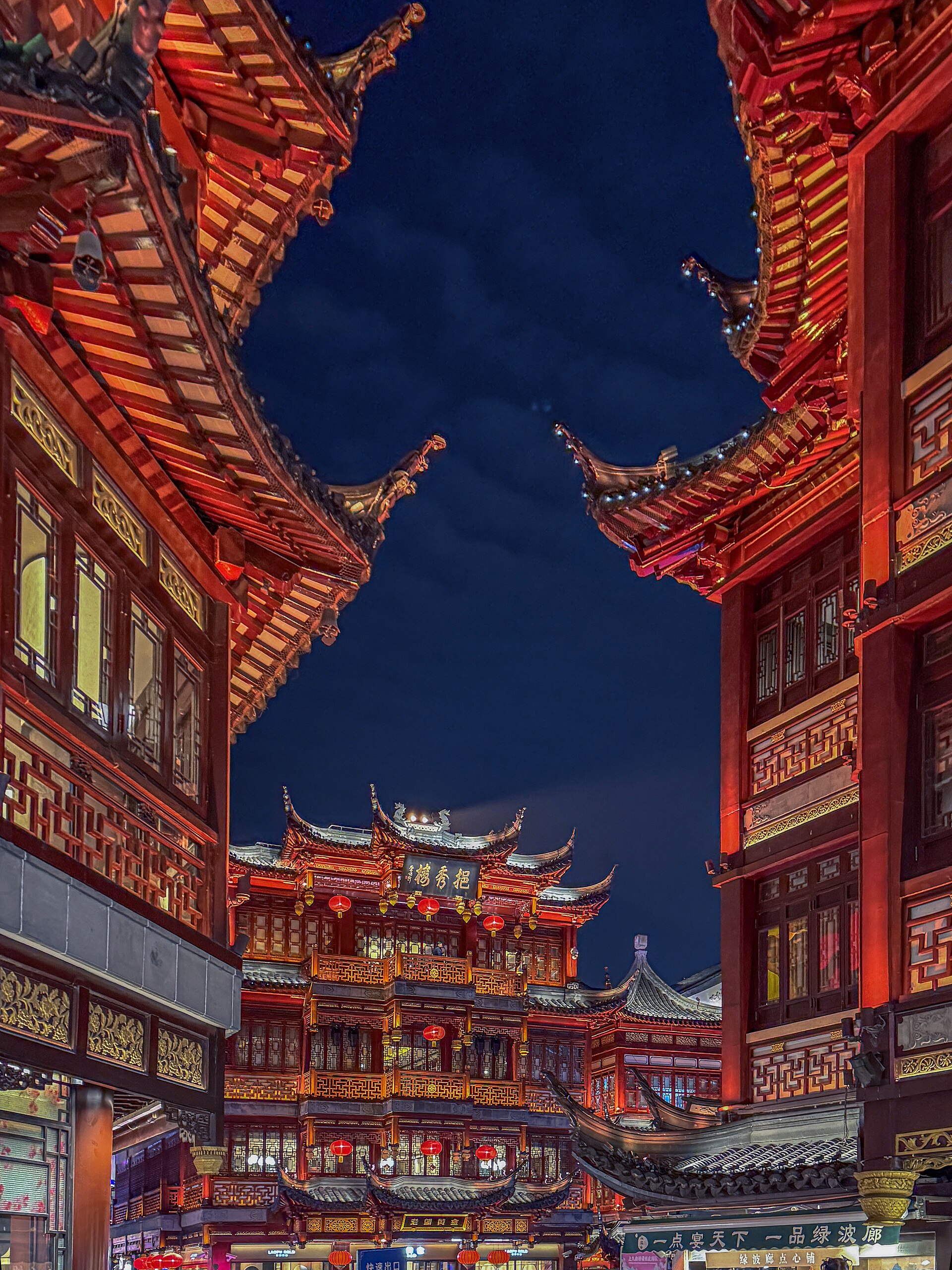
Don’t come for fireworks. The city’s police notice for Spring Festival 2026 banned them inside the Outer Ring Road, and the rules for 2027 will be in the notice issued before the holiday. Don’t come for the weather either. February at Xujiahui averages a daily high of 10.7°C and a low of 4.1°C on the 1991 to 2020 records, and it is often grey and damp.
Is it worth going? If you want an emptied-out city, the lanterns and a close look at how Shanghai does its biggest holiday, yes. If your trip is mainly about eating your way through small local places, come after the Lantern Festival instead. Our Shanghai in winter guide covers the rest of the season.
New Year’s Day and Qingming: the Short Breaks
New Year’s Day gives a three-day weekend from Friday 1 to Sunday 3 January 2027, with no make-up day. New Year’s Eve itself, Thursday 31 December 2026, is a normal working day, and that night the crowds gather on the Bund. For the 2025-26 New Year the city ran later trains on Lines 1, 7, 8, 9, 10 and 13 from 31 December to 3 January. On the night of the 31st it closed East Nanjing Road station (Lines 2 and 10) and the Line 14 station at Yuyuan Garden from 20:00, and on 3 January it added late trains from Hongqiao Railway Station for people coming home (the city’s notice). Check the city’s metro notice for the 2026-27 New Year arrangements before you head for the river. Our Christmas and New Year in Shanghai guide has the countdown spots and the ways home.
Qingming, or Tomb-Sweeping Day, runs from Saturday 3 to Monday 5 April, again with no make-up day. It is a family occasion first. Many Shanghai families head out to tend graves, and the roads to the big suburban cemeteries are busy, but in town the effect is simply a busy long weekend. It also falls in blossom season, when the parks are at their best and fullest. Plan the weekend around museums or the quieter neighbourhoods, and keep the big parks for a weekday before or after. April is a fine month to be here, with average highs of 20.9°C and lows of 12.6°C, and our Shanghai in spring guide covers the flowers.
May Day 2027: 1 to 5 May
Labour Day runs for five days, from Saturday 1 May to Wednesday 5 May, and Saturday 8 May is a make-up working day. Since 2025 it has had two statutory days rather than one, and the five-day break built around them is what turns it from a long weekend into a national travel week.
It lands in some of Shanghai’s best weather. May at Xujiahui averages a high of 25.8°C and a low of 17.9°C, warm enough for evenings outside and still a few weeks before the plum rains. Put good weather and five free days together and you get crowds wherever there is something to see. The Bund at night, East Nanjing Road, Yu Garden, Shanghai Disneyland and the water towns all fill up, and so do the trains to Suzhou and Hangzhou.
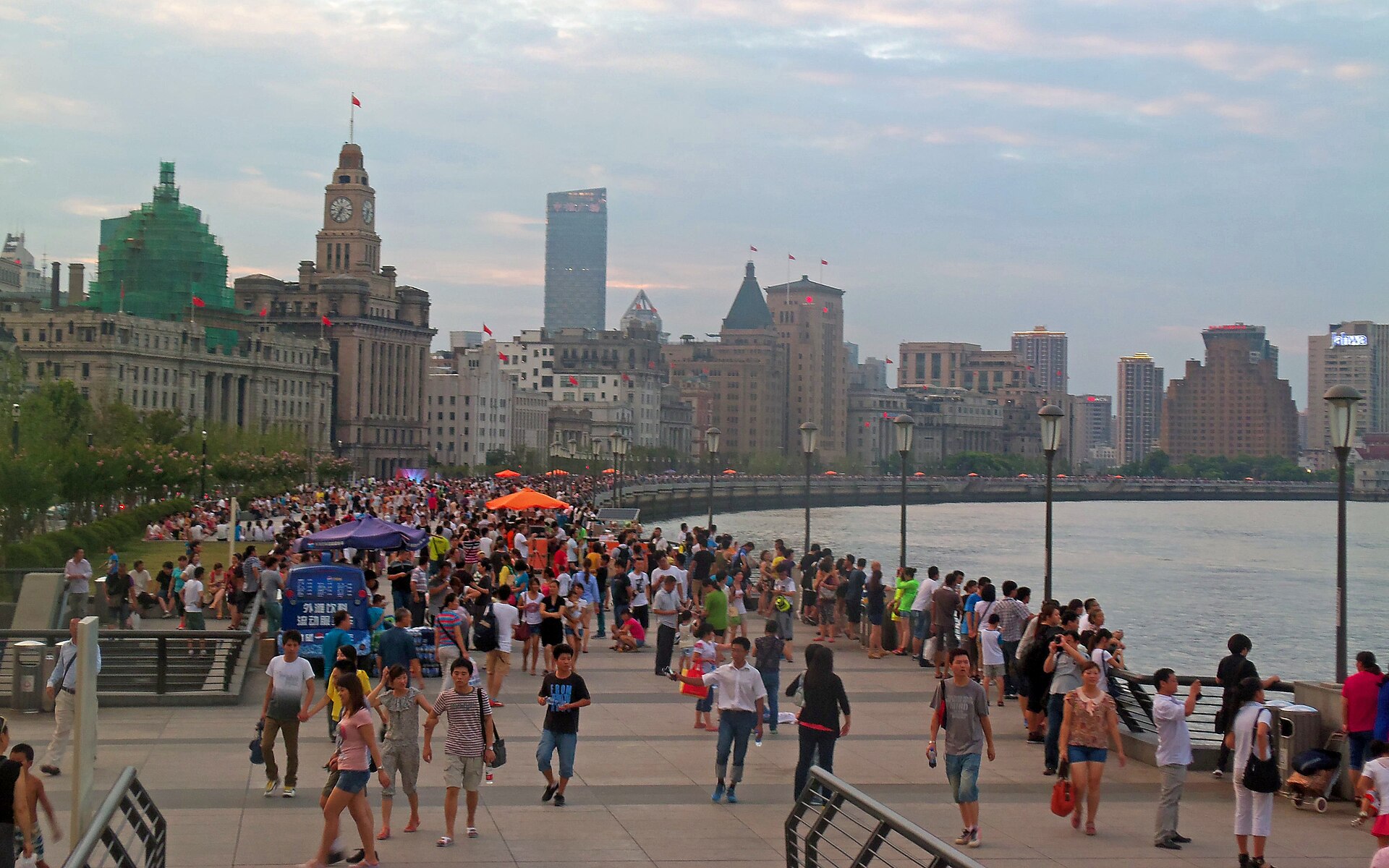
If your dates are fixed, a few habits make it bearable:
- Do the famous sights early. The Bund, Yu Garden and the water towns are at their calmest in the first hours of the morning, and day trippers arrive later.
- Avoid the first and last days for travel. Saturday 1 May and Wednesday 5 May are when everyone is on the move. Take a day trip in the middle of the break, or better, after it.
- Treat Saturday 8 May as a weekday. It’s a working day for the people who have just had five days off.
- Book Disneyland ahead. The resort prices tickets by date, so check its calendar for your day rather than assuming an earlier year’s price; our Disneyland tips cover the queue strategy.
If you can choose, come on Monday 10 May instead. The weather is just as good, the make-up Saturday is behind you, and the sights are back to their working-week rhythm.
Dragon Boat and Mid-Autumn: One Day Each
The Dragon Boat Festival is a single day off on Wednesday 9 June, with no bridge and no make-up day. For a visitor it hardly registers. You’ll see zongzi, the sticky rice parcels wrapped in leaves, piled up in bakeries and supermarkets, and there are boat races if you go looking. A one-day midweek holiday doesn’t send the country onto the trains the way a long break does. The thing to plan for in June is the weather rather than the holiday. It’s the plum rain season, and June at Xujiahui averages 224.9 mm of rain over 14.3 days, which with August makes it one of the two wettest months on the 1991 to 2020 averages. Our guide to Shanghai in summer covers the heat and the rain.
The Mid-Autumn Festival is also one day, Wednesday 15 September. It’s the reunion festival: families eat together that evening and gift boxes of mooncakes have been in the shops for weeks. In Shanghai the one to try is the fresh pork mooncake, a flaky pastry with a meat filling, sold warm from bakery windows in the weeks before the festival. Restaurants are busy with family dinners that evening; otherwise the day passes quietly.

September is still warm, with average highs of 28.7°C, and the festival falls at the tail of the typhoon peak, which the city government puts at late August to mid-September. A storm can close parks and riverside areas at short notice, so keep an eye on the forecast. Our Shanghai in autumn guide picks up from there.
National Day and Golden Week 2027: 1 to 7 October
National Day gives seven days off, from Friday 1 October to Thursday 7 October, with make-up working days on Sunday 26 September and Saturday 9 October. In 2026 the break covered the same dates, with its make-up days on Sunday 20 September and Saturday 10 October. Mid-Autumn has its own day on 15 September, so there’s no extra-long combined break in 2027.
Golden Week is the opposite of Spring Festival. Nothing closes, and everything is busy. Domestic visitors pour into Shanghai, partly because October is the best weather of the year: the 1991 to 2020 averages give a high of 23.5°C, a low of 17.1°C and only 7.5 days with rain. The flags go up along Nanjing Road and the Bund, the riverfront is at its fullest in the evenings, and the police manage the crowds on the busiest nights. As the New Year’s Eve closures show, they will shut a metro station near the river when the crowds demand it.
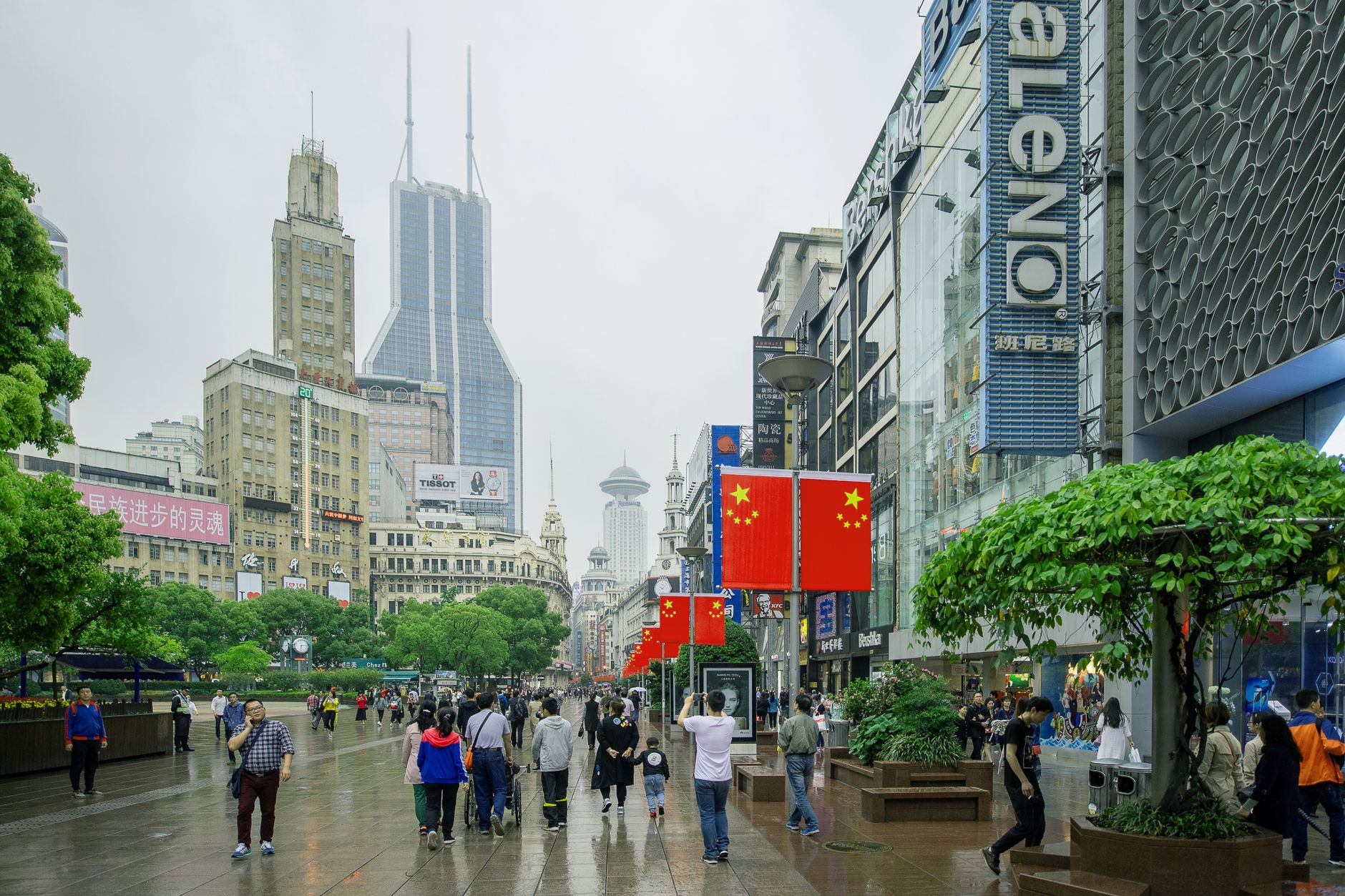
It can still be a good week to be here if you plan for it. See the Bund early in the morning or late at night rather than at 8pm. Book anything that takes reservations, such as the observation decks or a show, before you arrive. Keep day trips for after the 7th, when the water towns are yours again. Don’t fly on 1 October or back on 7 October if you can avoid it. Our Golden Week guide goes through crowd tactics and quieter alternatives sight by sight.
China Public Holidays 2027: What Closes and What Stays Open
Most of what a visitor needs keeps working through the holidays. The exceptions are predictable once you know them.
- Sights and museums stay open, and they are busiest on the holiday itself. Shanghai Museum East lifts its usual Tuesday closure on national holidays, which in 2027 matters for Tuesday 9 February, Tuesday 4 May and Tuesday 5 October; check its notice for each break. Our Shanghai Museum guide explains which building is showing what until 2027.
- Shops and malls stay open and run holiday promotions. Spring Festival is the time you’ll find streets of shuttered small shops.
- Restaurants stay open, except that many small family-run places close for part or all of Spring Festival. Big-name restaurants book up for holiday family meals, especially the Eve and Mid-Autumn night.
- Government offices close for the whole break, and that includes the immigration services that handle visa extensions. If you need anything official, do it before the holiday or after it.
- Banks may close branches or shorten hours, but ATMs, Alipay and WeChat Pay carry on as normal.
- The metro and buses run every day. Some lines run later on busy holiday nights, and stations close to the Bund can be shut at the peak.
- Make-up working days run like any weekday, offices and banks included.
Booking Trains, Flights and Hotels Around the Holidays
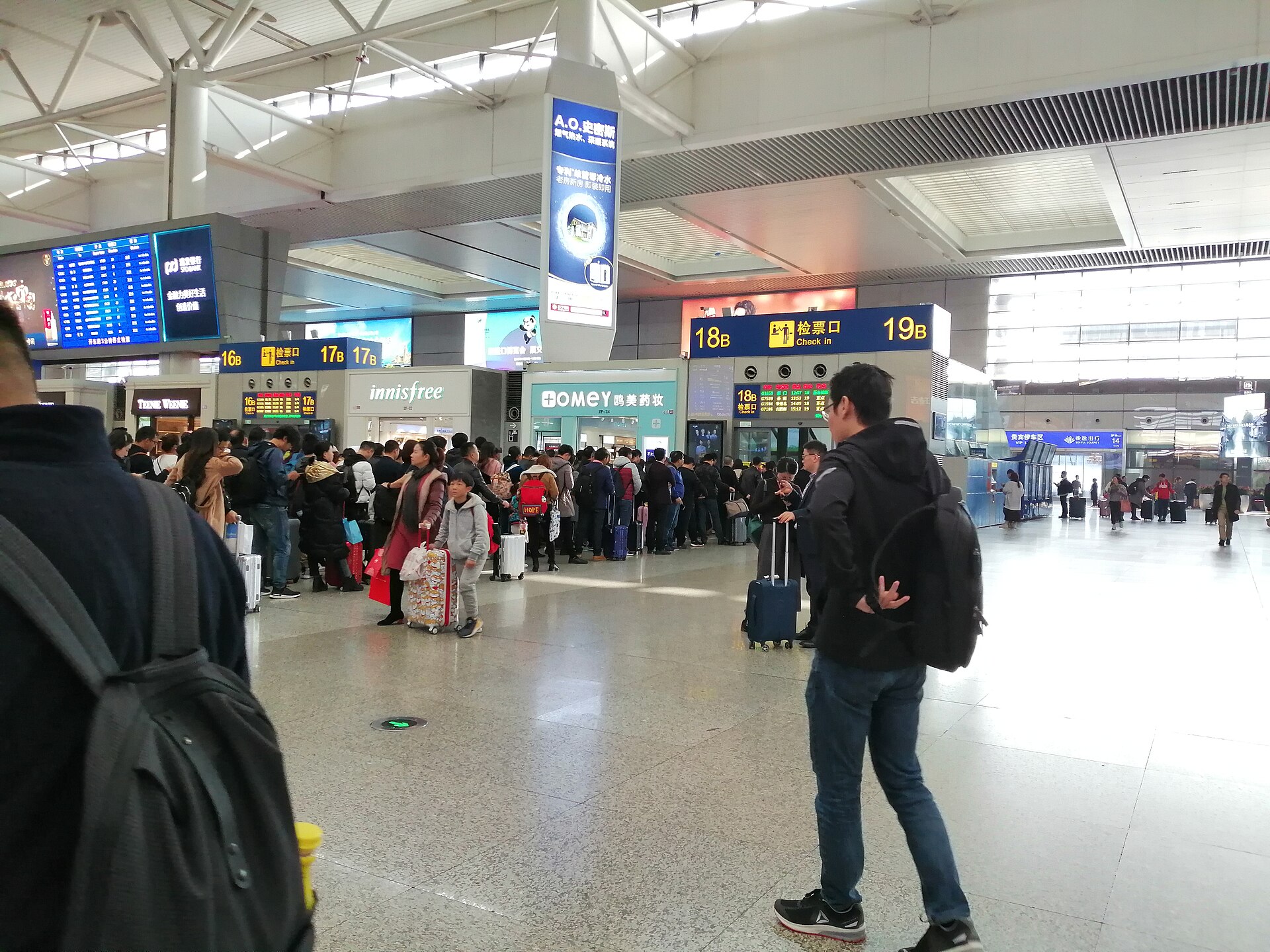
Trains. China Railway’s 12306 system sells tickets 15 days ahead, counting the day you buy, so the earliest you can book is 14 days before departure. Release times vary by station. Foreign travellers can register on 12306 with a passport, and the agencies sell the same seats. For the holiday peaks, put the on-sale date in your diary and book that morning. The last working day before a long break and its final day are the usual crunch points.
| If you travel on | Why it’s a peak | Tickets go on sale |
|---|---|---|
| Thu 4 February | Last working day before Spring Festival | Thu 21 January |
| Sat 13 February | Last day of Spring Festival | Sat 30 January |
| Fri 30 April | Last working day before May Day | Fri 16 April |
| Wed 5 May | Last day of May Day | Wed 21 April |
| Thu 30 September | Last working day before National Day | Thu 16 September |
| Thu 7 October | Last day of National Day | Thu 23 September |
Our guide to booking China train tickets walks through 12306 registration, payment and what to do when a train shows as sold out.
Flights. Domestic fares climb around the long breaks, especially on the first and last days. For long distances at Spring Festival, flying can be easier to book than the train, at a price. Book as soon as your dates are fixed.
Hotels. Book early for May Day and Golden Week, and take a rate you can cancel. Shanghai’s hotels fill with domestic visitors in those weeks, and prices rise with demand. Our guide to booking hotels in Shanghai as a foreigner covers which places take foreign passports.
Visa-free stays. The holidays don’t stop the clock. If you’re entering on the 240-hour visa-free transit, which allows stays of up to 10 days, or a 30-day visa exemption, count the days from entry as normal. Check the National Immigration Administration for which nationalities the exemption covers in 2027. Then check that your exit flight doesn’t fall on the busiest travel day of a break, when fares peak and the airports are at their fullest. Our 240-hour visa-free transit guide has the rules.
The Quiet Weeks: When to Go in 2027
Turn the calendar inside out and you have the best weeks of the year to visit, the ones with good weather and no national holiday:
- After the Lantern Festival, from Monday 22 February to late March. The city is back at work, the restaurants are open again and the hotels are quiet. It’s cool, warming through March to average highs of 14.9°C.
- April weekdays, from Tuesday 6 April to Thursday 29 April. Qingming is over and May Day hasn’t started. It’s spring at its best, and the most reliable window of the first half of the year.
- From Monday 10 May into early June. The May Day crowds have gone, the make-up Saturday is behind you, and the plum rains usually arrive later, in June.
- Mid-September, from Thursday 16 September. Still warm, after Mid-Autumn and before the run-up to Golden Week. Keep an eye on typhoon forecasts.
- From Monday 11 October to the end of November. This is the pick of the year: Golden Week is over, the air is clear and mild, and nothing else gets in the way. November averages a high of 17.8°C.
For the month-by-month picture, our Shanghai weather month-by-month guide has the figures. Our best time to visit Shanghai guide weighs the seasons against each other.
Common Mistakes
- Treating the day before a holiday as a quiet travel day. It’s the opposite. Expect Thursday 4 February and Thursday 30 September to be two of the hardest days of 2027 to get a train out of Shanghai.
- Forgetting the make-up days. Sunday 26 September and Saturday 9 October are working days in 2027. If you planned a lazy Sunday or a business meeting around them, check again.
- Assuming every festival means a long weekend. Dragon Boat and Mid-Autumn are single Wednesdays in 2027.
- Planning a food trip for Spring Festival. The big restaurants are open, but the small places that make Shanghai’s food scene are often shut.
- Thinking Golden Week is the only crowd peak. May Day fills the same places, in similar weather.
- Leaving errands to a holiday. A visa extension, a bank counter or anything needing an official stamp waits until the first working day.
- Copying dates from an old article. The only firm 2027 dates are the ones in the State Council’s notice, so check each year’s notice for later years.
Frequently Asked Questions
When is Chinese New Year 2027?
Lunar New Year’s Day is Saturday 6 February 2027, the start of the Year of the Goat. The public holiday runs from Friday 5 February to Saturday 13 February, nine days in all, with make-up working days on Sunday 31 January and Sunday 14 February.
When is Golden Week 2027?
The National Day holiday runs from Friday 1 October to Thursday 7 October 2027. Sunday 26 September and Saturday 9 October are make-up working days.
When is the May Day holiday in 2027?
From Saturday 1 May to Wednesday 5 May, five days, with Saturday 8 May as a make-up working day.
How many public holidays does China have in 2027?
There are 13 statutory holiday days, the number set when the rules changed in 2025. The 2027 notice turns them into seven breaks with 29 days off in total, counting the weekends inside each break, and five make-up working days.
What is a make-up working day?
A Saturday or Sunday that becomes an ordinary working day so that a holiday can be stretched into a longer break. Offices, banks and schools open as on a weekday. In 2027 there are five: 31 January, 14 February, 8 May, 26 September and 9 October.
Is Shanghai crowded during Chinese New Year?
Mostly the opposite. Millions of people leave the city to go home, so the streets and the metro are quieter than usual. The exceptions are the festive spots, above all Yu Garden and its lantern festival, and the railway stations before and after the break.
Are attractions open during Chinese public holidays?
Yes. Sights, museums, malls and most restaurants stay open, and they’re busiest on the holidays themselves. Government offices close, and many small family-run restaurants shut for part of Spring Festival.
Should I avoid visiting Shanghai during Golden Week?
If you have a choice, yes: come after 7 October and you get the same weather with far fewer people. If you can’t, see the big sights early in the morning, book what takes reservations and keep day trips for after the break.
When do train tickets go on sale for holiday travel?
12306 sells tickets 15 days ahead, including the day of purchase, so you can book 14 days before departure. For a train on Thursday 30 September 2027, for example, sales open on Thursday 16 September.
When is the Mid-Autumn Festival in 2027?
Wednesday 15 September 2027, and it’s a single day off with no make-up day. Mooncakes are in the shops for weeks beforehand.
Once your dates are set, our Shanghai festivals and events calendar shows what else is on that month. For a first visit, our first-timer’s guide to Shanghai covers the practical side of arriving.
Photo credits.
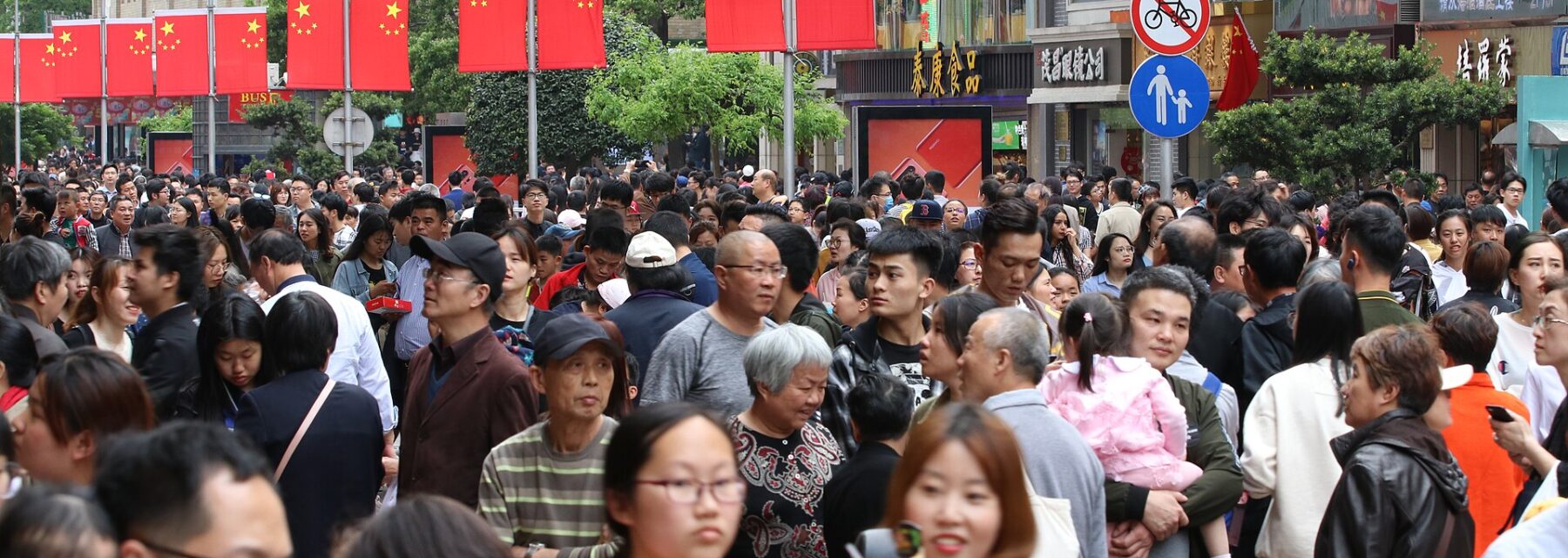
East Nanjing Road crowd: Crowds in Shanghai 2020-01-29 by Mussi Katz, CC0, via Wikimedia Commons.
Yuyuan Lantern Festival: 豫园灯会04039 by Augusthaiho, CC BY-SA 4.0, via Wikimedia Commons.
Hongqiao waiting hall: 2014.11.20.195036 Hongqiao Train Station Shanghai by Hermann Luyken, CC0, via Wikimedia Commons.
Yuyuan Bazaar at night: Shanghai Traditional Buildings at Yuyuan Bazaar by Marek Śliwecki, CC BY-SA 4.0, via Wikimedia Commons.
The Bund promenade: Crowded Bund on summer evening by Daniel Case, CC BY-SA 3.0, via Wikimedia Commons.
Pork mooncakes: Changfa Pork Mooncake at RT-Mart Xingtang (Auchan) by Shwangtianyuan, CC BY-SA 4.0, via Wikimedia Commons.
Hongqiao ticket gates: 18B and 19B check-in at SHQ-20191214 by Shwangtianyuan, CC BY-SA 4.0, via Wikimedia Commons.