The straight answer to is Shanghai worth visiting is yes — for the right kind of traveler, with the right expectations, at the right time of year. Shanghai is one of the most rewarding city visits in Asia, but it is not the right city for every traveler, and the difference between a great Shanghai trip and a frustrating one comes down to whether your interests match what the city does well. This guide gives an honest, balanced look at the case for and against visiting, with a recommendation engine to help you decide whether Shanghai belongs on your itinerary.
The short version: visit Shanghai if you want a concentrated dose of contemporary urban Asia, world-class food and architecture, and easy travel infrastructure. Skip Shanghai if you want classical Chinese imperial sights (those are in Beijing or Xi’an), if you want a slower-paced rural China experience, or if you want a destination that doesn’t require setting up Chinese payment apps before arrival. Most visitors come away convinced the trip was worth it; a small minority leave wishing they had picked a different city.
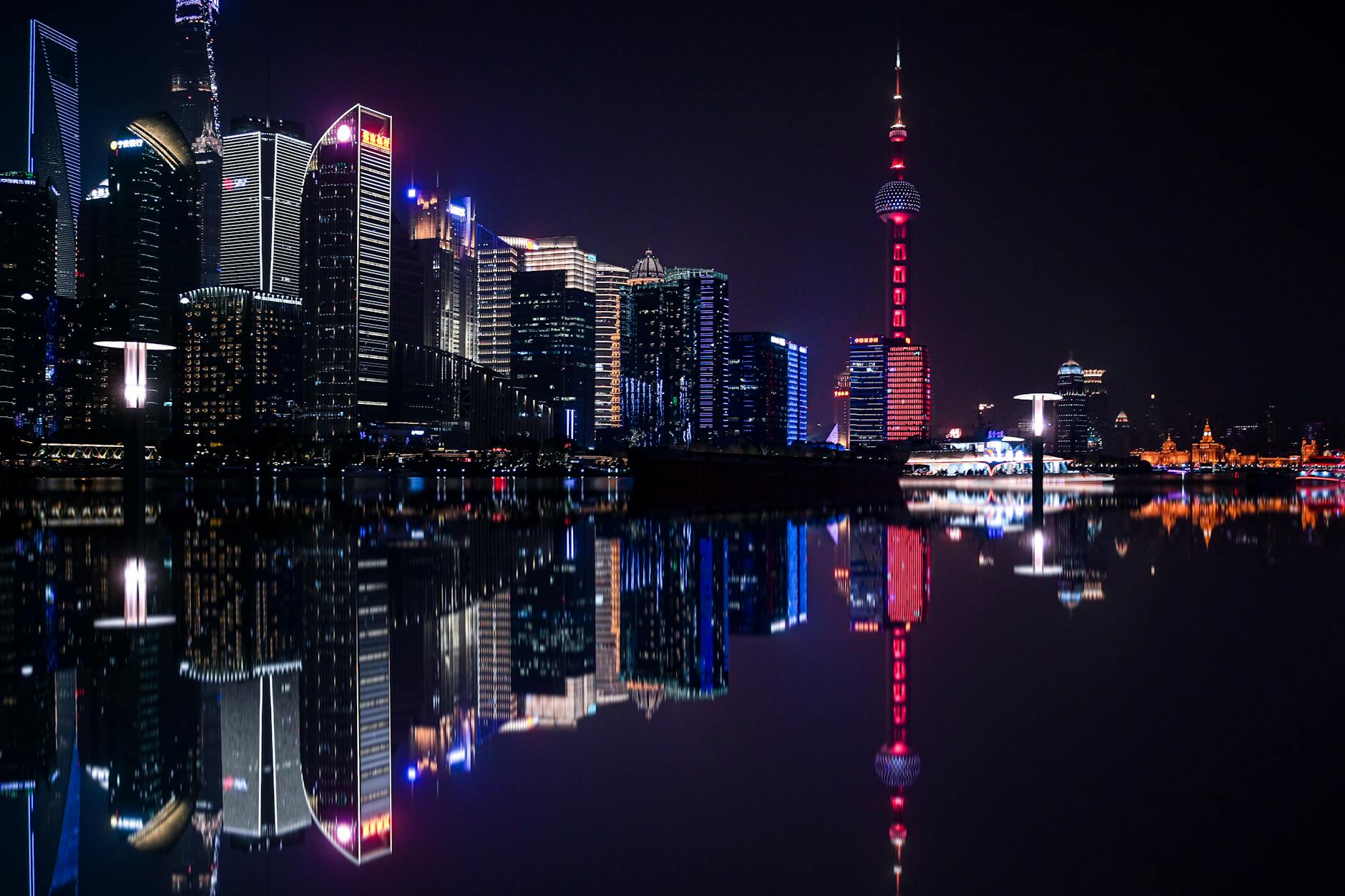
Table of Contents
- The Short Answer
- The Case for Visiting Shanghai
- The Case Against Visiting Shanghai
- Shanghai vs. Other Asian Capitals
- Who Shanghai Is Right For
- Who Shanghai Is Not Right For
- Possible Dealbreakers
- When to Visit (and When Not To)
- How Long Is Worth It?
- Combining Shanghai with Other Trips
- If This Is Your First China Trip
- If You’ve Been to Shanghai Before
- Frequently Asked Questions
The Short Answer
Yes, Shanghai is worth visiting. The case is strongest for travelers who:
- Are visiting China for the first time and want a less imperial-history-heavy introduction.
- Care about architecture and street culture more than ancient sites.
- Love food and want to experience benbang cuisine, dim sum, and one of the world’s great fine-dining scenes.
- Want a base for day trips into the broader Yangtze Delta (Suzhou, Hangzhou, the historic water towns).
- Are looking for a city that combines old and new in striking ways.
- Want to spend three to five days that produce excellent photography.
The case is weakest for travelers who want classical imperial Chinese sights, slow rural China experiences, or destinations that don’t require advance digital setup.
The Case for Visiting Shanghai
Eight reasons Shanghai earns its place on most Asia itineraries.
1. The Bund and Pudong skyline. Genuinely one of the great urban views on Earth. The mile of pre-war architecture facing the modern skyscraper city directly across the river is photographically and historically unmatched. Walking the Bund at sunset is the canonical Shanghai experience.
2. World-class food at every price level. From RMB 30 xiaolongbao at Nanxiang to RMB 4,000 tasting menus at Ultraviolet, Shanghai’s food scene rivals Tokyo, Hong Kong, or Paris. Benbang cuisine alone is worth the trip.
3. The metro and overall infrastructure. Twenty-one bilingual lines, RMB 3 fares, and trains every two minutes. Shanghai is one of the easiest big cities anywhere to navigate independently.
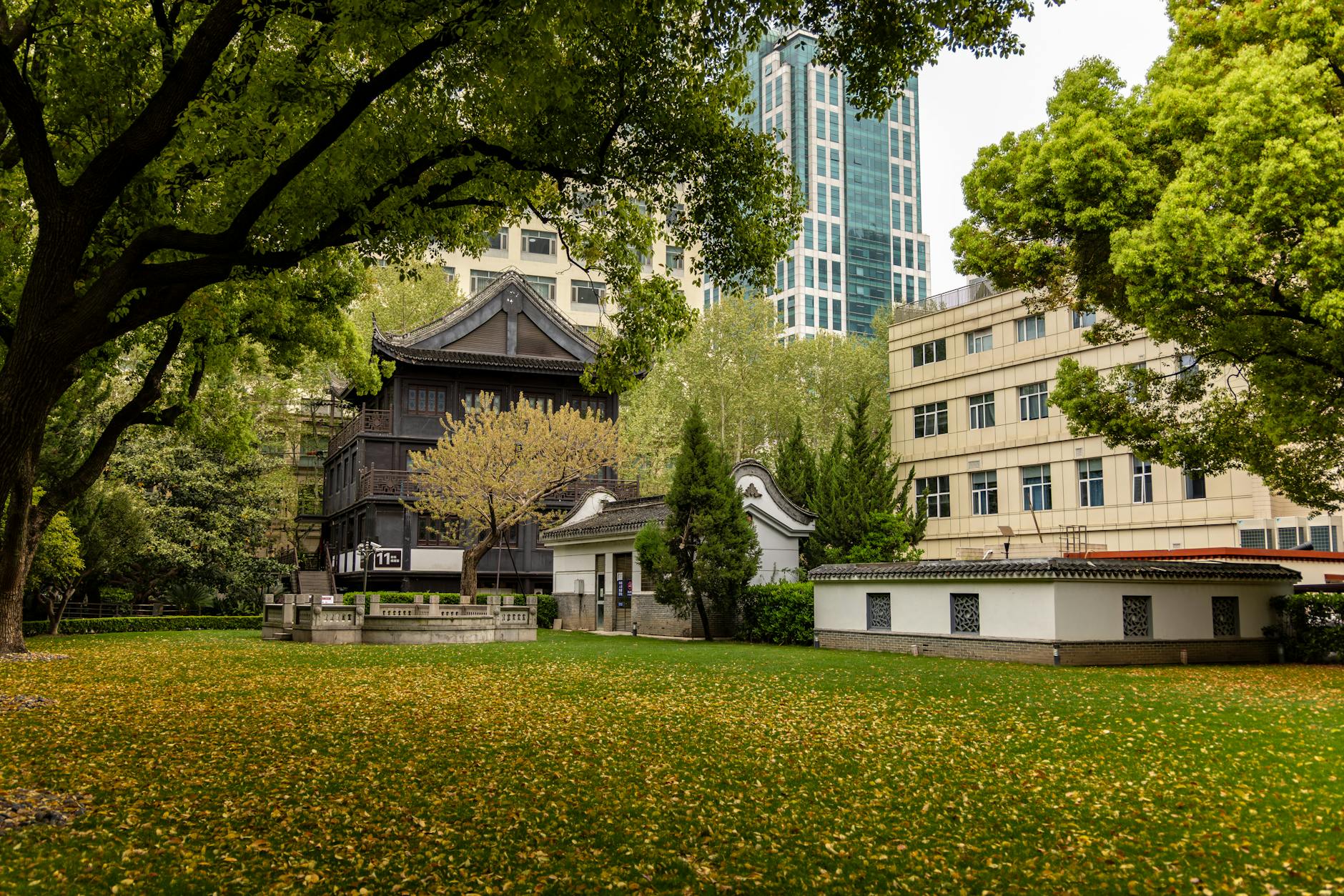
4. Architecture, eras, and neighborhoods. Ming gardens, treaty-port heritage, Art Deco apartments, post-1990 skyscrapers, restored shikumen lanes — all within walking distance of each other in central Shanghai.
5. Fewer crowds than Beijing. Shanghai’s tourism is heavily weighted toward business and East Asian visitors; international tourist density is lower than at the Forbidden City or Great Wall sites. Most attractions are walkable on a weekday.
6. The 240-hour visa-free transit. For citizens of fifty-five countries, Shanghai is now the easiest mainland Chinese city to visit. No tourist visa needed for short stays.
7. Side-trip access to Suzhou, Hangzhou, and the water towns. Some of China’s most beautiful classical landscapes are 25–60 minutes from Shanghai by train.
8. Genuine cosmopolitan atmosphere. Unlike Beijing’s politically charged atmosphere or smaller cities’ provincial feel, Shanghai is unmistakably international. English signage in tourist areas, foreign-friendly hotels, and a long history of international residents make the city accessible to first-time China visitors.
The Case Against Visiting Shanghai
Five honest reasons not to visit, or at least to deprioritize.
1. It is not classical China. If you want the Great Wall, the Forbidden City, the Terracotta Warriors, or Confucian heritage sites, those are in Beijing, Xi’an, or Qufu. Shanghai’s history is mostly post-1843. The city is not the right introduction to imperial Chinese civilization.
2. The pre-trip preparation is non-trivial. Setting up Alipay, WeChat, eSIM or VPN, and translation apps takes a few hours. Visitors who want a “land at the airport and figure it out” trip find Shanghai harder than, say, Tokyo or Bangkok.
3. Language barriers are real outside tourist zones. Mandarin is the operating language; English speakers are concentrated in tourist areas, hotels, and major museums. In casual restaurants, taxis, and small shops, basic English is hit or miss. Translation apps work but add friction.
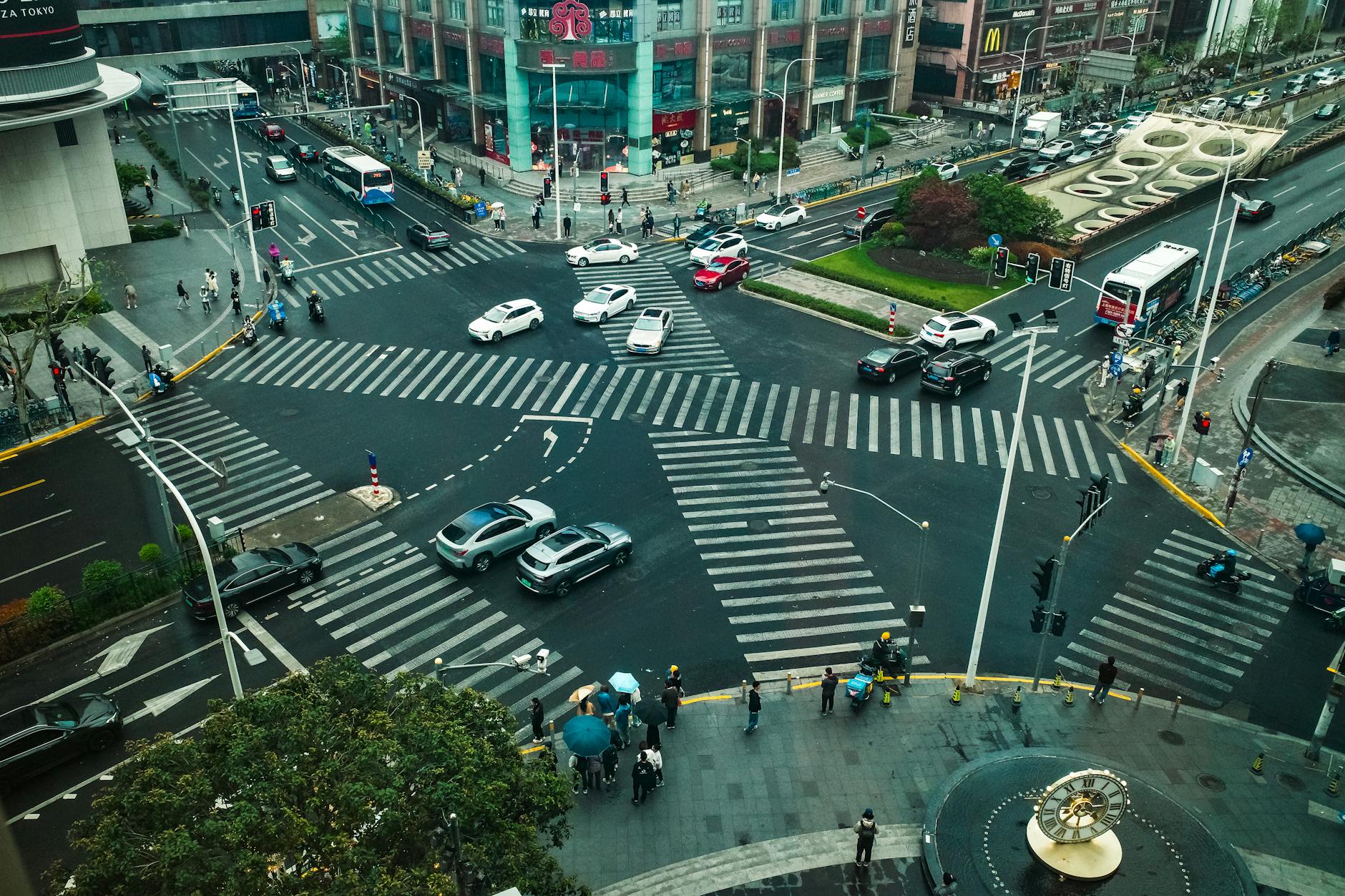
4. Cultural intensity. Shanghai is loud, fast, and sensory. Sidewalks are crowded, taxis honk, electric scooters silently dart through pedestrian areas, and rush-hour metro is genuinely uncomfortable. Travelers who want quiet, slow, or contemplative experiences should look elsewhere.
5. Crowding during peak holidays. Chinese national holidays (May 1–5, October 1–7, Lunar New Year) bring massive domestic-tourist crowds. Visiting during these weeks substantially worsens the experience.
Shanghai vs. Other Asian Capitals
For travelers choosing among Asian cities, here are honest comparisons.
Shanghai vs. Beijing. Beijing for imperial history (Forbidden City, Great Wall, Temple of Heaven), Shanghai for modern China and food. If your trip allows for one, pick Beijing for first-time China visitors who want classical sights; Shanghai for those wanting modern China. If your trip allows for both, do Beijing first, then Shanghai.
Shanghai vs. Tokyo. Both are intense modern cities with great food. Tokyo is more orderly and less prep-heavy; Shanghai is cheaper and has bigger architectural drama. For first-time Asian visitors, Tokyo is the gentler entry. For travelers who want a more affordable and visually striking experience, Shanghai.
Shanghai vs. Hong Kong. Hong Kong has more concentrated luxury, easier English, and dim-sum culture; Shanghai has more architecture, more historic depth, and lower prices. The two are different enough that visiting both makes sense if your trip allows.
Shanghai vs. Singapore. Singapore is cleaner, easier, and more multicultural; Shanghai is bigger, more atmospheric, and historically richer. Singapore for ease, Shanghai for character.
Shanghai vs. Bangkok. Bangkok for street food, beaches, and Thai temple culture; Shanghai for urban architecture and broader food scene. Different vibes; choose based on whether you want tropical or modern-urban.
Shanghai vs. Seoul. Both are dense modern Asian cities with strong dining; Seoul has K-pop and stronger Western pop culture integration. Shanghai is more architecturally varied and has a deeper international expat history.
Who Shanghai Is Right For
Shanghai is right for these traveler profiles:
Architecture and design enthusiasts. The Bund’s pre-war buildings, the post-1990 Pudong skyline, and the shikumen residential lanes are all iconic. Few cities concentrate this much architectural variety in one walkable zone.
Food lovers. Shanghai’s food scene is genuinely world-class across all price points. Visit specifically for dumplings, benbang cuisine, and one or two fine-dining tasting menus.
Photographers. Sunset on the Bund, evening at Yu Garden’s lantern-lit alleys, autumn leaves in the former French Concession. Shanghai photographs well.
History enthusiasts focused on modern China. 1843 to the present is genuinely interesting, and Shanghai is the right city for it. Treaty-port history, Republican-era jazz culture, the wartime Jewish refugee story, and the post-1990 boom are all on display.
Couples and small groups looking for a 3–5 day urban escape. The neighborhoods, restaurants, and rooftop bars work well for this kind of trip.
Repeat China visitors who haven’t done Shanghai yet. If you’ve already been to Beijing, Xi’an, or Chengdu, Shanghai is the natural next city for the modern-China contrast.
Who Shanghai Is Not Right For
Shanghai is probably not the right pick for:
First-time international travelers wanting an easy entry. Pre-trip setup is more substantial than for Tokyo or Singapore. Consider those instead for first international trips.
Travelers seeking imperial Chinese history. Beijing, Xi’an, or even Suzhou give a deeper imperial experience than Shanghai.
Travelers seeking rural or natural China. Shanghai is concrete and crowds. Yunnan, Tibet, or the Guilin karst landscape offer the rural experience.
Travelers who dislike loud, crowded urban environments. Shanghai’s pace is intense.
Visitors with extremely tight budgets. Shanghai is cheaper than Tokyo or Hong Kong but more expensive than Bangkok or Hanoi.
Visitors with serious dietary restrictions and limited Chinese. Communicating allergies in non-tourist restaurants requires effort.
Possible Dealbreakers
Some specific concerns can be dealbreakers for some travelers. Here are the realistic risks.
The Great Firewall. Without VPN or roaming eSIM, Google Maps, Instagram, WhatsApp, and most Western news will not load. Plan ahead.
Air quality on bad days. Generally moderate to good in 2026, but the occasional gray day can affect outdoor activities. Travelers with severe respiratory conditions should check AQI before booking.
Pre-trip apps setup. If you absolutely refuse to install Alipay or WeChat, your spending options narrow significantly. Most credit cards work in major hotels and chain restaurants but not at small ones.
Limited English. If you don’t want to use translation apps and can’t speak Mandarin, certain experiences (small restaurants, rural day trips) will be harder.
Visa requirements (if not eligible for transit visa-free). Tourist visa application takes 4–10 business days and a $140 fee for US passport holders. The 240-hour transit visa-free policy covers fifty-five countries; check your eligibility before assuming a tourist visa is required.
For full visa detail, see our Shanghai Visa & Entry Requirements guide.
When to Visit (and When Not To)
The best time to visit Shanghai is April–May or October–November. The worst times are summer afternoons (hot and humid) and Chinese national holidays (overcrowded). Winter is cold but workable.
For a complete month-by-month breakdown, see our Shanghai weather month by month guide.
How Long Is Worth It?
The sweet spot is three to five days for first-time visitors. Three days is enough for the icons; five days adds Disneyland or a day trip. Less than three days can feel rushed; more than seven days requires you to be using Shanghai as a regional base.
If your trip allows only one day, Shanghai still works as a Bund-and-food day with a metro to the Shanghai Tower.
For complete itinerary options by length, see our Shanghai itinerary planner.
Combining Shanghai with Other Trips
Shanghai is well-positioned as part of a wider Asian itinerary. Common combinations:
Shanghai + Beijing. The classic two-city China combination. 4 days each, plus the Great Wall outside Beijing.
Shanghai + Hong Kong. Luxury-focused trip combining mainland China with the special administrative region. 4 days each.
Shanghai + Tokyo. Modern-Asia combination with two of the great food cities. Common as a 10-day trip.
Shanghai + Suzhou + Hangzhou. All in the lower Yangtze Delta. 7-day trip with day trips by high-speed rail.
Shanghai + Beijing + Xi’an + Chengdu. The four-city introduction to China. 12–14 days.
Shanghai as part of round-the-world. The 240-hour visa-free transit makes Shanghai an easy stop on a longer multi-country trip.
If This Is Your First China Trip
Most first-time China visitors include either Beijing or Shanghai (or both). The case for Shanghai as a first China trip:
Pros: Easier infrastructure than Beijing for first-time visitors. Better English coverage in tourist areas. Lower cultural-intensity threshold. The 240-hour visa-free policy works seamlessly. Excellent food.
Cons: Less classical Chinese context. Doesn’t include Great Wall or Forbidden City.
For first-time China visitors who want both ancient and modern, Beijing first then Shanghai is the canonical structure. For visitors who care more about modern China, Shanghai alone is sufficient.
If You’ve Been to Shanghai Before
Shanghai rewards repeat visits. The second visit is for going deeper into specific neighborhoods (the former French Concession beyond the obvious streets), specific food (a benbang restaurant tour, a xiaolongbao crawl), or contemporary art (West Bund corridor, M50 art district).
Third and later visits often combine Shanghai with day trips to lesser-known regional destinations: Wuzhen, Tongli, Anchang, the Yangshan Deepwater Port, or the historic Quanzhou further south by high-speed rail.
Frequently Asked Questions
Is Shanghai worth visiting if I only have 2 days?
Yes, with intense planning. Day 1 covers the Bund-Old City-Pudong axis; Day 2 covers the French Concession and museums. You’ll move quickly but the trip is satisfying.
Should I visit Shanghai or Beijing first?
Beijing first if you want classical imperial China; Shanghai first if you want easier modern infrastructure. For a single trip with both, do Beijing → Shanghai.
Is Shanghai better than Hong Kong for tourists?
Different. Shanghai for architectural variety and broader food scene; Hong Kong for compact luxury and dim sum culture. Many travelers do both.
Is Shanghai overrated?
Not for travelers whose interests align with what the city does well (architecture, food, modern China). It can feel underwhelming to travelers expecting classical Chinese imperial sights.
Can I visit Shanghai without Mandarin?
Yes. English signage covers transit, museums, and tourist areas. Translation apps fill any gap. Most tourists go an entire visit without learning Mandarin.
Is Shanghai a good destination for first-time international travelers?
It can be, but Tokyo and Singapore are easier first-time choices. Shanghai requires more pre-trip preparation. Worth it for travelers genuinely interested in modern China.
Is Shanghai worth visiting in winter?
Yes, with cold-weather preparation. December and January are the city’s clearest months for outdoor photography. Lunar New Year week brings unique cultural energy.
Are there alternatives to Shanghai in mainland China?
For modern urban experience: Shenzhen, Hong Kong, Singapore. For classical Chinese: Beijing, Xi’an, Suzhou. For natural beauty: Yunnan, Guilin, Sichuan. None replicate Shanghai’s specific mix.
What is the single best thing to do in Shanghai?
Walk the Bund at sunset. Free, atmospheric, photographically stunning. Everything else is optional.
Is the food really that good?
Yes. Shanghai’s food scene is genuinely one of the world’s best at every price level.
Make the Decision
The complete answer to is Shanghai worth visiting depends on the kind of traveler you are. For most international visitors with three to five days available and interest in food, architecture, and modern Asian urban culture, the answer is yes — clearly, almost universally yes. For travelers seeking imperial history, rural China, or the lowest-effort possible international trip, look at Beijing or Tokyo or Singapore instead.
For broader Shanghai planning once you decide, see our Shanghai Travel Guide. For specific itineraries, see our Shanghai itinerary planner. For a complete first-timer’s checklist, see our first time visiting Shanghai guide.
Most travelers who do visit Shanghai come away surprised by how much the city offered beyond what they expected. The combination of architecture, food, and ease of access continues to make Shanghai one of the best urban destinations in Asia for most travelers, most of the time.
For more background, see Shanghai on Wikipedia.