The Shanghai vs Hong Kong question usually gets answered badly, because the two cities look similar in photographs and are almost nothing alike on the ground. Both have a famous skyline seen across water. Both were built on trade by people who arrived from somewhere else. After that the resemblance stops: one is a flat mainland megacity of twenty-five million on a river delta, the other is seven and a half million people wedged onto steep ground around a harbour, with a different currency, a different language, a different legal system and an internet that works.
If you only have time for one, the choice comes down to what you want from a week. Shanghai is bigger, cheaper, harder to arrive in and more rewarding once you have. Hong Kong is easier, denser, more expensive, and has hills, beaches and islands within forty minutes of the financial district. Below is the comparison broken down the way people actually decide — cost, food, views, transport, nature, paperwork, weather — plus a straight recommendation for each kind of traveller and a note on doing both.
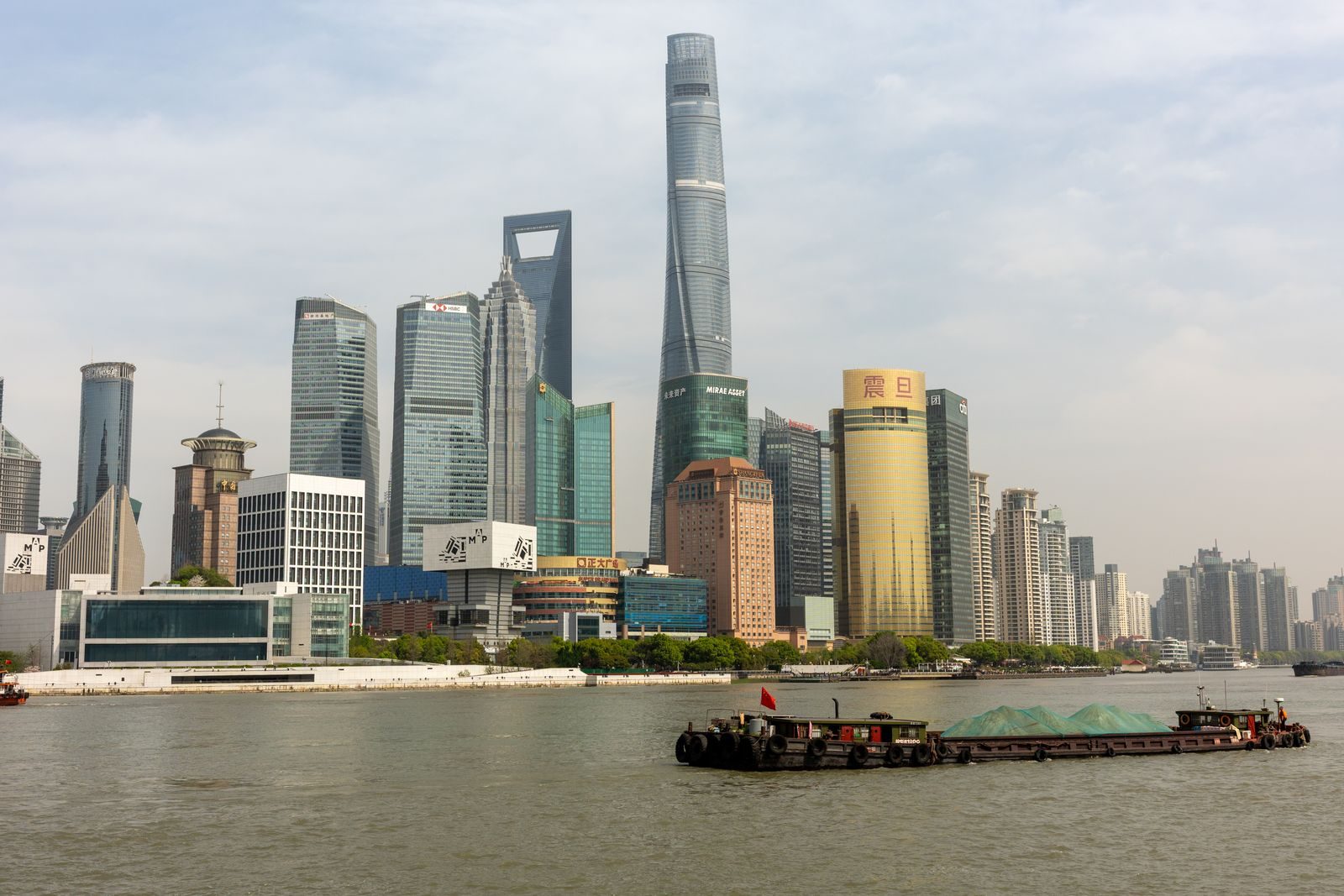
Table of Contents
- The short answer
- Shanghai vs Hong Kong at a glance
- Cost: which is cheaper
- Food
- The skyline and the views
- Getting around
- Getting out of the city
- Visas, language, internet and safety
- Weather and when to go
- Shanghai vs Hong Kong by traveller type
- If you can do both
- What people get wrong
- Frequently Asked Questions
The short answer
Choose Shanghai if this is your first time in mainland China and you want it to be, if you care about food more than views, if you want a city that rewards a week rather than three days, if your budget is finite, or if the point of the trip is to see modern China rather than a global port city.
Choose Hong Kong if you have three or four days rather than seven, if you want hiking and beaches without leaving the city, if you would rather not deal with visas, VPNs and payment apps, if you are travelling with someone who finds mainland China daunting, or if Cantonese food is the reason you are going anywhere.
Neither is a mistake. But the most common regret runs one way: people who picked Hong Kong for a week often say four days would have done it, and people who picked Shanghai for four days almost always say they needed more.
Shanghai vs Hong Kong at a glance
| Shanghai | Hong Kong | |
|---|---|---|
| Population | About 24.9 million | About 7.4 million |
| Area | 6,340 km² | 1,114.6 km² of land |
| Currency | Renminbi (¥) | Hong Kong dollar (HK$) |
| Language | Mandarin; Shanghainese at home | Cantonese; English official |
| English on the ground | Patchy outside hotels and attractions | Near-universal |
| Visa for most Western passports | Visa-free 30 days for 50 listed countries, including the UK, Canada, France, Germany and Australia, until 31 December 2026; Americans need 240-hour transit or an L visa | Visa-free 90–180 days |
| Internet | Restricted — VPN needed | Unrestricted |
| Payment | Alipay and WeChat Pay, near-cashless | Octopus card and contactless bank cards |
| Metro fare, typical journey | Lower, priced by distance | Higher, priced by distance |
| Mid-range hotel | Lower | Higher, for a smaller room |
| Terrain | Flat river delta | Steep; most land unbuildable |
| Hiking and beaches | A day trip away | Country parks and beaches inside the territory |
| Days needed | 4–5 minimum, rewards 7 | 3–4 covers the essentials |
| Plugs | Type A and I | Type G (UK three-pin) |
| Driving side | Right | Left |
Cost: which is cheaper
Shanghai, and not marginally. The gap is widest on accommodation and narrowest on food, and it is worth understanding why: Hong Kong has a genuine land shortage, so the same money buys a much smaller room.
The exchange rate is easy to work with. HK$1 was about ¥0.86 in autumn 2026, so HK$100 comes to roughly ¥86: knock about a seventh off any Hong Kong price to see it in yuan.
| Per person per day | Shanghai | Hong Kong |
|---|---|---|
| Hostel dorm | Lower | Higher |
| Mid-range central hotel | Lower | Higher: the widest gap in this table |
| Four to five star | Lower | Higher |
| Bowl of noodles | Lower | Higher, though the gap is small |
| Mid-range restaurant meal | Lower | Higher |
| Coffee | Lower | Higher |
| Beer in a bar | Lower | Higher |
For the same standard of trip, Hong Kong costs clearly more than Shanghai, and the hotel bill is where most of the difference lands. The one place Hong Kong holds its own is the very bottom of the food market: a cha chaan teng lunch or a dai pai dong dinner is cheap and very good, and the gap against a Shanghai noodle shop is smaller than the hotel gap would lead you to expect.
Both cities also have a large free layer, which the budget guides tend to miss. Shanghai’s Bund, the ¥2 Huangpu ferry, the Lujiazui ring footbridge, Fuxing Park, most temple exteriors and the whole of the former French Concession cost nothing. In Hong Kong, the Star Ferry between Central and Tsim Sha Tsui is HK$4 on the lower deck on weekdays and HK$5.60 at weekends and on public holidays, the Symphony of Lights is free, and every hiking trail and public beach in the territory is free. Our Shanghai on a budget guide and the full cost breakdown go through the mainland side in detail.
Food
This is the closest contest in the whole comparison, and the answer depends on what you mean by better.
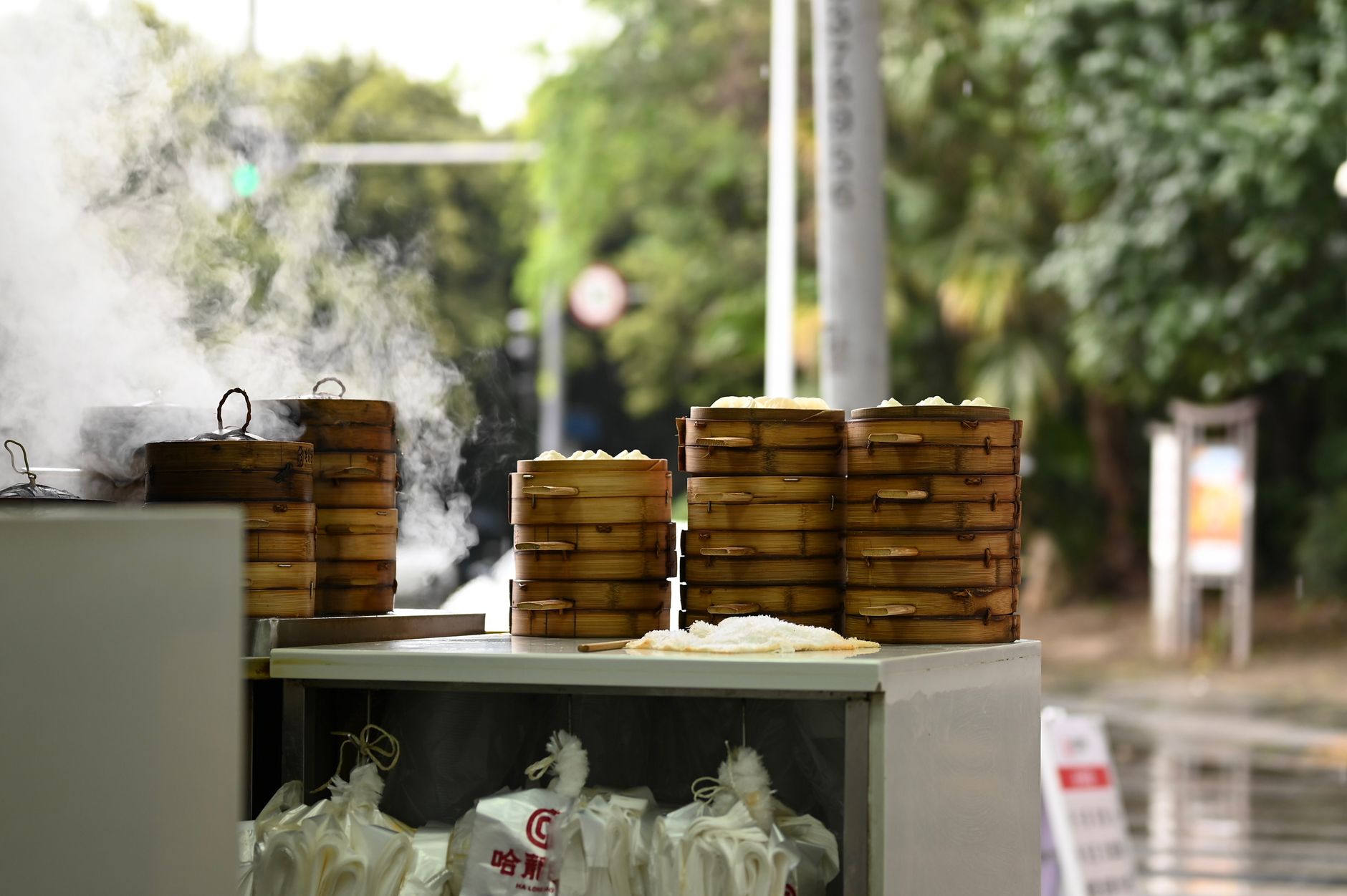
Hong Kong is the stronger single cuisine. Cantonese cooking at its best — dim sum done seriously, roast goose, steamed fish, wonton noodles — is a coherent, refined tradition, and Hong Kong is where it is practised most seriously outside Guangzhou. The cha chaan teng culture (Hong Kong-style tea restaurants, milk tea, pineapple buns, macaroni soup) has no mainland equivalent and is genuinely worth a trip on its own. Eating well in Hong Kong is easy: you can walk into almost anywhere and it will be at least good.
Shanghai has the greater range. Shanghainese cooking itself is a minority interest — sweet, soy-braised, river-fish-based, and an acquired taste for many people. What Shanghai actually offers is regional Chinese cooking from all over the country, carried in by the people who moved there: Sichuan, Hunan, Xinjiang, Yunnan, Chaozhou, Dongbei, plus a deep bench of non-Chinese restaurants. It also has its own Michelin guide, with starred dining at the top and a Bib Gourmand list for cheaper meals.
Where Shanghai clearly wins is price. A superb bowl of noodles, a basket of xiaolongbao or a hot pot dinner at one of the good chains all cost noticeably less than their Hong Kong equivalents.
Where Hong Kong clearly wins is the floor. Shanghai’s worst restaurants are bad in a way Hong Kong’s are not, and finding good food in Shanghai without Chinese takes more effort — Dianping, the app residents actually use, is Chinese-only. Our Shanghai food guide and the Shanghainese cuisine guide cover what to order and where.
Verdict: Hong Kong if you want to eat brilliantly with no research. Shanghai if you want to eat across all of China and do not mind doing some homework.
The skyline and the views
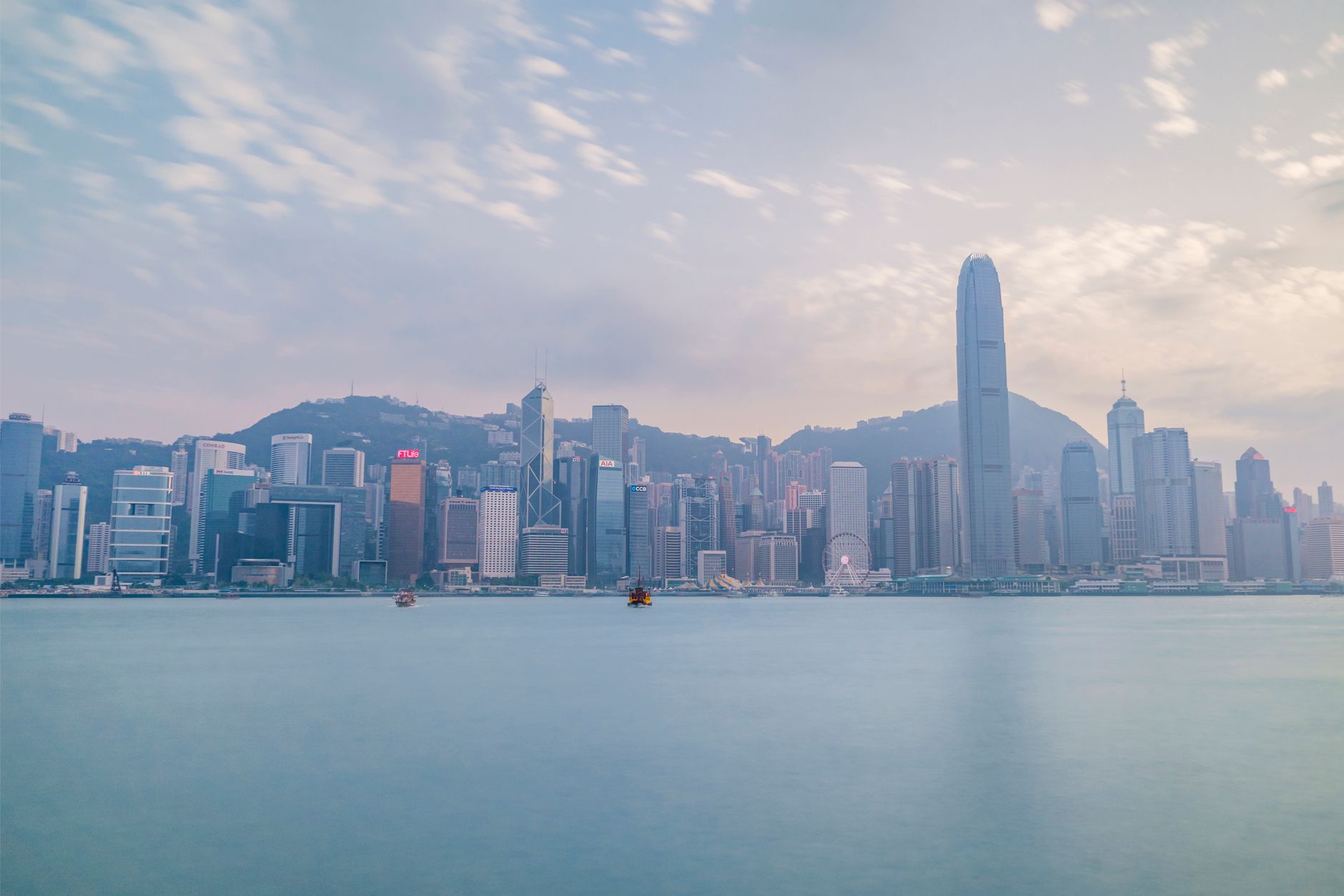
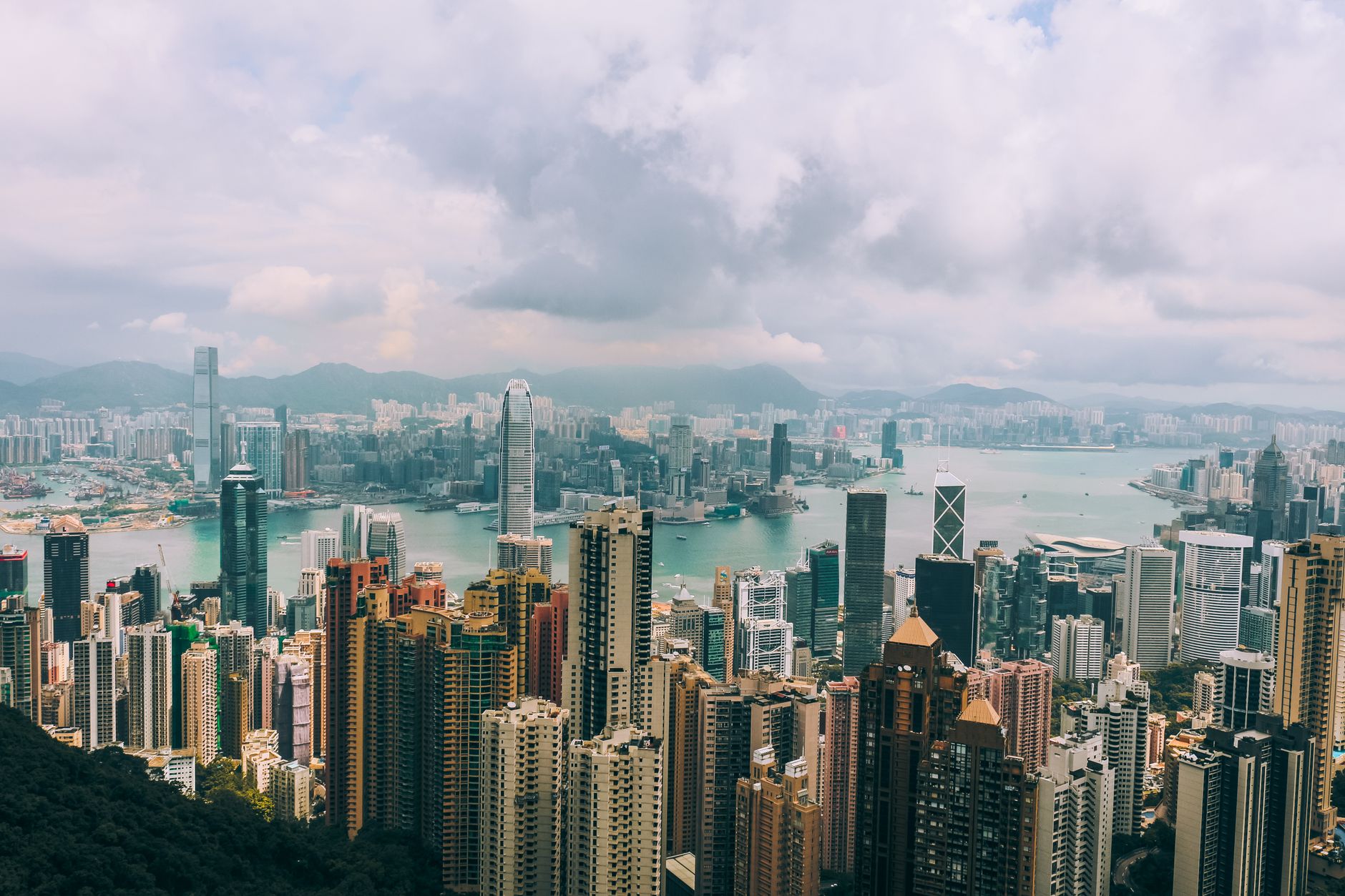
Hong Kong wins this, and it is not close. Not because the buildings are better — Shanghai’s are taller and newer — but because Hong Kong has topography. You look at Hong Kong from above and from the water, at a city stacked against green hills, and the view changes as you move through it. Shanghai is flat, so the only views from height are the ones you buy a ticket for.
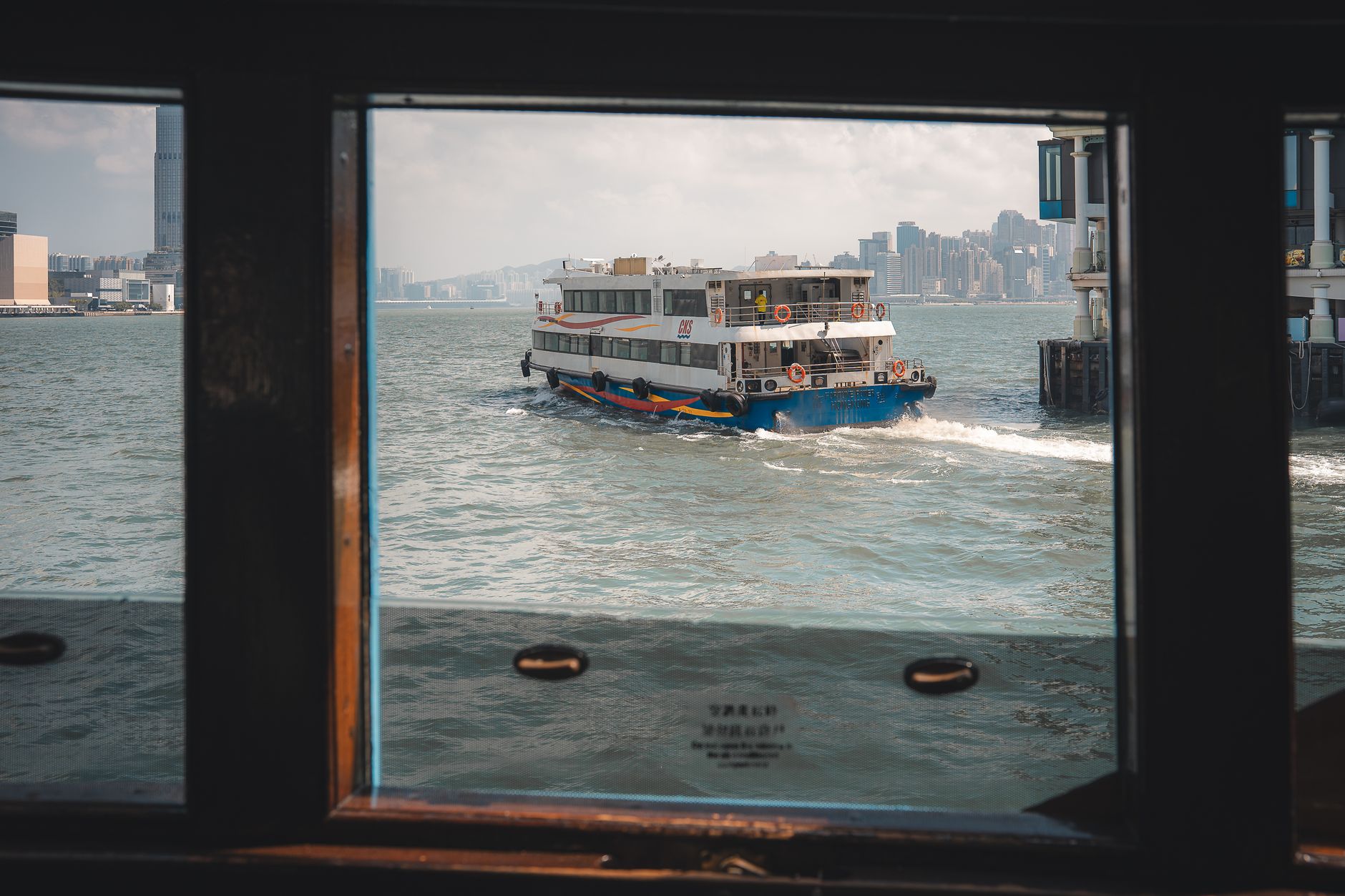
Hong Kong: the Peak Tram costs HK$82 single and HK$116 return for an adult, one price every day since the dynamic pricing was scrapped at the end of 2024. The view from the top is the famous one. For a few Hong Kong dollars the Star Ferry gives you the harbour at eye level, which is arguably better, and the Symphony of Lights runs free at 20:00 nightly, except when typhoon signal 3 or higher or a red or black rainstorm warning is up. None of the best views here are expensive.
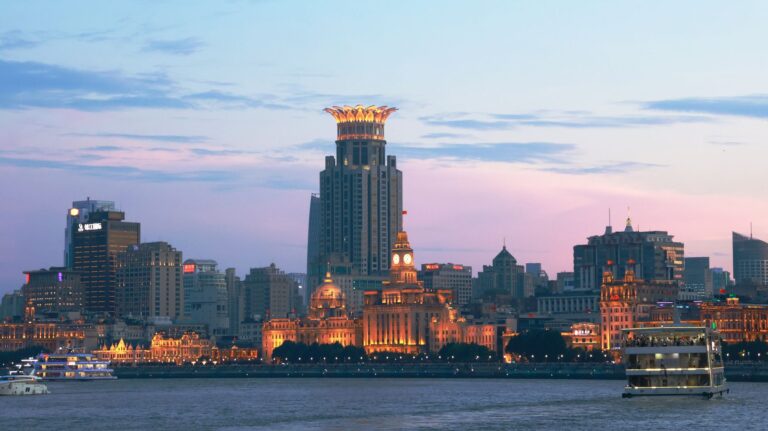
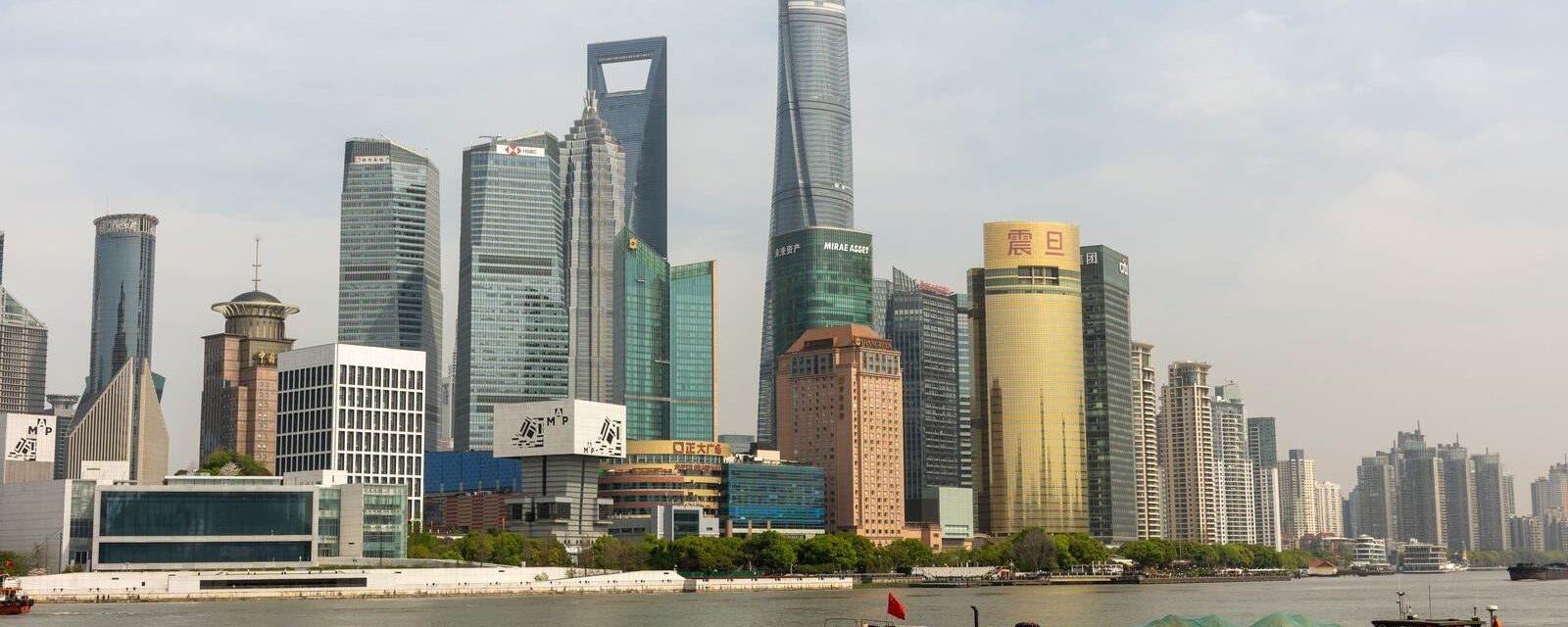
Shanghai: the Bund at dusk is free and is one of the great urban views anywhere — a mile of 1920s European banking architecture facing a mile of 21st-century towers across the water. For height, Shanghai Tower’s deck sits at 546 metres, and the Oriental Pearl and Jin Mao’s F88 have decks of their own; ticket prices change with the season, so check each tower’s own site before you go. Note that the Shanghai World Financial Center observatory has been closed since 2023 and still appears on out-of-date listings. The free options are the Lujiazui ring footbridge and the ¥2 public ferry across the Huangpu, and both are better than they sound. Our guide to the best views in Shanghai ranks all of them.
Verdict: Hong Kong for views. Shanghai for one specific view — the Bund at seven in the evening — which is as good as anything Hong Kong has at ground level.
Getting around
Both cities have excellent metro systems and you will not need a taxi in either. The differences are in the details.
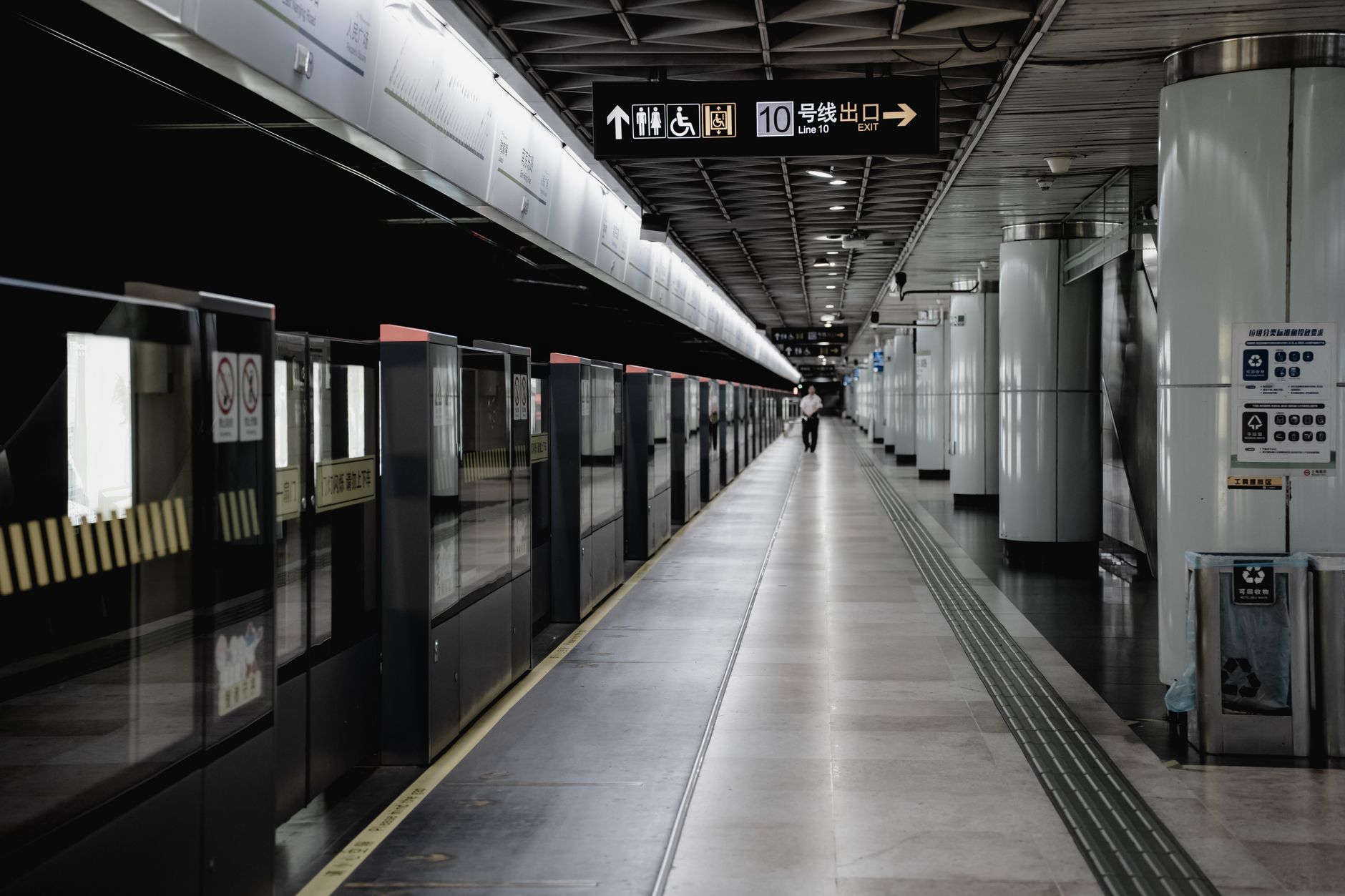
Shanghai has the larger network by a wide margin — 19 metro lines, 20 if you count the Maglev, and about 808 kilometres of route, the second-longest metro in the world — with fares of ¥3–7 for most central journeys, ¥18 day passes and ¥45 three-day passes. Signage and announcements are bilingual and the system is genuinely easy. What it is not is quick end to end: Shanghai is enormous, and a cross-city journey can be fifty minutes. The Shanghai metro guide covers fares, passes and the exit numbering.
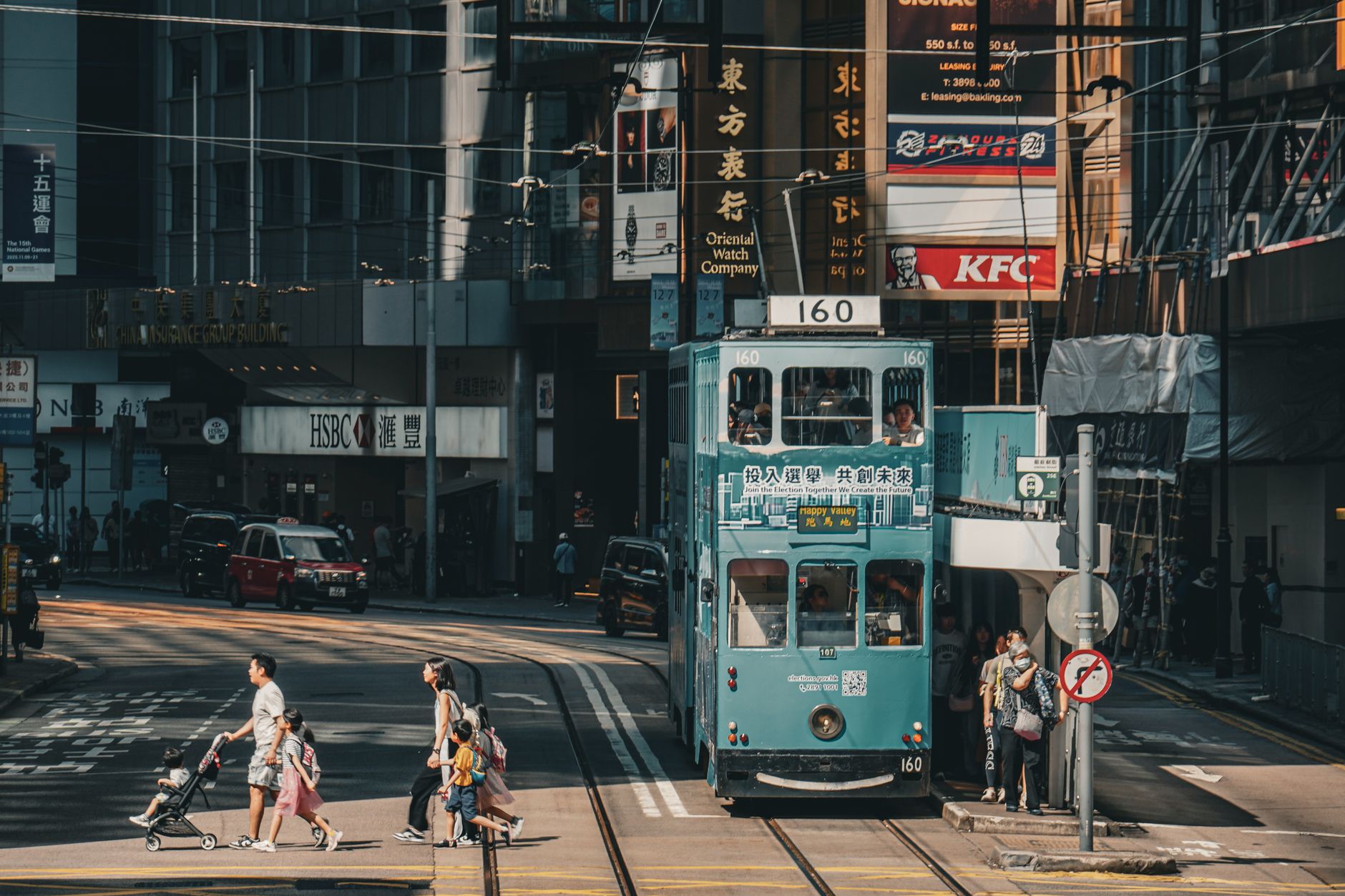
Hong Kong’s MTR is smaller, faster, cleaner and more expensive, with fares set by distance; tap in with an Octopus card, and the MTR’s own fare finder gives the price for any journey. The territory is compact, so nothing takes long. Hong Kong also has three things Shanghai does not: the double-decker tram along the north shore of Hong Kong Island at a flat fare, the Star Ferry, and the Mid-Levels escalator system, which is a genuinely useful piece of public transport and also a tourist attraction.
Where Shanghai wins is the airport link — the Maglev to Longyang Road at 300 km/h is a novelty worth doing once. Where Hong Kong wins is the Airport Express: HK$105 to Kowloon in 22 minutes, HK$120 to Hong Kong Station in 24, and the group ticket drops that to about HK$62.50 per person for four, which makes it competitive with a taxi.
Taxis: Shanghai’s are cheap and plentiful and almost no driver speaks English, so use DiDi with a saved destination. Hong Kong’s are metered, colour-coded by region, and most drivers manage some English.
Getting out of the city
Hong Kong wins decisively, and this is the single most underrated difference between the two.
About three-quarters of Hong Kong is undeveloped, and much of it is country park. From Central you can walk the Dragon’s Back ridge, swim off the beach at Shek O, take a ferry out to Lamma or Cheung Chau (35–40 minutes to Cheung Chau on the fast ferry, 55–60 on the ordinary one), or ride the Ngong Ping 360 cable car to the Big Buddha on Lantau — HK$295 return for an adult in a standard cabin — all as day trips. None of this needs a hire car or an overnight bag. It is the reason Hong Kong sustains a week better than its size suggests.
Shanghai has no equivalent. It sits on a flat alluvial plain and the nearest hills are a two-hour train away. What it has instead is a deep day-trip network: Suzhou, Hangzhou and Nanjing are all short high-speed train rides away (12306 has the day’s times and fares), and there are half a dozen canal towns, including Zhujiajiao on metro Line 17. These are proper destinations rather than an afternoon in the hills, but they cost you a whole day. Our day trips from Shanghai guide ranks everything within two hours.
Verdict: Hong Kong if you want green space in an afternoon. Shanghai if you want to see other cities.
Visas, language, internet and safety
Visas. Hong Kong is easier for almost everyone. Around 170 nationalities enter visa-free for 7 to 180 days — 180 for British citizens, 90 for US, Canadian, Australian, New Zealand and most EU passports. The mainland is more complicated, mainly for Americans: ordinary passport holders from 50 listed countries, including the UK, Canada, most of Western Europe, Japan, South Korea, Australia and New Zealand, get 30 days visa-free until 31 December 2026, while Americans rely on the 240-hour visa-free transit, which needs an onward ticket to a third country and restricts you to 24 designated regions, or on an L tourist visa. Our 240-hour transit guide sets out the conditions.
Language. English is an official language in Hong Kong and is everywhere — signage, menus, staff, announcements. In Shanghai it is patchy: good in hotels, at major attractions and on the metro, thin in restaurants and shops. The gap is smaller than it was, thanks to camera-translation apps, but it is real. Note also that Hong Kong speaks Cantonese, so the Mandarin you have been practising will be understood by many and used by few.
Internet. Hong Kong’s is unrestricted — Google, WhatsApp, Instagram, Google Maps, all normal. Shanghai’s is not, and you need a VPN installed before you arrive, because you cannot download one once you are there. Apple Maps works properly on the mainland; Google Maps does not. See VPNs and internet access in Shanghai for what currently works.
Payment. Shanghai is close to cashless and runs on Alipay and WeChat Pay, both of which now accept foreign cards. Hong Kong runs on the Octopus card and ordinary contactless. Neither system works in the other city.
Safety. Both are extremely safe by any international standard — violent crime against visitors is rare in both, and walking anywhere at night is normal. Shanghai’s issues are scams rather than crime: the tea ceremony scam, the art student scam, the unmetered taxi. Hong Kong’s are ordinary big-city pickpocketing in crowded markets. Our is Shanghai safe guide covers the mainland picture honestly.
Weather and when to go
Both share a humid subtropical climate and both are unpleasant in summer, but they fail differently.
Hong Kong is warmer year-round — an annual average around 23°C, summer means above 28°C, and average daily highs of 31.6°C in July and 31.3°C in August, with punishing humidity. Its winters are mild: 15–20°C, comfortable, and the best time to visit. The catch is typhoon season, roughly June to October, peaking in July, August and September, when signals go up, ferries stop, flights are cancelled and the city closes for a day or two at a time. The Hong Kong Observatory forecast four to seven tropical cyclones for 2026, which is a normal year.
Shanghai has four proper seasons. Summers are hot and very humid with a rainy plum season in June. Winters are cold and damp — average highs of about 9–11°C and lows of 3–5°C from December to February, the occasional snowfall, and indoor heating that is less reliable than the temperature warrants. Spring and autumn are excellent, and October and November give Shanghai its clearest air of the year.
| Season | Shanghai | Hong Kong |
|---|---|---|
| Mar–May | Excellent — blossom, mild, some rain | Good, warming, humid by May |
| Jun–Aug | Hot, humid, plum rains | Hot, humid, typhoon risk |
| Sep–Oct | Best of the year; avoid 1–7 Oct | Good from mid-October; typhoons possible |
| Nov–Feb | Cold and damp; clear air in November | The best time — mild and dry |
One date to avoid in both: 1–7 October, mainland Golden Week, when Shanghai hotel prices jump and Hong Kong fills with mainland visitors. Chinese New Year has the opposite effect in Shanghai — the city empties and many independent businesses close for a week or two — while Hong Kong stays open and gets busier. Our best time to visit Shanghai guide has the full calendar.
Shanghai vs Hong Kong by traveller type
| If you are… | Go to | Because |
|---|---|---|
| First time in Asia | Hong Kong | English, no visa faff, no VPN, everything works |
| Wanting to see modern China | Shanghai | Hong Kong is a global port city first, a Chinese one second |
| On a tight budget | Shanghai | Roughly half the daily cost |
| There for the food | Draw | Hong Kong for depth, Shanghai for range and price |
| Travelling with children | Hong Kong | Beaches, Disneyland, Ocean Park, less friction |
| A hiker or outdoors person | Hong Kong | Country parks and trails reachable by public transport |
| An architecture enthusiast | Shanghai | The Bund, Art Deco, shikumen, and the Pudong towers |
| Interested in history | Shanghai | Concession era, 1930s, the Jewish quarter, the old city |
| Shopping | Shanghai | The tax-refund minimum dropped to ¥200 in 2025; Hong Kong’s duty advantage has largely gone |
| On a three-day trip | Hong Kong | Compact enough to see properly in three days |
| On a week or more | Shanghai | Plus Suzhou and Hangzhou by train |
| Nervous about mainland China | Hong Kong | All the friction removed |
| Nightlife | Draw | Shanghai for bars and clubs, Hong Kong for Lan Kwai Fong and rooftops |
If you can do both
Ten days is the sweet spot: four or five in each with a day for the crossing. Seven works if you fly the transfer. Less than seven and you should pick one.
The connection is easy. One direct high-speed train runs each way: G901 south from Shanghai Hongqiao to Hong Kong West Kowloon, with a return service north, and immigration is cleared inside West Kowloon station. It takes most of a day. Or take a direct flight of about 2 hours 50 minutes from either Shanghai airport. On a trip of a week or less, fly.
Do Shanghai first. It makes the 240-hour transit arithmetic work, because Hong Kong counts as the third country or region your onward ticket has to go to. It gets Alipay and WeChat Pay set up while you still need them. And arriving in Hong Kong after a week on the mainland feels like a decompression chamber, whereas the reverse order makes Shanghai feel like a wall.
The one thing to get right: if your route returns to the mainland, you need a double-entry visa. A single-entry Chinese visa is consumed the moment you leave for Hong Kong, and nobody will upgrade it at the border.
What people get wrong
Assuming Hong Kong is a shortcut to seeing China. It is not, and it does not pretend to be. Hong Kong is a former British colony with its own legal system, currency, language and passport rules. Going there and saying you have been to China is a bit like going to Miami and saying you have seen Latin America. Both statements have something in them and neither is quite true.
Giving Hong Kong a week and Shanghai three days. The wrong way round. Hong Kong’s essentials fit into three or four days; Shanghai’s do not fit into five.
Budgeting the same for both. Hong Kong costs considerably more, mostly because of accommodation, and the rooms are smaller.
Expecting Hong Kong to be a bargain for shopping. That was true twenty years ago when mainland duty rates made it so. The mainland’s own tax-refund scheme now returns 9% of the invoice value on most goods (6% on some) after a 2% handling fee, with a ¥200 minimum at a single shop on a single day, lowered from ¥500 in April 2025. Shop in Hong Kong because you like the shops.
Not installing a VPN before flying to Shanghai. You cannot download one once you are inside the firewall. This one is genuinely unrecoverable and people do it every week.
Booking Shanghai for the first week of October. Golden Week doubles hotel rates and fills every attraction. The 4th and 5th are the quietest midweek trough if you have no choice.
Assuming your payment apps carry over. They do not, in either direction. Two cities, two systems, and you need to set up both.
Frequently Asked Questions
Is Shanghai or Hong Kong better for a first visit?
Hong Kong, if this is your first time in Asia and you want an easy landing — English everywhere, no visa for most passports, no VPN, an open internet. Shanghai, if you want to see mainland China and are prepared for a week that takes more effort and gives more back. Neither is a wrong answer; they are answers to different questions.
Is Hong Kong more expensive than Shanghai?
Yes, for the same standard of trip, and the difference is concentrated in accommodation. Hong Kong hotels generally cost more a night than comparable Shanghai ones, and the rooms are materially smaller. Cheap eating is closer than the headline numbers suggest — Hong Kong’s cha chaan teng and dai pai dong are excellent value.
Which has better food, Shanghai or Hong Kong?
Hong Kong has the better single cuisine: Cantonese cooking done seriously, plus a tea-restaurant culture with no mainland equivalent, and it is very hard to eat badly there. Shanghai has far greater range — every Chinese regional cuisine, close to fifty Michelin-starred restaurants — at roughly half the price, but it takes more research to eat well.
Do I need a visa for Hong Kong if I have a Chinese visa?
A Chinese visa is not valid for Hong Kong, and for most Western passports you do not need one — around 170 nationalities enter visa-free for 7 to 180 days. Equally, a Hong Kong entry gives you nothing on the mainland. They are separate immigration jurisdictions and the paperwork does not transfer in either direction.
How many days do I need in each?
Hong Kong is comfortably done in three or four days; a week is generous unless you are hiking and island-hopping. Shanghai needs four or five days as a minimum and rewards seven, particularly if you add Suzhou or Hangzhou by train.
Which is safer?
Both are among the safest large cities anywhere, and walking at night is normal in either. Shanghai’s risk is scams aimed at foreigners — the tea ceremony, the art student, the unmetered taxi — rather than crime. Hong Kong’s is ordinary pickpocketing in crowded markets. Neither should affect your choice.
Is Hong Kong part of China?
Yes, as a Special Administrative Region, but it operates its own immigration, customs, currency, legal system and internet. For a traveller it functions as a separate country: separate visa rules, separate money, separate payment systems, and a border you clear in both directions.
Which has the better skyline?
Hong Kong, because it has hills to look at it from and a harbour to look at it across, and the best viewpoints — the Star Ferry at HK$4 on a weekday lower deck, the Symphony of Lights for nothing — cost almost nothing. Shanghai’s towers are taller and newer, but the city is flat, so the good views are ticketed. The Bund at dusk is the exception and is free.
Can I use Alipay and WeChat Pay in Hong Kong?
Only patchily. Hong Kong runs on the Octopus card and ordinary contactless bank cards; buy an Octopus at any MTR customer service desk when you arrive. Conversely an Octopus is useless in Shanghai, where Alipay and WeChat Pay are close to universal and both accept foreign cards.
Which is better for families with children?
Hong Kong, on balance. Beaches and country parks within an hour, Disneyland and Ocean Park, an easier language environment, and much less logistical friction. Shanghai has its own Disneyland, a very good science museum and an aquarium, but the payment apps, the VPN and the language barrier all add work when you are travelling with children.
What is the best time of year to visit each?
Shanghai: October and November, or late March to May. Hong Kong: November to February, when it is mild and dry. Both are difficult in July and August, and Hong Kong carries typhoon risk from roughly June to October. Avoid mainland Golden Week, 1–7 October, in either.
Is it worth going to both on one trip?
Yes, if you have ten days or more. Four or five days in each plus a day for the crossing gives you two genuinely different cities, and the transfer is a single daily direct train or a flight of under three hours. Under seven days, pick one — the transfer eats too large a share of a short trip.
If the decision still will not settle, use the length of the trip as the tiebreaker: three or four days points to Hong Kong, a week or more points to Shanghai. Our guide to whether Shanghai is worth visiting makes the case for the mainland side, Shanghai versus Beijing covers the other comparison people make, and first time visiting Shanghai covers what to sort out before you fly. Hong Kong’s own entry rules are published by the Hong Kong SAR government, and its typhoon and weather forecasts by the Hong Kong Observatory.