Shanghai is a city that overwhelms the senses in the best possible way. From glittering supertall skyscrapers and ancient Chinese gardens to bustling night markets and serene Buddhist temples, the sheer range of things to do in Shanghai makes it one of Asia’s most exciting destinations. Whether you’re chasing iconic skyline views, hunting down the perfect soup dumpling, or wandering through centuries-old water towns, this city delivers experiences you simply cannot find anywhere else.
This comprehensive guide covers the 25+ best things to do in Shanghai for 2026 — organized by category to help you plan the perfect trip regardless of your interests, budget, or travel style. For a broader overview of planning your trip, see our complete Shanghai travel guide.
Quick Reference: Top 10 Things to Do in Shanghai
Short on time? Here are the absolute must-do things to do in Shanghai at a glance:
| Attraction | Category | Time Needed | Cost |
|---|---|---|---|
| Walk the Bund | Landmark | 1–2 hours | Free |
| Shanghai Tower Observation Deck | Skyline | 1–2 hours | ¥180 |
| Yu Garden & Yuyuan Bazaar | Historic | 2–3 hours | ¥40 |
| French Concession Walking Tour | Neighborhood | Half day | Free |
| Xiaolongbao Tasting | Food | 1 hour | ¥30–80 |
| Shanghai Museum | Culture | 2–3 hours | Free |
| Huangpu River Night Cruise | Entertainment | 1 hour | ¥120 |
| Zhujiajiao Water Town | Day Trip | Half day | ¥30–60 |
| Nanjing Road Shopping | Shopping | 2–4 hours | Varies |
| Shanghai Disneyland | Family | Full day | ¥475+ |
Iconic Landmarks and Skyline Experiences
No list of things to do in Shanghai would be complete without the iconic landmarks that define the city’s extraordinary skyline. Shanghai’s visual identity is built on the dramatic contrast between the colonial-era Bund and the futuristic towers of Pudong — a skyline that didn’t exist 35 years ago.
Walk the Bund (Wai Tan)
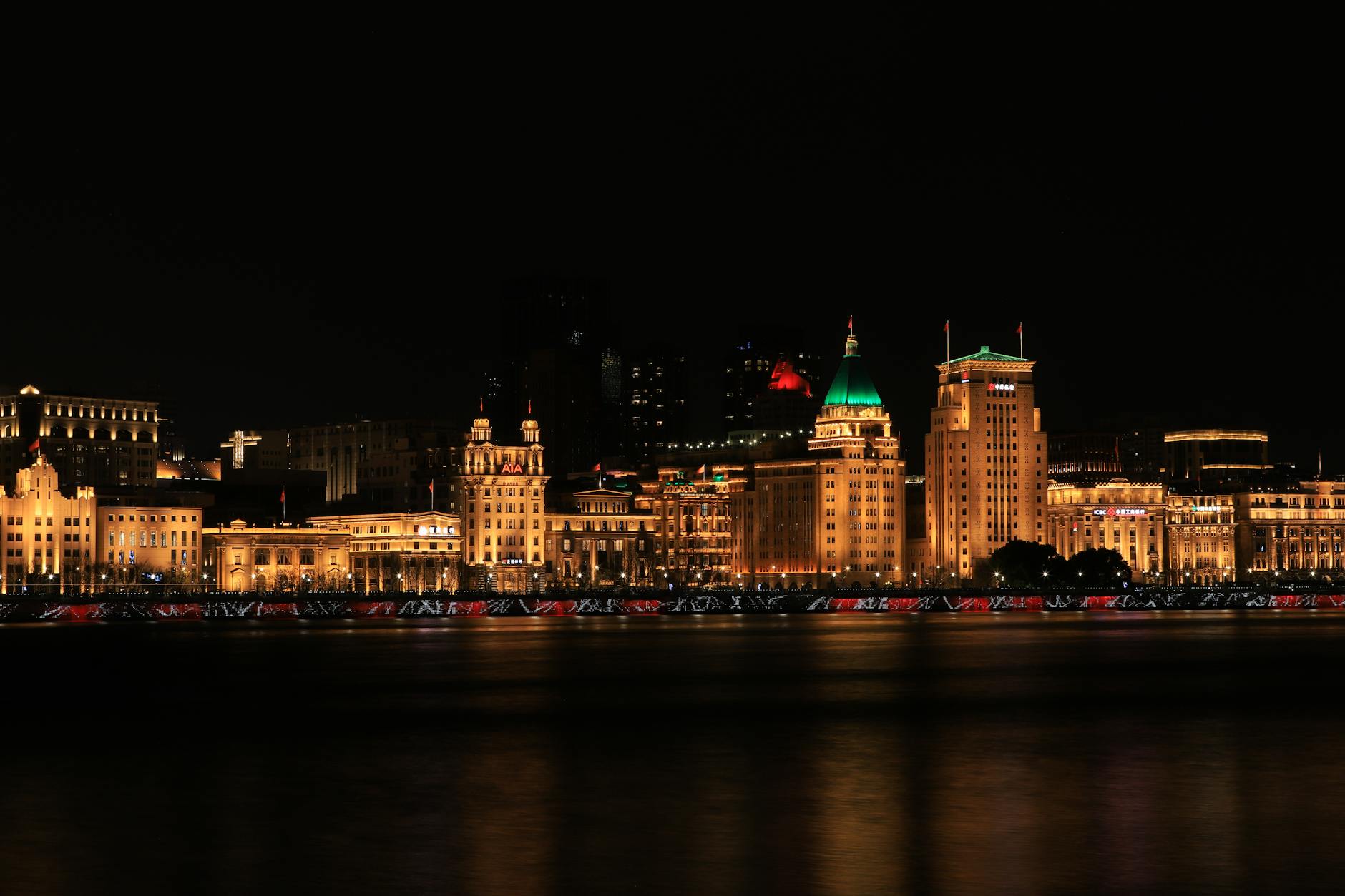
The Bund is Shanghai’s single most essential among things to do in Shanghai. This 1.5-kilometer promenade along the western bank of the Huangpu River is flanked by 52 heritage buildings representing an extraordinary range of architectural styles — Gothic, Baroque, Neoclassical, and Art Deco — all built during Shanghai’s treaty port era in the early 20th century. Face east and you get the equally stunning contrast: Pudong’s futuristic skyline dominated by the Shanghai Tower, the bottle-opener-shaped World Financial Center, and the retro-futuristic Oriental Pearl Tower.
The magic peaks at dusk. Arrive by 5:30 PM, find a spot along the railing, and watch as both sides of the river illuminate simultaneously. For a less crowded experience, come at sunrise when joggers and tai chi practitioners have the promenade nearly to themselves. The section between the Peace Hotel (Nanjing Road end) and the Waibaidu Bridge to the north is particularly photogenic. The Bund is free to visit at any time.
Shanghai Tower Observation Deck
At 632 meters, the Shanghai Tower is China’s tallest building and the world’s second-tallest. The Top of Shanghai observation deck on the 118th floor (at 561 meters) offers breathtaking 360-degree views that stretch to the horizon on clear days. The elevator ride is an experience in itself — ascending at 18 meters per second, you reach the top in under a minute. Book morning slots for the clearest views and shortest queues. Tickets cost ¥180 ($25), or ¥120 for children.
Oriental Pearl Tower
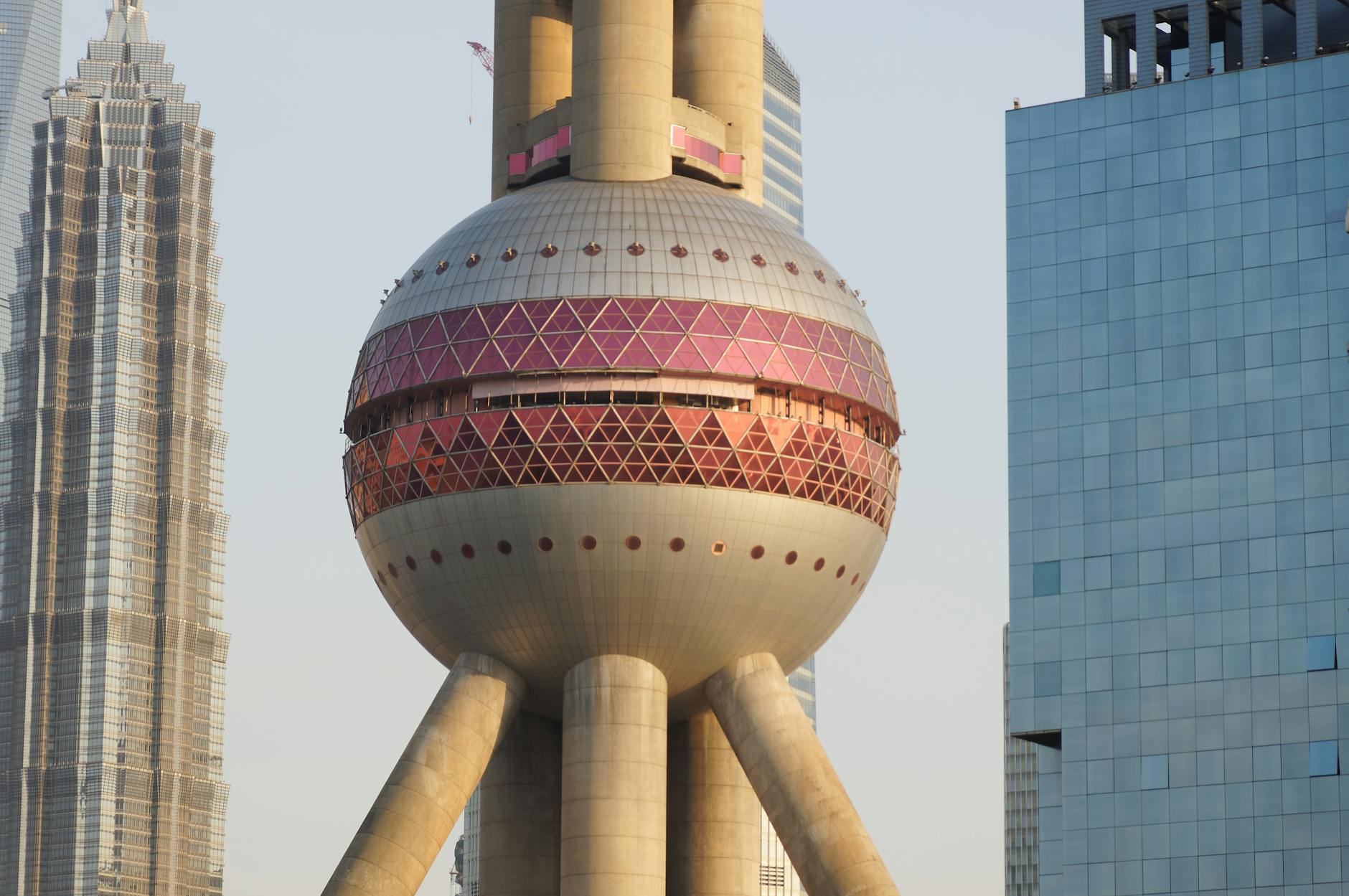
Shanghai’s most recognizable silhouette, the 468-meter Oriental Pearl Tower features multiple observation spheres at different heights, including a glass-floor section at 259 meters that’s not for the faint of heart. The revolving restaurant at 267 meters serves lunch and dinner with slowly rotating panoramic views. At the base, the Shanghai History Museum (included with your ticket) offers an excellent walk-through of the city’s evolution from fishing village to global metropolis. Tickets range from ¥120 to ¥220 depending on which levels you access.
Lujiazui Skywalk
Connecting the three supertall towers of Pudong at ground level, the circular Lujiazui Skywalk is a 1.1-kilometer elevated pedestrian bridge that provides unique perspectives of the skyscrapers towering directly above you. It’s free, open 24 hours, and particularly dramatic at night when the towers are illuminated. This is also the best spot for photographing the Shanghai Tower, SWFC, and Jin Mao Tower together in one frame.
Historic Sites and Classical Gardens
Behind Shanghai’s ultra-modern façade lies a deep well of history stretching back centuries. The city’s temples, gardens, and heritage districts offer a contemplative counterpoint to the skyscraper-chasing and are among the most rewarding things to do in Shanghai for culture-minded travelers.
Yu Garden (Yuyuan)
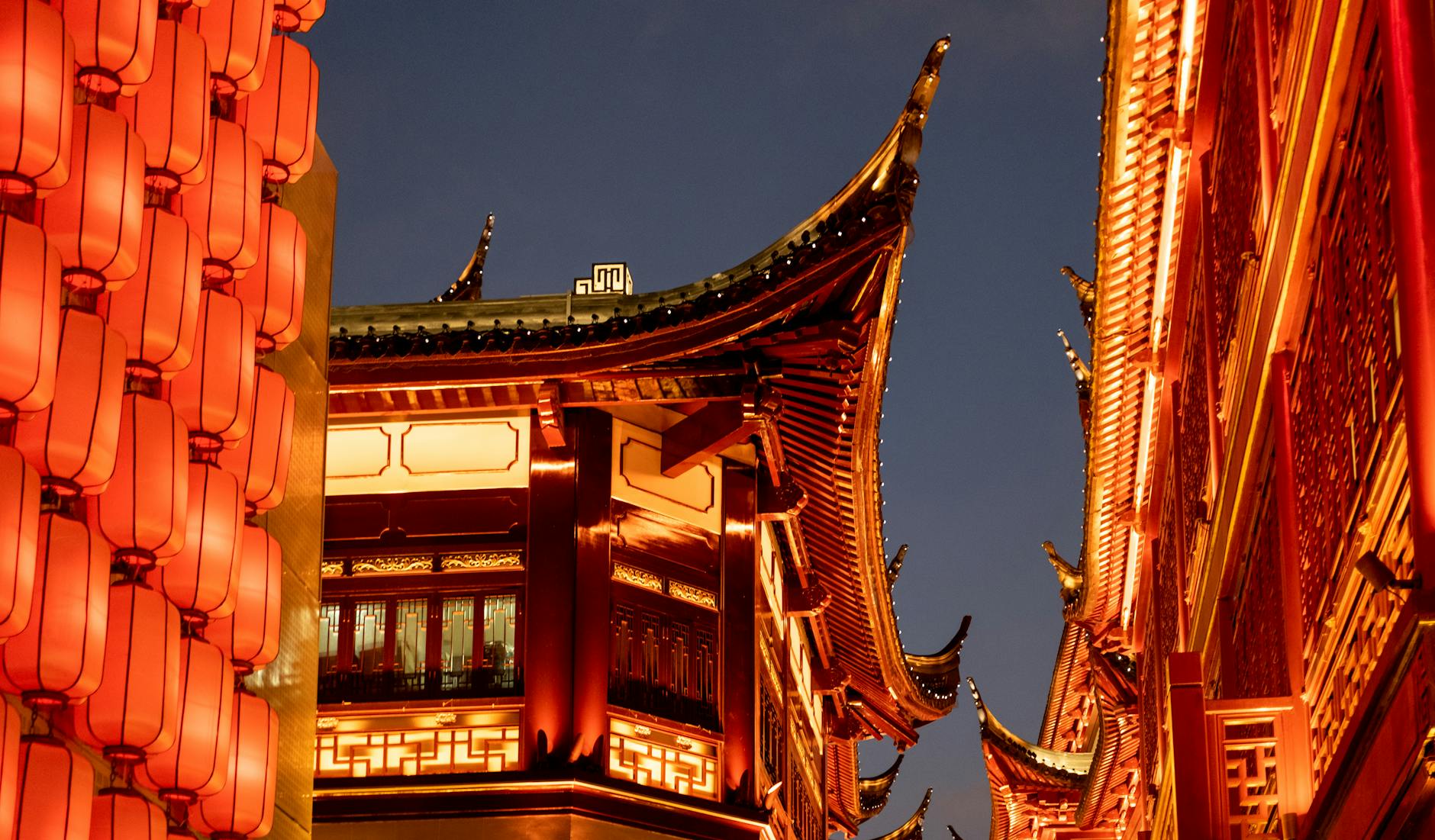
Dating to 1559, Yu Garden is a masterpiece of classical Chinese garden design that packs an extraordinary amount of beauty into just two hectares. Every turn reveals a new composition: rockeries crafted from stones transported from thousands of kilometers away, koi-filled ponds reflecting ornate pavilions, dragon-topped walls that undulate like serpents, and quiet corridors that frame the garden’s elements like living paintings. The garden was built by a government official named Pan Yunduan for his aging father — the name “Yu” means “pleasing” — and it remains one of China’s finest examples of the classical garden tradition.
Arrive when the gates open at 8:30 AM to experience the gardens before tour groups arrive. The adjacent Yuyuan Bazaar is a sprawling marketplace housed in traditional-style buildings, selling everything from silk fans and tea to local snacks. Don’t miss Nanxiang Steamed Bun Restaurant on the bazaar’s upper level — it’s been serving xiaolongbao since 1900. Combined, Yu Garden and the bazaar easily fill a morning. Entry to the garden costs ¥40 (free for children under 1.3 meters).
Jade Buddha Temple (Yufo Si)
This working Buddhist monastery is famous for two jade Buddha statues brought from Myanmar in 1882: a seated Buddha nearly two meters tall, encrusted with semiprecious stones, and a smaller reclining Buddha. Beyond the jade Buddhas, the temple is a fascinating window into active Chinese Buddhist practice — monks chant daily, incense swirls through the courtyards, and worshippers come to pray throughout the day. The temple is located in the Jing’an District, a short metro ride from most tourist areas. Entry is ¥20, plus ¥10 to view the jade Buddhas in their separate halls.
Longhua Temple and Pagoda
Shanghai’s oldest and largest Buddhist temple complex, Longhua dates back over 1,700 years. Its seven-story pagoda is one of the most photographed structures in the city, and the temple grounds — particularly the peach orchard in spring — offer a serene escape from the urban intensity. Longhua is famous for its New Year’s Eve bell-ringing ceremony, where thousands gather to hear the temple’s bell struck 108 times at midnight — a Buddhist tradition symbolizing the release from worldly troubles. Entry is ¥10.
Jing’an Temple
Few images capture Shanghai’s old-meets-new character better than the golden Jing’an Temple gleaming against a backdrop of glass skyscrapers. Originally built in 247 AD (Three Kingdoms period), the current temple was reconstructed in a lavish Song Dynasty style and literally glitters with gold leaf. It’s right next to the Jing’an metro station, making it one of the most accessible cultural stops in the city. Entry is ¥50.
Neighborhoods Worth Exploring on Foot
Shanghai’s neighborhoods each have a distinct personality, and exploring them on foot is one of the best things to do in Shanghai. Here are the areas that reward slow, aimless wandering.
The French Concession
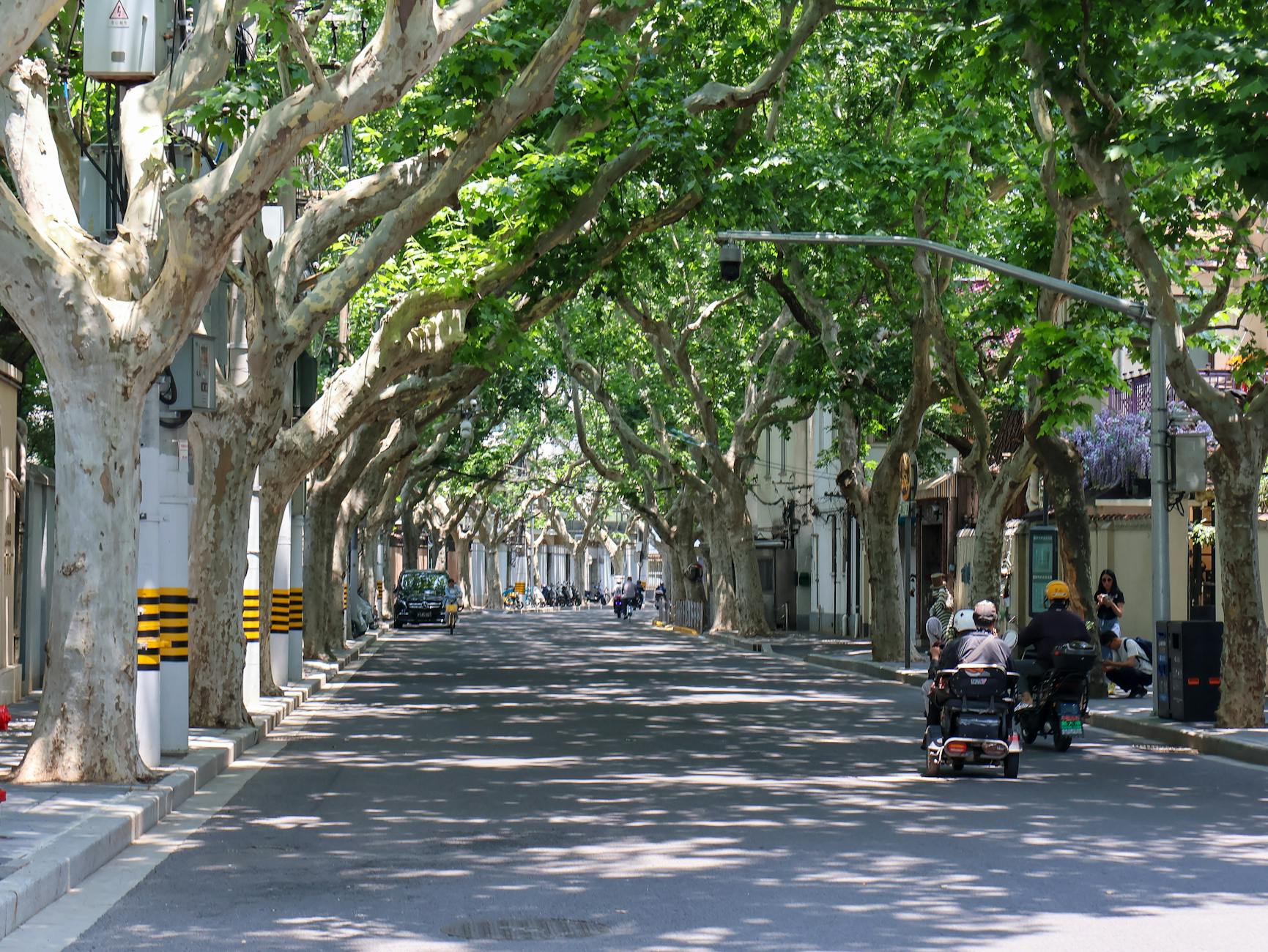
If the Bund is Shanghai’s postcard, the French Concession is its soul. This former colonial district is defined by leafy plane tree-lined avenues, 1920s Art Deco villas, iron-gated lane houses, and a relaxed atmosphere that feels worlds away from the skyscrapers. Today it’s home to the city’s best independent boutiques, specialty coffee roasters, craft cocktail bars, and restaurants ranging from hole-in-the-wall noodle shops to Michelin-starred fine dining. Start at the intersection of Wukang Road and Huaihai Road, where the iconic Normandie Apartments building anchors a stretch of beautifully restored architecture, then wander south along Wukang Road, Yongfu Road, and Fuxing Road. Allow a full half-day — this neighborhood rewards those who have no fixed plan.
Tianzifang
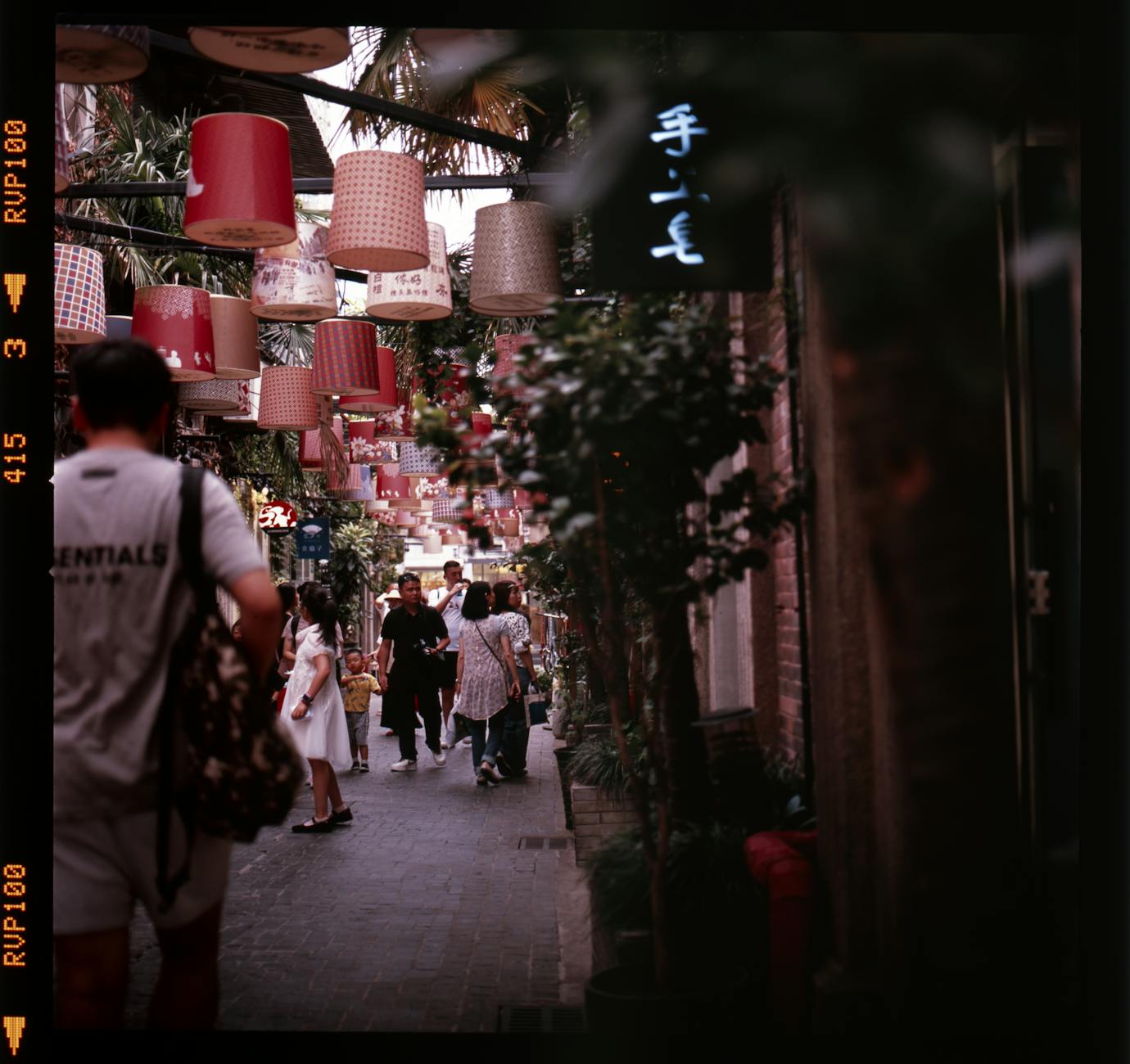
Built within the narrow lanes of a traditional shikumen residential block, Tianzifang is a creative arts district that feels like discovering a secret world hidden inside ordinary Shanghai. The narrow alleyways are packed with independent boutiques, design studios, art galleries, cafes, and craft stores. Unlike Xintiandi (which was rebuilt from scratch), Tianzifang preserves its original residential character — you’ll still see laundry hanging from upper-floor windows while below, artists sell handmade jewelry and photographers showcase Shanghai street scenes. The best time to visit is late morning before the afternoon crowds arrive. Access is free; get there via Dapuqiao metro station (Line 9).
Xintiandi
Xintiandi demonstrates what happens when Shanghai’s traditional shikumen architecture meets modern urban design. These gray-brick lane houses with their characteristic stone gate frames have been meticulously preserved on the outside while completely reimagined inside — housing upscale restaurants, international boutiques, and contemporary art spaces. The pedestrianized streets create a pleasant outdoor dining atmosphere, particularly in the evening. It’s also home to the Site of the First National Congress of the Chinese Communist Party — a genuinely fascinating small museum regardless of your political leanings. Xintiandi is walkable from the French Concession and easily accessible via the South Huangpi Road metro station.
Hongkou: Shanghai’s Hidden Cultural Quarter
North of Suzhou Creek, Hongkou is one of Shanghai’s most historically layered districts — and one of the least visited by tourists. This is where the city’s Jewish refugee community settled during World War II, and the Shanghai Jewish Refugees Museum tells the extraordinary story of how approximately 20,000 European Jews found sanctuary here between 1933 and 1941. Nearby, the 1933 Old Millfun — a former slaughterhouse redesigned in dramatic Brutalist-Art Deco style with intertwined bridges and ramps — has been converted into a creative hub with galleries, cafes, and performance spaces. Duolun Road, known as the “Cultural Celebrities’ Street,” preserves the homes and haunts of China’s early 20th-century literary giants, including Lu Xun, whose memorial and former residence are open to visitors.
Museums and Cultural Experiences
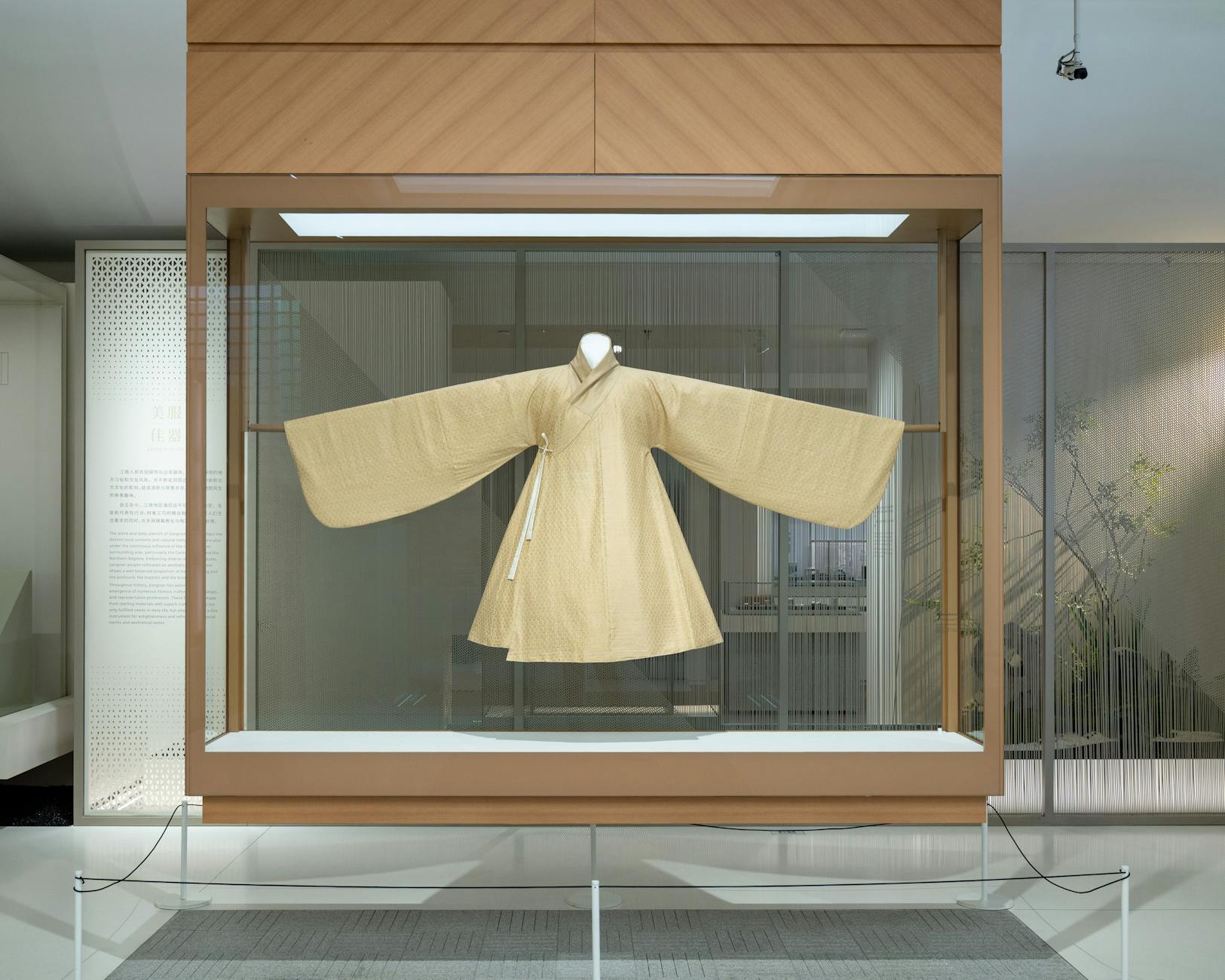
Shanghai’s museum scene is world-class, with institutions covering everything from ancient bronzes to contemporary art to political propaganda.
Shanghai Museum
Situated near People’s Square, the Shanghai Museum is one of China’s four great museums, housing over 120,000 pieces across 11 galleries. The ancient bronze collection is considered the finest in the world, the ceramics gallery traces Chinese pottery from Neolithic times through the Qing Dynasty, and the calligraphy collection includes works spanning 1,500 years. The museum’s building itself is designed to resemble a ding — an ancient Chinese bronze cooking vessel. Admission is free (passport required), and you could easily spend three hours here without seeing everything. The museum shop has excellent reproduction pieces and scholarly art books.
Power Station of Art
Housed in a converted coal-fired power station on the Huangpu River (recognizable by its 165-meter chimney), the Power Station of Art is China’s first state-run contemporary art museum. It hosts the Shanghai Biennale — one of Asia’s most important contemporary art events — and features rotating exhibitions of Chinese and international contemporary art across its massive industrial spaces. The building’s raw concrete and steel architecture creates a powerful backdrop for large-scale installations. Admission is free, and the rooftop terrace offers excellent river views.
Propaganda Poster Art Centre
Hidden in the basement of an apartment building in the French Concession, this private museum houses an extraordinary collection of over 6,000 Chinese propaganda posters spanning from the 1920s through the 1990s. The vivid imagery — heroic workers, smiling peasants, revolutionary soldiers — offers a unique window into decades of Chinese political and social history. The museum is easy to miss (look for a small sign at 868 Huashan Road, Building B, Basement), which makes finding it part of the experience. Entry is ¥30.
Food Experiences You Cannot Miss
Eating your way through Shanghai is genuinely one of the best things to do in Shanghai, and it deserves far more than a passing mention. The city’s food scene ranges from ¥5 breakfast street snacks to Michelin three-star fine dining.
Go on a Xiaolongbao Hunt
Shanghai’s most famous culinary export — soup dumplings — deserve a dedicated tasting mission. Start at Jia Jia Tang Bao (near People’s Square, 90 Huanghe Road) for what many locals consider the city’s best rendition: delicate skin, rich pork filling, and a burst of scalding broth that demands patience and technique. Compare with Din Tai Fung (multiple locations) for their precision-engineered version, where each dumpling has exactly 18 folds. Then try Nanxiang Steamed Bun Restaurant at Yu Garden for the historic experience — they’ve been making xiaolongbao since 1900. The etiquette: place the dumpling on your spoon, nibble a small hole, let steam escape, sip the soup, then eat. Never bite directly into a whole dumpling unless you enjoy burning the roof of your mouth.
Shanghai Breakfast Culture
Between 6:30 and 9:00 AM, Shanghai’s streets transform into an open-air breakfast market. Join the morning rush for ci fan (sticky rice rolls wrapped around a fried dough stick), jianbing (savory crepes with egg, scallions, and crispy crackers), scallion oil pancakes cooked on griddles until golden and flaky, and bowls of steaming soy milk with you tiao (fried dough sticks for dipping). Yunnan South Road near People’s Square is the best single street for this experience, with over 30 vendors clustered in a 250-meter stretch. The entire breakfast will cost under ¥15 ($2) and may be the best meal of your trip.
Hairy Crab Season (October–December)
If you visit Shanghai in autumn, you must try da zha xie — hairy crabs from Yangcheng Lake. These small freshwater crabs are prized for their rich, creamy roe and sweet, delicate meat. They’re steamed whole and eaten with a dipping sauce of black vinegar and shredded ginger. Every restaurant in Shanghai serves them during season, but Cheng Huang Miao and Wang Bao He are considered among the best. A pair of crabs costs ¥150–400 depending on size and quality. This is a once-a-year culinary experience that locals anticipate the way Westerners anticipate Thanksgiving turkey.
Shopping and Markets
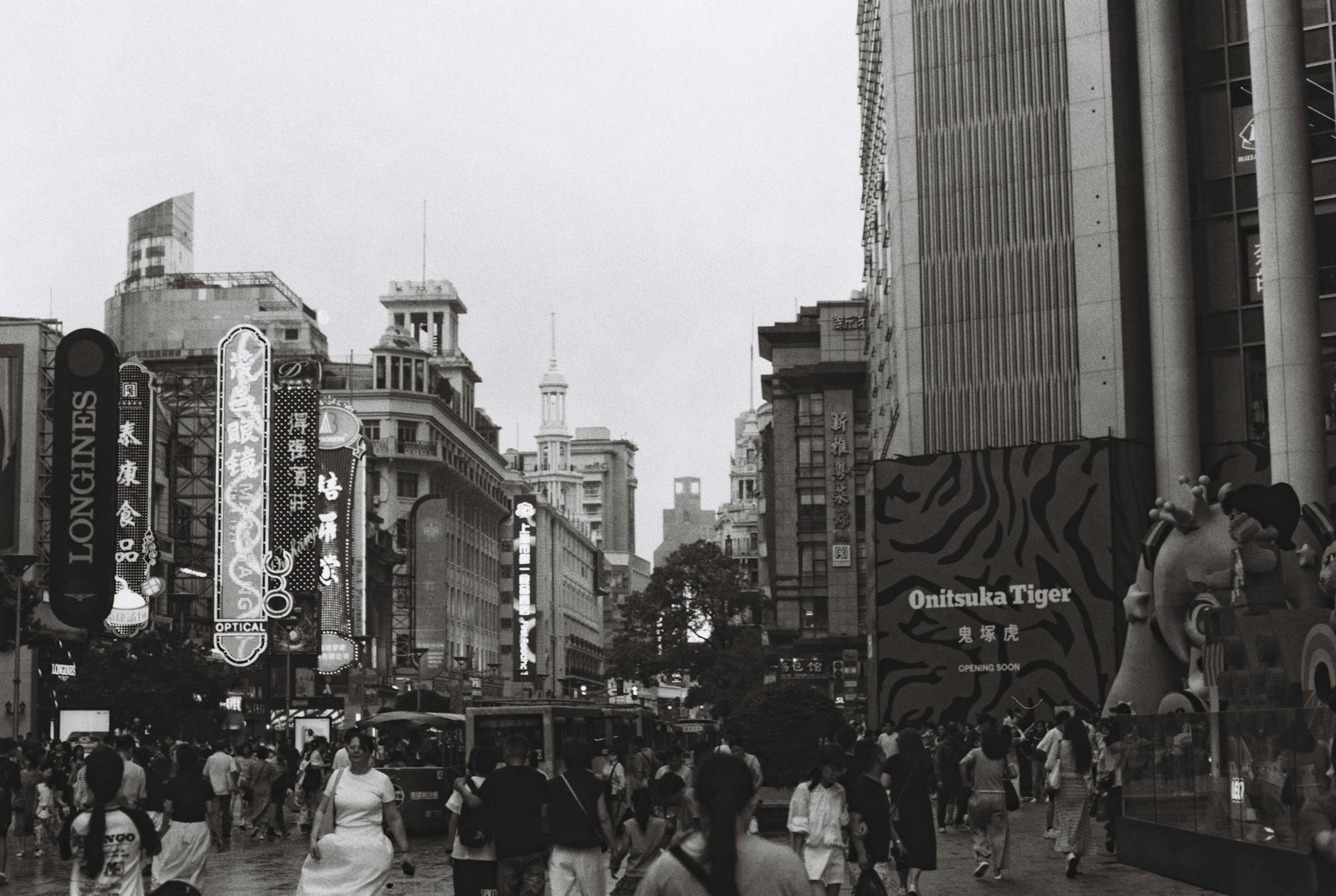
From luxury flagship stores to chaotic bazaars where haggling is expected, shopping is one of the quintessential things to do in Shanghai.
Nanjing Road
China’s most famous shopping street stretches 5.5 kilometers from the Bund to Jing’an Temple, split into two distinct halves. Nanjing East Road is a pedestrianized stretch packed with department stores, mass-market brands, and enormous crowds — it sees over one million visitors daily on busy weekends. The more upscale Nanjing West Road features luxury malls like Plaza 66 (Hermès, Louis Vuitton, Cartier) and HKRI Taikoo Hui (Tesla, Lululemon, high-end dining). For the most enjoyable experience, walk east from Jing’an Temple toward the Bund in the late afternoon, arriving at the waterfront for sunset.
South Bund Fabric Market
One of Shanghai’s most unique shopping experiences, the South Bund Fabric Market (officially the South Bund Soft-Spinning Material Market, 399 Lujiabang Road) is a multi-story building packed with tailors who will create custom clothing from any design you show them. Bring a photo of a suit, dress, shirt, or coat, choose your fabric, get measured, and return 24–48 hours later for a fitting. Quality ranges from decent to excellent — the stalls on the upper floors generally produce better work. A custom men’s suit in quality wool starts around ¥1,500 ($210), and a tailored shirt from ¥150 ($21). It’s one of the last great bargains in custom tailoring.
M50 Art District
Housed in a cluster of converted cotton mills along Suzhou Creek (50 Moganshan Road), M50 is Shanghai’s premier contemporary art district. Over 100 galleries, artist studios, and creative spaces occupy the industrial buildings, showing everything from emerging Chinese painters to established international names. The galleries are free to enter, and the district itself has a gritty, authentic feel that hasn’t been over-commercialized. Saturday afternoons see the most activity, with exhibition openings and art events.
Entertainment and Nightlife
After dark, experiencing the nightlife becomes one of the top things to do in Shanghai. The city transforms into one of Asia’s most electrifying cities. The nightlife ranges from sophisticated rooftop cocktail lounges to hidden speakeasy bars to massive nightclubs.
Huangpu River Night Cruise
Seeing the Bund and Pudong skyline from the water at night is a fundamentally different experience from walking the promenade. The 45-minute to one-hour cruises depart from docks near the Bund (Shiliupu Wharf) and take you downriver past the illuminated colonial buildings, under the Nanpu Bridge, then up past the glittering Pudong towers. Standard tickets start at ¥120 ($17), with VIP and dinner cruise options available. Evening departures between 7:00 and 8:00 PM offer the best lighting conditions. Book in advance during peak season (October Golden Week is especially busy).
Rooftop Bars
Shanghai’s rooftop bar scene is among the world’s best. FLAIR at the Ritz-Carlton Pudong (58th floor) offers jaw-dropping views across to the Bund from the Pudong side; Bar Rouge on the Bund itself has a terrace directly facing Pudong’s towers; Vue Bar at the Hyatt on the Bund provides 360-degree panoramas; and The Roof at The Shanghai EDITION combines stunning views with inventive cocktails. None of these bars charge a cover, but cocktails typically run ¥100–180 ($14–25). Dress smart casual — no flip-flops or shorts.
Shanghai Circus World
Shanghai’s acrobatic traditions are world-famous, and seeing a live performance is a thrilling experience. The ERA Intersection of Time show at Shanghai Circus World combines traditional Chinese acrobatics with modern technology — motorcycle globe-of-death stunts, aerial silk performances, and contortionists that defy human anatomy. Performances run nightly at 7:30 PM, and tickets range from ¥150 to ¥580 depending on seat category. It’s family-friendly and genuinely spectacular.
Jazz and Speakeasy Bars
The Fairmont Peace Hotel Jazz Bar on the Bund is an Art Deco institution where a veteran jazz band has performed nightly for decades. The Cotton Club and JZ Club offer more intimate settings for live jazz and blues. For cocktails, Shanghai’s speakeasy scene is world-class — Speak Low (a three-story hidden bar entered through a fake bookshelf in a cocktail supply shop), Flask (concealed inside a Coca-Cola-themed sandwich bar), and Senator Saloon (craft cocktails in an Old West setting) have all appeared on Asia’s 50 Best Bars lists.
Family-Friendly Things to Do in Shanghai
Shanghai is an excellent family destination with attractions that keep children of all ages engaged while adults enjoy themselves equally.
Shanghai Disneyland
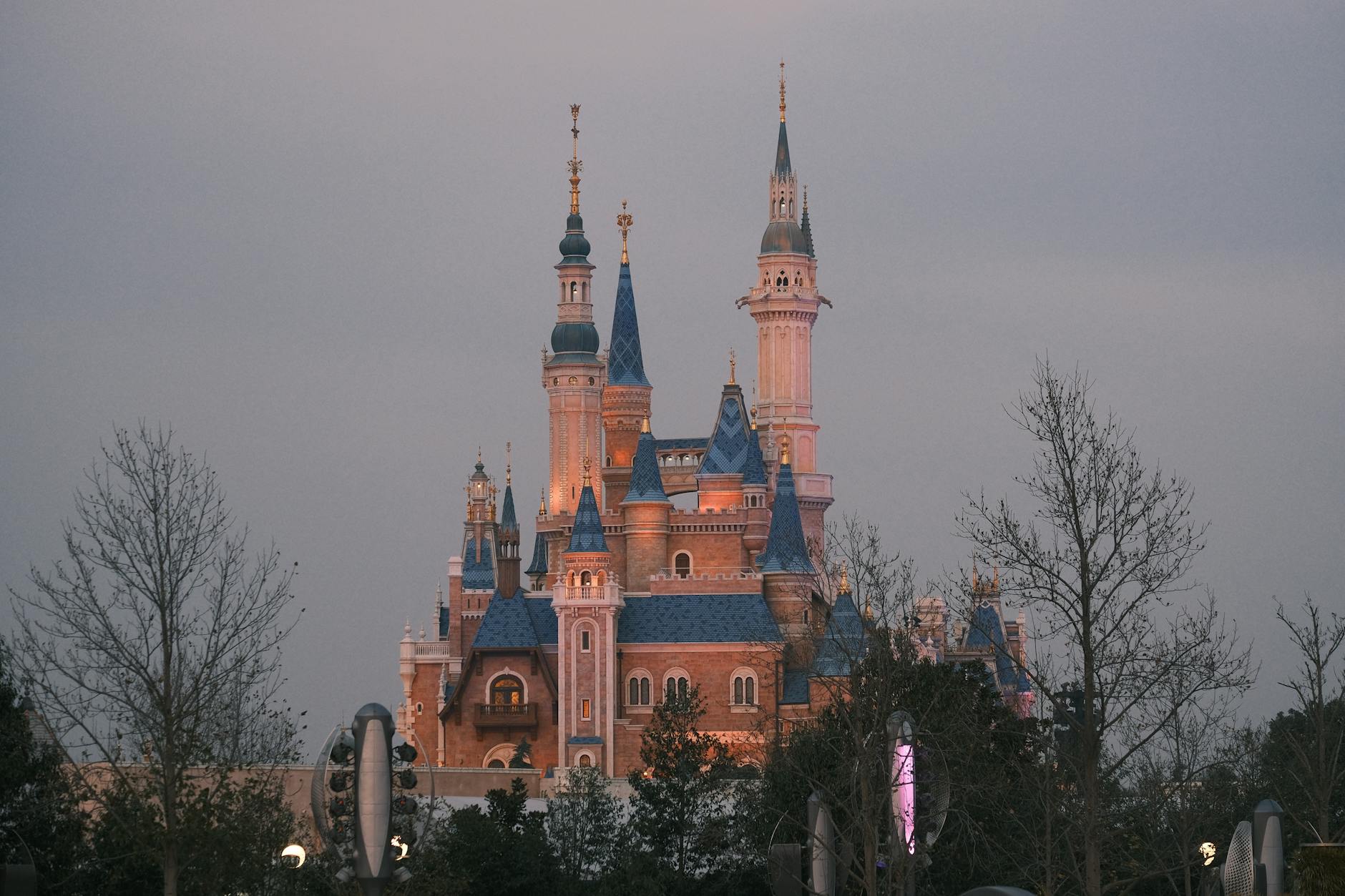
One of the newest Disney parks in the world, Shanghai Disneyland features the Enchanted Storybook Castle — the tallest and most elaborate Disney castle ever built. The TRON Lightcycle Power Run roller coaster (a Shanghai exclusive) is among the most thrilling rides in any Disney park, while Pirates of the Caribbean: Battle for the Sunken Treasure uses cutting-edge boat-ride technology that’s a generation ahead of other Disney pirate rides. The park is notably less expensive than its Orlando and Tokyo counterparts, with standard tickets from ¥475 ($66). Weekdays outside of Chinese school holidays are significantly less crowded. The park is easily reached via Metro Line 11 (Disney Resort station).
Shanghai Science and Technology Museum
With interactive exhibits spanning astronomy, biology, robotics, and Earth sciences, this museum is a hit with children aged 5–15. Highlights include a simulated earthquake experience, a robotics lab where kids can program simple machines, an IMAX theater, and a large collection of mounted animals in naturalistic habitats. Located in Pudong near Century Park, it’s easily combined with a family day in that area. Tickets are ¥45 for adults, ¥20 for children.
Shanghai Ocean Aquarium
Adjacent to the Oriental Pearl Tower in Pudong, this aquarium features one of the world’s longest underwater viewing tunnels at 155 meters. The tunnel passes through a shark tank, a coral reef ecosystem, and a deep-sea zone. The aquarium also has an excellent Chinese freshwater species section showcasing the endangered Yangtze river sturgeon and Chinese giant salamander. Entry is ¥160 for adults, ¥110 for children — combine it with the Oriental Pearl Tower for a full Pudong morning.
Day Trips from Shanghai
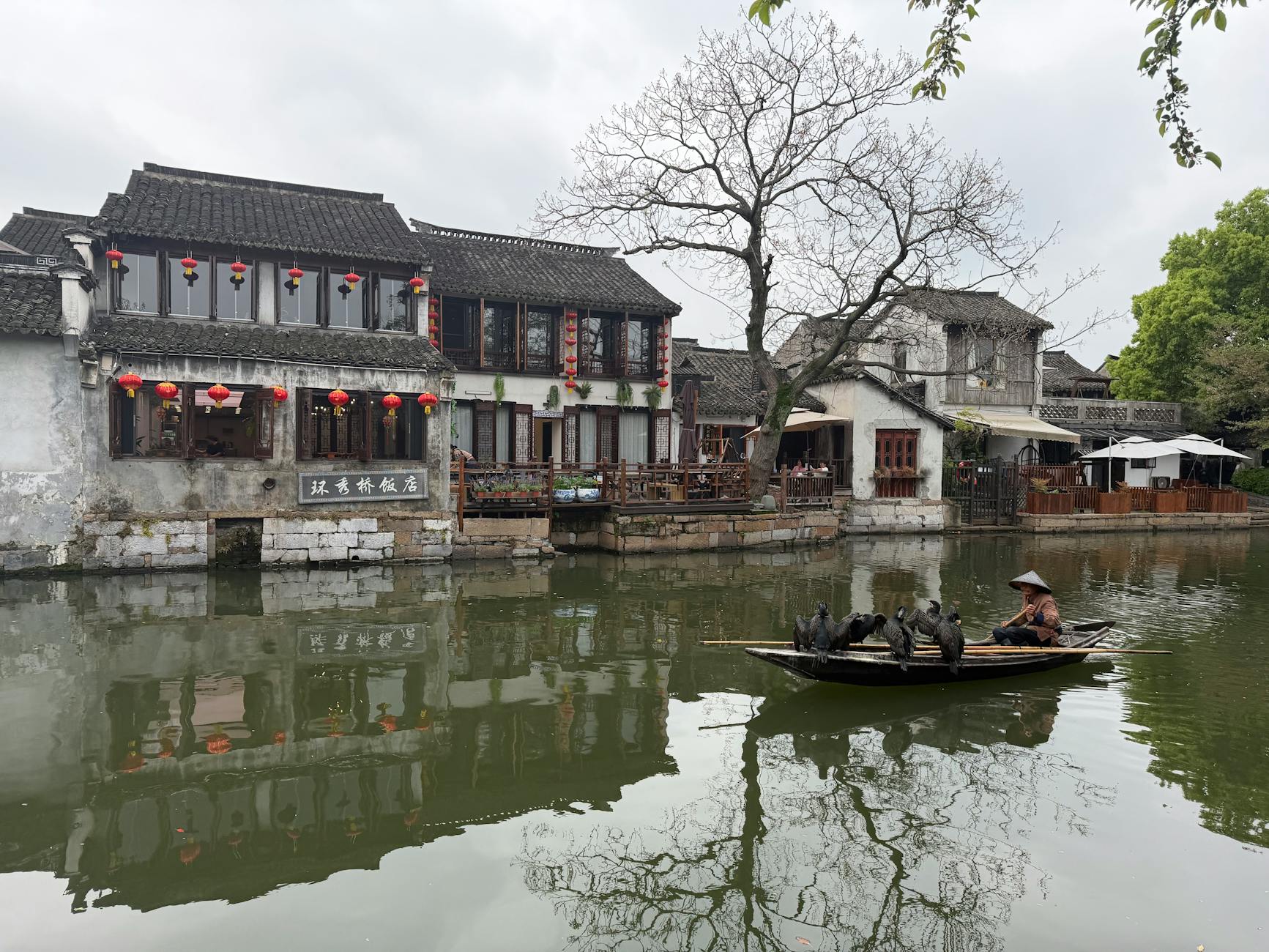
Shanghai’s location in the Yangtze River Delta means several extraordinary day trip destinations are within easy reach, adding even more things to do in Shanghai for day trips — some of the most rewarding things to do in Shanghai actually take you just outside the city.
Zhujiajiao Water Town
The most accessible of Shanghai’s water towns, Zhujiajiao is reachable by metro (Line 17 to Zhujiajiao station) in about an hour from central Shanghai. This 1,700-year-old canal town features 36 stone bridges — the most famous being the five-arched Fangsheng Bridge — traditional waterside houses, and gondola-style boat rides through narrow canals. The town is small enough to explore in a half-day, and the local specialty is zongzi (sticky rice dumplings wrapped in bamboo leaves). Arrive early to beat the day-tripper crowds; most tourists arrive after 10:00 AM.
Suzhou
Just 30 minutes by high-speed train from Shanghai Hongqiao Station, Suzhou is famous for its UNESCO-listed classical gardens — the Humble Administrator’s Garden and Lingering Garden are among the finest in China, and their influence on Chinese aesthetic philosophy cannot be overstated. Beyond the gardens, the canal-lined Pingjiang Road is perfect for an afternoon stroll, and Suzhou’s silk shopping is legendary (the Suzhou Silk Museum offers context before you buy). Return tickets cost approximately ¥40 ($5.50) and trains run every 15 minutes.
Hangzhou
About 60 minutes by bullet train, Hangzhou offers the breathtaking West Lake — a UNESCO World Heritage Site surrounded by gardens, temples, pagodas, and willow-lined causeways. Rent a bicycle to circle the lake, visit the Longjing tea plantations where you can pick leaves and taste freshly roasted Dragon Well tea, and explore the ancient Lingyin Temple (one of China’s largest and most important Buddhist monasteries). As the Chinese saying goes: “Above there is heaven; below there are Suzhou and Hangzhou.” Round-trip train tickets are approximately ¥75 ($10).
Unique and Offbeat Things to Do in Shanghai
Beyond the headline attractions, Shanghai hides some truly unique things to do in Shanghai for travelers willing to venture off the standard tourist trail.
Ride the Shanghai Maglev Train
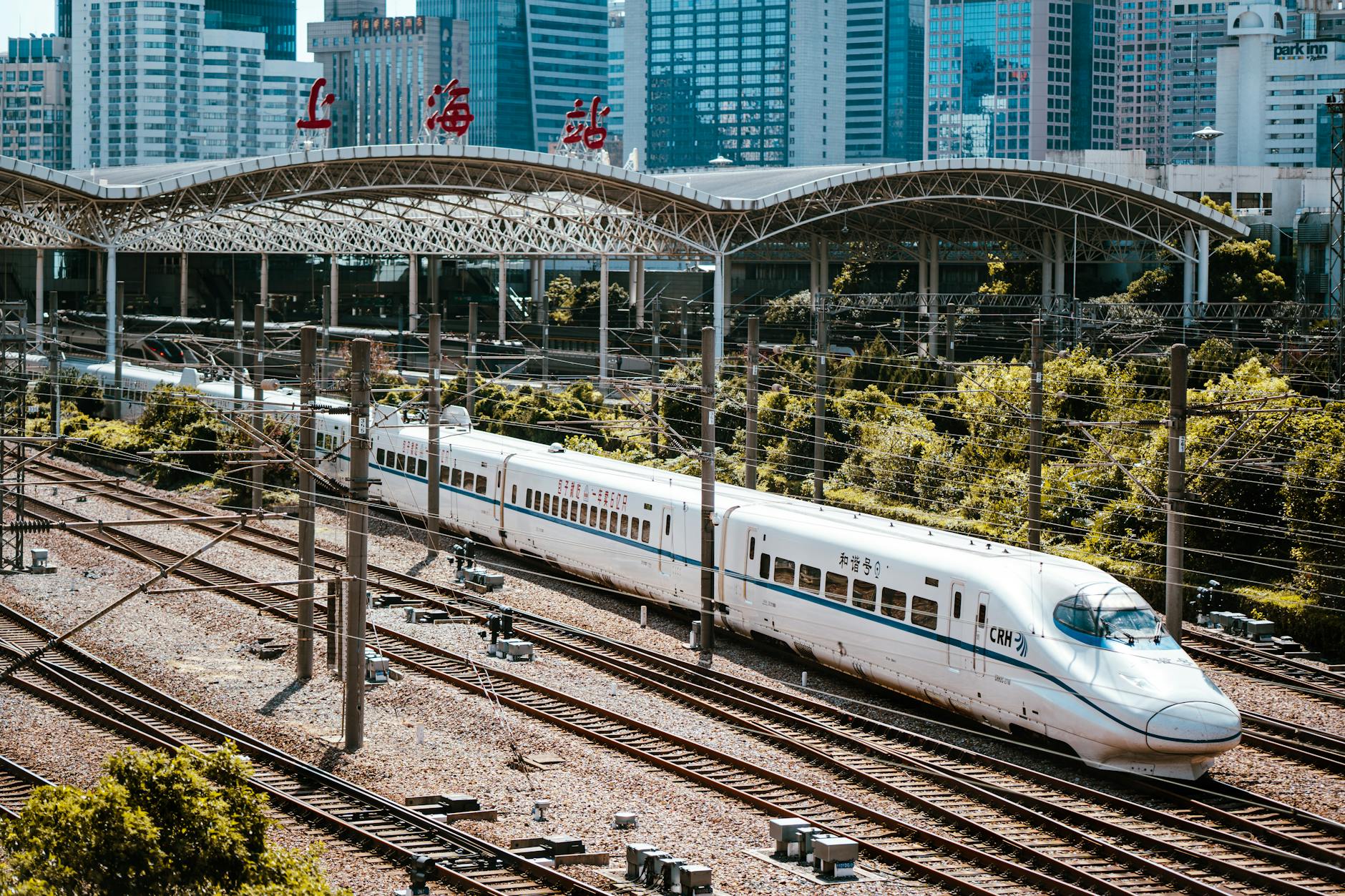
Even if you don’t need airport transport, riding the Shanghai Maglev — the world’s fastest commercial train — is an experience worth having. The magnetically levitating train accelerates to 431 km/h (268 mph), covering the 30 km between Pudong Airport and Longyang Road station in just 8 minutes. A digital speed display in each carriage counts up to the top speed, and passengers inevitably cheer when it hits 430+. Standard fare is ¥50 one-way, or ¥40 with a same-day airline boarding pass.
1933 Old Millfun
This former slaughterhouse in Hongkou is one of Shanghai’s most architecturally fascinating buildings. Designed by British architects in 1933, the concrete structure features an extraordinary system of 26 freestanding bridges, zigzag ramps, and asymmetric staircases — originally designed to move cattle through the building but now creating a maze-like space filled with offbeat cafes, galleries, boutiques, and performance spaces. The Brutalist-meets-Art-Deco architecture is incredibly photogenic. Entry to the building is free; individual shops and cafes set their own prices.
People’s Park Marriage Market
Every Saturday and Sunday afternoon in People’s Park (near People’s Square metro), hundreds of parents gather with open umbrellas laid on the ground, each displaying handwritten descriptions of their unmarried children — physical appearance, education, occupation, income, and what they’re seeking in a partner. It’s a uniquely Chinese matchmaking tradition driven by parental concern over their children’s marital prospects, and it’s one of the most fascinating cultural spectacles you’ll encounter anywhere in the world. It’s completely open to respectful observation, and parents are often happy to explain the system to curious visitors.
Sunrise at the Bund
While most visitors experience the Bund at sunset, arriving for sunrise offers a completely different — and arguably more magical — experience. At 5:00–6:00 AM, the promenade is nearly empty except for tai chi practitioners, joggers, and the occasional fisherman. The eastern sky lights up behind the Pudong towers, painting them in shades of gold and pink, while the colonial buildings on your side catch the warm morning light. There are no crowds, no selfie sticks, and no noise — just you and one of the world’s great cityscapes in the quiet of dawn.
Tips for Getting the Most Out of Shanghai
A few practical tips will help you maximize your time and enjoyment when tackling the many things to do in Shanghai:
Plan by geography, not by category. Shanghai is enormous. Rather than zigzagging across the city, group things to do in Shanghai by area — spend a morning at Yu Garden and the Bund (both in Huangpu), an afternoon in the French Concession, and a separate day for Pudong towers and Disneyland. The metro is fast, but transfers eat time.
Avoid Golden Week and Chinese New Year. The first week of October (National Day) and the Chinese New Year period (late January/February) see domestic tourism surge by hundreds of millions of travelers. Prices spike, queues multiply, and every attraction hits maximum capacity. If possible, plan around these dates.
Download essential apps before arriving. Alipay (for payments), WeChat (for messaging and mini-programs), DiDi (ride-hailing), and Baidu Maps (navigation) are nearly essential. Set up Alipay’s Tourist Pass before your trip to access China’s cashless ecosystem.
Book observation decks and popular attractions online. Shanghai Tower, Shanghai Disneyland, and popular museums all offer online ticketing with timed entry — this eliminates long queues and often includes small discounts. Book through Trip.com or the attractions’ official WeChat mini-programs.
Eat where the locals eat. The best food in Shanghai is rarely in the prettiest restaurants. Follow the crowds at lunchtime noodle shops, breakfast stalls with long queues, and dumpling counters where the menu is only in Chinese. Use your phone’s camera translation to decode menus — or point at what the person next to you is eating.
Frequently Asked Questions About Things to Do in Shanghai
What are the top 3 must-do activities in Shanghai?
The three absolute essentials are: walking the Bund at sunset for the iconic skyline panorama, going on a xiaolongbao (soup dumpling) tasting mission across multiple restaurants, and exploring the French Concession on foot to experience Shanghai’s most atmospheric neighborhood. These three experiences capture the city’s visual drama, culinary excellence, and neighborhood charm.
How many days do you need to see Shanghai’s main attractions?
Three days is the minimum to cover the core highlights: the Bund and Yu Garden (Day 1), French Concession and museums (Day 2), and Pudong towers and a river cruise (Day 3). Five days allows you to add a day trip to a water town and deeper neighborhood exploration. Seven or more days opens up Disneyland, multiple day trips, cooking classes, and the kind of aimless wandering that reveals Shanghai’s true character.
What are the best free things to do in Shanghai?
Shanghai offers an impressive number of free things to do in Shanghai: walking the Bund, exploring the French Concession, the Shanghai Museum, the Power Station of Art, People’s Park (including the weekend Marriage Market), the Lujiazui Skywalk, M50 Art District galleries, and simply wandering through neighborhoods like Tianzifang, Xintiandi, and the Old Town. You could fill two or three days entirely with free things to do in Shanghai.
Is Shanghai good for solo travelers?
Shanghai is one of Asia’s best cities for solo travelers. The metro system makes independent navigation easy, the city is remarkably safe at all hours, and there’s an abundance of food and activities that work perfectly for one person. Solo diners will find that the street food culture, dumpling counters, and casual noodle shops are designed for individual eaters — there’s no awkwardness about dining alone.
What should I avoid doing in Shanghai?
Avoid following strangers who approach you on the Bund or Nanjing Road — the “tea ceremony” and “art exhibition” scams are still active and can result in bills of ¥500–5,000+. Don’t take taxis that refuse to use meters. Don’t visit major attractions during Golden Week (first week of October) unless you enjoy crowds measured in the hundreds of thousands. And don’t skip the street food in favor of hotel restaurants — you’ll miss some of Shanghai’s best eating.