Nanjing Road is the most famous shopping street in China and one of the busiest commercial pedestrian thoroughfares in the world. Stretching from the Bund all the way west to Jing’an Temple, the street covers more than five kilometers, hosts over six hundred shops, and welcomes more than a million visitors a day. For tourists, it is essentially impossible to visit Shanghai without crossing it; for shoppers, it is the single most concentrated retail experience in the country. This Nanjing Road Shanghai shopping guide walks through both halves of the road (East and West), the must-see stores, the pedestrian-only zones, the food stops, and the practical tips that turn a casual stroll into a satisfying shopping day.
Nanjing Road has two distinct personalities. East Nanjing Road, the section closest to the Bund, is the historic shopping street with a pedestrian zone, traditional Chinese stores, mid-range malls, and an unmistakable tourist-and-local energy. West Nanjing Road, beginning around People’s Square, is the upscale luxury district with Plaza 66, HKRI Taikoo Hui, and other high-end malls hosting the global luxury brands. Most visitors walk the East section for atmosphere and history, then take the metro to the West section if they want luxury shopping.
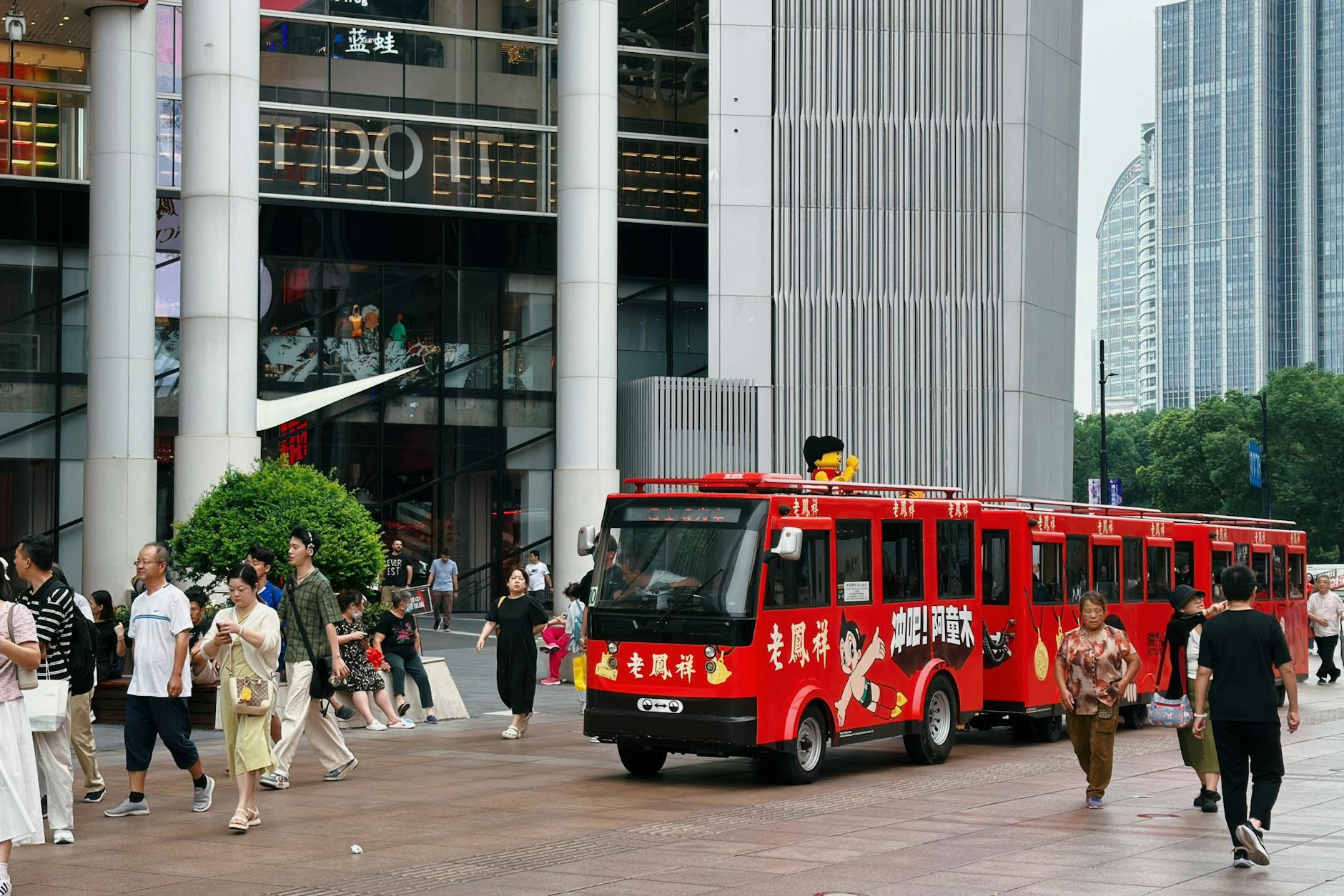
Table of Contents
- What Is Nanjing Road?
- A Brief History
- East Nanjing Road vs. West Nanjing Road
- Top Stores on East Nanjing Road
- Top Malls on West Nanjing Road
- Traditional and Historic Shops
- Where to Eat on Nanjing Road
- Suggested Walking Route
- Getting There by Metro
- Tips and Common Mistakes
- Bargaining and Pricing
- Frequently Asked Questions
What Is Nanjing Road?
Nanjing Road, or Nánjīng Lù in Mandarin, is the principal east-west commercial street running through central Shanghai. It begins at the Bund (Zhongshan East 1st Road) at its eastern end and continues westward for 5.5 kilometers before crossing into the western district near Jing’an Temple. The full road is traversable by metro Line 2 along almost its entire length and by bus, though most visitors walk the central pedestrian zone of East Nanjing Road on foot.
Nanjing Road East refers to the section between the Bund and People’s Square, including the famous pedestrian-only zone. Nanjing Road West refers to the longer stretch from People’s Square westward through Jing’an district. The two halves have grown into different commercial cultures over the past century, and most visitors experience them differently.
A Brief History
Nanjing Road as a commercial street dates to the 1840s, when the British International Settlement was established just north of the Old City. The road was initially called Park Lane, then renamed Nanjing Road in 1865 in commemoration of the 1842 Treaty of Nanking. By the early twentieth century, Nanjing Road had become the most prestigious shopping street in Asia, anchored by department stores like Sincere (1917), Wing On (1918), Sun Sun, and Da Sun, and lined with European fashion houses, Chinese silk merchants, and high-end restaurants.
The Cultural Revolution era (1966–1976) sharply curtailed the street’s commercial culture, with many businesses closed or repurposed. The reopening of China in the 1980s and 1990s brought the road back: state-owned department stores were updated, foreign brands returned, and the central pedestrian zone was created in 1999, transforming the street’s primary section from a traffic-clogged commercial thoroughfare into a walkable shopping promenade.
Today the road combines very old institutions (some dating to the late Qing dynasty), mid-twentieth-century department stores, and contemporary global luxury brands. The mix is part of the experience.
East Nanjing Road vs. West Nanjing Road
The two halves of Nanjing Road serve different shopping populations and warrant different visit strategies.
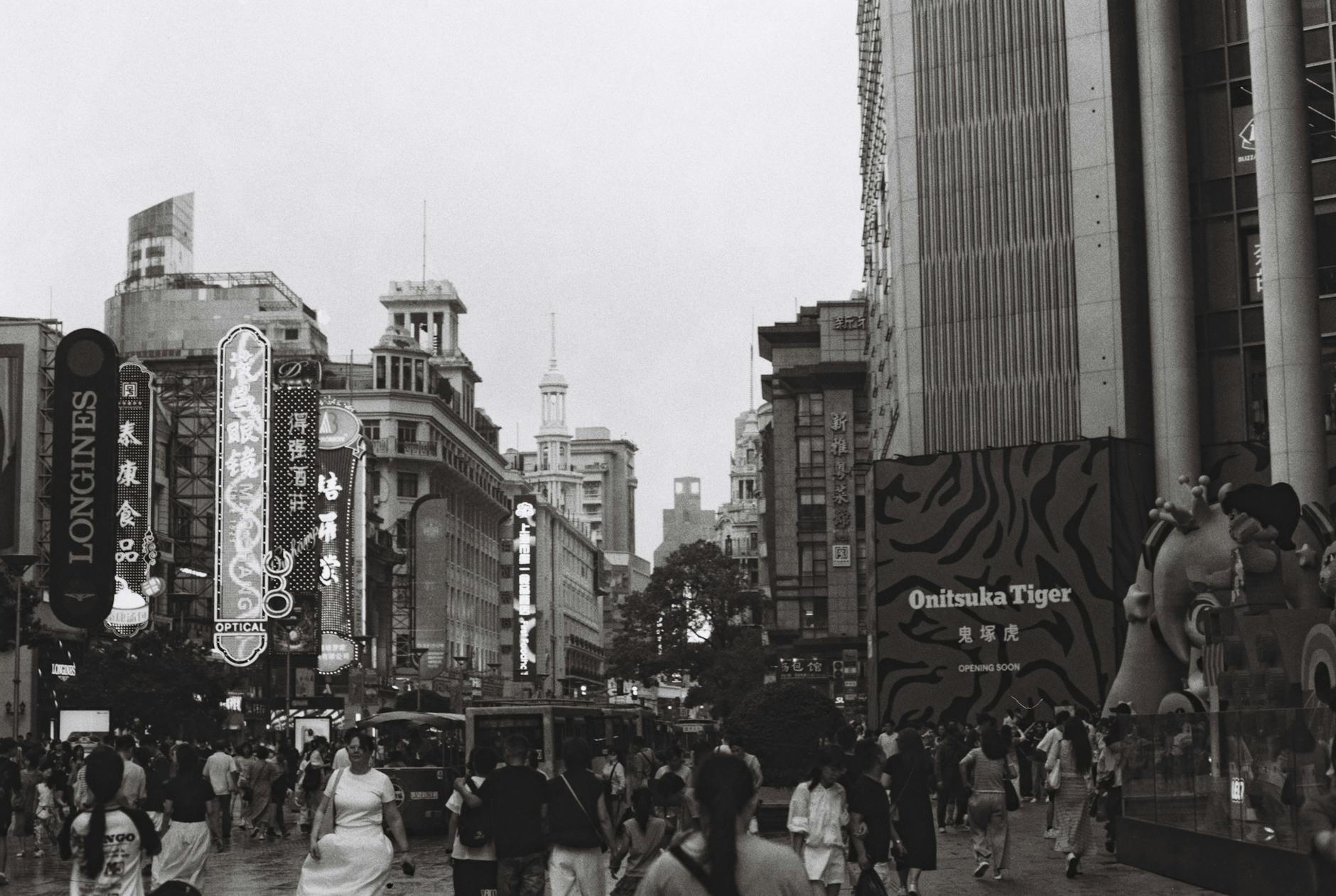
East Nanjing Road is the more famous section among tourists and includes the pedestrian-only zone between Henan Road and People’s Square. Stores here are mid-priced, with traditional Chinese specialty shops, mid-range fashion brands, photo-friendly storefronts, and the iconic red tourist bus that loops up and down the pedestrian zone. Plenty of street food, casual dining, and souvenirs. Crowds are heavy during the day and on weekends.
West Nanjing Road is the luxury and high-end section, home to Plaza 66, HKRI Taikoo Hui, Citic Square, and several other malls hosting global luxury brands (Hermes, Chanel, Louis Vuitton, Bulgari, Dior, Cartier, etc.). The crowd is more local and business, less tourist. Crowds thin out during the workday and pick up on weekends.
For a single afternoon, walk East Nanjing Road from the Bund to People’s Square (about 1.5 km), then take metro Line 2 one or two stops to West Nanjing Road for luxury shopping or just to see the contrast.
Top Stores on East Nanjing Road
The pedestrian zone of East Nanjing Road is best experienced on foot, browsing as you go. Some stores stand out.
Shanghai No.1 Department Store. The historic anchor of the street, built in 1934 as the original Sun Sun Department Store. Eight floors of department-store retail, including a wide range of Chinese brands and souvenirs. Worth visiting for the building itself even if you do not buy anything.
Shanghai Landmark Plaza (Shanghai Zhi Di Square). Ten floors of mid-range shopping covering homewares, fashion, and accessories.
Henglong Plaza Nanjing Road. Modern mall with international brands like Uniqlo, Muji, and Sephora.
The Apple Store on East Nanjing Road. The flagship store designed in collaboration with Foster + Partners, with a fully glass cylinder entrance. Worth a visit for the architecture.
Shanghai Style Number 6 Hotel Building. A heritage Art Deco building now housing several restaurants and small boutiques.
Forever 21 (Mascotte Mall). The fast-fashion landmark, multistory, with a checkout flow that rewards patience.
Local food halls. Several department stores include basement food halls offering local snacks. Yu Bao at the Apple Store level mall is a popular stop.
Top Malls on West Nanjing Road
West Nanjing Road’s mall scene starts at People’s Square and continues through Jing’an district. The major malls:
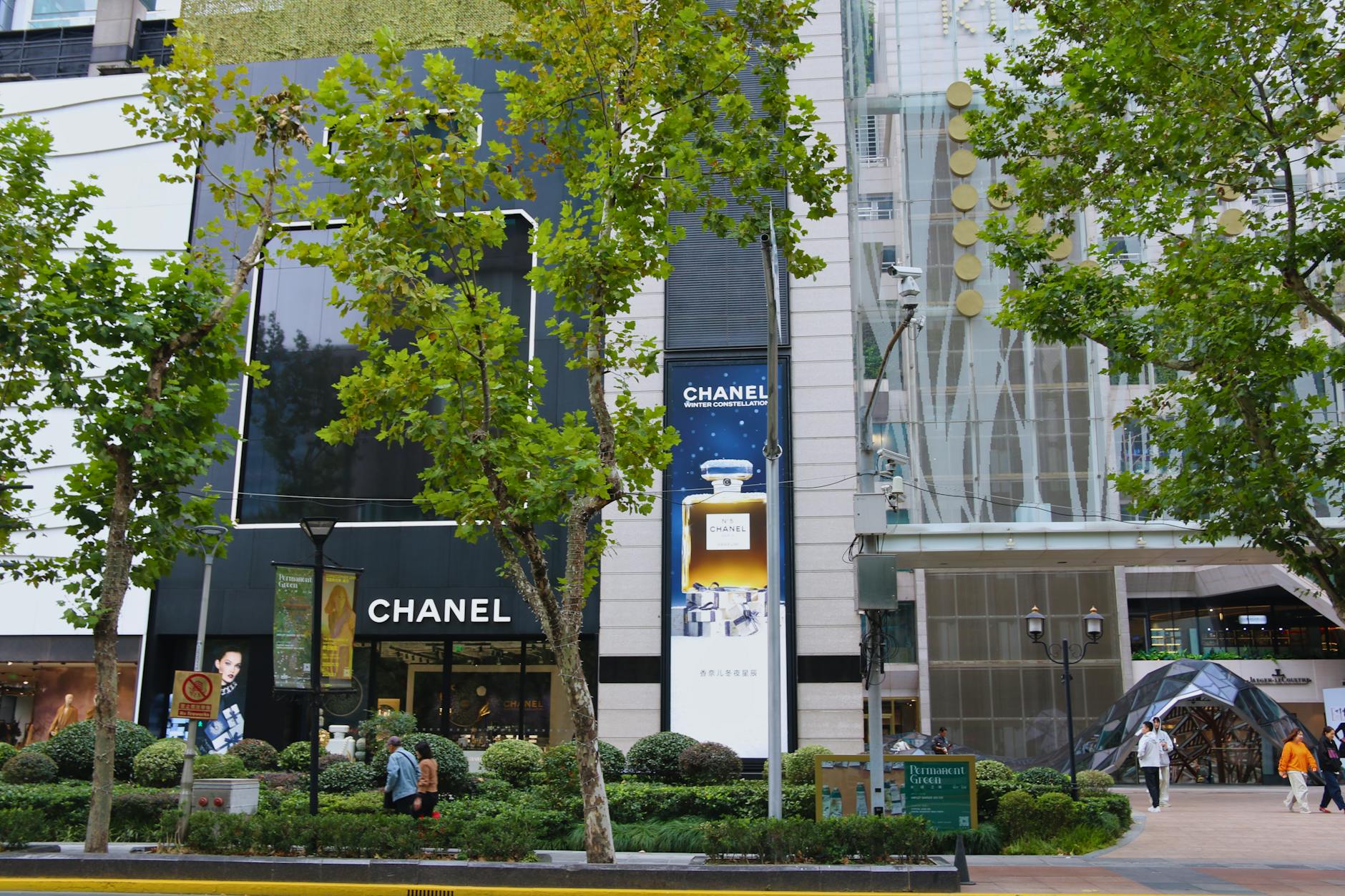
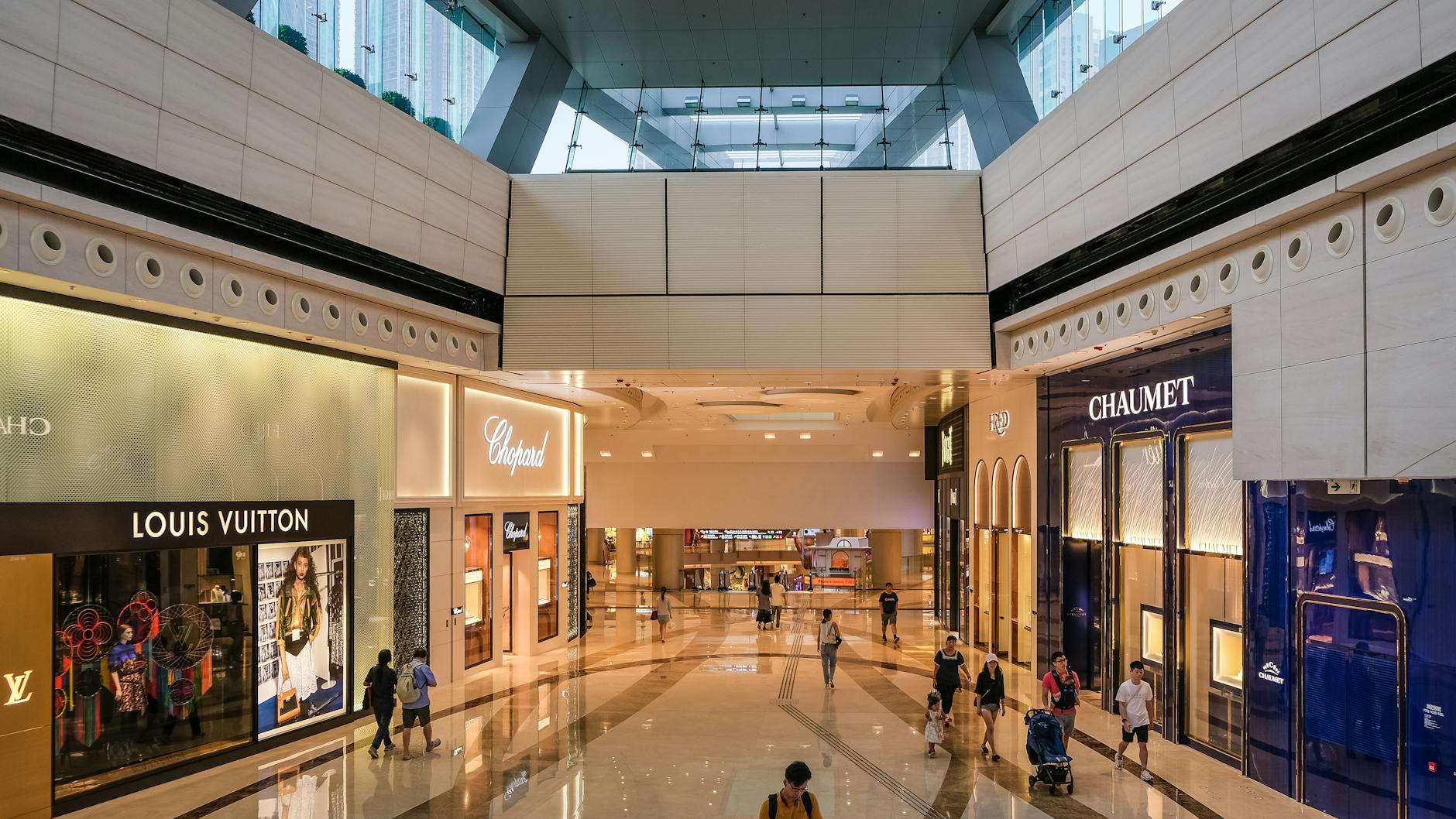
Plaza 66. The pre-eminent luxury mall in Shanghai. Six floors of designer flagships including Chanel, Dior, Hermes, Louis Vuitton, Prada, Cartier, Bulgari, and dozens of others. Restaurants and cafes occupy the upper floors. The most refined shopping experience in central Shanghai.
HKRI Taikoo Hui. Newer, with over 250 brands in a sleeker contemporary mall format. Combines luxury, mid-range fashion, and an excellent food and dining program. Anchored by the Shanghai EDITION hotel and the JC Mandarin’s restaurants.
Citic Square. Mid-to-upper range shopping, with a smaller selection but worth a quick visit if you are already on West Nanjing Road.
Reel. A boutique-flavored mall with thoughtful curation across fashion, lifestyle, and dining. Less crowded than Plaza 66 or Taikoo Hui.
Westgate Mall. Mid-range department store and mall combination, popular with locals.
The Wheelock Square Tower. A few steps off the road but worth a stop for shopping and dining at restaurants on the upper floors.
Traditional and Historic Shops
Beyond the malls and department stores, Nanjing Road has a few traditional Chinese stores that have been operating for over a century. These are worth seeking out for souvenirs that have actual provenance.
Lao Feng Xiang Jewellers. Founded in 1848, the most famous traditional Chinese jewelry house. Specializes in gold and jade. The flagship East Nanjing Road location is itself a historic building.
Duo Yun Xuan. Founded in 1900, specializing in Chinese calligraphy, ink painting, and traditional art supplies. The most respected traditional Chinese art store in Shanghai. Worth visiting for serious souvenirs.
Shanghai Hengda Department Store. Long-established silk and fabric specialist. Traditional Shanghainese qipao tailoring is available at several Nanjing Road shops; Hengda is among the most reputable.
Wang Bao He. Old-school traditional medicine and herbal remedies shop, founded in 1744. Multiple branches in central Shanghai.
Shanghai Foreign Languages Bookstore. Slightly off the main road but worth a stop for English-language books and Chinese learning materials.
Where to Eat on Nanjing Road
Nanjing Road has dining for every budget and craving. The standouts:
Yang’s Fry-Dumpling. The most famous shengjianbao (pan-fried dumpling) chain, with a Nanjing Road branch. RMB 8 for four.
Nanxiang Steamed Bun branch on East Nanjing Road. Smaller than the Yu Garden flagship but the same xiaolongbao technique.
Xiao Yang Sheng Jian. Another shengjianbao competitor, located near People’s Square.
Wujiang Road Snack Street. A short walk south of West Nanjing Road. The most concentrated street food in central Shanghai, with hand-pulled noodles, lamb skewers, dumplings, and other snacks.
Jia Jia Tang Bao (East Nanjing Road branch). Compact, packed, excellent xiaolongbao.
Lost Heaven on the Bund. Slightly off the East Nanjing Road end but reachable on foot. Yunnan-Burmese fusion.
HKRI Taikoo Hui basement food hall. Modern food court with a mix of regional Chinese cuisines and international options.
Plaza 66 fine dining floor. Two upscale restaurants, useful for a luxury-shopping-day lunch.
For more comprehensive dining detail, see our Shanghai Food Guide.
Suggested Walking Route
A typical Nanjing Road walking visit goes east-to-west, ending at People’s Square or continuing to West Nanjing Road by metro.
Start at the Bund. The eastern end of Nanjing Road East meets the Bund. Take any photographs you want of the Bund first, then turn west.
Pedestrian zone (Henan Road to People’s Square). Walk slowly. Stop at the Apple Store, Shanghai No.1 Department Store, and any individual shops that catch your eye. Allow 60–90 minutes for casual browsing.
Lunch break at People’s Square or detour to Wujiang Road. If you took an early start, lunch is around hour 2 of the walk.
Metro to West Nanjing Road. One or two stops on Line 2. Plaza 66 is the must-see if you want luxury; HKRI Taikoo Hui is the most enjoyable mall.
End at Jing’an Temple. The far western end of the West section is anchored by the gilded Jing’an Temple. Visit the temple as a contrasting end to your shopping day.
Total walking time: 3–4 hours including stops. Shorten by skipping West Nanjing Road if you do not want luxury shopping.
Getting There by Metro
Nanjing Road is one of the most metro-accessible streets in Shanghai.
East Nanjing Road Station (Lines 2, 10, 14). The starting point for the pedestrian zone, exit 1 puts you at the eastern end of the pedestrian street directly.
People’s Square (Lines 1, 2, 8). Mid-point. Exit at “Nanjing Road East” to walk eastward into the pedestrian zone, or exit toward “Park Hotel” for the western end.
West Nanjing Road (Lines 2, 12, 13). Anchors Plaza 66 and HKRI Taikoo Hui.
Jing’an Temple (Lines 2, 7, 14). Western end of the West section.
Many travelers walk from East Nanjing Road station all the way to People’s Square, then take the metro forward.
Tips and Common Mistakes
Avoid weekend afternoons if you want a calmer visit. Saturday afternoon at 3 PM is the busiest moment of the week.
Wear comfortable shoes. The pedestrian zone is paved but you will walk a lot. Heels are challenging on the cobble-style pavers near the Bund end.
Bring cash and apps. Big stores accept foreign credit cards; smaller stores and street food are cash, WeChat Pay, or Alipay only.
Watch for the tea house and art student scams. Both target tourists in the East Nanjing Road pedestrian zone. Politely refuse invitations from strangers.
Use the red tourist bus for tired feet. The orange-and-red sightseeing trolley loops the pedestrian zone for RMB 5 a ride. Useful at the end of a long walking day.
Tax-free shopping for tourists. Major luxury malls offer tax-free shopping for international visitors at minimum spend levels (typically RMB 500). Bring your passport. Process the refund at the airport on departure.
Beware of “fake” silk and pearl shops. The historical reputation of Shanghai silk and pearls draws hopeful buyers. Quality varies enormously; reputable shops include Shanghai Silk King and Lao Feng Xiang. Avoid vendors who pull you off the street with offers.
Check store hours. Most retail is open 10 AM–10 PM. Restaurants may run later. Some traditional stores close earlier.
Bargaining and Pricing
Bargaining culture varies dramatically across Nanjing Road. The basics:
Department stores and major malls: Fixed prices. No bargaining. Plaza 66, HKRI Taikoo Hui, and Shanghai No.1 Department Store all use price tags.
Traditional stores and silk shops: Negotiable. Start at 50–60% of the asking price. Walk away if the price is unreasonable; the shop will often call you back.
Street vendors: Hard bargaining. Start at 30–40% of the asking price. Be prepared to walk.
Counterfeit goods: Sold openly at some smaller shops. Start at 20% of the asking price. Be aware that bringing counterfeits home may violate customs regulations.
For more shopping guidance and bargaining strategy, see our pillar guide on Shopping in Shanghai.
Frequently Asked Questions
Is Nanjing Road worth visiting?
Yes, especially on a first visit. The pedestrian zone of East Nanjing Road is the most concentrated commercial street in China and a unique walking experience even for non-shoppers.
How long is Nanjing Road?
About 5.5 kilometers from the Bund to its western terminus near Jing’an Temple. The pedestrian zone alone is about 1.2 kilometers.
What is the best store on Nanjing Road?
For tourists, Shanghai No.1 Department Store (East) for variety and history; Plaza 66 (West) for luxury; Lao Feng Xiang for Chinese traditional jewelry. Each appeals to different visitors.
Can I find authentic Chinese silk on Nanjing Road?
Yes, at established stores like Shanghai Hengda and Shanghai Silk King. Avoid roadside vendors who quote dramatically low prices; the silk is often blended fabric.
Is Nanjing Road open on Sundays and holidays?
Yes, every day of the week, including most public holidays. Sundays and weekends are the busiest. Many stores extend hours during major shopping holidays.
Do I need to bring cash to Nanjing Road?
Useful as a backup, but most stores accept WeChat Pay, Alipay, or foreign credit cards. Street food and small shops sometimes accept cash only.
Are there public restrooms on Nanjing Road?
Yes, in every major mall and department store. Free in malls; some department stores require a small purchase. Many also at metro stations.
Is Nanjing Road safe for tourists?
Yes, very safe. The main risk is pickpocketing in the most crowded sections; use front pockets or money belts.
What time is best to visit Nanjing Road?
Weekday mornings (10 AM–noon) for fewer crowds. Late afternoon and early evening for atmosphere and lighting. Weekend afternoons are the busiest.
Should I shop on Nanjing Road or elsewhere in Shanghai?
Nanjing Road is best for variety and convenience. For boutiques and design, the former French Concession is better. For luxury, Plaza 66 (also on Nanjing Road West) and IFC Mall in Pudong are equivalent. For unique souvenirs, Tianzifang and Yuyuan Bazaar.
Plan Your Shopping Day
The Nanjing Road Shanghai shopping guide is best used as a starting framework. Walk the pedestrian zone of East Nanjing Road first, take the metro to West Nanjing Road for luxury shopping if you want, and pick up snacks at Wujiang Road Snack Street if you have time. The full experience takes a half-day to a full day.
For broader shopping context, see our pillar guide on Shopping in Shanghai. For where to base yourself near Nanjing Road, see Where to Stay in Shanghai. For day-by-day plans that include Nanjing Road, see our Shanghai itinerary planner.
Even non-shoppers find Nanjing Road one of the most sensory experiences in Shanghai. The mix of historic buildings, contemporary brands, neon signage, and the daily rhythm of millions of pedestrians is hard to find anywhere else in the world. Walk it once on every visit.
For more background, see Nanjing Road on Wikipedia.