The Shanghai Metro is one of the world’s largest, longest, and most foreigner-friendly subway systems. With twenty-one lines, more than five hundred stations, and the entire network signposted in both Chinese and English, the metro is the default way to move across the city for residents and tourists alike. This Shanghai metro guide covers every practical question a visitor might ask: which lines you actually need, how to buy tickets, how to use Alipay or WeChat to ride for free at the gate, what to know about the Maglev, the etiquette rules that make rush hour bearable, and the small things (transfer maps, accessibility, last trains) that travel guides typically skip.
The headline: ride the metro. It is fast, cheap, clean, safe, and English-friendly enough that most visitors use it confidently within their first day. A typical fare of RMB 3–10 (about $0.40–$1.40) per ride saves you an enormous amount of time and money over taxis, particularly during rush hour traffic in central Shanghai.
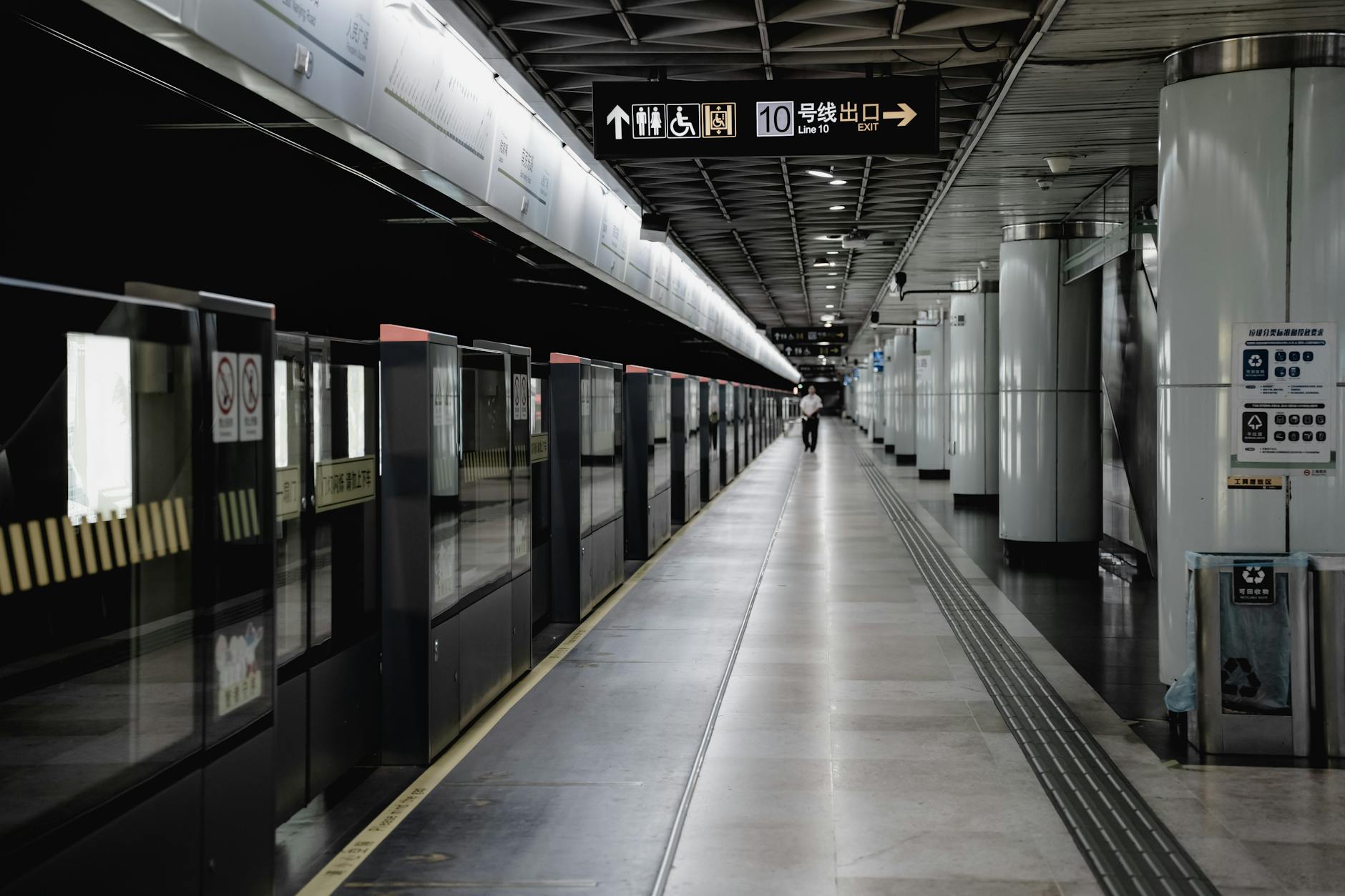
Table of Contents
- The Shanghai Metro Network at a Glance
- Which Lines You Actually Need
- Buying Tickets: Cards, Apps, and Single Rides
- How to Ride: Step by Step
- Operating Hours and Last Trains
- Fares and Distance Pricing
- The Maglev: Worth Riding?
- Airport Transfers via Metro
- Etiquette and Rush Hour Tips
- Accessibility
- Safety and Security
- Tips and Common Mistakes
- Frequently Asked Questions
The Shanghai Metro Network at a Glance
The Shanghai Metro began operating in 1993 with a single line between People’s Square and the southern suburbs. By 2026, the system has expanded to twenty-one lines covering more than 800 kilometers of track, with daily ridership of around twelve million passengers. It is the longest urban metro system in the world by length and consistently ranks among the cleanest and most punctual.
The network is organized as a mix of central lines that interconnect at major hubs (People’s Square, Lujiazui, Xujiahui) and outer lines that extend into the surrounding districts. Almost all tourist destinations are within a short walk of a metro station. Trains arrive at one- to four-minute intervals during rush hours and at four- to seven-minute intervals during off-peak times.
Station signage is uniformly bilingual: every line has a number and a color, every station has its name in both Chinese and English on platform pillars and overhead signs, and announcements are made in Mandarin, Shanghainese, and English. The network is genuinely accessible to non-Chinese-speaking visitors.
Which Lines You Actually Need
For tourists, only a handful of the twenty-one lines matter. The rest serve specific suburbs or industrial areas. Memorize these and you have most of what you need.
Line 1 (Red). The original line. Runs north-south through the city, connecting Shanghai Railway Station, People’s Square, Xujiahui, and the southern suburbs. Useful for People’s Square access and Xujiahui shopping.
Line 2 (Green). The east-west spine. Connects Hongqiao Airport, Hongqiao Railway Station, Jing’an Temple, People’s Square, East Nanjing Road (the Bund), Lujiazui (Pudong), and continues to Pudong International Airport. The single most useful line for tourists.
Line 4 (Purple). The loop line, encircling central Shanghai. Useful for circling between major hubs without going through People’s Square.
Line 7 (Orange). Connects Jing’an Temple, the former French Concession (Changshu Road, Jing’an Temple), and the Shanghai Long Museum area. Useful for FFC navigation.
Line 10 (Light Blue). Connects Xintiandi, the former French Concession (South Shaanxi Road, Yuyuan Garden), East Nanjing Road, and the Bund. Ideal for tourist-area transitions.
Line 11 (Brown). The Disneyland line. Direct service from Disneyland to central Shanghai (Xujiahui, Hongqiao). Useful for theme park visits.
Line 14 (Light Green). A newer cross-city line connecting Jing’an Temple with Hongkou and the eastern districts. Useful for second-time visitors exploring beyond the central tourist core.
Lines 3, 5, 6, 8, 9, 12, 13, 15, 16, 17, 18, and the airport rail lines serve specific corridors and may be useful for particular trips (Line 16 to remote eastern Pudong, Line 17 to Zhujiajiao Water Town). If you do not need them, you can ignore them.
Buying Tickets: Cards, Apps, and Single Rides
You have three main options for paying to ride the Shanghai Metro. The right choice depends on how long you are staying and how comfortable you are with apps.
Option 1: Alipay or WeChat Pay (recommended). Both apps include a Shanghai Metro mini-program (look for “metro” or “transportation” inside the app’s home screen). Activate the QR-code transit ticket once. From then on, scan the QR code at any metro fare gate to enter and again to exit. Fares are deducted from your linked card automatically. This is how most local commuters and most modern tourists pay. Setting up takes five minutes; once done you never wait in a ticket line again.
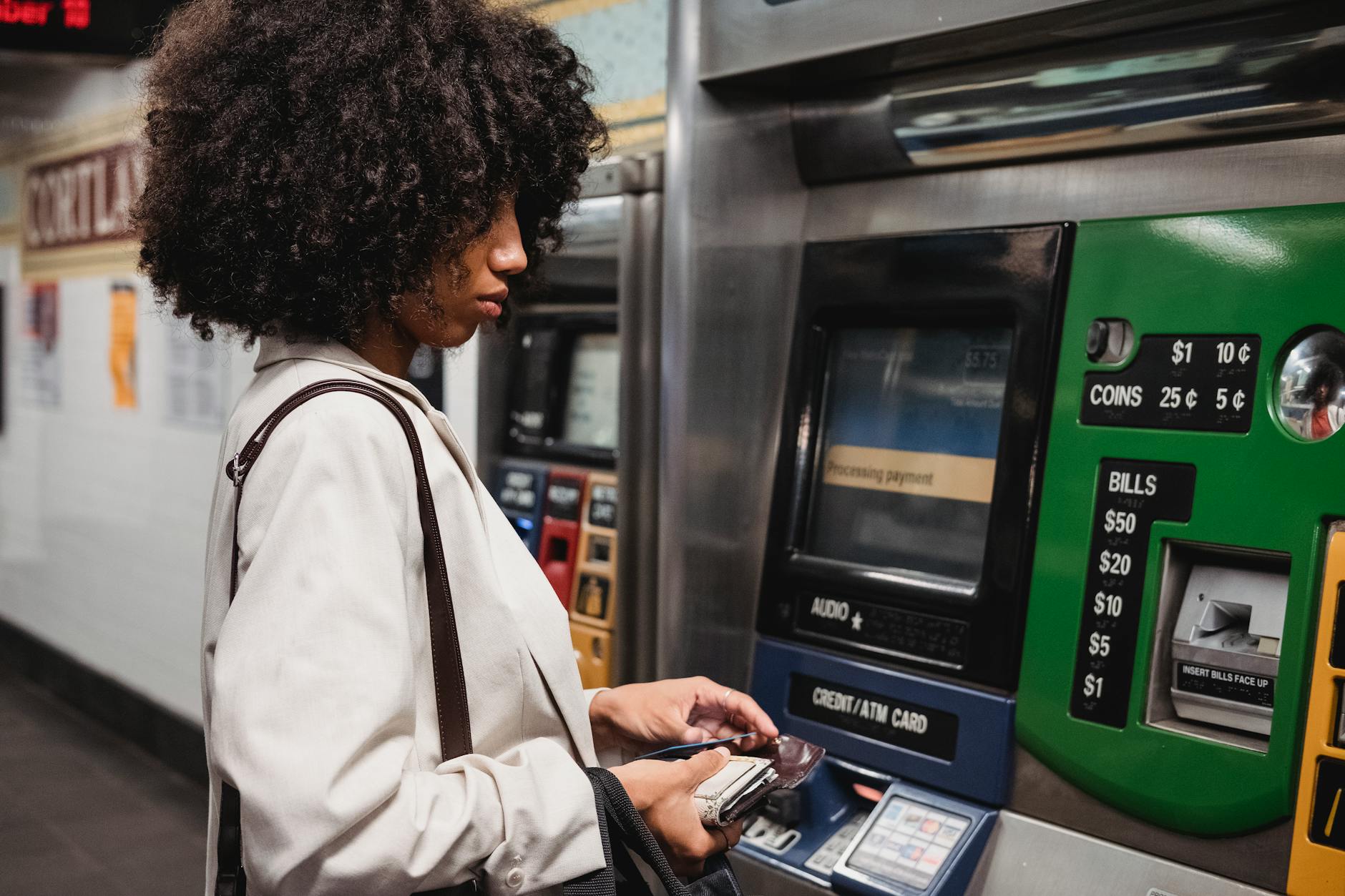
Option 2: Single-journey ticket. Available at any station’s self-service machines. Touch screens have English-language toggle. Select your destination on the map, pay with cash or by card, receive a plastic single-ride ticket. Insert at the gate to enter and again at the exit. Acceptable for occasional rides; less efficient for daily use.
Option 3: Shanghai Public Transportation Card. The traditional rechargeable card. Buy at any station’s customer service window for a RMB 20 deposit (refundable). Top up at machines or at customer service. Tap to enter and exit. Convenient for travelers who do not want to use Chinese apps; refund process at trip end is straightforward but takes ten minutes.
One-day pass: Available at customer service for RMB 18, valid for unlimited rides for twenty-four hours from first use. Worth it only if you plan to ride more than five times in one day. The Maglev is not included.
Three-day pass: Available for RMB 45. Same logic as the one-day pass; useful for multi-day metro-heavy itineraries.
How to Ride: Step by Step
Riding the metro is simple, but the first ride benefits from a quick walk-through.
Step 1: Find your line. Use Apple Maps, Google Maps (with VPN), Citymapper, or the Metro Man Shanghai app to identify the right line and direction. Lines are numbered and color-coded; both pieces of information are on the station signage.
Step 2: Enter the station. Stations are indicated by a “Metro” sign with the line color outside. Larger stations have multiple entrances, sometimes labeled with letters (1A, 1B, etc.). For tourist-heavy stations, the entrance you choose matters because exiting from the wrong end can add ten minutes of walking.
Step 3: Security check. All bags pass through an X-ray scanner at the entrance. Take laptops out of the bag if asked. Bottles of liquid may be sniffed by the staff. The process takes thirty seconds and you do not need to remove shoes or jackets.
Step 4: Pass through the fare gate. Tap your transit card, scan your QR code, or insert your single-journey ticket. Walk through.
Step 5: Find the platform. Follow the bilingual signs for your line and direction. Platforms have screen doors that align with the train doors. Wait behind the line.
Step 6: Board the train. Doors open and close automatically. Stand to the side as people exit before you board. Hold onto a strap or pole. Each station is announced in Mandarin, Shanghainese, and English.
Step 7: Exit through the fare gate. Tap, scan, or insert your ticket again to exit. The system calculates your fare based on entry and exit stations.
Operating Hours and Last Trains
Shanghai Metro hours vary slightly by line, but the general rule is:
- First trains: 5:30 AM at outer-station starts; 6:00 AM at most central stations.
- Last trains: 10:30–11:00 PM at most stations. Some routes have last trains as late as 11:30 PM on weekends; others stop earlier on weeknights.
The metro does not run twenty-four hours. After last trains, your options are taxi, Didi, or a night bus (limited and Chinese-only). Plan accordingly if you are out late at the Bund or in the former French Concession; the last metro from a central station typically leaves around 11:00 PM.
Always check the specific last-train time at your destination station. Some lines stop running ten to fifteen minutes earlier than others.
Fares and Distance Pricing
Shanghai Metro uses a distance-based fare system. The basic structure is:
- RMB 3 for distances under 6 km.
- +RMB 1 per additional 10 km.
- Maximum fare for a single trip: RMB 15.
Most rides within central Shanghai cost RMB 3–7 (about $0.40–$1.00). Trips to the suburbs or airports can cost RMB 8–15.
One-day pass: RMB 18, unlimited 24-hour rides. Three-day pass: RMB 45.
The Maglev is priced separately at RMB 50 one-way. The metro does not connect with Maglev fares.
The Maglev: Worth Riding?
The Shanghai Maglev (magnetic levitation train) is the world’s first commercial magnetic-levitation line. It runs between Pudong International Airport and Longyang Road metro station in eight minutes, reaching speeds up to 431 km/h. It is technically not part of the metro system but interchanges with it.
Pros: The fastest way to and from Pudong Airport. A novel experience worth the ride at least once. The eight-minute trip is genuinely fast and visibly accelerates beyond conventional rail. Tickets cost RMB 50 (about $7 USD) one-way, RMB 80 round-trip.
Cons: Only goes to Longyang Road, which is not a final destination but a transfer point. From Longyang Road you must transfer to metro Line 2, 7, or 16 to reach central Shanghai. Total travel time from airport to the Bund is roughly an hour, similar to taking metro Line 2 directly from the airport for RMB 8.
Verdict: Yes, ride it once for the experience, ideally on arrival when novelty is highest. On return trips, metro Line 2 directly to the airport is cheaper and equally efficient.
Airport Transfers via Metro
The metro provides direct service to both Shanghai airports. The right choice depends on your arrival airport and amount of luggage.
Pudong International Airport (PVG). Metro Line 2 runs directly to Terminal 2, with stops at Terminal 1 by airport shuttle. From the Bund, allow 90 minutes via metro. The Maglev plus metro combination is faster (about 60 minutes) but more expensive.
Hongqiao Airport (SHA). Metro Line 2 (and Line 10) connect Hongqiao Terminal 2 directly. From central Shanghai (Lujiazui or East Nanjing Road), allow 35–45 minutes. Metro is the easiest option for Hongqiao; consider it the default.
Hongqiao Railway Station. Co-located with Hongqiao Airport. Lines 2, 10, 17 all serve the station. Trips from the Bund take 30–40 minutes.
If you are heavily loaded with luggage, a Didi or taxi can be more comfortable than the metro stairs and crowded cars, particularly at rush hour. For light luggage, the metro is the most efficient and cheapest airport access in Shanghai.
Etiquette and Rush Hour Tips
Shanghai Metro etiquette has matured significantly over the past decade. The norms are now closer to Tokyo than to most Western cities.
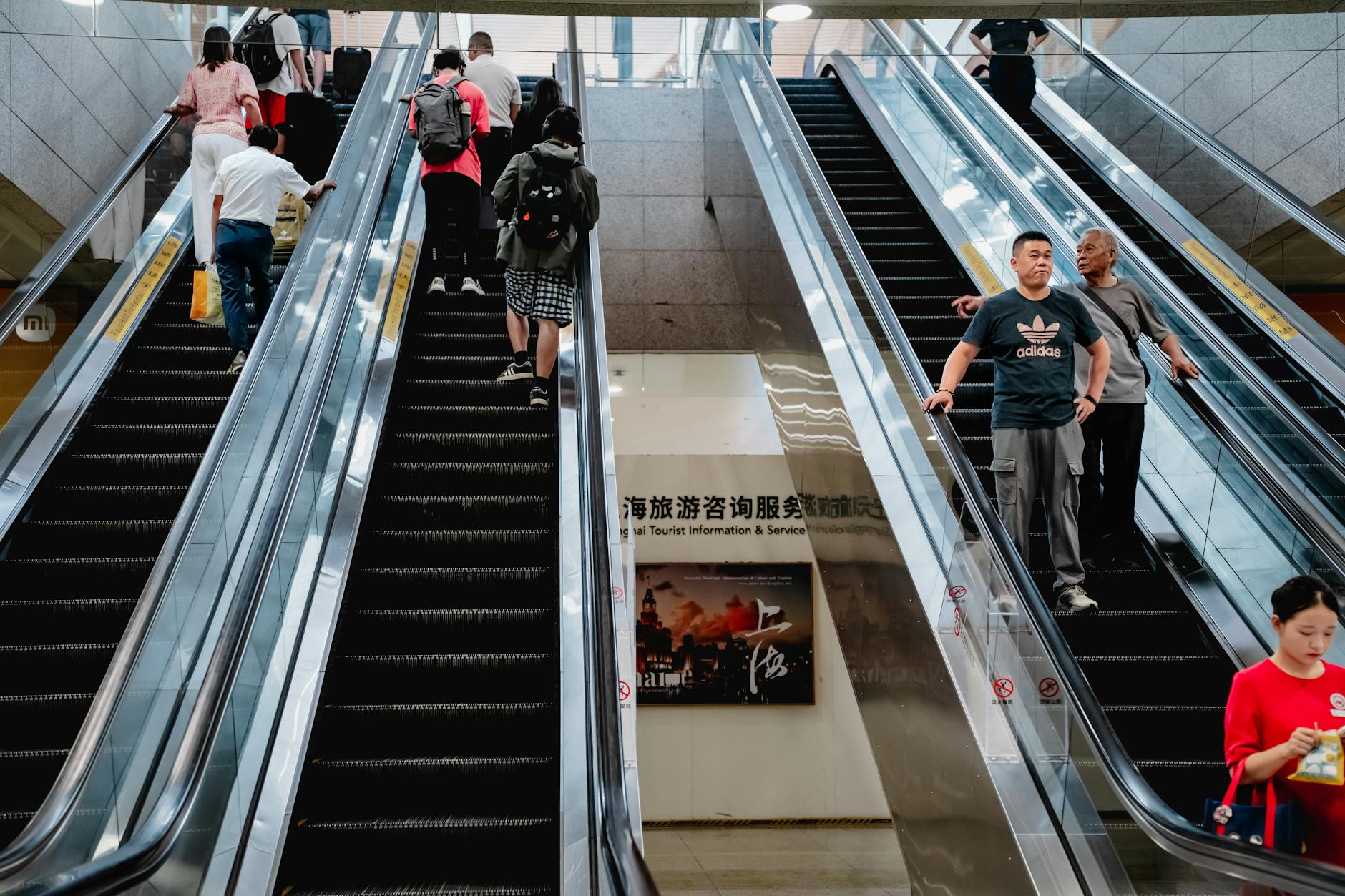
Stand right, walk left. The convention on escalators. Standing on the left blocks commuters in a hurry.
Let people exit before boarding. The platform yellow-line markings show where to wait so departing passengers can exit cleanly. Cutting in front is rare and frowned upon.
Backpack on front in crowded cars. A common Tokyo-style courtesy that has become Shanghai practice. Reduces accidental jabs.
Keep voice volume down. Loud phone calls and group conversations are uncommon in metro cars. Younger Shanghainese tend to be quieter than older generations.
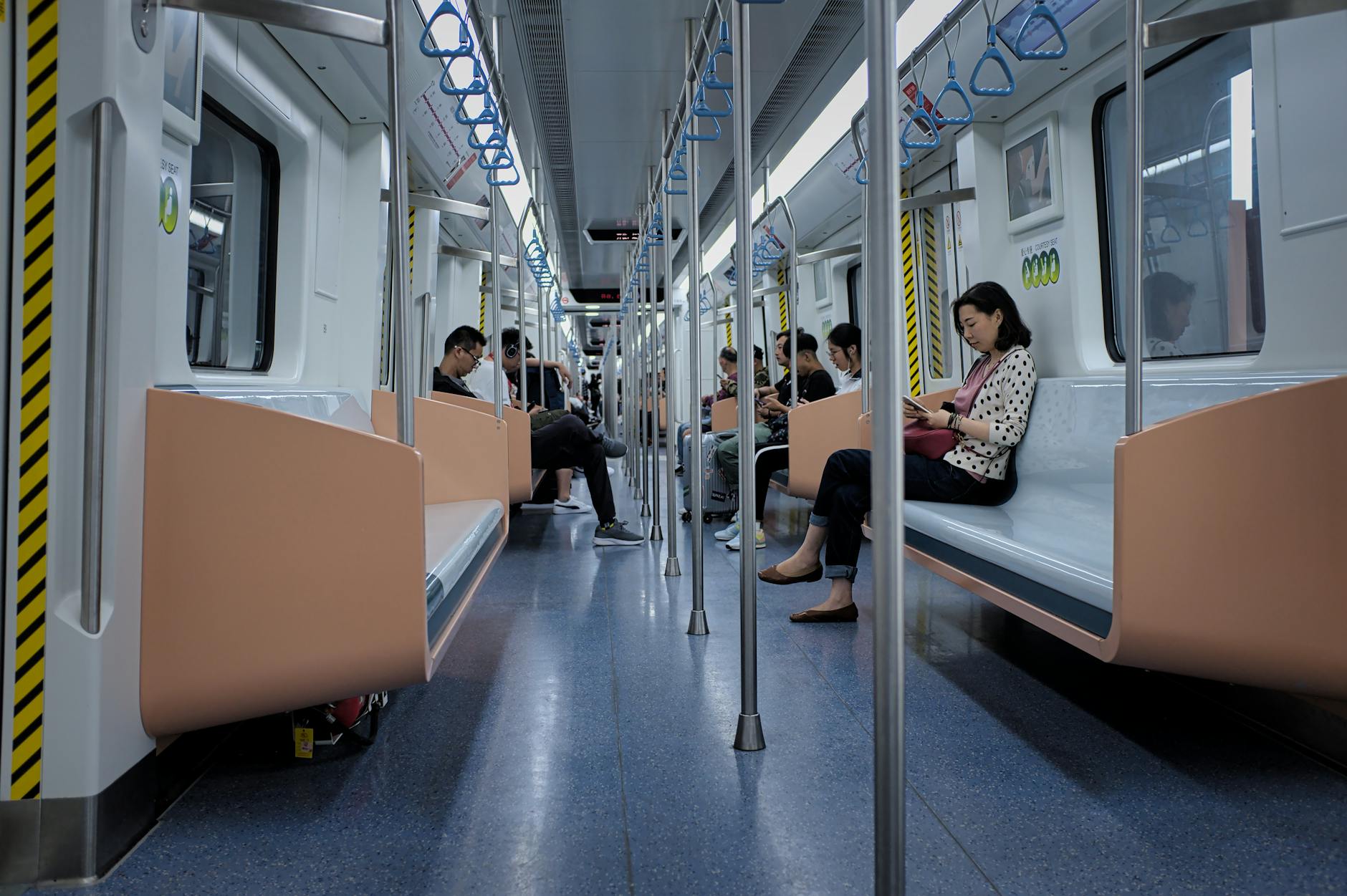
Priority seats. Marked seats in each car are for elderly, pregnant, disabled, or parents with young children. Other passengers will move if any of these board.
Eating and drinking. Officially restricted in stations and trains. Snacks and drinks bring stares but rarely active enforcement.
Music and earphones. Earphones are universal. No one plays music aloud.
Rush hour timing. The peak rush is 7:30–9:30 AM and 5:00–7:00 PM weekdays. Lines 1, 2, and 10 see the heaviest crowds. If you can shift your travel by thirty minutes either side of the peak, the experience is significantly more comfortable.
Accessibility
Shanghai Metro accessibility has improved markedly but remains uneven. Newer lines (10–18) generally have good elevator coverage at every station; older lines (1–4) have spotty elevator access.
Wheelchair-accessible entrances are marked on the station signage. Major hubs (People’s Square, Lujiazui, Hongqiao) are fully accessible. Some smaller central stations require staircase access only.
Accessible toilets are available at most central stations. Bilingual tactile signage and audio announcements support visually-impaired and hearing-impaired travelers.
For more on accessibility across the city, see our Shanghai practical tips for tourists.
Safety and Security
The Shanghai Metro is among the safest urban transit systems in the world. Violent crime is virtually unheard of. Pickpocketing in crowded cars and hubs is the main concern; use front pockets or money belts during peak times.
Bag X-ray scanning at every station entrance is standard. Liquids over 100ml may be sniff-tested. Lighters and certain electronic devices are restricted; the staff will direct you to a deposit window if needed.
Emergency contact: Each car has emergency intercoms and call buttons. Station staff are present at every entrance and platform. Police presence is visible.
Tips and Common Mistakes
Use Citymapper or Apple Maps for routing. Both handle the Shanghai Metro well, with line numbers, transfer times, and exit recommendations.
Note the correct exit. Major stations have ten or more exits. Citymapper and Google Maps will tell you which exit is closest to your destination. Choosing wrong can add a 10-minute walk.
Avoid lines 1 and 2 at peak rush. If your itinerary is flexible, off-peak rides are dramatically more pleasant.
Top up at machines, not service windows. Service windows have lines; machines accept cash, cards, and apps.
Stand on the right of the escalator. Walking up the left is acceptable.
Keep your single-journey ticket. You need it to exit. Lost tickets require a customer-service intervention.
Stations close earlier than the last train. Customer service windows shut around 10 PM. Plan ticket purchases earlier.
Avoid bringing oversized luggage during rush hour. Cars get extremely crowded. Off-peak metro is much easier with bags.
Frequently Asked Questions
Is the Shanghai Metro easy for English speakers?
Yes. Maps, signage, and announcements are bilingual. Staff in major stations speak basic English. Most tourists are confident on the metro within their first day.
How much does a typical metro ride cost?
RMB 3–7 (about $0.40–$1.00) for most central rides. Maximum single-ride fare is RMB 15.
Can I use my foreign credit card on the metro?
Yes. Ticket vending machines accept Visa, Mastercard, UnionPay, and Discover via the POS system at every station. Alipay and WeChat are smoother for everyday use; both also accept foreign cards.
Does the metro run all night?
No. Last trains depart most central stations around 10:30–11:00 PM. Plan taxis or Didi for later trips.
How does the Maglev differ from the metro?
The Maglev is a separate magnetic-levitation line connecting Pudong Airport to Longyang Road station, traveling at up to 431 km/h. It is faster than the metro but more expensive and does not reach central Shanghai directly. Tickets are RMB 50 one-way.
Are there one-day or three-day metro passes?
Yes. RMB 18 for a one-day pass; RMB 45 for a three-day pass. Sold at customer service windows.
Is the metro accessible by wheelchair?
Newer lines (10 and above) have good elevator coverage. Older lines (1–4) are uneven. Major hubs are fully accessible.
Is it safe to take the metro at night?
Yes. Trains and stations are well-lit and staffed until last train. Female solo travelers report feeling safe.
Can I bring food and drinks on the metro?
Officially no, in practice yes for casual snacks and drinks. Avoid hot or strong-smelling food.
What is the busiest metro station?
People’s Square, where Lines 1, 2, and 8 interchange, sees roughly 700,000 daily passengers. East Nanjing Road, Lujiazui, and Xujiahui are also extremely busy.
Plan Your Metro-Based Visit
The Shanghai Metro is one of the best parts of visiting the city. With a working knowledge of Lines 2 and 10, an Alipay or WeChat transit setup, and a sense of when to avoid rush hour, you can move across Shanghai with the same confidence as a local. For broader transit detail, see our Getting Around Shanghai pillar guide. For day-by-day plans that lean on the metro, see Shanghai itinerary planner. For practical etiquette and other essentials, see Shanghai practical tips for tourists.
Once you ride the Shanghai Metro for a day, you will probably ride it for the rest of your trip. It is that good.
For more background, see Shanghai Metro on Wikipedia.