Shanghai is enormous, and the neighborhood you choose can make or break your trip. A hotel a single metro stop too far in the wrong direction can cost you an extra hour of transit per day. The right neighborhood, by contrast, lets you walk to dinner, return to your room mid-afternoon for a break, and step out for a midnight stroll without thinking about Didi fees. This guide ranks the best neighborhoods in Shanghai for tourists based on a clear set of criteria — walkability, attraction proximity, atmosphere, dining, transit access, and value — and tells you exactly which kind of traveler each is right for.
The short version: most first-time visitors should stay in the Bund/Huangpu area or the former French Concession. Most second-time visitors and longer stays benefit from Jing’an or Xintiandi. Pudong/Lujiazui is best for short business trips. The other neighborhoods covered here serve specific niches well but should not be your default. Read on for the long version.
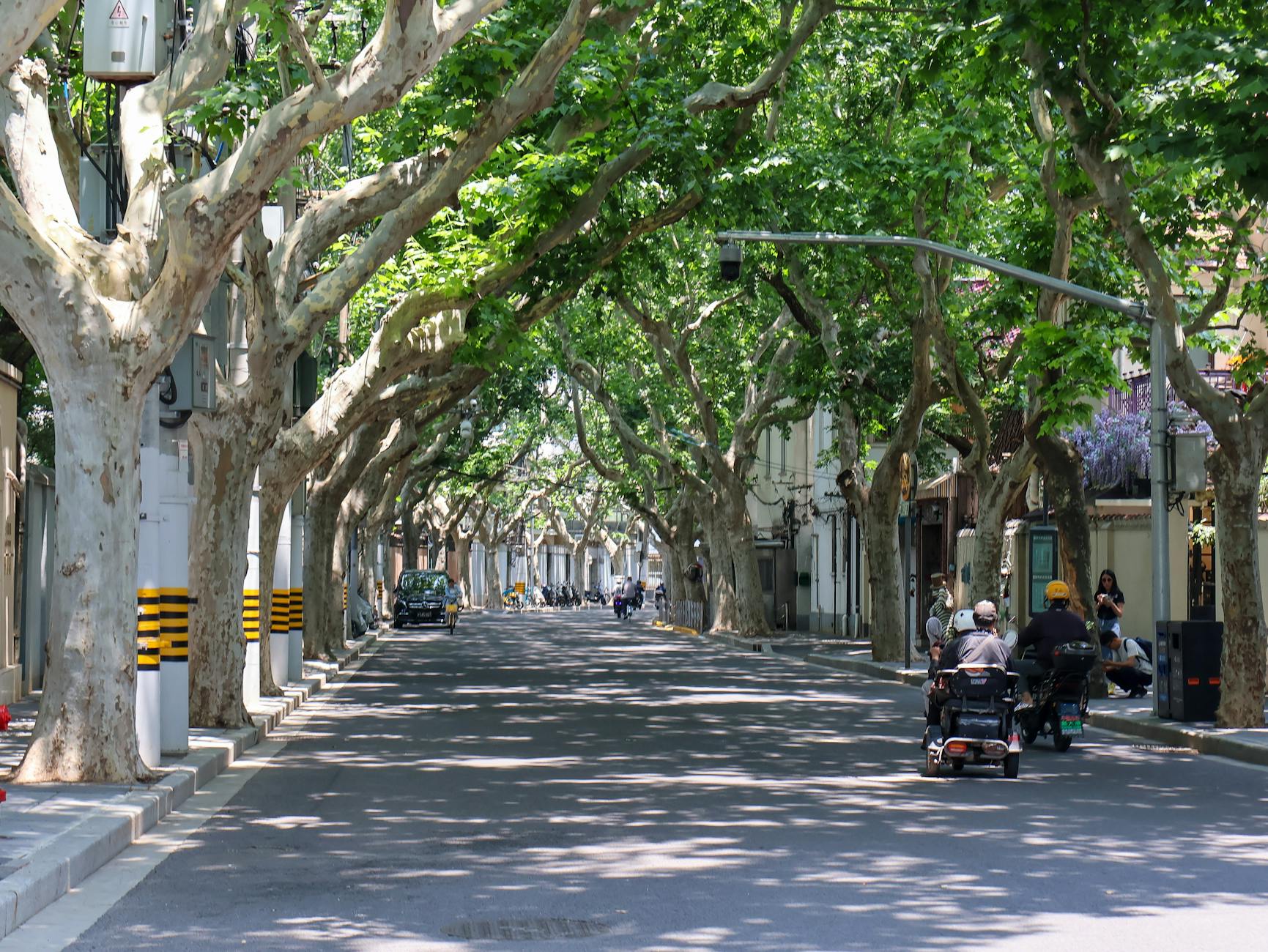
Table of Contents
- How to Choose a Shanghai Neighborhood
- The Bund and Huangpu District
- Former French Concession (Xuhui & Jing’an)
- Xintiandi and Around
- Jing’an
- Pudong / Lujiazui
- Nanjing Road and People’s Square
- Hongqiao
- North Bund and Hongkou
- Xujiahui
- Neighborhoods to Avoid for Tourists
- Match the Neighborhood to Your Trip
- Frequently Asked Questions
How to Choose a Shanghai Neighborhood
The right neighborhood depends on what you value most in a hotel location. Six factors matter most for tourists.
Walkability to attractions. Can you walk to the major sights without using transit, or will you be on the metro for every outing? Centrally located neighborhoods (Bund, French Concession, Xintiandi, Jing’an) save the most time over a typical trip.
Atmosphere. Some neighborhoods are atmospheric in their own right — the French Concession’s plane-tree streets, the Bund’s heritage architecture, Xintiandi’s restored shikumen lanes. Others are practical but uninspired (Hongqiao, the Pudong financial blocks beyond Lujiazui).
Dining and nightlife. The French Concession and Jing’an have the best independent dining and bar culture. The Bund has the highest concentration of fine dining. Pudong has hotel restaurants and limited street life.
Transit access. Most central neighborhoods have excellent metro access. Hongqiao and parts of Pudong are convenient for airport access but distant from sightseeing.
Price. Per square meter of hotel room, prices roughly correlate with central walkability. The Bund and Pudong’s luxury hotels are the most expensive; Jing’an and Xintiandi are slightly lower; Xujiahui, Hongqiao, and the outer districts are cheaper.
Type of trip. A culture-focused first visit benefits most from the Bund or French Concession. A family trip to Disneyland may prioritize the easy metro Line 11 access from Lujiazui or Xintiandi. A business traveler may need Hongqiao or Pudong.
For specific hotel recommendations within each neighborhood, see our pillar guide on Where to Stay in Shanghai.
The Bund and Huangpu District
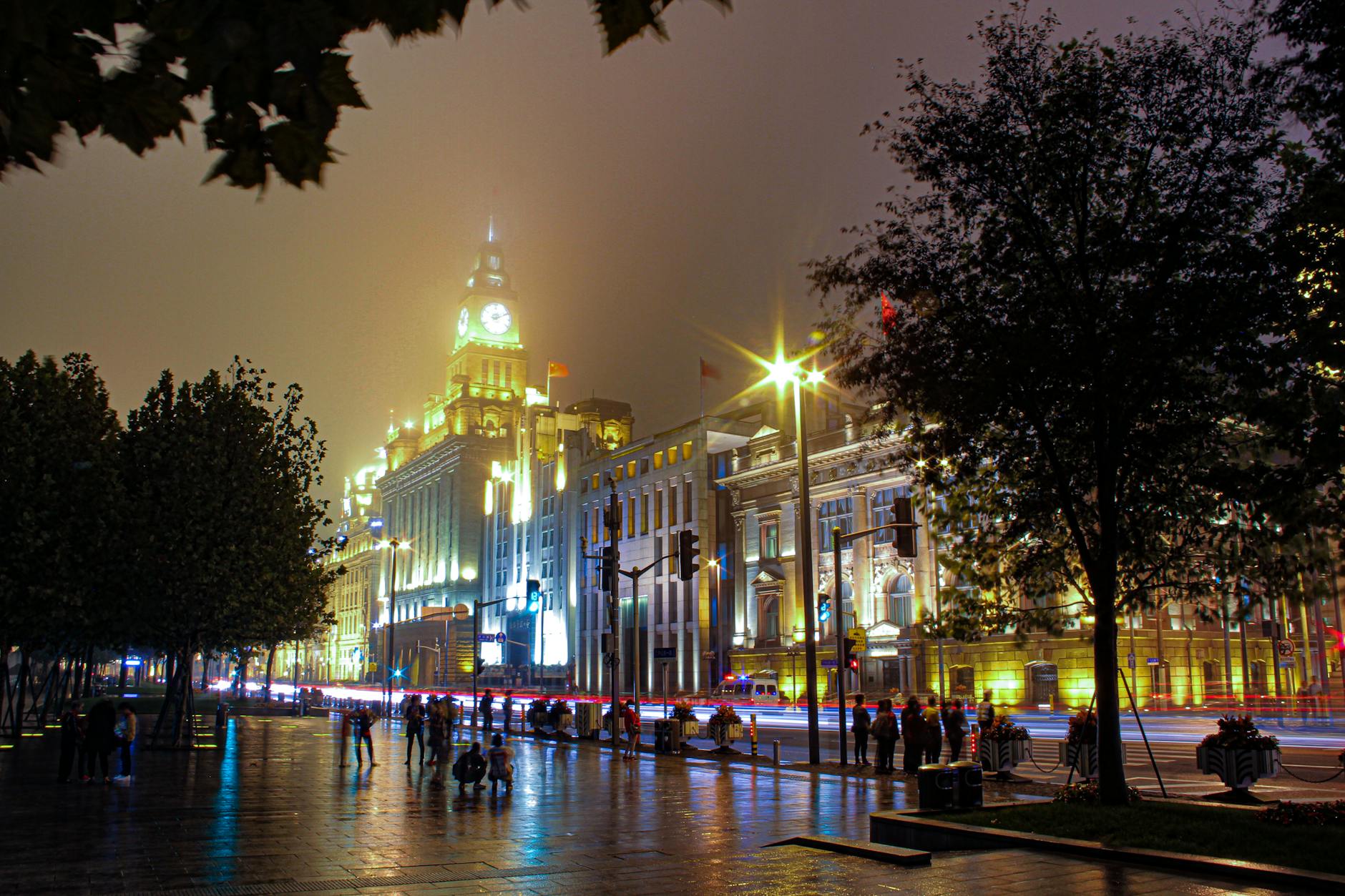
The most iconic place to stay in Shanghai. Hotels here put you steps from the Bund promenade, with direct skyline views and walking access to the Old City, Yu Garden, Nanjing Road, and the People’s Square museums.
Best for: First-time visitors prioritizing icons, luxury travelers, photographers, anyone who wants the canonical Shanghai experience.
Atmosphere: Heritage architecture, riverside promenade, evening crowds. The promenade is busiest after dark; the side streets just inland are quieter.
Notable hotels: Fairmont Peace Hotel (Art Deco icon), Waldorf Astoria (Renaissance Revival heritage), Bvlgari Hotel Shanghai (just north on Suzhou Creek), Shanghai EDITION, Capella Shanghai. Mid-range options include the Sofitel Hyland and the Astor House Hotel.
Walking radius (15 minutes): The Bund, Yuyuan Bazaar and Yu Garden, Nanjing Road East, Bund Sightseeing Tunnel, Suzhou Creek, the Rockbund Art Museum.
Metro: East Nanjing Road (Lines 2, 10), Yuyuan Garden (Line 10, 14), Tiantong Road (Line 12). Excellent transit.
Drawbacks: The most expensive hotel rates in the city. Tourist crowds in the immediate area can be tiring. Restaurants on the Bund itself are pricey; you have to walk a few blocks for casual dining.
Former French Concession (Xuhui & Jing’an)
The favorite neighborhood among repeat visitors and locals. Plane-tree-lined streets, low-rise apartment buildings, scattered Art Deco mansions, the city’s best independent dining, and an atmosphere that feels closer to a leafy European capital than to most of Shanghai. Stretching across parts of Xuhui and Jing’an districts, “the FFC” is the easiest place to wander on foot in the city.
Best for: Repeat visitors, slow travelers, food lovers, design and shopping enthusiasts, anyone who values atmosphere over icons.
Atmosphere: Quiet, residential, leafy. Cafes spill onto sidewalks. Boutiques fill restored shikumen buildings. Walks reveal small surprises.
Notable hotels: The Middle House (modern luxury near Taikoo Hui), URBN (boutique), Massenet Mansion (heritage boutique), Jia Shanghai, Magnolia Bed and Breakfast (small B&B). Mid-range options include the Cachet Hotel and various serviced apartments.
Walking radius (15 minutes): Wukang Road, Anfu Road, Wuyuan Road, Xintiandi (just east), Tianzifang, the Sun Yat-sen Memorial Residence, the Memorial of the First Congress of the CCP, several independent bookstores, and dozens of cafes and restaurants.
Metro: Shaanxi South Road (Line 1, 10, 12), Changshu Road (Line 1, 7), Jiashan Road (Line 9), South Shaanxi Road. Good transit; metro access is everywhere.
Drawbacks: Less direct walking access to icons (the Bund and Yu Garden require a metro or 25-minute walk). Some boutique hotels in heritage buildings have limited accessibility for guests with mobility needs.
Xintiandi and Around
Xintiandi is the redeveloped shikumen complex that became Shanghai’s first major lifestyle district in 2001. Today it spans a broader area of restored heritage buildings, shopping, dining, and luxury hotels. The neighborhood combines the atmospheric appeal of the former French Concession (which it borders) with more central walking access to the Bund and the Old City.
Best for: Couples, second-time visitors, travelers who want both atmosphere and easy walking to icons.
Atmosphere: Curated heritage architecture, upscale shopping and dining, evening crowds. More polished than the rest of the French Concession; some critics say sanitized.
Notable hotels: The Langham Shanghai (Xintiandi), Andaz Shanghai (steps from Xintiandi), 88 Xintiandi, Massenet Mansion. Mid-range options include the Mercure Shanghai Royalton.
Walking radius (15 minutes): Xintiandi proper, Tianzifang (10 minutes south), the Memorial of the First Congress of the CCP, the Shanghai Massage Museum, Huangpu Park, easy walk to People’s Square (about 25 minutes).
Metro: Xintiandi (Line 10, 13), Huangpi South Road (Line 1). Excellent transit.
Drawbacks: Less authentic feel than the FFC proper. Pricing is upper-mid to luxury; budget travelers will not find much.
Jing’an
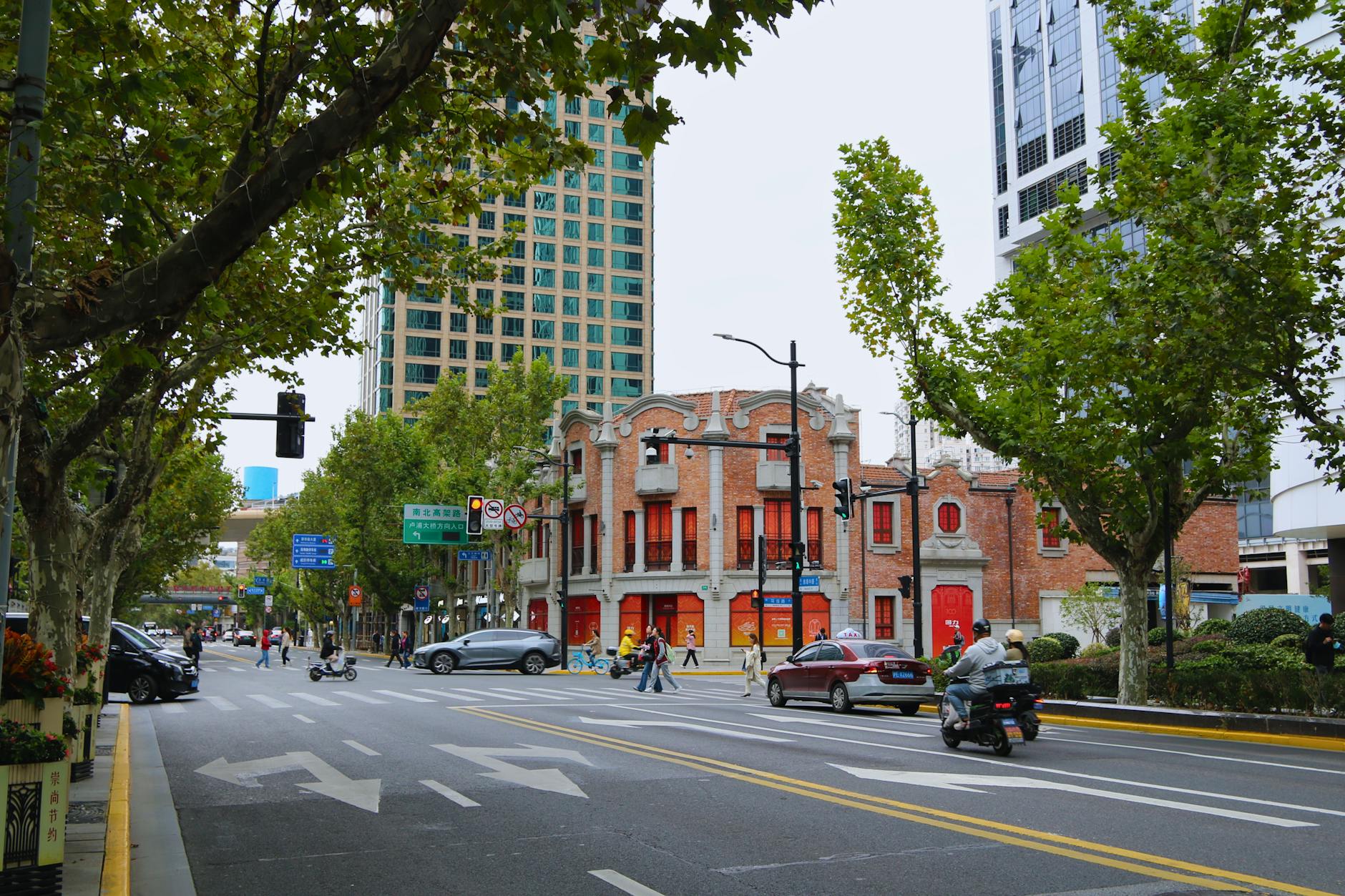
Jing’an district covers a large area in central-western Shanghai, anchored by the gilded Jing’an Temple. The neighborhood has matured into one of the most desirable residential districts in the city, with strong dining, walking, and metro access. For visitors, it offers a balanced mix of central convenience without the tourist crowds of the Bund.
Best for: Repeat visitors, business travelers who want a less-corporate feel than Pudong, families.
Atmosphere: Modern but not soulless. Anchored by the Jing’an Temple complex. Office buildings during the day; energetic dining at night.
Notable hotels: Bvlgari Hotel Shanghai (just on the edge), The PuLi Hotel, Park Hyatt Shanghai (in nearby Pudong), Jing An Shangri-La, Puli Hotel and Spa, Kerry Hotel, JW Marriott Shanghai. Mid-range: Holiday Inn Express Jing’an.
Walking radius (15 minutes): Jing’an Temple, the Shanghai Natural History Museum, several upscale shopping malls (Reel, Plaza 66), the Paramount Ballroom (Art Deco), and many restaurants and bars.
Metro: Jing’an Temple (Line 2, 7, 14), Changping Road (Line 7), West Nanjing Road (Lines 2, 12, 13). Excellent transit.
Drawbacks: Less atmospheric than the FFC. Some areas feel like a generic upscale district.
Pudong / Lujiazui
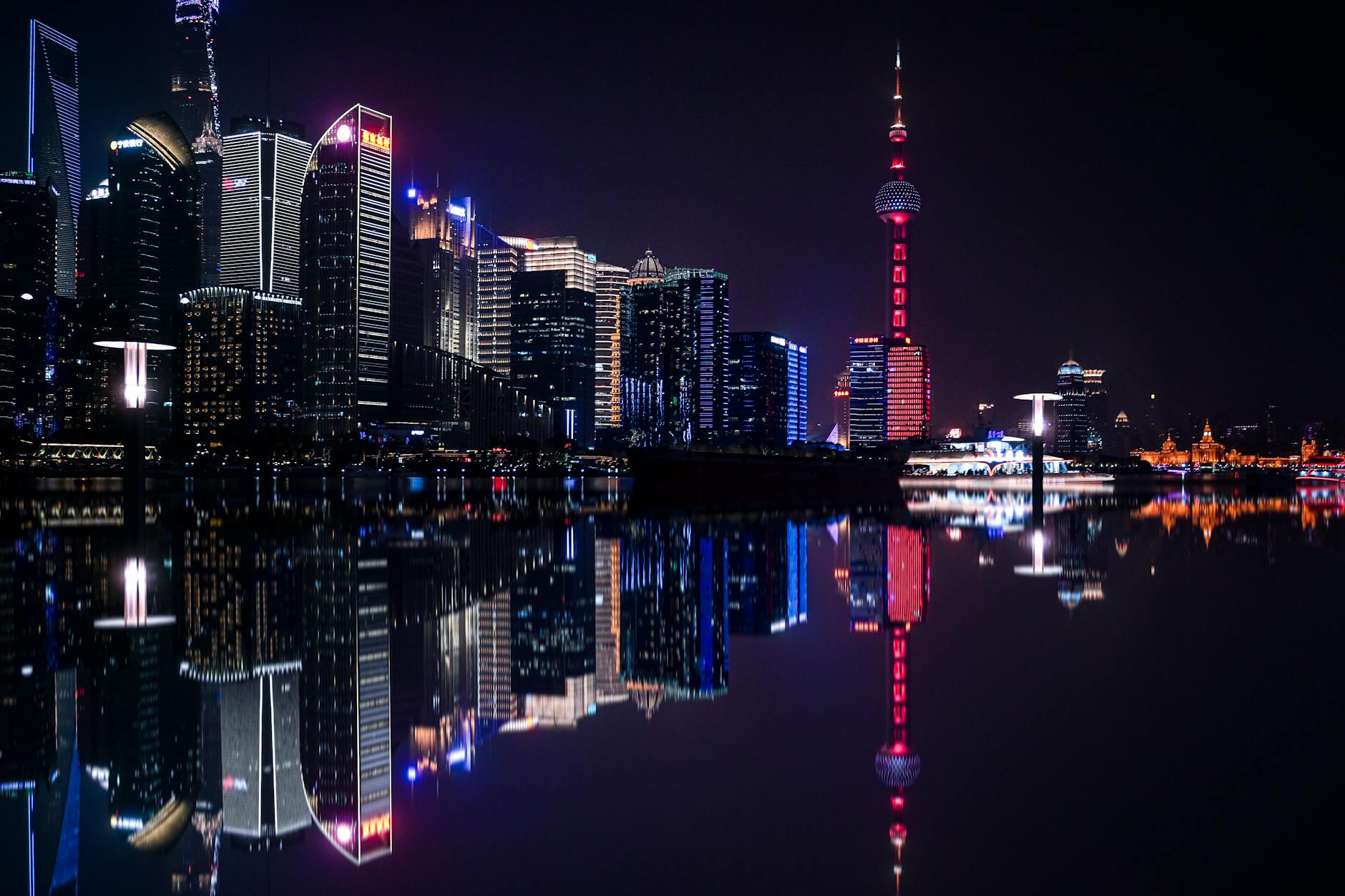
Pudong is the modern east-of-the-Huangpu side of Shanghai, with the Lujiazui financial center at its core. Hotels here put you in the heart of the skyline and within walking distance of the Shanghai Tower observation deck, but the neighborhood feels more like a financial district than a tourist quarter.
Best for: Business travelers, short stays, travelers prioritizing Pudong Airport convenience or Disneyland (Line 11), luxury hotel enthusiasts.
Atmosphere: Skyscrapers, malls, financial district feel. Quiet at night and on weekends. Limited street life.
Notable hotels: Mandarin Oriental Pudong, Park Hyatt Shanghai (in the Shanghai World Financial Center), Ritz-Carlton Pudong, Grand Hyatt Shanghai (in Jin Mao Tower), Pudong Shangri-La. The skyline-view rooms here are unbeatable.
Walking radius (15 minutes): Shanghai Tower observation deck, Jin Mao Tower, Shanghai World Financial Center, IFC Mall, Lujiazui Riverside Park, Shanghai Ocean Aquarium, Lujiazui ferry terminal.
Metro: Lujiazui (Line 2), Dongchang Road (Line 2), Pudian Road (Line 4, 6). Quick connection to the Bund-side via Line 2.
Drawbacks: Lacks the street life and dining variety of older neighborhoods. The Bund view is across the river, not from your hotel; you must cross over to walk it. Distances within Pudong are longer than they look.
Nanjing Road and People’s Square
The block between East Nanjing Road and People’s Square is one of the most centrally located areas in the city, with direct walking access to the Bund, Shanghai Museum, and the major shopping street. Hotels here are convenient but the neighborhood is touristy by day and surprisingly quiet by night.
Best for: Short stays, budget-conscious travelers who want central walking access, museum-focused itineraries.
Atmosphere: Bustling shopping street by day, quieter by night. People’s Square is open and pleasant.
Notable hotels: Park Hotel (1934 Art Deco icon), JW Marriott Shanghai (Tomorrow Square), Le Royal Méridien, Radisson Blu Hotel Shanghai New World, Pacific Hotel. Mid-range and budget options abundant.
Walking radius (15 minutes): Shanghai Museum, Shanghai History Museum, Shanghai Grand Theatre, the Bund (10–15 minute walk), Shanghai Urban Planning Exhibition Hall, the Park Hotel and the Moore Memorial Church.
Metro: People’s Square (Lines 1, 2, 8 — the busiest interchange in the city), East Nanjing Road. Best transit hub in central Shanghai.
Drawbacks: Less atmospheric than the Bund or French Concession. Heavy tourist crowds on Nanjing Road East. Limited evening dining within the immediate blocks.
Hongqiao
Hongqiao is the western-Shanghai district that includes the Hongqiao Airport and the major high-speed rail station. Hotels here exist primarily to serve business travelers and transit visitors.
Best for: Business travelers using Hongqiao Airport or the train station, travelers with very early or very late flights, layover visitors.
Atmosphere: Suburban office park feel. Limited street life. Modern but not particularly Shanghai.
Notable hotels: Hilton Shanghai Hongqiao Airport, Marriott Shanghai Hongqiao, Sheraton Shanghai Hongqiao Hotel, Renaissance Shanghai Putuo. Mid-range: numerous airport-adjacent business hotels.
Walking radius: Hongqiao Airport, Hongqiao Railway Station, several mid-tier malls. Limited tourist appeal.
Metro: Hongqiao Railway Station / Airport Terminal 2 (Line 2, 10), Hongqiao Road (Line 3, 4, 10). Direct connection to Lujiazui via Line 2.
Drawbacks: Far from sightseeing. Allow 45–60 minutes to the Bund. Not recommended for tourist stays of more than a night.
North Bund and Hongkou
North of the central Bund, across Suzhou Creek, lies the North Bund and the historic Hongkou district. The area has been quietly redeveloping for several years and now offers excellent value compared with the central Bund just to the south.
Best for: Value-conscious travelers, history enthusiasts, second-time visitors.
Atmosphere: Mixed. The waterfront is being polished; the inland streets have a more lived-in feel. The Shanghai Jewish Refugees Museum and the historic Astor House Hotel are nearby.
Notable hotels: Hyatt on the Bund, Mandarin Oriental Hyde Park (north Bund), W Shanghai – The Bund, Bulgari Hotel Shanghai (just on the creek). Mid-range: the historic Astor House Hotel itself.
Walking radius (15 minutes): The central Bund (over Waibaidu Bridge), the North Bund waterfront, Suzhou Creek (one of the most underrated walking corridors in central Shanghai), the Shanghai Jewish Refugees Museum.
Metro: Tiantong Road (Line 12), Tilanqiao (Line 12), Sichuan North Road (Line 10).
Drawbacks: Less polished feel in some surrounding blocks. Older parts of the district have less dining variety.
Xujiahui
Xujiahui is a major shopping and transit hub in the southwestern part of central Shanghai, best known for the Xujiahui Cathedral (1910). Hotels here are typically business-focused with excellent metro access.
Best for: Travelers prioritizing shopping malls, business travelers in the area, second-time visitors who want a less-touristy base.
Atmosphere: Major intersection energy. Shopping malls, office towers, the cathedral plaza. Transit-rich but not particularly atmospheric.
Notable hotels: Grand Mercure Shanghai Century Park, several mid-tier business hotels.
Walking radius: Xujiahui Cathedral, several shopping malls, Shanghai Conservatory of Music neighborhood. The Long Museum is a metro stop south.
Metro: Xujiahui (Lines 1, 9, 11). Major interchange with direct connections to the airport, downtown, and Disneyland.
Drawbacks: Not central to icons. Limited evening atmosphere.
Neighborhoods to Avoid for Tourists
Some Shanghai neighborhoods are excellent for residents but rarely the right choice for tourists.
Putuo and Yangpu (outer reaches). Industrial, far from sights, limited tourist amenities.
Outer Pudong. Most of Pudong outside Lujiazui is an enormous residential and commercial expanse. Some areas (like the Disneyland-adjacent district) suit specific trips, but for general tourism, central Shanghai is much better.
Anting (extreme west, near Anting auto town). Far from anything tourists want.
Songjiang and the southwest suburbs. Pleasant but distant. Not recommended for tourist hotels.
The simple rule: if your hotel is more than three metro stops from People’s Square or Lujiazui, you are probably not staying in the right place for a typical tourist visit.
Match the Neighborhood to Your Trip
Quick recommendations based on your trip profile.
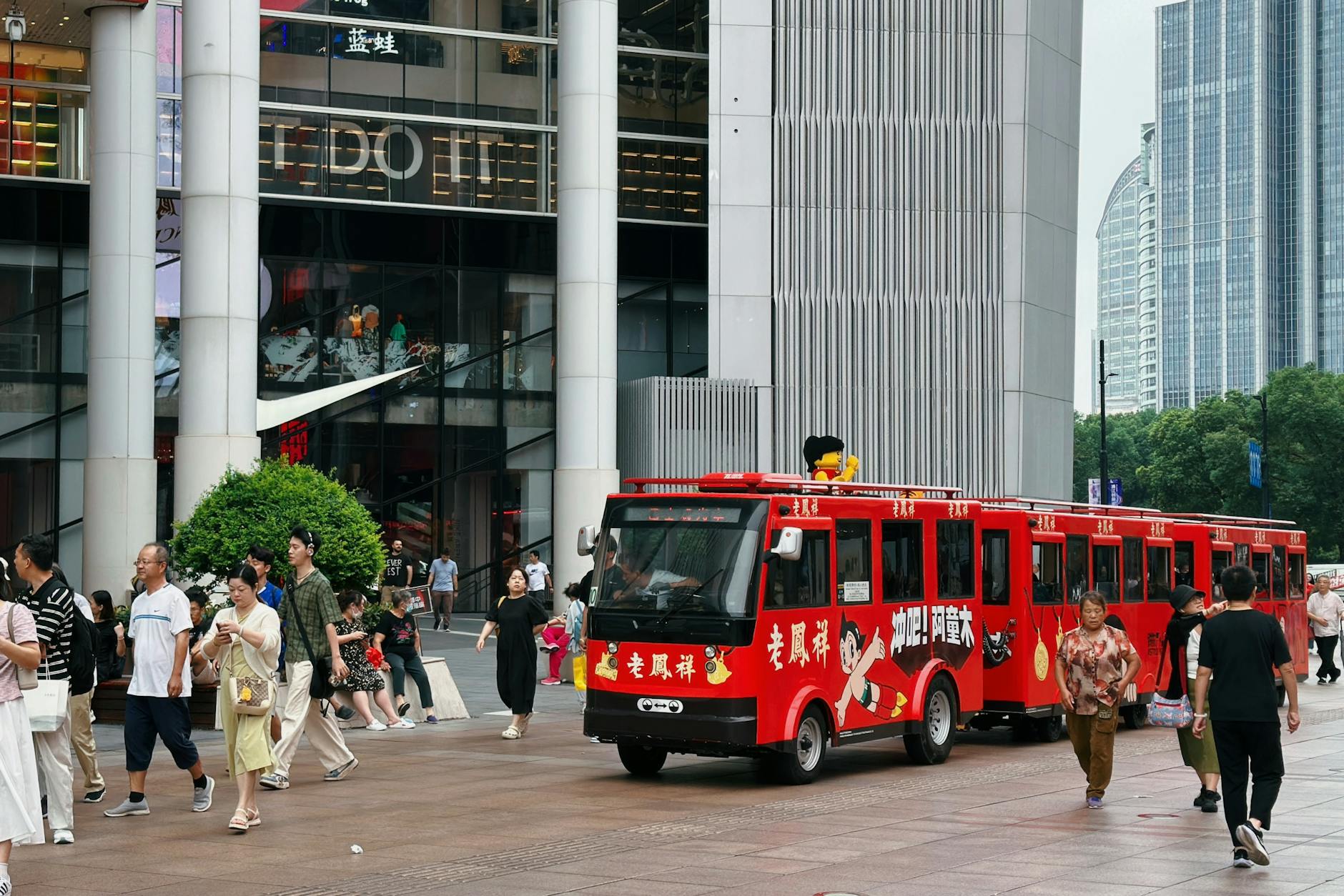
First-time three-day visitor: Bund/Huangpu or former French Concession. Both put you within easy walking of the icons.
Couple’s romantic weekend: Former French Concession or Xintiandi. Both have the most atmospheric dining and walking.
Family with kids: Xintiandi or Pudong (for direct Disneyland metro access). Family-friendly hotel options dominate both.
Business traveler: Pudong/Lujiazui or Hongqiao (depending on which airport and which office park).
Solo traveler / digital nomad: Former French Concession. Best independent cafes, walkable streets, sense of safety.
Long stay (one week+): Former French Concession or Jing’an. Both reward depth.
Photographer / architecture enthusiast: The Bund or the former French Concession, ideally one of each on a longer trip.
Budget traveler: North Bund or Xujiahui. Better value than the central districts with acceptable transit times.
For specific recommendations, our Where to Stay in Shanghai pillar lists hotels by neighborhood and price tier.
Frequently Asked Questions
What is the safest neighborhood in Shanghai for tourists?
All central Shanghai neighborhoods are very safe. Violent crime is rare across the city. Pickpocketing is the main concern in crowded tourist areas like the Bund and Nanjing Road East at peak times. The former French Concession, Jing’an, and Xintiandi are the most consistently safe-feeling neighborhoods at all hours.
Is it better to stay in Puxi or Pudong?
For first-time tourists, Puxi (the western, older side of the river) is generally preferable because the Bund, Old City, and former French Concession are all on this side. Pudong is best for short business trips, theme park enthusiasts, or travelers who specifically want skyline-view luxury.
How far is the airport from each neighborhood?
From Pudong Airport (PVG), allow 45–75 minutes to central Puxi neighborhoods (Bund, French Concession). The Maglev plus metro is fastest. From Hongqiao Airport (SHA), 25–45 minutes to most central neighborhoods on metro Line 2.
Which neighborhood has the best food?
The former French Concession has the deepest concentration of independent restaurants, from local benbang specialties to fine dining and international cuisine. The Bund concentrates the highest-end dining. Jing’an and Xintiandi have strong mid-range offerings.
Are Airbnbs allowed in Shanghai?
Officially yes, but enforcement is variable. Foreign-guest registration requirements add friction. Most international visitors stick with hotels and serviced apartments to avoid this issue.
What is the cheapest neighborhood for tourists?
North Bund, Xujiahui, and the eastern parts of Hongkou typically have the best value for tourist hotels. Hongqiao is also affordable but less convenient for sightseeing.
Can I walk between neighborhoods?
Within central Shanghai, yes, often. The Bund to the FFC takes about 30 minutes on foot through pleasant streets. The Bund to Xintiandi is 25 minutes. Pudong from the Bund requires a ferry or metro.
Where is the best Shanghai neighborhood for nightlife?
The former French Concession (especially Yongkang Road, Anfu Road, and around Donghu Road) and Xintiandi for bars and lounges. Jing’an for clubs and rooftop bars. The Bund for skyline-view drinks. Pudong is quieter at night.
Is it worth staying near the Bund just for the view?
If you can afford the luxury hotels with skyline-view rooms (Mandarin Oriental Pudong on the east side, Peninsula or Fairmont Peace on the Puxi side), yes. The view is one of the great hotel-room views in the world. Otherwise, the Bund is a 5-minute walk from many cheaper hotels.
Where do most expats live?
The former French Concession (Xuhui, Jing’an), parts of Hongkou (the North Bund waterfront), Gubei (in the western suburbs near Hongqiao), and the Pudong residential zones near Century Park. The FFC is the most popular among English-speaking expats.
Putting It Together
For most tourists, the answer to “where should I stay in Shanghai” is the Bund/Huangpu or the former French Concession. Both put you in the center of the action with easy walking access to the city’s icons. Use the recommendations above to fine-tune based on your specific trip profile, and follow the links to our pillar guides for more detail.
Once you have chosen a neighborhood, book early. Shanghai’s hotel inventory is large but the best rooms in the right neighborhoods sell out for popular travel periods. For more on the rest of your planning, see our Shanghai Travel Guide and Shanghai itinerary planner.
For more background, see Shanghai administrative divisions.