Shanghai is one of the most foreigner-friendly cities in mainland China, but it still has its own rules. Knowing them in advance is the difference between a smooth visit and a series of small avoidable headaches. This guide collects the most useful Shanghai travel tips for tourists in a single place: payment apps and cash, transit cards and taxi rules, etiquette and tipping, language survival, safety, scams to know about, weather and packing, accessibility, and the small everyday things (toilets, tap water, smoking rules) that travel guides often skip.
Most of these tips are quick to action. Set them up before you fly, and you arrive ready to use the city the way locals do. We have organized the page by trip phase so you can read it once before departure and revisit specific sections as needed during your stay.
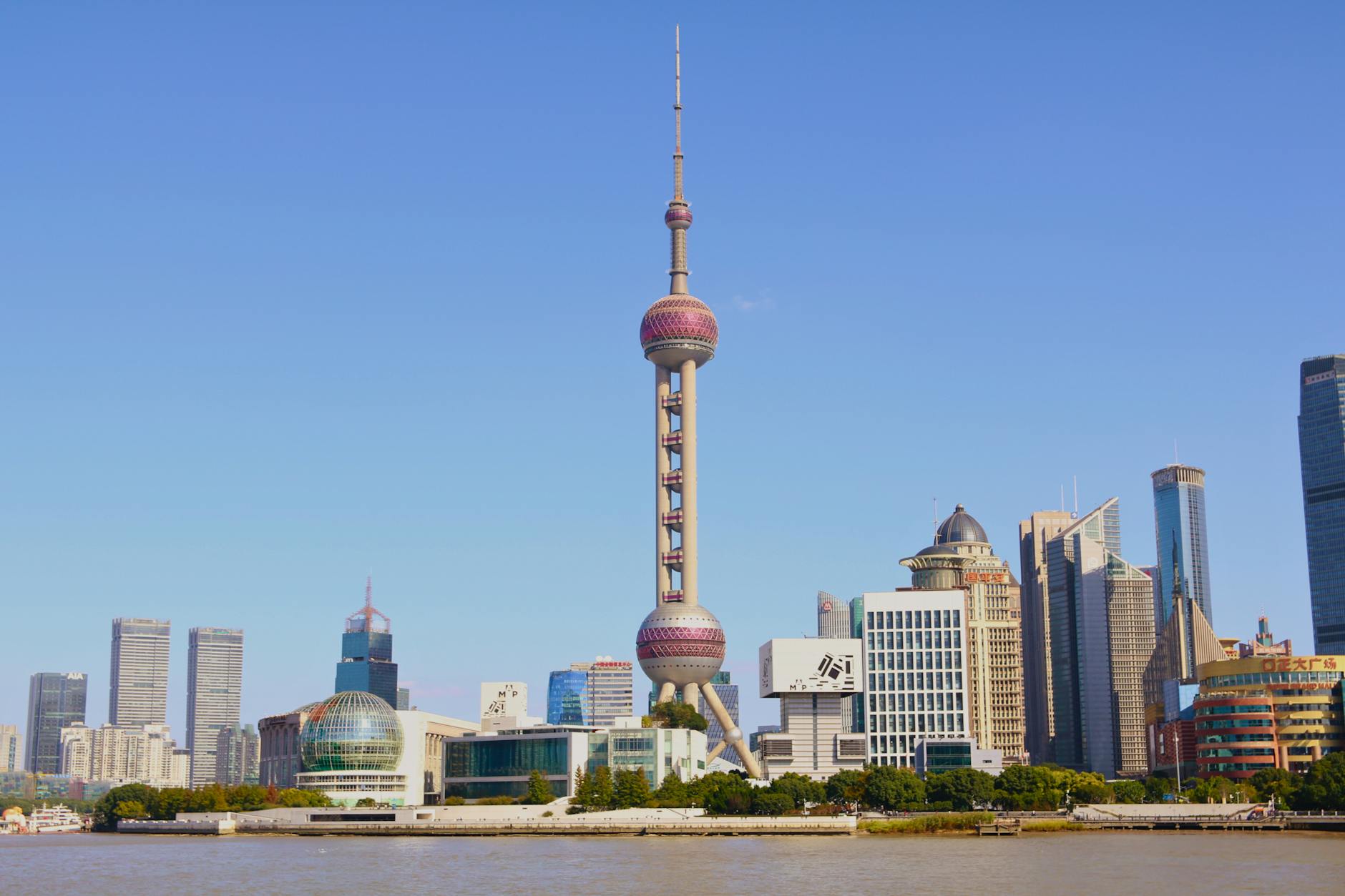
Table of Contents
- Before You Go: Visa, Apps, and Bookings
- Money: WeChat Pay, Alipay, and the Reality of Cashless Shanghai
- SIM Cards, eSIMs, and Internet Access
- Transit Tips: Metro, Taxi, Didi, and Buses
- Language Tips: Survival Phrases and Translation Apps
- Cultural Etiquette and Manners
- Tipping in Shanghai
- Dining and Food Tips
- Safety and Common Scams
- Health, Pharmacies, and Medical Care
- Weather and Seasonal Packing Tips
- Shopping and Bargaining Tips
- Small Stuff: Toilets, Tap Water, Smoking, Power
- Accessibility for Travelers with Disabilities
- Tips for Solo and Women Travelers
- Emergency Numbers and Embassies
- Frequently Asked Questions
Before You Go: Visa, Apps, and Bookings
The most useful Shanghai travel tip is one you action before you fly. Decide on your visa status, install your apps, and pre-book the few items that genuinely benefit from advance reservation.
Visa or visa-free entry. As of 2026, citizens of more than fifty countries qualify for visa-free entry to China for stays of fifteen days or longer. The 240-hour transit visa exemption (sometimes referred to as the ten-day transit policy) covers Shanghai and surrounding provinces for nationals of additional countries who meet onward-travel conditions. Confirm your eligibility with our Shanghai Visa & Entry Requirements guide before booking.
Apps to install. WeChat (messaging, payment, and many bookings), Alipay (payment, transit, and an increasing number of services), Didi (the Chinese ride-hailing app, available in English), Trip.com (the strongest English-language travel booking platform in China), Pleco (offline Chinese-English dictionary with camera input), Microsoft Translator or DeepL (general translation), and Metro Man Shanghai (offline metro maps).
Set up payment apps in advance. Both WeChat Pay and Alipay accept foreign credit cards in 2026, but the verification process is faster on home Wi-Fi than on a hotel network. Allow thirty minutes a few days before departure.
Book major reservations. The Shanghai Museum and Shanghai Museum East require advance reservations even for free admission, available seven to ten days ahead through their WeChat mini-programs. Shanghai Disneyland tickets sell out on holidays. Train tickets to Suzhou or Hangzhou release thirty days in advance and sell out for popular departures during Lunar New Year and Golden Week.
VPN considerations. Many travelers using local SIM cards lose access to Google, Instagram, WhatsApp, and most Western news. Either install a paid VPN before arrival (most VPN websites are blocked in China, so you cannot install one once you arrive) or use a roaming-style eSIM that routes traffic through international servers.
Money: WeChat Pay, Alipay, and the Reality of Cashless Shanghai
Shanghai is one of the most cashless cities in the world. Most restaurants, shops, taxis, food stalls, and even temple donation boxes use QR-code payment via WeChat Pay or Alipay. Foreign credit cards work in major hotels and chain restaurants, but you will hit cash-only or app-only situations daily if you are not set up.
Set up WeChat Pay or Alipay. Both apps now accept foreign Visa, Mastercard, and JCB cards. Within each app, look for the “Tour Pass” or “International” feature. Alipay’s setup is generally easier in 2026; WeChat is necessary anyway for messaging and many bookings.
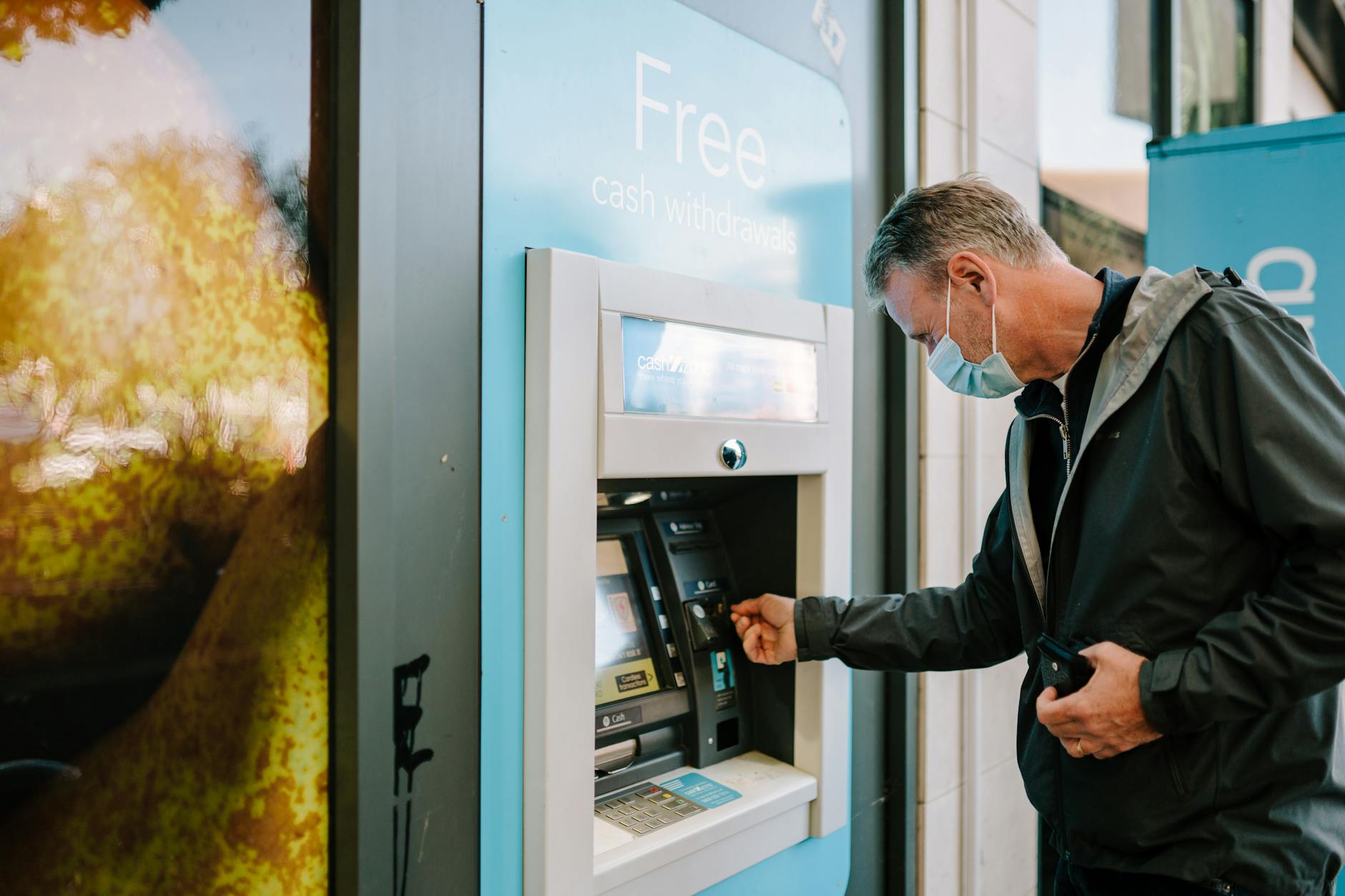
Cash backup. Bring some Chinese yuan for the rare cash-only vendor. ATMs at Bank of China, ICBC, and HSBC accept most foreign cards. Withdraw RMB 1,000–2,000 (about $140–$280 USD) at arrival as backup.
Currency exchange. Airport exchange offers worse rates than ATMs. Hotel exchange rates are usually competitive but charge a flat fee.
Tipping the credit card. If using a foreign credit card, expect a 1–3% foreign-transaction fee unless your card waives it. Capital One, Chase Sapphire, and most travel-focused cards waive these fees.
SIM Cards, eSIMs, and Internet Access
Internet access deserves its own section because the Great Firewall affects daily travel decisions. The wrong setup means no Google Maps, no Instagram, no WhatsApp, and no easy way to call home.
Travel eSIM (recommended). An eSIM from Airalo, Holafly, or a similar provider that routes traffic through Hong Kong or other non-mainland servers gives you uncensored internet from the moment you land. Most plans cost $20–$40 USD for two weeks of data. The downside is that Chinese apps that require a local phone number for verification (some food delivery apps, for example) will not work fully.
Local SIM card. A China Mobile or China Unicom SIM purchased at the airport gives you a Chinese phone number, which unlocks bookings on Chinese apps. The downside is censored internet without a VPN.
Hybrid setup. Some travelers use a local SIM for Chinese apps and an eSIM as a secondary line for international internet. Most modern smartphones support dual SIMs.
Hotel and restaurant Wi-Fi. Generally good for browsing but censored. International chain hotels (Marriott, Hilton, Hyatt) often have a VPN-friendly Wi-Fi tier; ask at check-in.
VPN. A paid VPN is the third option. ExpressVPN, NordVPN, and Astrill have historically worked well in mainland China, but performance varies. Install before arrival; the VPN websites themselves are blocked.
Transit Tips: Metro, Taxi, Didi, and Buses
Shanghai’s transit network is one of the world’s largest and a major reason the city is so easy to navigate. A few tips will save you both time and money.
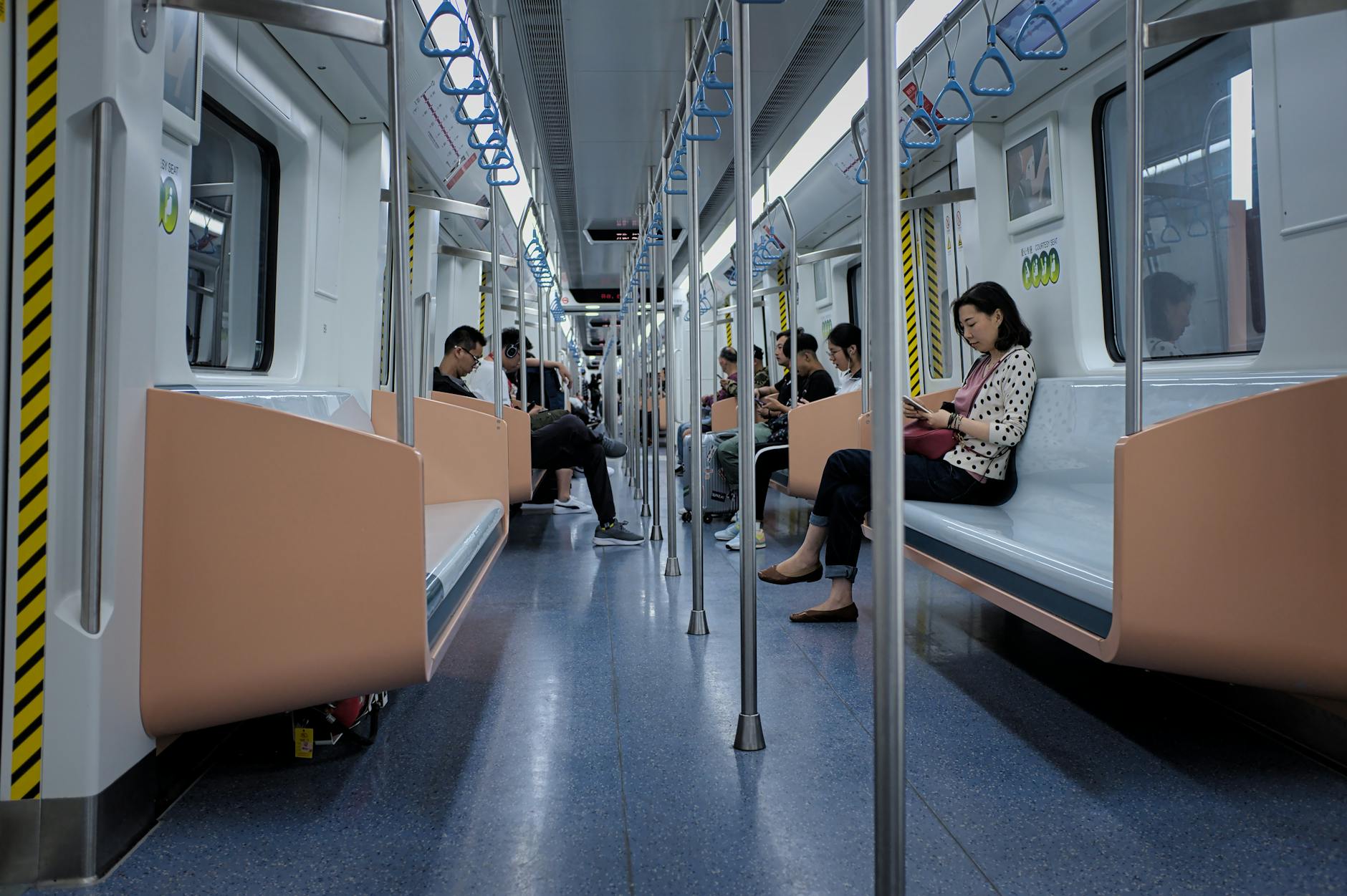
Metro card or Alipay/WeChat ride code. The Shanghai Public Transportation Card or its mobile-wallet version handles metro, bus, and many taxis. Set it up in Apple Wallet, Google Wallet, or directly inside Alipay (look for “Transit” or “Metro” in the home screen).
Metro fares range from RMB 3 to RMB 10 (US$0.40 to US$1.40) per ride. Shanghai Metro maps and announcements are bilingual.
Rush hours are 7:30–9:30 AM and 5:00–7:00 PM. The middle of the day is usually relaxed.
Taxi. Shanghai taxis are metered and generally honest. Have your destination written in Chinese characters; many drivers speak limited English. Avoid hailing from outside major hotels at peak times — drivers may insist on flat fares.
Didi. The Chinese equivalent of Uber, with an English interface. Cheaper than taxis, especially for longer rides. Pay in-app, no cash needed. The English version of Didi is “Didi Rider” or accessed through Alipay’s mini-program.
Buses. Cheap (RMB 2 flat fare) and slow. Most signage is Chinese-only. Best for adventurous travelers; otherwise stick with the metro.
Maglev. The world’s fastest commercial magnetic-levitation train runs between Pudong Airport and Longyang Road metro station, reaching 431 km/h in eight minutes. Worth the experience once. Tickets are RMB 50 one-way.
Bicycles. Hello Bike (HelloChuxing), Meituan Bike, and Didi Bike offer dockless rentals from RMB 1.50 per ride. Linked through Alipay’s mini-programs. Helmets are not commonly available; ride defensively.
Walking. Sidewalks are generally good, but watch for fast e-scooters and silent electric mopeds. They use bike lanes but often spill onto sidewalks. For a deeper guide, see Getting Around Shanghai.
Language Tips: Survival Phrases and Translation Apps
Mandarin Chinese is the official language. Shanghainese is widely spoken but Mandarin is what every signage system uses. English signage is good in tourist areas, transit, and major museums; less consistent in restaurants, taxis, and small shops.
A few phrases that pay back the effort:
Nǐ hǎo (hello), xiè xie (thank you), duì bu qǐ (sorry), bù yào (no thanks / I don’t want), zhè ge (this one — useful when pointing at menu items), duōshǎo qián (how much), wǒ bù shuō zhōngwén (I don’t speak Chinese), wǒ shì wàiguó rén (I am a foreigner — useful at hotel check-in).
Translation apps. Pleco is the gold standard for offline Chinese-English with camera OCR. Microsoft Translator and DeepL handle conversations well. Google Translate works if you have VPN or eSIM. Most translation apps now offer real-time camera translation that handles menus and signs.
Have your hotel name and address in Chinese characters on a saved screenshot or printed card. Show it to taxi drivers when returning.
Numbers and prices. Many vendors will write prices on a calculator if you do not understand spoken numbers. Numbers in Chinese are easy: yī 1, èr 2, sān 3, sì 4, wǔ 5, liù 6, qī 7, bā 8, jiǔ 9, shí 10, bǎi 100, qiān 1,000, wàn 10,000.
Cultural Etiquette and Manners
Shanghai is cosmopolitan, but a few etiquette tips will make your interactions go more smoothly. None of these are deal-breakers; locals expect foreign visitors to make small mistakes and are generally generous about it.
Greetings. A handshake or a nod is standard. Hugs and cheek-kissing are uncommon between strangers. Slight bowing is more for very formal situations.
Receiving and giving. Pass and accept items (especially business cards, gifts, or change) with both hands. It signals respect.
Public displays of affection. Holding hands is fine. Long kisses, lingering hugs, or other intimate gestures are uncommon and may attract stares.
Volume. Restaurants and public spaces in China are louder than many Western countries find comfortable. Conversation volume is generally high; this is normal, not rude.
Photography. Always ask before photographing strangers, especially older locals or in religious settings. Photographing children without parental permission is considered intrusive.
Lines and queues. Queue culture has strengthened significantly in Shanghai, particularly at metro stations and tourist sites. Polite waiting is the norm; pushing in is no longer culturally expected.
Dining etiquette. See the dedicated section below.
Gifts. If invited to a Chinese home, bring fruit, sweets, or quality tea. Avoid clocks (the phrase “to give a clock” sounds like “attending a funeral” in Mandarin), white flowers (associated with funerals), and umbrellas (the word for umbrella is a homophone for “to break apart”). Cash gifts are not appropriate from short-term visitors.
Religious sites. Cover shoulders and knees in active temples. Avoid pointing your feet at altars or statues. Speak quietly. Photography of monks during prayer is generally not welcome.
Tipping in Shanghai
Tipping is not a tradition in Shanghai. In most restaurants, taxis, and hotels, tips are unnecessary and occasionally awkward.
Restaurants. Casual restaurants do not expect tips. High-end Western restaurants and hotel restaurants may include a 10–15% service charge automatically; check the bill.
Taxis. No tip expected. Round up to the nearest yuan for convenience, but a few yuan is plenty.
Hotels. Most international chains include service charges. Bellhops at five-star hotels appreciate RMB 10–20 for help with luggage; otherwise tipping is uncommon.
Tour guides. Private guides (especially day-trip drivers) appreciate RMB 100–200 per day for excellent service. Group tour guides are tipped less; RMB 50 from a small group is typical.
Massage and spa. No tip required.
Food delivery. No tipping expected; in-app tipping options are uncommon.
Dining and Food Tips
Shanghai is one of the world’s great food cities, and a little preparation makes it much more accessible.
Chopstick rules. Never stand chopsticks vertically in a bowl of rice (this resembles funeral incense). Do not use them to point at people. Communal serving chopsticks are increasingly common; use them when offered.
Tea service. A pot of tea on the table is usually free; refills are continuous. To say thank you for a refill, gently tap two fingers on the table, an old gesture of bowing.
Family-style serving. Most Chinese meals are served family-style with shared dishes. Take small portions to your bowl rather than directly to your mouth from shared plates.
Spice levels. Mild dishes are mild. If you say “no spicy” (bù yào là), it usually works. Sichuan and Hunan restaurants will still have heat in many dishes by default.
Reservations. Most casual restaurants do not take reservations from foreign callers. Hotel concierges or apps like OpenTable Asia or Eatigo handle bookings at fine-dining venues.
Allergies and dietary restrictions. Have your restrictions written in Chinese characters. Vegetarian dishes are increasingly available, but communicate clearly that you do not eat fish or oyster sauce as well, since these are sometimes considered “vegetarian” in casual translation.
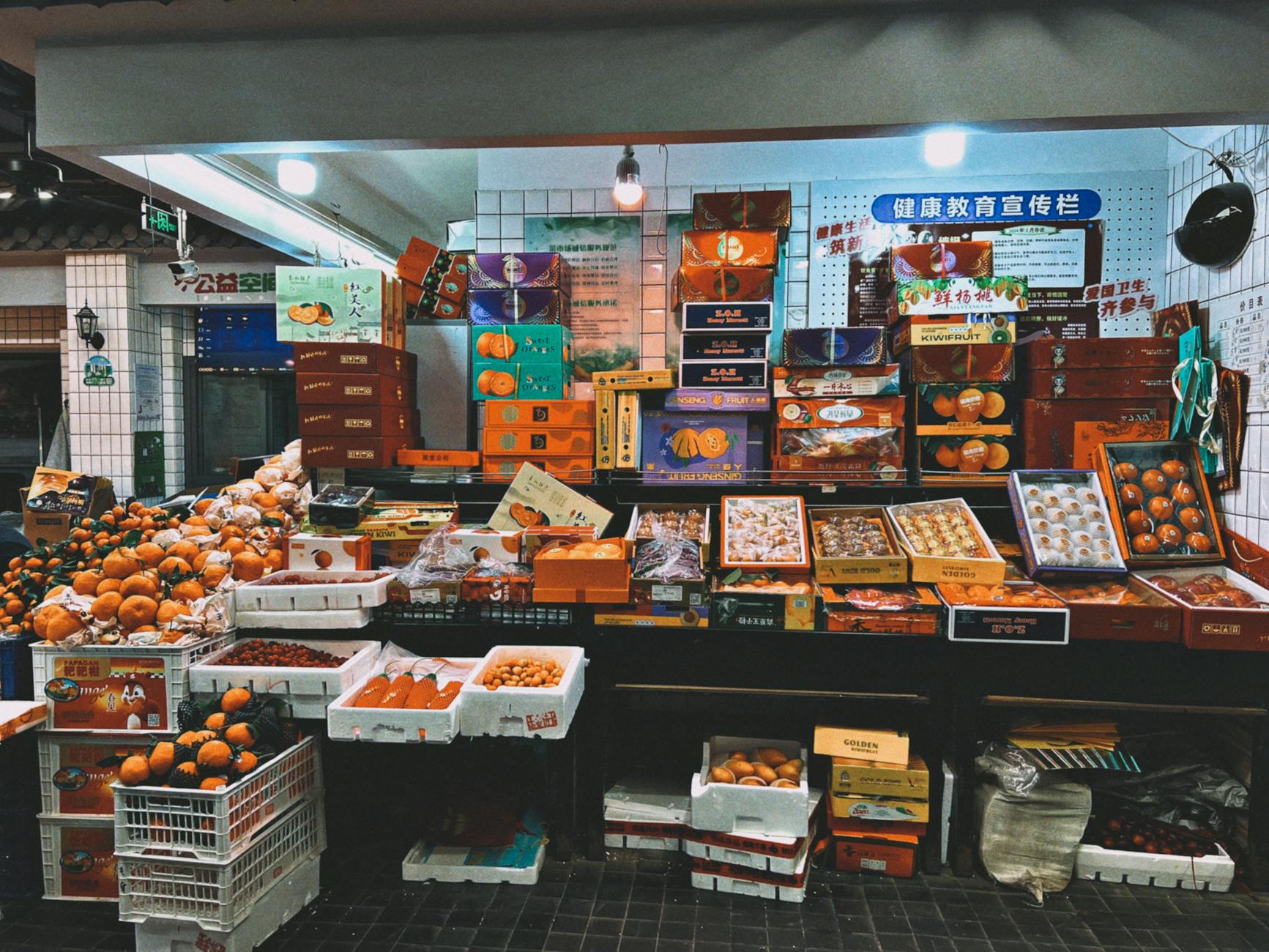
Safe street food. Look for stalls with high turnover. Fresh xiaolongbao and shengjianbao at busy stalls are generally safe; raw or cold dishes from low-traffic vendors are riskier.
For deeper food guidance, see our Shanghai Food Guide.
Safety and Common Scams
Shanghai is one of the safest big cities in the world. Violent crime against tourists is extremely rare. The risks you might face are minor scams, pickpocketing in tourist hot spots, and the standard urban hazards.
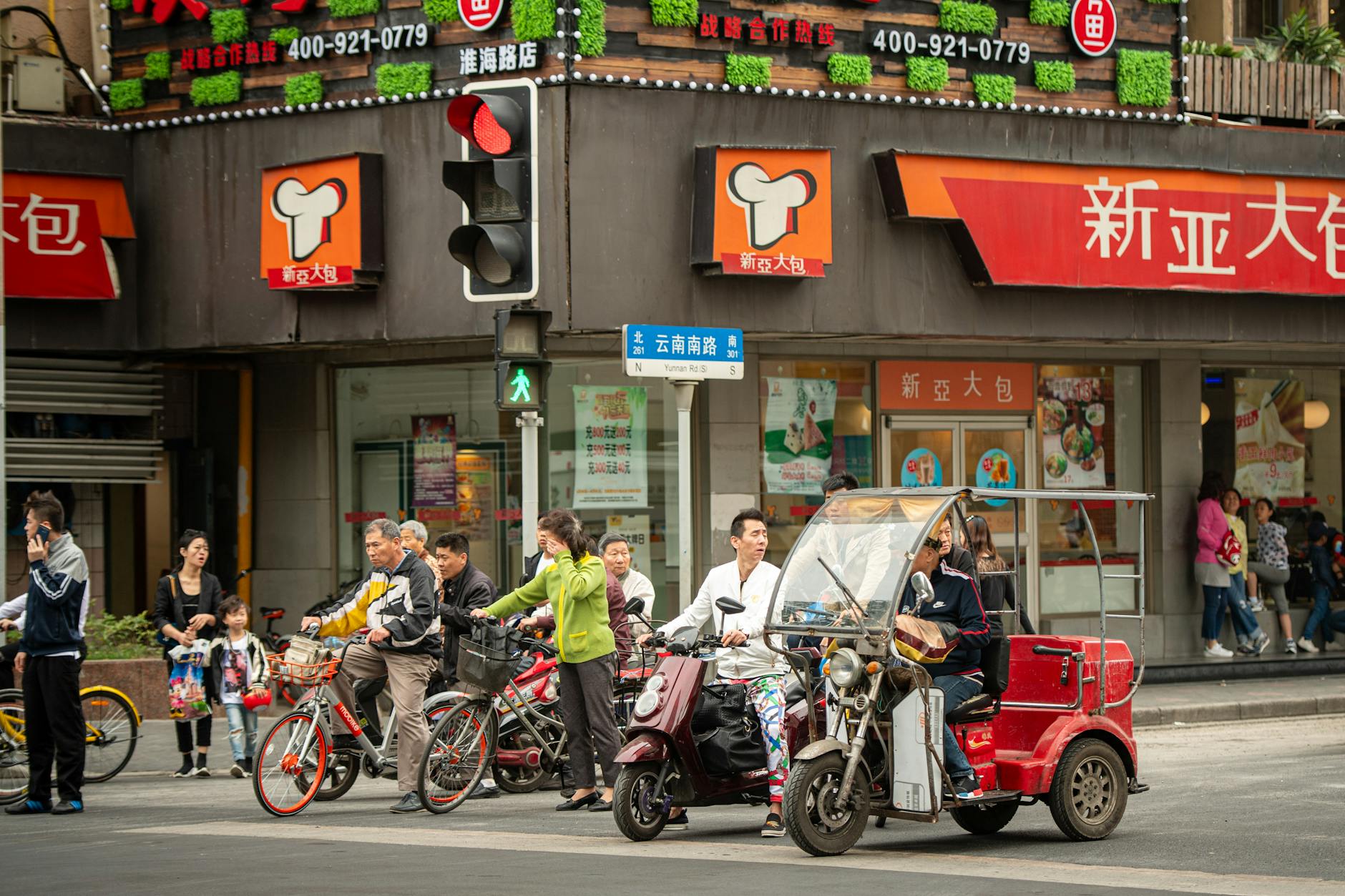
Pickpocketing. Crowded areas like Nanjing Road, the Bund at night, and metro rush hour are the main risks. Use a front pocket or money belt for valuables.
Tea house scam. The most famous Shanghai scam: friendly young Chinese-speakers approach foreign tourists near the Bund or People’s Square, suggest grabbing tea at a “traditional Chinese tea ceremony,” then leave the foreigner with a bill of several thousand yuan. Politely decline tea invitations from strangers in tourist zones.
Art student scam. Variant of the above: “art students” invite tourists to see a private exhibition, where pressure tactics are used to sell low-quality paintings. Same advice: politely decline.
Fake taxis. Unmarked or unofficial taxis at the airport may quote inflated flat fares. Always use the official taxi rank, where drivers are required to use the meter, or book a Didi.
Counterfeit currency. Rare but possible at small shops. Major banknotes (RMB 100) are most often counterfeited. Cashless payment avoids the issue entirely.
Traffic. Shanghai’s traffic is the most dangerous part of daily city life. Look both ways even on one-way streets — silent electric scooters often go the wrong way and cross during pedestrian green lights. At every crosswalk, assume right-turning vehicles will not stop.
Air quality. Generally moderate to good in 2026, but check the AQI on a weather app before any all-day outdoor activity. Masks are widely available if needed.
Health, Pharmacies, and Medical Care
Shanghai has world-class medical care, particularly at international hospitals.
International hospitals. Jiahui Health, United Family Healthcare, and Parkway Health Shanghai cater to expats and travelers. They have English-speaking staff, charge international rates, and accept many foreign insurance plans.
Pharmacies. Watson’s, Mannings, and local Chinese pharmacies (look for the green cross signs) carry most basic medications. Bring prescription documentation if traveling with controlled medications.
Tap water. Not safe to drink unfiltered. Use bottled water or rely on the boiled water provided in hotel rooms (every Chinese hotel has a kettle).
Insurance. Travel insurance with medical coverage is strongly recommended. Major hospitals expect upfront payment from uninsured patients.
Vaccinations. No special vaccinations are required for Shanghai. Routine vaccines (MMR, tetanus) should be up to date.
Weather and Seasonal Packing Tips
Shanghai’s climate is humid subtropical with four distinct seasons. Pack for the season; bring layers in shoulder seasons.
Spring (March–May): 10–25°C (50–77°F). Mild days, cool nights. Pack a light jacket and waterproof shoes; spring is rainy.
Summer (June–August): 25–35°C (77–95°F) with humidity often above 80%. Pack lightweight, breathable clothing, sun protection, and a small umbrella for sudden thunderstorms.
Autumn (September–November): 12–28°C (54–82°F). The most pleasant season. Pack layers and a light jacket.
Winter (December–February): 1–10°C (34–50°F) with damp cold. Pack a warm coat, thermal layers, and a hat. Indoor heating is variable; many older buildings rely on space heaters.
For full seasonal advice, see our Best Time to Visit Shanghai guide.
Shopping and Bargaining Tips
Shopping experiences in Shanghai range from fixed-price malls to chaotic markets where bargaining is expected.
Department stores and malls. Fixed prices. No bargaining.
Yuyuan Bazaar and tourist markets. Bargaining is expected. Start at 30–40% of the asking price and negotiate up. Walking away is often the strongest bargaining tactic; vendors will frequently call you back with a better price.
Fakes Markets (AP Plaza, Han City). Counterfeit luxury goods are widely sold. Quality varies enormously. Bargain hard. Be aware that bringing counterfeit goods home may violate customs laws in your home country.
Tea, calligraphy, and souvenirs. Ask for the price, then offer half. Settle around 60–70% of the asking price.
Refunds. Generally not available outside of major chain stores. Inspect goods before paying.
Shipping. Most large purchases (furniture, art) can be shipped internationally through services arranged by the seller. Get the shipping cost in writing.
For comprehensive shopping advice, see our Shopping in Shanghai guide.
Small Stuff: Toilets, Tap Water, Smoking, Power
The little details that travel guides often skip but actually shape your daily comfort.
Public toilets. Generally clean in malls, metro stations, and major attractions; less so in older neighborhoods. Carry tissues — many public toilets do not provide toilet paper. Squat toilets are standard; Western-style sit-down toilets are increasingly common in newer venues.
Tap water. Not safe to drink. Bottled water is cheap (RMB 2–4 for a 500ml bottle).
Smoking. Banned indoors at restaurants, bars, hotels, and public buildings. Outdoor smoking is widespread. Designated smoking rooms exist in some hotels.
Power outlets. Type A (US flat blade), Type C (European round), and Type I (Australian) outlets are all common. A universal adapter handles all three. Voltage is 220V/50Hz; check that your devices support this.
Tissues, hand sanitizer, and masks. Carry all three. Pharmacies and convenience stores stock them widely.
Trash and recycling. Shanghai has strict mandatory trash sorting in residential areas (less so in tourist zones, but signs are posted). Follow what you see locals doing.
Accessibility for Travelers with Disabilities
Shanghai’s accessibility has improved significantly but remains uneven.
Metro. Newer lines (10, 11, 12, 13, 14, 15, 17, and 18) have good elevator access. Older lines (1, 2, 3, 4) have spotty elevator coverage.
Major attractions. The Bund, Yu Garden, Shanghai Museum, and Shanghai Tower are wheelchair-accessible. Older neighborhoods (parts of the Old City, traditional shikumen lanes) are challenging due to steps and uneven pavement.
Hotels. International chains (Marriott, Hilton, Hyatt) maintain accessibility standards. Boutique hotels in heritage buildings often have stairs only.
Restaurants. Mostly ground-floor accessible in malls; older neighborhood restaurants often have steps.
Sign language and visual impairments. Service for sight- and hearing-impaired travelers exists at major hotels and museums but is limited; advance booking through a tour operator who specializes in accessible travel is recommended.
Tips for Solo and Women Travelers
Shanghai is one of the safest big cities for solo women travelers in the world. Street harassment is rare, public spaces feel comfortable late at night, and most neighborhoods are walkable solo.
That said, the standard precautions apply. Stay in well-reviewed accommodations. Carry a printed card with your hotel address in Chinese. Avoid drinking alone with new acquaintances at bars in the major nightlife zones.
Solo dining at Chinese restaurants is unusual but accepted; staff will often direct you to a smaller two-person table without comment. For solo travelers who feel self-conscious about this, mall food courts and noodle counters are excellent options.
Subway cars at rush hour can be packed; women-only carriages are not provided. The press of people is uncomfortable but rarely threatening. Most women travelers find Shanghai considerably calmer in this respect than Tokyo or New York.
Emergency Numbers and Embassies
Emergency numbers:
Police: 110. Ambulance: 120. Fire: 119. Traffic accidents: 122.
English-speaking tourist hotline: 12301.
Major embassies and consulates in Shanghai include those of the United States, United Kingdom, Canada, Australia, France, Germany, Japan, and South Korea. Most are concentrated in the Jing’an, Huangpu, and Changning districts. Save your home country’s embassy contact information before arrival.
If you lose your passport, contact your embassy first; they will arrange an emergency travel document. Police reports can be filed at any local station, but embassies handle the actual replacement.
Frequently Asked Questions
Is Shanghai safe for tourists?
Yes, Shanghai is among the safest large cities in the world. Violent crime against tourists is rare. Standard precautions against pickpocketing in crowded tourist areas, and awareness of the tea house and art student scams, are sufficient for most visitors.
Can I use credit cards in Shanghai?
Sometimes, in major hotels and chain restaurants. The reality of cashless Shanghai is that most casual restaurants, taxis, food stalls, and small shops accept WeChat Pay or Alipay only. Set up a payment app before arrival; both accept foreign cards in 2026.
Do I need a VPN in Shanghai?
Only if you want access to Google services, Instagram, WhatsApp, Western news, or other blocked sites during your stay. Travel eSIMs that route traffic through international servers achieve the same outcome without a separate VPN. If you decide on a paid VPN, install it before arrival.
Is tipping expected in Shanghai?
Generally no. Most restaurants, taxis, and hotels do not expect tips. High-end restaurants may include a service charge automatically. Private guides and exceptional hotel service are the main exceptions where tips are appropriate.
Is the metro easy to use for English speakers?
Yes. Maps, signage, and announcements are bilingual. The Shanghai Metro is one of the most foreigner-friendly transit systems in Asia.
Can I drink the tap water?
No. Use bottled water for drinking and brushing teeth. Tap water is safe for showering and dishwashing.
What should I avoid bringing into China?
Large quantities of cash above declaration thresholds, unauthorized communication equipment, drones without registration, materials critical of the Chinese government, and certain printed religious materials may cause issues at customs. Standard tourist items are not a problem.
How much cash should I bring?
RMB 1,000–2,000 (about $140–$280 USD) is enough for most one-week trips, given how widely apps are accepted. Withdraw additional cash from ATMs as needed.
Are restaurants in Shanghai vegetarian-friendly?
Increasingly yes. Larger restaurants now mark vegetarian dishes. Communicate clearly that you do not eat fish, oyster sauce, or chicken stock, since these are sometimes considered “vegetarian” by casual standards. Buddhist temple restaurants are reliably vegan.
Will my home country’s electronics work in Shanghai?
Most modern phones, laptops, and chargers handle 220V/50Hz fine. Check the label on your charger; it should read “100–240V.” Bring a universal adapter for the various outlet shapes.
Is English widely spoken?
In tourist areas, transit, and major hotels, yes. In small restaurants, taxis, and local shops, basic English is hit or miss. Translation apps fill any gap.
What is the best app for getting around Shanghai?
Alipay handles transit (metro, taxi, bike sharing) and payment in one place. Add Didi for ride-hailing and Metro Man for offline metro maps. Most travelers find this combination sufficient.
Putting It All Together
The best Shanghai travel tips for tourists are the ones you action before your flight. Install WeChat and Alipay, set up an eSIM or VPN, save translated phrases and addresses, book your major reservations, and pack for the season. With those done, the city is yours to explore at your own pace.
For supporting context on different aspects of your visit, see our other guides: Shanghai Travel Guide for a complete first-time overview, Shanghai Itineraries for day-by-day plans, Getting Around Shanghai for full transit details, Where to Stay in Shanghai for lodging by neighborhood, and Shanghai on a Budget for cost-saving advice. For external context, the Lonely Planet Shanghai guide provides a useful second opinion on these topics.
Shanghai is a city that rewards prepared travelers and is forgiving to less-prepared ones. Show up with a few apps installed, a couple of phrases ready, and a willingness to ask questions. The rest sorts itself out.