Shanghai is one of those cities that rewards a plan. With more than twenty-six million residents, more than 4,500 high-rise buildings, two of the largest airports in Asia, and an attractions list that ranges from Ming dynasty gardens to global theme parks, the difference between a great visit and an exhausting one usually comes down to the itinerary you walk in with. This Shanghai itinerary planner is built to be your starting point, with day-by-day routes for one through seven days, plus tested variations for first-time visitors, families, food lovers, and travelers who want side trips into the wider Yangtze Delta.
Every itinerary on this page is designed for the way the city actually works in 2026. We have factored in metro travel times, opening hours, advance-reservation requirements, the realistic pace of a foot traveler in a humid city, and the kinds of meals you will want at the end of each day. Pick whichever length fits your trip, mix and match the day modules, and adjust pace based on jet lag, energy, and the weather forecast.
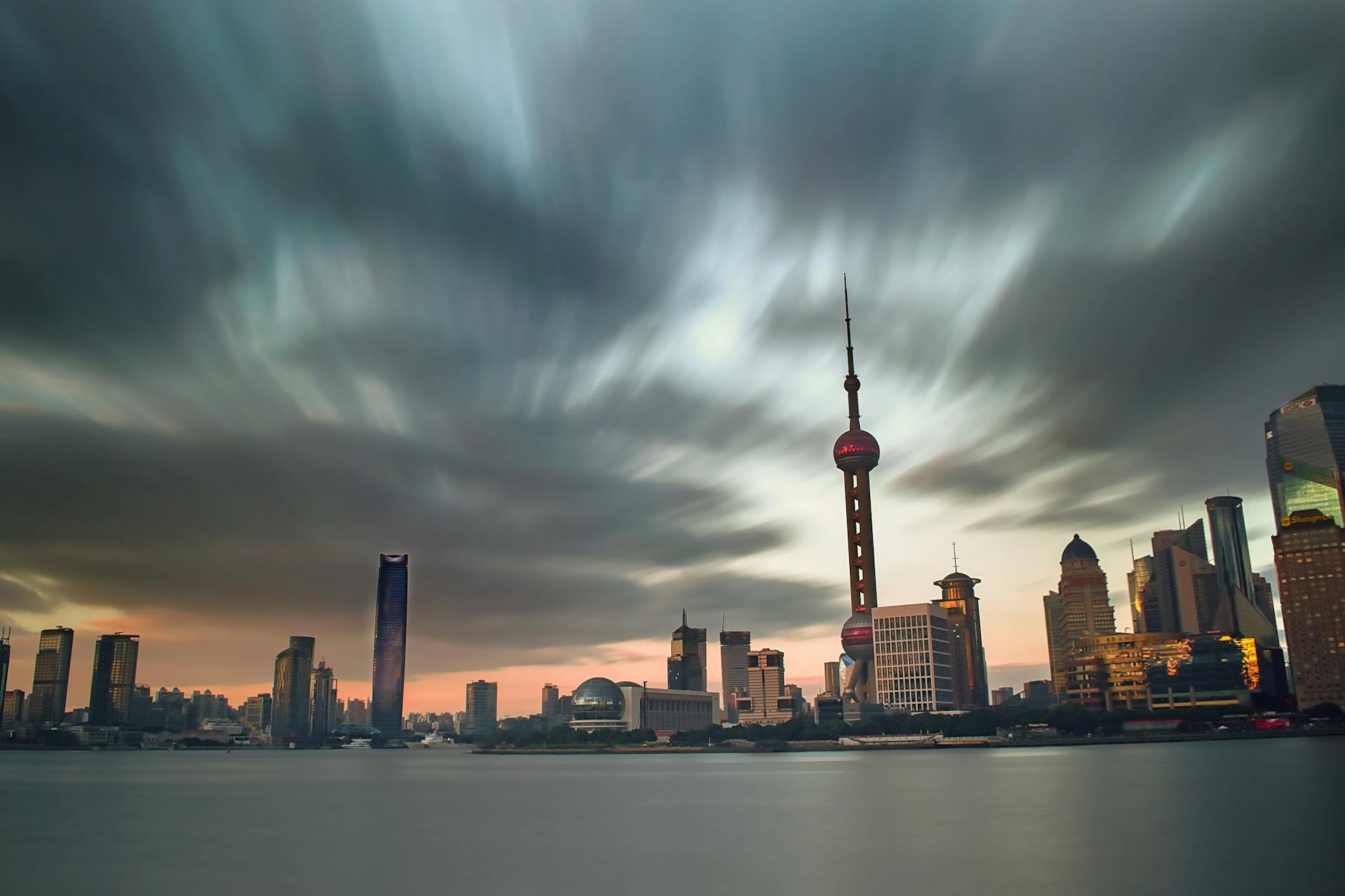
Table of Contents
- Before You Plan: How Many Days Do You Need?
- One Day in Shanghai: The Speed Run
- Two Days in Shanghai: The Classic Highlights
- Three Days in Shanghai: Most Popular Plan
- Four Days in Shanghai: Add Disneyland or a Day Trip
- Five Days in Shanghai: A Complete Visit
- Seven Days in Shanghai: Deep Dive with Side Trips
- First-Timer Shanghai Itinerary Tips
- Family-Friendly Shanghai Itinerary
- Food-Lover’s Shanghai Itinerary
- Culture and History Itinerary
- Shanghai Layover Itineraries (8, 12, 24 Hours)
- Day Trips to Add to Any Itinerary
- How Season Changes the Itinerary
- Logistics: Where to Stay, Reservations, and Apps
- Frequently Asked Questions
Before You Plan: How Many Days Do You Need?
The honest answer to “how many days in Shanghai” depends on what you are after. A speed-run visitor focused only on the iconic skyline and one good meal can manage a satisfying day in Shanghai. Three days is the sweet spot for first-time visitors who want the major sights at a comfortable pace, with time to wander rather than march. Five days gives you room for Shanghai Disneyland or one of the famous day trips. Seven days lets you treat Shanghai as a true regional base, with side trips to Suzhou, Hangzhou, or one of the historic water towns built into the rhythm of the week.
If you are choosing between dedicating your time to Shanghai itself or branching out, lean Shanghai-heavy on a first visit. The city’s neighborhoods reward depth more than most travelers expect, and the day-trip destinations are best reached as additions, not as competitors with the city center. Once you have walked the Bund, eaten three different styles of dumplings, and spent an afternoon getting pleasantly lost in the former French Concession, the value of an extra day in Suzhou comes into focus.
For visa-free visits up to fifteen days that apply to many nationalities, see our Shanghai Visa & Entry Requirements guide. Bear in mind that the visa-free policy in effect in 2026 covers Shanghai and several neighboring provinces, so you can plan ambitious itineraries without locking into a tour visa.
One Day in Shanghai: The Speed Run
You arrived early, you leave tomorrow, and you want to walk away with a real sense of the city. This is doable. The trick is choosing one neighborhood per time block, eating well at scheduled stops, and refusing to chase the long-tail attractions that need a second visit anyway.
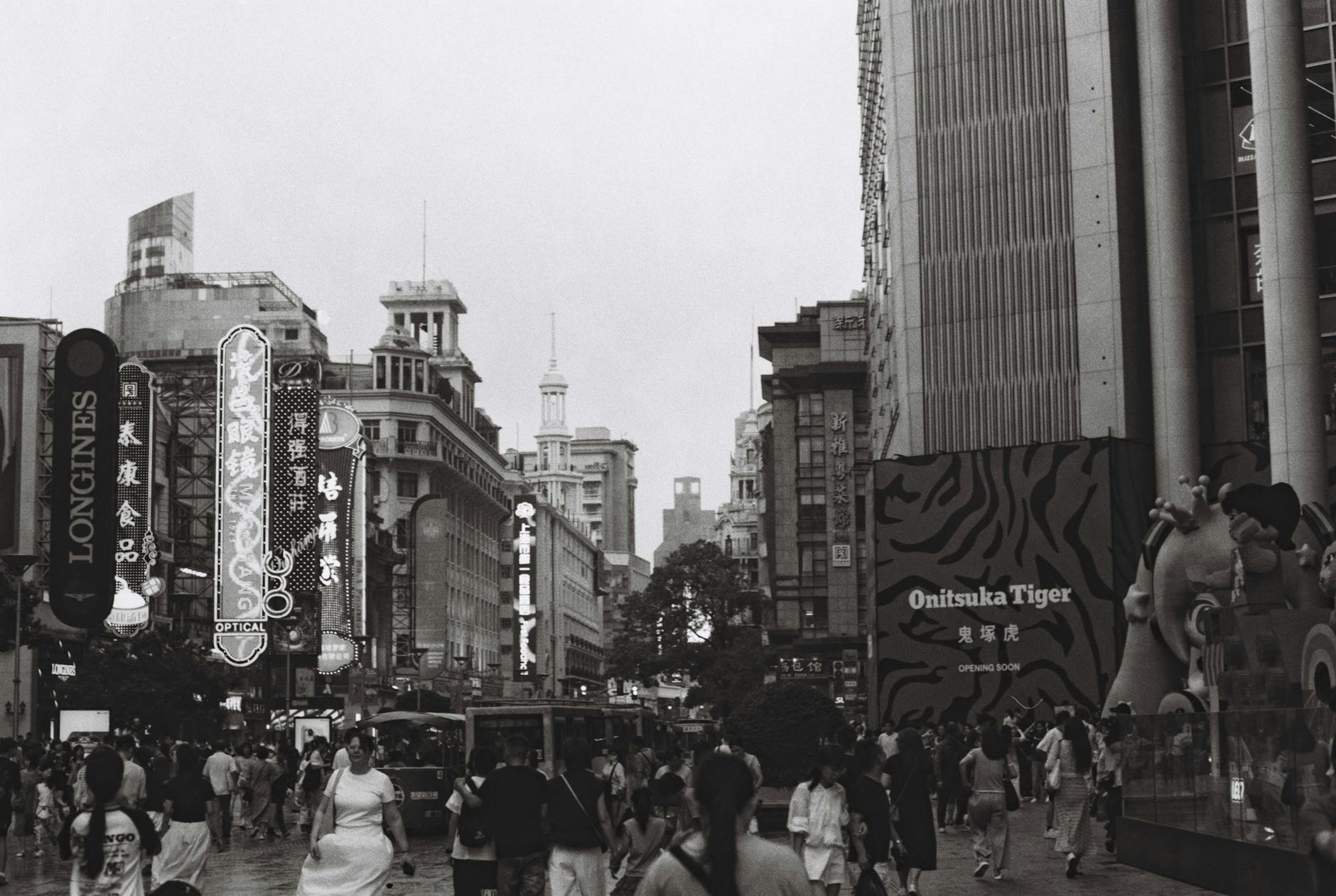
Morning (8:30–11:30 AM): Yu Garden and Old City. Arrive at Yu Garden when it opens at 8:30 AM to enjoy the Ming-era classical garden in relative quiet. Walk through Yuyuan Bazaar afterward for breakfast at Nanxiang Steamed Bun (xiaolongbao), and pop into the City God Temple to see the Taoist heart of the old town.
Midday (11:30 AM–2:00 PM): Bund Walk and Lunch. Walk twelve minutes north to the Bund. Stroll the half-mile from Yan’an Road to Suzhou Creek, taking in the Art Deco and neoclassical architecture and the panoramic view of Pudong’s skyline. Stop for lunch at a Bund-adjacent restaurant such as Mr & Mrs Bund (modern French) or Lost Heaven (Yunnan-Burmese fusion).
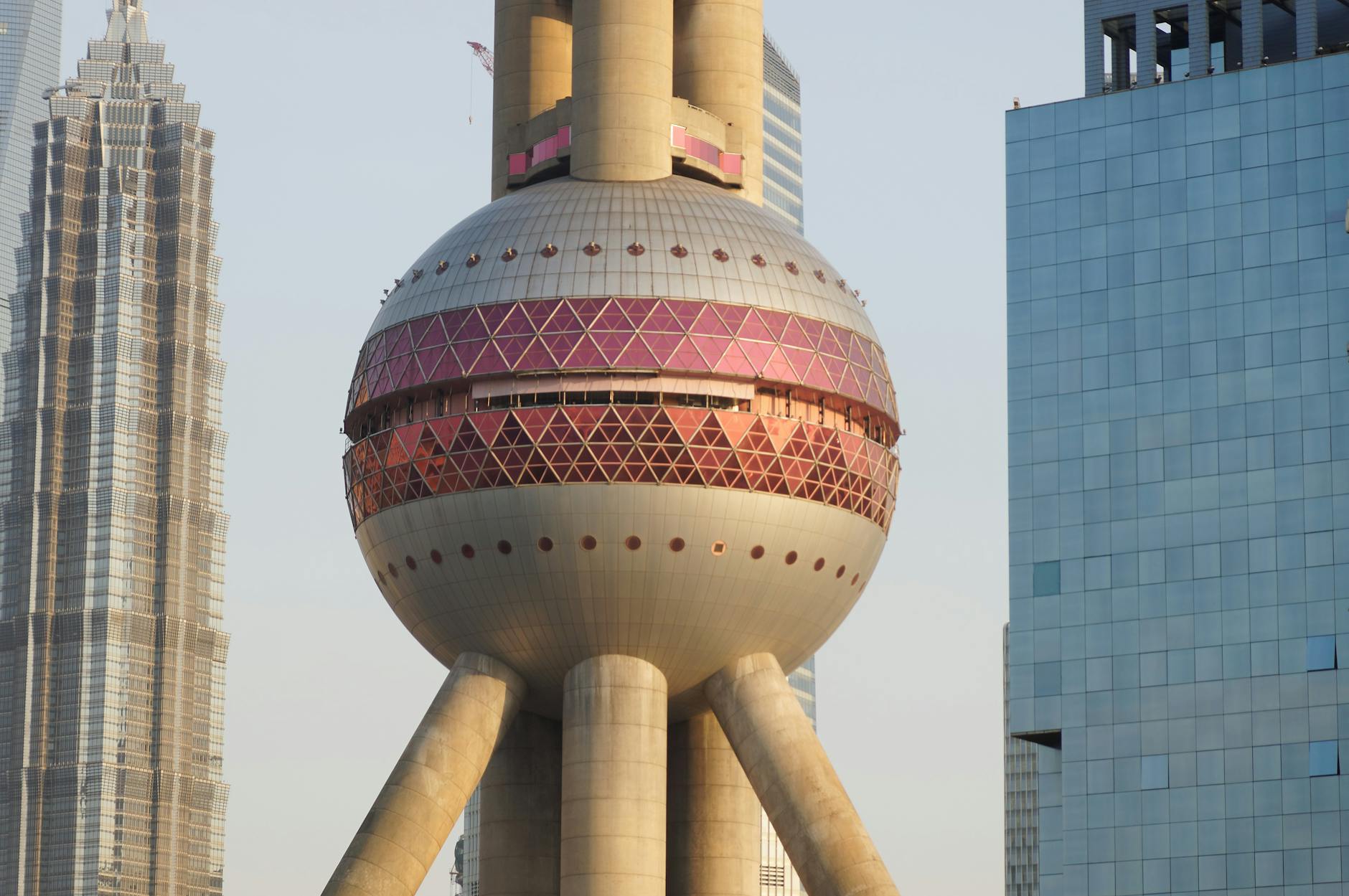
Afternoon (2:00–5:00 PM): Pudong Heights. Cross under the Huangpu River via the Bund Sightseeing Tunnel or by metro. Go directly to the Shanghai Tower observation deck on Floors 118 and 119 for the highest accessible viewpoint in China. Allow 90 minutes for the full experience including the tilting elevator and the rooftop. If the queue is long, the Jin Mao Tower next door has a cheaper deck with a view that is arguably better.
Evening (5:00–9:00 PM): Bund After Dark. Recross to the Puxi side and walk the Bund again as the sun sets. The skyline lighting flips on around 7:00 PM in spring and autumn. Have dinner at a benbang restaurant such as Lao Ji Shi or Fu 1015. End the night with a cocktail at the Long Bar in the Waldorf Astoria, a faithful reconstruction of a 1911 Shanghai Club original.
What you will miss: French Concession atmosphere, Shanghai Museum, Disneyland, day trips. Save those for the next visit.
Two Days in Shanghai: The Classic Highlights
A second day adds the cultural depth and neighborhood feel that the speed-run skips. The two-day plan is also forgiving: if a flight delay or a sudden rainstorm wrecks one half-day, you still get the highlights.
Day One: follow the one-day itinerary above.
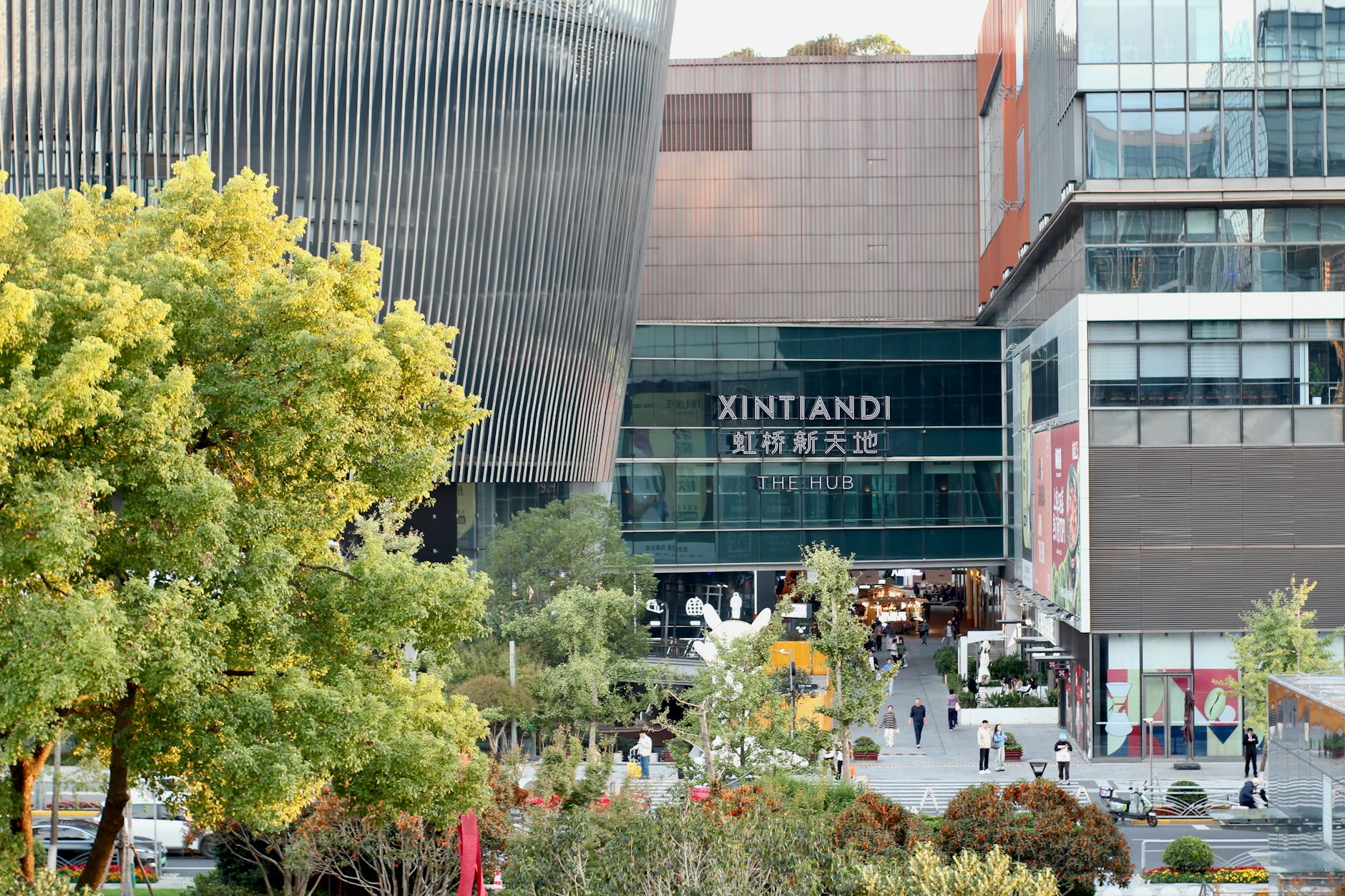
Day Two: People’s Square and the French Concession. Begin with breakfast at a local cafe in the former French Concession; Anfu Road, Wukang Road, and Wuyuan Road all have charming options. Walk south through the leafy streets, popping into independent boutiques, bookshops, and the small Sun Yat-sen Memorial Residence on Xiangshan Road. Take the metro to People’s Square for the Shanghai Museum (allow at least three hours for the antiquities collections) and the adjacent Shanghai History Museum if your energy holds. End the day at Tianzifang or Xintiandi for shikumen architecture and dinner.
Three Days in Shanghai: Most Popular Plan
Three full days is the most popular Shanghai itinerary length and what most travel guides recommend for first-time visitors. With three days you can cover the iconic sights without rushing, build in breaks, and add one focused day for either Disneyland or a major day trip.
Day One: Old City + Bund + Pudong (the icons). Yu Garden at opening, Yuyuan Bazaar, breakfast dumplings, walk to the Bund by 11:00 AM. Lunch on the Bund. Cross to Pudong for Shanghai Tower or Jin Mao Tower. Watch the lights from the Bund at sunset. Dinner at a benbang restaurant. The Day One module is intentionally heavy because energy is highest on day one.
Day Two: Culture day. Slow morning in the former French Concession with coffee and a stroll. Visit the Memorial of the First Congress of the CCP near Xintiandi for context on twentieth-century Shanghai. Move to People’s Square for the Shanghai Museum. Late afternoon: tea at the Huxinting in Yu Garden’s lake or Song Fang Maison de Thé. Optional: jazz at the Peace Hotel or a Shanghai Symphony Orchestra performance. For more on cultural sights, see our Shanghai Culture and History Guide.
Day Three: Choose your add-on. Three strong options here. (1) Shanghai Disneyland if you have kids or are a serious theme-park fan. (2) Zhujiajiao Water Town, the closest of the historic Yangtze Delta water towns, reachable by metro Line 17 in about an hour from central Shanghai. (3) Suzhou day trip, twenty-five minutes by high-speed rail, for the famous classical gardens.
Four Days in Shanghai: Add Disneyland or a Day Trip
A fourth day lets you do both a major attraction (Disneyland) and a day trip without sacrificing core Shanghai. Use the three-day plan as your foundation and slot the new day in based on your interests.
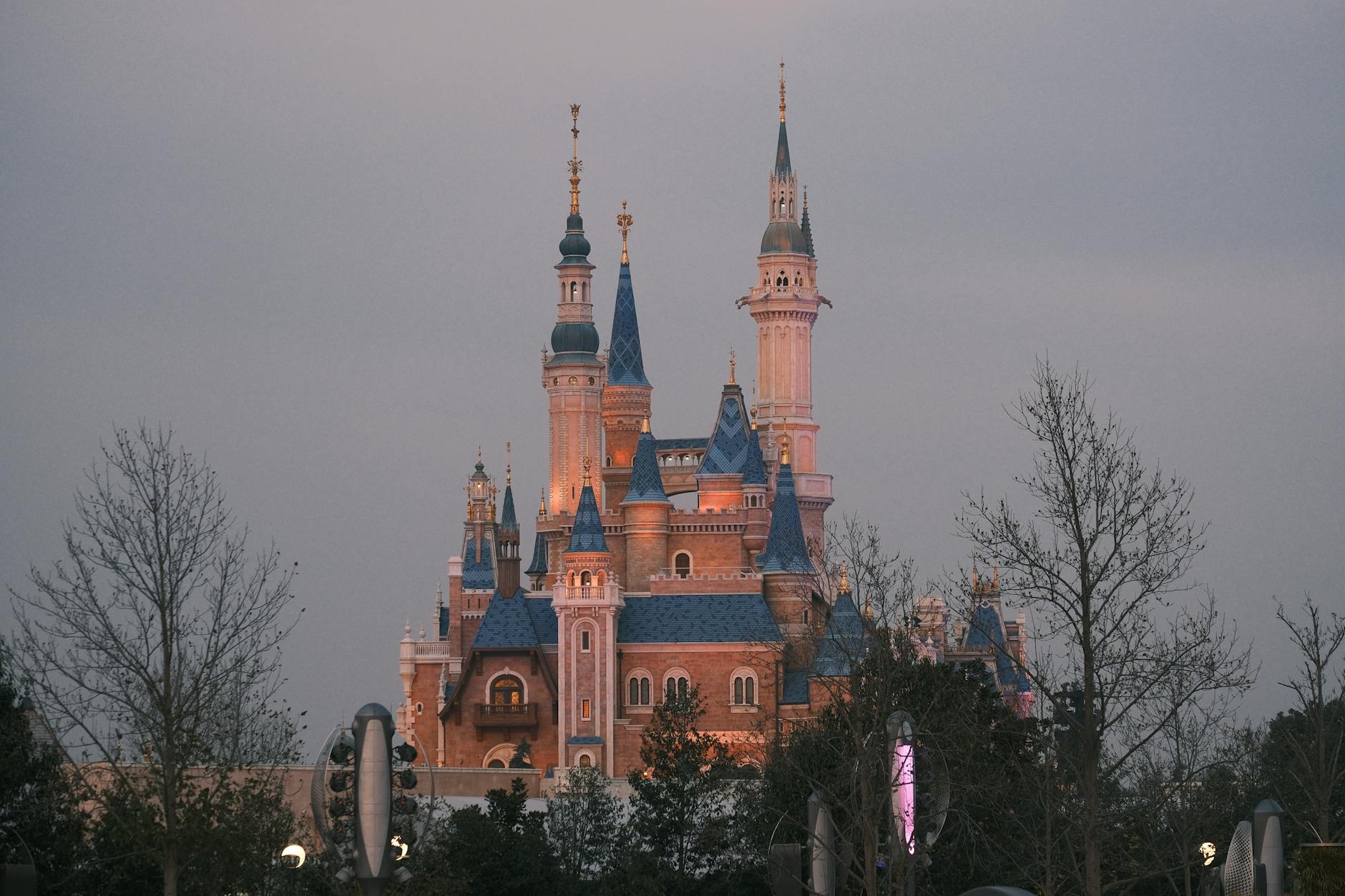
Day Four Option A: Shanghai Disneyland. Buy tickets in advance through the official Shanghai Disney Resort app or the Klook integration. Arrive at park opening (typically 9:00 AM) and prioritize the unique-to-Shanghai attractions: TRON Lightcycle Power Run, Roaring Rapids, the Pirates of the Caribbean (best version of the ride globally), and Soaring Over the Horizon. Take the metro Line 11 directly to the park. Stay for the evening fireworks at the Enchanted Storybook Castle.
Day Four Option B: Suzhou day trip. Take the high-speed train from Shanghai Hongqiao Station (twenty-five to thirty minutes). Visit the Humble Administrator’s Garden, which is the largest classical garden in Suzhou, then the Suzhou Museum (designed by I. M. Pei) next door. After lunch, explore Pingjiang Road, a preserved canal-side street. Return to Shanghai by 7:00 PM.
Day Four Option C: Hangzhou day trip. Slightly longer but worth it for West Lake. The bullet train takes about an hour. Plan to spend the day walking or biking around West Lake, with stops at Lingyin Temple, Leifeng Pagoda, and a tea-tasting experience in Longjing village.
Five Days in Shanghai: A Complete Visit
Five days gives you the most balanced introduction. You can cover all the must-do experiences, dig into one or two neighborhoods at depth, and still have a day for a side trip or a slow recovery day.
Day One: Old City and the Bund icons.
Day Two: French Concession, Xintiandi, and the Memorial of the First Congress of the CCP.
Day Three: People’s Square museums (Shanghai Museum, Shanghai History Museum), Nanjing Road shopping, jazz at the Peace Hotel.
Day Four: Shanghai Disneyland or West Bund modern art corridor (Long Museum, Yuz Museum, Power Station of Art).
Day Five: Day trip to Suzhou, Hangzhou, or Zhujiajiao Water Town.
If you have flexibility, swap Day Four and Day Five so the day trip falls midweek and you finish in the city. Most travelers prefer the soft return to a familiar hotel in central Shanghai over the logistics of a late train back from a side trip.
Seven Days in Shanghai: Deep Dive with Side Trips
A full week treats Shanghai as a regional hub. Use it to explore neighborhoods most visitors miss, develop an opinion about benbang versus Yangzhou versus Sichuan cuisine, and complete two or three major day trips.
Day One: Old City + Bund (icons).
Day Two: French Concession, Xintiandi, Tianzifang.
Day Three: People’s Square + Shanghai Museum + Nanjing Road. Evening at the Shanghai Grand Theatre or jazz.
Day Four: Pudong deeper visit: Shanghai Tower, Shanghai Ocean Aquarium, Shanghai Disney’s Tomorrowland, or the new Shanghai Museum East. Evening dinner with skyline view.
Day Five: Suzhou day trip (gardens + Pingjiang Road + Suzhou Museum).
Day Six: Hangzhou day trip (West Lake + Lingyin Temple + tea).
Day Seven: Final day in the city: West Bund modern art corridor, M50 art district, or revisit favorite neighborhoods. Wrap up with a celebratory dinner.
First-Timer Shanghai Itinerary Tips
If this is your first visit to Shanghai, build the following habits into whichever length itinerary you choose. They will save you hours over a typical week.
Reserve major museum entries before arrival. The Shanghai Museum, Shanghai Museum East, and the Shanghai Astronomy Museum require advance reservations even when admission is free, with bookings opening seven to ten days ahead through the museums’ WeChat mini-programs. Your hotel concierge can usually help if your phone is not set up.
Pace yourself with the metro. Shanghai’s network is huge and English-friendly, but transfers can involve long underground walks. Build in a thirty-minute cushion between scheduled stops on different metro lines.
Eat by neighborhood. Pick lunch and dinner spots that align with where you already are. Backtracking across the Huangpu for a famous restaurant burns hours that an equivalent meal closer by would not.
Save flexibility for evenings. Daytime sights have firm hours; evenings can absorb the spillover. The Bund at night, a jazz set at the Peace Hotel, or a longer dinner all forgive a slow daytime start.
Mix paid and free experiences. Shanghai’s free attractions, including the Shanghai Museum, the Shanghai History Museum, the Bund, the French Concession, and most temples, are world-class. Paid icons like Disneyland and the Shanghai Tower observation deck are worth their price but should not crowd out the free street life.
Family-Friendly Shanghai Itinerary
Traveling with children does not mean cutting Shanghai’s icons. It does mean rethinking pace, food, and the order of priorities.
Day One: Disneyland. Open early, close with fireworks. The metro Line 11 direct to the park makes logistics simple.
Day Two: Pudong attractions. Shanghai Tower observation deck, Shanghai Ocean Aquarium (one of the world’s largest), and a visit to Lujiazui Riverside Park. Lunch at IFC Mall’s food court has plenty of family-friendly options.
Day Three: Old City + Bund + boat ride. Yu Garden in the morning (less crowded). Yuyuan Bazaar for snacks and souvenirs. Bund walk. Take a Huangpu River cruise for an easier evening on tired feet.
Day Four: Family museums. Shanghai Natural History Museum (in Jing’an Sculpture Park, with dinosaur skeletons and a 4D cinema) and the Shanghai Science and Technology Museum, both excellent for kids.
Day Five (optional): Zhujiajiao Water Town. Easier and gentler than Suzhou for young children, with a relaxing boat ride through the canals.
For more guidance, our Shanghai for Families guide has detailed advice on stroller-friendly sights, family hotels, and dining with children.
Food-Lover’s Shanghai Itinerary
If your visit is structured around the food, build the itinerary around meals and let the sights fill the gaps. A four-day food-focused plan looks something like this.
Day One: Local breakfasts and benbang. Start with shengjianbao at Yang’s Fry-Dumpling and breakfast jianbing from a street vendor. Lunch is xiaolongbao at Nanxiang in Yu Garden’s bazaar. Dinner is full benbang at Lao Ji Shi or Fu 1015.
Day Two: Regional Chinese. Have lunch at a Sichuan restaurant (Lan Ting Yuan or Pin Chuan), then explore the Yunnan flavors of Lost Heaven on the Bund for dinner. Snack on shaved ice or jian dui in between.
Day Three: Modern Chinese fine dining. Reserve well in advance for the famous tasting-menu spots: Mercato (modern Italian), Ultraviolet (avant-garde French-Chinese), Fu He Hui (vegetarian fine dining), or Da Vittorio Shanghai. Lunch lighter to make room.
Day Four: Markets and neighborhoods. Spend the day on a food walk through Tianzifang, the wet markets of the former French Concession, and the Wujiang Road snack street. End at a wine bar in Anfu Road.
For complete details, see our Shanghai Food Guide.
Culture and History Itinerary
For visitors more interested in heritage than sightseeing-by-icon, this two-day culture cocoon adds depth to any longer itinerary.
Day One: Imperial and treaty-port heritage. Yu Garden (Ming) → City God Temple (Taoist) → Shanghai Museum (three thousand years of Chinese antiquities) → Bund architectural walk (treaty-port era).
Day Two: Twentieth-century Shanghai. Memorial of the First Congress of the CCP → Sun Yat-sen Residence → Shanghai Jewish Refugees Museum (Hongkou) → Shanghai History Museum. Evening: jazz at the Peace Hotel for the city’s pre-1949 cosmopolitan story.
Shanghai Layover Itineraries (8, 12, 24 Hours)
Shanghai’s two airports support a generous transit policy, and many nationalities qualify for the 144-hour visa-free transit. If you have an extended layover, do not waste it in the airport.
Eight-hour layover: Travel from Pudong Airport to the Bund by Maglev plus metro takes about an hour each way. That gives you about five hours on the ground. Walk the Bund, lunch at Lost Heaven, see the skyline. Return to Pudong with two hours of buffer.
Twelve-hour layover: Add Yu Garden or the French Concession to the Bund visit. You will move quickly but see two distinct neighborhoods.
Twenty-four-hour layover: Treat it as a one-day visit (above) and book a hotel near the Bund to minimize transit. Many travelers prefer the Astor House Hotel, the Bund Hotel, or the Pudong-side Mandarin Oriental.
Day Trips to Add to Any Itinerary
Shanghai is the perfect base for the lower Yangtze Delta. Five day trips deserve a place in your shortlist.
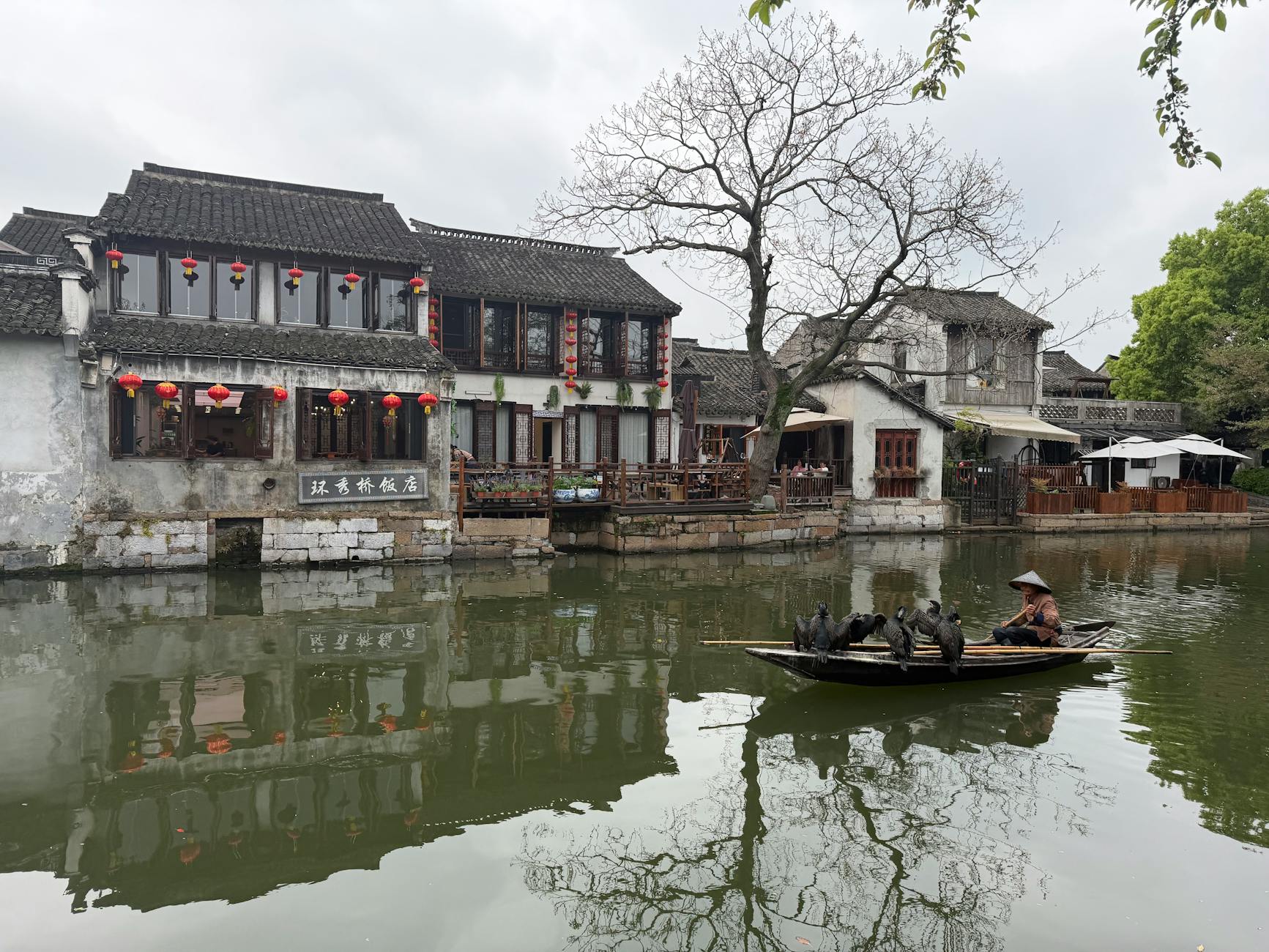
Suzhou (25–30 minutes by high-speed rail) for classical Chinese gardens, especially the Humble Administrator’s Garden and the Lingering Garden, plus the I. M. Pei-designed Suzhou Museum and the canal-side Pingjiang Road.
Hangzhou (one hour by high-speed rail) for West Lake, the most famous lake landscape in China, plus Lingyin Temple and Longjing tea villages.
Zhujiajiao (one hour by metro Line 17) for a Ming-era water town in metropolitan Shanghai itself, with canals, arched bridges, and a slow afternoon pace.
Wuzhen (90 minutes by bus or two hours by combined train and shuttle) for the most photogenic preserved water town in the region. Best as an overnight in summer to enjoy the lit-up canals at night.
Tongli (90 minutes by combined train and bus) for a quieter water town than Wuzhen and excellent for visitors who want photography without crowds.
Full details on each are in our Day Trips from Shanghai guide.
How Season Changes the Itinerary
Shanghai’s weather varies significantly across the year, and a great spring itinerary can become miserable in July’s humidity or January’s damp cold. Adjust the structure of your days based on the season.
Spring (April–May) and autumn (October–early November) are the ideal seasons. Outdoor walking, the Bund at sunset, and full-day garden visits are at their best. The above itineraries work without modification.
Summer (June–August) is hot and humid, with afternoon temperatures often reaching 35°C (95°F) and frequent thunderstorms. Plan museum-heavy mornings, indoor lunches, and post-7:00-PM outdoor activities. Consider one indoor venue per day (museum, mall, restaurant) as a relief.
Winter (December–March) is cold, often gray, and occasionally below freezing. Bund walks remain beautiful but should be paired with warm-up stops at cafes. Indoor museums become more attractive. Lunar New Year, in late January or February, brings unique festive energy and crowded sights.
For details on each season’s pros and cons, see our Best Time to Visit Shanghai guide.
Logistics: Where to Stay, Reservations, and Apps
Where to stay matters more than most first-time visitors realize. Staying near the Bund or in the former French Concession means you can walk to most evening activities and significantly cuts metro time across the trip. The Bund-side has more iconic luxury (Peace Hotel, Waldorf Astoria, Fairmont Peace Hotel). The French Concession has more boutique character (The Middle House, URBN, scattered serviced apartments). For neighborhood-by-neighborhood lodging recommendations, see our Where to Stay in Shanghai guide.
Apps to install before you arrive: WeChat (for payment, museum bookings, and most communications), Alipay (for payment if WeChat fails), Didi (the Chinese Uber, with an English interface), Metro Man (for offline metro maps), Trip.com (for hotels and trains), and a translation app like Pleco or Microsoft Translator with downloadable offline Chinese.
SIM card or eSIM: A China-friendly eSIM saves the Great Firewall headache by routing internet traffic through international servers, which means Google Maps, WhatsApp, and Instagram work normally. Otherwise, plan a VPN before arrival.
Money: Shanghai is largely cashless. Set up WeChat Pay or Alipay before arrival; foreign cards now work in both apps after recent policy changes. Keep a few hundred RMB in cash as backup for small vendors.
Transportation passes: The Shanghai Public Transportation Card or its mobile equivalent in Apple Wallet or Alipay handles metro, bus, and many taxis. Set it up at the airport on day one.
For broader practical guidance, our Practical Tips for Shanghai guide covers etiquette, language, safety, and other logistics in depth.
Frequently Asked Questions
How many days in Shanghai is enough?
Three days is enough for first-time visitors to see the major sights at a reasonable pace. Five days gives you complete coverage including Disneyland or a side trip. Seven days lets you treat Shanghai as a regional hub with multiple day trips.
Should I do Shanghai or Beijing first?
If you have time for both, the conventional wisdom is to start in Beijing for imperial and ancient context, then move to Shanghai for modern China. If you only have time for one, Shanghai is generally easier for first-time China visitors due to its cosmopolitan infrastructure, English signage, and food variety.
Can I do Shanghai Disneyland in half a day?
Realistically no. The park is huge, queues for popular rides like TRON Lightcycle Power Run can exceed two hours at peak times, and you will want to stay for the evening fireworks. Plan a full day.
Is Suzhou a better day trip than Hangzhou?
Suzhou is closer (25 minutes versus 60), more concentrated, and easier to do as a day trip; Hangzhou rewards a longer visit because West Lake is large. For a single-day trip from Shanghai, Suzhou is usually the better choice. For an overnight, Hangzhou is excellent.
What is the best Shanghai itinerary for first-time visitors?
The classic three-day plan covering Old City + Bund on Day One, French Concession + museums on Day Two, and Disneyland or a day trip on Day Three is the most popular for first-time visitors and works well in any season.
Do I need a guide for my Shanghai itinerary?
Most travelers do not. Shanghai is highly navigable independently with apps and the metro. Guides add value for specific experiences (the Bund’s architectural history, food tours through the French Concession, or Disneyland strategy), and many can be booked for half-day blocks.
How do I avoid crowds at popular sights?
Visit Yu Garden at 8:30 AM opening; the Bund before 10:00 AM or after 9:00 PM; the Shanghai Museum on weekday mornings. Most weekday afternoons are calmer than weekend afternoons. Lunar New Year, May Day holiday (May 1–5), and National Day holiday (October 1–7) bring the largest domestic-tourist crowds.
Should I book Shanghai attractions in advance?
Yes for the Shanghai Museum, Shanghai Museum East, Shanghai Tower observation deck, and Shanghai Disneyland. The Bund, French Concession streets, and most temples do not require reservations.
Is Shanghai walkable?
Within neighborhoods, yes. Between neighborhoods, the metro is faster and air-conditioned. Plan to walk one to two neighborhoods per day and use the metro for transitions.
How much does a Shanghai trip cost per day?
A budget traveler can manage on $50–80 USD per day; midrange travelers on $150–250; luxury on $400+. Most major attractions are free or under $20 USD.
Building Your Personalized Plan
The best Shanghai itinerary planner is the one that fits your specific interests and pace. Use these day-by-day templates as a starting point, mix and match modules, and check our supporting guides for deeper detail on each topic. The Shanghai Travel Guide covers the basics for first-time visitors. Things to Do in Shanghai lists every major attraction. Getting Around Shanghai walks you through the metro and other transport. For external itinerary inspiration, Lonely Planet’s Shanghai itinerary is a useful comparison.
Whichever plan you choose, leave at least one slot per day unbooked. Shanghai’s best moments tend to find you, not the other way around: a tea house you wander into, a noodle shop with a line down the block, a quiet square in the French Concession at dusk. The right itinerary for Shanghai is half plan, half permission to wander.