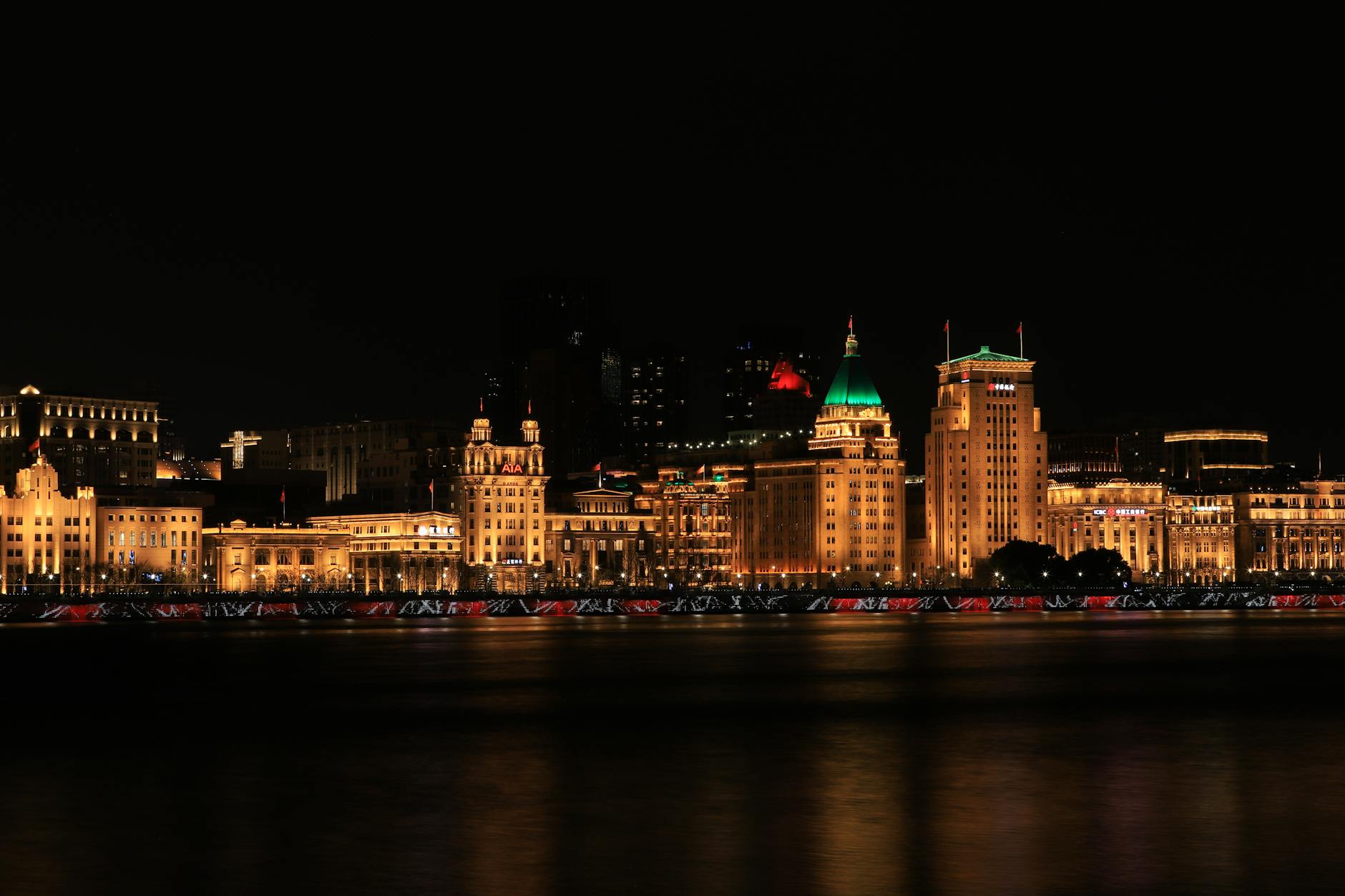
Shanghai is a city that defies simple description. Standing on the Bund promenade at dusk, you can look west at grand colonial-era banking halls built in the 1920s, then turn east to see a wall of futuristic skyscrapers piercing the clouds above Pudong — a district that was farmland just 30 years ago. This is the essence of Shanghai: a place where centuries of history collide with breathtaking modernity, where Michelin-starred restaurants sit beside smoky street food stalls, and where ancient temples exist in the shadow of the world’s second-tallest building. This Shanghai travel guide covers everything you need to plan an unforgettable trip to China’s most dynamic and cosmopolitan city.
Whether you’re a first-time visitor wondering where to begin or a returning traveler looking to dig deeper, this comprehensive Shanghai travel guide breaks down the essential information: when to visit, what to see, where to eat, how to get around, and all the practical details that turn a good trip into a great one. With over 29 million residents, Shanghai is the largest city in China and one of the most visited destinations in Asia (source) — and for good reason.
Shanghai at a Glance: Quick Facts for Travelers
Before diving into the details, here are the essential facts every traveler should know about Shanghai:
| Detail | Information |
|---|---|
| Population | ~29.5 million (urban area) |
| Language | Mandarin Chinese (official); Shanghainese (local dialect); English in tourist areas |
| Currency | Chinese Yuan Renminbi (CNY/¥) — approximately ¥7.2 = $1 USD |
| Time Zone | China Standard Time (CST), UTC+8 — no daylight saving time |
| Electricity | 220V/50Hz — Type A, C, and I plugs (most US/EU chargers work with adapter) |
| Tap Water | Not safe to drink — use bottled or boiled water |
| Visa | 30-day visa-free for 45 countries; 240-hour transit visa-free for 54 countries |
| Best Time to Visit | March–May (spring) and September–November (autumn) |
| Airports | Pudong International (PVG) — international; Hongqiao (SHA) — domestic/regional |
| Emergency Numbers | Police: 110 | Ambulance: 120 | Fire: 119 (English available) |
Best Time to Visit Shanghai
Shanghai’s climate is subtropical, which means four distinct seasons — but not all of them are equally kind to travelers. Choosing the right time to visit can be the difference between a magical trip and a sweaty, uncomfortable one.
Spring (March–May) is one of the two ideal windows. Temperatures hover between 10°C and 25°C (50–77°F), cherry blossoms paint the parks pink in late March and April, and the city buzzes with seasonal festivals. The air is fresh, the skies are clearer than summer, and outdoor sightseeing is comfortable all day.
Summer (June–September) is Shanghai’s toughest season for visitors. Temperatures regularly exceed 35°C (95°F) with oppressive humidity, and the “plum rain” season in June–July brings weeks of drizzle. Typhoons can disrupt travel in August and September. If you must visit in summer, focus on air-conditioned museums, indoor attractions, and evening activities when the heat eases.
Autumn (September–November) is widely considered the best time to visit Shanghai. Temperatures are comfortable (15–25°C / 59–77°F), rainfall drops significantly, and the light is beautiful for photography. October brings the famous hairy crab season — a culinary highlight you won’t find at any other time of year. Be aware that the first week of October is China’s National Day Golden Week, when domestic tourism peaks and prices surge.
Winter (December–February) is cold and damp but has its charms — smaller crowds, lower hotel prices, Christmas markets, and the spectacular Chinese New Year celebrations in January or February. Temperatures range from 1–10°C (34–50°F), and while snow is rare, the wind chill off the Huangpu River can bite.
Shanghai Travel Guide: Top Attractions and Things to Do
Shanghai’s attractions span centuries and categories — from ancient gardens and Buddhist temples to futuristic observation decks and world-class museums. Here’s an overview of the must-see highlights, each of which we cover in depth in our dedicated guides.
The Bund (Wai Tan)
No visit to Shanghai is complete without walking the Bund, the city’s most iconic promenade. Stretching 1.5 kilometers along the western bank of the Huangpu River, the Bund features 52 buildings representing an extraordinary range of architectural styles — Gothic, Baroque, Romanesque, Neoclassical, and Art Deco — built during Shanghai’s heyday as a treaty port in the early 20th century. Face east and you get the equally stunning contrast: Pudong’s futuristic skyline, dominated by the Oriental Pearl Tower, the Shanghai World Financial Center, and the 632-meter Shanghai Tower. The Bund is spectacular at any hour, but the magic peaks at dusk when the buildings on both sides light up simultaneously. Arrive by 5:30 PM, find a spot along the railing, and watch the transformation.
Yu Garden (Yuyuan)
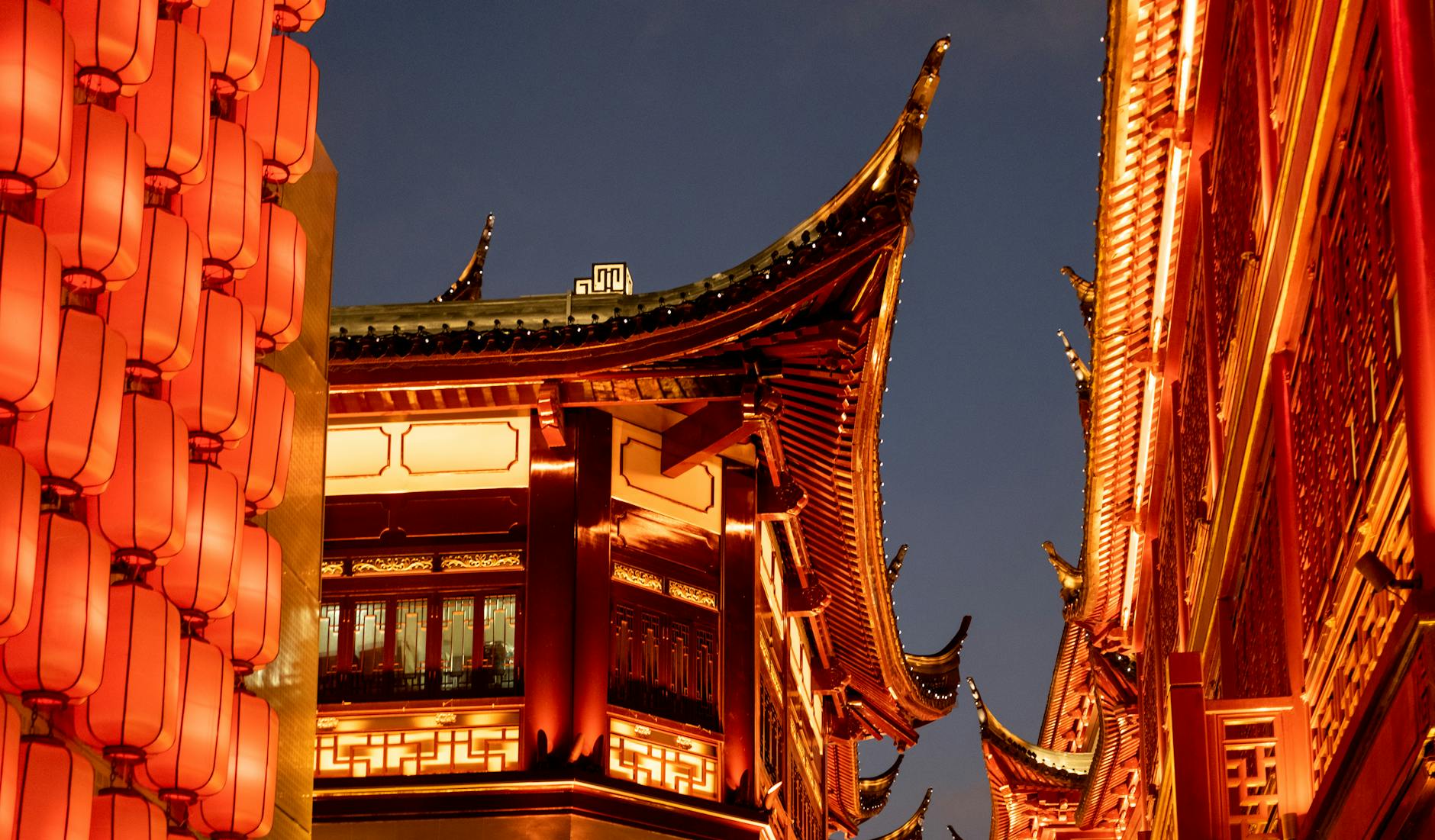
Dating back to 1559 during the Ming Dynasty, Yu Garden is a masterpiece of classical Chinese garden design tucked into the heart of Shanghai’s Old Town. Across just two hectares, you’ll find exquisite rockeries, koi-filled ponds, ornate pavilions, and dragon-topped walls — all designed to create a sense of spacious tranquility within a dense urban environment. The surrounding Yuyuan Bazaar is a sprawling marketplace selling everything from silk fans to local snacks, housed in traditional-style buildings. Get here early (opening time at 8:30 AM) to enjoy the gardens before tour groups arrive. The adjacent Huxinting Teahouse, set on a zigzag bridge over a pond, is one of the oldest teahouses in Shanghai and worth a stop.
Shanghai Tower and Pudong’s Skyline
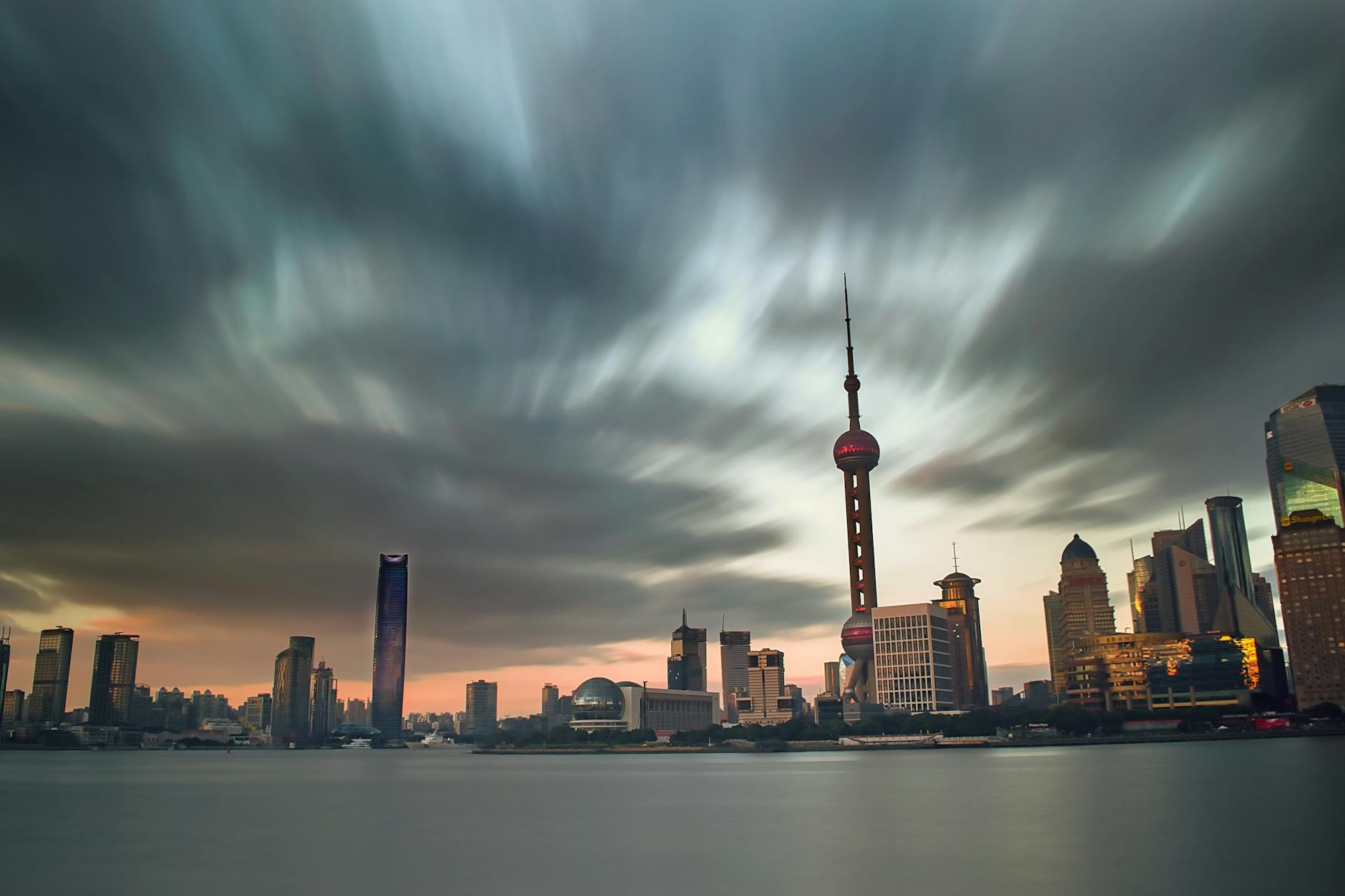
The Pudong district is Shanghai’s statement to the world: a forest of supertall skyscrapers that didn’t exist before 1990. The crown jewel is the Shanghai Tower, China’s tallest building at 632 meters, featuring the world’s highest observation deck at 561 meters on the 118th floor. The elevator ride alone is worth the visit — you’ll ascend at 18 meters per second, reaching the top in under a minute. On a clear day, the 360-degree views stretch for miles in every direction. The neighboring Shanghai World Financial Center (the “bottle opener” building) and the retro-futuristic Oriental Pearl Tower offer alternative viewing experiences at different heights. For the best photographs of Pudong’s skyline, however, you actually want to be across the river on the Bund side looking east.
The French Concession
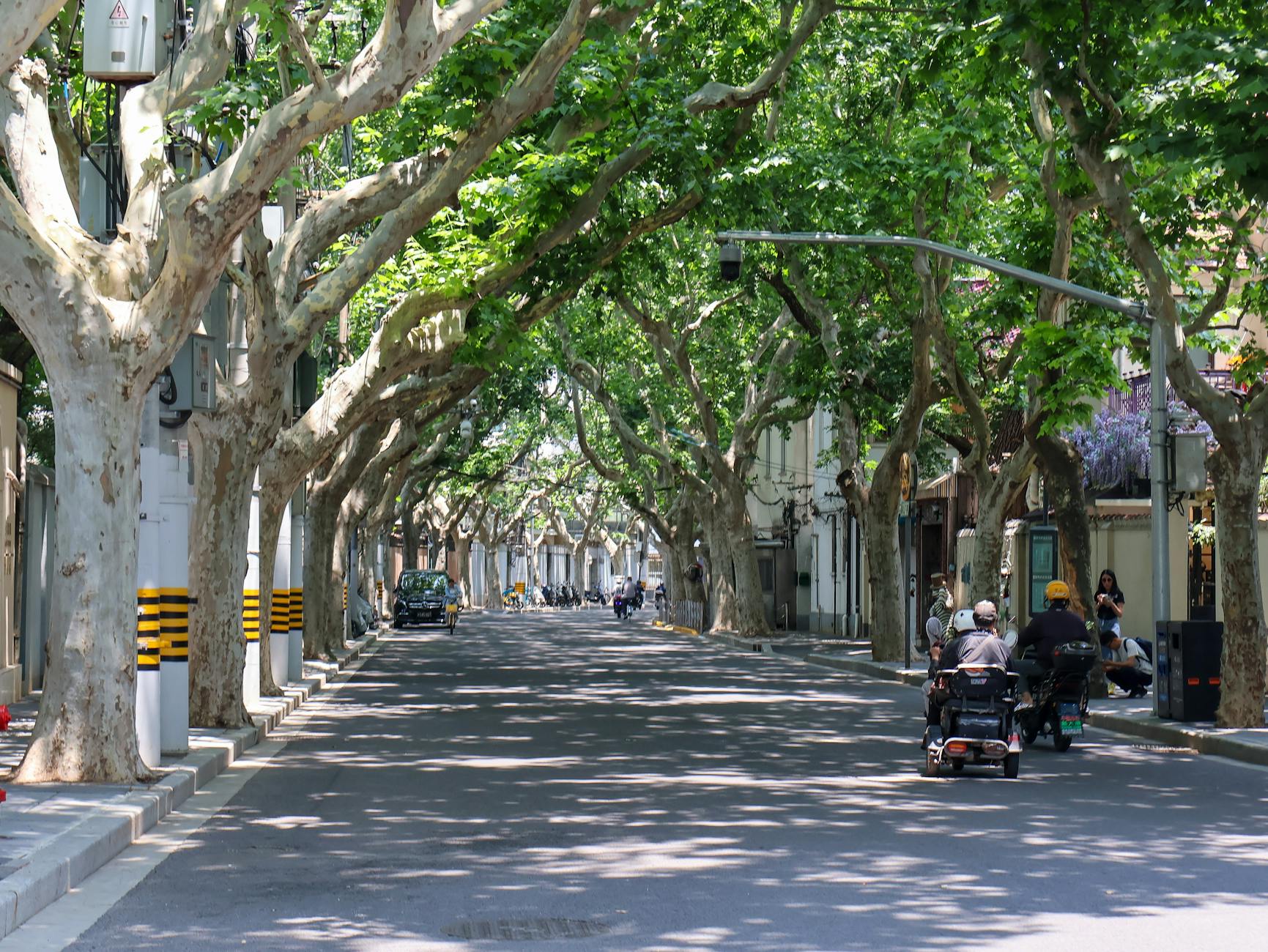
If the Bund represents Shanghai’s grand financial ambitions and Pudong its futuristic dreams, the French Concession is the city’s soul. This former colonial district is defined by leafy plane tree-lined avenues, 1920s Art Deco villas, iron-gated lane houses, and a relaxed atmosphere that feels worlds away from the skyscrapers and shopping malls elsewhere. Today, the French Concession is Shanghai’s most walkable neighborhood — home to independent boutiques, specialty coffee shops, craft cocktail bars, gallery spaces, and some of the city’s best restaurants. A self-guided walking tour along Wukang Road, Yongfu Road, and Fuxing Road is one of the finest half-day activities in Shanghai.
Museums, Temples, and Cultural Landmarks
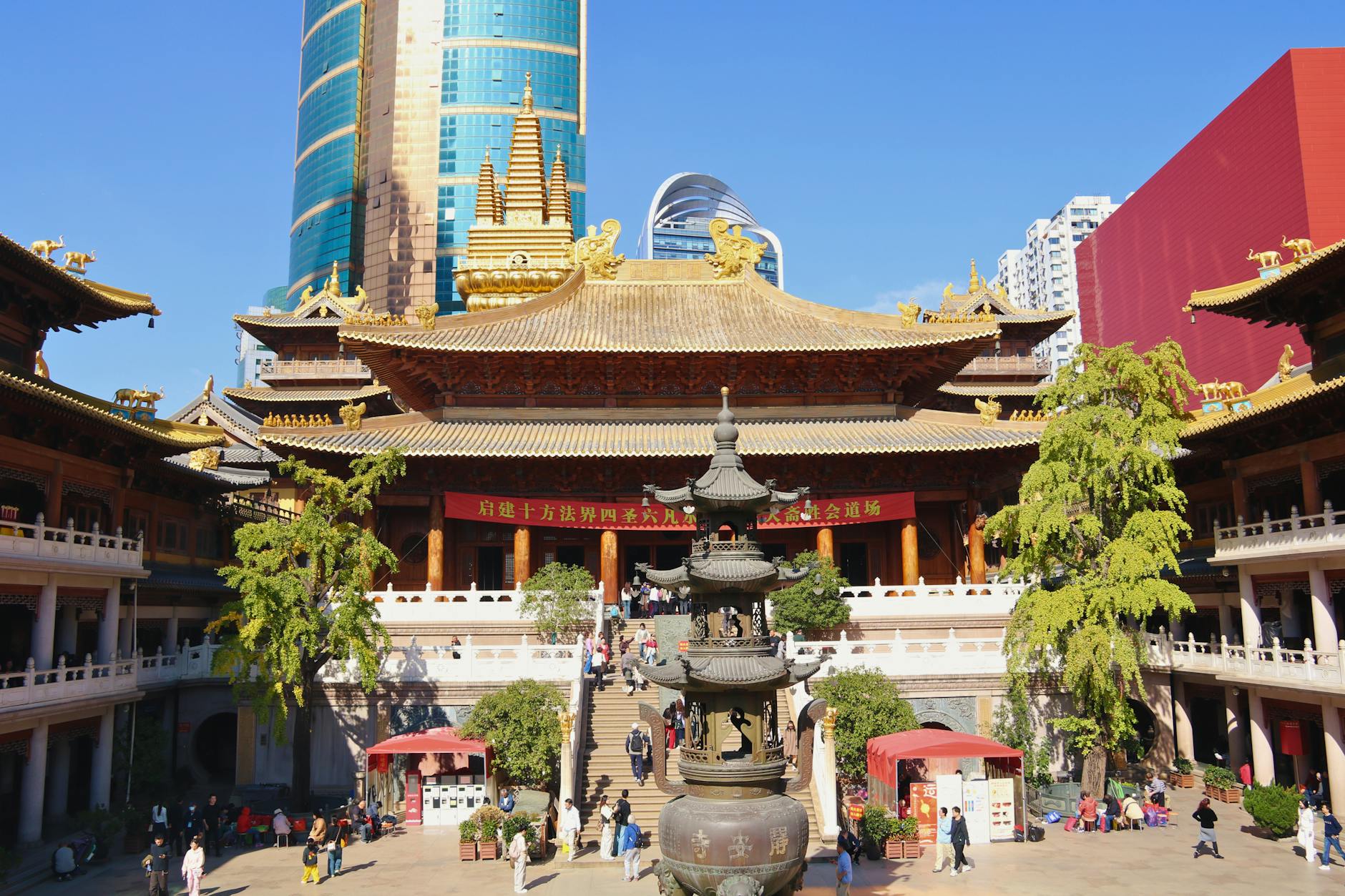
Shanghai’s cultural scene runs deep. The Shanghai Museum near People’s Square houses one of China’s finest collections of ancient bronzes, ceramics, calligraphy, and paintings — and admission is free. The Power Station of Art, a converted power plant on the Huangpu River, is China’s first state-run contemporary art museum and hosts the Shanghai Biennale. For something more niche, the Propaganda Poster Art Centre showcases an extraordinary private collection of Chinese political art from the 1920s through the 1980s.
On the spiritual side, the Jade Buddha Temple (Yufo Si) is a working Buddhist monastery famous for its two jade Buddha statues brought from Myanmar, while Longhua Temple — Shanghai’s oldest and largest — dates back over 1,700 years and hosts atmospheric New Year bell-ringing ceremonies. The Jing’an Temple, glittering gold amid skyscrapers in the city center, makes for one of Shanghai’s most striking juxtapositions of old and new.
Shanghai’s Best Neighborhoods for Tourists
Shanghai is a sprawling metropolis, but tourist activity concentrates in a handful of distinct neighborhoods, each with its own personality. Understanding these areas will help you choose where to stay and how to structure your days.
The Bund and Huangpu is the historic core and most popular tourist district. This is where you’ll find the Bund promenade, Nanjing Road pedestrian street, People’s Square, Yu Garden, and the Shanghai Museum — all within walking distance. It’s the most convenient base for first-time visitors but also the most expensive and crowded.
Pudong is the modern financial district across the river, home to the three supertall towers, Shanghai Disneyland, and the Century Park area. It’s ideal for business travelers, families staying near Disneyland, or anyone who wants to be close to Pudong Airport. The trade-off is that it lacks the character and walkability of the Puxi (west bank) neighborhoods.
The French Concession is the top choice for repeat visitors, foodies, and anyone who values atmosphere over proximity to major landmarks. It’s where expats live, where the best independent restaurants cluster, and where you can spend hours wandering without a plan. Metro access is good, so reaching the Bund takes just 15–20 minutes.
Jing’an sits at Shanghai’s geographic and commercial center. It offers a blend of everything — luxury hotels, excellent dining, the historic Jing’an Temple, and direct metro access to every major attraction. It’s arguably the best all-around base for travelers who want a balance of convenience, dining quality, and nightlife without the tourist-heavy pricing of the Bund area.
Hongkou is an up-and-coming area north of Suzhou Creek, known for its Jewish refugee heritage, the 1933 Slaughterhouse creative space, and a more local, less polished feel. Hotel prices are lower here, and the Bund is still reachable in 10 minutes by metro.
Shanghai Food and Dining Guide
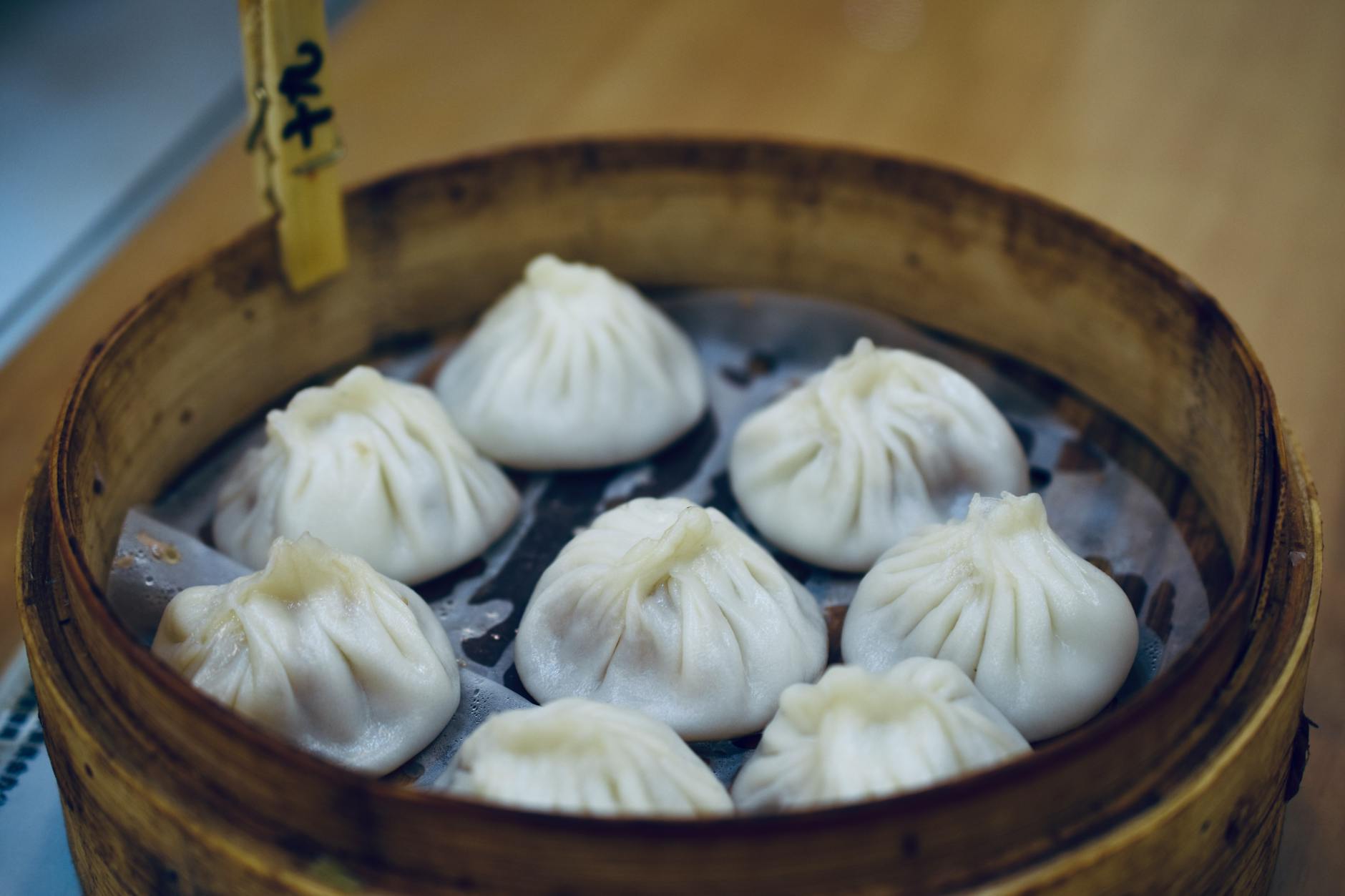
Shanghai is one of the great food cities of the world, and eating here is reason enough to visit. Shanghainese cuisine (known as “benbang” cuisine) is characterized by its use of sugar, soy sauce, and rice wine — flavors that are subtler and slightly sweeter than the spicy cuisines of Sichuan or Hunan. But as China’s most cosmopolitan city, Shanghai serves exceptional food from every regional cuisine and an increasingly impressive international dining scene.
Must-Try Shanghai Dishes
Xiaolongbao (soup dumplings) are Shanghai’s most famous culinary export — delicate steamed dumplings filled with pork and a burst of hot, savory broth. The technique for eating them is essential: place one on your spoon, nibble a small hole in the skin, let the steam escape, sip the soup, then eat the dumpling. Din Tai Fung is the reliable tourist-friendly option, but locals swear by places like Jia Jia Tang Bao near People’s Square for a more authentic (and cheaper) experience.
Sheng jian bao (pan-fried buns) are xiaolongbao’s crispy cousin — thick-skinned buns filled with soupy pork, pan-fried until the bottom is golden and crunchy. Yang’s Fried Dumplings, with locations across the city, is the most popular chain for these. A serving of four costs around ¥12 ($1.60).
Hong shao rou (red-braised pork belly) is the dish that defines Shanghainese home cooking — cubes of pork belly slow-braised in soy sauce, sugar, Shaoxing wine, and star anise until impossibly tender and glossy. Other essential Shanghainese dishes include “drunken chicken” (cold chicken marinated in Shaoxing wine), smoked fish (not actually smoked, but fried and marinated), and lion’s head meatballs in a light broth.
Shanghai breakfast culture deserves special attention. Between 6:30 and 9:00 AM, the streets come alive with vendors selling ci fan (sticky rice rolls wrapped around a fried dough stick), jianbing (savory crepes), scallion oil pancakes, and steaming bowls of soy milk with you tiao (fried dough sticks). Join the morning rush and eat standing up like a local — it’s one of Shanghai’s best cultural experiences and costs almost nothing.
Where to Eat
Shanghai’s food scene spans every budget. At the top end, the city has over 100 Michelin-recognized restaurants, with Ultraviolet by Paul Pairet holding three stars for its multi-sensory 20-course experience. For exceptional Shanghainese cuisine in a refined setting, try Fu He Hui (vegetarian) or Jesse (classic benbang dishes).
For street food and casual dining, head to the food streets: Yunnan South Road (near People’s Square) is a 250-meter strip packed with over 30 traditional snack vendors; Wujiang Road near Jing’an Temple is famous for its pan-fried buns; and Huanghe Road is an old-school food street with classics like Jia Jia Tang Bao and Da Hu Chun. Budget travelers can eat incredibly well in Shanghai for under ¥50 ($7) per meal at local noodle shops, dumpling counters, and food courts inside shopping malls.
Getting Around Shanghai
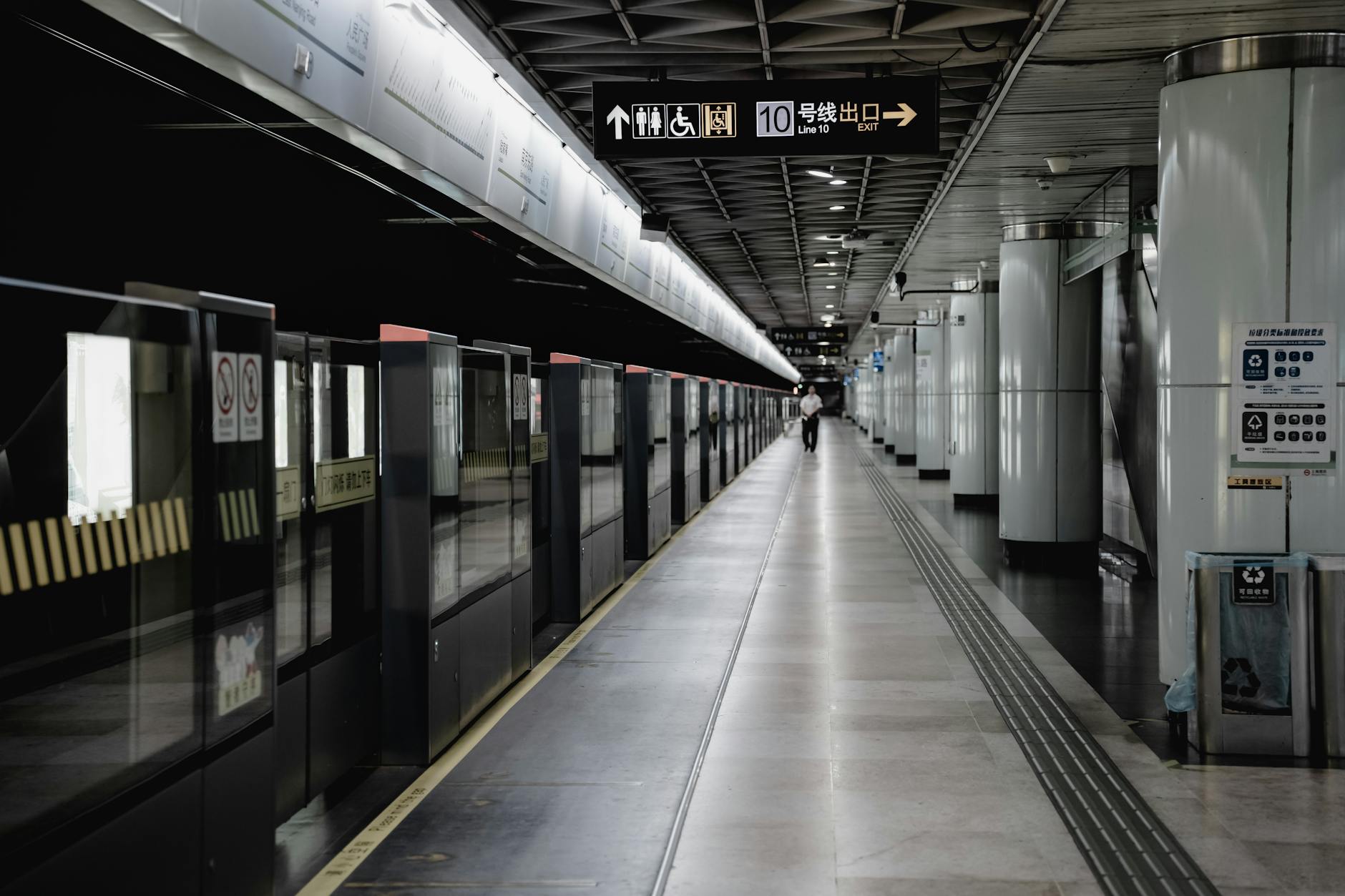
Shanghai is one of the easiest major Chinese cities to navigate, thanks to a world-class metro system, plentiful taxis, and increasingly tourist-friendly payment options.
The Metro
The Shanghai Metro is the backbone of the city’s transport system, with over 20 lines, 500+ stations, and coverage that reaches virtually every tourist attraction. Fares range from ¥3 to ¥9 ($0.40–$1.25) depending on distance, and trains run from approximately 5:30 AM to 10:30 PM. Signage is in Chinese and English, and announcements are bilingual. You can pay by purchasing single-journey tickets at station machines, loading a Shanghai Public Transportation Card (which also works on buses, taxis, and ferries), or using Alipay/WeChat Pay QR codes directly at the turnstiles. During rush hours (7:30–9:30 AM and 5:00–7:00 PM), central stations on Lines 1, 2, and 10 get extremely packed — plan accordingly.
Airport Transfers
Shanghai has two airports: Pudong International Airport (PVG), which handles most international flights at about 50 km from downtown, and Hongqiao Airport (SHA), closer to the city at 15 km and primarily serving domestic routes. From Pudong, the fastest option is the Maglev Train — the world’s fastest commercial rail service at 431 km/h — which reaches Longyang Road metro station in just 8 minutes for ¥50. From there, it’s another 15–20 minutes by metro to the city center. A taxi from Pudong costs approximately ¥170–200 ($23–28) and takes 45–60 minutes depending on traffic. Metro Line 2 runs directly from Pudong Airport to People’s Square in about 67 minutes for ¥7 — the cheapest option by far.
Taxis, DiDi, and Getting by Without Chinese
Taxis are plentiful and relatively cheap (starting fare ¥14, roughly $2), but communication can be a challenge since most drivers speak little to no English. The single most important tip: have your destination written in Chinese characters on your phone. Your hotel can provide a business card with the address in Chinese, or use a translation app. For a smoother experience, download DiDi (China’s equivalent of Uber) — it has an English interface, shows your route on a map, and handles payment digitally so there’s no need to communicate about fares. Both Alipay and WeChat Pay integrate with DiDi, and the app accepts international credit cards through Alipay’s Tourist Pass.
Visa and Entry Requirements
One of the biggest recent changes for Shanghai tourism has been China’s dramatic visa liberalization. As of 2026, there are several ways to visit Shanghai without a traditional visa application:
30-Day Visa-Free Entry: Citizens of 45 countries (including most EU nations, the UK, Australia, New Zealand, and several others) can enter China visa-free for up to 30 days for tourism, business, or transit. This policy has been extended through December 31, 2026, and requires only a valid passport with at least six months’ validity and proof of onward travel.
240-Hour Visa-Free Transit: Citizens of 54 countries (including the United States, Canada, and Brazil) who are transiting through China to a third country can stay for up to 240 hours (10 days) without a visa. You must have a confirmed ticket to a third country within 240 hours and enter/exit through designated ports including both Shanghai airports. This is exceptionally generous for a “transit” allowance and gives you enough time to explore Shanghai thoroughly and even take day trips to nearby cities.
Standard Tourist Visa (L Visa): If your country isn’t covered by the visa-free policies, or you need to stay longer than 30 days, you’ll need to apply for a tourist visa through a Chinese embassy or consulate. Processing typically takes 4–7 business days and costs $140 for US citizens or varies by nationality. Apply well in advance of your trip.
Where to Stay in Shanghai
Shanghai offers accommodation at every price point, from ¥100/night ($14) hostel dorms to ¥10,000+ ($1,400) luxury suites. The key decision is location: which neighborhood best matches your priorities?
For first-time visitors who want to be close to major landmarks, the Bund/Huangpu area or Jing’an are the strongest choices. You’ll have walking access to the Bund, Nanjing Road, People’s Square, and excellent metro connections to everything else. Mid-range hotels in this area run ¥600–1,200/night ($85–170).
For a more atmospheric, lifestyle-oriented experience, the French Concession offers boutique hotels set in restored heritage buildings, surrounded by the city’s best cafes and restaurants. It’s the top neighborhood for couples and food-focused travelers.
Budget travelers can find excellent hostels in Jing’an and the former French Concession for ¥80–180/night ($11–25) for a dorm bed, or private rooms for ¥250–400 ($35–55). The Yu Garden area in the Old Town also offers lower prices while remaining central. For luxury, the Bund is home to some of Asia’s finest hotels: The Peninsula, Waldorf Astoria, and The Shanghai EDITION all offer extraordinary experiences with Huangpu River views.
Shopping in Shanghai
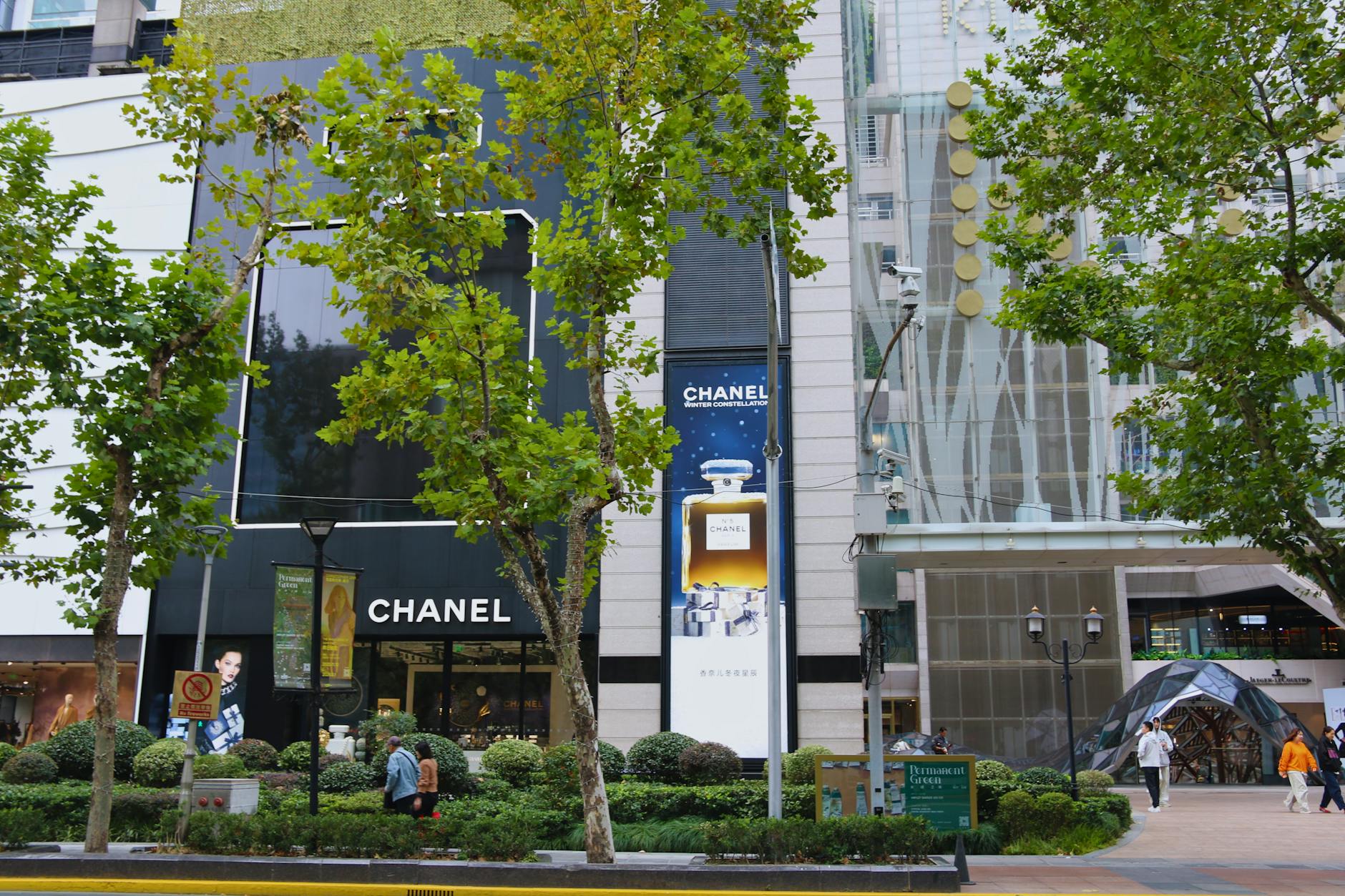
Shopping in Shanghai ranges from high-end luxury to market haggling, with plenty in between. Nanjing Road is the iconic starting point — split into the pedestrianized Nanjing East Road (mass-market stores, department stores, and crowds) and the more upscale Nanjing West Road (luxury malls like Plaza 66 and HKRI Taikoo Hui). For international luxury brands, Huaihai Road in the French Concession is where you’ll find Gucci, Chanel, Louis Vuitton, and the stunning Shanghai IFC Mall.
For more unique shopping, the South Bund Fabric Market is famous for custom tailoring — bring a picture of any garment and skilled tailors will recreate it in the fabric of your choice, often within 24–48 hours at a fraction of Western prices. Tianzifang and the M50 art district are excellent for one-of-a-kind gifts, local art, and handmade crafts. For traditional souvenirs, the Yuyuan Bazaar around Yu Garden sells silk, tea, chopstick sets, Chinese calligraphy tools, and snacks — though prices here are tourist-inflated, so bargain firmly.
When buying tea — one of Shanghai’s best souvenirs — go to reputable shops where you can taste before buying. Avoid anyone on the street who invites you to a “tea ceremony,” as this is Shanghai’s most notorious tourist scam.
Shanghai Nightlife and Entertainment

Shanghai has arguably the best nightlife in mainland China, with a scene that ranges from historic jazz clubs to cutting-edge cocktail bars to massive EDM clubs. The rooftop bar scene is the most essential Shanghai-after-dark experience — FLAIR on the 58th floor of the Ritz-Carlton Pudong offers jaw-dropping views across to the Bund, while The Roof at The Shanghai EDITION and Vue Bar at the Hyatt on the Bund are equally spectacular. These bars typically don’t have a cover charge but cocktails run ¥100–180 ($14–25).
For live music, the Jazz Bar at the Fairmont Peace Hotel on the Bund is an institution — an Art Deco gem where a veteran jazz band has been performing nightly for decades. The Cotton Club and JZ Club offer more intimate live jazz settings. Shanghai’s cocktail and speakeasy scene is world-class, with multiple bars appearing on the Asia’s 50 Best Bars list. Look for hidden entrances, unmarked doors, and bartenders who craft extraordinary drinks.
For something more uniquely Shanghai, a Huangpu River night cruise provides stunning views of both the Bund and Pudong skylines illuminated after dark. Cruises depart from docks near the Bund and typically last 45 minutes to an hour, with tickets starting around ¥120 ($17).
Day Trips from Shanghai
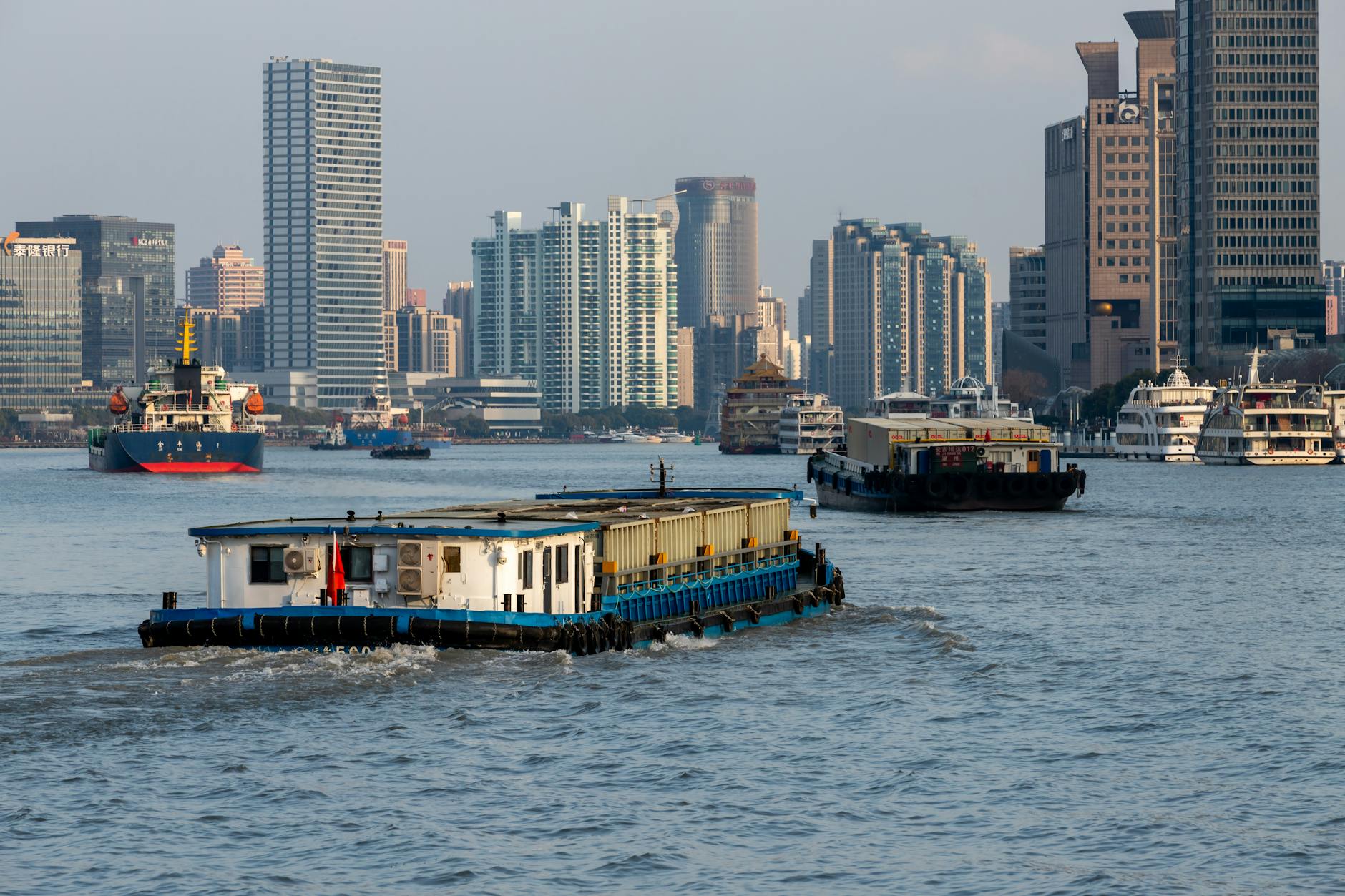
Shanghai’s location in the Yangtze River Delta puts several extraordinary destinations within easy day-trip reach. Zhujiajiao Water Town, just 48 km from downtown (reachable by metro), is the most accessible — a 1,700-year-old canal town with arched stone bridges, waterside lanes, and gondola-style boat rides. It’s the easiest water town to visit independently and can be done in a half-day.
Suzhou, reachable in just 30 minutes by high-speed train, is famous for its UNESCO-listed classical gardens — the Humble Administrator’s Garden and Lingering Garden are among China’s finest. The city’s canal-lined Pingjiang Road is perfect for an afternoon stroll, and silk shopping here is excellent.
Hangzhou, about 60 minutes by bullet train, offers the breathtaking West Lake (a UNESCO World Heritage Site), Longjing tea plantations where you can pick leaves and taste freshly roasted tea, and the ancient Lingyin Temple. As the Chinese saying goes: “Above there is heaven; below there are Suzhou and Hangzhou.”
Other noteworthy day trips include the water towns of Tongli, Wuzhen, and Zhouzhuang, the mountain retreat of Moganshan, and the historically significant city of Nanjing (1.5 hours by high-speed train).
Practical Shanghai Travel Guide Tips for Visitors
Money and Payments
China has largely leapt from cash to mobile payments, skipping credit cards entirely. In Shanghai, Alipay and WeChat Pay are used for virtually everything — from restaurants to taxis to street food vendors. International visitors can now set up Alipay’s Tourist Pass by linking an international credit card, giving you access to the same cashless ecosystem locals use. Download and set this up before your trip. That said, carry some cash (¥500–1,000) for emergencies, small vendors, and as backup when apps occasionally fail. ATMs that accept foreign cards are found in major bank branches and airports.
Internet and Connectivity
China’s “Great Firewall” blocks Google, Gmail, YouTube, Facebook, Instagram, WhatsApp, and many other Western services. If you need access to these, you have two main options: install a VPN before arriving (ExpressVPN and Astrill are popular choices, but reliability varies), or use a foreign SIM card on roaming, which typically routes your data through servers outside China, bypassing the firewall entirely. The second option is more reliable but more expensive. eSIMs from providers like Airalo or Holafly are a convenient middle ground. For a local SIM card with data, visit official China Mobile, China Unicom, or China Telecom counters at the airport — expect to pay ¥100–200 for a tourist SIM with several GB of data.
Safety and Scams
Shanghai is one of the safest major cities in the world for tourists. Violent crime targeting visitors is extremely rare, and walking around at night — even alone — is generally safe across the tourist districts. The main risks are petty theft in crowded areas (keep bags zipped and phones secure on the metro) and scams. The most common scam involves friendly strangers on the Bund or Nanjing Road who strike up conversation in English and then invite you to a “tea ceremony” or “art exhibition” — you’ll end up with a bill for ¥500–5,000+. The rule is simple: never follow a stranger to a second location. Other scams include taxi drivers who refuse to use meters and bars with hidden surcharges. Shanghai’s police emergency number is 110, which has English-language support available.
Language
English proficiency in Shanghai is higher than most Chinese cities but still limited outside of hotels, high-end restaurants, and tourist attractions. Metro signage and announcements are bilingual, and younger Shanghainese often speak some English. For everything else, a translation app is essential — Google Translate (download the Chinese language pack offline before your trip, since Google services are blocked) or Apple Translate both work well. Learning a handful of Mandarin phrases goes a long way: “nǐ hǎo” (hello), “xiè xie” (thank you), “duō shǎo qián” (how much?), and “bù yào” (don’t want/no thanks) will cover most daily interactions.
Essential Apps to Download
Download these apps before arriving in Shanghai: Alipay (payments, metro, DiDi integration), WeChat (messaging, payments, mini-programs for everything), DiDi (ride-hailing), Baidu Maps or Amap (navigation — Google Maps works but isn’t optimized for China), Trip.com (train tickets, hotels, flights), and a VPN of your choice if you need access to blocked services. Having these set up before you land will save you significant frustration on arrival.
Shanghai for Families
Shanghai is an excellent family destination with plenty to keep children of all ages engaged. Shanghai Disneyland is the headline attraction — it’s one of the newest Disney parks in the world, featuring unique rides like the TRON Lightcycle Power Run roller coaster and the largest Disney castle ever built. It’s also notably cheaper than its Orlando and Paris counterparts. Beyond Disney, the Shanghai Science and Technology Museum offers interactive exhibits spanning astronomy, biology, and robotics that children love, while the Shanghai Ocean Aquarium features one of the world’s longest underwater viewing tunnels. Century Park provides green space for kids to run around, and the Shanghai Wild Animal Park is a full-day attraction with safari-style zones.
Practical considerations for families: children’s tickets at most attractions are priced by height rather than age (typically free under 1 meter, reduced under 1.4 meters). Stroller access in the metro is possible but challenging during rush hours. Most international hotels offer family rooms and kids’ clubs, and chain restaurants in malls are reliably child-friendly.
Culture and Etiquette
Understanding a few cultural norms will enhance your Shanghai experience. Tipping is not part of Chinese culture — in fact, attempting to tip at most local restaurants or in taxis may cause confusion. High-end international hotels are the only exception where tips are sometimes accepted. When receiving or giving business cards, gifts, or items, use both hands as a sign of respect. At meals, dishes are shared family-style in the center of the table; it’s polite to serve others before yourself and to leave a bit of food on the plate (an empty plate can imply the host didn’t order enough).
Chopstick etiquette matters: never stick chopsticks upright in a bowl of rice (this resembles funeral incense offerings), don’t point with them, and don’t use them to spear food. When invited to drink at a meal, raise your glass with both hands and try to clink your glass below the rim of the other person’s glass as a gesture of humility.
Shanghai is a modern, cosmopolitan city, and locals are generally patient and helpful with tourists — even when language is a barrier. A smile, a polite “nǐ hǎo,” and genuine curiosity about local culture will open doors everywhere you go.
Suggested Shanghai Travel Guide Itineraries
Not sure how many days you need? Here’s a quick framework to help you plan:
1 Day (Layover): The Bund → Yu Garden → Nanjing Road → Pudong skyline at night. This hits the iconic highlights and is achievable even on a tight transit visa.
3 Days (First-Timer Essentials): Day 1: The Bund, Yu Garden, Old Town, Nanjing Road. Day 2: French Concession walking tour, Tianzifang, Jing’an Temple, evening rooftop bar. Day 3: Shanghai Tower, Pudong promenade, Huangpu River cruise. This covers the core Shanghai experience at a comfortable pace.
5 Days (With Day Trips): Add a day trip to Zhujiajiao Water Town and a high-speed train excursion to Suzhou or Hangzhou. The extra days also let you explore museums, markets, and food streets more deeply.
7+ Days (Deep Dive): A week gives you time for Shanghai Disneyland, multiple day trips, deeper neighborhood exploration, cooking classes, and the kind of unhurried eating and wandering that reveals Shanghai’s true character.
Frequently Asked Questions About Visiting Shanghai
Is Shanghai expensive to visit?
Shanghai is China’s most expensive city, but it’s still very affordable compared to Tokyo, Singapore, or Hong Kong. Budget travelers can get by on $50–80/day (including a hostel bed, street food, and metro travel), mid-range travelers should budget $100–200/day, and luxury travelers will spend $300+ daily. Local food is remarkably cheap — a filling street food meal costs ¥15–30 ($2–4), and even sit-down restaurants rarely exceed ¥100 ($14) per person for excellent food.
Is Shanghai safe for solo travelers?
Yes. Shanghai is one of the safest cities in the world for solo travelers, including solo women. The main precautions are the standard urban travel basics: be aware of your surroundings in crowded areas, don’t follow strangers, and use legitimate transport options. The low crime rate, excellent public transport, and high level of surveillance in public areas make Shanghai remarkably safe for independent exploration at all hours.
Do I need a VPN in Shanghai?
If you rely on Google, Gmail, WhatsApp, Instagram, Facebook, or YouTube, yes — all of these are blocked in China. Install a VPN before you arrive, as VPN provider websites are also blocked within China. Alternatively, a foreign SIM card on international roaming typically bypasses the firewall without needing a VPN.
How many days do you need in Shanghai?
Three days is the sweet spot for first-time visitors to cover the essential highlights. Five days allows for day trips to water towns or nearby cities. Seven or more days lets you truly immerse yourself in the food, neighborhoods, and culture at a relaxed pace.
Can I get by with English in Shanghai?
You can manage, but it takes some preparation. Hotels, high-end restaurants, and major attractions generally have English-speaking staff. Metro signage is bilingual. However, taxi drivers, local restaurants, and smaller shops rarely speak English. Having your hotel address in Chinese, a translation app, and a few basic Mandarin phrases will smooth out most communication challenges.
Shanghai is a city that rewards both careful planning and spontaneous discovery. Use this guide as your foundation, explore our detailed articles on each topic linked throughout, and get ready for one of Asia’s most thrilling travel experiences.