A Shanghai to Nanjing day trip swaps the commercial capital for one of China’s great historic ones. Nanjing was the imperial seat under six dynasties and the Republic of China’s capital from 1912 to 1949, and it still wears all of it — 33 km of Ming city wall, an emperor’s tomb on a wooded mountain, a Republican presidential compound, and the country’s most affecting war memorial. It is 301 km away and the fastest train does it in under an hour. It is also the most demanding of the standard day trips out of Shanghai, and this guide is honest about that: what to see, what it costs, which three sites shut on Mondays, and when you should just stay the night instead.
Table of Contents
- Why Take a Shanghai to Nanjing Day Trip?
- Getting There: Trains and Tickets
- Nanjing’s Two Stations and the Metro
- Reservations and Monday Closures
- Top Sights Compared
- Ming-Era Sites
- Republican Nanjing
- Nanjing Massacre Memorial
- What to Eat
- Two One-Day Itineraries
- What a Day Trip Costs
- Should You Stay the Night?
- Common Mistakes
- Practical Tips
- Frequently Asked Questions
Why Take a Shanghai to Nanjing Day Trip?
Nanjing — literally “southern capital” — is a city of around nine million in Jiangsu province, and it is the place to go if what you want from China is history you can walk on rather than history behind glass.
- 33 km of Ming city wall, built between 1366 and 1393 and the longest surviving in the world. You climb it and walk along the top
- The Ming Xiaoling Mausoleum — the first Ming emperor’s tomb, UNESCO-listed, approached along a sacred way of stone elephants and camels
- The Presidential Palace — the working seat of Republican government, with Chiang Kai-shek’s office preserved
- The Nanjing Massacre Memorial Hall — the most serious historical museum in eastern China
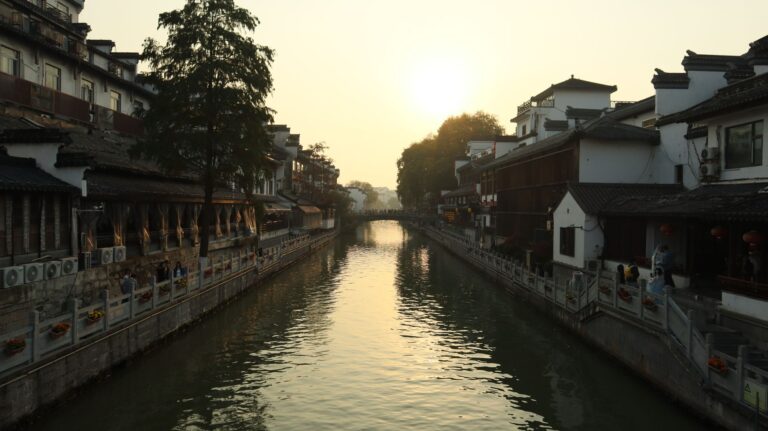
- The Confucius Temple and Qinhuai riverfront — lantern-lit canal quarter, best after dark
- Nanjing Museum — one of China’s largest, free, with a recreated Republican-era street in the basement
- Purple Mountain — a forested hill holding the mausoleums, Linggu Temple and an observatory
Compared with the other options in our day trips from Shanghai guide, Nanjing is the historical heavyweight. Suzhou gives you gardens 25 minutes away; Hangzhou gives you a lake. Nanjing gives you six dynasties and a twentieth century, and asks for a 15-hour day in return.
Getting There: Trains and Tickets
More than 300 pairs of high-speed trains run the Shanghai–Nanjing corridor daily, spanning roughly 06:27 to 22:05. This is one of the busiest rail routes on earth and the practical effect is that you barely need to plan around a timetable — you plan around your own morning.
| Option | Journey time | Cost (one way) | Verdict |
|---|---|---|---|
| G-train, second class | 59 min to ~1h40 | ¥110–212 | The right answer. ¥140 is typical on a mid-speed service |
| G-train, first class | Same | ¥175–337 | Worth it on a packed holiday train, otherwise not |
| G-train, business class | Same | ¥428–672 | No |
| D-train, second class | ~2h | ¥104–144 | Barely cheaper, notably slower. Skip |
| Flight | ~1h in the air | Varies | Slower door to door once you add airports |
| Driving | 3.5 h each way | Fuel plus tolls | Seven hours of expressway for nothing gained |
| Organised tour | Full day | ¥800–1,500 pp | Buys you an English guide and no logistics |
Booking the train
Two ways, and both now work properly for foreign passport holders.
- The 12306 app — China Railway’s own system, with a full English mode. You can register on a passport alone, no Chinese phone number needed, and there is no booking fee. Scan your passport rather than typing your name; mismatches cause trouble at the gate
- Trip.com — the same face-value fare with a small service charge, an English interface throughout and more forgiving handling of foreign cards
Seats release 14 days before departure. Nothing can be booked earlier, so the advice to “book two weeks ahead” is really advice to book on the first day inventory exists. For an ordinary weekday that is unnecessary — walk-up seats are usually available. For a Saturday, or anything near a public holiday, book at release.
Boarding is paperless. Tap your passport on the orange reader at the gate and go through; there is no ticket to collect. Arrive at Hongqiao 40 minutes before departure — the station is enormous, security queues are real, and gates close about five minutes before the train leaves. Our essential apps guide covers what else to install first.
Nanjing’s Two Stations and the Metro
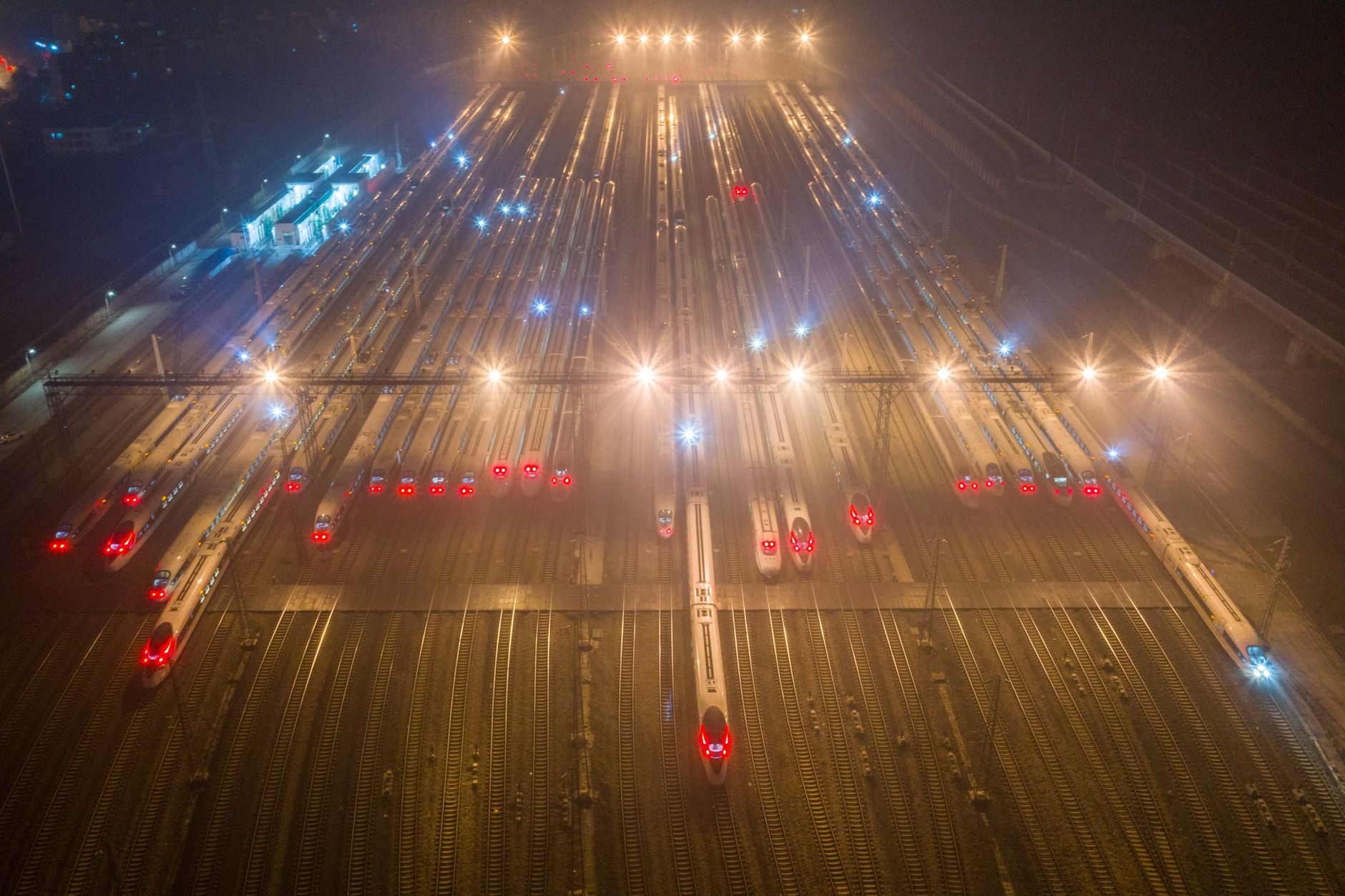
Trains from Shanghai arrive at one of two stations, and which one you get determines your morning.
- Nanjing South (南京南站) — the modern high-speed hub in the south of the city, and where most Shanghai services terminate. Metro Lines 1, 3, 6, S1 and S3 all meet here
- Nanjing Railway Station (南京站) — the older station on the north side by Xuanwu Lake, served by Metro Lines 1 and 3. Fewer Shanghai trains, but a shorter walk to the lake
The thing worth knowing before you arrive: Metro Line 3 runs directly from Nanjing South through Fuzimiao (Confucius Temple) to Daxinggong (Presidential Palace) and on to Nanjing Railway Station. One line, no changes, connecting your arrival point to two of the three sites you probably came for. That single fact reorganises most people’s itinerary.
Line 2 does the same job for the eastern sites: Yunjinlu for the Massacre Memorial at the western end, then Xinjiekou, Daxinggong (interchange with Line 3), Minggugong for Nanjing Museum, and Muxuyuan and Xiamafang for Purple Mountain. Between Lines 2 and 3 you can reach everything in this guide without a taxi.
Fares are ¥2–7 depending on distance. Pay by scanning Alipay or WeChat at the gate exactly as you would in Shanghai — see our Alipay and WeChat Pay guide. Your Shanghai transport card does not work in Nanjing.
Reservations and Monday Closures
This is the section that saves the trip. Three of Nanjing’s best sites are free, and all three make you book in advance through a Chinese-language WeChat account. Two of them, plus a third, close on Mondays.
| Site | Cost | Booking | Closed |
|---|---|---|---|
| Nanjing Massacre Memorial Hall | Free | WeChat, 1–7 days ahead; slots release daily at 08:00 | Mondays (except statutory holidays) |
| Nanjing Museum | Free | Website or WeChat; passport at the visitor centre | Mondays |
| Sun Yat-sen Mausoleum | Free | WeChat account or QR code at the gate | Mondays for maintenance |
| Ming Xiaoling Mausoleum | ¥70 | Buy at the gate | Open daily |
| Presidential Palace | ¥40 | Buy at the gate | Open daily |
| Zhonghua Gate city wall | ¥50 | Buy at the gate | Open daily |
Do not do this day trip on a Monday. You would lose the memorial, the museum and the mausoleum in one stroke and be left with the paid sites only. Tuesday to Thursday is the sweet spot: everything open, no weekend crowds, train seats available.
If your Chinese is nonexistent, the reservation systems are still navigable with your phone’s translate camera, and a hotel concierge in Shanghai will often make the bookings for you if you ask the day before. Failing that, build the day around Ming Xiaoling, Zhonghua Gate and the Presidential Palace, all of which sell tickets on the door.
Top Sights Compared
You will not do all of these in a day. Pick four.
| Sight | Cost | Time needed | Nearest metro |
|---|---|---|---|
| Ming Xiaoling Mausoleum | ¥70 | 90 min | Line 2, Muxuyuan or Xiamafang |
| Sun Yat-sen Mausoleum | Free, booked | 90 min | Line 2, Muxuyuan |
| Presidential Palace | ¥40 | 2 h | Line 2 or 3, Daxinggong |
| Massacre Memorial Hall | Free, booked | 2 h | Line 2, Yunjinlu, Exit 2 |
| Nanjing Museum | Free, booked | 2–3 h | Line 2, Minggugong |
| Zhonghua Gate (city wall) | ¥50 | 60–90 min | Line 1, Zhonghuamen |
| Confucius Temple quarter | Free to walk | 2 h | Line 3, Fuzimiao |
| Qinhuai River boat | ¥80–120 | 40–50 min | Line 3, Fuzimiao |
| Linggu Temple | ¥35 | 60 min | Line 2, Xiamafang |
Ming-Era Sites
Ming Xiaoling Mausoleum
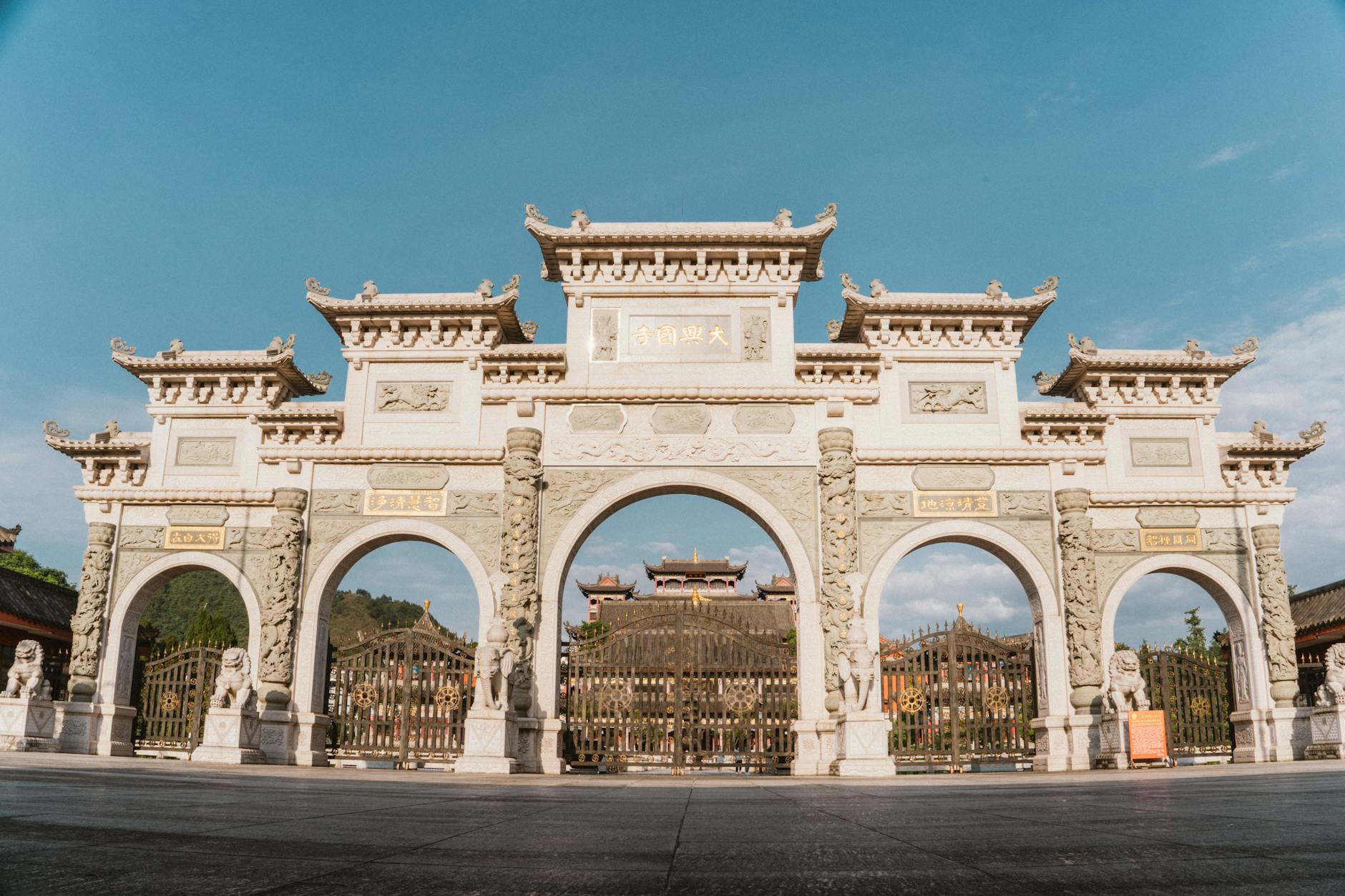
The tomb of Zhu Yuanzhang, the Hongwu Emperor (1328–1398), the peasant-born founder of the Ming dynasty. UNESCO-listed and the template for every imperial Ming tomb that followed, including the ones outside Beijing. The approach is the point: a curving Sacred Way lined with paired stone lions, camels, elephants and mythical qilin, then a second avenue of ministers and generals, before the mound itself.
¥70 adults, ¥35 for children 1.2–1.5m. Open 08:00–18:00, daily. A mini-train runs within the scenic area for ¥3, free with an entrance ticket, and sightseeing buggies cost about ¥10. Allow 90 minutes, more if you walk the whole Sacred Way rather than riding it — and you should, because it is the best half hour in Nanjing.
The Nanjing City Wall
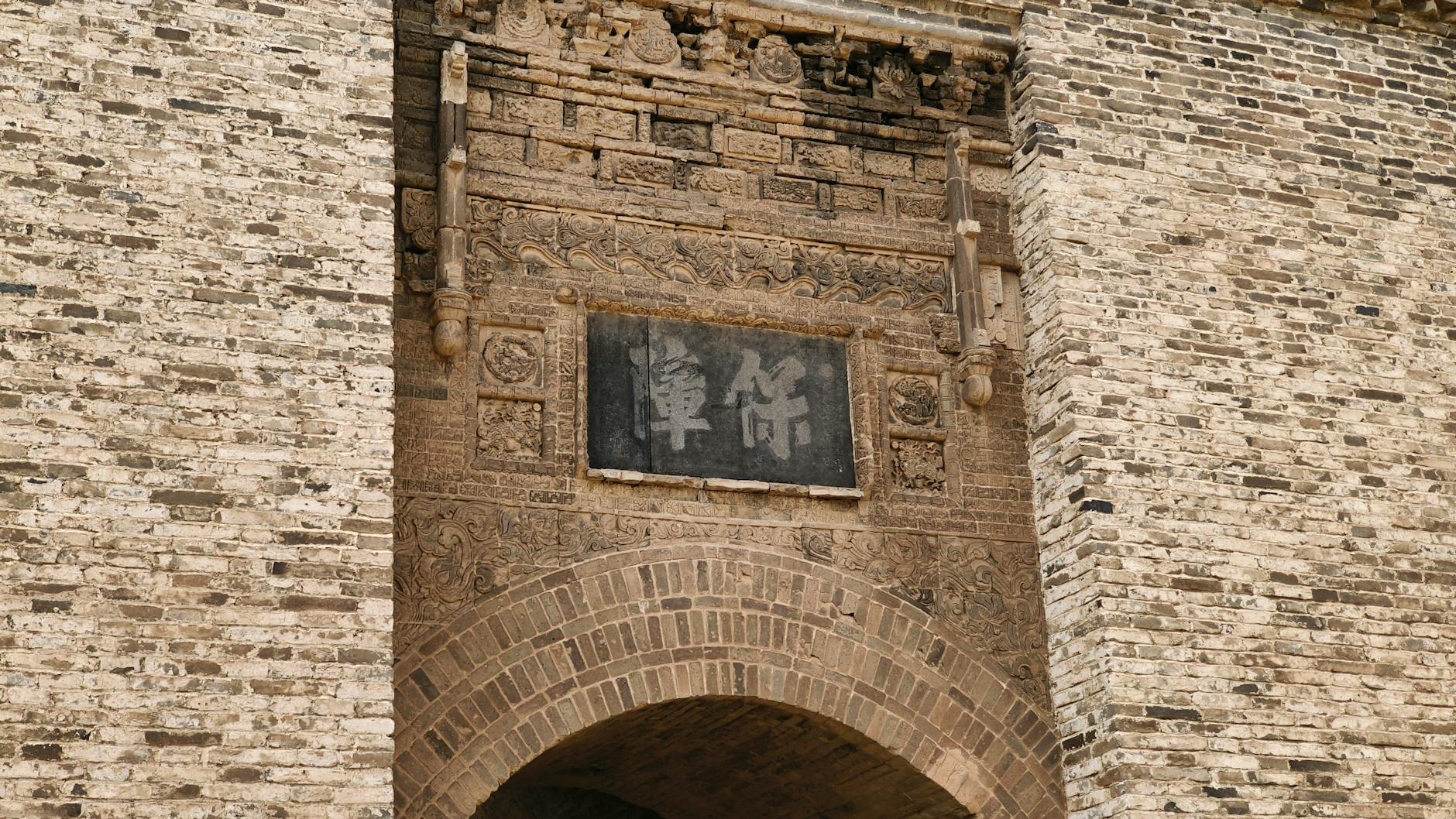
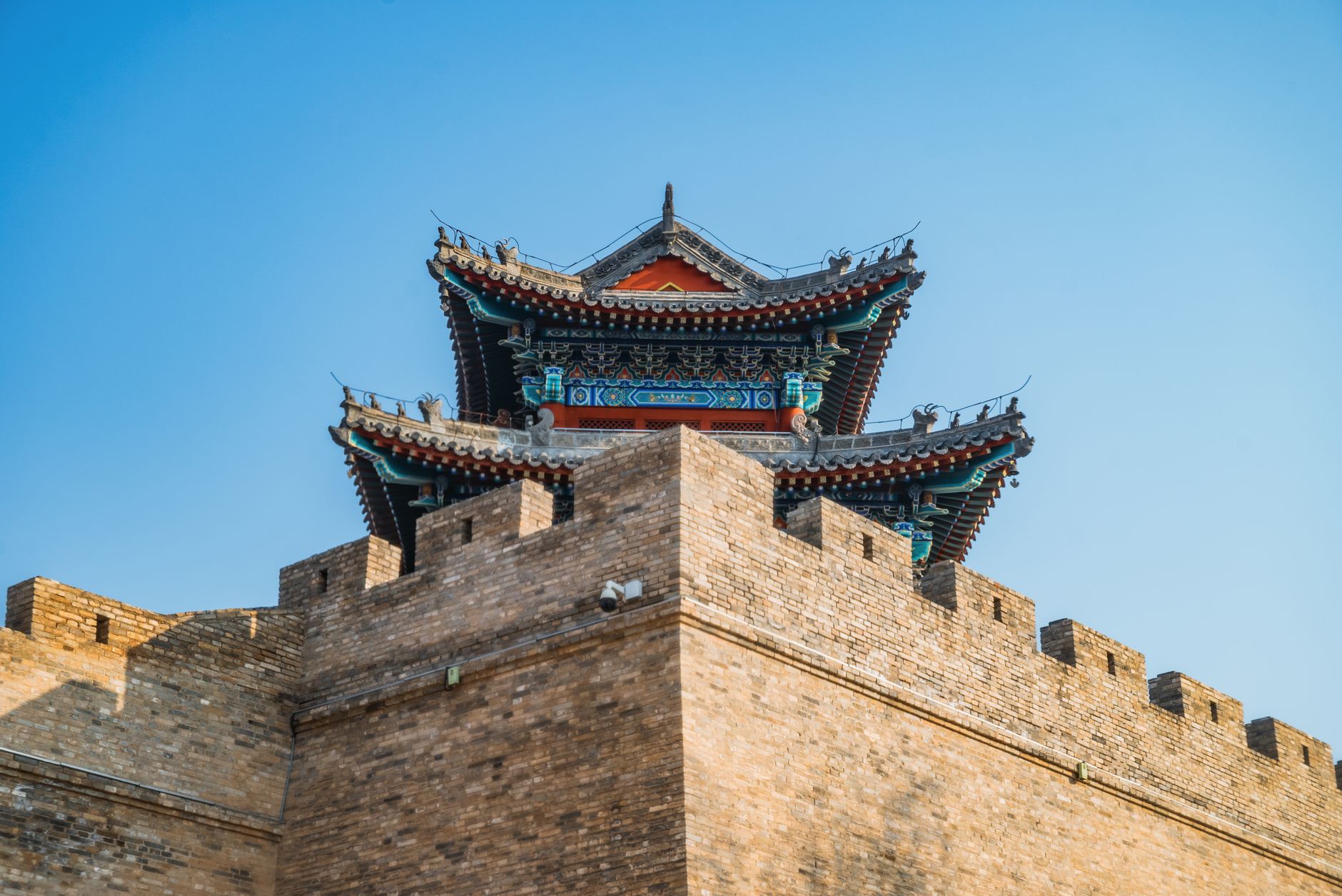
Thirty-three kilometres of it survive, built over 27 years from 1366 and made from bricks stamped with the names of the kilns and foremen responsible — an early and unforgiving quality-control system, still legible if you look.
Zhonghua Gate in the south is the section to climb: a fortress gate with three courtyards and 27 vaulted chambers built into the structure, where troops were once concealed. Entry to the Dongshuiguan–Jiqingmen stretch that includes it is ¥50, and the north gate ticket office at Zhonghua Gate sells into the evening, which makes a lit night visit possible. Metro Line 1 to Zhonghuamen. Other sections are cheaper: Shence Gate to Taiping Gate is ¥30, and the short Zhongshan Gate stretch is ¥5. Students and over-60s pay half; over-70s and under-18s go free.
Zhonghua Gate is about a 20-minute walk from the Confucius Temple quarter, so the two pair naturally into one late afternoon.
Republican Nanjing
Presidential Palace
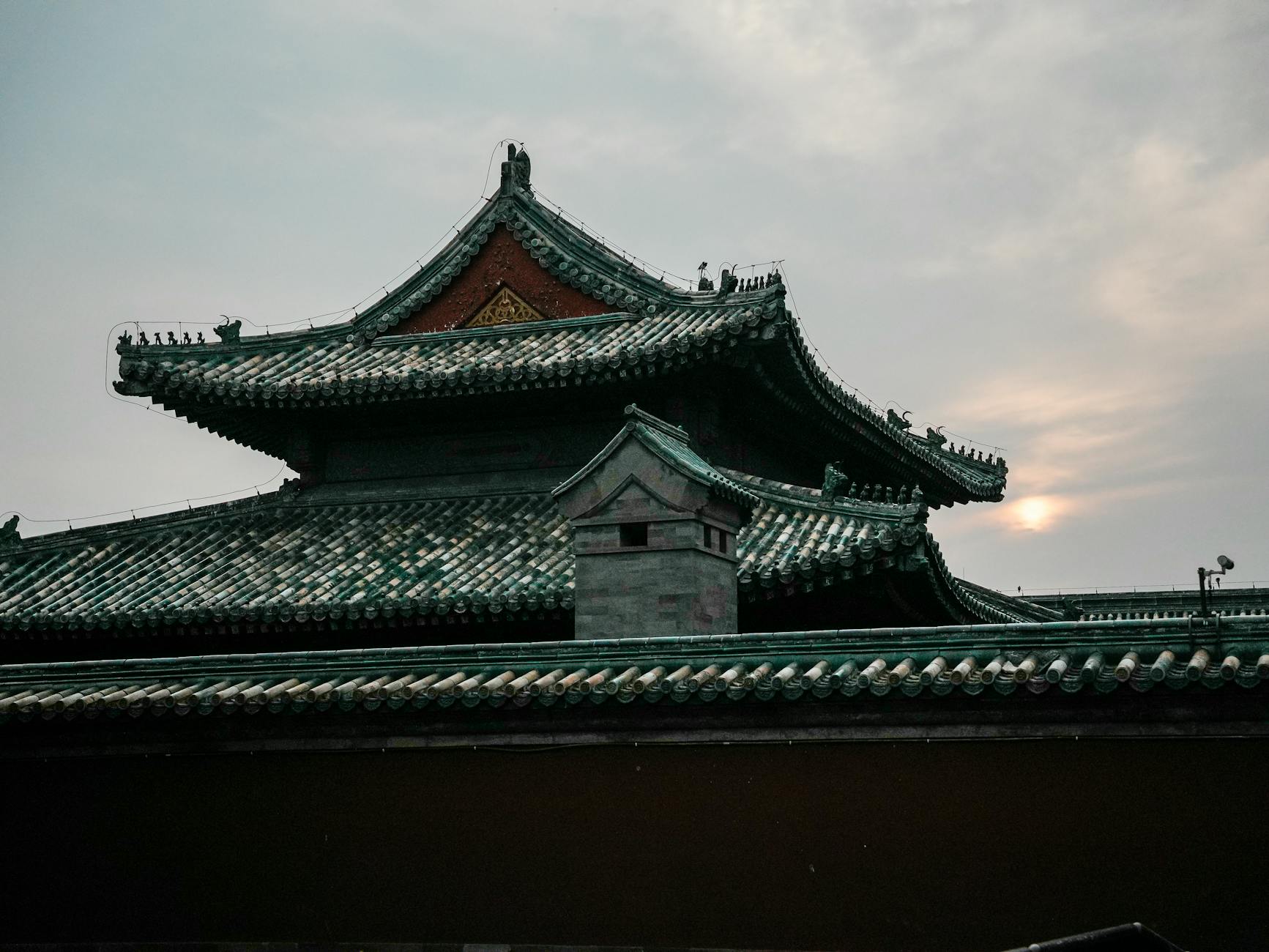
292 Changjiang Road, Metro Line 2 or 3 to Daxinggong. This compound ran China’s government for most of the Republican period, and before that housed the Taiping Heavenly Kingdom’s palace and a Qing viceroy’s office. What makes it good is the layering: a classical Chinese garden at the back, Western-style Republican offices at the front, and Chiang Kai-shek’s desk left as it was.
¥40. Open 08:30–18:00, last admission 17:00. Allow two hours; three if you read the exhibits properly. It is the single most rewarding paid site in the city for anyone interested in modern Chinese history.
Sun Yat-sen Mausoleum
On the southern slope of Purple Mountain, reached from Muxuyuan on Line 2 plus a shuttle or a 15-minute walk. Free, but you must reserve through the official WeChat account or by scanning the QR code at the entrance. Open 08:00–17:00, closed Mondays for maintenance except on public holidays and Sun Yat-sen’s birth and death anniversaries; the burial chamber itself opens Tuesday to Friday only.
The ascent is 392 granite steps broken into ten platforms — designed so that looking up you see only steps, and looking back only platforms. It is a genuine climb and a national pilgrimage site, so expect company. The view back over the city from the top is the payoff. Allow 90 minutes.
Nanjing Museum
321 Zhongshan East Road, Metro Line 2 to Minggugong. Free with advance booking via the museum’s website or WeChat account; foreign visitors collect tickets at the visitor centre with a passport. Open 09:00–17:00, last admission 16:30, closed Mondays.
The headline object is a gilded Ming-dynasty Tibetan-style pagoda, but the room people remember is the recreated Republic of China street in the basement — a full-scale 1930s streetscape with a working post office and period shops. Allow two to three hours, or 45 minutes if you go straight for the pagoda and the street. If museums are your thing, our guide to the best museums in Shanghai makes a useful comparison.
Nanjing Massacre Memorial
The Memorial Hall of the Victims in the Nanjing Massacre by Japanese Invaders commemorates the killings that followed the city’s fall in December 1937. It is built over a mass grave site, and the excavated remains are part of the display.
- Free entry, with a real-name reservation required. Book 1–7 days ahead through the WeChat official account; each day’s slots release at 08:00
- Passports are accepted as identification for the booking and at the door
- Open 08:30–17:30, last admission 16:30. Closed Mondays except on statutory holidays
- 418 Shuiximen Street, Metro Line 2 to Yunjinlu, Exit 2
- Allow two hours. Rushing it is worse than not going
- Behave accordingly — quiet, no photography in the memorial halls where signed, modest dress. Staff will and do intervene
Two honest notes: it is not suitable for children under about 12, and the framing is national and unambiguous rather than academic. It remains one of the most powerful museums in East Asia, and most visitors find it the part of the day they think about afterwards.
What to Eat
Nanjing is a duck city. The local claim is that residents get through hundreds of millions of them a year, and after a day here you believe it.
- Salted duck (盐水鸭) — the signature dish. Brined, poached, served cold and sliced on the bone. Delicate rather than rich, and it is the thing to try first
- Duck blood and vermicelli soup (鸭血粉丝汤) — around ¥25 a bowl, sold everywhere, and better than the name suggests to anyone who eats black pudding
- Pressed cured duck (板鸭) — vacuum-packed and sold as a gift; the standard thing to carry home
- Nanjing tangbao (汤包) — soup dumplings, larger and thicker-skinned than Shanghai’s xiaolongbao. Different animal, not a worse one
- Confucius Temple food street — snack stalls, quality variable, atmosphere excellent after dark
For a sit-down meal, Sifang Lao Wan is the reliable duck chain and there are branches across the city. Budget ¥80–150 per person for a proper lunch, or ¥30–50 for a bowl of noodles and a soup. If you want the contrast with home, our Shanghai food guide lays out how different the Shanghainese kitchen is.
The Confucius Temple and Qinhuai River
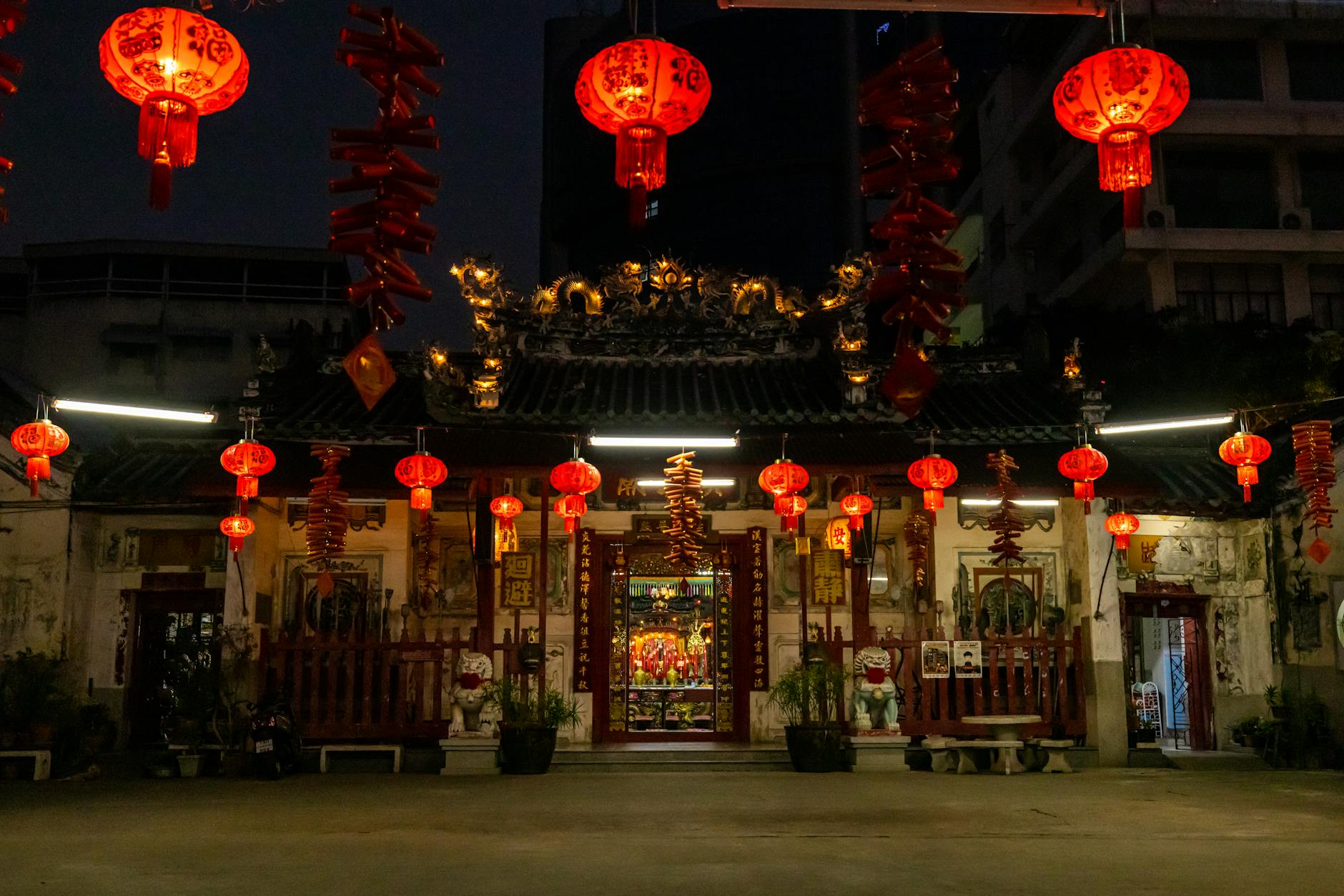
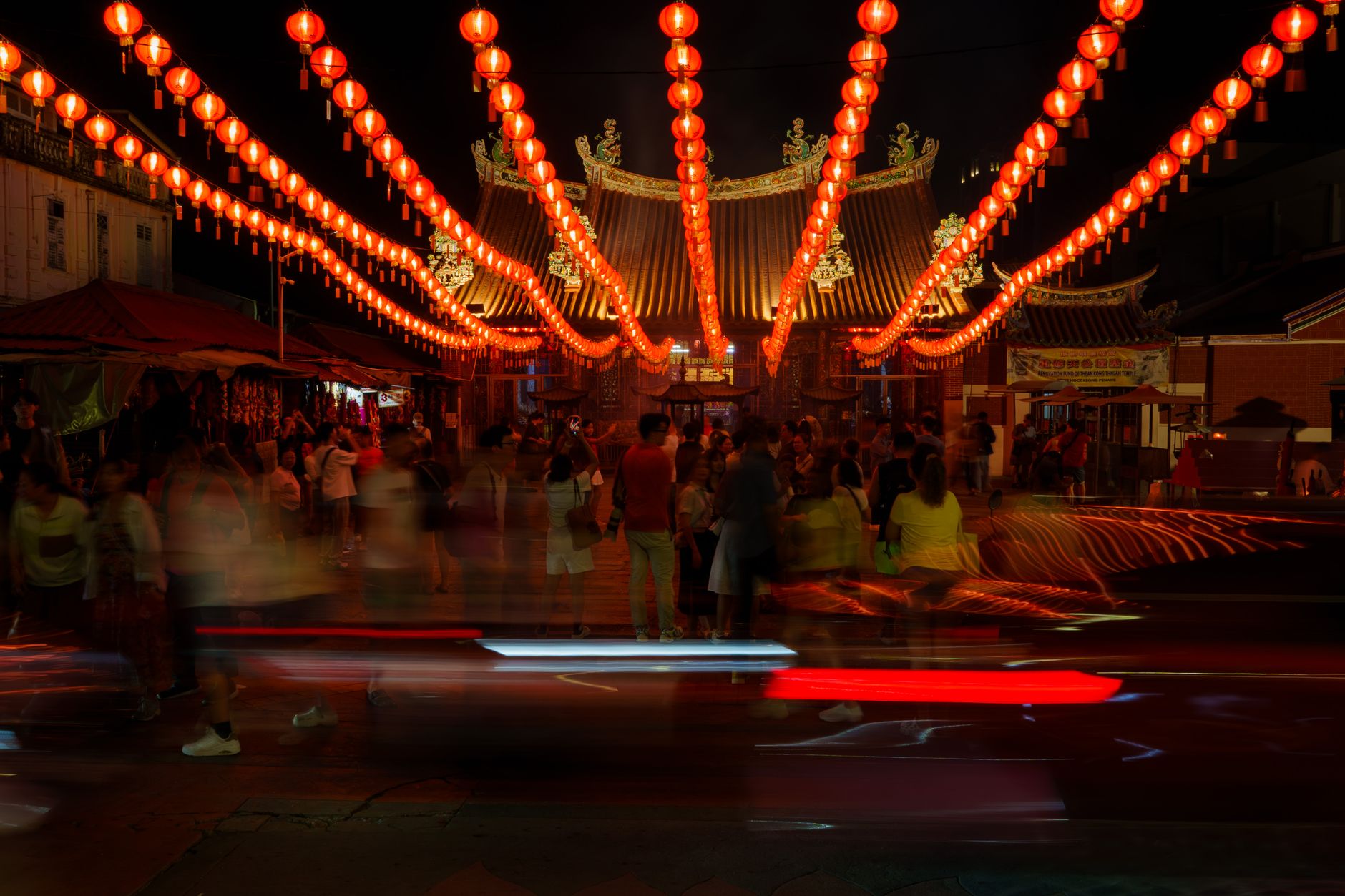
The Fuzimiao quarter is free to walk through and best from dusk, when the lanterns come on along the canal. The temple’s Dacheng Hall costs ¥30 and the Imperial Examination Museum, built into the old Jiangnan examination halls where candidates were sealed into cells for days, runs about ¥40–50 and is the more interesting of the two.
Boats on the Qinhuai run 40–50 minutes for roughly ¥80–100 by day and ¥100–120 at night, with online pre-booking usually a little cheaper. The inner Qinhuai route through the temple quarter is the one to take first; the outer route follows the moat outside the Ming wall.
Two One-Day Itineraries
Choose by what you care about. Both assume a Tuesday to Thursday departure and both end on the last comfortable train back.
Option A: Purple Mountain and the Republic
- 06:45 Leave your Shanghai hotel; Hongqiao by 07:30
- 08:00 G-train to Nanjing South, ¥140
- 09:20 Arrive; Line 3 to Daxinggong, change to Line 2 east for Muxuyuan
- 10:00 Ming Xiaoling Mausoleum and the Sacred Way, 90 min, ¥70
- 11:45 Sun Yat-sen Mausoleum, 90 min, free with booking
- 13:30 Late lunch near Xiamafang or back at Daxinggong, ¥80
- 15:00 Presidential Palace, 2 h, ¥40
- 17:15 Line 3 south to Fuzimiao; walk the Confucius Temple quarter
- 18:30 Dinner on the food street or a proper duck restaurant
- 20:00 Line 3 back to Nanjing South, 20 min
- 20:45 Train to Shanghai; Hongqiao around 22:15
Option B: The historical core, no mountain
- 07:00 Hongqiao; 07:30 train, arriving Nanjing South about 08:50
- 09:20 Line 3 then Line 2 to Yunjinlu for the Massacre Memorial, 2 h, free with booking
- 11:45 Line 2 east to Minggugong; lunch nearby
- 13:00 Nanjing Museum, 2 h, free with booking
- 15:30 Line 2 to Daxinggong for the Presidential Palace, 2 h, ¥40
- 17:45 Line 3 to Fuzimiao, or Line 1 to Zhonghuamen for the wall at dusk, ¥50
- 19:00 Qinhuai boat, 45 min, ¥100–120
- 20:15 Dinner, then Line 3 to Nanjing South
- 21:30 Train back; Shanghai by about 23:00
Option A is the better first visit. Option B is heavier going and needs two advance bookings, but it is the one that leaves a mark.
What a Shanghai to Nanjing Day Trip Costs
| Item | Budget | Comfortable |
|---|---|---|
| Return train, second class | ¥220 | ¥280 |
| Nanjing metro, all day | ¥20 | ¥25 |
| Entry fees | ¥70 (one paid site) | ¥160 (three paid sites) |
| Lunch | ¥35 | ¥100 |
| Dinner | ¥50 | ¥150 |
| Qinhuai boat | skip | ¥110 |
| Taxis within Nanjing | none | ¥60 |
| Total per person | ≈¥395 | ≈¥885 |
The organised tours at ¥800–1,500 therefore charge roughly the comfortable-independent price plus a guide. That is fair value if you want the history explained in English, and poor value if you are happy reading captions. For how this fits a wider budget, see how much a Shanghai trip costs.
Should You Stay the Night?
Probably, if you can spare it. The day trip works — thousands do it every week — but it costs 15 hours to see four things, and the best two hours in Nanjing are the ones after dark on the Qinhuai, which a day trip forces you to cut short for a train.
An overnight adds Xuanwu Lake in the early morning, the Zifeng Tower observation deck, the Six Dynasties Museum and a proper evening, and hotel rates run well below Shanghai’s. Our 10-day Shanghai, Suzhou and Hangzhou itinerary and the weekend getaway guide both handle the maths better than one long day does. Do it as a day trip if time is short; stay over if Nanjing is the reason you came east.
Common Mistakes
- Going on a Monday. The memorial, the museum and the Sun Yat-sen Mausoleum all close. This is the single biggest planning error on this route
- Not booking the free sites. Free does not mean walk-in. Three of the best need a reservation made days ahead
- Trying to book trains a month out and concluding the route is sold out. Inventory opens 14 days before departure and not a minute earlier
- Arriving at the wrong Shanghai station. Almost everything leaves from Hongqiao, but a handful of services use Shanghai Station. Check the ticket
- Taxiing everywhere. Lines 2 and 3 reach every site in this guide, and Nanjing traffic is not fast
- Underestimating Purple Mountain. Ming Xiaoling to Sun Yat-sen is a real walk on a real hill, in addition to 392 steps
- Going during a national holiday. Trains sell out, sites cap admissions and the wall queues become absurd — see our festivals and events calendar for the dates to dodge
- Leaving the Confucius Temple until you are exhausted. It is the one part that is better at night, so plan the energy for it
Practical Tips
- Carry your passport — needed for the train gate, both free museums and any hotel
- Set up mobile payment before you go. Nanjing is as cashless as Shanghai; see our money guide
- Best seasons are April–May and September–October. Nanjing is one of China’s “furnace” cities in July and August, regularly over 35°C, and late November brings ginkgo colour to Purple Mountain
- Download offline maps. Scenic-area paths are poorly signed in English — our language guide covers the translate tools that help
- Wear proper shoes. A full day here is 15,000 steps plus 392 more
- Buy the return train before you leave Shanghai, and pick a departure an hour later than you think you need
- The city wall at dusk photographs better than anything else in Nanjing; the photography guide covers the low-light basics
- Travelling with small children? This is a long, walking-heavy day — Shanghai with toddlers suggests gentler alternatives
Frequently Asked Questions
Is Nanjing worth visiting from Shanghai?
Yes, for anyone interested in Chinese history. Nothing else within 90 minutes of Shanghai has Ming imperial tombs, a surviving 33 km city wall and a Republican seat of government in one place. If gardens or lakes appeal more, Suzhou and Hangzhou are closer and easier.
How do I get from Shanghai to Nanjing?
High-speed train from Shanghai Hongqiao to Nanjing South. The fastest take 59 minutes and most run 70–100 minutes. Second-class fares are ¥110–212, typically around ¥140, with more than 300 pairs of trains a day from about 06:27 to 22:05.
Can I really see Nanjing in one day?
You can see four things properly. Pick either Purple Mountain plus the Presidential Palace, or the Massacre Memorial plus Nanjing Museum plus the Presidential Palace. Attempting both halves in one day means seeing neither.
Which day of the week is best?
Tuesday to Thursday. Avoid Mondays entirely — the Massacre Memorial, Nanjing Museum and Sun Yat-sen Mausoleum all close. Weekends bring domestic crowds and tighter train availability.
Do I need to book Nanjing’s museums in advance?
Yes for the free ones. The Massacre Memorial takes reservations 1–7 days ahead through its WeChat account, with slots released at 08:00 daily; Nanjing Museum books through its website or WeChat; the Sun Yat-sen Mausoleum needs a reservation too. Paid sites sell tickets at the gate.
How much does a day trip to Nanjing cost?
About ¥395 per person done frugally, or roughly ¥885 comfortably, including return train, metro, entry fees and two meals. Organised tours run ¥800–1,500 and add an English-speaking guide.
What is the most famous food in Nanjing?
Salted duck (盐水鸭) — brined, poached and served cold. Duck blood and vermicelli soup at around ¥25 a bowl is the everyday comfort food, and pressed cured duck is the standard thing to take home.
Should I visit the Nanjing Massacre Memorial?
Yes, if you are prepared for it. Free with a booking, two hours, closed Mondays, and not suitable for children under about 12. It is the site most visitors remember longest.
How do I get around Nanjing?
The metro. Line 3 runs from Nanjing South to the Confucius Temple and the Presidential Palace; Line 2 covers the Massacre Memorial, Nanjing Museum and Purple Mountain. Fares are ¥2–7 and you pay by QR code. Your Shanghai transport card will not work.
How long is the Nanjing City Wall?
Thirty-three kilometres survive of a wall built from 1366 to 1393 — the longest preserved city wall in the world. Climb it at Zhonghua Gate for ¥50, reached by Metro Line 1 to Zhonghuamen. Allow 60–90 minutes.
Is Nanjing safe for tourists?
Yes, as safe as Shanghai, which is to say very. It sees far fewer foreign visitors, so expect less English and more curiosity. Standard sense about taxis and ticket touts applies.
Can I combine Nanjing with Suzhou and Hangzhou?
Yes — all four cities sit on the same high-speed network within about two hours of each other. See our 10-day itinerary for a route that gives Nanjing the overnight it deserves.
Plan More Day Trips
Combine with our pillar guides on day trips from Shanghai, Suzhou day trip, and Hangzhou day trip. Visitor rules and reservation details are published by the Memorial Hall of the Victims in the Nanjing Massacre and the Nanjing City Wall, and for background see Nanjing on Wikipedia.