Most travelers don’t realise that just 200 km west of Shanghai sits a green mountain hideaway: Moganshan (莫干山), once the summer escape of 1920s Shanghai elites and missionaries, now a thriving cluster of boutique hotels, bamboo forests, and hiking trails. A Moganshan day trip from Shanghai (or better, an overnight) delivers a sharp contrast from city life — cool air, deep silence, restorative greenery. This 2026 guide covers exactly how to get there, where to stay, what to do, and how to plan the perfect Moganshan escape.
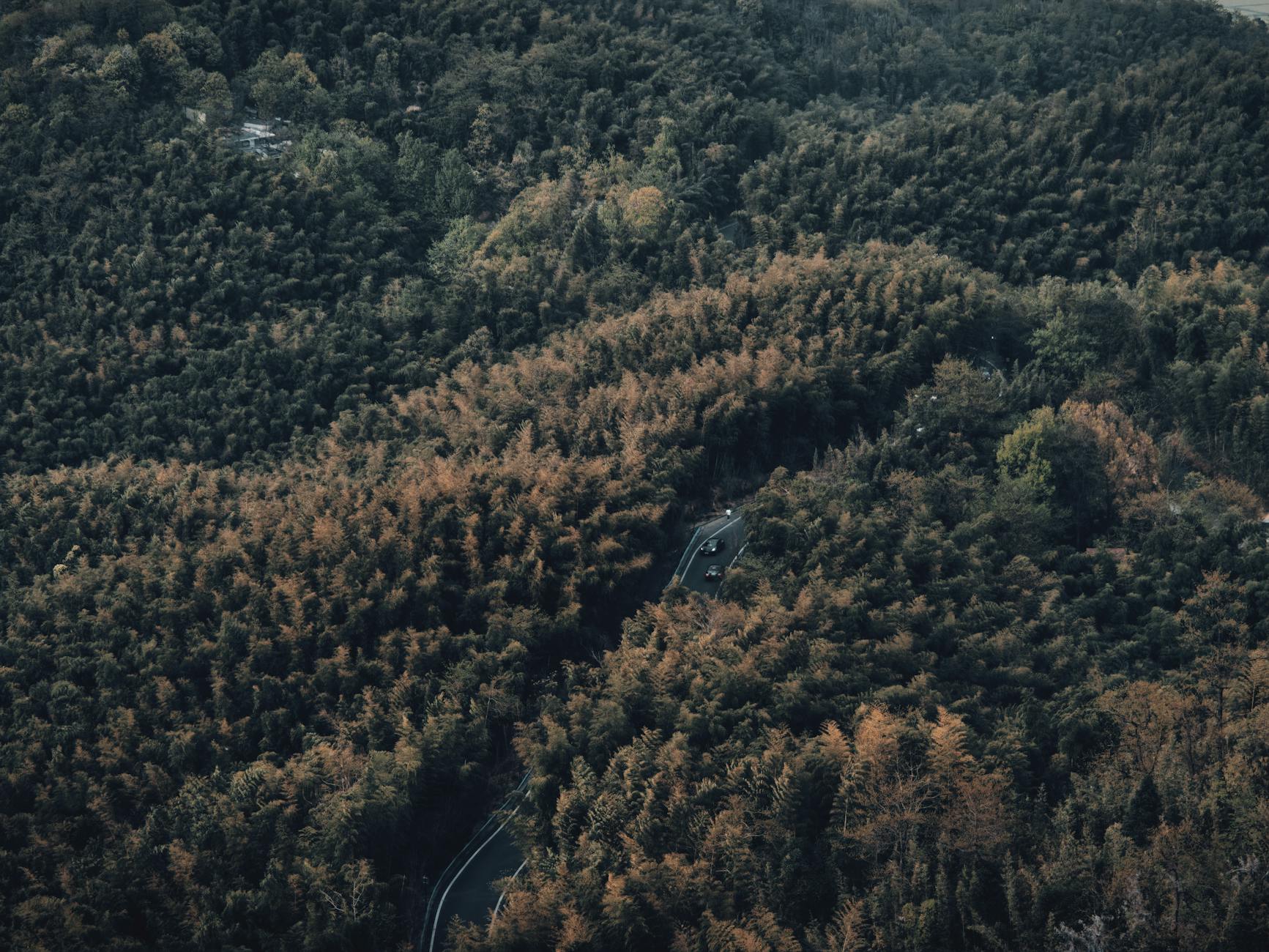
Table of Contents
- Why Moganshan?
- How to Get There from Shanghai
- Is a Moganshan Day Trip from Shanghai Realistic?
- Moganshan Is Not One Place
- Tickets, Shuttles and Getting Around
- When to Go
- Where to Stay
- Things to Do
- Where to Eat
- What It Actually Costs
- Moganshan vs Other Escapes
- Sample 2-Day Itinerary
- Common Mistakes and Who Should Skip It
- Practical Tips
- FAQ
Why Moganshan?
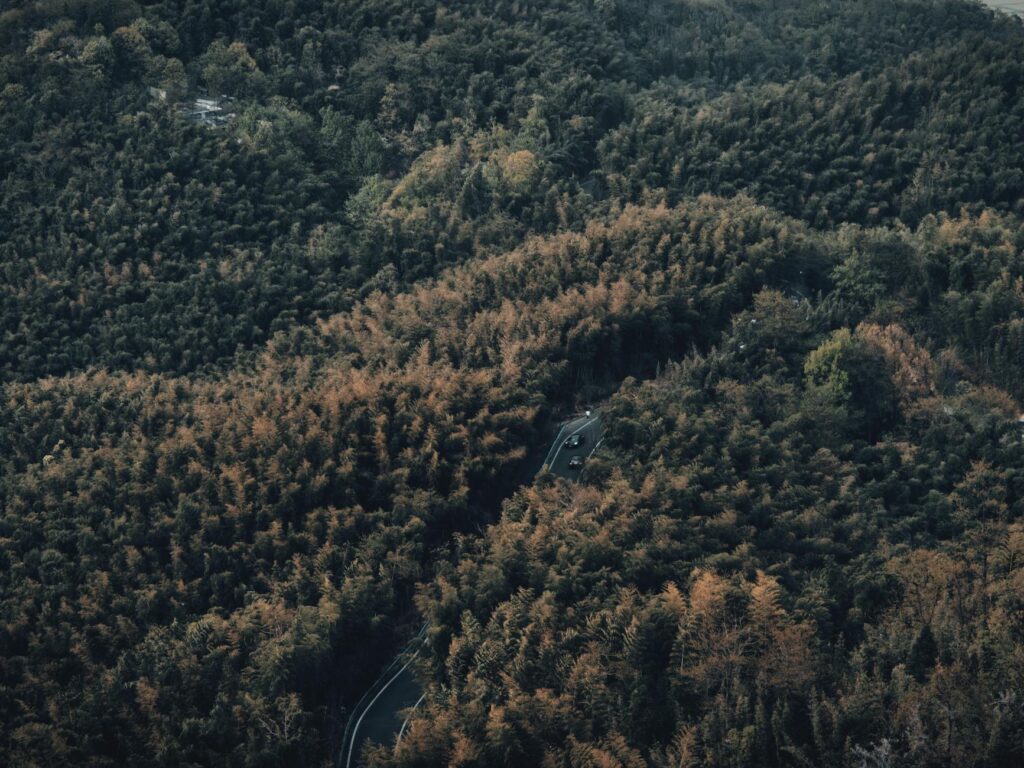
Moganshan sits in Deqing County, Zhejiang Province, about 60 km north of Hangzhou and 200 km west of Shanghai. The mountain rises to 750m with a dense network of bamboo forests, hiking trails, and historic stone villas from the early 20th century when it was Shanghai’s “Hill Station” — a cool-air refuge from the city’s humid summer heat. Frequented by Shanghai’s elite expatriates, Chinese intellectuals (Lu Xun stayed here), and even Chiang Kai-shek (who honeymooned here).
Today Moganshan combines:
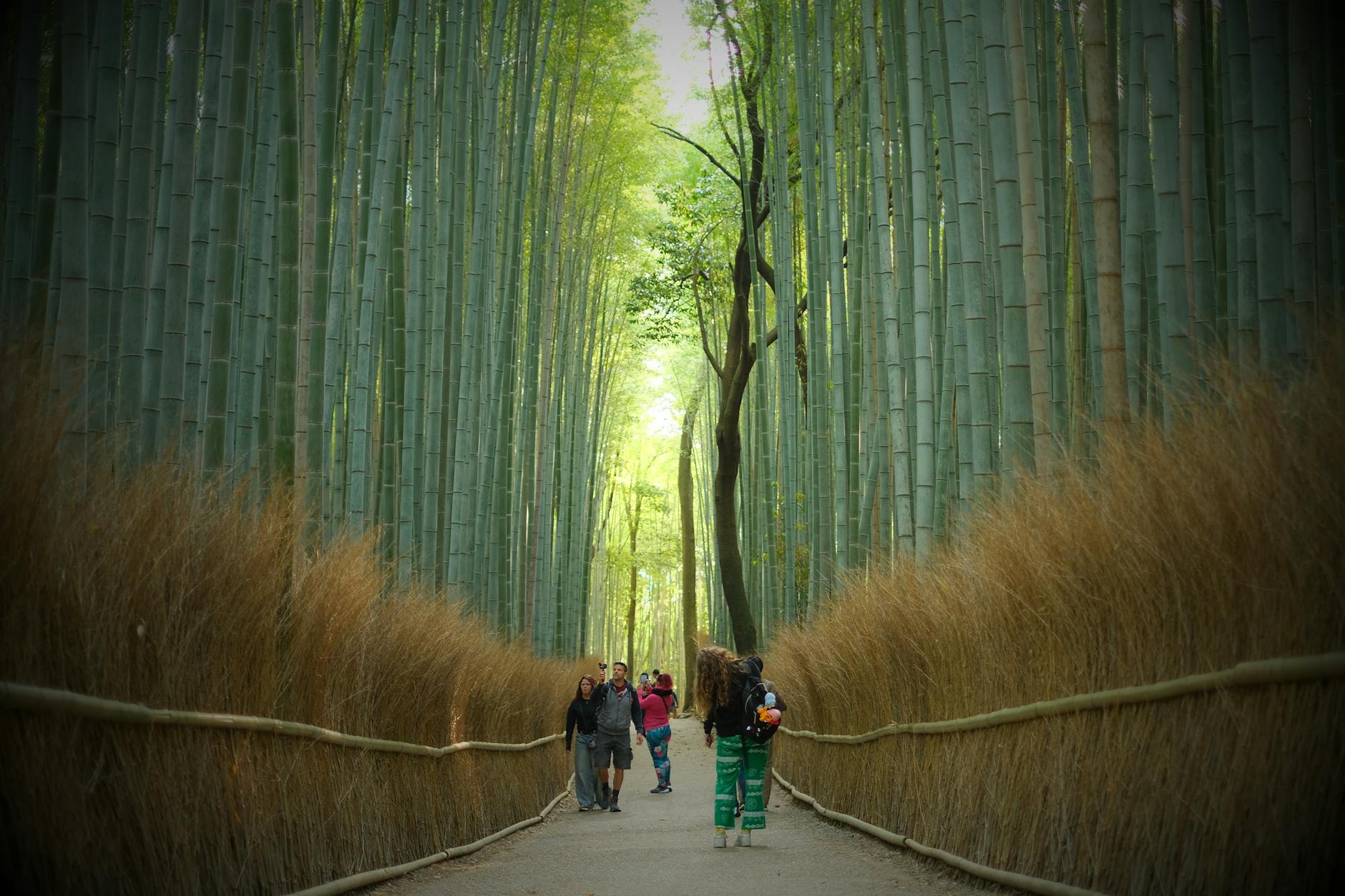
- Bamboo forests and hiking trails
- Historic stone villas converted to boutique hotels
- Sea-of-clouds views at sunrise
- Bamboo-shoot-and-tofu cuisine
- Quiet, unhurried atmosphere — a true contrast to Shanghai
- One of China’s earliest farm-to-table movements
The history is more specific than most guides let on. Foreigners started renting rooms here in the 1880s; by 1910 roughly 300 Americans and British had summer houses on the mountain, with churches, an assembly hall built in 1923 and a kindergarten. After 1949 the villas passed to work units and the military, which is why so many look like municipal guesthouses with good bones. The current wave began with Moganshan Lodge in 2003 and the LEED Platinum-certified naked Stables in 2011, and the county now has hundreds of licensed 民宿 (minsu, guesthouses). Sources put the summit, Tashan, at 719–724m rather than a round 750m — either way it is a hill, not a mountain, and nothing here requires fitness beyond a decent walk.
How to Get There from Shanghai
Multiple options:
- Bullet train to Deqing + taxi — Shanghai Hongqiao to Deqing Station: 90 min, ¥85 second class. Then taxi (¥80, 30 min) to Moganshan. Best balance of speed and cost
- Direct bus from Shanghai South Bus Station — ¥100, 3 hours. Less convenient
- Bullet train to Hangzhou + taxi/Didi — 60 min train + 75 min drive. Useful if combining with Hangzhou
- Organised weekend tour — ¥800–2,000 from Shanghai; includes transport, hotel, meals
- Private car / Didi premier — ¥1,500–2,500 each way; useful for groups; 2.5–3 hours
Most weekend travelers take a bullet train to Deqing + arranged hotel pickup. Hotels often offer return shuttle service for a fee.
Train detail worth having before you book. Roughly a dozen trains a day run Shanghai to Deqing, and the fast ones now take 52–75 minutes rather than the 90 that older guides quote; second class is generally ¥60–95 depending on the service. Some depart from Shanghai South or Songjiang rather than Hongqiao, so check the station on your ticket — they are not close to each other. Book two to three days ahead for a Friday evening or Sunday afternoon train; these fill up with weekenders. Bring your passport, which is both your ID and your ticket at the gate.
At Deqing station, the taxi rank is small and drivers know exactly where you are going. Expect ¥50–100 to a guesthouse depending on which village, and agree the number before you get in. Didi works and is more predictable than a metered cab; if you have not set it up, our guide to using DiDi in Shanghai covers registration with a foreign phone number. Most guesthouses will also send a car for ¥80–150, which removes the negotiation entirely and is what we would do.
Two routes people overlook. If you want Hangzhou as well, Hongqiao to Hangzhou East takes about 45–60 minutes, then a local train on to Deqing takes roughly 15 minutes — see our Hangzhou day trip guide for how to stitch the two together. And from Hangzhou’s north bus station, the K588 runs to Wukang (Deqing town) every 30 minutes from 7:00 to 19:30 for about ¥12, which is the cheapest approach in the region if you have time. Driving yourself is not an option for most visitors: a foreign licence is not valid in mainland China.
Is a Moganshan Day Trip from Shanghai Realistic?
Honest answer: yes, and it is the wrong way to do it.
The arithmetic works. Catch the 06:20 or 06:38 from Hongqiao, be at Deqing before 08:00, on the mountain by 08:30. Walk the scenic-area loop, eat a farmhouse lunch in Yucun, and take a mid-afternoon train back for a 19:00 arrival in Shanghai. That is roughly six hours on the ground for four hours of transit and about ¥400 per person all in.
What you lose is the entire point. Moganshan’s best hours are the ones a day-tripper cannot reach: the mist that fills the valleys before 07:00, the empty bamboo paths at dusk after the tour coaches have gone, and the sky at 22:00, which is properly dark in a way nowhere within an hour of Shanghai is. You are travelling four hours for scenery you can partly get at Zhujiajiao in forty minutes.
Do it as a day trip if: your dates are fixed, hotels are full, or you want to scout the place before booking a longer stay. Do it as one night if you possibly can — that single night is the difference between a long commute and a proper break, and it is the structure our Shanghai weekend getaway guide is built around. Two nights is better still, because the first afternoon disappears into travel and check-in.
Moganshan Is Not One Place
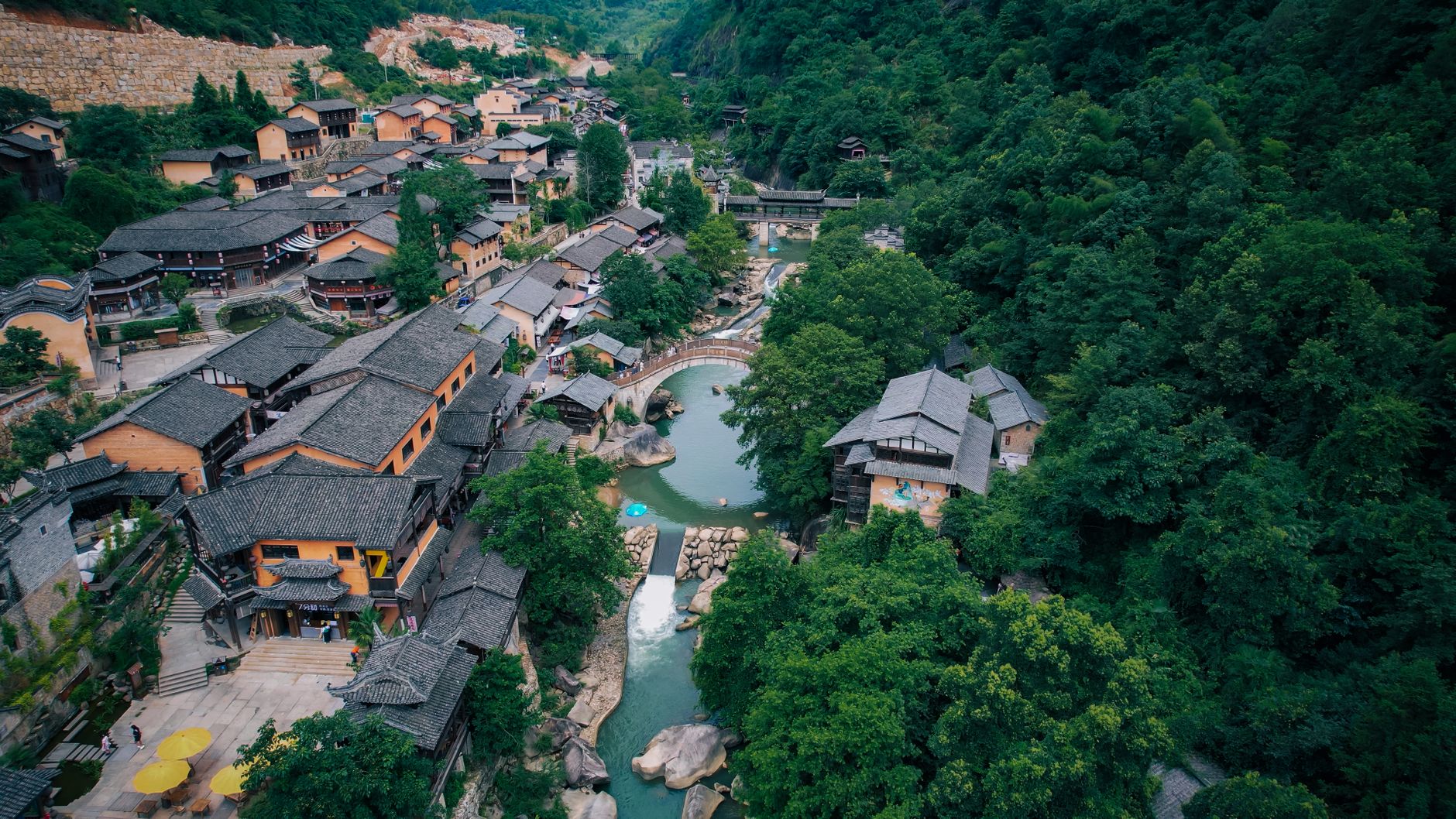
The single biggest cause of disappointment here is booking a guesthouse in one village and expecting to walk to sights in another. “Moganshan” covers a scenic area on the ridge, a former hill-station town, and a scatter of valley villages that are 20–40 minutes apart by car on twisting roads.
- The Scenic Area (莫干山风景区) — the ridge itself: villas, Sword Pond, Tianchi Temple, the viewpoints. Ticketed, with its own shuttle system.
- Yucun (庾村) — the base village and the practical hub. Restaurants, a small market, cafés, the 1932 Culture and Creative Park, and the road up. Stay here if you want to be able to walk somewhere for dinner.
- Houwu (后坞) — small, quiet, west side; guesthouses and family restaurants, good trail access.
- Laoling (劳岭) — south; a reservoir, farmland, kayaking and cycling. The prettiest driving.
- Dazaowu (大造坞) — the most remote, rice paddies and bamboo, very little else.
- Wukang (武康) — Deqing town, down on the plain near the station. Cheap hotels, no atmosphere, 30–40 minutes from the mountain. Only worth it if everything else is booked.
Pick your village before you pick your hotel. If you are without a car and want to walk to a restaurant, that means Yucun. If you want silence and are happy eating where you sleep, anywhere else works. Shared electric bikes are the one local transport option open to foreign visitors — roughly ¥30 for 30 minutes or ¥100 for three hours, unlocked with a WeChat QR scan. The red and yellow bicycle-share schemes require a Chinese national ID.
Tickets, Shuttles and Getting Around
The ridge is a ticketed scenic area, which surprises people who assumed a mountain was free. Published gate prices disagree — ¥80 appears in older guides, ¥120–130 in current listings, with roughly half price in the winter low season — so budget ¥130 per adult and treat anything less as a bonus. Book online the night before in peak season; entry quotas apply on holiday weekends and passport-scan entry lets you skip the booth queue.
The internal shuttle is separate and effectively compulsory if you arrive by road: private cars are restricted on the upper mountain, and the shuttle links the gate with the villa district and the main trailheads. Pay for it at the base. The alternative, and the better option if you are fit, is the walking trail up from Yucun — 40 to 50 minutes through forest, past a waterfall, and it deposits you at the top having earned the view. Wear shoes with grip; the stone steps are slick after rain.
Inside the scenic area everything is walkable. Outside it, you need wheels: a Didi, your guesthouse’s car, or an e-bike. Private hire for a day within the region runs around ¥600 if you want to see several valleys without waiting for pickups.
When to Go
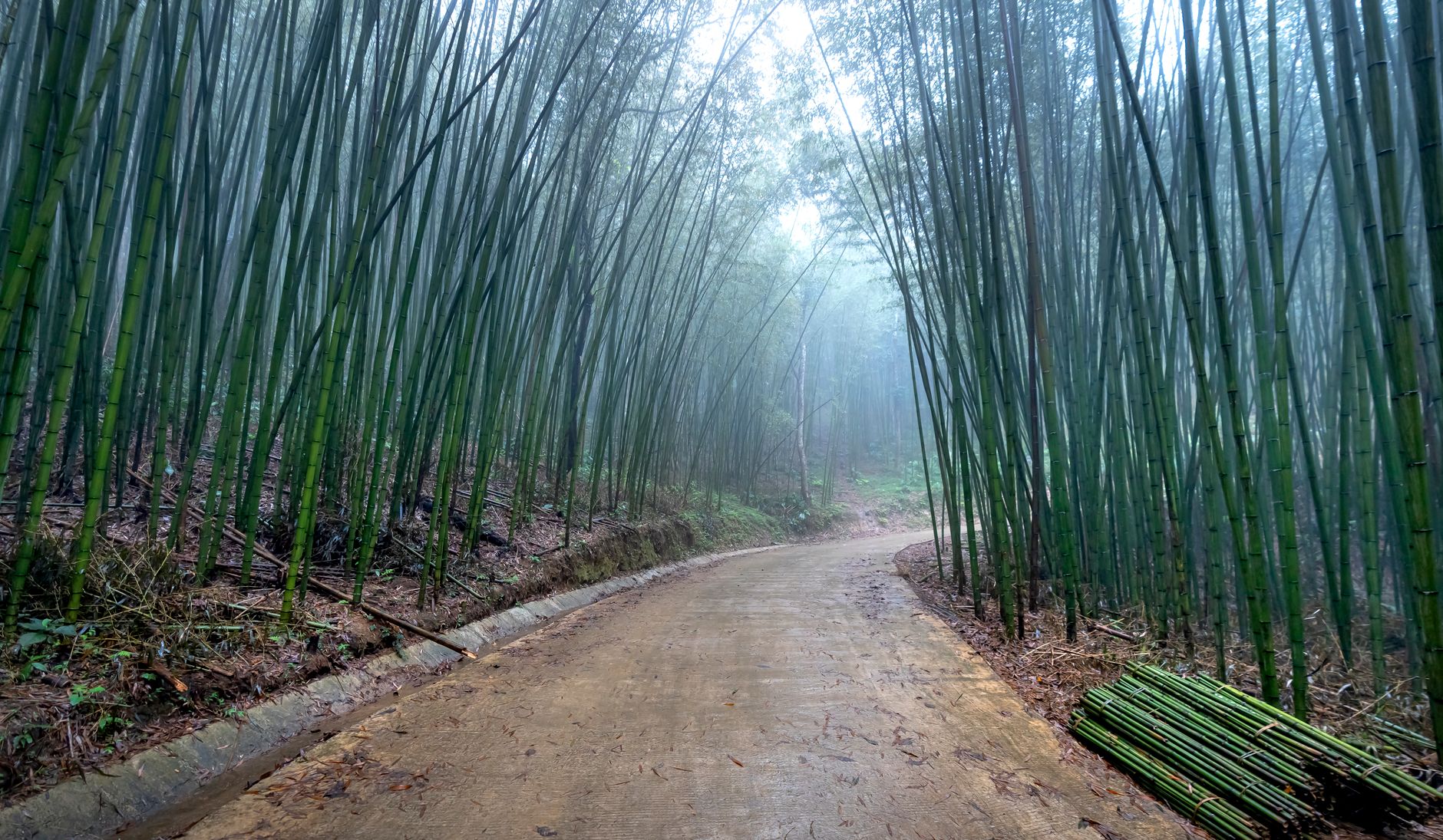
- Spring (April–May) — bamboo shoots in season; clear skies; cool air. The dream window
- Summer (June–August) — Moganshan was created as a summer escape; 5–8°C cooler than Shanghai. Peak season; book hotels months ahead
- Autumn (September–November) — sea of clouds; cool nights; bamboo at its greenest
- Winter (December–March) — bare and cold; occasional snow makes the bamboo forests magical but cold; many hotels close
Best month overall: October. Avoid Chinese national holidays (Oct 1–7) when domestic crowds book out all hotels months in advance.
Two more dates to dodge: Labour Day (1–5 May) and the days either side of Chinese New Year, when room rates double and the roads up are queued. Weekends in July and August are the peak of the peak — this is where a large share of Shanghai goes when the city hits 38°C, and it is exactly the reason the hill station exists. If you can travel Monday to Thursday, you get the same mountain at roughly 60% of the weekend rate. Cross-check with our Shanghai weather month by month guide when planning, and note that the mountain sits several degrees below whatever the city forecast says.
Where to Stay
Moganshan is famous for its boutique hotel scene:
Luxury
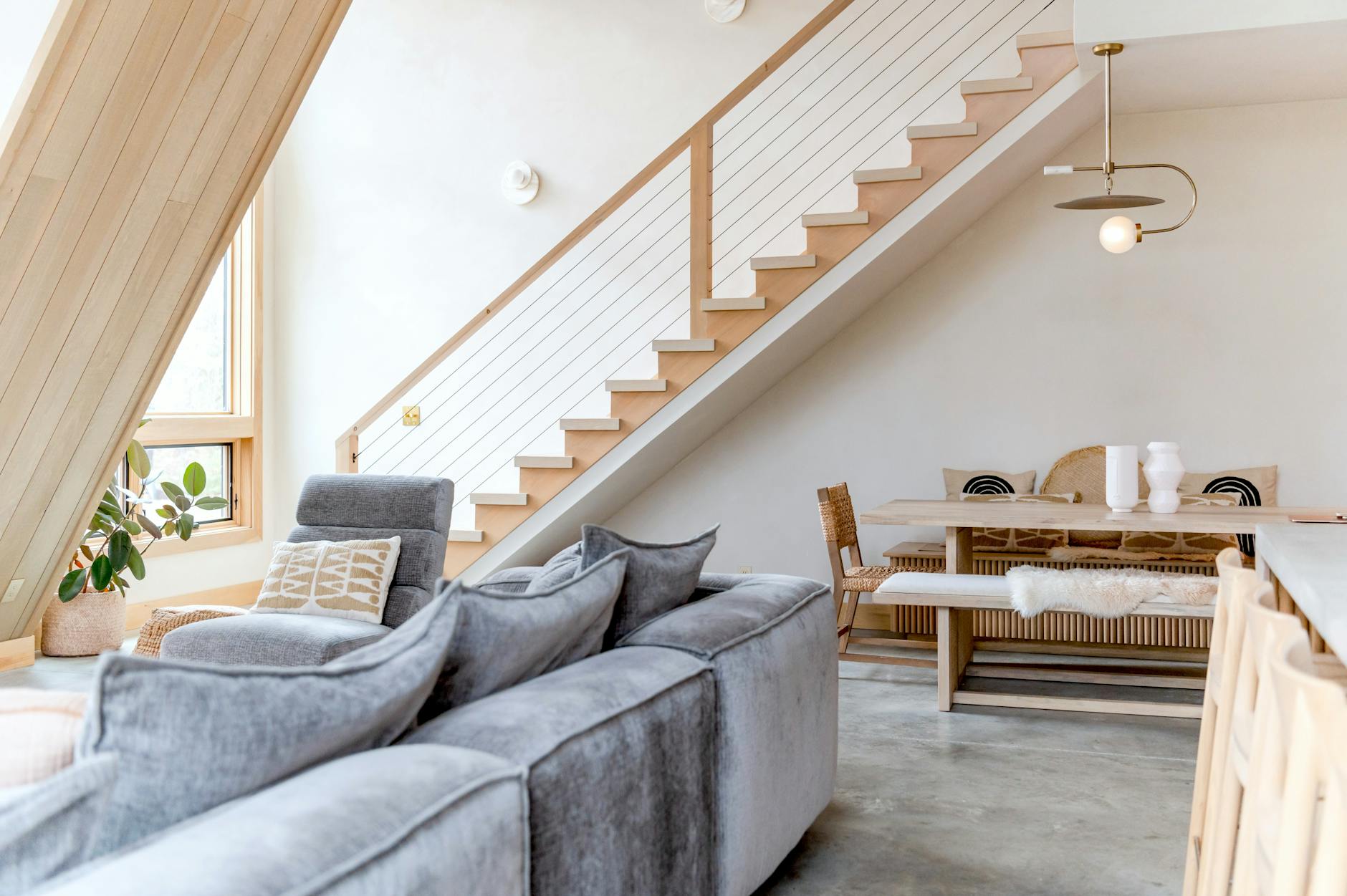
- Naked Stables — pioneering eco-luxury resort with treehouse villas. ¥3,500–6,500/night
- Le Passage Mohkan Shan — French-Chinese boutique with vineyard. ¥1,500–3,500/night
- Mogan Mountain House — restored 1920s stone villa. ¥2,000–4,000/night
- Naked Castle — sister property; modern luxury cottages. ¥3,000–5,500/night
Mid-range
- Le Cool Inn — modern boutique; ¥800–1,500/night
- Moganshan Lodge — Western-style; popular with international visitors. ¥800–1,500/night
- Mountain Lodge — restored heritage building. ¥1,000–1,800/night
Budget
- Family-run guesthouses in surrounding villages — ¥250–500/night
- Hanting Hotel Deqing — budget option at the base of the mountain. ¥300/night
Book 1–3 months ahead for summer weekends. Book 1–2 weeks ahead for autumn weekdays.
Some texture on the top end, because the two naked properties are not interchangeable. naked Castle occupies a rebuilt Scottish-looking pile on a southern peak, with an infinity pool, archery and pottery, and rates that have been quoted anywhere from ¥1,800 to ¥4,500 depending on season and how far ahead you book. naked Stables is 40 minutes further south and much more isolated — villas from around ¥5,800, huts nearer ¥2,000–2,500 midweek, with horse riding and three restaurants. Both sell day passes in the ¥880–900 range, redeemable against food and activities, which is a reasonable way to use the pool and the grounds without paying for a room.
The value, though, is in the middle and the bottom. Solvang Village at Dazaowu runs about ¥780–980 with English-speaking staff and good trail access. Prodigy Outdoor Base in Houwu does dorm beds around ¥200 and private rooms around ¥600. And a straightforward family guesthouse at ¥300–500 including a home-cooked breakfast from the family’s own vegetables will, honestly, be the part of the trip you describe to people afterwards.
Things to Do
- Hiking — multiple trails from beginner (1 hour) to challenging (4+ hours). The “Big Loop” is ~10 km of bamboo forest
- Bamboo forest walks — Moganshan’s signature; especially atmospheric in early-morning mist
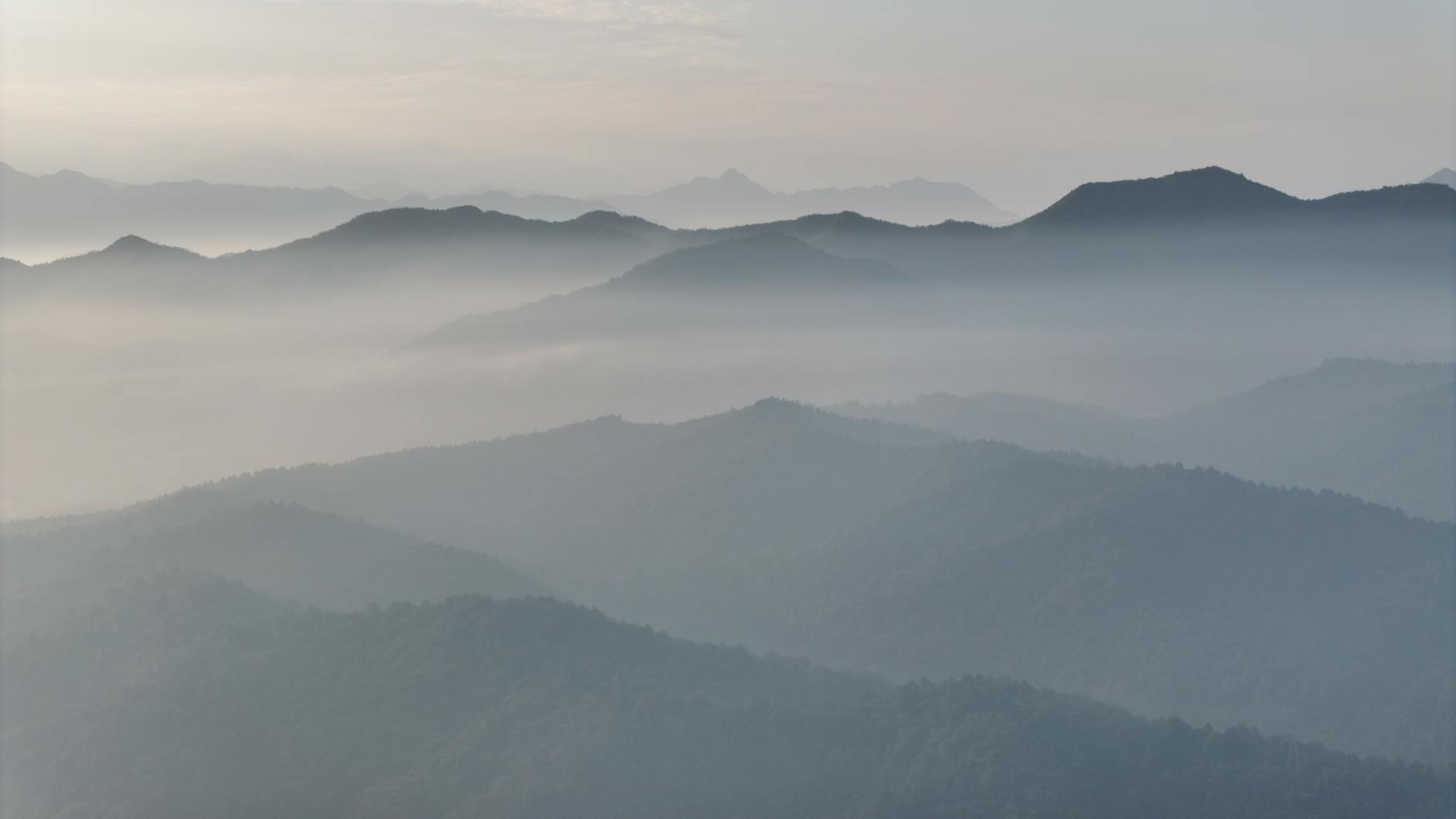
- Sea-of-clouds viewing — best at sunrise from the central peak; check weather conditions
- Stone village exploration — Moganshan town has restored 1920s villas; many open for tea-house visits
- Yoga and wellness retreats — Naked Stables offers daily classes
- Bamboo crafting workshops — local artisans teach basket weaving
- Sword Pool (Jiànchí, 剑池) — historic stone pool said to have been used for sword forging
- Wuling Bridge — Republican-era stone bridge
- Tea picking in May — local hosts arrange experiences
- Cycling tours — gentle gradients around the mountain base
- Cool swim at Naked Stables / Naked Castle pools in summer
- Star-gazing at night — well away from light pollution
Worth adding to that list: Chiang Kai-shek’s villa and White Cloud Castle, where he honeymooned in 1927 and which now holds old photographs and wartime artefacts; the 1923 Assembly Hall; Tianchi Temple; and the spot on the ridge where Mao is said to have taken a nap, which is exactly as underwhelming and as popular as it sounds. Down in the valleys there is a kayak centre on Laoling reservoir at around ¥300 for two hours, a cycling camp with a dirt track, and the Flower World meadow at Wusi, which is worth the detour in spring and is a mown field the rest of the year.
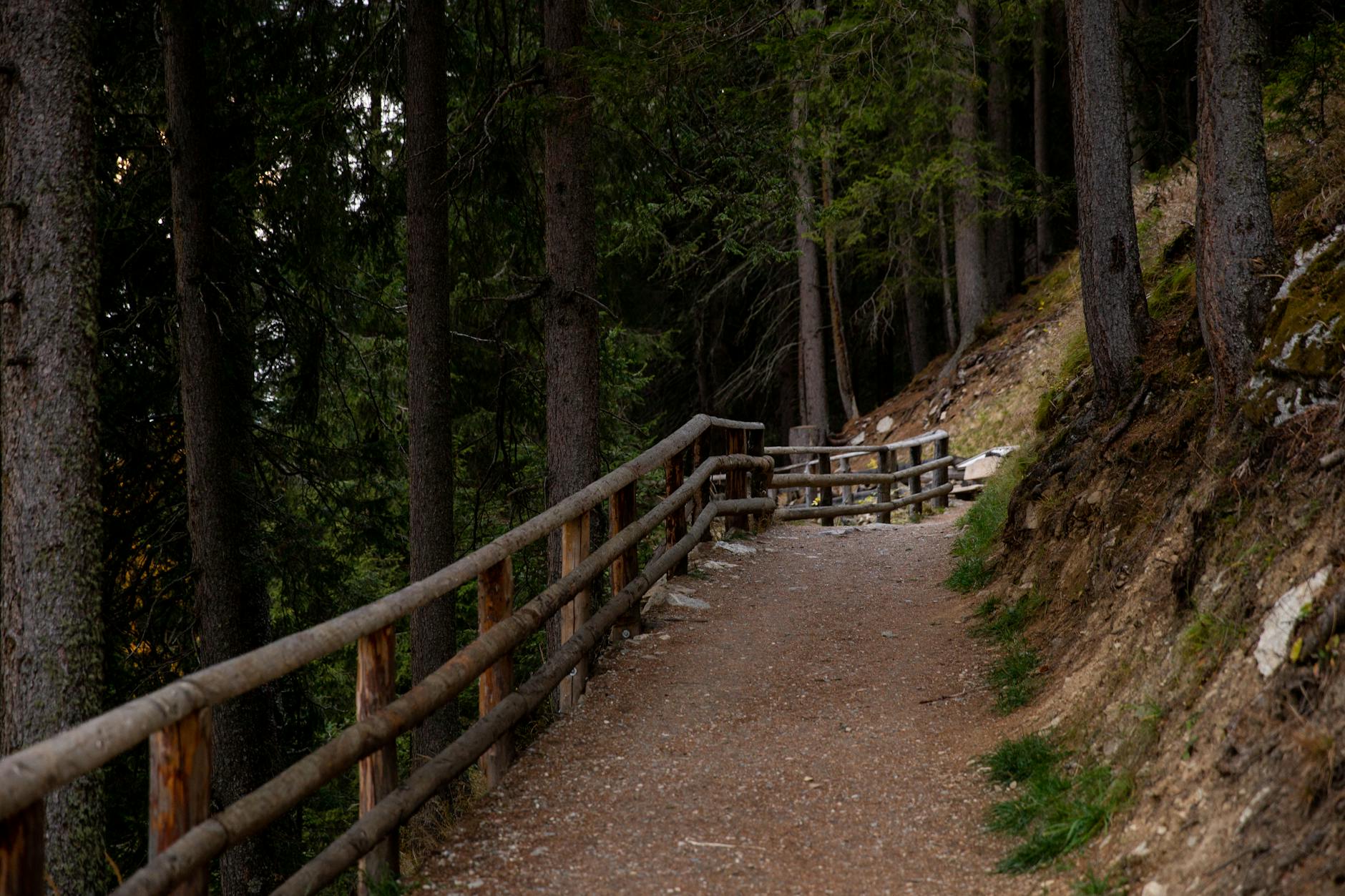
If you only do one thing, do the walk from Yucun up to the scenic area and back down a different path. Two to three hours, all bamboo, and it costs the price of the gate ticket.
Where to Eat
Moganshan cuisine emphasises freshness, bamboo shoots, mountain vegetables, and freshwater fish:
- Bamboo-shoot stir-fry — local specialty; tender, slightly sweet
- Bamboo-and-tofu stew — comforting and clean-flavoured
- Smoked Moganshan tofu — distinct local preparation
- Mountain mushroom hotpot — vegetable-rich
- Bamboo rice — rice steamed inside bamboo sections
- Spring tea — local Anji White Tea (similar to Longjing)
Best restaurants: Naked Stables in-house (¥250+/person), Moganshan Lodge (¥150–250/person), Le Passage (¥200–400/person), village family-run places (¥80–150/person).
The local signature nobody mentions is the whole-chicken soup, simmered for hours and served in a clay pot — order it alongside a plate of bamboo shoots and greens and you have the classic mountain meal for about ¥120 for two. Look for 农家菜 (“farmhouse cuisine”) on the signage; that is the category you want. Yucun has the densest run of these canteens, and prices there sit well below hotel restaurants for better food.
Be realistic about Western food. The handful of burger-and-pasta places exist mainly for weekending Shanghai families and are average at prices that are not. Also plan dinner early: outside the resorts, most kitchens stop around 20:00 and the village bars close by 21:00. This is not a nightlife destination, which is the point.
What It Actually Costs
| Item | Budget | Mid-range | Top end |
|---|---|---|---|
| Return train, Shanghai–Deqing | ¥120–190 | ¥120–190 | ¥300 (first class) |
| Station transfers | ¥100 return (shared taxi) | ¥160 return (Didi) | ¥300 (hotel car) |
| One night’s room | ¥250–400 guesthouse | ¥800–1,200 boutique | ¥2,500–6,000 resort |
| Scenic area ticket | ¥80–130 | ¥80–130 | ¥80–130 |
| Food, two days | ¥120–200 | ¥300–500 | ¥800–1,500 |
| Activities | Free walking | ¥300 kayaking / e-bikes | ¥888 day pass |
| Per person, one night | ¥700–1,000 | ¥1,700–2,500 | ¥5,000+ |
Two people sharing a ¥400 guesthouse room, eating in village canteens and walking rather than riding, can do a comfortable overnight for well under ¥800 each. That is cheaper than a Saturday night out in Shanghai. Compare with the broader picture in our guide to how much a Shanghai trip costs.
Moganshan vs Other Escapes from Shanghai
| Destination | Door to door | Best as | Go for | Skip if |
|---|---|---|---|---|
| Moganshan | 2.5–3 hrs | 1–2 nights | Bamboo, cool air, silence, good hotels | You want sights and photos |
| Hangzhou | 1 hr | Day trip or one night | West Lake, tea villages, temples | You dislike crowds |
| Suzhou | 30–40 min | Day trip | Classical gardens, canals | Gardens bore you |
| Wuzhen | 1.5–2 hrs | One night | Canal town lit at night | You object to ticketed towns |
| Zhujiajiao | 40–60 min | Half day | The cheapest water-town fix | You have a full day free |
| Tongli | 1.5 hrs | Day trip | Quieter canals, fewer coaches | Time is tight |
Moganshan is the only one of these that is about doing nothing. Everything else on the list is a sightseeing destination with a list of things to tick off; Moganshan is a place to walk, eat and sleep. If you want photographs of famous things, go to Suzhou or Wuzhen. If you have been in Shanghai for five days and want your ears to stop ringing, come here. Our full day trips from Shanghai guide ranks the rest.
Sample 2-Day Itinerary
Day 1
09:00 Bullet train Shanghai Hongqiao to Deqing
10:30 Arrive Deqing → taxi to Moganshan (30 min)
11:00 Check in to hotel (Naked Stables, Le Passage, or Moganshan Lodge)
12:30 Lunch at hotel
14:00 Bamboo forest walk (2–3 hours, easy route)
17:00 Tea and rest at hotel
19:00 Dinner at hotel
20:30 Star-gazing or sauna
22:00 Sleep
Day 2
06:00 Sunrise hike to sea-of-clouds viewpoint
08:00 Hotel breakfast
09:30 Explore stone village + Sword Pool
11:30 Final relaxation at hotel pool / spa
12:30 Lunch
14:00 Hotel shuttle to Deqing
15:30 Bullet train back to Shanghai
17:00 Arrive Shanghai Hongqiao
Common Mistakes and Who Should Skip It
- Booking a village guesthouse and assuming you can walk to dinner. Confirm what is within walking distance before you book, or stay in Yucun.
- Arriving without a booked room in July, August or a holiday weekend. The mountain sells out and you will end up in Wukang.
- Expecting the scenic area to be free. Budget the gate ticket and the shuttle.
- Turning up in city shoes. Every good thing here involves a stone path, usually damp.
- Planning a late dinner. Kitchens close early outside the resorts.
- Assuming English. Outside a handful of hotels there is almost none — see our language barrier tips and download offline translation before you leave signal.
- Swimming in the reservoirs. There are warning signs at Dadouwu for a reason, however inviting the water looks.
Who should skip Moganshan: first-time visitors with three or four days in Shanghai — you have not seen the city yet, and four hours of trains is a lot to give up. Anyone travelling in deep winter, when much of the accommodation shuts. And anyone whose idea of a good trip is a full itinerary; there is genuinely not much to do here, and that is the product. Families do well, though, and couples do very well — the mountain is one of the better answers in our Shanghai for couples guide.
Practical Tips
- Book hotels 1–3 months ahead for summer weekends
- Hiking shoes recommended for trails; sneakers OK for casual walks
- Layered clothes — temperatures shift 8–10°C between day and night
- Carry water and snacks on hikes
- Mobile payments universal; small cash useful for village vendors
- Some hotels handle Deqing taxi/shuttle — confirm at booking
- Limited English outside major hotels — translation app essential
- Avoid Chinese national holidays — hotels triple price + crowds
- October sunrise is the most spectacular time for sea-of-clouds viewing
- Phone signal is patchy in deep bamboo zones; download offline maps
- Take your passport — it is your train ticket, your scenic-area entry and your hotel check-in
- Pack insect repellent between May and September; the valleys are damp and the mosquitoes are committed
Frequently Asked Questions
Is Moganshan worth a trip from Shanghai?
Yes — Moganshan offers a striking contrast to Shanghai’s pace. Bamboo forests, cool air, boutique hotels, and slow-pace dining make it one of the best 2-day escapes from Shanghai.
How long does it take to get to Moganshan from Shanghai?
2–3 hours total: 90-min bullet train to Deqing + 30-min taxi to the mountain. Direct bus is 3 hours. The fastest trains now run the Shanghai–Deqing leg in under an hour.
Can Moganshan be done as a day trip from Shanghai?
Technically yes (4–6 hours round-trip transit + 4–6 hours on the mountain), but exhausting. An overnight is far more rewarding.
What’s the best time to visit Moganshan?
Late April–May (spring blossoms, fresh bamboo shoots), late September–October (sea-of-clouds, cool air), or summer for the cool-air respite from Shanghai’s heat.
Where should I stay in Moganshan?
Naked Stables for ultimate luxury; Le Passage Mohkan Shan or Moganshan Lodge for boutique mid-range; family-run guesthouses for budget.
What can I do in Moganshan?
Hike bamboo forests, view sea-of-clouds at sunrise, visit historic stone villas, eat bamboo-and-tofu cuisine, enjoy spa and yoga at boutique hotels, star-gaze at night.
How much does a Moganshan weekend cost?
Mid-range: ¥3,000–5,000/person for 2 nights including hotel, meals, transport. Budget: ¥1,500. Luxury: ¥8,000+.
Is Moganshan good for families?
Yes — gentle hiking trails, pool access at upscale resorts, fresh air for kids, and accessible bamboo forests work well for ages 5+.
Do I have to pay to enter Moganshan?
Yes for the ridge scenic area. Quoted gate prices range from ¥80 to ¥130 depending on season and source, with roughly half price in winter, and the internal shuttle is charged separately. The valley villages and their trails are free.
Which village should I base myself in?
Yucun if you want restaurants and shops within walking distance; Houwu or Laoling for quiet and trail access; Dazaowu if you want to see almost nobody. Wukang only if the mountain is fully booked.
Can I get around Moganshan without a car?
Within the scenic area, easily — it is walkable and shuttled. Between villages you need a Didi, your guesthouse’s car, or a shared e-bike at about ¥30 per 30 minutes. The bicycle-share schemes need a Chinese ID.
Is Moganshan good in winter?
It is quiet, cold and occasionally snowy, and tickets are discounted — but a significant share of guesthouses close, and the bamboo looks flat under grey skies. Go in autumn instead unless you specifically want snow.
Plan More Day Trips
Combine with our pillar guides on day trips from Shanghai, Hangzhou day trip, and our Wuzhen guide. For timing the whole trip, see the best time to visit Shanghai. For background, see Mount Mogan on Wikipedia and the Wikivoyage Moganshan guide.