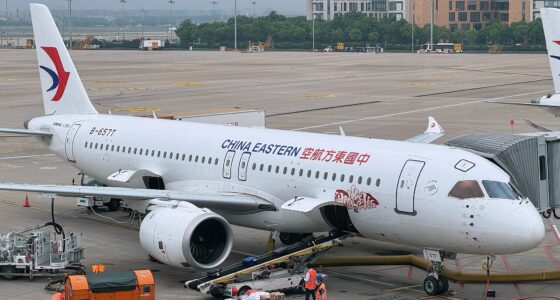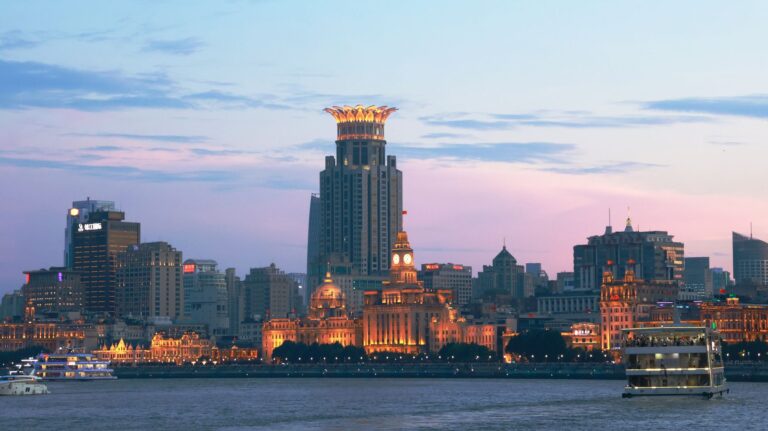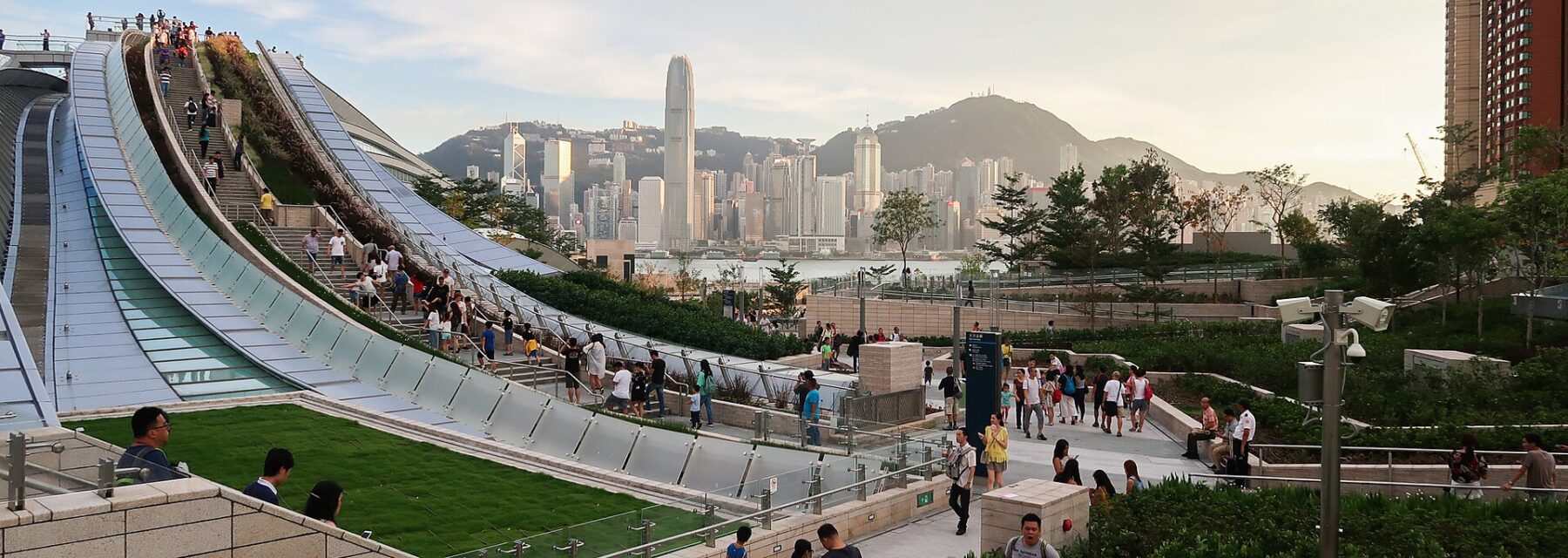
You can fly from Shanghai to Hong Kong in a couple of hours, so why would anyone spend a day on a train? Because the train goes from a station on the Shanghai metro to a station in the middle of Kowloon, both immigration checks happen in one building at the far end, and an overnight sleeper turns the journey into a night’s rest. The Shanghai to Hong Kong train now runs three times a day in each direction: two daytime high-speed trains and one overnight sleeper, all from Shanghai Hongqiao to Hong Kong West Kowloon.
It isn’t the quick option, and it isn’t cheap. The fastest day train takes just over eight hours, and a second-class seat costs HK$1,305. But it suits people who like trains, people carrying a lot of luggage, and anyone who would rather wake up in Hong Kong than lose an evening to an airport. This guide covers the timetable, the fares, how to book as a foreigner, how immigration works at West Kowloon, and when flying makes more sense.
Table of Contents
- Shanghai to Hong Kong Train Times at a Glance
- The Daytime High-Speed Trains
- The Overnight Sleeper Trains
- Shanghai to Hong Kong Train Fares
- Which Ticket to Buy: Seats and Berths
- The Two Stations: Hongqiao and West Kowloon
- Booking Tickets as a Foreigner
- Immigration and the Co-location at West Kowloon
- A G901 Day, Step by Step
- Hong Kong to Shanghai: the Return Journey
- Visas: Entering Hong Kong and Coming Back
- Luggage, Food and Comfort on Board
- Train or Flight?
- Common Mistakes
- Frequently Asked Questions
Shanghai to Hong Kong Train Times at a Glance
These are MTR’s published times for the long-haul trains from 11 October 2026 and for the sleepers from 1 July 2026 (MTR’s long-haul timetable). Timetables change, so check the times for your date when you book.
| Train | Runs | Departs | Arrives | On board | Type |
|---|---|---|---|---|---|
| G384/5 | Daily | Shanghai Hongqiao 08:47 | West Kowloon 17:52 | 9h05 | Day train |
| G901 | Daily | Shanghai Hongqiao 13:50 | West Kowloon 21:56 | 8h06 | Day train |
| G899 | Fri, Sat, Sun, Mon | Shanghai Hongqiao 20:15 | West Kowloon 07:25 next day | 11h10 | Sleeper |
| G895 | Tue, Wed, Thu | Shanghai Hongqiao 20:15 | West Kowloon 07:25 next day | 11h10 | Sleeper |
| G902 | See timetable | West Kowloon 11:35 | Shanghai Hongqiao 19:43 | 8h08 | Day train |
| G386/3 | See timetable | West Kowloon 13:58 | Shanghai Hongqiao 22:42 | 8h44 | Day train |
| G900 | Fri, Sat, Sun, Mon | West Kowloon 20:00 | Shanghai Hongqiao 06:58 next day | 10h58 | Sleeper |
| G896 | Tue, Wed, Thu | West Kowloon 20:00 | Shanghai Hongqiao 06:58 next day | 10h58 | Sleeper |
The two sleeper numbers share one slot: a sleeper leaves at the same time every night, and only its number and its stops change with the day of the week. All the trains in this guide run from Shanghai Hongqiao, not from Shanghai’s older main station. The old Z99 through train to Hong Kong from Shanghai Railway Station made its last run on 12 January 2026.
The Daytime High-Speed Trains
Two day trains leave Hongqiao for Hong Kong. G901 is the one most people know. It ran as G99 until January 2026, when Shanghai renumbered it with its schedule unchanged and added the other services, taking the city from one direct train a day to three. It leaves at 13:50 and gets in at 21:56, just over eight hours. G384/5, the morning train, leaves at 08:47 and arrives at 17:52, which is the one to take if you want to arrive in daylight with time to check in and find dinner.
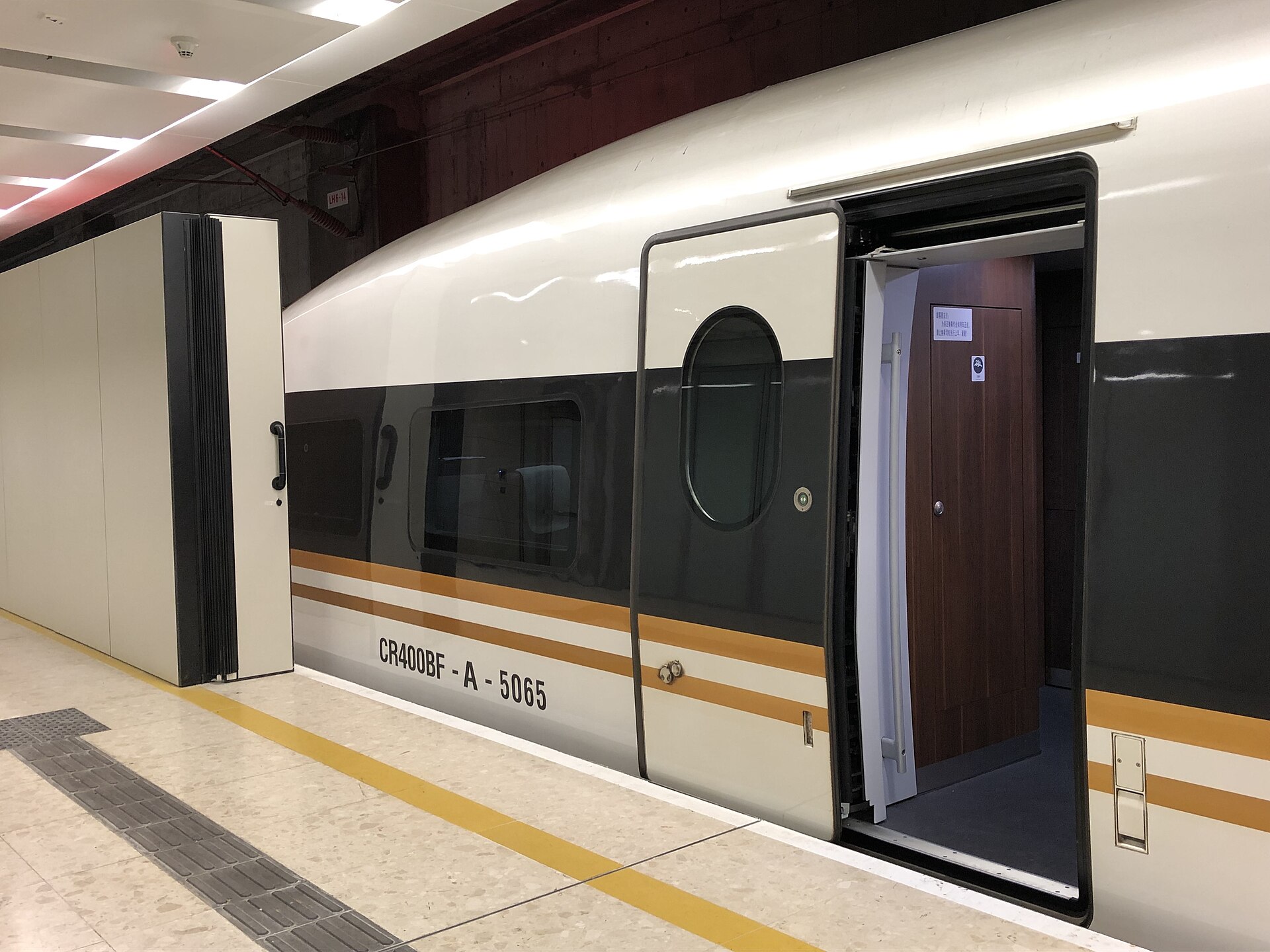
Northbound, G902 leaves West Kowloon at 11:35 and reaches Hongqiao at 19:43, and G386/3 leaves at 13:58 and arrives at 22:42. If you’re heading back to Shanghai for a flight the next morning, G902 is the one that gets you in at a civilised hour.
What’s it like? It’s a long day in a comfortable seat on one of China’s standard high-speed trains. Watch the countryside for the first few hours, and then it’s a book-and-headphones journey. Pack food, water and a power bank, and treat the train as a day off rather than a way of saving one.
The Overnight Sleeper Trains
The sleeper is the more interesting option. Every night a train leaves Hongqiao at 20:15 and reaches West Kowloon at 07:25. On Fridays, Saturdays, Sundays and Mondays it runs as G899, with a different set of stops from G895. On Tuesdays, Wednesdays and Thursdays it runs as G895, on a longer route. Check the stops for your date on 12306. Coming back, G900 and G896 leave West Kowloon at 20:00 and arrive at Hongqiao at 06:58.
The sleeping cars have four-berth rooms. MTR’s description lists a power socket at each berth, a toiletries pack, free hot water and a food and drink counter in Car 8 with limited supplies, so bring your own cup and some breakfast (MTR’s sleeper train page). The trains also sell ordinary seats, if you’d rather sit up overnight and save the difference.
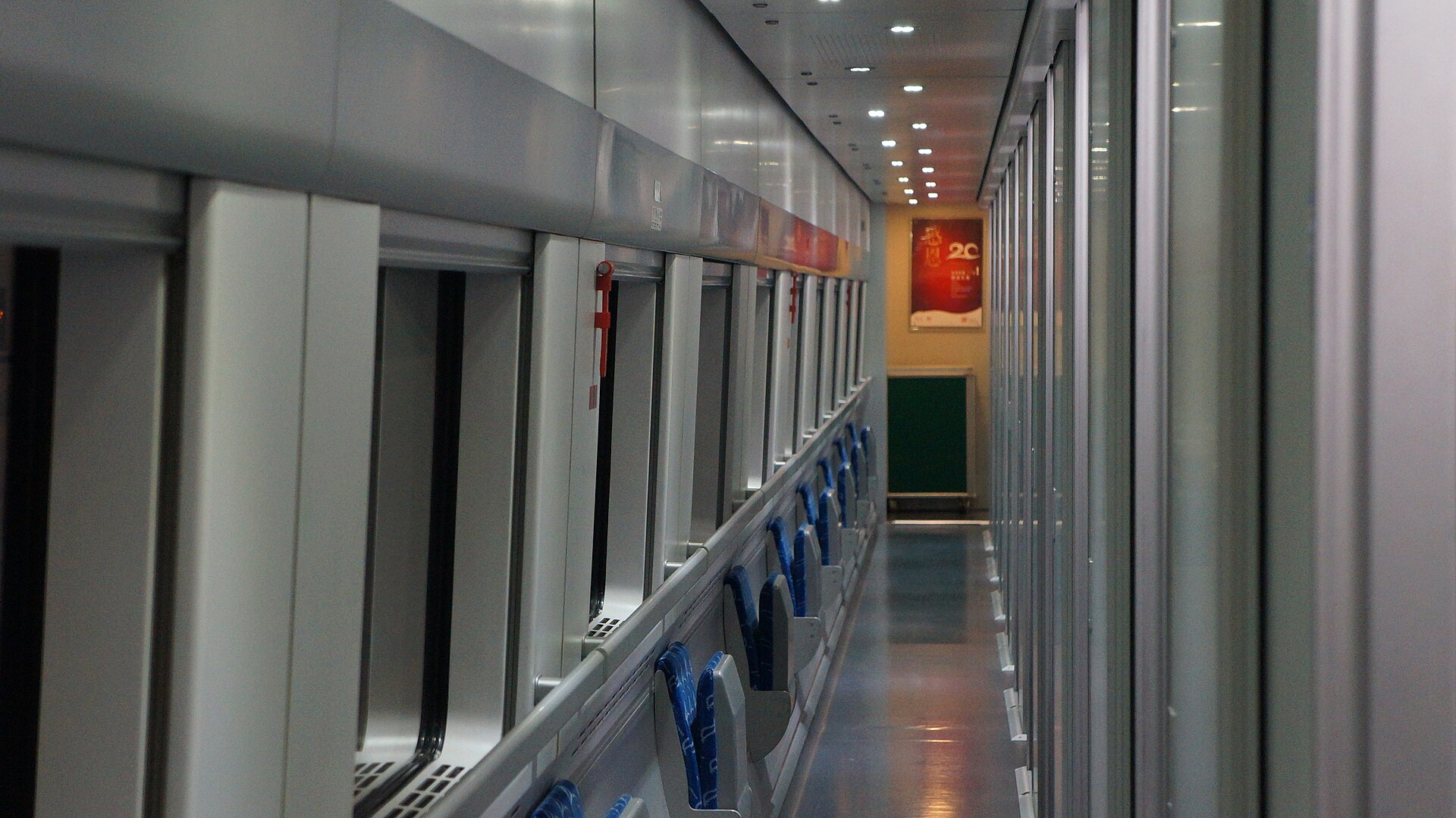
Is it worth it? If your alternative is a hotel night in Shanghai plus a morning flight, the sleeper buys you an extra evening in Shanghai and a full first day in Hong Kong. You arrive at 07:25 in Kowloon, clear immigration and can be at breakfast while the airport crowd is still landing. Light sleepers should take a lower berth and earplugs; the train stops several times through the night.
Shanghai to Hong Kong Train Fares
MTR publishes fares in Hong Kong dollars, and it resets them on the first of each month. These are the adult and child fares between Hongqiao and West Kowloon from 1 November 2026, for the day trains (MTR’s fare chart):
| Class | Adult | Child |
|---|---|---|
| Second class | HK$1,305 | HK$653 |
| First class | HK$2,087 | HK$1,044 |
| Premium class | HK$2,348 | HK$1,878 |
| Premium first class | HK$2,870 | HK$2,296 |
| Business class | HK$4,341 | HK$3,473 |
Buy in mainland China and you pay in renminbi; 12306 shows the fare for your train and date at the point of sale. For the sleepers, MTR publishes reference fares in renminbi: on G899 and G900, ¥769 for a second-class seat, ¥1,387 for premium class, ¥2,122 for an upper berth and ¥2,399 for a lower berth. On G895 and G896, which run a longer route, the same tiers are ¥966, ¥1,740, ¥2,683 and ¥3,031. The fare you’re charged is the one the ticketing system shows when you buy, which can be lower than the published figure, so check 12306 for your date.
Children’s fares on high-speed trains are roughly half the adult published fare, according to MTR, and a child’s sleeper fare is never more than the adult implemented fare.
Which Ticket to Buy: Seats and Berths
On the day trains, second class is perfectly comfortable for most people, and it’s what most passengers buy. First class costs HK$782 more on November’s fares, and on a nine-hour journey the extra room is easier to justify than it would be on a two-hour hop to Hangzhou. Business class, at more than three times the second-class fare, is for people who would otherwise be flying business. If you’re on a budget, compare the fares for G384/5 and G901 on your date and choose by the time you want to arrive.
On the sleeper, MTR describes a 16-car train with 14 sleeper cars and two cars of Premium Class and Second Class seats. A standard sleeper room holds four berths in two bunks, with a small table, a shared kettle, a power socket for each bed and a sliding door to the corridor, and luggage goes under the lower bunk. There’s also an accessible twin room for wheelchair users, booked through station staff.
You choose an upper or a lower berth when you book on 12306, at a station counter or through an agent; ticket machines assign one at random. If you book for a group, the system tries to put you in the same room. On board, ignore the blue number above the door, which is the room number: your berth is the white number, and even numbers are upper berths while odd numbers are lower ones. The lower berths cost more and are easier to get into and out of; the upper berths are cheaper and a little more private.
The Two Stations: Hongqiao and West Kowloon
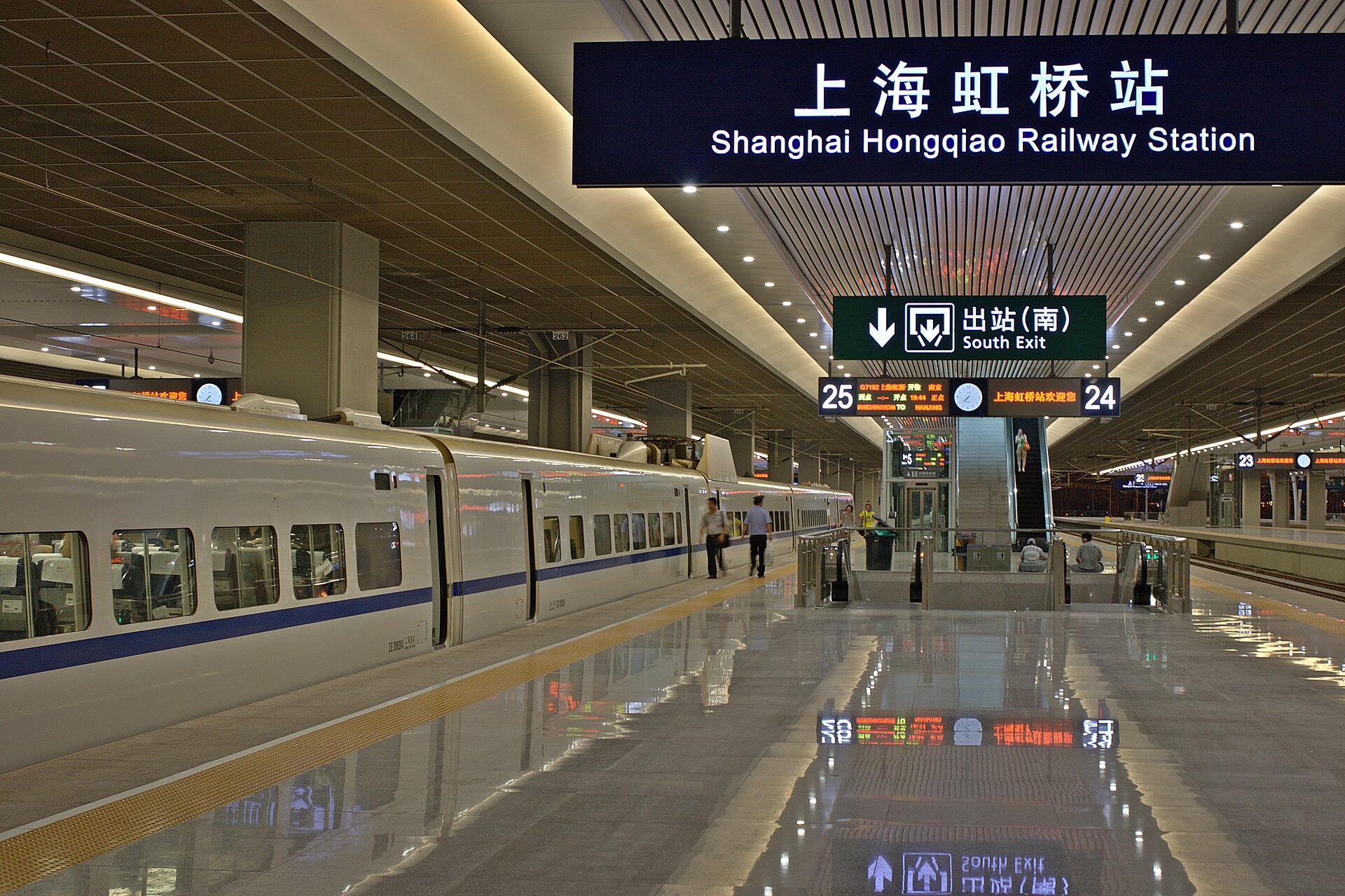
Shanghai Hongqiao is the city’s main high-speed station, next to Hongqiao Airport’s Terminal 2. Metro Lines 2, 10 and 17 stop there, and Line 2 runs straight through People’s Square and East Nanjing Road to Lujiazui. Give yourself time: it’s a huge station, and the walk from the metro to the departure hall, through security and on to your gate takes longer than first-timers expect. Our guide to Shanghai’s train stations has the layout.
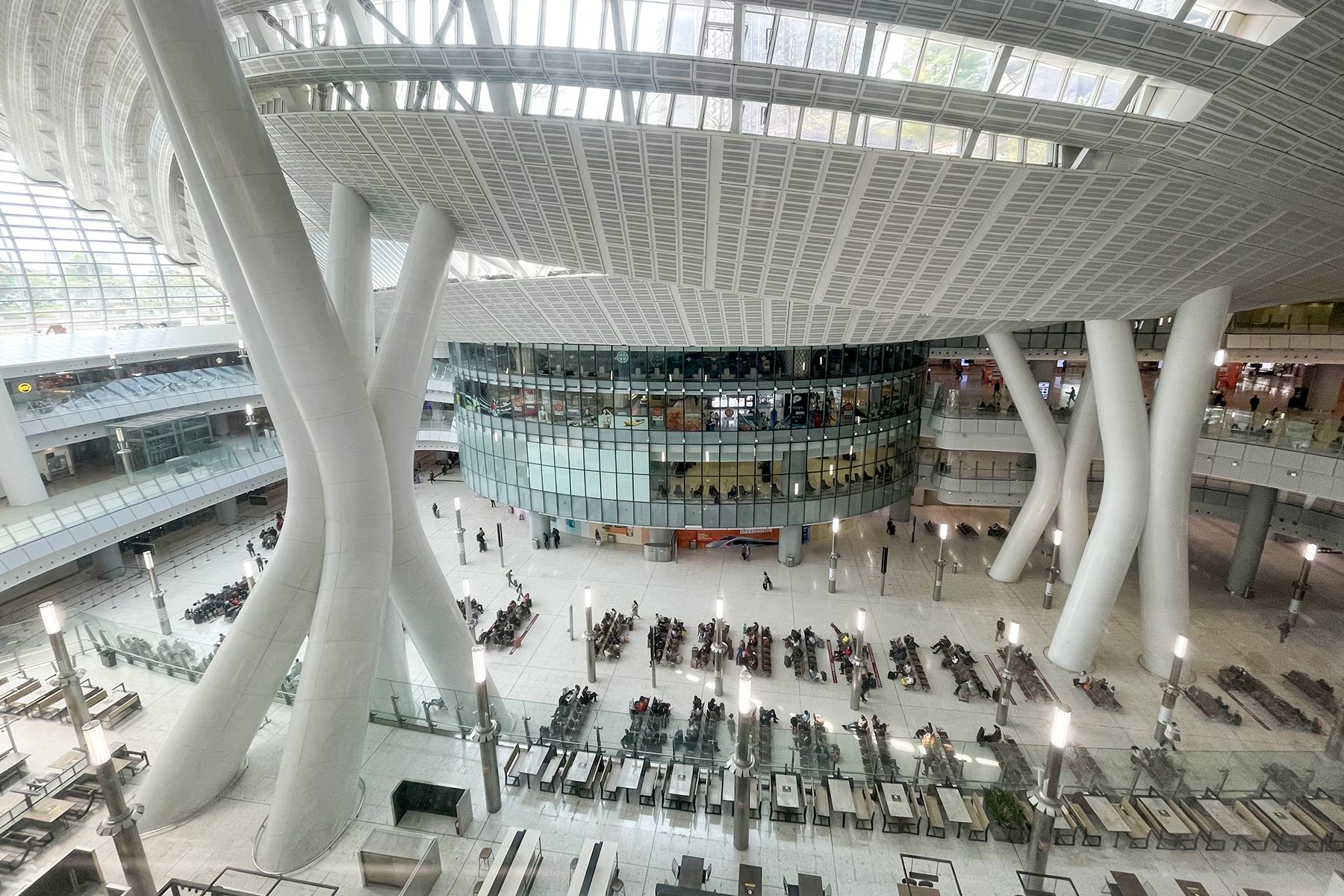
Hong Kong West Kowloon is open from 06:00 to midnight. Walkways and tunnels connect it to Austin station on the MTR’s Tuen Ma Line and to Kowloon station on the Tung Chung Line and the Airport Express. MTR counts more than 40 franchised bus routes serving the station’s bus terminus, the Kowloon station interchange and the roads around them, and there’s a taxi rank. Coming off the train, you can be on the MTR within minutes of clearing immigration.
Booking Tickets as a Foreigner
Tickets go on sale up to 15 days before departure. From Hong Kong, sales for West Kowloon departures open at 08:00; the opening time for other stations varies, so check 12306 for Hongqiao. You can buy on the 12306 website or app, through designated agents, or at station counters and machines, and Hong Kong channels charge in Hong Kong dollars while mainland channels charge in renminbi (MTR’s ticketing page).
For a trip that starts in Shanghai, 12306 is the simplest choice. Its English site and app accept foreign passports, and the passport you book with becomes your ticket: MTR’s real-name rules make it the proof of travel and the boarding document. One passport can hold one ticket per train per date. MTR’s own online ticketing works too, but tickets bought that way have to be collected at West Kowloon, which doesn’t help if you’re starting in Shanghai.
Book early for weekends and public holidays (the 2027 mainland holiday calendar has the dates), and earliest of all for a sleeper berth. Our guide to booking China train tickets walks through 12306 registration and payment step by step.
Immigration and the Co-location at West Kowloon
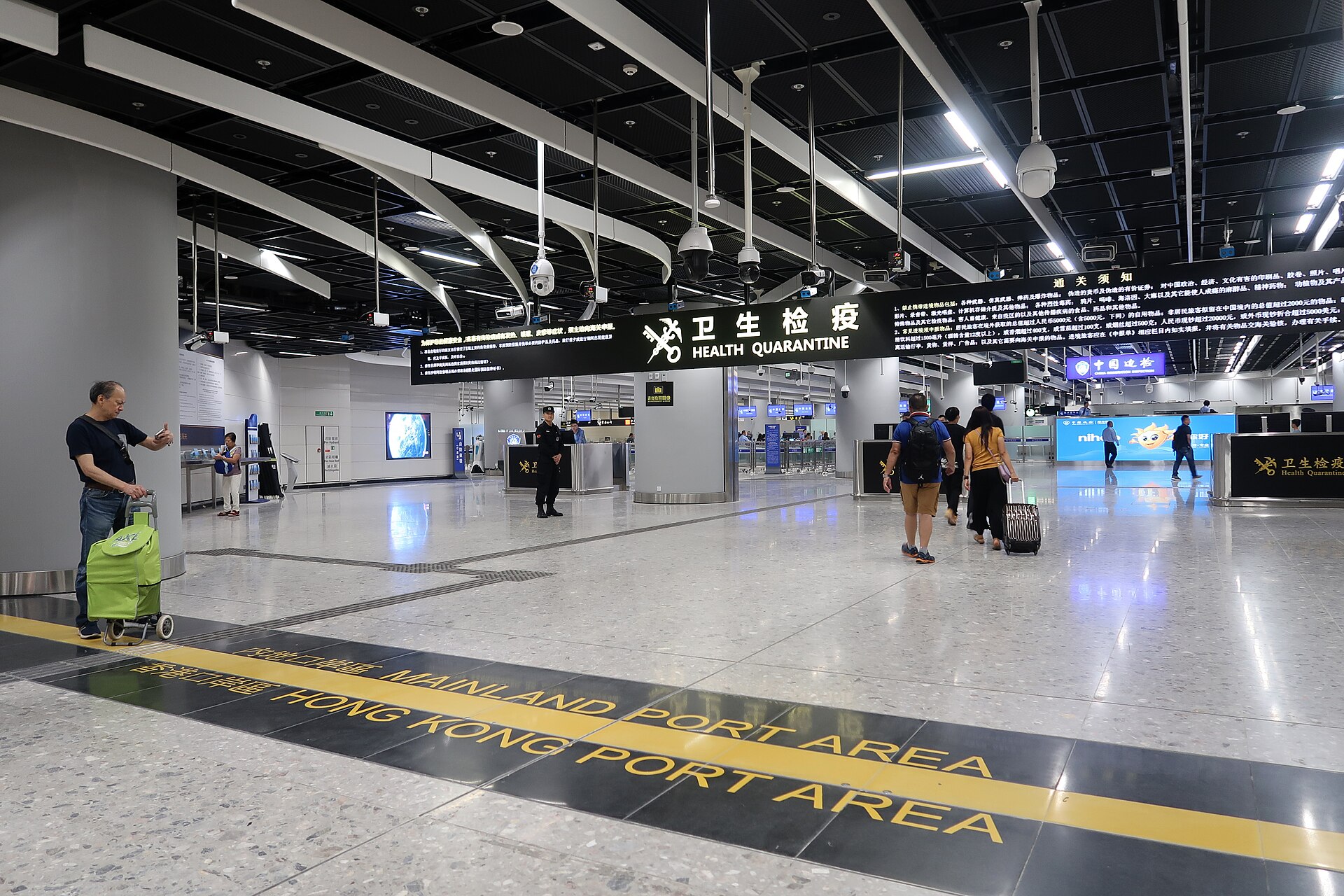
This is the part that makes the train easy. Hong Kong and mainland China are separate immigration jurisdictions, but on this line both sets of controls sit inside West Kowloon station, in a Hong Kong Port Area and a Mainland Port Area. You don’t clear immigration in Shanghai at all.
Arriving in Hong Kong: you get off on Level B4, go up to Level B2, and complete the immigration formalities for the mainland and Hong Kong there, in one go. Then you leave through the gates using your ticket and walk out into Kowloon.
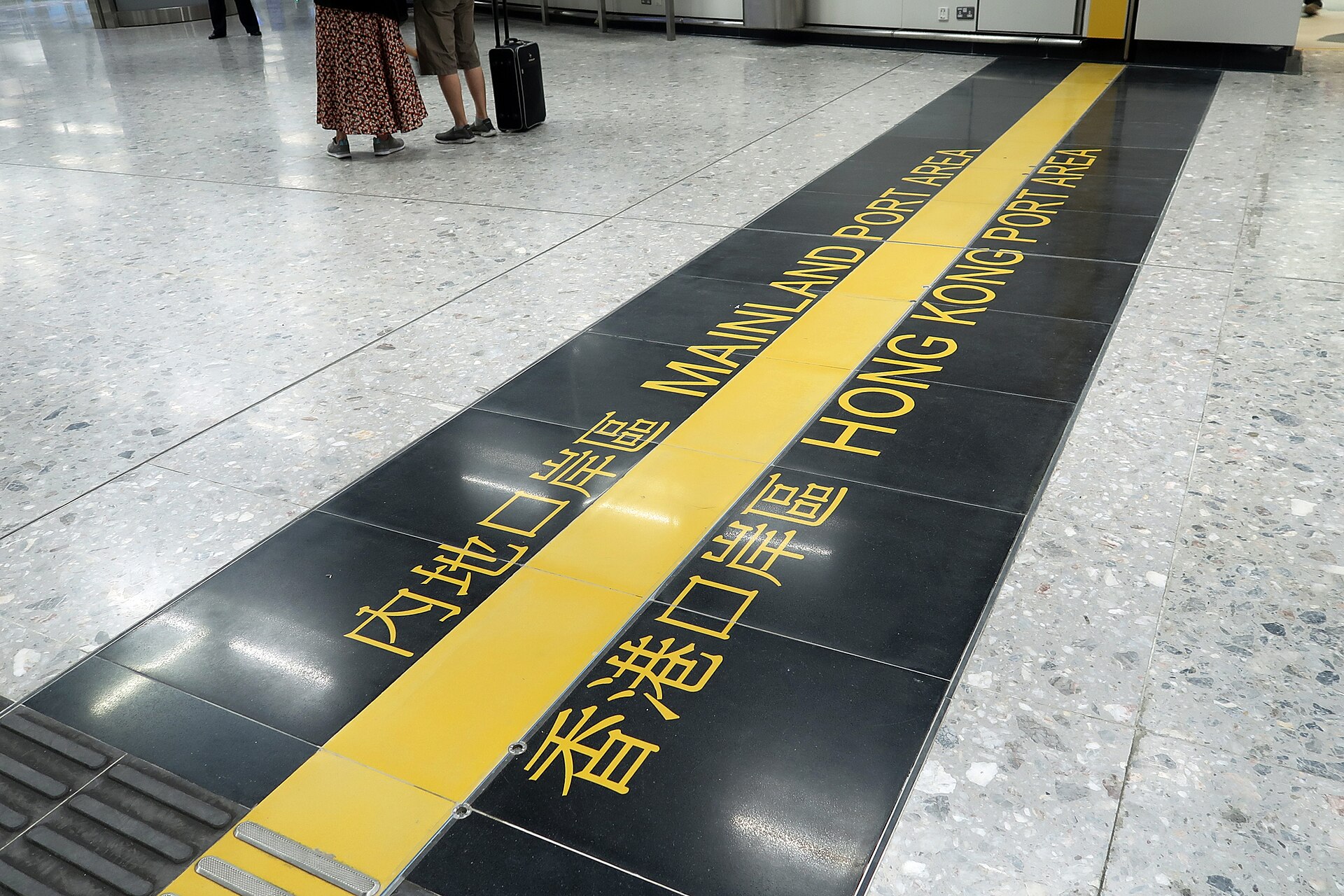
Leaving Hong Kong: the real-name check and ticket check are on Level B1, at self-service gates or a staff counter. They open 90 minutes before departure and close 30 minutes before. You then go through security and both immigration controls on Level B3. Boarding gates open 15 minutes before departure and close 5 minutes before (MTR’s departure process). MTR says the whole process normally takes 30 to 45 minutes, so allow more at weekends, on holidays and for the last train of the day.
A G901 Day, Step by Step
Here’s how the afternoon train works in practice, leaving from a hotel in central Shanghai.
- Late morning: check out and take Metro Line 2 west to Hongqiao Railway Station. It runs direct from People’s Square and East Nanjing Road, so there’s no change to make with your bags.
- 12:45 or so: arrive at Hongqiao about an hour before departure. Your passport is your ticket, so go straight to the entrance, through the ID check and security, and up to the departure hall.
- Lunch: eat in the departure hall and buy whatever you want for the afternoon. There’s nothing like a full meal service on board.
- 13:50: G901 leaves. Watch the countryside, then settle in for the long middle of the journey.
- 21:56: arrive at West Kowloon, platform level B4. Go up to Level B2 and clear immigration for the mainland and Hong Kong in one place.
- Around 22:30: walk through to Austin station for the Tuen Ma Line or to Kowloon station for the Tung Chung Line, or take a taxi to your hotel.
If that arrival time is too late for you, the morning G384/5 gets you in at 17:52, in time for an evening on the harbour.
Hong Kong to Shanghai: the Return Journey
The return trip works the same way in reverse, but with all the formalities at the start. Buy your ticket on 12306 or, since you’re already in Hong Kong, through MTR’s own channels, collecting it at West Kowloon. Sales for West Kowloon departures open at 08:00, up to 15 days ahead. On the day, do the ticket and real-name check on Level B1, then security and both immigration controls on Level B3, and be through before the gates close five minutes before departure. Arriving in Shanghai you simply walk off the train, as if from a domestic journey.
The choice of trains is G902 at 11:35, arriving at Hongqiao at 19:43; G386/3 at 13:58, arriving at 22:42; or the sleeper at 20:00, arriving at 06:58. The late arrival on G386/3 is worth thinking about: by the time you’re out of Hongqiao it’s late, so check when the last metro leaves or plan on a taxi. The sleeper’s early arrival has the opposite problem, and is perfect if you’re flying out of Hongqiao Airport the same morning, next door.
Visas: Entering Hong Kong and Coming Back
Hong Kong: most Western visitors need no visa. The Immigration Department’s list gives British citizens 180 days, and citizens of the United States, Australia, Canada, France, Germany, Ireland, Italy, Spain, the Netherlands and New Zealand 90 days (Hong Kong Immigration Department). Check the list for your passport before you travel.
Leaving the mainland: crossing to Hong Kong counts as leaving mainland China, so a single-entry visa is used up, and your visa-free stay ends. If you plan to come back to Shanghai, you’ll need a fresh entry, whether that’s another visa, a visa exemption, or the visa-free transit scheme.
240-hour visa-free transit: the mainland’s transit scheme treats Hong Kong, Macao and Taiwan as onward destinations, and West Kowloon is one of the 65 ports where you can apply on arrival. You need a confirmed onward ticket with a fixed date and seat, leaving within 240 hours, and MTR advises allowing extra time for the on-site approval. A trip that flies into Shanghai and leaves by train for Hong Kong fits the scheme neatly. Eligibility is by nationality, and the National Immigration Administration publishes the current list. Our 240-hour visa-free transit guide explains the rules.
Luggage, Food and Comfort on Board
MTR’s luggage rules for the cross-boundary trains allow an adult 20 kg and a child 10 kg in total, with no single item over 130 cm when you add up its length, width and height. There’s no checked-luggage service, so everything travels with you (MTR’s luggage rules). A large suitcase can go over the size limit, so measure yours if it’s a big one.
On the sleeper, the food and drink counter in Car 8 has limited supplies, and hot water is free. On the day trains, plan on bringing most of what you’ll eat. West Kowloon has shops and food outlets inside the station, and Hongqiao’s departure hall is lined with restaurants and convenience stores. A nine-hour journey goes better with proper food than with what’s left at the end of the trolley.
Other habits that help: download what you want to watch or read before you leave, because coverage drops in the hills; carry a power bank; and keep your passport within reach, because you’ll need it at both ends.
Train or Flight?
On time alone, flying wins. But door to door, the gap narrows: an airport trip, check-in and security in Shanghai, and then Hong Kong International Airport is on Lantau Island, a long way from Kowloon and the island. The train runs from a metro station to a metro station in central Kowloon, with both immigration checks handled inside the station.
Take the train if you like trains, you’re carrying a lot, you want to stop in Hangzhou or Shenzhen on the way, or the sleeper’s timing suits you. It also makes sense if you’re using the 240-hour transit and want your onward journey on the ground.
Fly if you’re short of time or watching the budget, and compare fares first, because a cheap economy flight can undercut the HK$1,305 second-class train fare. Our Shanghai and Hong Kong itinerary shows how both fit into a week. If you’re still choosing between the two cities, our Shanghai vs Hong Kong comparison will help.
Common Mistakes
- Looking for G99. The Shanghai train was renumbered G901 in January 2026. Old guides still use the old number.
- Going to the wrong Shanghai station. The trains in this guide leave from Shanghai Hongqiao, not Shanghai Railway Station in Jing’an.
- Buying on MTR’s site for a trip from Shanghai. Those tickets have to be collected at West Kowloon. Book on 12306 with your passport instead.
- Arriving late at West Kowloon. The real-name check closes 30 minutes before departure, and the gates close 5 minutes before. Miss them and you miss the train.
- Bringing an oversized case. Each item has to come in at 130 cm or less in total dimensions, and the allowance is 20 kg per adult.
- Forgetting what Hong Kong does to a mainland visa. Crossing over ends your mainland stay. Have a plan for getting back in if you’re returning.
- Expecting a dining car on the sleeper. The counter in Car 8 has limited supplies. Bring breakfast and a cup.
Frequently Asked Questions
Is there a direct train from Shanghai to Hong Kong?
Yes. Three run every day from Shanghai Hongqiao to Hong Kong West Kowloon: G384/5 at 08:47, G901 at 13:50 and an overnight sleeper at 20:15, which runs as G899 from Friday to Monday and G895 from Tuesday to Thursday.
How long is the train from Shanghai to Hong Kong?
The fastest day train, G901, takes 8 hours 6 minutes. G384/5 takes 9 hours 5 minutes, and the sleeper takes 11 hours 10 minutes overnight.
How much is the train from Shanghai to Hong Kong?
From 1 November 2026, MTR’s adult fares for the day trains are HK$1,305 in second class, HK$2,087 in first and HK$4,341 in business. Bought in mainland China, you pay the renminbi fare 12306 shows for your train and date.
Is there a sleeper train from Shanghai to Hong Kong?
Yes. A sleeper leaves Hongqiao at 20:15 every night and arrives at West Kowloon at 07:25, with four-berth rooms. MTR’s published fares on G899 start at ¥2,122 for an upper berth.
Does the sleeper run every night?
Yes. MTR says the Shanghai Hongqiao sleepers have run daily since 26 January 2026, as G899 from Friday to Monday and as G895 from Tuesday to Thursday, leaving at 20:15 either way.
Can I take children on the train to Hong Kong?
Yes. Children’s fares are roughly half the adult published fare (HK$653 in second class on November 2026’s chart), a child’s luggage allowance is 10 kg, and children travelling with adults go through the real-name check at a staff assistance counter rather than the self-service gates.
Where do I go through immigration?
Both mainland and Hong Kong immigration are inside West Kowloon station. Arriving from Shanghai, you clear both on Level B2. Leaving Hong Kong, you clear both on Level B3, after the ticket check on B1.
Can foreigners book the Shanghai to Hong Kong train on 12306?
Yes. 12306’s English website and app accept foreign passports, and the passport you book with is your ticket.
How early should I get to West Kowloon?
The ticket and real-name checks open 90 minutes before departure and close 30 minutes before. MTR says the process normally takes 30 to 45 minutes, so an hour is a sensible margin, more at weekends and on holidays.
Do I need a visa for Hong Kong?
Most Western visitors don’t. British citizens get 180 days, and US, Australian, Canadian and many EU citizens get 90 days, according to Hong Kong’s Immigration Department.
Is the train better than flying?
It’s slower and not cheap, but it runs from the Shanghai metro to central Kowloon with immigration inside the station. Take it for the experience, the luggage allowance or the sleeper’s timing; fly if time or money is tight.
For more journeys out of Shanghai, our guide to travel beyond Shanghai covers the rest of China. Our Shanghai to Beijing train guide covers the other great rail trip from the city.
Photo credits.
West Kowloon station roof: HK West Kowloon Station Level 2 Sky Corridor 201809 by Wpcpey, CC BY-SA 4.0, via Wikimedia Commons.
Train at West Kowloon: 201812 CR400BF-A-5065 as G99 at Hong Kong West Kowloon Station by Stang, CC BY 4.0, via Wikimedia Commons.
Sleeper corridor: Corridor of Sleeper coach, CRH1E by MNXANL, CC BY-SA 4.0, via Wikimedia Commons.
Shanghai Hongqiao platform: 2010-07-22 Shanghai Hongqiao Railway Station platform by Patrick Nagel, CC BY-SA 3.0, via Wikimedia Commons.
West Kowloon main hall: 20230224 Hong Kong West Kowloon Railway Station 02 by Windmemories, CC BY-SA 4.0, via Wikimedia Commons.
Port area boundary: Border between Hong Kong Port Area and Mainland Port Area at HK West Kowloon Station 201809 by Wpcpey, CC BY-SA 4.0, via Wikimedia Commons.
Mainland Port Area entrance: HK West Kowloon Station Mainland Port Area B3 Entrance 201809 by Wpcpey, CC BY-SA 4.0, via Wikimedia Commons.