Everyone does Suzhou and Hangzhou. Fewer people do Wuxi, which is a shame, because a Wuxi day trip from Shanghai gives you things neither of them can. There’s a bronze Buddha 88 metres tall on a hillside above Taihu Lake, and a lakeside park famous across China for its cherry blossom. There’s a stretch of the Grand Canal still lined with old houses, and an ancient town under a Buddhist hill with a Ming garden at its heart. It’s all a short high-speed train ride from Shanghai, and the city feels far less like a tourist production than its neighbours.
The catch is that Wuxi’s sights are spread out. The Buddha and the lake are on the edge of the city, and the old town and canal are in the centre, so you can’t sensibly see everything in a day. You have to choose. This guide sets out two day plans, one for the lake and the Buddha and one for the old town and the canal. It covers the train from Shanghai and how to get around Wuxi, what each sight costs, what to eat, and the mistakes that turn a good day into a long one.
Table of Contents
- Is Wuxi worth a day trip from Shanghai?
- A Wuxi day trip from Shanghai: two plans
- Shanghai to Wuxi by train
- Getting around Wuxi
- Lingshan Grand Buddha
- Yuantouzhu and Taihu Lake
- Huishan Ancient Town and Jichang Garden
- Nanchang Street and the Grand Canal
- What to eat in Wuxi
- If you have more time
- When to go
- Staying the night
- What people get wrong
- Frequently Asked Questions
Is Wuxi worth a day trip from Shanghai?
Yes, if you’ve already done Suzhou or Hangzhou, or if what you want is scale and landscape rather than one more classical garden. Wuxi’s headline sights are big and outdoors: a colossal Buddha, a lake you can’t see across, and a temple complex built on a theatrical scale. Suzhou is better for gardens, and Hangzhou’s West Lake is more beautiful and more famous. Wuxi wins on variety, and on not being shoulder to shoulder with tour groups outside public holidays.
It’s less good if you only have one day trip in your whole visit (do Suzhou first), or if you want everything within walking distance. Wuxi is a big, modern city of several million, and its best sights are a bus or taxi ride apart.
How Wuxi compares with the other day trips
| Day trip | Headline sight | Walkable in a day? | Best for |
|---|---|---|---|
| Wuxi | Lingshan Grand Buddha and Taihu Lake | No: pick the lake or the old town | Scale, landscape, a second day trip |
| Suzhou | Classical gardens and canals | Mostly, with a taxi or two | Gardens and a first day trip |
| Hangzhou | West Lake | The lake, yes; the tea villages need transport | Lakeside walking and tea |
| Nanjing | History: the city wall, Sun Yat-sen’s mausoleum | No: the sights are spread out | Modern Chinese history |
A Wuxi day trip from Shanghai: two plans
Pick one of these. Trying to do both in a day means spending more time in taxis than at the sights.
| Plan A: the Buddha and the lake | Plan B: the old town and the canal | |
|---|---|---|
| Sights | Lingshan Grand Buddha, then Yuantouzhu on Taihu Lake | Huishan Ancient Town and Jichang Garden, then Nanchang Street and Qingming Bridge |
| Where | Binhu district, on the lakeshore south-west of the centre | Liangxi district, central Wuxi |
| Getting around | Bus or taxi; the two sights are far apart | Metro Lines 4 and 1 |
| Entry fees | Lingshan 210 yuan; Yuantouzhu 90 yuan, ferry included | Huishan 70 yuan; Nanchang Street and the canal free |
| Best season | Spring (cherry blossom at Yuantouzhu) and autumn | Any time; the canal is best in the evening light |
| Best for | Big sights, landscape, families | History, photography, a slower day with good food |
Both plans need an early start. The main sights close in the late afternoon, while trains back to Shanghai keep running into the evening, so a late dinner in Wuxi is easy.
Plan A in outline
- 08:00 train from Shanghai to Wuxi;
- 09:30 bus or taxi to Lingshan, and three hours there;
- 13:30 taxi along the lake to Yuantouzhu, and two to three hours there, including the ferry;
- 17:00 back to the centre for dinner, then the train home.
Plan B in outline
- 08:30 train from Shanghai to Wuxi;
- 10:00 Metro Line 4 to Huishan Ancient Town, and the morning in the old town and Jichang Garden;
- 13:00 lunch, then across town to Nanchang Street;
- 15:00 the canal, Qingming Bridge and the old lanes, staying for the light at dusk;
- 19:00 dinner on or near Nanchang Street, then the train home.
Shanghai to Wuxi by train
The train is the easiest way to do this. Wuxi has two main stations, and which one you use decides how you start the day.
- Wuxi Railway Station is on the Shanghai–Nanjing intercity line and the Beijing–Shanghai railway. It’s in the city centre, and Wuxi Metro Line 1 stops there.
- Wuxi East is on the Beijing–Shanghai high-speed line, further out, and is served by Metro Line 2.
From Shanghai, trains to Wuxi leave both Shanghai Railway Station and Shanghai Hongqiao. In March 2024 the Shanghai government gave the ride as 42 minutes to an hour, with fares of 47 to 69 yuan. Times depend on the train and how many stops it makes, and fares vary by train and class, so check both on 12306 or the China Railway app when you book. For a day trip, Wuxi Railway Station is the more useful arrival point, because it’s central and on Line 1. Our guides to booking Chinese train tickets and Shanghai’s train stations cover the practicalities.
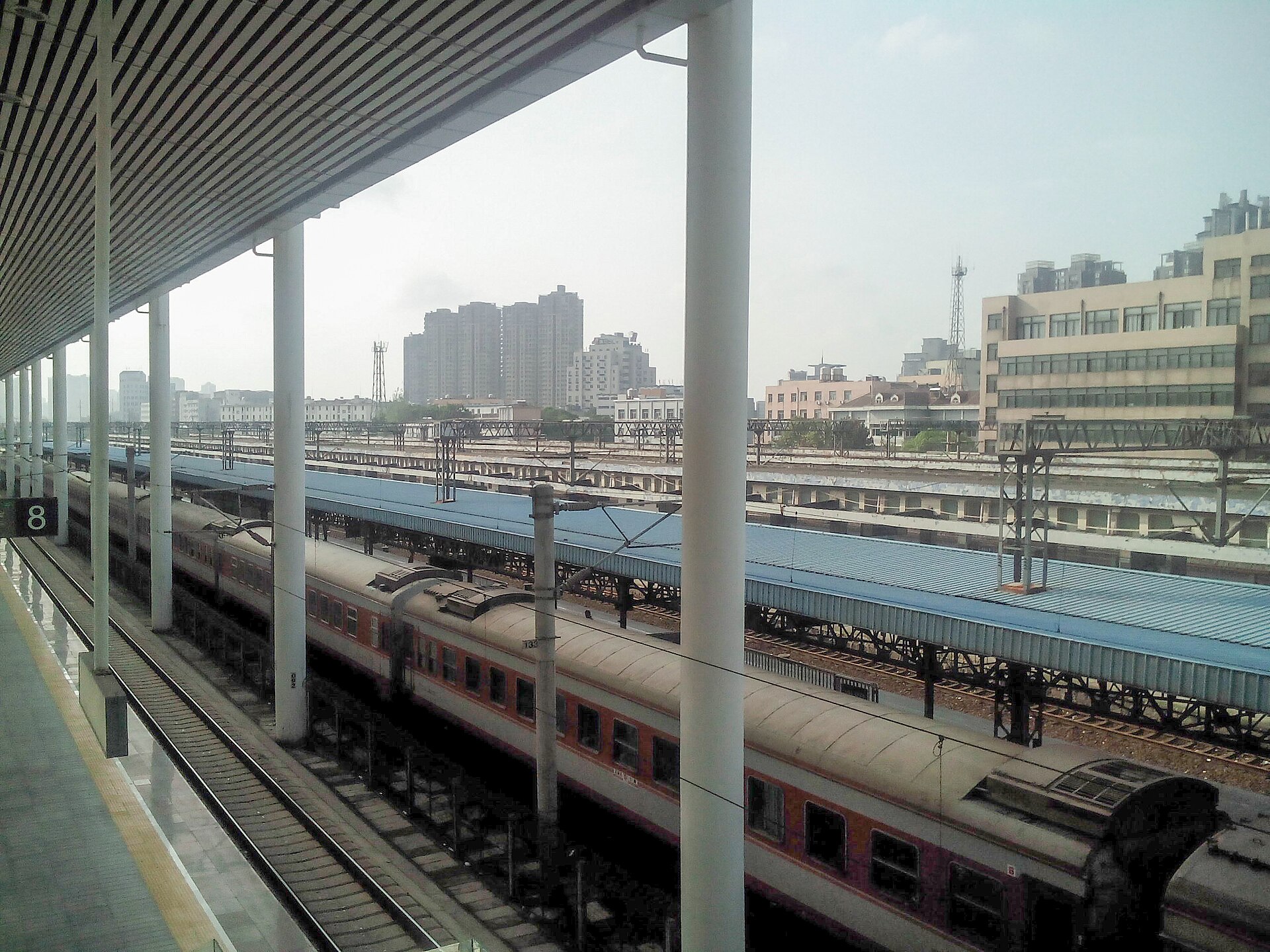
Book your return in advance on a public holiday or a Friday or Sunday evening, when trains between Wuxi and Shanghai fill up. On ordinary weekdays you can usually buy on the day, but booking both ways in advance takes the pressure off.
Getting around Wuxi
Metro. Three Wuxi Metro lines matter for a day trip. Line 1 runs through the centre and stops at Wuxi Railway Station, and it’s the line for Nanchang Street (Nanchan Temple station) and Qingming Bridge (Qingmingqiao station). Line 2 serves Wuxi East. Line 4 stops at Huishan Ancient Town. Buy a single ticket at the station machines (cash, WeChat or Alipay), or request a Wuxi transport QR code in Alipay or WeChat. Check that your account supports it before you rely on it.
Buses to the lake and the Buddha. Lingshan and Yuantouzhu are off the metro network. Wuxi runs public and tourist buses to both. Wuxi’s government lists bus K1 from the railway station to Yuantouzhu’s Chongshan Gate, running from 05:30 to 18:20, and K87 to its Dushan Gate. Routes, stops and timetables change for holidays, so confirm them locally or take a taxi, especially to Lingshan.
Taxi and ride-hailing. For Plan A, a taxi or DiDi between Lingshan and Yuantouzhu saves a lot of time, because the two sit at different points on the lakeshore with no direct metro. Our guide to using DiDi works just as well in Wuxi.
Lingshan Grand Buddha
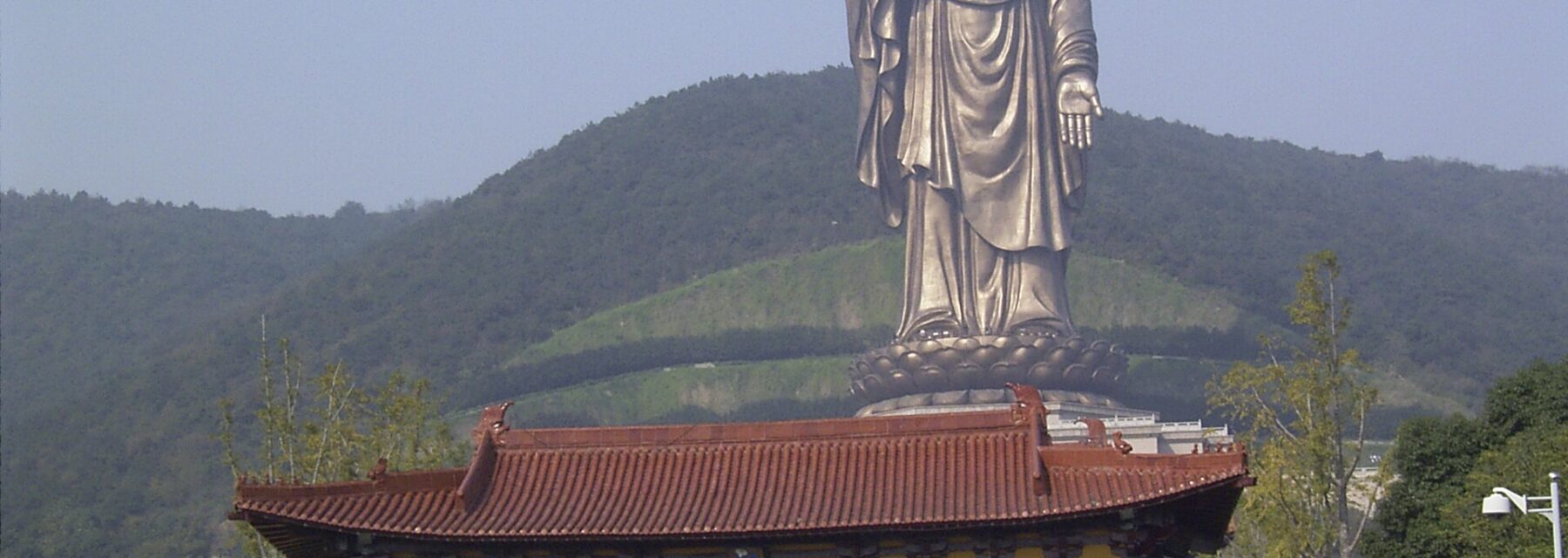
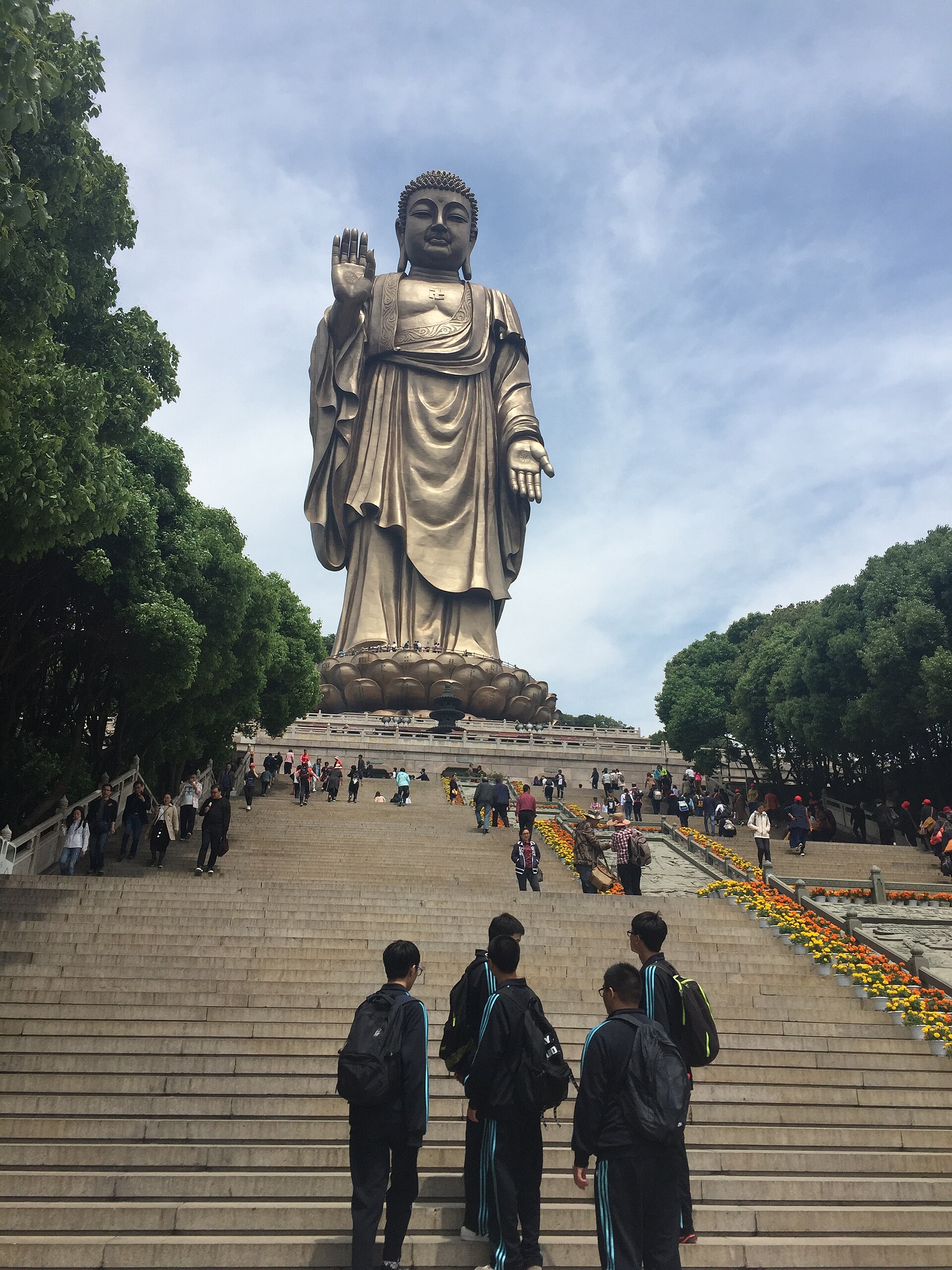
The Lingshan Scenic Area, out at Mashan on the shore of Taihu Lake (No 1 Lingshan Road, Binhu district), is a modern Buddhist complex built to impress, and it does. The Grand Buddha stands 88 metres tall, cast from 725 tonnes of bronze in about 2,000 copper panels, and climbing the long staircase to its feet is the centrepiece of the visit.
Two other sights at Lingshan are worth your time:
- Nine Dragons Bathing Sakyamuni, a performance built around a 7.2-metre gilded figure of the infant Prince Siddhartha, with fountains around it, some more than 30 metres high. It’s kitsch, loud and oddly moving, and it’s the moment everyone remembers. Check the show times when you arrive and plan your visit around them.
- The Brahma Palace, a vast hall 150 metres wide, 180 metres deep and 66.5 metres high, covering 72,000 square metres. It’s decorated in carving, gilding and murals on a scale that leaves most visitors slightly stunned. Whether you find it beautiful or overwhelming, you won’t forget it.
How to spend three hours at Lingshan
Lingshan is laid out as a long axis climbing from the entrance to the Buddha, and it rewards taking it in order rather than heading straight for the statue.
- Find the Buddha’s hand. At ground level stands a bronze copy of the Grand Buddha’s right hand, made to the statue’s scale. Everyone stops to touch it, and it gives you a sense of the size of what’s waiting at the top.
- Time the Nine Dragons show. Find out the next performance as you go in, and arrange the rest of your visit around it. Arrive a few minutes early for a view of the fountains.
- Climb to the Buddha. The steps up to the statue are long and exposed. Take water in summer. From the platform at its feet you look out over the hills and Taihu Lake, the view that explains why the Buddha was put here.
- Finish in the Brahma Palace. It’s indoors, a good place to end on a hot or wet afternoon, and the scale of the interior is best appreciated when you’re not in a hurry.
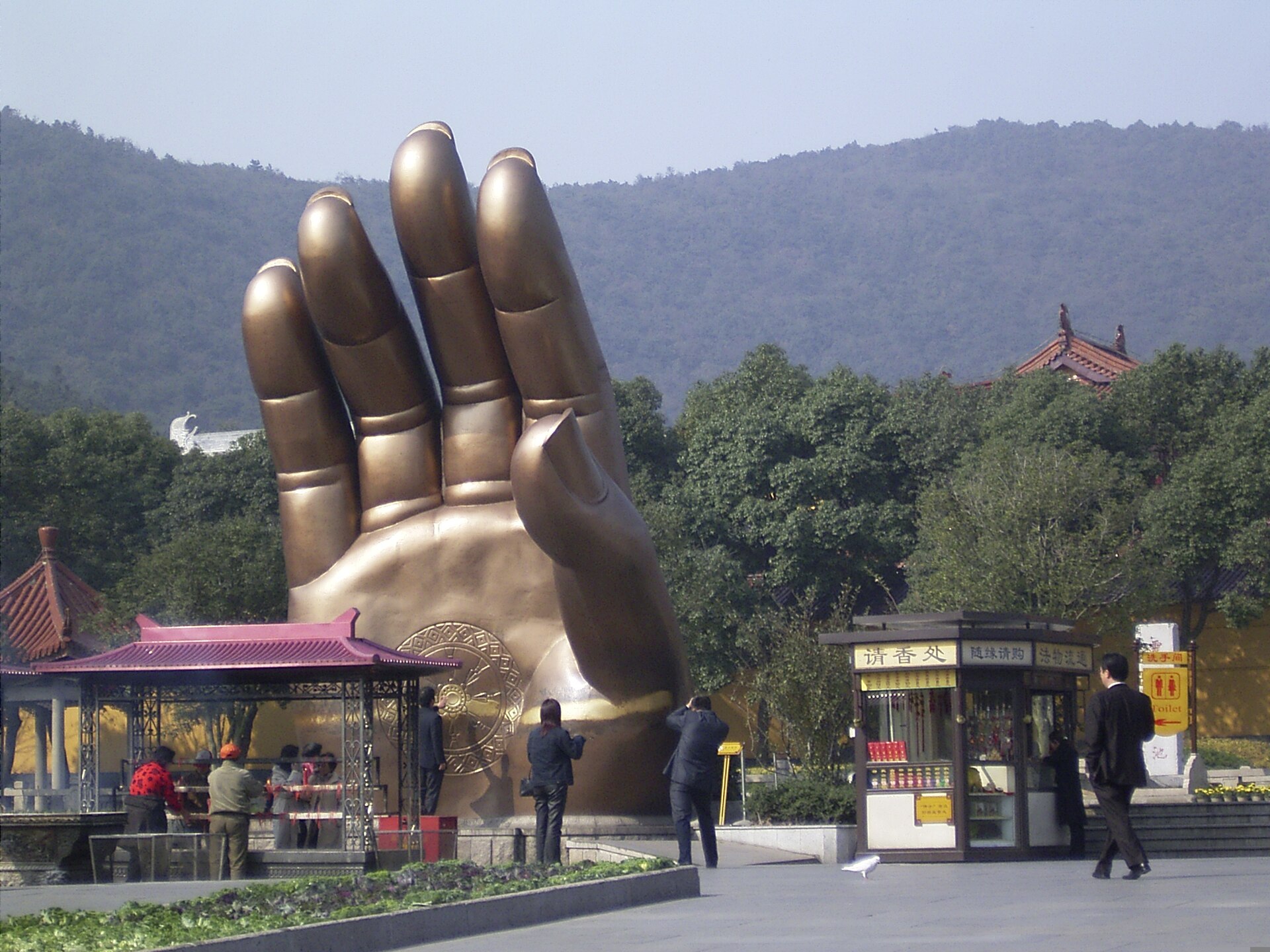
Tickets and hours. Entry costs 210 yuan. The site opens from 07:00 to 17:30 in summer and 07:30 to 17:00 in winter. Ask at the ticket office what the ticket includes and when the shows run, and allow three hours. The scenic area’s official WeChat account and ticketing mini program have current prices and show times.
Next door, Nianhuawan is a newer, separately ticketed Zen-themed resort town. It’s worth a look if you’re staying the night in Wuxi. As a day-trip add-on, it squeezes out the lake.
Yuantouzhu and Taihu Lake
Taihu is one of China’s great lakes, and Yuantouzhu (“Turtle Head Isle”) is the place to see it: a wooded peninsula of gardens, pavilions and lakeside walks, with a ferry out to islands offshore. It’s best known for its cherry blossom, which turns the whole shoreline pink in spring. In 2026 the blossom was in full bloom on 26 March. Outside the blossom season it’s quieter and arguably more pleasant, a long walk by the water with views that go on to the horizon.
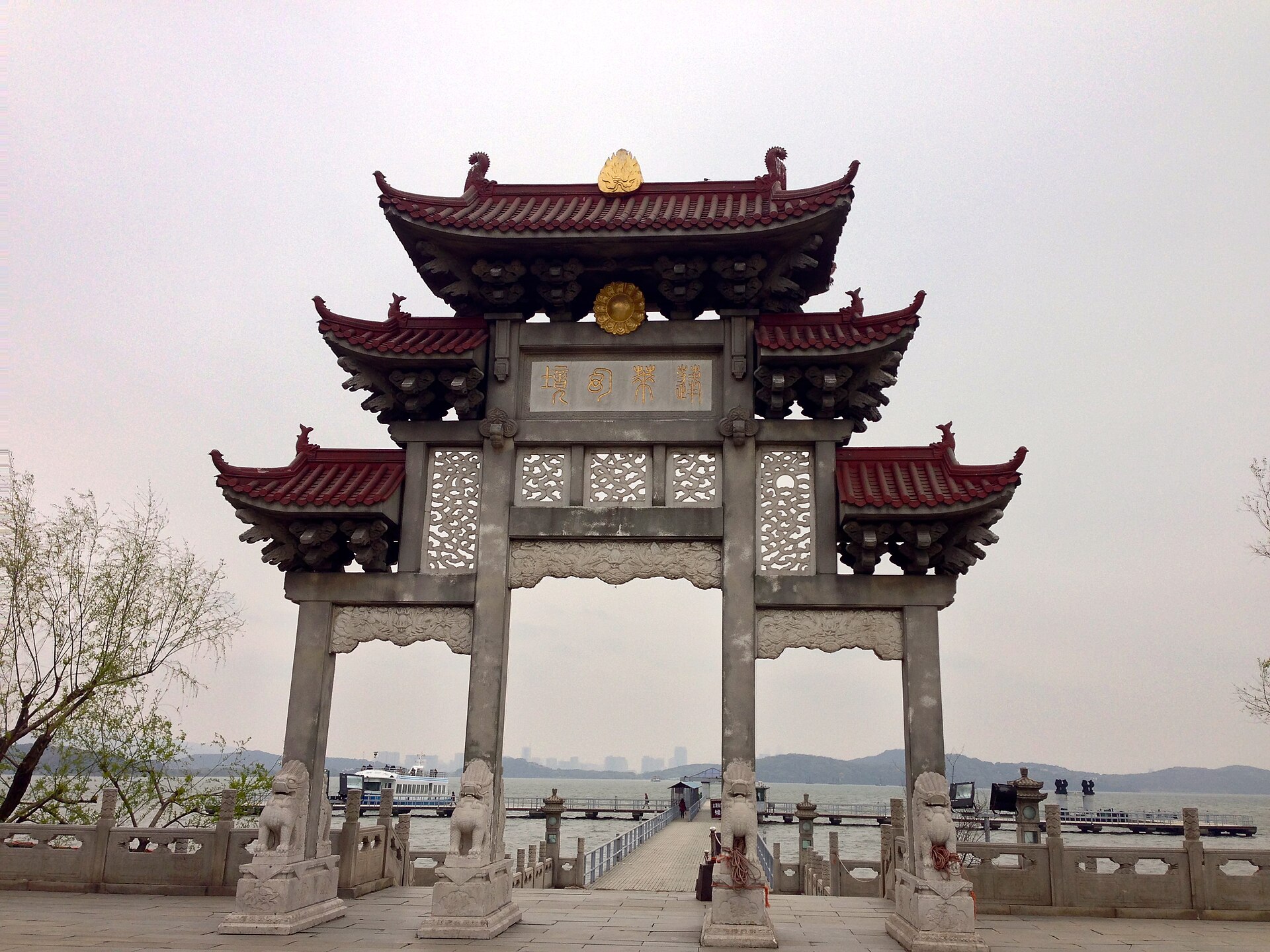
Tickets and hours. Entry costs 90 yuan for adults, including the ferry, and the park opens from 08:00 to 16:30. The address is No 1 Yuanzhu Road, Binhu district. Bus K1 runs from the railway station to the Chongshan Gate. These figures come from Wuxi’s government listing, so check them before you go, especially in cherry-blossom season, when queues and arrangements change.
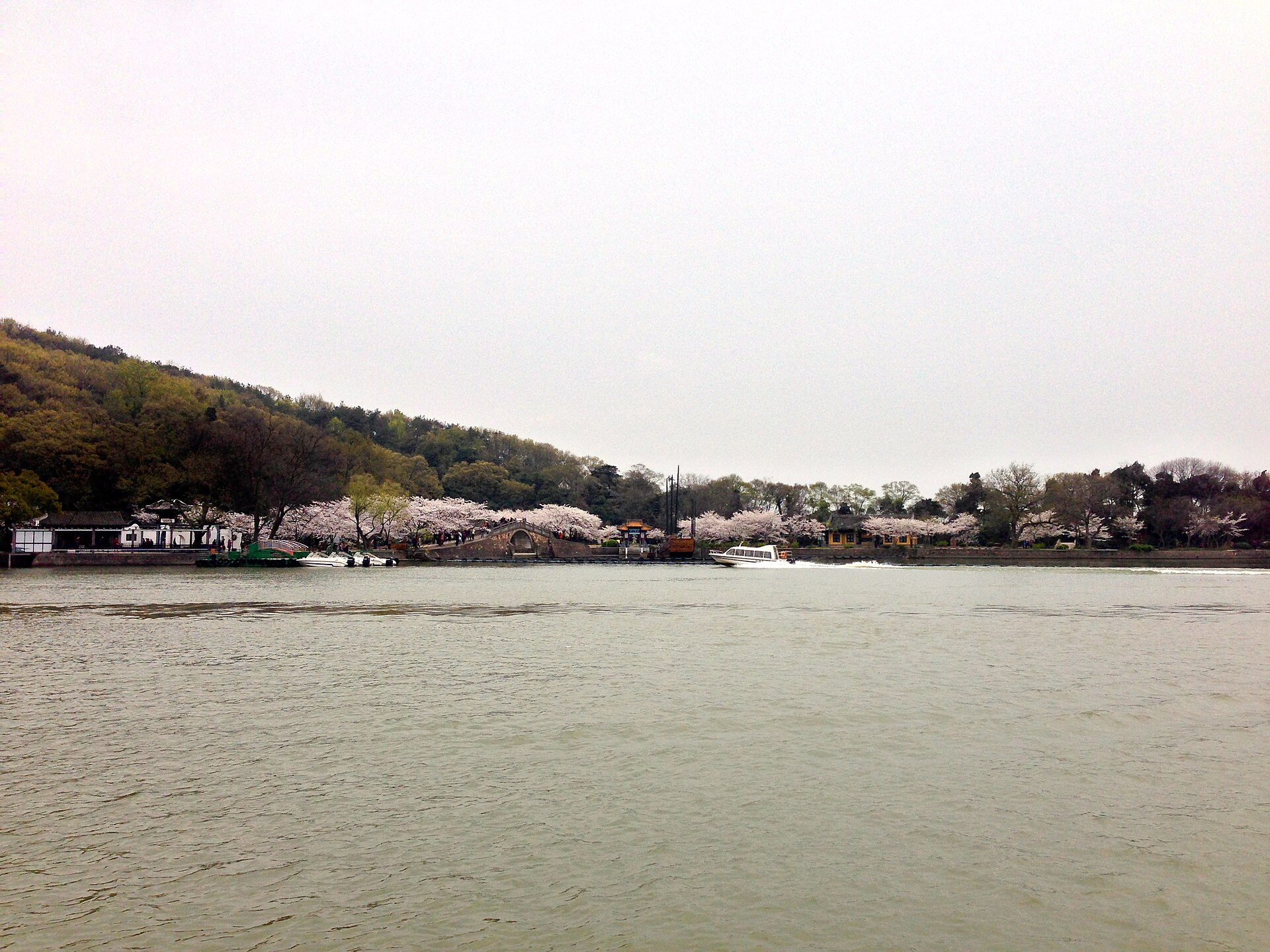
Take the ferry. The islands are where the views of the lake open up, and the boat ride is half the point. Allow two to three hours. If you’re coming for the cherry blossom, go on a weekday and as early as you can: the peak-season weekend crowds are enormous. Our cherry blossom guide covers the season in Shanghai, if you want to compare.
Huishan Ancient Town and Jichang Garden
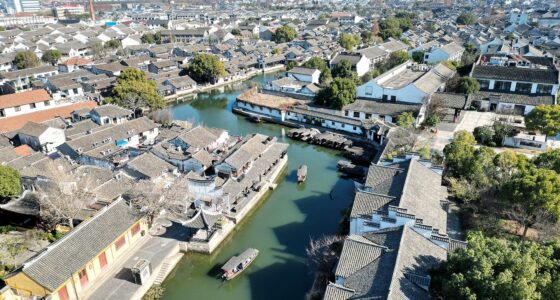
Huishan Ancient Town (No 18 Baoshan Street, Liangxi district) sits at the foot of Huishan, the hill on Wuxi’s western edge. It’s the best place in the city to get a sense of old Wuxi. The town is famous for its ancestral halls: more than a hundred of them, built by Wuxi’s leading families over centuries, many now restored and open to wander through. Huishan Temple, whose origins the city traces back to the Northern and Southern Dynasties, is also in the town.
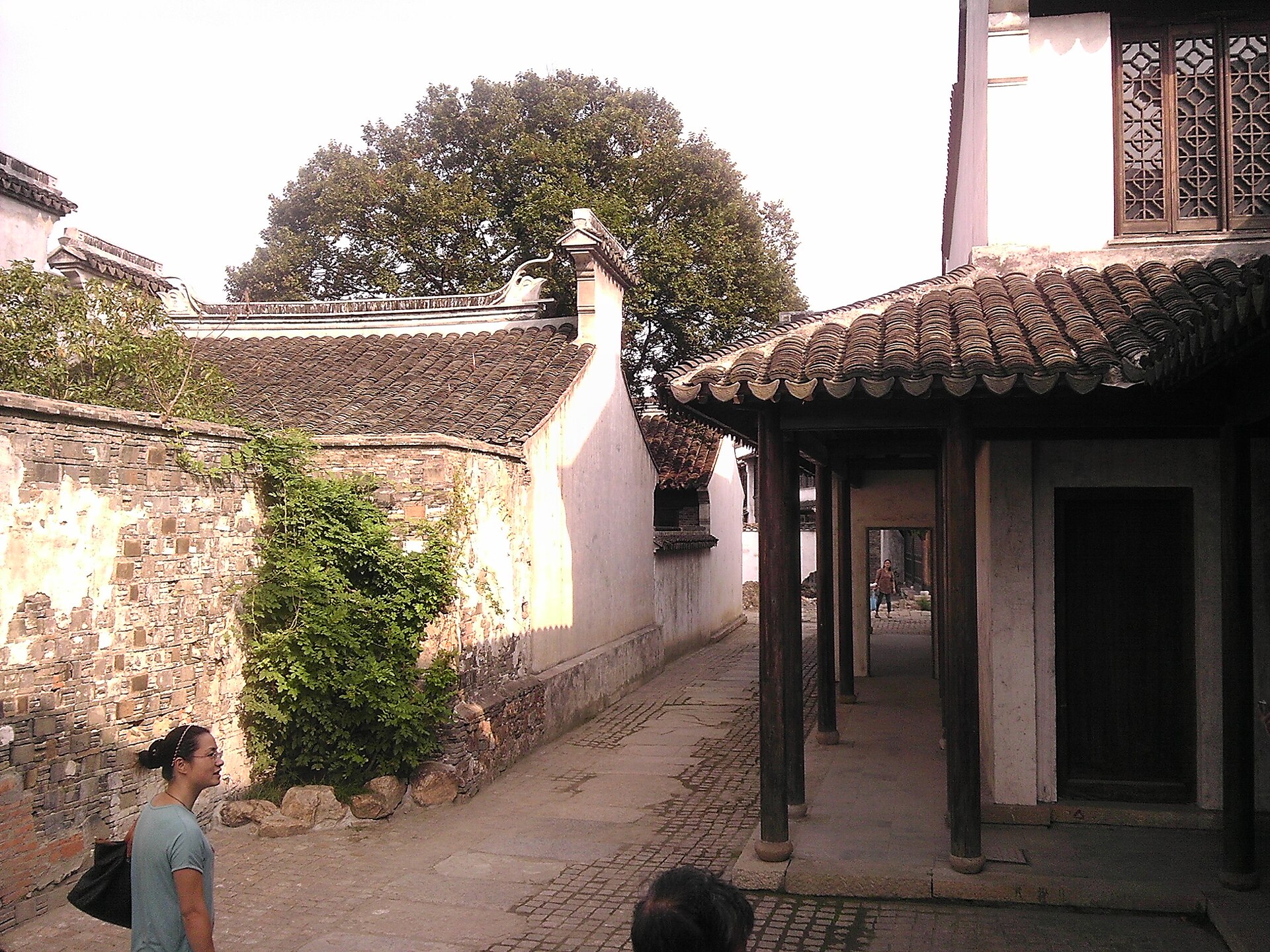
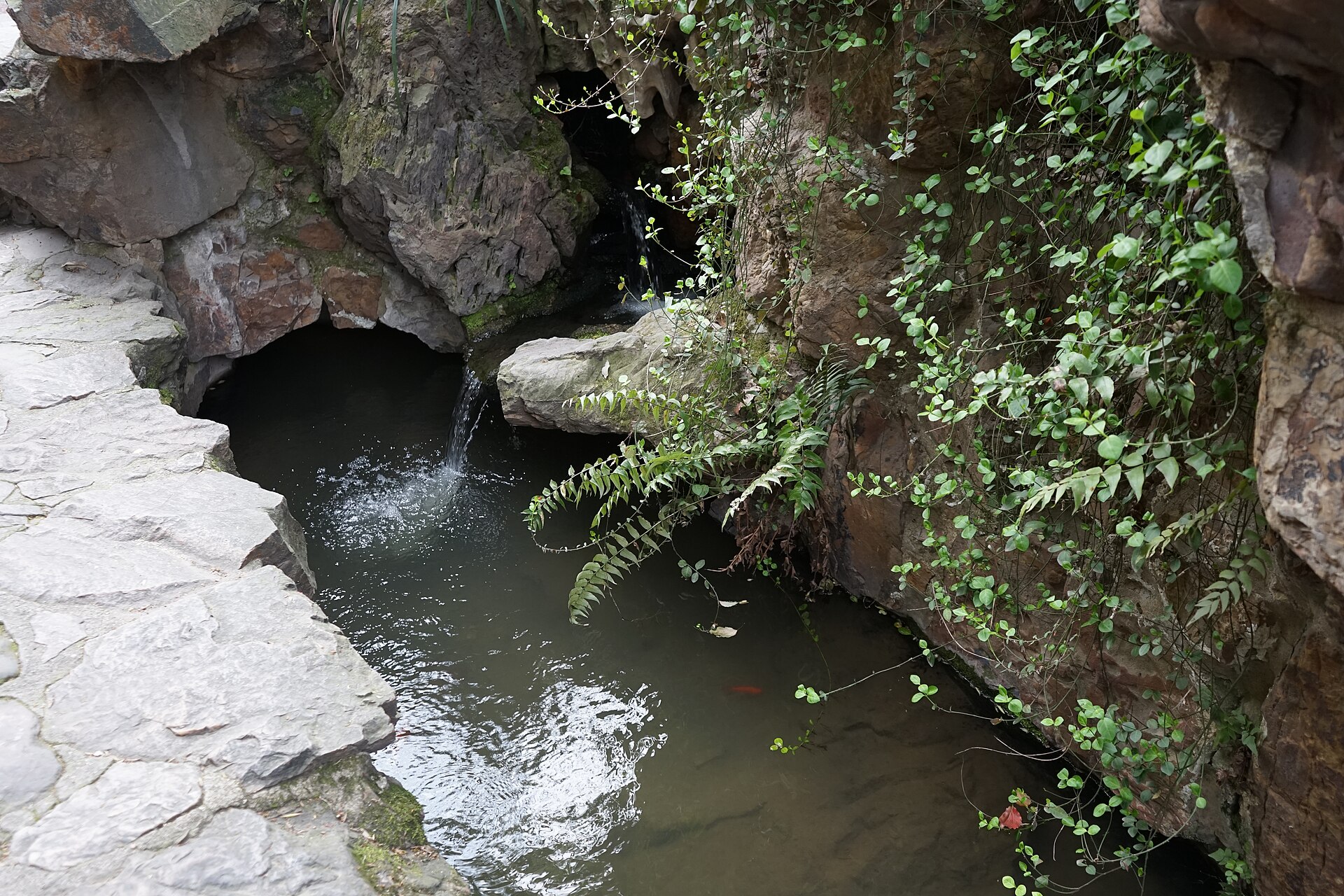
The highlight is Jichang Garden, a Ming-dynasty garden that the town celebrated as 500 years old in 2026. It’s small and beautifully proportioned, a fine example of the Jiangnan garden. It “borrows” the hill and the pagoda behind it as part of its view, a classic garden technique done here as well as anywhere. Look for the Bayin Ravine, a narrow rocky channel where spring water runs over stones. It’s one of the garden’s best-known features.
Tickets and hours. The Huishan ticket costs 70 yuan and covers the historic core (the Cultural Relics and Historic Sites Area) and the Xihui Scenic Area. Ask at the gate whether Jichang Garden is included that day. In summer it opens from 07:00 to 17:00 on weekdays and to 17:30 at weekends. In winter it opens from 07:00 to 16:30 on weekdays and to 17:00 at weekends. Take Metro Line 4 to Huishan Ancient Town station and use Exit 6 for the Guhuashan gate.
Huishan is also the home of Wuxi’s painted clay figurines, the classic local craft, sold in shops along the main street. They make a better souvenir than most.
Nanchang Street and the Grand Canal
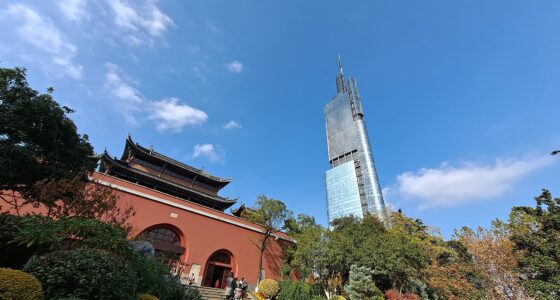
The Qingming Bridge Ancient Canal Scenic Area, along Nanchang Street, is where the old Grand Canal runs through central Wuxi between rows of restored waterside houses. It’s free, open around the clock, and a good contrast to the ticketed sights. The stone Qingming Bridge arches over the water, the lanes behind it are full of places to eat and drink, and boats still use the canal.
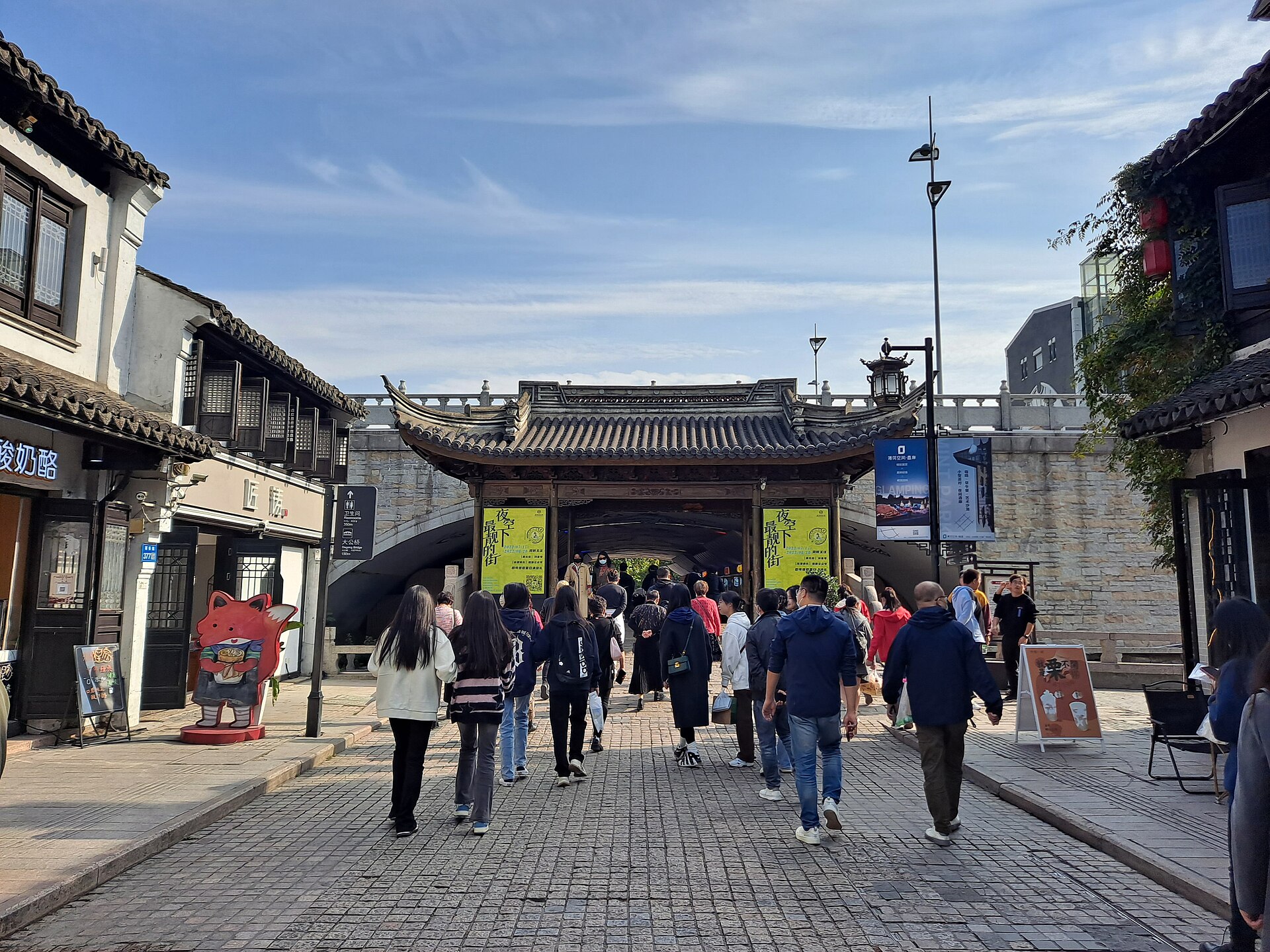
Come in the late afternoon and stay into the evening, when the lanterns come on and the light on the water is softer. It’s free and open late, so it fits neatly at the end of either plan if you have the energy. Take Metro Line 1 to Nanchan Temple station, about ten minutes’ walk away, or to Qingmingqiao. Canal boat trips have run from the area. Ask about prices and times at the dock rather than trusting a figure online.
What to eat in Wuxi
Wuxi’s cooking leans sweeter than Shanghai’s, which is saying something. Three things are worth seeking out:
- Wuxi pork ribs (无锡酱排骨), braised in soy sauce and rock sugar until glossy, sweet and salty at once and falling off the bone. This is the city’s signature dish. Most traditional restaurants serve them, and vacuum-packed versions make a good edible souvenir.
- The “Three Whites” of Taihu (太湖三白): white shrimp, whitebait-like silver fish and a white lake fish, usually steamed or quick-fried. They’re best near the lake, around Yuantouzhu or Lingshan.
- Wuxi xiaolongbao, the local soup dumplings, which are noticeably sweeter than Shanghai’s. Try them side by side with the ones in our Shanghai xiaolongbao guide and decide which city wins.
Nanchang Street has the most concentrated choice for an evening meal, and the area around Huishan works well for lunch on Plan B. Pay with Alipay or WeChat Pay as you would in Shanghai. Our guide to mobile payment for tourists covers the set-up.
If you have more time
Stay a night and you can do both plans, add Nianhuawan in the evening, and see some of these:
| Sight | Entry | Hours | Why go |
|---|---|---|---|
| Three Kingdoms and Water Margin theme park (CCTV Wuxi Film and TV Base) | 150 yuan | 08:00–18:30 | Film-set cities on the lake |
| Donglin Academy | Free | 09:00–17:00 | The academy behind the late-Ming Donglin movement, quiet and central |
| Wuxi Museum | Free | 09:00–17:00, Tuesday to Sunday; closed Mondays except holidays | The city’s history, and a rainy-day option |
| Nianhuawan | Separate ticket | Check on the day | A Zen-themed resort town beside Lingshan |
With two or three days, Wuxi also combines easily with Suzhou on the same rail line. Our weekend getaway guide and 10-day Shanghai, Suzhou and Hangzhou itinerary show how to fit it in.
When to go
Spring is Wuxi’s season. The cherry blossom at Yuantouzhu draws people from all over the country. In 2026 it was in full bloom on 26 March, but the timing shifts with the weather each year, so watch Wuxi’s tourism announcements from mid-March. Expect big crowds at the park and book your trains ahead.
Summer is hot and humid, and Lingshan’s long climb to the Buddha is hard work in the middle of the day. Lingshan opens at 07:00 in summer, so go early, and save the canal for the evening.
Autumn, from late September to November, is the most comfortable time for walking, with clear days on the lake. Avoid the National Day Golden Week in early October, when scenic areas across the Yangtze delta are full.
Winter is cold, grey and quiet. Opening hours shorten, with Lingshan open 07:30 to 17:00 and Huishan closing at 16:30 on weekdays. But you’ll have Jichang Garden and the old town largely to yourself, and a bowl of braised ribs means more on a cold day.
Staying the night
If you can spare a night, Wuxi gets much better. You can do both plans without rushing, see Nianhuawan or the canal after dark, and catch Yuantouzhu at opening, before the coaches arrive. Stay near Nanchang Street or the railway station for evenings in the old town and an easy train home. Or stay out by the lake near Lingshan for quiet and an early start at the Buddha. Hotels in China must be licensed to take foreign guests, so book through a platform that filters for it. Our guide to booking hotels as a foreigner explains how.
What people get wrong
- Trying to see everything in a day. Lingshan and Yuantouzhu are on the lakeshore, Huishan and the canal in the centre. Pick a plan.
- Arriving at the wrong station. Wuxi East is further out. For a day trip, aim for Wuxi Railway Station, which is central and on Metro Line 1.
- Not booking the train home on a busy evening. Friday and Sunday evenings and public holidays fill up.
- Starting late. Yuantouzhu stops at 16:30 and Lingshan at 17:00 or 17:30, depending on the season.
- Skipping the Yuantouzhu ferry. It’s included in the ticket, and the views from the islands are the best of the lake.
- Visiting Yuantouzhu on a blossom-season weekend without expecting crowds. Go on a weekday, early.
- Trusting old bus routes. Wuxi changes tourist bus lines for holidays. Check at the stop, or take a taxi.
- Expecting Suzhou. Wuxi is a big modern city with spread-out sights. Its rewards are different, not lesser.
Frequently Asked Questions
Is Wuxi worth a day trip from Shanghai?
Yes, especially if you’ve already been to Suzhou or Hangzhou. Lingshan’s Grand Buddha and Taihu Lake at Yuantouzhu are unlike anything else near Shanghai. Pick one plan rather than trying to see the whole city.
How long is the train from Shanghai to Wuxi?
In March 2024 the Shanghai government gave 42 minutes to an hour, with fares of 47 to 69 yuan, depending on the train. Check current times and fares on 12306 or the China Railway app.
Which Wuxi station should I use?
Wuxi Railway Station, for most day trips. It’s central and on Metro Line 1. Wuxi East, on the Beijing–Shanghai high-speed line, is further out and on Line 2.
How much is the Lingshan Grand Buddha ticket?
Entry to the Lingshan Scenic Area costs 210 yuan. Check at the ticket office what it includes, and when the Nine Dragons show runs.
Can you do Lingshan and Yuantouzhu in one day?
Yes. That’s Plan A in this guide. Start early, spend the morning at Lingshan, take a taxi along the lake, and give Yuantouzhu the afternoon before it closes at 16:30.
How much is Yuantouzhu?
90 yuan for adults, including the ferry to the islands, and it opens from 08:00 to 16:30. Check before you go in cherry-blossom season.
When is the best time to visit Wuxi?
Spring, for the cherry blossom at Yuantouzhu, and autumn, for clear days on the lake. Avoid national holidays, when the sights are packed.
Is Wuxi better than Suzhou for a day trip?
Different, rather than better. Suzhou has the finer gardens and the more famous old town. Wuxi has the lake, the Buddha and fewer crowds. If you can only do one, do Suzhou. If you’re coming back for a second day trip, do Wuxi.
Can I use Alipay and WeChat Pay in Wuxi?
Yes, in shops, restaurants and at the scenic areas, just as in Shanghai. On the Wuxi Metro, buy a single ticket at the station machines, or check that the Alipay transport code works with your account.
Do I need to book tickets in advance?
Book the train in advance on weekends and holidays. Sight tickets are sold on the day, but checking each scenic area’s official WeChat account first saves queuing in busy seasons.
Wuxi is a fine second day trip once you’ve done the classics. For the others, start with our day trips from Shanghai guide, which covers Hangzhou and Nanjing among others. Current prices and hours for Wuxi’s sights are published by the Wuxi government’s English portal, and train times and fares by China Railway 12306. Prices and hours were checked in October 2026 against the Wuxi government listing.
Photo credits.
Lingshan temple gate and Grand Buddha: Gbyte travel china wuxi 0028 by Holger Naether, CC BY-SA 3.0, via Wikimedia Commons.
Lingshan Grand Buddha: Mt. Lingshan Grand Buddha Scenic Area (42314970261) by Emoji English, CC BY 2.0, via Wikimedia Commons.
Yuantouzhu archway: Binhu, Wuxi, Jiangsu, China – panoramio (103) by ping lin, CC BY-SA 3.0, via Wikimedia Commons.
Taihu shore at Yuantouzhu: Binhu, Wuxi, Jiangsu, China – panoramio (104) by ping lin, CC BY-SA 3.0, via Wikimedia Commons.
Eight-Tone Ravine, Jichang Garden: Eight-tote Ravine by Huang, CC BY-SA 4.0, via Wikimedia Commons.
Huishan Ancient Town: Beitang, Wuxi, Jiangsu, China – panoramio (12) by song songroov, CC BY 3.0, via Wikimedia Commons.
Nanchang Street: Nanchang Street, Wuxi 2 by EditQ, CC BY-SA 4.0, via Wikimedia Commons.
Wuxi Railway Station: 201409 Coaches of K233 at Wuxi Station by MNXANL, CC BY-SA 4.0, via Wikimedia Commons.
Copy of the Buddha’s hand, Lingshan: Gbyte travel china wuxi 0027 by Holger Naether, CC BY-SA 3.0, via Wikimedia Commons.