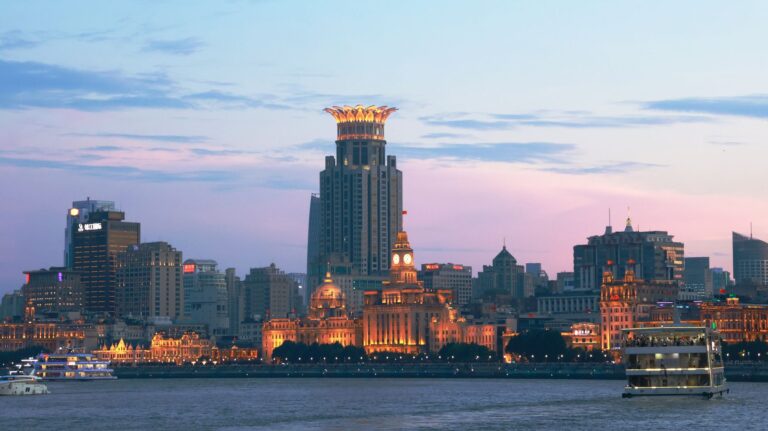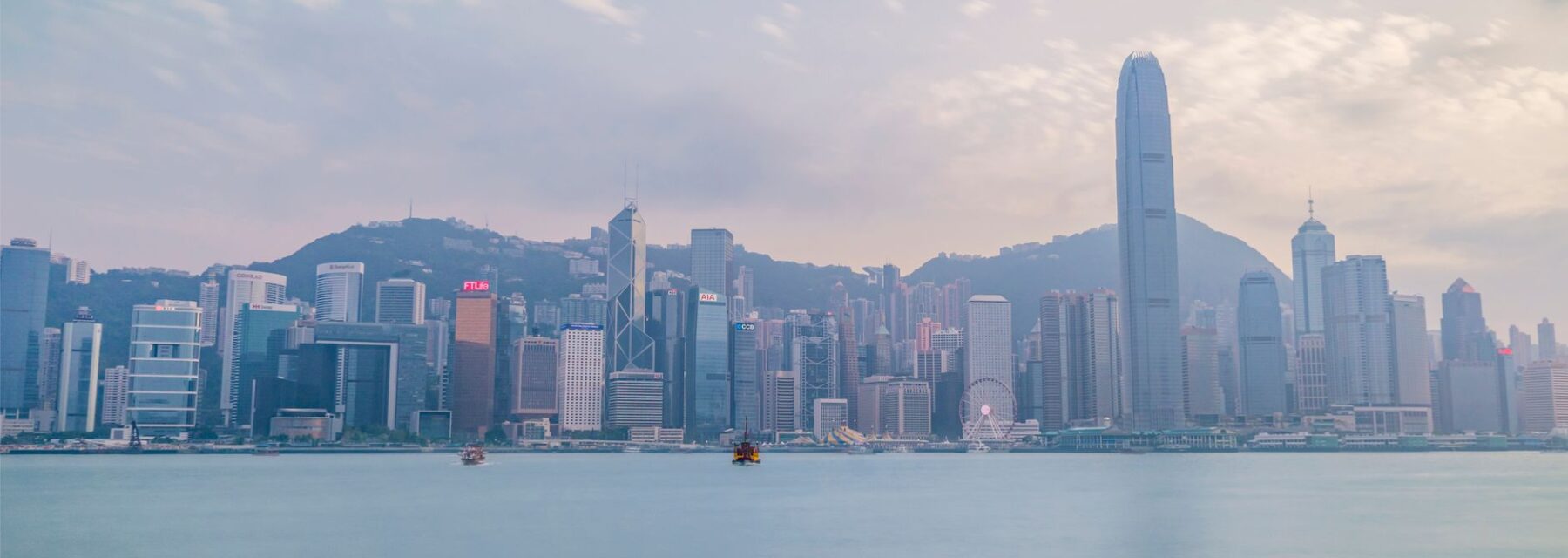
Shanghai and Hong Kong get bracketed together constantly — two Chinese port cities with famous skylines, both built on trade, both photographed from across a stretch of water at dusk. Travel between them, though, and the thing that strikes you is how little they have in common. A Shanghai Hong Kong itinerary is not one city twice. It is a mainland megacity of flat river plain and wide boulevards followed by a vertical territory of hills, harbour and hillside stairs, with a different currency, a different language, a different side of the road and a different internet.
The pairing works because the contrast is real and because the connection is easy — a flight of under three hours, or a direct high-speed train that takes about eight hours and is more interesting than it sounds. What makes it complicated is entry: Hong Kong and mainland China are separate immigration jurisdictions, and crossing between them ends and restarts your permission to be in each. Get that right and the trip is straightforward. Get it wrong and you are stuck at a border with a single-entry visa you have already used. This guide covers the visa logic first, then the train-versus-flight decision, then 7-, 10- and 14-day plans with the days actually filled in, then what the whole thing costs.
Table of Contents
- Why pair these two cities
- The entry rules, which are the whole planning problem
- Train versus flight between Shanghai and Hong Kong
- How many days you actually need
- The 7-day Shanghai Hong Kong itinerary
- The 10-day Shanghai Hong Kong itinerary
- Fourteen days, with a third city
- Which city to do first
- What it costs
- The practical differences nobody warns you about
- What people get wrong
- Frequently Asked Questions
Why pair these two cities
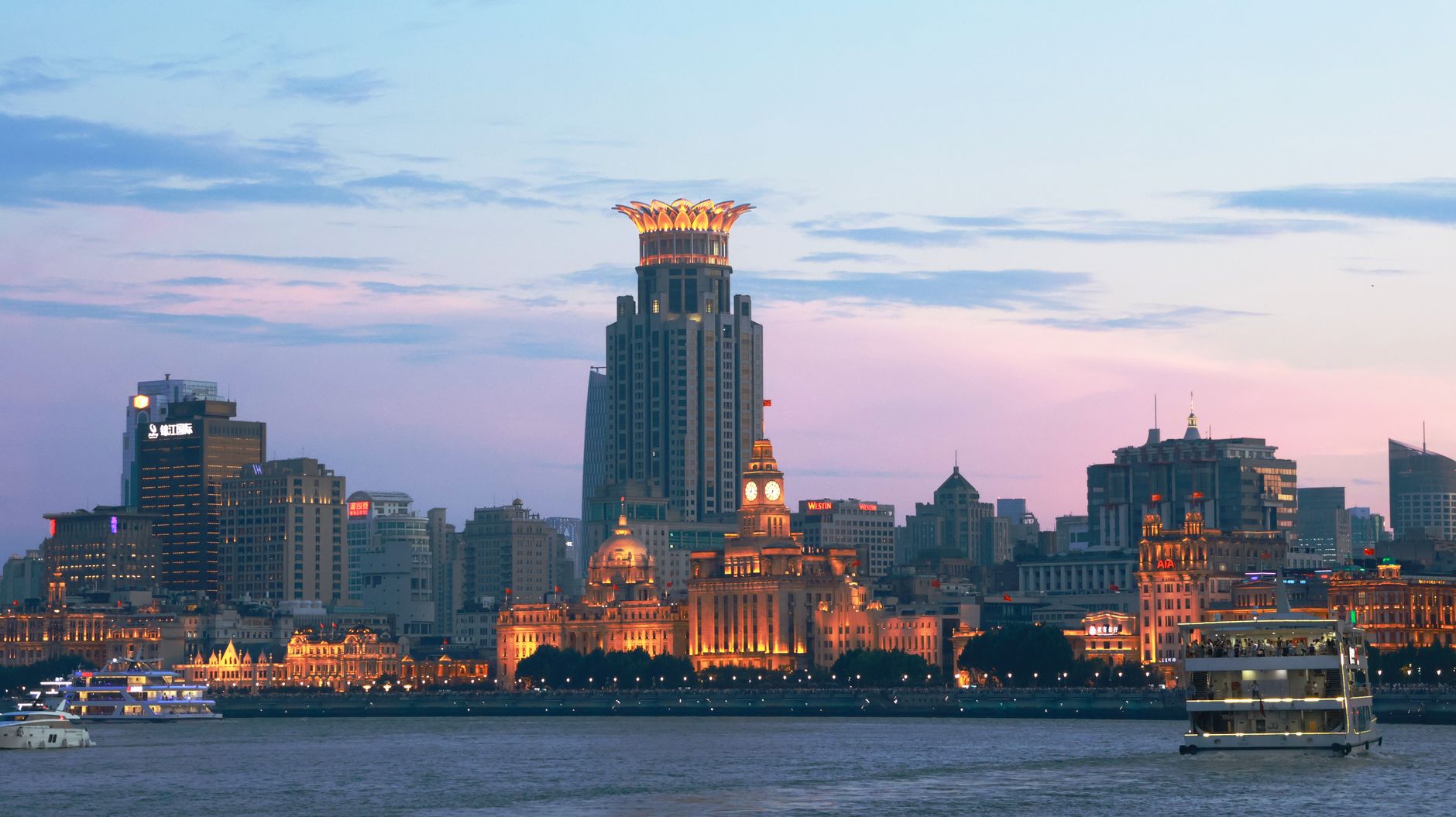
The honest answer is that they cover different ground. Shanghai is the mainland at its most confident and most legible to a first-time visitor: a metro that goes everywhere for a few yuan, a century of European architecture along one riverbank and thirty years of Chinese ambition on the other, and a food culture that rewards curiosity at every price point. It is flat, it is enormous, and its pleasures are horizontal — walking the former French Concession for four hours, riding the ¥2 ferry across the Huangpu, standing on the Bund after dark when the towers opposite come on.
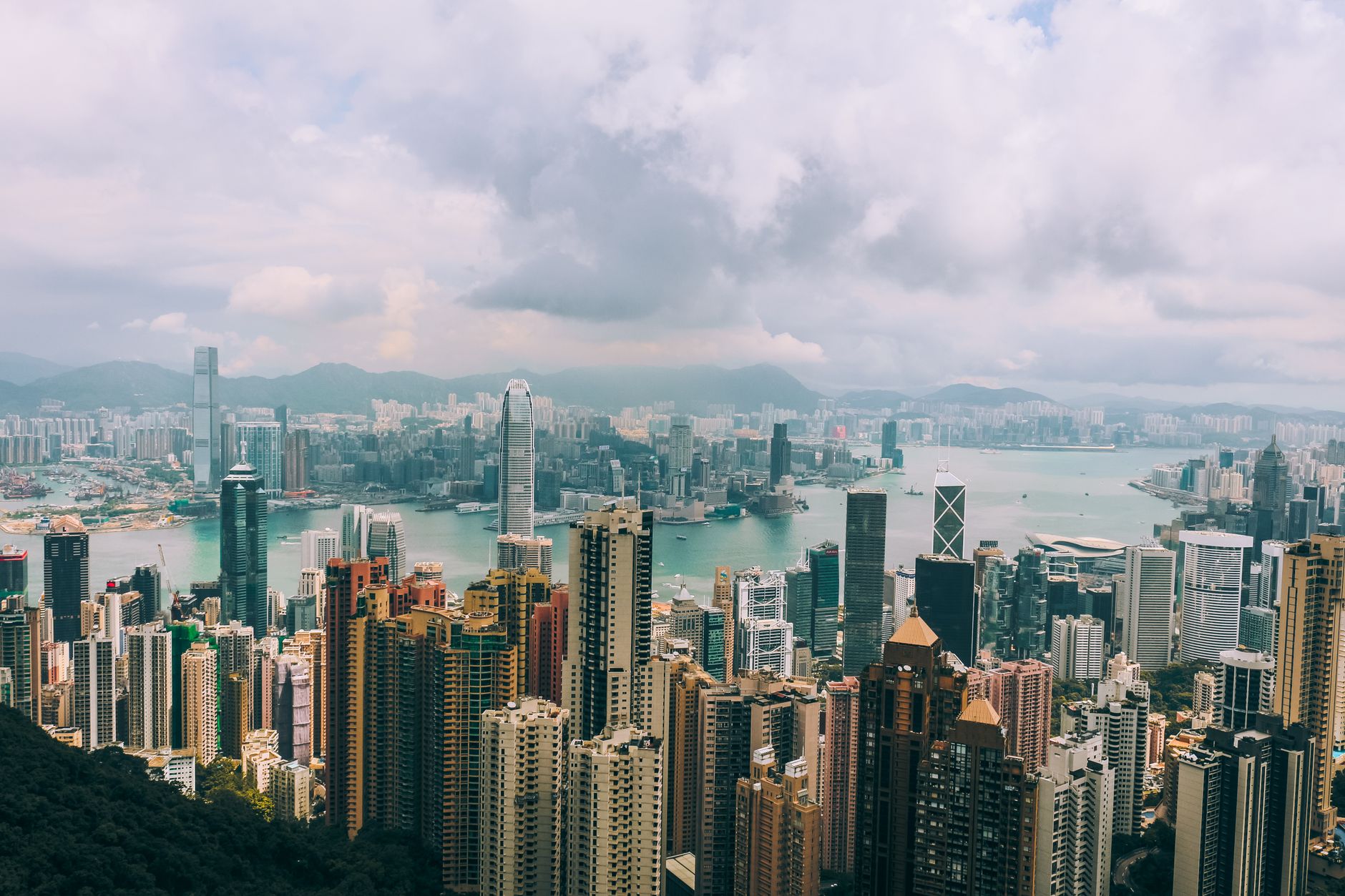
Hong Kong is vertical and compressed. Seven and a half million people on a territory where most of the land is too steep to build on, so everything stacks. You go up in lifts, up the Peak Tram, up escalators through Central, and then down to a harbour that a ferry crosses in eight minutes for less than the price of a coffee. Within forty minutes of the financial district there are hiking trails, beaches and outlying islands. Shanghai has no equivalent — its nearest hills are a two-hour train away.
The entry rules, which are the whole planning problem
This is the part to settle before you book anything. Hong Kong and mainland China are separate immigration and customs jurisdictions. Flying or taking the train from Shanghai to Hong Kong means clearing mainland exit immigration and Hong Kong entry immigration, and it ends your mainland entry permission. Going back the other way means a fresh mainland entry.
Three mainland regimes matter, and they behave differently.
The 30-day visa exemption
Most of Western Europe, plus Japan, South Korea, Australia, New Zealand, Brazil and a growing list of others, can enter mainland China without a visa for up to 30 days. There is no geographic restriction, no onward-ticket requirement, and — critically — you can generally re-enter on the same exemption. This is the easiest passport to hold for a Shanghai–Hong Kong trip, because Shanghai to Hong Kong to Shanghai is not a problem.
The 240-hour visa-free transit
Fifty-seven nationalities including the United States, Canada and the United Kingdom get 240 hours — ten days — visa-free in mainland China, counted from midnight after arrival. It requires a confirmed onward ticket to a third country or region and entry through one of 65 designated ports, and travel is limited to 24 designated provinces and municipalities.
Here is the useful part for this trip: Hong Kong counts as that third region. So a flight or train from Shanghai to Hong Kong satisfies the onward-ticket condition for your mainland stay. Land in Shanghai, show the Hong Kong booking, get your ten days, then leave for Hong Kong. That is a clean, legal Shanghai-then-Hong-Kong trip on no visa at all.
What it does not do is let you come back. Returning to the mainland afterwards means a second 240-hour transit entry, which in turn needs its own onward ticket to a third country — flying home from Shanghai satisfies that, since your home country is a third country relative to both. In practice a Shanghai → Hong Kong → Shanghai → home routing on two transit entries does work, but it depends on the officer at the second entry, and building a trip on two consecutive discretionary approvals is how people end up rebooking flights at an airport counter. If your itinerary needs to return to the mainland, get a visa. Our full breakdown of the 240-hour visa-free transit rules covers the conditions in detail, and the Shanghai visa and entry requirements guide covers which category you fall into.
The L tourist visa
Thirty to sixty days per entry, no geographic limit, no onward-ticket condition. The thing to get right is entries: a single-entry L visa is consumed the moment you leave for Hong Kong. If your plan is Shanghai → Hong Kong → Shanghai, you need a double- or multiple-entry visa, and you need to ask for it at application time. This is the single most common and most expensive mistake on this route.
Hong Kong’s side
Hong Kong admits roughly 170 nationalities visa-free, for 7 to 180 days. British passports get 180 days; US, Canadian, Australian, New Zealand and most EU passports get 90. The arrival card requirement has been dropped for electronic processing. The authoritative list is on the Hong Kong government’s visa requirements page — check it against your own passport rather than trusting a summary, including this one.
Train versus flight between Shanghai and Hong Kong
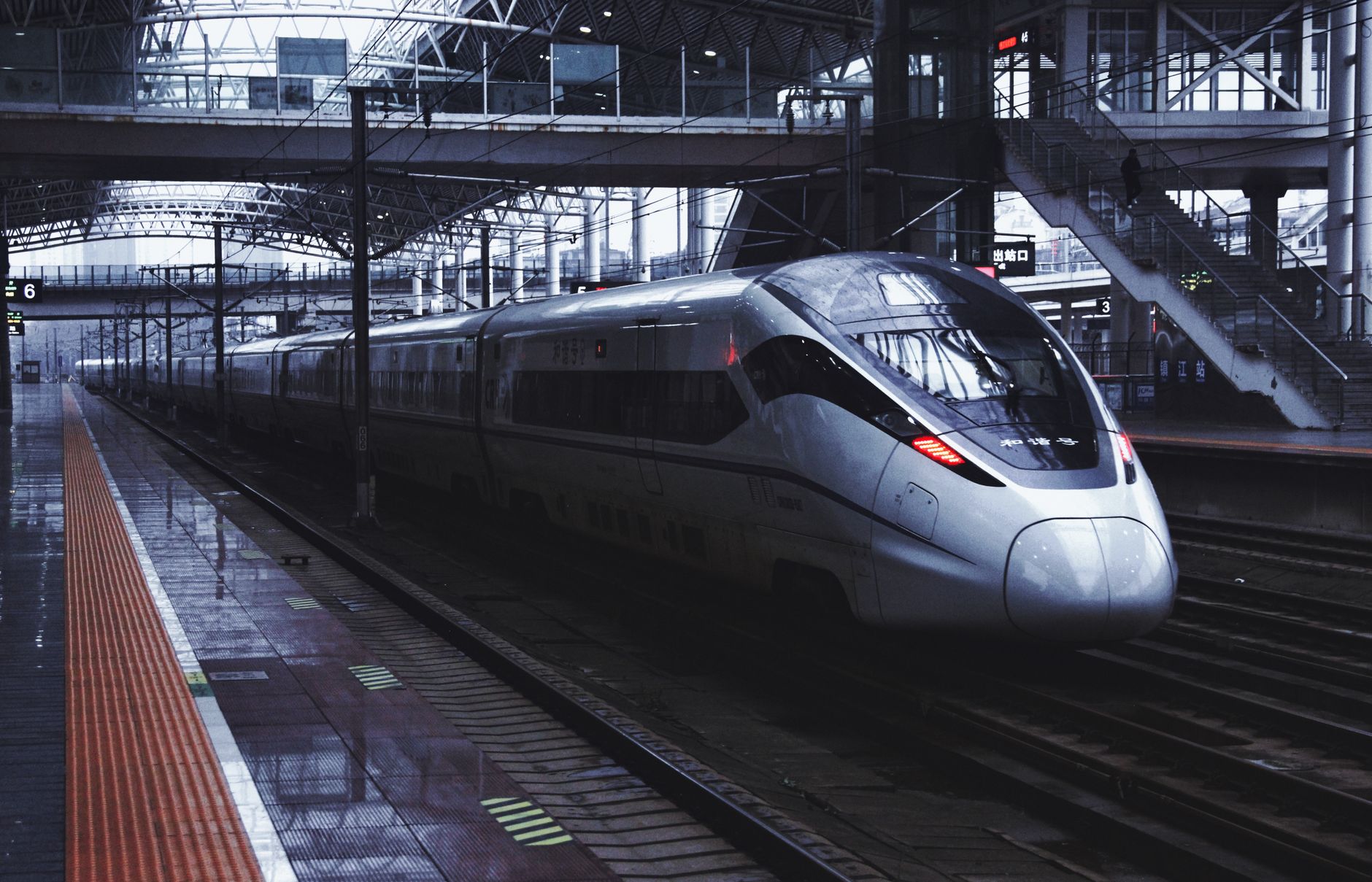
Three direct trains a day leave Shanghai Hongqiao for Hong Kong West Kowloon. G901, the service that ran as G99 until January 2026, is one of them. The trip takes most of a day, and 12306, the national rail booking site, lists the times and the fare in each class. G901 is not a sleeper — it is a daytime service, and the hours are spent awake in a seat.
The flight takes a little under three hours, from either Pudong or Hongqiao to Hong Kong International. Fares swing hard with season and booking date, so price your own dates before deciding. It is also an international sector, so allow the full international-departure timings at both ends.
| Direct train | Flight | |
|---|---|---|
| Time on the move | Most of a day | Under three hours |
| Typical cost | Depends on class | Swings with season and booking date |
| Frequency | Three a day from Hongqiao | Many daily, both airports |
| Immigration | Cleared inside West Kowloon station, co-located, quick | Standard airport arrivals |
| Luggage | No weight limit in practice, no check-in | Airline allowance applies |
| Arrives | West Kowloon Station, on the MTR | Lantau, then the Airport Express into town |
| Delay risk | Low — Chinese HSR runs to time | Moderate to high, especially summer |
Take the flight if you are tight on days. A day on a train is a day gone, and on a seven-day trip that is a seventh of it. Take the train if you like trains, if you want to watch southeastern China go past, or if you are travelling with luggage that would cost you at an airline check-in desk. The train also lands you at West Kowloon, which is central — you walk out of immigration onto the MTR — whereas the airport is out on Lantau.
Three trains a day is still not many, and that is the catch. Miss yours, or find the one that suits you sold out, and you are buying a flight. Book as soon as sales open: the window is 15 days counting the day you buy, so tickets go on sale 14 days before departure, and the release time is set by the departure station. Book through 12306 with your passport, or through Trip.com for a small service fee and an easier foreign-card checkout.
How many days you actually need
The floor is seven days, and seven is tight. Below that you are spending a disproportionate share of the trip in transit.
A reasonable rule: Shanghai needs three full days minimum and rewards four or five. Hong Kong needs three full days minimum and rewards four. Add a day for the transfer. That gives seven as the compressed version, nine or ten as the comfortable one, and fourteen as the version where you can add Macau, a mainland day trip, or a third city.
| Total days | Shanghai | Transfer | Hong Kong | Verdict |
|---|---|---|---|---|
| 5 | 3 | 0.5 | 1.5 | Don’t. Pick one city. |
| 7 | 3.5 | 0.5 | 3 | Works if you fly the transfer |
| 10 | 4.5 | 1 | 4.5 | The sweet spot |
| 14 | 5 | 1 | 5 | Plus Macau or a third city |
The 7-day Shanghai Hong Kong itinerary
Fly the transfer. Do Shanghai first. Fly home out of Hong Kong, which means booking an open-jaw ticket — into Shanghai, out of Hong Kong — and this is almost always cheaper than it sounds and always cheaper than backtracking.
Day 1 — Shanghai, arrival. Land, get to the hotel, do nothing ambitious. If you arrive at Pudong, the Maglev to Longyang Road and then the metro is the fast route; Line 2 straight through is the simple, slower one. Our Pudong Airport to city centre guide compares all of them with current fares. Set up Alipay or WeChat Pay tonight — almost nothing in Shanghai takes cash comfortably, and you want this working before you need it. Walk the Bund after dark. That is a sufficient first evening.
Day 2 — Puxi. The Bund architecture in daylight, then into the old city for Yu Garden as early as you can manage, before the crowds build. Afternoon in the former French Concession: plane trees, 1920s villas, coffee. Evening on a rooftop or at a jazz bar. This day is entirely walkable with two short metro hops.
Day 3 — Pudong. The ¥2 public ferry across the Huangpu rather than the tourist tunnel. Up one tower — Shanghai Tower for the highest deck; ticket prices change, so check each tower’s own site before you go. The Lujiazui ring footbridge is free and gives a good ground-level view of the Pudong towers. Afternoon at a museum. Evening back in Puxi, because Lujiazui empties after eight.
Day 4 — a day trip, or more Shanghai. Suzhou is a short high-speed hop away and has the gardens. Hangzhou is under an hour on the fastest trains and has West Lake; fares to both vary by train. Zhujiajiao has its own station on metro Line 17, a short walk from the water, for a canal town without leaving the municipality. Or stay in the city and go to the fabric market, the antique markets and the parts of town nobody photographs. Our day trips from Shanghai guide ranks everything within two hours.
Day 5 — fly to Hong Kong. A morning flight gets you to Kowloon by early afternoon. The Airport Express runs to Kowloon Station and on to Hong Kong Station; MTR’s site lists the current fares, including tickets for small groups. Buy an Octopus card at the MTR desk on arrival; it works on everything and does not need a bank account. Evening: the Tsim Sha Tsui promenade, and the Symphony of Lights at 20:00, which is ten minutes long, free, and a little underwhelming — but the harbour at that hour is not.
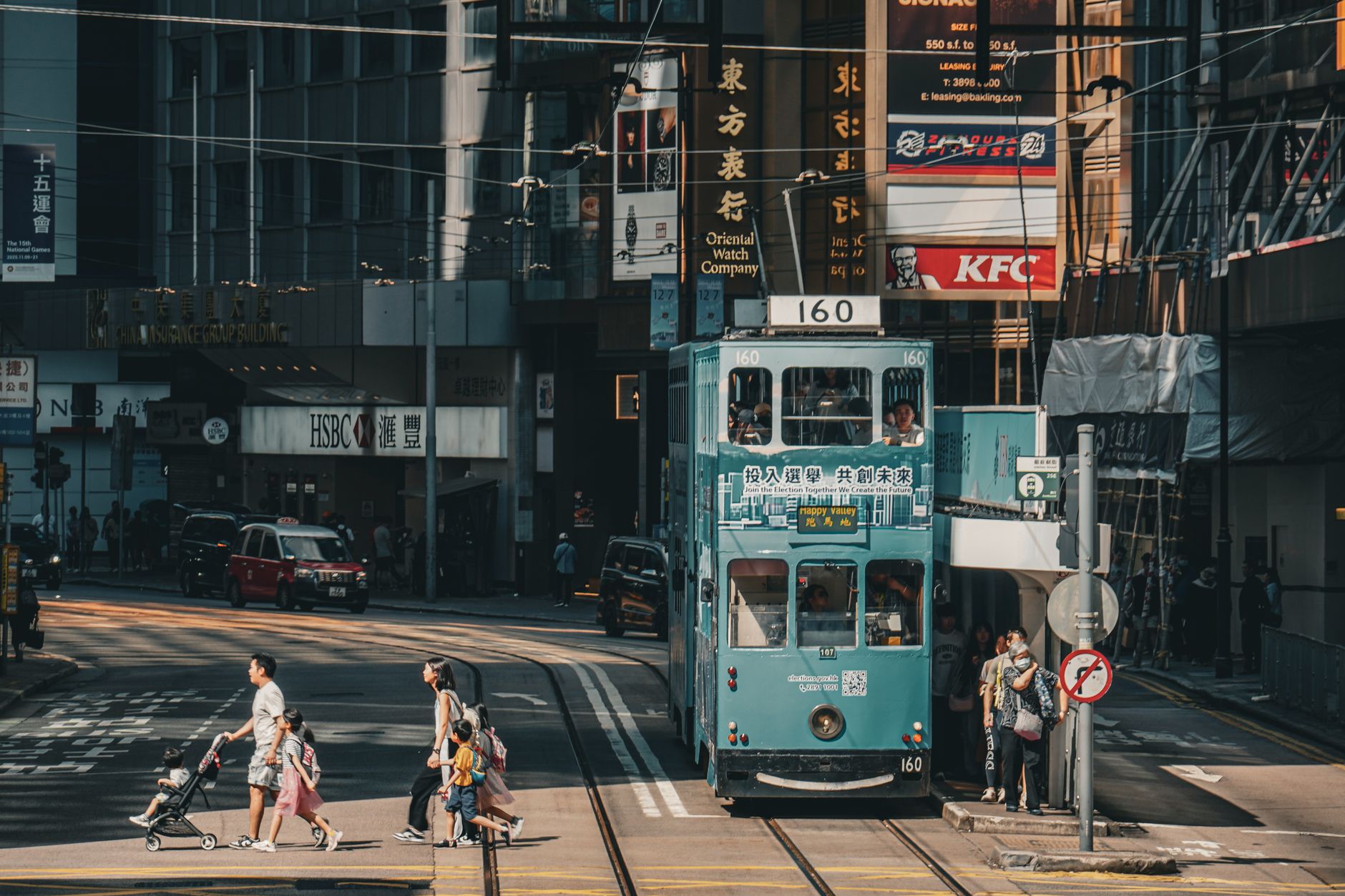
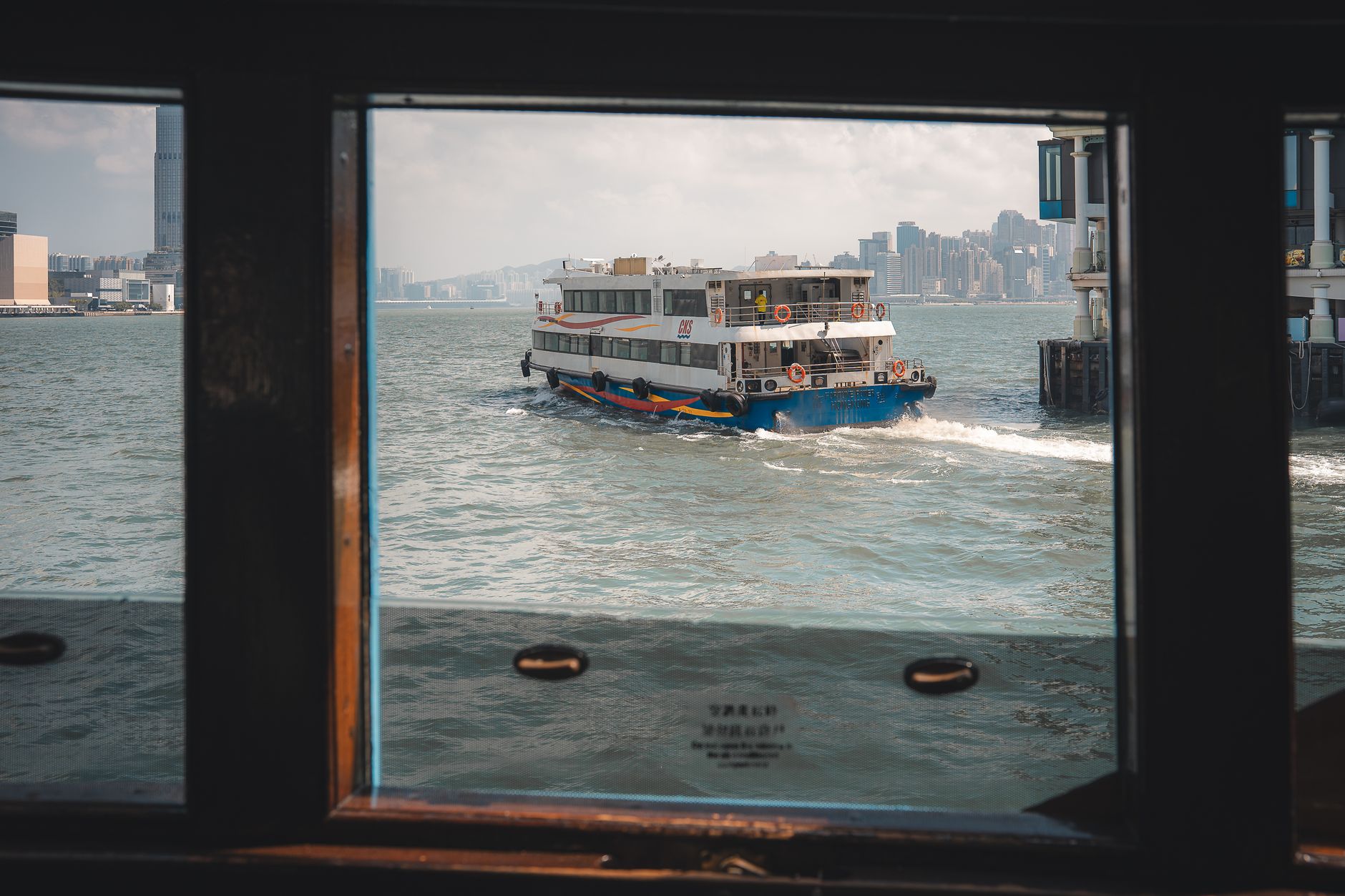
Day 6 — Hong Kong Island. Peak Tram up in the morning (HK$82 single, HK$116 return for adults, same price every day since the dynamic pricing was scrapped) — or walk up via the Old Peak Road if you would rather not queue. Down through the Mid-Levels escalators into Central, Sheung Wan for the antique shops and Man Mo Temple, then the tram east along Des Voeux Road for a flat HK$3.30 because riding the ding-ding is a thing you should do. Star Ferry back across from Central to Tsim Sha Tsui at dusk: HK$4 on the lower deck on weekdays, HK$5.60 at weekends and on public holidays.
Day 7 — Kowloon, or Lantau, then home. If your flight is late: the Big Buddha via the Ngong Ping 360 cable car, HK$295 return for an adult in a standard cabin, and Lantau is on the way to the airport, which makes this an efficient last day. If your flight is early: dim sum in Kowloon, Temple Street, and go.
The 10-day Shanghai Hong Kong itinerary
Ten days is where this trip stops feeling rushed, and it is the version worth stretching a budget for. It also opens the train up as a real option, because losing a day to the rails costs you a tenth rather than a seventh of the trip.
Days 1–5, Shanghai. The seven-day plan above, unhurried, plus a fifth day. Use it for a second day trip — Suzhou and Hangzhou both deserve a full day rather than a half — or for the parts of Shanghai that get cut first: the Power Station of Art and the West Bund museums, the Jewish heritage sites in Hongkou, a cooking class, an evening acrobatics show at Shanghai Circus World (¥361–880 for shows between 11 October and 30 November 2026; its performance calendar gives the times). Our 3-day Shanghai itinerary and the longer plans in our itinerary hub break these down day by day.
Day 6 — G901 to Hong Kong. Leaves Hongqiao in the afternoon and reaches West Kowloon in the evening. You lose the day but you gain the journey, and immigration at West Kowloon is co-located inside the station and takes minutes. Walk out into Kowloon, eat, sleep.
Days 7–10, Hong Kong. Day 7 Hong Kong Island as above. Day 8 Kowloon properly: the Museum of History, Temple Street night market, the Jordan and Yau Ma Tei streets that still look like the Hong Kong of films. Day 9 out of the city — Lantau and the Big Buddha, or a hike on Dragon’s Back, or the ferry to Cheung Chau, or Sai Kung for seafood. Day 10 fly home.
Fourteen days, with a third city
At two weeks you can add a mainland city between the two, and the geography makes the choice for you. The train from Shanghai to Hong Kong passes through the southeast, so anything on that axis is nearly free in transit terms.
Guilin and Yangshuo is the strongest add. It gives you landscape, which neither Shanghai nor Hong Kong has, and the karst hills along the Li River are the thing people picture when they picture China. Shanghai to Guilin is eight and a half hours by train and only two pairs a day, so fly it — around three hours. From Guilin, continue to Hong Kong via Shenzhen or fly.
Xiamen is the easy one: five hours by train from Shanghai, thirty-plus services a day, a walkable colonial island at Gulangyu, and a genuinely different regional cuisine. It sits neatly on the Shanghai–Hong Kong line.
What does not work is adding Beijing or Xi’an to a Shanghai–Hong Kong trip. They are in the wrong direction, and you will spend two of your fourteen days undoing the geography. If Beijing is what you want, build a different trip — our Shanghai versus Beijing comparison explains why the two mainland cities pair better with each other than either does with Hong Kong.
Two weeks also has a visa consequence. Fourteen days is beyond the 240-hour transit allowance, so unless you split it — ten days mainland, four days Hong Kong, with the Hong Kong leg outside the transit clock — you need a proper visa. The 30-day exemption handles it without thinking.
Which city to do first
Shanghai first, in almost every case. Four reasons.
First, the transit rule. If you are on the 240-hour visa-free transit, your onward ticket to a third region is the Hong Kong leg — which means the mainland has to come first for the arithmetic to work.
Second, the payment systems. Setting up Alipay and WeChat Pay is a twenty-minute job that pays for itself for the rest of the mainland leg, and doing it while jet-lagged on day one in Shanghai is better than doing it after a week of Hong Kong’s ordinary contactless cards.
Third, the shock absorbs better in that direction. Shanghai is the harder city to arrive in cold — no Google, no WhatsApp, a language with no shared alphabet, an app-mediated economy. Hong Kong after that feels like a decompression chamber: English everywhere, an open internet, familiar plugs. The reverse order makes Shanghai feel like a wall.
What it costs
Hong Kong is the more expensive of the two, and the gap is widest on accommodation. A Hong Kong hotel room generally costs more a night than a comparable one in Shanghai, and it is usually smaller too.
Rough conversion for autumn 2026: HK$1 is about ¥0.86, so HK$100 is roughly ¥86. Do not read the two currencies as near-parity; the Hong Kong dollar buys noticeably less than its face value in yuan.
| Per person per day | Shanghai | Hong Kong |
|---|---|---|
| Hostel dorm | The cheapest bed in town | Dearer than Shanghai |
| Mid-range central hotel | Lower | Higher, for a smaller room |
| Four to five star | Lower | Higher |
| Cheap eats, per meal | Low | Higher than Shanghai |
| Mid-range restaurant meal | Moderate | Higher |
| Local transport, per day | Depends on how many rides you take | Depends on routes and modes |
| Budget day total | Lower | Higher |
| Mid-range day total | Lower | Higher, mostly because of the hotel |
On a mid-range ten-day trip, excluding international flights, the Hong Kong half will cost you more than the Shanghai half, and the train or flight between them comes on top. Price your own hotels for your dates before you settle the split. Our Shanghai trip cost breakdown goes line by line on the mainland side.
The practical differences nobody warns you about
Crossing between them is a bigger switch than the map suggests, and the things that catch people out are all small.
The internet changes completely. Hong Kong has no Great Firewall. Google, Gmail, WhatsApp, Instagram, Facebook and Google Maps all work normally, no VPN. In Shanghai they do not. Set up a VPN before you fly, and remember to turn it off in Hong Kong — leaving it on breaks nothing but slows everything, and it also breaks Apple Maps’ switch to Chinese map data if you go back. Our guide to VPNs and internet access in Shanghai covers what actually works.
Your payment apps do not carry over. Alipay and WeChat Pay are near-universal in Shanghai and marginal in Hong Kong, where the answer is an Octopus card or an ordinary contactless bank card. Get the Octopus at any MTR customer service desk. Conversely, an Octopus is useless in Shanghai.
Different language. Cantonese, not Mandarin. The Mandarin phrases you have been carefully practising will be understood by many people in Hong Kong and used by almost none. English is an official language and is genuinely everywhere.
Different side of the road, different plugs. Hong Kong drives on the left and uses UK three-pin Type G sockets; the mainland uses Type A and I. Bring both adapters or one universal one. Look right, then left, when crossing in Hong Kong, and the reverse in Shanghai.
Apps. Amap or Apple Maps in Shanghai; Google Maps or Citymapper in Hong Kong. Dianping for restaurant reviews in Shanghai; OpenRice in Hong Kong. DiDi in Shanghai; Uber works in Hong Kong. Our essential apps for Shanghai list covers the mainland stack, which is the one you have to install in advance.
What people get wrong
Buying a single-entry Chinese visa for a trip that returns to the mainland. The most expensive error on this route. Leaving for Hong Kong uses the entry. If your route is Shanghai → Hong Kong → Shanghai, you need double entry, and you have to request it when you apply — nobody will upgrade it for you at the border.
Assuming you can just turn up for the train. There are only three direct departures a day from Hongqiao. Plenty of people plan a “we’ll just get the train” transfer and discover the one they wanted is sold out or the times do not fit.
Booking the train too early. You cannot. Chinese rail tickets go on sale 14 days before departure, because 12306 counts its 15-day window from the day you buy. There is no earlier window and no way around it. Check the release time for Hongqiao on 12306 and set an alarm.
Not budgeting the Hong Kong hotel realistically. The single most common budget blowout. Hong Kong accommodation costs roughly double Shanghai’s for the same standard, and rooms are smaller.
Doing Hong Kong in two days. It looks small on a map. It is dense and vertical and the outlying islands are half of what makes it good. Three days is the floor.
Frequently Asked Questions
Do I need a separate visa for Hong Kong if I have a Chinese visa?
No — a Chinese visa is not valid for Hong Kong, and for most Western passports you do not need one. Hong Kong admits around 170 nationalities visa-free for 7 to 180 days: 180 for British passports, 90 for US, Canadian, Australian, New Zealand and most EU. Check your own on the gov.hk visa requirements page. The reverse is also true: a Hong Kong entry stamp gives you nothing on the mainland.
Is there a direct train from Shanghai to Hong Kong?
Yes. Three direct trains a day run from Shanghai Hongqiao to Hong Kong West Kowloon, G901 among them, and the trip takes most of a day. Immigration is cleared inside West Kowloon station, which is fast. If the departure you need is sold out, you buy a flight.
Is the train or the flight better?
The flight, on any trip of a week or less: under three hours against most of a day on rails, and multiple departures a day. The train wins if you have ten days or more, if you dislike flying, or if you are carrying luggage that would attract airline fees — and it delivers you to West Kowloon rather than to Lantau.
Can I use the 240-hour visa-free transit for a Shanghai and Hong Kong trip?
Yes, in the Shanghai-then-Hong-Kong direction. Hong Kong counts as the third country or region that the onward-ticket condition requires, so your Hong Kong booking is what qualifies you for ten visa-free days in the mainland. Coming back to the mainland afterwards means a second transit entry with its own onward ticket, which is legal but discretionary — if the trip has to return to Shanghai, get a visa instead.
How many days do I need for both cities?
Seven at an absolute minimum, and that assumes you fly the transfer. Ten is comfortable — four or five days in each with a day for the crossing. Fourteen lets you add Macau, a mainland day trip, or a third city such as Guilin or Xiamen.
Is Hong Kong more expensive than Shanghai?
Yes, noticeably, and mostly on accommodation. Hong Kong hotels generally cost more per night than comparable Shanghai ones, and the rooms are smaller. Plan for a higher daily budget in Hong Kong across the board.
Does my Alipay or WeChat Pay work in Hong Kong?
Only patchily. Hong Kong runs on the Octopus card and ordinary contactless bank cards. Buy an Octopus at any MTR customer service desk when you arrive — it needs no bank account and works on the MTR, buses, trams, the Star Ferry and in convenience stores. It is useless back in Shanghai.
Can I add Macau to the trip?
Easily. Macau is a day trip or overnight from Hong Kong, by ferry or across the Hong Kong–Zhuhai–Macau Bridge, and has its own visa-free entry for most Western passports. It is a third immigration jurisdiction, so expect a third set of stamps. Go for the Portuguese colonial centre and the egg tarts rather than the casinos.
What is the best time of year to do this trip?
October to early December, or March to early May. Both cities share a subtropical summer that is hot and very humid, with a typhoon season in Hong Kong from roughly June to September that can ground flights and cancel ferries. Shanghai’s winters are cold and damp; Hong Kong’s are mild. Avoid the first week of October, when mainland Golden Week fills Shanghai and doubles hotel prices.
Do it in that order, fly the transfer if you have a week and take the train if you have ten days, and check your visa entries twice before you book anything. If you decide the pairing is one city too many, our trip planning guide builds a longer stay around Shanghai alone, and ten days across Shanghai, Suzhou and Hangzhou is the mainland-only alternative that covers similar ground with none of the border paperwork. Hong Kong’s own entry rules are set out by the Hong Kong SAR government, and current MTR and Airport Express fares are published by MTR Corporation.