Deciding where to stay in Shanghai can feel overwhelming. This sprawling metropolis, home to 24.85 million residents at the end of 2025, stretches across both banks of the Huangpu River, with dozens of distinct neighborhoods offering wildly different experiences. The area you choose as your base will fundamentally shape your trip — from the colonial grandeur of waterfront hotels along the Bund to the tree-canopied boutique guesthouses of the French Concession, and from the soaring towers of Pudong’s financial district to the lane-house charm of Shanghai’s historic Old Town. If you want the sightseeing view of the same geography, our Shanghai districts and neighborhoods guide explains what each area is for and how they connect.
This comprehensive guide breaks down the best neighborhoods for where to stay in Shanghai in 2026, covering every budget level and travel style. Whether you’re a first-time visitor looking for iconic skyline views, a foodie who wants to walk out the door and straight into a queue for soup dumplings, a business traveler needing easy airport access, or a family searching for space and convenience — we’ve mapped out exactly which district fits your needs and what you can expect to pay.
Quick Comparison: Best Areas to Stay in Shanghai by Traveler Type
Before diving deep into each neighborhood, here’s a quick reference table to help you decide where to stay in Shanghai based on your priorities:
| Neighborhood | Best For | Metro Access |
|---|---|---|
| The Bund (Huangpu) | First-timers, luxury, skyline views | Excellent (Lines 2, 10) |
| French Concession | Foodies, nightlife, culture seekers | Good (Lines 1, 7, 10) |
| Pudong (Lujiazui) | Business travelers, modern luxury | Excellent (Lines 2, 14) |
| People’s Square | Budget travelers, central location | Excellent (Lines 1, 2, 8) |
| Jing’an | All-rounders, local dining scene | Excellent (Lines 2, 7, 13) |
| Old Town (Yu Garden) | Culture lovers, traditional Shanghai | Good (Line 10) |
| Hongkou | Off-the-beaten-path, budget | Good (Line 10) |
| Xujiahui | Shopping, families, mid-range | Good (Lines 1, 9, 11) |
The Bund and Huangpu District: Best Area for First-Time Visitors
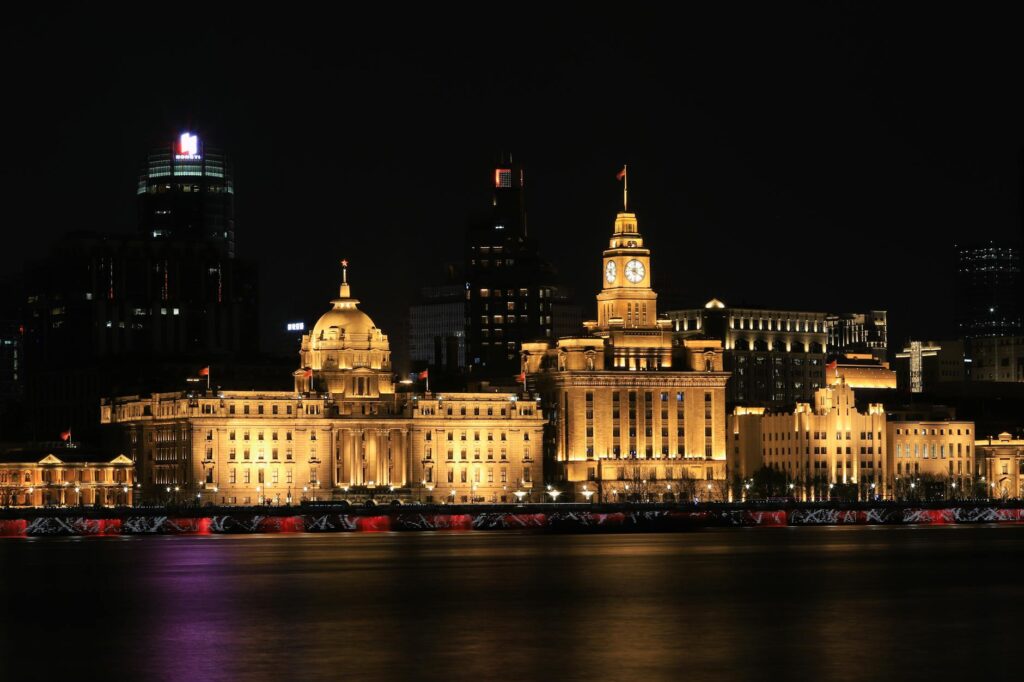
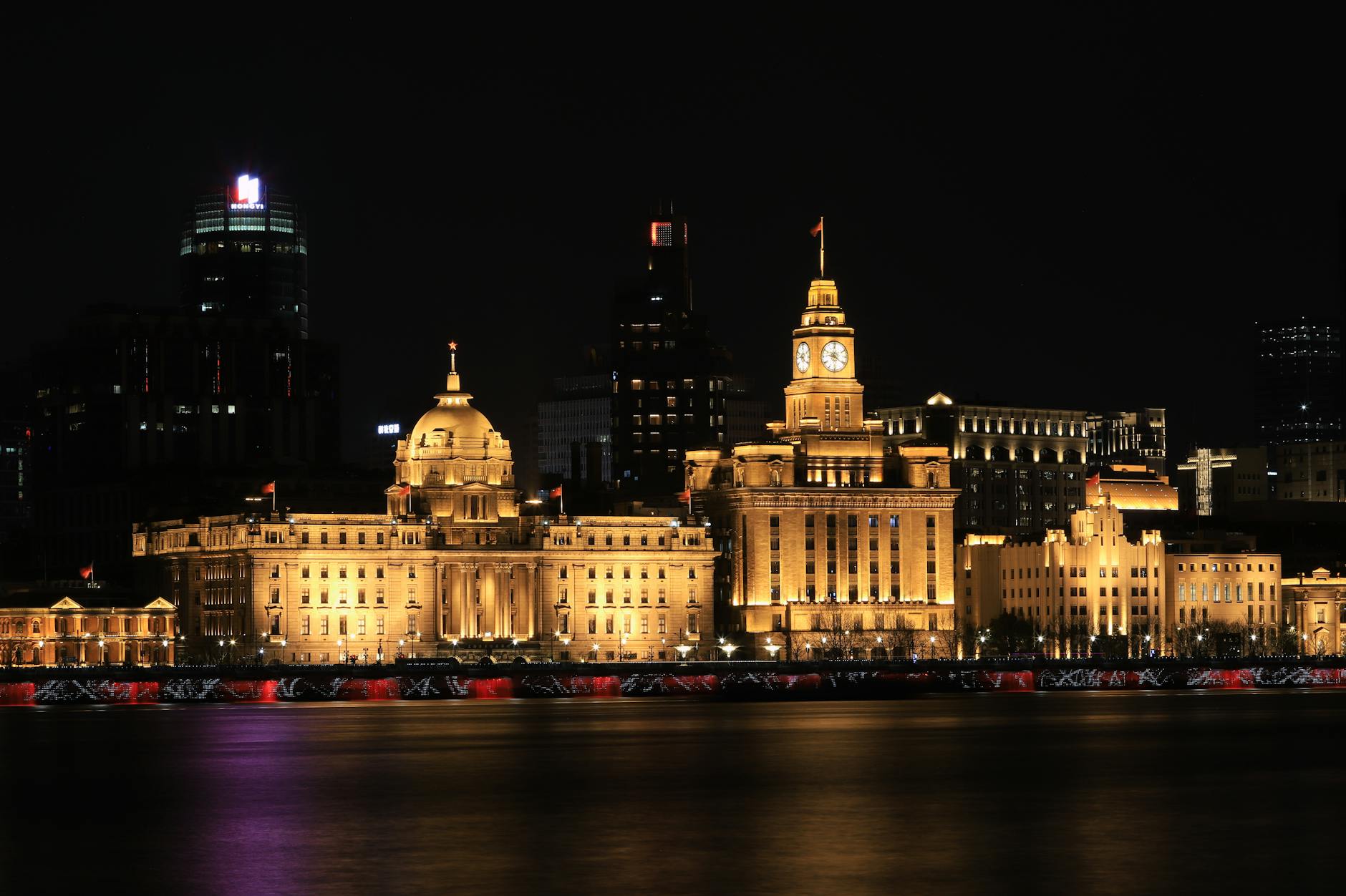
If this is your first time deciding where to stay in Shanghai, the Bund area in Huangpu District is the classic choice — and for good reason. This waterfront promenade, running about 1.6 kilometers along the western bank of the Huangpu River, is the single most iconic location in the city. Step outside your hotel and you’re greeted by a wall of colonial-era architecture on one side and the futuristic Pudong skyline on the other. It’s Shanghai distilled into a single, unforgettable panorama.
The Bund is home to some of Shanghai’s most legendary hotels. The Fairmont Peace Hotel, a meticulously restored Art Deco masterpiece dating from 1929, sits at the most prominent corner of the waterfront. The Waldorf Astoria occupies the former Shanghai Club building, and the Peninsula Shanghai offers rooftop terraces with unobstructed river views. For those willing to splurge, these properties deliver an experience that simply doesn’t exist anywhere else in Asia.
Beyond luxury, the Bund area also offers practical advantages. Nanjing Road, a major shopping street, runs directly inland from the waterfront. Yu Garden and the Old Town lie just to the south, close enough to walk. The Bund Financial Center and major banks are headquartered here. Metro Lines 2 and 10 provide direct connections to Pudong, the French Concession, and both airports.
Price range: Expect to pay a premium here, and more again for a luxury room with a river view. Cheaper hotels sit on the side streets a few blocks inland. Rates move with the dates and the room, so compare them on the hotels’ own sites for your stay.
Drawbacks: The Bund area can feel tourist-heavy and slightly sterile compared to neighborhoods like the French Concession. Dining options near the waterfront itself tend to be expensive and aimed at visitors rather than locals.
French Concession: Where to Stay in Shanghai for Food, Nightlife, and Character
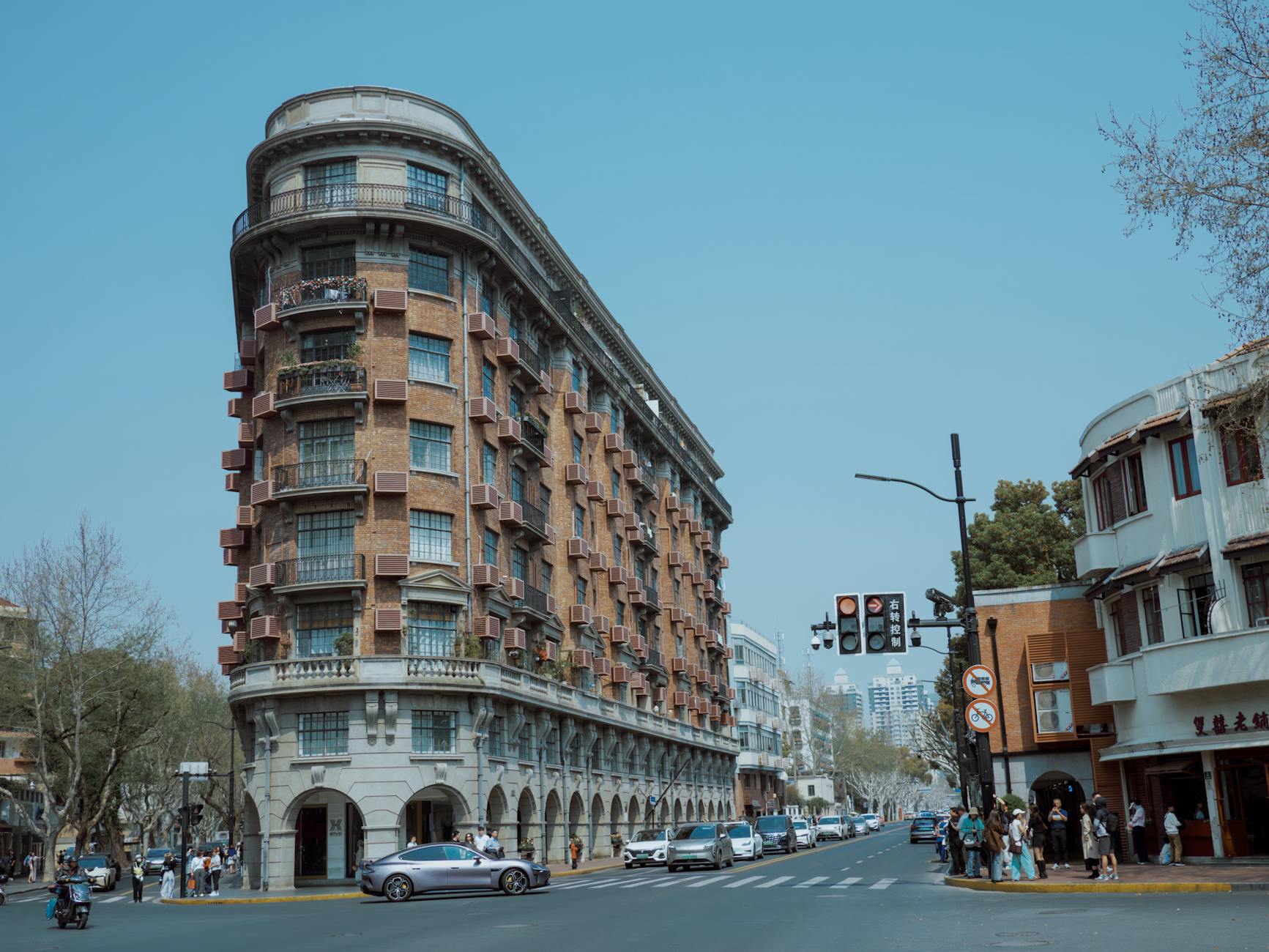
Ask any expat or repeat visitor where to stay in Shanghai and the answer is almost always the French Concession. This sprawling district — technically split between the Xuhui and Huangpu administrative areas — is defined by its plane tree-lined avenues, preserved colonial villas, and an ever-evolving landscape of independent cafes, cocktail bars, boutique shops, and restaurants representing every cuisine on earth.
The French Concession isn’t a single monolithic neighborhood but a patchwork of distinct pockets. The area around Wukang Road and Ferguson Lane is the epicenter of the boutique cafe scene, with beautifully restored lane houses converted into coffee shops, design studios, and concept stores. Head east toward Xintiandi for upscale dining and bars set within a carefully preserved shikumen complex. Push south toward Hengshan Road for a more laid-back nightlife scene with jazz bars, live music venues, and wine bars tucked into residential streets.
For accommodation, the French Concession offers the widest range of styles in the city. Boutique hotels and heritage guesthouses occupy converted mansions and lane houses, offering something no chain hotel can replicate. The Puli Hotel & Spa, Capella Shanghai, and the Shanghai Edition represent the luxury tier. Mid-range travelers will find excellent value at smaller properties and serviced apartments, many of which sit on quiet tree-lined streets within walking distance of the best restaurants and bars in the city.
Price range: Every tier is here, from hostels and guesthouses at the budget end through quality mid-range hotels and boutique luxury to top-tier properties.
Drawbacks: Metro coverage is less dense than People’s Square or Jing’an, so you may rely on taxis for cross-town trips. The area is also spread out, so “French Concession” can mean a long walk between its northern and southern edges.
Pudong (Lujiazui): Best for Business Travelers and Modern Luxury
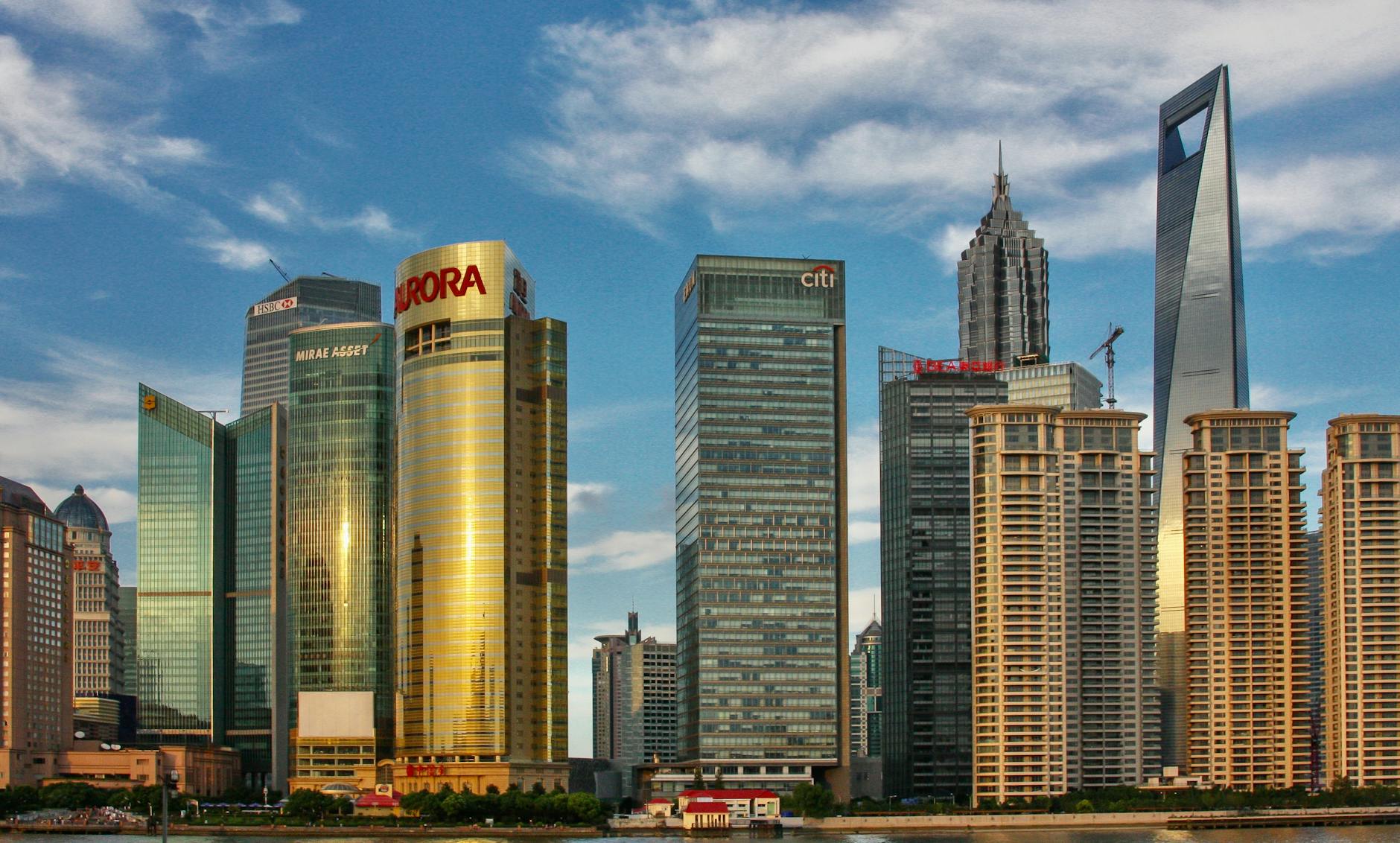
Cross the Huangpu River from the Bund and you enter an entirely different Shanghai. Pudong’s Lujiazui district is the city’s financial engine — a forest of supertall skyscrapers including the 632-meter Shanghai Tower, the distinctive bottle-opener-shaped Shanghai World Financial Center, and the iconic Oriental Pearl Tower. This is where to stay in Shanghai if you’re here on business, prefer modern five-star chains, or want easy access to Pudong International Airport.
Lujiazui is where Shanghai’s big international luxury hotels gather. The Ritz-Carlton Pudong, Park Hyatt Shanghai (occupying floors 79–93 of the Shanghai World Financial Center), Regent Shanghai Pudong, and the Shangri-La Hotel all cluster within walking distance of the financial hub. The Park Hyatt, in particular, puts your room high above the city — waking up above the clouds is an experience worth the premium.
The IFC Mall and Super Brand Mall provide high-end shopping without leaving the district. Century Park, at 140.3 hectares the largest urban eco-park inside the Inner Ring Road, is a short metro ride away. And the Shanghai Maglev Train runs from Longyang Road, further out along Line 2, to Pudong Airport in about 8 minutes, making this a convenient base for travelers with early flights.
Price range: Mostly four- and five-star, and priced to match. Budget options are scarce in Lujiazui itself, though more affordable hotels exist further east along metro Line 2.
Drawbacks: Lujiazui can feel sterile and corporate after dark. The dining and nightlife scene pales compared to the French Concession or the Bund. You’ll likely cross the river frequently to access Shanghai’s cultural and culinary highlights.
People’s Square and Nanjing Road: Most Central Budget-Friendly Base
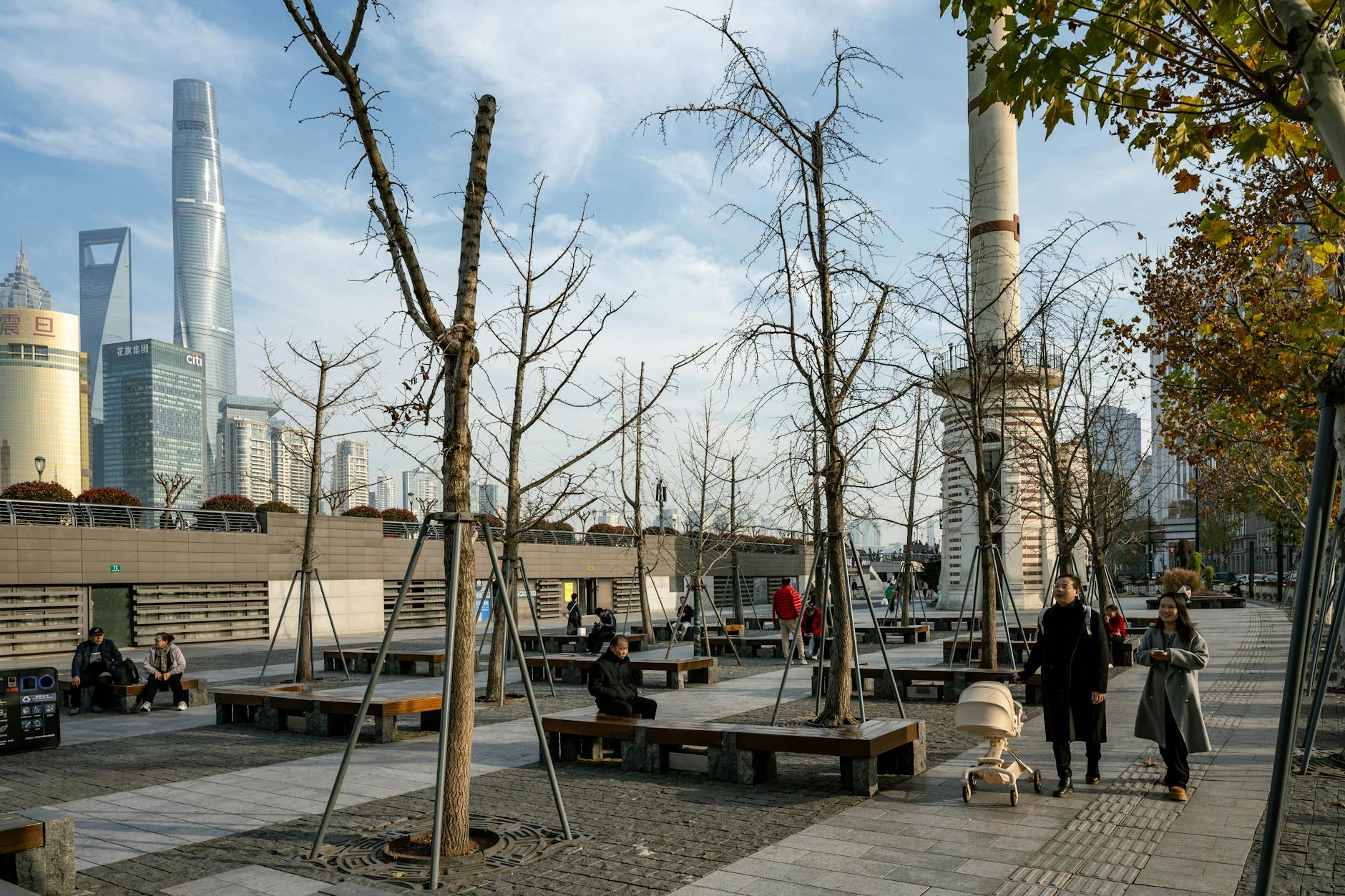
People’s Square sits at the geographic and transportation heart of Shanghai, making it one of the most practical places to stay in Shanghai regardless of your budget. Three major metro lines converge here (Lines 1, 2, and 8), putting virtually every corner of the city within a quick ride. The Shanghai Museum, Shanghai Grand Theatre, and Urban Planning Exhibition Hall ring the square itself, and Nanjing Road — East and West — stretches from here to the Bund in one direction and Jing’an Temple in the other.
The area’s real strength for deciding where to stay in Shanghai is its range of affordable accommodations. International chains are represented too: Shanghai Marriott Hotel City Centre overlooks the square, and hotels here often cost less than comparable ones on the Bund or in Lujiazui. Side streets behind Nanjing Road hide plenty of budget hotels and hostels, many offering clean, basic rooms.
Nanjing Road East is a pedestrian shopping street, constantly buzzing with energy. While much of it caters to domestic tourists, the food courts and department stores offer real variety at reasonable prices. Walk east from People’s Square and the pedestrian street carries you all the way to the Bund — a pleasant stroll past the old department stores.
Price range: Budget hotels and hostels at the bottom, mid-range internationals in the middle, and a handful of premium options at the top.
Drawbacks: The area around Nanjing Road East can feel overwhelming and touristy, particularly on weekends. It lacks the neighborhood charm of the French Concession or the architectural wow-factor of the Bund.
Jing’an District: Where to Stay in Shanghai for the Best All-Around Experience
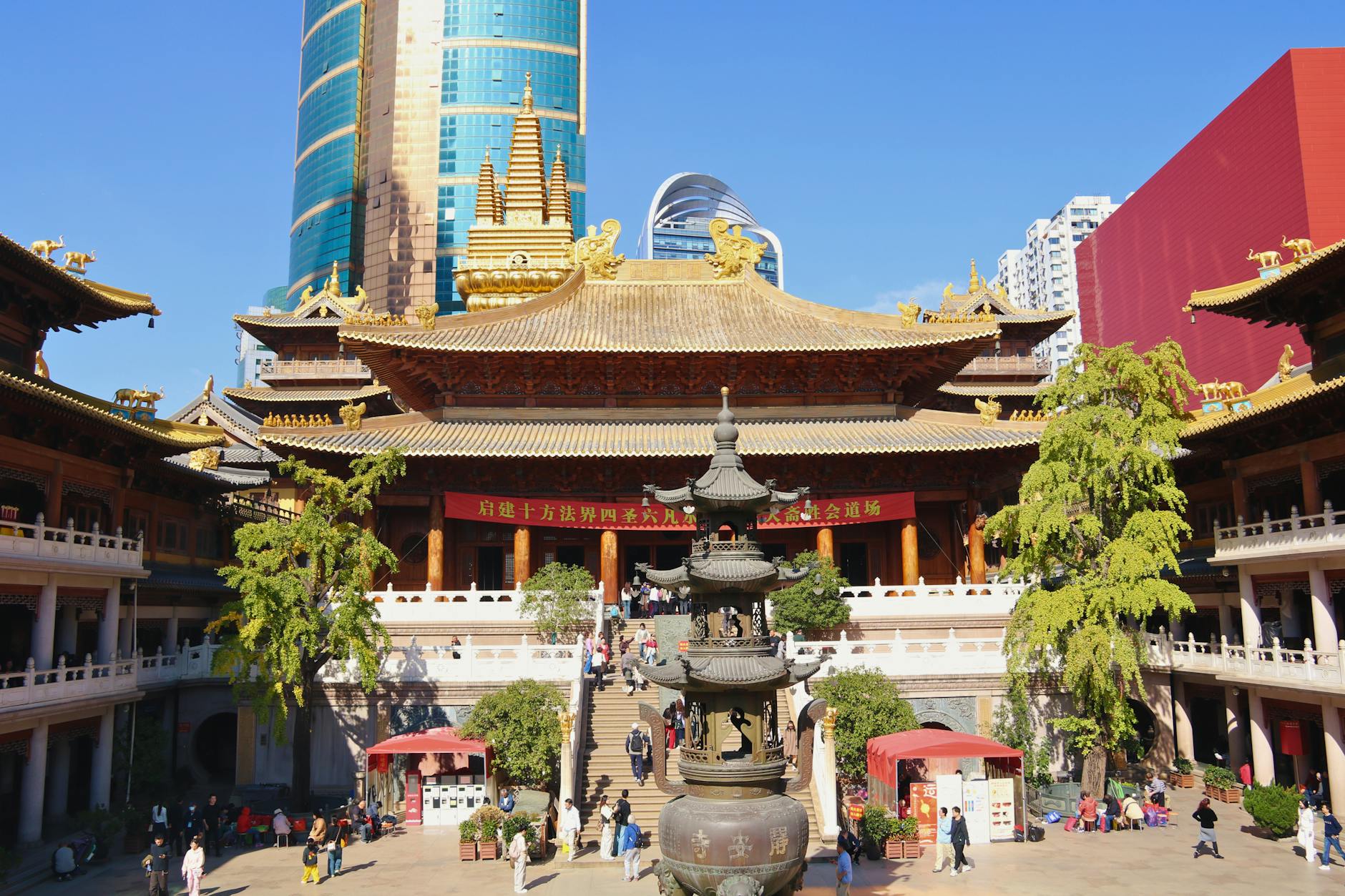
Jing’an District has quietly become one of the smartest choices for where to stay in Shanghai, particularly for travelers who want the best of everything without committing to a single identity. The district stretches from the golden Jing’an Temple — a working Buddhist complex hemmed in by skyscrapers — northward through a mix of renovated lane neighborhoods, creative office spaces, and some of the city’s best restaurants.
The dining scene in Jing’an deserves special mention. The area around Wuding Road and Kangding Road has become Shanghai’s hottest food corridor, packed with critically acclaimed restaurants spanning contemporary Chinese, Japanese omakase, natural wine bars, and inventive street food. This is where local foodies eat — a marked contrast to the tourist-oriented restaurants along the Bund or Nanjing Road.
Jing’an also excels in transport connectivity. Metro Lines 2, 7, and 13 all serve the district, and Nanjing Road West — the more upscale and manageable sibling of Nanjing Road East — runs through its southern boundary. The area sits roughly equidistant between the Bund, the French Concession, and Hongqiao Airport, making it an efficient base for exploring.
Hotels in Jing’an cover the full spectrum. The Jing An Shangri-La and The PuLi Hotel represent the luxury end, while a growing cluster of design-forward mid-range hotels offers excellent value. Several well-regarded hostels also operate near the Shanghai Railway Station area in northern Jing’an.
Price range: Budget and mid-range rooms are easy to find, and the upscale and luxury end is well covered too.
Drawbacks: The district is large and its character varies significantly block by block. Northern Jing’an near the train station is noticeably grittier than the polished area around Jing’an Temple.
Old Town and Yu Garden Area: Best for Cultural Immersion
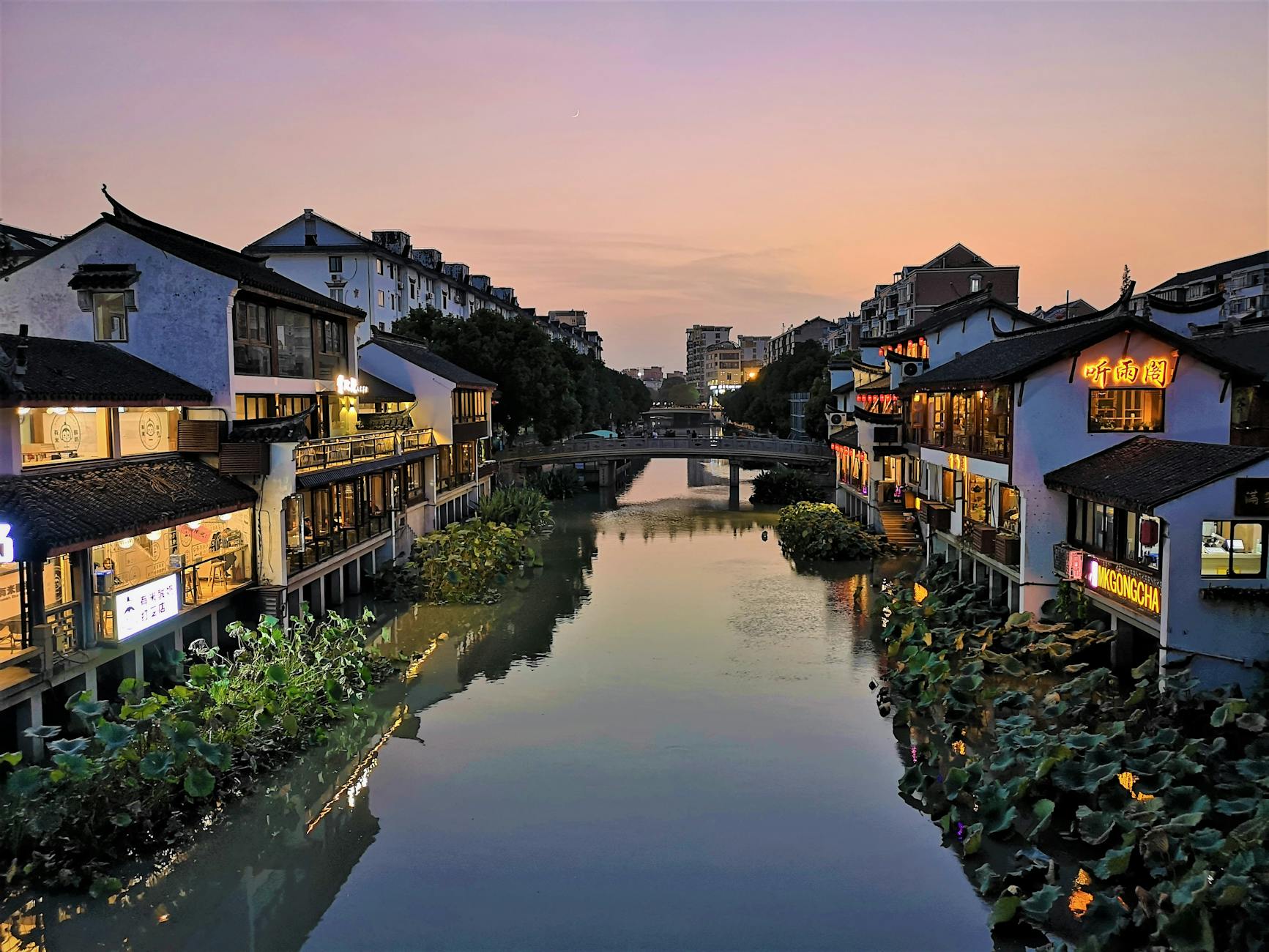
Shanghai’s Old Town — the area surrounding Yu Garden and the City God Temple — is where the city’s pre-treaty-port heritage survives. Narrow lanes, traditional teahouses, and bazaars selling everything from silk to snacks create an atmosphere unlike anywhere else in Shanghai. For travelers seeking authentic cultural texture as the backdrop to their stay, this area offers a compelling alternative to the modern glass-and-steel districts.
Accommodation options here tend toward the practical rather than luxurious. A handful of heritage hotels and guesthouses occupy renovated buildings with traditional Chinese design elements, offering a stay that feels rooted in place. The area is served by Metro Line 10, and the Bund is an easy walk north along the riverfront.
The food scene in the Old Town is heavily tilted toward traditional Shanghai cuisine. Nanxiang Steamed Bun Restaurant — the original location for Shanghai’s most famous xiaolongbao — draws queues daily. Surrounding streets offer a rotating cast of traditional snacks, from scallion oil noodles to fried pork buns.
Price range: Mostly budget to mid-range, with a few boutique properties at the top.
Drawbacks: The immediate Yu Garden bazaar area is heavily touristic and can feel chaotic during peak hours. Hotel options are limited compared to larger districts. The area quiets down significantly after dark.
Hongkou District: Off-the-Beaten-Path and Budget-Friendly
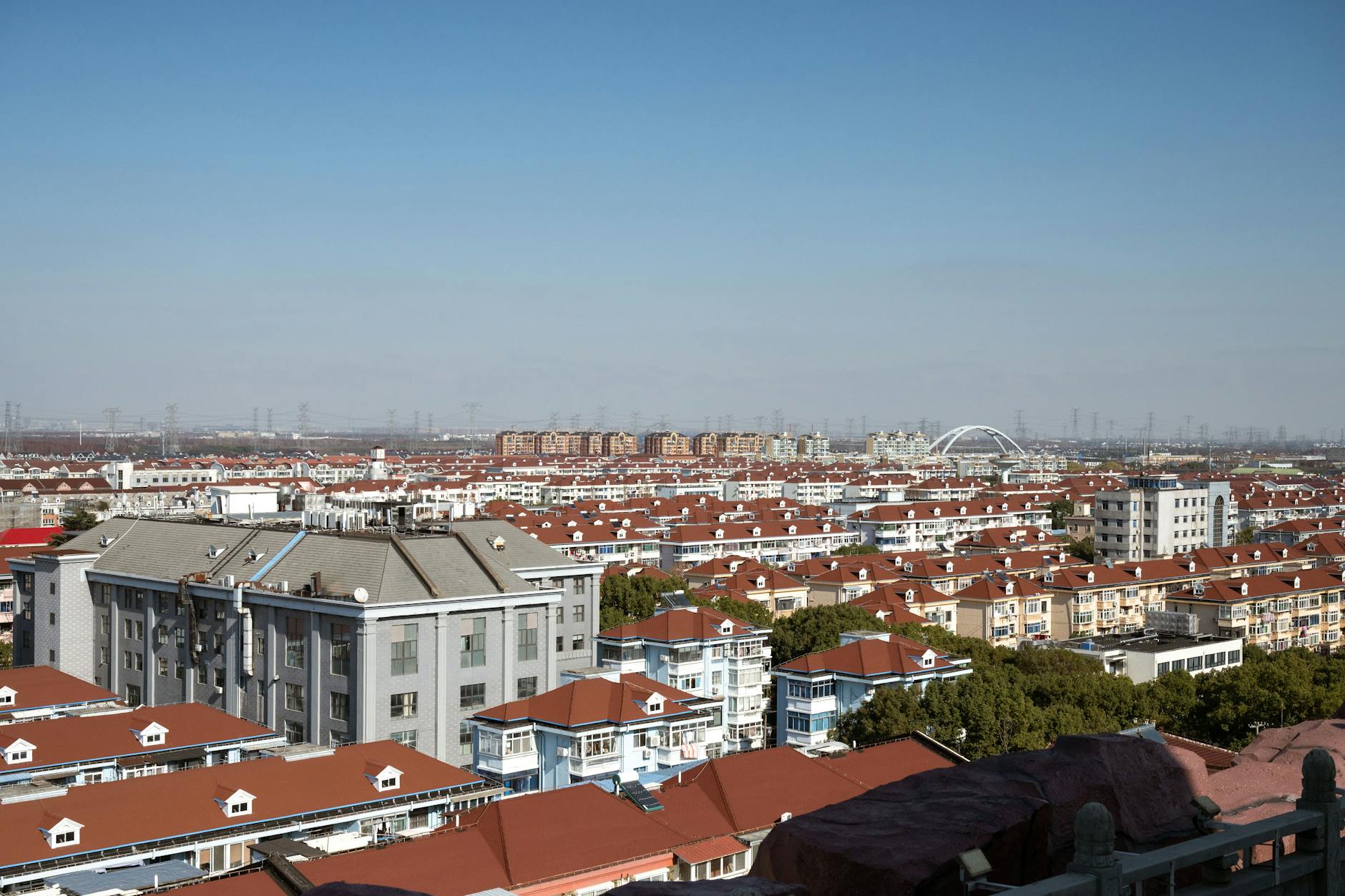
North of Suzhou Creek, Hongkou District offers a different pace of Shanghai life. This historically significant area — home to the Jewish Refugees Museum, Lu Xun Park, and the 1933 Shanghai slaughterhouse turned creative hub — gives visitors an authentic look at how ordinary Shanghai residents live. If you’re wondering where to stay in Shanghai on a tighter budget without sacrificing location entirely, Hongkou delivers excellent value.
The North Bund redevelopment has brought some modern hotels and restaurants to Hongkou’s waterfront, but the district largely retains its neighborhood character. Morning tai chi in Lu Xun Park, steaming bowls of noodles at tiny shopfront restaurants, and the hum of local markets set the daily rhythm.
Metro Line 10 connects Hongkou to central Shanghai, and from the district you can walk across the Garden Bridge to the northern end of the Bund. The area around Hailun Road station has a growing cluster of affordable business hotels that offer clean, modern rooms at a fraction of Bund prices.
Price range: Lower than the Bund or Lujiazui for a comparable room, with a few newer properties at the top of the range.
Drawbacks: Limited nightlife and upscale dining. The area can feel rough around the edges compared to the polished central districts. English signage and English-speaking staff are less common.
Xujiahui: A Local Favorite for Shopping and Family Stays
Xujiahui, at the convergence of several major roads in southwestern Shanghai, is one of the city’s most important commercial centers. For travelers who want to stay in Shanghai outside the tourist core while still enjoying modern amenities and excellent transport links, Xujiahui hits a sweet spot. Metro Lines 1, 9, and 11 converge here, providing fast connections to virtually anywhere in the city.
The district is defined by its massive shopping malls — Grand Gateway 66, Neo Young 6 (on the site of the former Pacific Department Store), and Metro City form a retail triangle at the main intersection. Behind the commercial facade, the surrounding streets have real residential character, with parks, local restaurants, and the historic Xujiahui Cathedral (St. Ignatius Cathedral), one of the most impressive churches in East Asia.
Families in particular benefit from staying in Xujiahui. Hotels are spacious and modern, prices are reasonable, and the area’s mix of shopping, dining, and green space keeps everyone occupied. The Xuhui Riverside area, a short taxi ride away, offers scenic waterfront parks for relaxation.
Price range: Mid-range and upscale hotels make up most of the choice here.
Drawbacks: Xujiahui lacks the historic or cultural appeal of central neighborhoods. It’s a functional, modern area — efficient rather than exciting.
Types of Accommodation in Shanghai
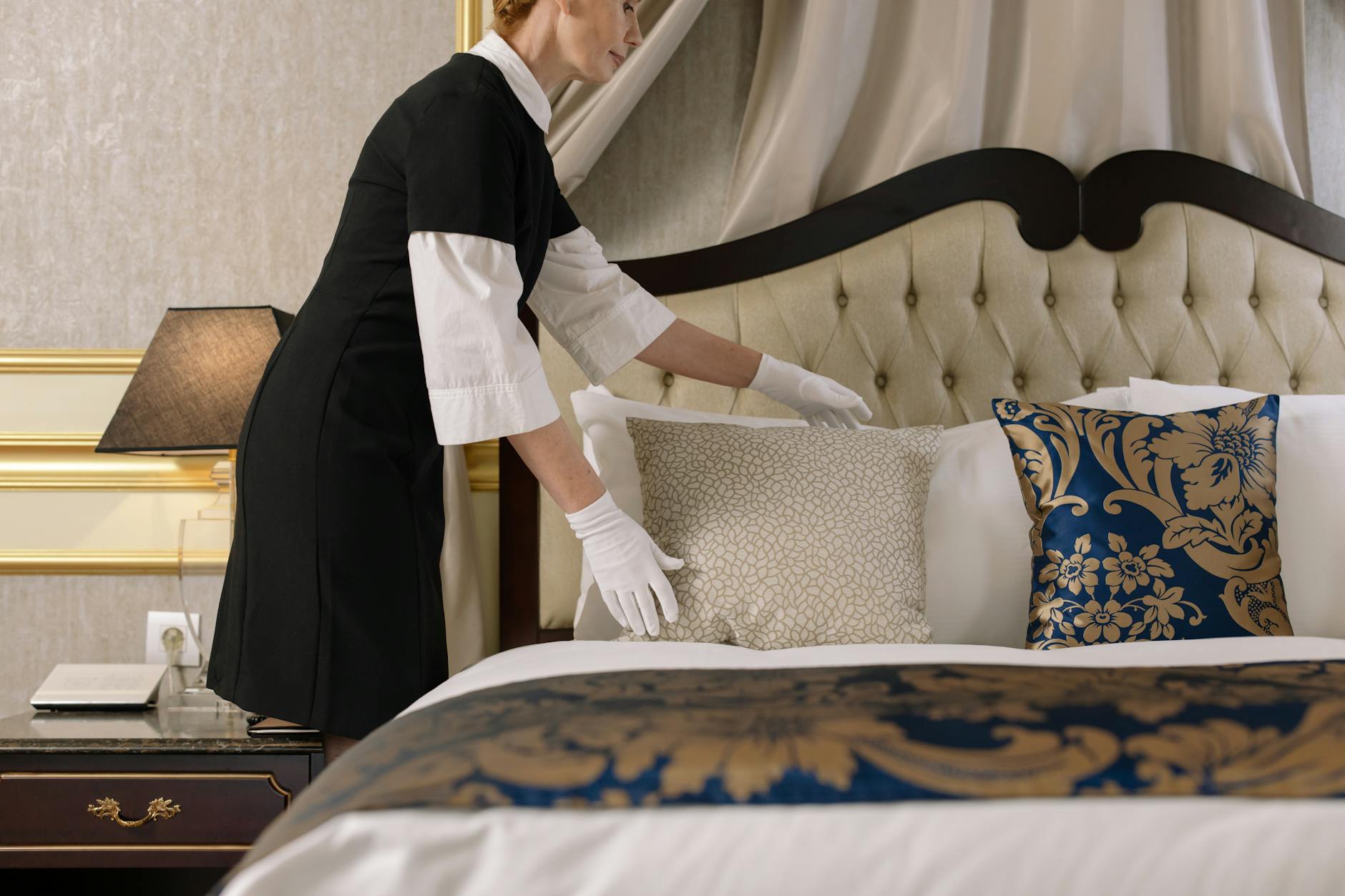
Understanding the types of accommodation available helps you make the best choice for where to stay in Shanghai. The city offers a broader range than most visitors expect:
Luxury and Five-Star Hotels
Shanghai’s luxury hotel scene runs deep, and rooms often cost less than at comparable hotels in Tokyo, Hong Kong, or Singapore. International chains (Ritz-Carlton, Four Seasons, Mandarin Oriental, Peninsula) and distinctive properties (Amanyangyun, The Upper House Shanghai in Jing’an) offer extraordinary value. Expect impeccable service, sophisticated design, Michelin-starred restaurants, and spas that would justify a visit on their own.
Mid-Range and Business Hotels
The $80–$180 range is where Shanghai’s hotel scene truly shines for most travelers. Chains like Marriott, Hilton, Hyatt, and IHG operate multiple properties across the city, and competition keeps standards high. Chinese brands like Atour and CitiGO have also raised the bar for design-conscious business hotels, often offering better value than their international counterparts. At this tier, you can expect comfortable rooms, reliable Wi-Fi, on-site dining, and locations near major metro stations.
Budget Hotels and Hostels
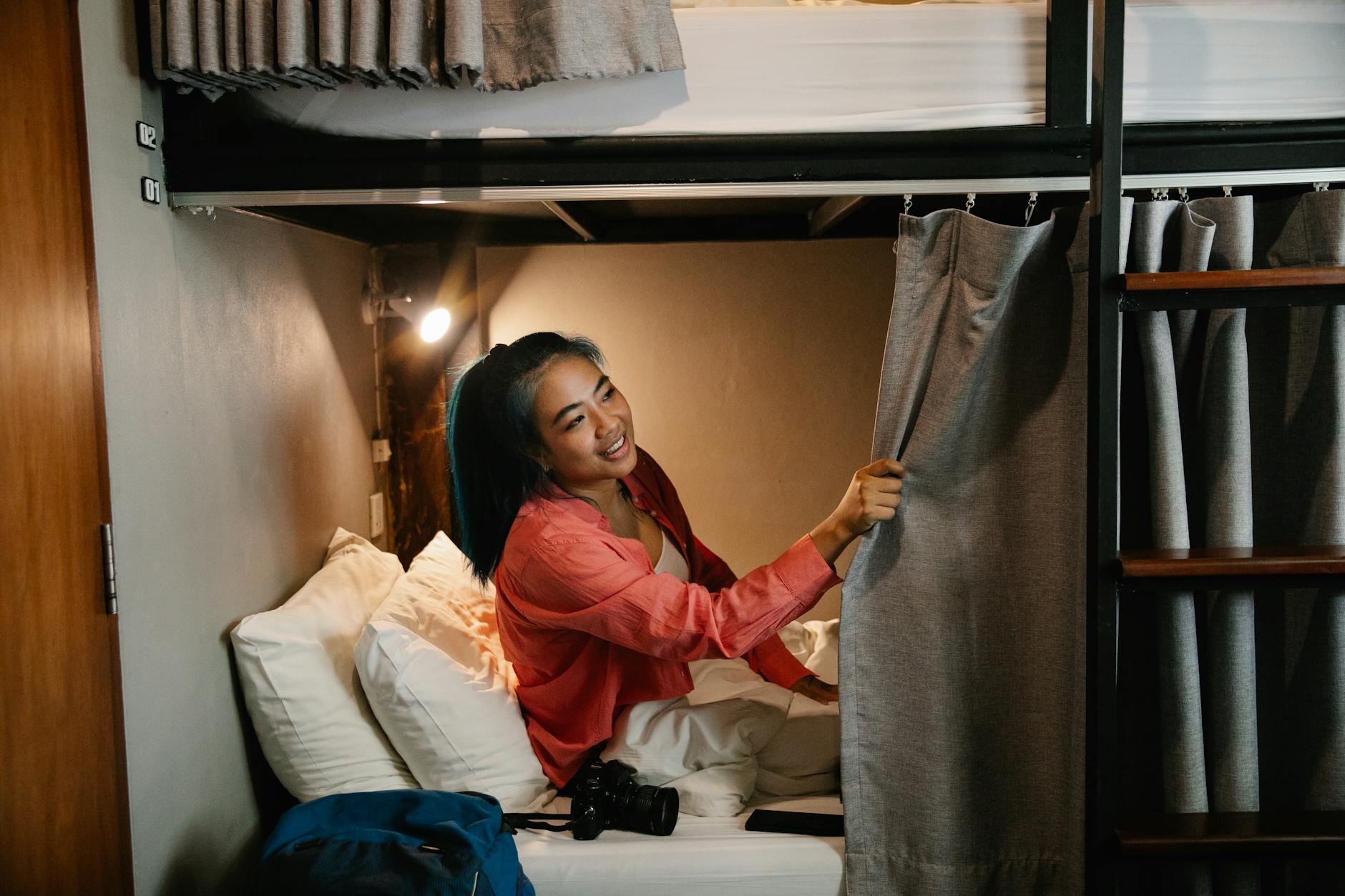
Shanghai has a thriving hostel scene concentrated in the French Concession, People’s Square area, and near major train stations. Dorm beds are the cheapest way to sleep in the city, and a private room in a hostel or budget hotel costs a little more. Chinese budget chains like Hanting, Home Inn, and JinJiang Inn maintain consistent standards with clean rooms, functional bathrooms, and metro-adjacent locations. These are perfectly adequate for travelers who plan to spend their days exploring rather than lounging in a hotel room.
Serviced Apartments and Extended Stays
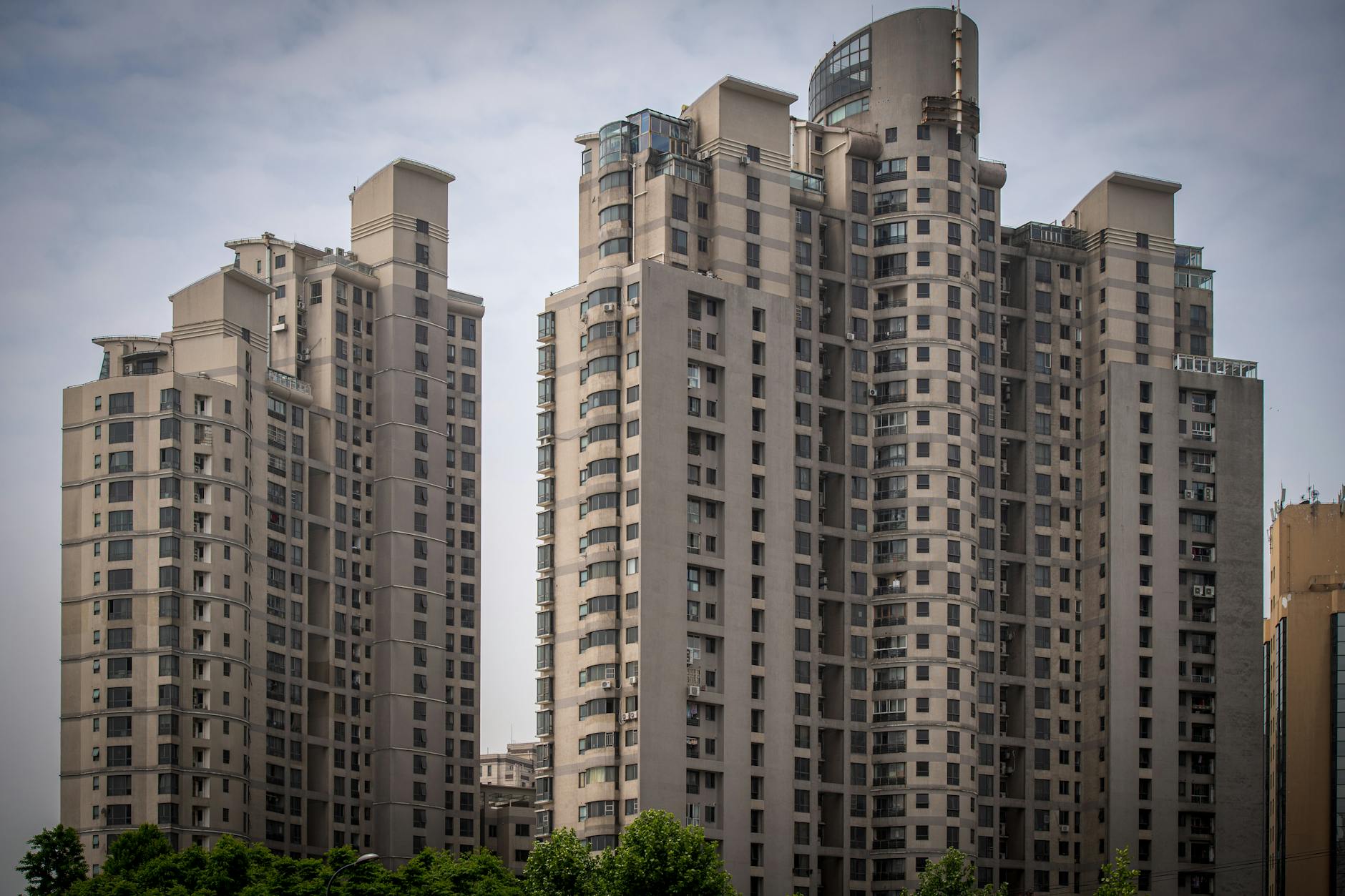
For stays of a week or more, serviced apartments offer significantly better value than hotels. Companies like Ascott, Fraser Suites, and Oakwood operate properties across Shanghai, providing full kitchens, washing machines, and living spaces at rates that decrease substantially with longer bookings. The French Concession and Jing’an are particularly well-served by serviced apartment operators.
Practical Booking Tips for Shanghai Hotels
Knowing where to stay in Shanghai is only half the equation. How and when you book can dramatically affect both price and experience. These practical tips will help you get the most value:
Book through Chinese platforms for better rates. Trip.com (formerly Ctrip) consistently offers lower prices on Shanghai hotels than Booking.com or Expedia, particularly for Chinese-owned properties. Many hotels also offer direct booking discounts through their WeChat mini-programs.
Avoid major holiday periods. Chinese National Day (October 1–7), Chinese New Year (January/February, dates vary), and Labor Day (May 1–5) see hotel prices jump sharply across the city. If your dates are flexible, scheduling around these periods saves significant money.
Check for foreigner registration requirements. All hotels in China are required to register foreign guests with local police — this is automatic at any licensed hotel but can be an issue with unregistered Airbnb-style rentals. Stick to licensed properties to avoid complications.
Download a VPN before arrival. Google, WhatsApp, Instagram, and most Western social media are blocked in China. Install a reliable VPN on your devices before you arrive — hotel Wi-Fi alone won’t bypass the Great Firewall. This is essential for accessing Google Maps, booking apps, and staying in touch with family.
Confirm breakfast inclusion. Many Shanghai hotels offer excellent breakfast buffets featuring both Chinese and Western options, and a good one takes care of the first meal of the day. Always confirm whether breakfast is included before booking, and factor it into your rate comparison.
Shanghai Hotel Pricing by Season
Accommodation prices in Shanghai fluctuate substantially by season. Understanding these patterns helps you decide both when to visit and where to stay in Shanghai for the best value:
| Season | Months | Price Level | Notes |
|---|---|---|---|
| Peak Season | April–May, September–November | High | Best weather; major trade fairs. Book 2–3 months ahead. |
| Shoulder Season | March, June, December | Moderate | Good value with reasonable weather. 2–4 weeks advance booking. |
| Low Season | July–August, January–February | Lowest | Extreme heat (summer) or cold (winter). Best hotel deals. |
| Holiday Surges | Varies (CNY, Oct Golden Week, May Day) | Highest of the year | Book well ahead or avoid entirely. |
Getting Around from Your Hotel
Wherever you decide to stay in Shanghai, the city’s transport network makes it easy to reach every corner. The Shanghai Metro system is one of the longest in the world, with 19 lines (20 counting the Maglev) and more than 500 stations. Daytime taxi fares start at ¥14 for a standard car and ¥16 for an electric one, covering the first 3 km, and the meter climbs from there. Ride-hailing via Didi (China’s equivalent of Uber) is reliable and affordable, and you can register the app with a foreign mobile number and an international credit card. For more on navigating the city, see our complete Shanghai activities guide.
When choosing where to stay in Shanghai, prioritize proximity to a metro station above all else. A hotel that’s a 2-minute walk from a metro stop on Lines 1, 2, or 10 will make your daily explorations dramatically easier than one that requires a 15-minute walk or taxi to the nearest station — even if the latter hotel is technically closer to a specific attraction.
Where to Stay in Shanghai Near the Airports
Shanghai has two major airports, and which one you fly into may influence where to stay in Shanghai — particularly if you have an early departure or late arrival:
Pudong International Airport (PVG): Shanghai’s main international gateway, located 30 km east of the city center. The Maglev covers the run to Longyang Road in about 8 minutes; change there to Line 2 for Lujiazui. Metro Line 2 also runs straight through to People’s Square, slower but with no change. Several airport hotels (Ramada, Hampton by Hilton) cluster around the terminals for layover stays. If you have an early morning international flight, consider staying in Pudong the night before.
Hongqiao International Airport (SHA): Located in western Shanghai, primarily serving domestic flights and some Asian routes. It’s better connected to central Shanghai than Pudong, with Metro Lines 2 and 10 running straight into the city’s key areas. The area around Hongqiao also houses the city’s main high-speed rail terminal, making it a natural base for travelers continuing to other Chinese cities.
Frequently Asked Questions About Where to Stay in Shanghai
What is the best area to stay in Shanghai for the first time?
The Bund (Huangpu District) is the top choice for first-time visitors to Shanghai. You get the iconic skyline views, walkable access to major attractions, and a concentration of quality hotels at every price level. The French Concession is an equally strong choice if you prioritize dining and neighborhood character over famous landmarks.
Is Shanghai expensive for hotels?
Compared to other global megacities, Shanghai offers excellent hotel value. A five-star room here usually costs much less than its London or New York equivalent, and budget travelers will find clean, functional rooms without trouble. The city is notably more affordable than Tokyo, Hong Kong, or Singapore for comparable accommodation quality.
Can I use Airbnb in Shanghai?
Airbnb exited the Chinese market in 2022, but domestic alternatives like Tujia offer similar services. However, be aware that unlicensed short-term rentals may not register foreign guests with police as required by law. Licensed hotels and serviced apartments are the safest choice for international visitors deciding where to stay in Shanghai.
Do I need to speak Chinese to stay in Shanghai hotels?
International chain hotels and most mid-range properties in tourist areas will have English-speaking staff. Budget hotels and properties in local neighborhoods may have limited English. Translation apps like Google Translate (requires VPN) or the locally accessible Baidu Translate can bridge any communication gaps.
What is the safest area to stay in Shanghai?
Shanghai is one of the safest major cities in the world. Violent crime against tourists is essentially unheard of, and petty crime rates are remarkably low even in busy tourist areas. Every neighborhood listed in this guide is safe for travelers at any hour. Standard urban precautions — keeping valuables secure, being aware of your surroundings — are sufficient.
Should I stay in Puxi or Pudong?
For most leisure travelers, Puxi (the west side of the river, including the Bund, French Concession, Jing’an, and People’s Square) is the better choice. It has more dining, nightlife, cultural attractions, and neighborhood character. Pudong is better suited to business travelers, those who prefer modern five-star chains, or visitors who prioritize Pudong Airport proximity. When deciding where to stay in Shanghai, think of Puxi as the soul of the city and Pudong as its ambition.
How far in advance should I book Shanghai hotels?
During peak season (April–May, September–November) and around Chinese holidays, book 2–3 months ahead for the best selection and rates. During low season, booking 1–2 weeks ahead is usually sufficient, and last-minute deals are common. For luxury properties and highly-rated boutique hotels, earlier booking is always advisable regardless of season.
Explore Shanghai Neighbourhood & Hotel Guides
Keep planning with our in-depth companion guides:
- Best Neighborhoods in Shanghai for Tourists (2026 Guide) — Shanghai is enormous, and the neighborhood you choose can make or break your trip.
- Best Hotels Near the Bund Shanghai (2026 Luxury Guide) — Staying near the Bund puts you a short walk from the skyline view across the river and close to Yu Garden and the Old City…
- Best Hotels in Shanghai's French Concession (2026 Guide) — Staying in Shanghai’s former French Concession is the closest the city comes to a European boutique-hotel experience without leaving China.
- Budget Hotels & Hostels in Shanghai: 2026 Cheap Stay Guide — Shanghai may be one of China's pricier destinations…
- Best Luxury Hotels in Shanghai (5-Star 2026 Guide) — Shanghai is one of Asia's great hotel cities.
- Hotels Near Shanghai Pudong Airport: Transit Guide (2026) — Booking hotels near Pudong Airport makes sense in three situations: an overnight layover with a departure before 09:00…
- Shanghai Airbnb vs Hotel: Pros, Cons & Best Areas (2026) — Search Shanghai Airbnb vs hotel and you get a hundred articles weighing kitchens against room service.
- Best Family Hotels in Shanghai with Kids (2026) — The hotel matters more on a family trip than on any other kind.