Working out how to book hotels in China as a foreigner is not the same problem as booking a hotel anywhere else, and the reason is a piece of administrative history: for decades, Chinese hotels needed a specific licence to accept foreign guests, and most small ones never bothered to get it. That rule was officially set aside in May 2024. In practice a good number of hotels across the country still turn foreigners away, which means a booking that looks confirmed can evaporate at the front desk at ten o’clock at night.
Shanghai is the easiest city in China for this by a distance — a tier-one city with a large foreign population, where nearly everything from a hostel upwards is set up to register a foreign passport. But the rules that catch people out elsewhere apply here too: the passport requirement, the police registration, the deposit, the payment methods that do and do not work, and the cancellation terms on the cheap prepaid rates that make up most of the Chinese market. This guide covers all of it, and what to do if you do get refused.

Table of Contents
- How to book hotels in China as a foreigner: the short version
- The foreigner-accepted rule, and what actually changed
- Which booking platform to use
- How to book hotels in China as a foreigner, step by step
- Chains that always take foreigners
- Check-in: passport, registration and deposit
- Paying, deposits and getting money back
- If you are refused at the desk
- Airbnb, apartments and staying with friends
- Reading a Chinese hotel listing
- When to book, and what prices do
- What people get wrong
- Frequently Asked Questions
How to book hotels in China as a foreigner: the short version
If you read nothing else:
- Book through Trip.com for anything in China. It carries by far the widest domestic inventory, states each property’s policy clearly, has a filter for properties that accept foreign guests, and takes international Visa and Mastercard without any Chinese bank account.
- Check the property accepts foreign passports before you pay, not after. On Trip.com this is a badge or a filter; elsewhere, message the property.
- Carry the physical passport. A photograph or a photocopy will not get you a room anywhere in China.
- Expect a deposit of roughly ¥200–1,000, held on a card or taken in cash and returned at checkout.
- Stick to international chains or the big Chinese chains — Jin Jiang, Home Inn, Atour, Hanting, Ji — if you want certainty. They take foreigners as a matter of course.
- Have a backup for the first night. Arriving off a long-haul flight and being refused is the worst version of this problem, and a fully refundable second option costs nothing to hold.
In Shanghai specifically, the risk is low. Our guide to where to stay in Shanghai covers the districts; almost everything it recommends will register a foreign passport without comment.
The foreigner-accepted rule, and what actually changed
Historically, a Chinese hotel needed approval to accept “foreign-related” guests, which meant systems connected to the police registration network and staff trained to use them. Plenty of small hotels, guesthouses and rural properties never applied, and simply declined foreigners at the door.
In May 2024 the Ministry of Public Security, the Ministry of Commerce and the National Immigration Administration issued a joint notice telling hotels they must not refuse foreign guests on the grounds of lacking a foreign-related licence, and deployed public-security agencies to help hotels handle the registration. Shanghai’s own government published the instruction at the time. It followed a run of complaints from Nigerian, British and Pakistani travellers who had been turned away.
That is the good news. The realistic news is that the notice functions as guidance rather than an enforced mandate, and compliance varies a great deal by city and by district. An investigation in Xi’an in May 2025 found that only 15 of 52 hotels within 500 metres of a major attraction would take a foreign guest — a year after the notice.
What this means for you depends entirely on where you are going:
- Shanghai, Beijing, Shenzhen, Guangzhou: very low risk. Book what you like from a reputable platform.
- Second-tier cities — Xi’an, Chengdu, Hangzhou, Qingdao: moderate risk at small independents. Use the filter.
- Small towns, county seats and rural areas: high risk. Book a known chain or a property explicitly listed as accepting foreigners, and do not walk in on spec.
The pattern is consistent: the smaller and more rural the property, the more likely the refusal, and it is about administrative capability rather than hostility.
Which booking platform to use
| Platform | Chinese inventory | Foreign cards | Foreigner-accepted filter | Best for |
|---|---|---|---|---|
| Trip.com | The widest by far | Yes — Visa, Mastercard, Amex | Yes | Everything in China. The default |
| Booking.com | Limited, skews international | Yes | Partial | International chains, price comparison |
| Agoda | Moderate | Yes | Partial | Price comparison, occasional good rates |
| Hotel’s own website | — | Usually, for chains | Ask directly | International chains and loyalty points |
| Ctrip (携程, the Chinese app) | The same as Trip.com | Harder | In Chinese | Not worth it — Trip.com is the same company |
Trip.com and Ctrip are the same business, and Trip.com is simply the international-facing version with English support and easier card handling. There is no advantage to fighting with the Chinese app.
Where the international platforms are genuinely better is the big Western chains — Marriott, Hilton, Accor, IHG, Hyatt — where booking direct earns points and often a better cancellation policy. Every one of those chains accepts foreign guests everywhere in China without exception, so if you want certainty and you have status somewhere, use it. Our guide to luxury hotels in Shanghai covers that end of the market.
How to book hotels in China as a foreigner, step by step
- Search on Trip.com with your dates and district. Filter by metro line if you can — Shanghai distances look shorter on a map than they are on foot.
- Apply the foreign-guests filter, or look for the badge on the listing. This is the step that prevents the whole problem.
- Read the rate conditions. Chinese hotels lean heavily on non-refundable prepaid rates, often 15–25% cheaper than the flexible equivalent. That gap is real money, but so is the risk if your plans move.
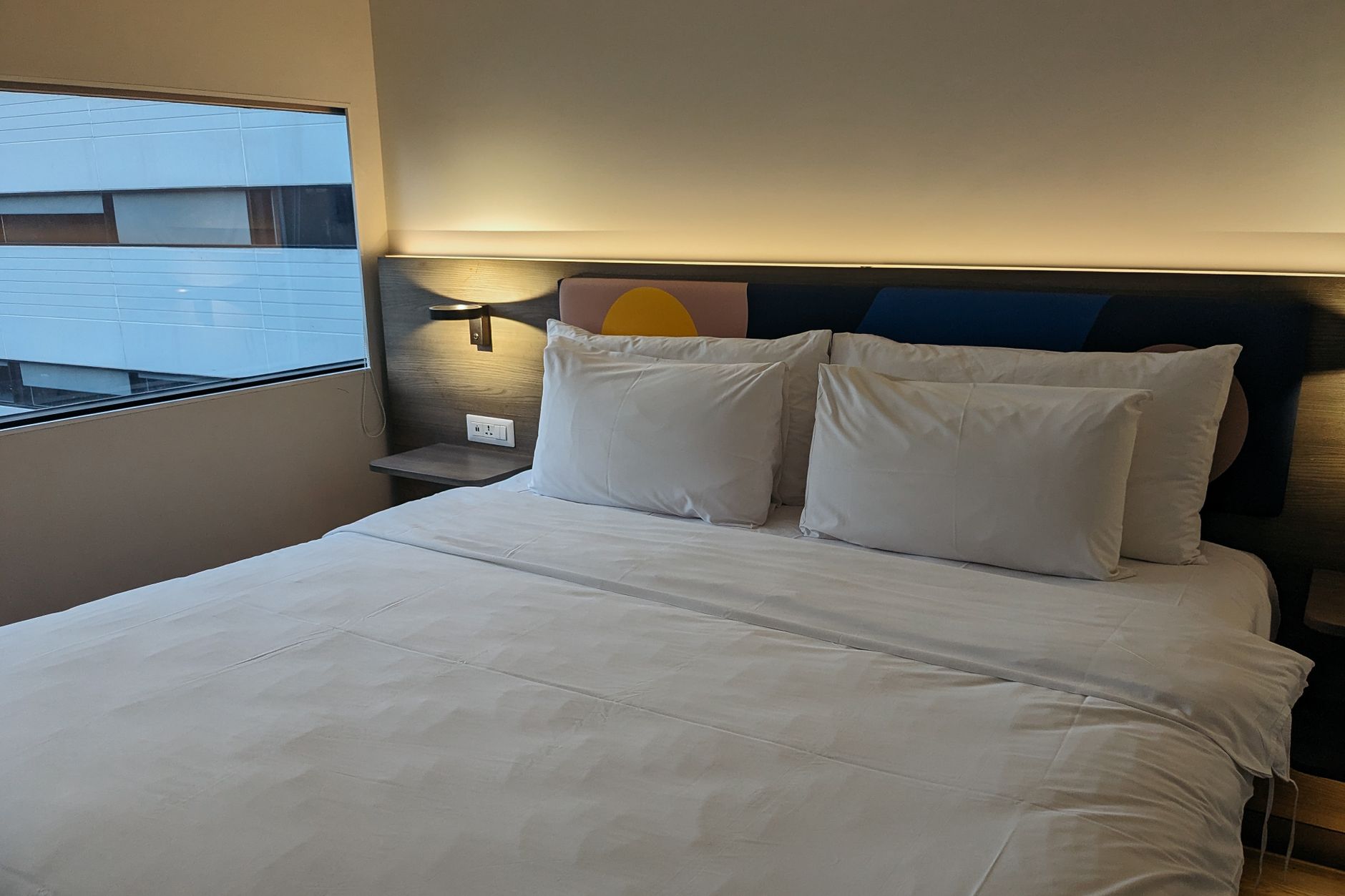
- Check what the room actually contains. “Double” in China frequently means two single beds. A room with a window is not a given at the budget end. Photographs are usually accurate; descriptions are translated and sometimes are not.
- Enter your name exactly as it appears in your passport, in the same order. A mismatch between the booking and the passport is a genuine cause of trouble at check-in, and Chinese systems are unforgiving about it.
- Pay with an international card. Trip.com takes Visa, Mastercard and American Express without a Chinese bank account.
- Save the confirmation offline, including the hotel’s name and address in Chinese characters. You will need those characters for the taxi driver, and possibly for a visa application.
- If the property is small or you are outside a major city, message it directly through the platform to confirm it takes foreign passports. A one-line reply in writing is worth a great deal at 22:00.
One useful extra: if you are applying for a Chinese tourist visa, the application usually wants confirmed accommodation for the whole trip. A refundable Trip.com booking satisfies that and can be cancelled later — see our guide on applying for a China tourist visa for what the form actually asks.

Chains that always take foreigners
If you want to remove the question entirely, book one of these. All operate at scale across China and all handle foreign registration routinely.
- Jin Jiang — Shanghai’s own group and the largest hotel company in China, spanning budget to five-star.
- Home Inn (如家) — budget to mid-range, everywhere, functional and clean.
- Hanting (汉庭) and Ji Hotel (全季) — the mid-range workhorses, part of the same group. Ji is the better of the two and consistently good value at ¥350–600 a night.
- Atour (亚朵) — mid-to-upper, design-led, notably good beds and a strong domestic following.
- The international groups — Marriott, Hilton, IHG, Accor, Hyatt, Shangri-La. Universal acceptance, English at the desk, and the highest prices.
In Shanghai the mid-range Chinese chains are genuinely good and cost half what a comparable international brand does. A Ji Hotel near a metro station in Jing’an or Huangpu at ¥400 a night is a better trip than a chain business hotel out by the airport at the same price. Our guides to hotels near the Bund and French Concession hotels cover the two districts most visitors should be choosing between.
Check-in: passport, registration and deposit
Chinese hotel check-in is a legal registration process. Expect it to take five to fifteen minutes and to involve the following:
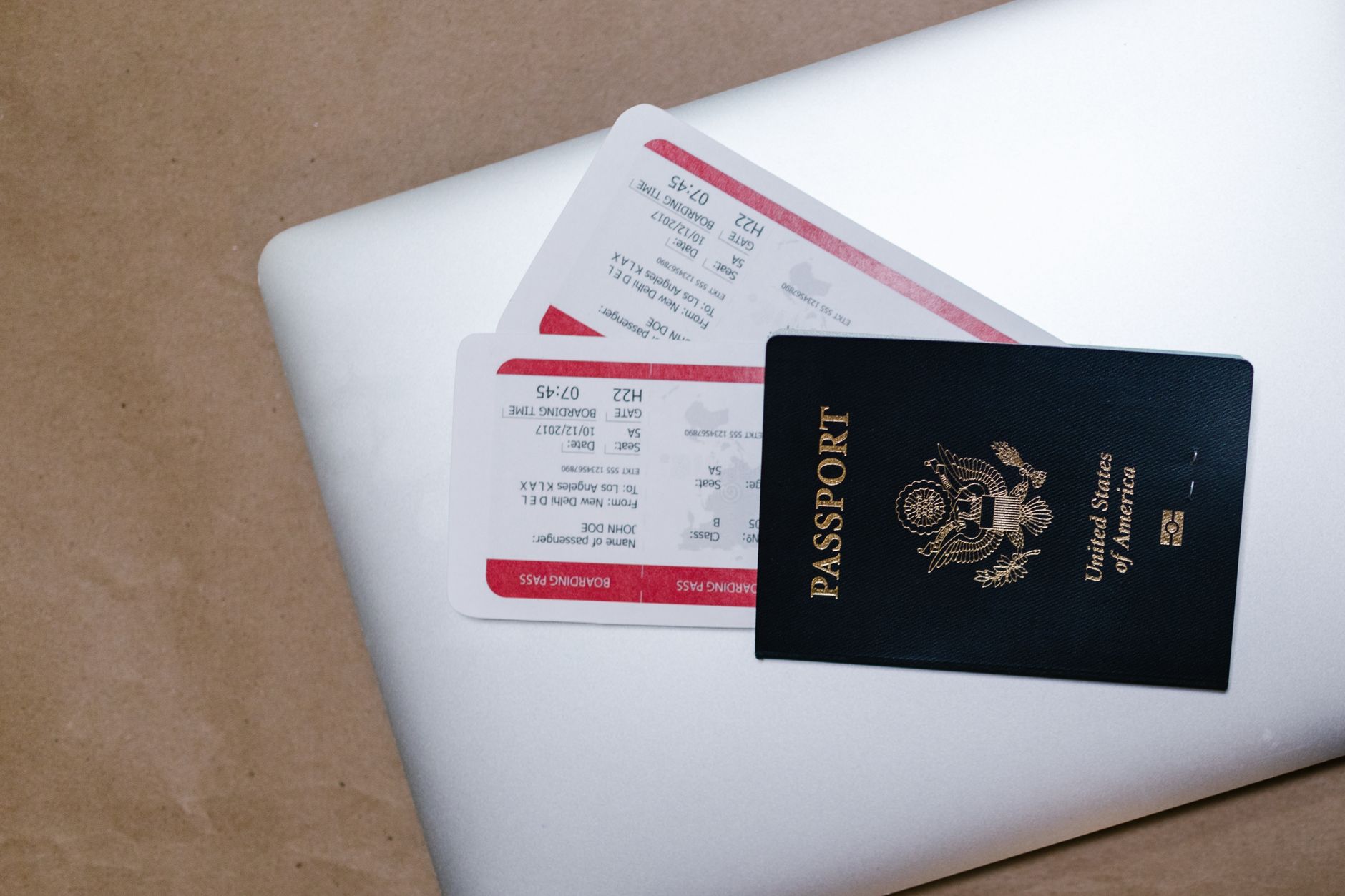
- Your passport, physically. It is scanned or photographed, and the details are filed with the local police. Every guest needs to present one, not just the person who booked.
- A photograph. Many hotels now take a face photo at the desk as part of the registration.
- A deposit — see below.
- A room card that usually also powers the lights, in a slot by the door.
The registration matters beyond the hotel. Foreign nationals in China must be registered with the local police within 24 hours of arriving somewhere new. A hotel does this automatically as part of check-in, which is one of the underrated advantages of staying in one. Keep the check-in slip if you are given one.
Check-in is typically from 14:00 or 15:00 and checkout at 12:00. Early check-in is often possible and often charged. Luggage storage before and after is standard and free, which makes an early arrival or a late flight much easier to manage.

Paying, deposits and getting money back
Deposits. Almost every Chinese hotel takes one at check-in, typically ¥200–1,000 depending on the class of hotel, either as a hold on a card or in cash. It covers the minibar and any damage and is returned at checkout. Card holds can take several days to drop off a foreign statement, which occasionally alarms people who have already flown home.
Cards at the hotel. International chains and the better Chinese hotels take foreign Visa and Mastercard at the desk without trouble. Budget properties are less reliable, and some will only take cash or a domestic payment method for the deposit. Carry ¥1,000 in cash for the first couple of nights until you know how your hotel behaves — our guide to money and currency exchange in Shanghai covers where to get it.
Alipay and WeChat Pay both now accept foreign Visa and Mastercard and work at essentially every hotel. Setting one up before you fly is the single most useful piece of preparation for a China trip; see our Alipay and WeChat Pay guide.
Cancellation. This is where money gets lost. The Chinese market runs on prepaid, non-refundable rates because domestic travellers book late and rarely cancel. The saving is real — 15–25% — but so is the total loss if a flight moves. For the first and last nights of a trip, pay the extra for a flexible rate. For the middle, once you are certain, take the cheap one.
Refunds on cancellable bookings are processed by the platform, not the hotel, and take between three days and two weeks to reach a foreign card. Keep the confirmation.
If you are refused at the desk
It is unlikely in Shanghai and possible elsewhere. If it happens:
- Stay calm and ask why. Usually it is the licence issue and the staff are apologetic — this is a systems problem, not a personal one. The phrase you will hear is 不接待外宾 (bù jiēdài wàibīn, “we do not receive foreign guests”).
- Show the booking and ask them to call the platform. Trip.com has a 24-hour line and will either resolve it or rebook you.
- Point out the May 2024 notice, politely. Some front desks genuinely do not know the rule changed, and a manager may resolve it. Do not push it if the answer is firm — the police registration system either works at that property or it does not.
- Ring 12345, the municipal service hotline, which has multilingual support and takes complaints about licensed operators seriously. A case number carries weight.
- Have the backup ready. A nearby Ji, Hanting, Home Inn or international chain will take you. This is the whole reason to know the chain names.
Insist on a refund for the unused booking through the platform, and do it while you are standing there rather than the next day.
Airbnb, apartments and staying with friends
Airbnb closed its domestic Chinese listings in 2022, so the short-let market now runs through Chinese platforms with limited English support. Serviced apartments booked through Trip.com are a viable alternative for longer stays and are usually set up for foreign guests.
The catch is the registration. In a private apartment, the 24-hour police registration is your responsibility, not the host’s. You take your passport and the rental agreement to the local police station and register in person. It is free and takes half an hour, and skipping it is a genuine regulatory problem rather than a technicality — it comes up if you have any subsequent contact with authorities, including a later visa application.
The same applies if you stay with friends or family in China: register at their local station within 24 hours, with their householder’s documents. Hotels remove this entire question, which for a short trip is worth a lot. Our comparison of Airbnb versus hotels in Shanghai goes through the trade-off in detail.

Reading a Chinese hotel listing
Listings are translated, sometimes loosely, and a few conventions differ enough from European practice to cause real surprises.
- “Double room” usually means two single beds. The word you want for one large bed is “king” or “queen”, or the Chinese 大床房 (dàchuáng fáng, big-bed room). Twin is 双床房. Get this wrong and it is not fixable at 23:00 on a full night.
- “Window” is a feature, not a given. Budget Chinese hotels routinely sell interior rooms with no window at a discount, and the listing will say 无窗 (no window) somewhere in the small print. If daylight matters, filter for it.
- Room sizes are given in square metres and they are accurate. Under 15 m² is small even by city-hotel standards; 20–25 m² is a comfortable mid-range room.
- Breakfast is frequently excluded and frequently not worth adding. Chinese hotel breakfast is a buffet of congee, noodles, buns and some Western items, decent at the top end and thin at the bottom. There is a better breakfast within two minutes’ walk almost anywhere in Shanghai.
- Star ratings are unreliable. Chinese star classification is a licensing category rather than a quality judgement, and a self-declared “five-star” independent can be considerably worse than a four-star chain. Read the guest score, not the stars — anything above 4.5 on Trip.com is genuinely good.
- Check the metro line, not the district name. “Huangpu District” spans eight kilometres. A listing that says “5 minutes to People’s Square” may mean five minutes by car in no traffic.
When to book, and what prices do
Chinese hotel pricing is more volatile than European pricing because the domestic market books late and moves in enormous, calendar-driven waves.
Ordinary weeks: prices are stable and booking two to four weeks ahead is plenty. There is rarely a large early-bird advantage, and last-minute rates in Shanghai are sometimes cheaper than advance ones on a quiet Tuesday.
Golden Week (1–7 October) and Chinese New Year: a different market entirely. A mid-range central hotel that costs ¥450–700 normally runs ¥900–1,600; a Bund four- or five-star goes from ¥1,200–2,200 to ¥2,500 and up; a hostel dorm doubles. Central hotels commonly impose two- to four-night minimum stays, often non-refundable. Book these three to four months ahead or avoid the dates.
Trade fairs are the trap nobody warns you about. Shanghai hosts several enormous exhibitions a year — the National Exhibition and Convention Centre out at Hongqiao is one of the largest venues on earth — and during a major fair, hotel prices across the whole west of the city triple and availability disappears. If your dates produce inexplicably high prices in an ordinary week, that is why. Moving to Huangpu or Pudong usually solves it.

What people get wrong
Booking a cheap independent hotel in a small city without checking. The single most common cause of a night spent looking for a room. Use the filter or book a chain.
Bringing a photocopy of the passport. No hotel in China will accept it. The original, every guest, every time.
Name mismatches. The booking name must match the passport exactly, in the same order. Middle names and hyphens matter.
Taking the non-refundable rate for the arrival night. Flights move. Pay the extra 20% for flexibility on the first and last nights.
Assuming “double room” means one bed. It very often means twins. Check the photographs.
Arriving with no cash for the deposit. Budget hotels may not take a foreign card for it.
Staying in an apartment and skipping the police registration. It is required, it is free, and it takes half an hour.

Frequently Asked Questions
Can foreigners stay in any hotel in China?
Legally, yes since May 2024, when a joint notice from the Ministry of Public Security, the Ministry of Commerce and the National Immigration Administration told hotels they must not refuse foreign guests for lacking a foreign-related licence. In practice enforcement is uneven, and small and rural hotels still decline. Shanghai and the other tier-one cities are very low risk.
What is the best site to book hotels in China?
Trip.com. It has by far the widest Chinese inventory, takes international Visa, Mastercard and Amex with no Chinese bank account, states each property’s policy clearly, and has a filter for hotels that accept foreign guests. Booking.com and Agoda are useful for price comparison and international chains.
Do I need my passport to check into a hotel in China?
Yes, the physical original, for every guest. It is scanned and the details are filed with the local police as part of the registration required within 24 hours of arriving anywhere new. A photocopy or a photograph on your phone will not be accepted.
Which hotel chains in China accept foreigners?
All the international groups — Marriott, Hilton, IHG, Accor, Hyatt, Shangri-La — and the large Chinese chains: Jin Jiang, Home Inn, Hanting, Ji Hotel and Atour. Ji and Atour are the best value in the mid-range, at roughly ¥350–600 a night in central Shanghai.
How much is the hotel deposit in China?
Typically ¥200–1,000 depending on the class of hotel, taken as a card hold or in cash at check-in and returned at checkout. Card holds can take several days to clear from a foreign statement. Carry some cash for the first nights in case a budget property will not hold a foreign card.
Can I use a foreign credit card at Chinese hotels?
At international chains and better Chinese hotels, yes. At budget properties it is less reliable. Alipay and WeChat Pay both now accept foreign Visa and Mastercard and work almost everywhere, so setting one of those up before you travel removes the question.
What do I do if a hotel refuses to check me in?
Ask them to call the booking platform — Trip.com runs a 24-hour line and will resolve or rebook. You can politely point out the May 2024 notice, since some desks do not know the rule changed. Ring 12345 for a municipal complaint if you want it recorded. Then go to a nearby chain, which will take you.
Is police registration automatic at a hotel?
Yes. The hotel files it when it scans your passport at check-in, which is one of the practical advantages of staying in one. If you stay in a private apartment or with friends, you must register in person at the local police station within 24 hours yourself.
Does Airbnb work in China?
Airbnb withdrew from the Chinese domestic market in 2022. Short lets now run through Chinese platforms with limited English support. Serviced apartments booked through Trip.com are the practical alternative, and remember that the police registration in any private accommodation is your own responsibility.
Are non-refundable rates worth it?
They save 15–25%, which is real money over a week. Take them for the middle of a trip once your plans are firm, and pay for flexibility on the first and last nights, where a moved flight is most likely to cost you the whole booking.
How much should I budget for a hotel in Shanghai?
Roughly: hostel dorm ¥90–150, budget chain room ¥250–400, good mid-range like Ji or Atour ¥350–600, four-star international ¥700–1,200, and Bund or Lujiazui five-star ¥1,200–2,500. Golden Week and Chinese New Year roughly double all of these and often bring minimum-stay requirements.
None of this is difficult once you know the shape of it: use Trip.com, check the foreign-guests badge, carry the passport, and keep ¥1,000 in cash for a deposit. In Shanghai you are very unlikely to hit any of the problems above, and if you are heading further into China afterwards, book the chains and message the small places in advance. Our guides to budget hotels and hostels and family hotels in Shanghai cover the two ends of the market in more detail.